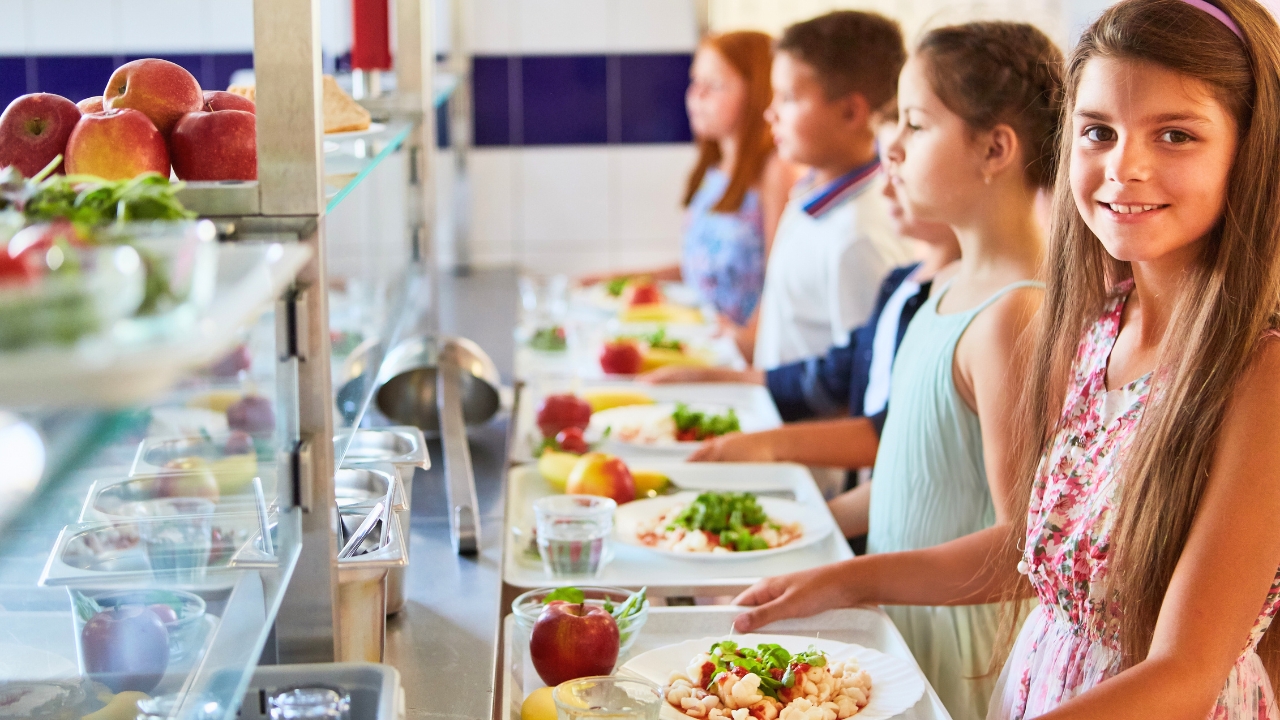
Photo credit: Robert Kneschke/Shutterstock.com
California is moving closer to a major school lunch shake-up, and plenty of parents are already uneasy about what it could mean for the foods their kids actually eat. The state’s push is aimed at certain ultra-processed foods in public school meals, but critics say the proposal is broad enough that it could eventually affect some of the cafeteria items students know best. Supporters see it as a health-first move. Skeptics see a policy that could create confusion long before anyone knows exactly what will disappear from the tray.
The debate has been building around California’s Real Food, Healthy Kids Act, a law signed by Gov. Gavin Newsom in October 2025. Under the law, the California Department of Public Health has until 2028 to define which ultra-processed foods are considered “of concern” for schools. Districts then have to begin phasing those foods out by July 2029, vendors are barred from supplying them to schools by 2032, and the foods cannot be sold in school breakfast or lunch programs by July 2035.
That timeline may sound far off, but the uncertainty is already driving the argument. One legislative analysis warned that because the category of ultra-processed foods can be hard to pin down, the policy could potentially sweep in ingredients used in everyday school meal staples such as bread, dairy, and canned fruits or vegetables. That does not mean those foods are officially banned right now, but it does explain why some parents and school meal advocates are nervous about how aggressive the eventual rules could become.
That is also where the politics of the issue get more complicated. Supporters of the law argue California is trying to get ahead of a broader public health problem by reducing foods linked in research to issues like heart disease, diabetes, and other long-term health concerns. The bill analysis described the goal as phasing out “particularly harmful” ultra-processed foods from school meals, not wiping out every packaged or convenient item served in cafeterias. Still, parents hear phrases like “school lunch staples” and immediately think about whether their kids will be left with fewer choices or meals they simply will not eat.
The law leaves a lot to be decided later, and that may be why headlines around it are landing so hard. Right now, California has not published a final list of banned cafeteria foods under this law. Instead, the state first has to create the definitions and identify which foods will count as restricted. The Los Angeles Times reported that it still is not clear which foods will end up on the prohibited list, even though the law is expected to force a major rethink of school cafeteria menus over time.
For parents, that lack of clarity can feel like a problem all by itself. School meals are one of those issues that sound simple in theory but get messy in real life. A state can promise healthier options, but families know what happens when kids reject replacements they do not like. Cafeterias also have to balance nutrition rules, vendor contracts, food costs, and what students will actually choose to eat during a short lunch period. If familiar items start disappearing before schools have strong substitutes in place, the backlash could come fast. This is part inference based on the law’s implementation timeline and the concerns raised in legislative analyses.
California has already shown it is willing to move aggressively on food rules in schools. In 2024, Newsom signed a separate law to remove six synthetic food dyes from foods sold in California public schools, with that measure taking effect at the end of 2027. That earlier step gave a preview of the broader direction the state is heading: fewer additives, more scrutiny of processed ingredients, and a willingness to use school meals as a frontline target for nutrition policy.
Whether parents ultimately support this new push may depend less on the law’s stated goal and more on what the state actually puts on the banned list in 2028. If California focuses on a narrower group of clearly defined products, the reaction may calm down. If the rules touch foods families see as ordinary and practical lunch items, the fight will probably grow much louder. For now, the biggest thing to understand is that California has not banned every familiar school lunch item, but it has started a process that could eventually reshape what millions of students are served at school.