Photo credit: ShishkinStudio/ShutterStock.com
When everything hits the fan, the last thing you want is to realize you forgot something important. It’s easy to think you’ve got it all covered until a small thing turns into a big problem. These are the items folks tend to overlook—but once you’re in the thick of it, you’ll wish you had them on hand. Whether you’re bugging out, hunkering down, or riding out a long emergency, these simple things can save time, stress, and even lives when things stop working like normal.
Water Filtration Tablets

Even if you’ve packed a water filter, tablets are a smart backup. They weigh almost nothing and take up barely any space, but they can purify questionable water fast if your main setup fails or freezes. One busted filter and you’re glad you packed them.
Tablets are also great in tight spots—small creeks, murky puddles, or water you just don’t trust. They won’t taste great, but they’ll keep you alive. In hard times, that’s what matters. They’re cheap insurance that too many folks forget.
Manual Can Opener

It sounds ridiculous, but plenty of people stockpile canned goods and forget the tool to open them. Electric ones don’t count when the power’s out, and stabbing a can with a knife gets old fast—and dangerous.
A small, manual can opener should be in every kit. Look for one that’s sturdy, not the flimsy dollar-store kind that bends on the second can. It’s one of those things you won’t think about until your stomach’s growling and you’re staring at sealed cans.
Nitrile Gloves

When it comes to staying clean, handling wounds, or dealing with waste, nitrile gloves make a big difference. You don’t want to risk infection or cross-contamination when help’s not coming. A good stash takes up little space but pays off fast.
They’re also handy for mechanical work, food prep, or keeping your hands dry in a pinch. In stressful times, keeping yourself healthy and clean gets a lot harder. Gloves help keep things sanitary when soap and clean water aren’t guaranteed.
Extra Lighters (and Matches)

Fire’s a must—whether you’re cooking, staying warm, or boiling water. One lighter’s not enough. Pack several, toss a few in different bags, and keep waterproof matches too. Fire-starting gear is too cheap and too important to skimp on.
You don’t want to be stuck in the cold, struggling with damp wood and no flame. Backup options matter. A pack of Bics and a waterproof match case can mean the difference between a warm camp and a rough, sleepless night.
Multivitamins

In a survival situation, your diet’s going to take a hit. You won’t be getting all the nutrients you normally would, especially if you’re living off beans, rice, or canned meat. That’s where a bottle of multivitamins comes in.
They help cover the gaps and keep your body functioning. You’ll have more energy, better immunity, and less chance of getting sick from deficiencies. It’s a small thing that adds real value when food variety goes out the window.
Heavy-Duty Trash Bags

Trash bags are underrated. They’re good for way more than garbage. Need a rain poncho? Shelter liner? Water barrier? You’ll be glad you have them. Get the thick contractor-grade kind—not the flimsy kitchen ones.
They’re also useful for sanitation if you don’t have a working toilet. You can line a bucket, seal up waste, or even collect rainwater in a pinch. You’d be surprised how often these come in handy when the systems we depend on break down.
Headlamp with Extra Batteries
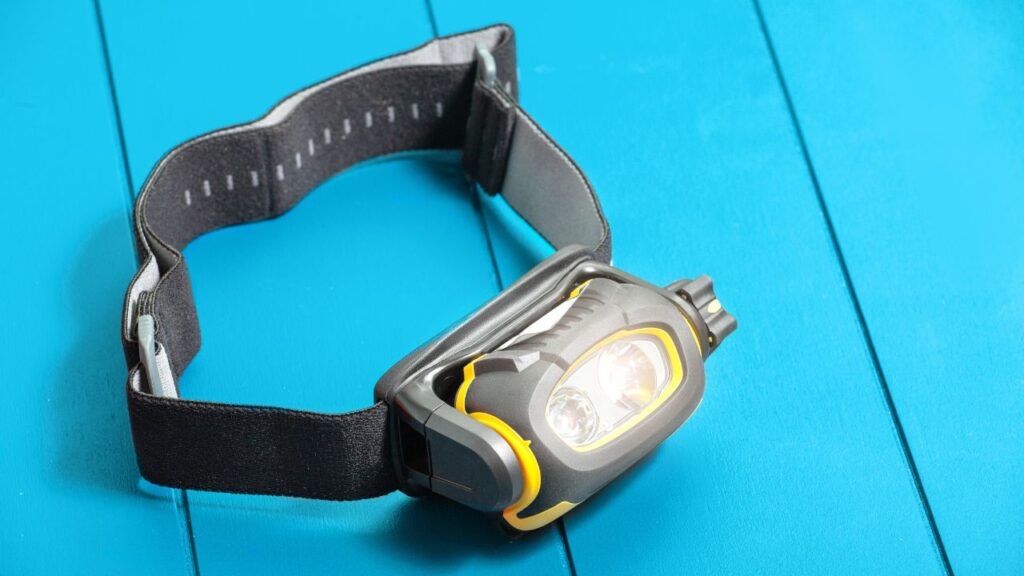
Flashlights are great, but once you’ve used a headlamp in the dark while doing something with both hands, there’s no going back. Cooking, walking, fixing things—it’s all easier when your light’s not in your mouth or your hand.
Make sure to pack extra batteries too. And test it ahead of time, so you know how long it’ll last on each setting. It’s one of those comfort and safety items that makes life easier when daylight’s limited and power’s out.
Paper Maps

Phones are great until the battery dies or there’s no signal. If you’re forced to evacuate or find a new route, paper maps can save your tail. You need to know how to get where you’re going without relying on tech.
Get regional maps that show backroads, rivers, and elevation if possible. Mark routes and locations ahead of time. Even if you never use them, having maps gives you options when GPS isn’t an option.
Needle and Thread

Clothing rips, gear tears, straps break. A simple sewing kit gives you the tools to fix them fast without having to replace gear or suffer through discomfort. Pack heavy-duty thread and a few curved and straight needles.
This isn’t about fashion—it’s about patching sleeping bags, tents, and backpacks so they keep doing their job. In hard times, repair beats replacement every time. A sewing kit’s small, light, and worth its weight in gold when you need it.
OTC Meds You Actually Use

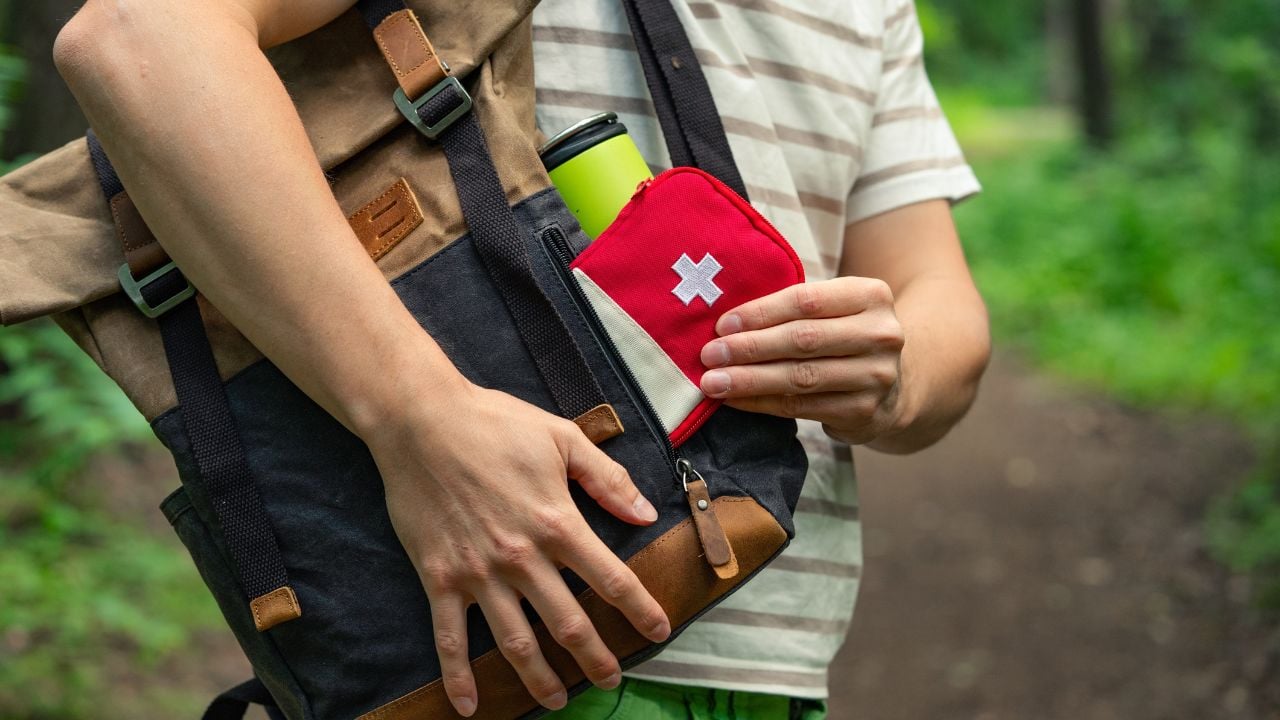
People tend to pack a generic first aid kit and think they’re set, but what about your go-to cold meds? Allergy pills? Antacids? Pain relievers? In a long stretch without stores, you’ll want what works for your body specifically.
Think through what you or your family reach for during flu season or stomach bugs. Stock that. Pack enough to ride out several weeks. Once shelves are empty, that familiar bottle of ibuprofen or Benadryl might be hard to come by.
*This article was developed with AI-powered tools and has been carefully reviewed by our editors.