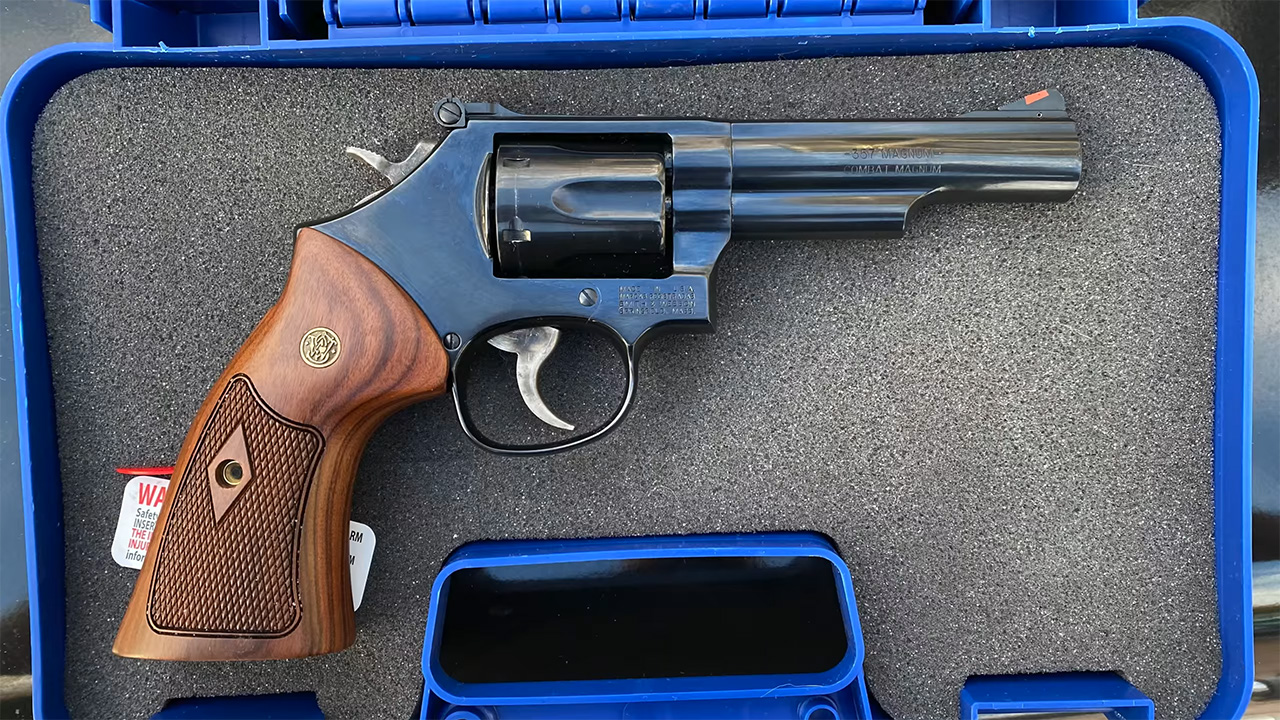
Photo credit: Military Arms Channel/Youtube
Walk into any old-timer’s gun room and you’ll see it: the stuff that used to ride behind the truck seat or sit in the corner of the closet is now sitting in a soft case like it’s made of glass. Thirty years ago, a lot of these guns were just “what you had.” They got hunted hard, leaned on fence posts, and traded off when something newer and shinier came along.
Now? Many of those same models are either discontinued, hard to find in clean shape, or have been “improved” into something folks don’t actually like as much. Here are 20 that went from ordinary to “don’t let that one get away.”
1. Marlin 336 (JM-stamped)

There was a time when a 336 was just a deer rifle, period. If you grew up around hardwood ridges and short shots, you saw them in .30-30 with a beat-up 2-7x and a leather sling that smelled like wet leaves.
The older JM-marked guns have that smooth, broken-in lever feel and good wood-to-metal fit that’s tough to duplicate. They still hunt like they always did, and that’s the point. The demand now is as much about trust as it is about nostalgia.
2. Winchester Model 94 (pre-safety)
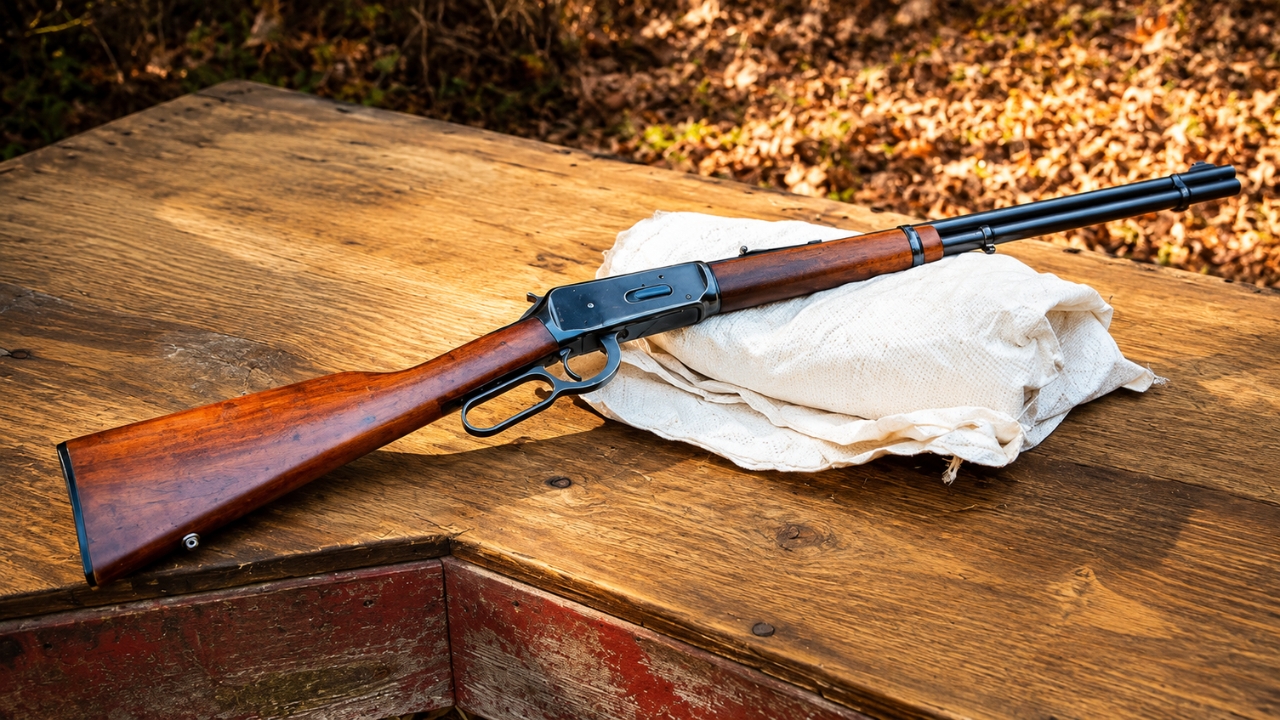
Model 94s were everywhere. They were “grandpa guns,” pawn shop guns, first deer guns, and the kind of rifle you didn’t baby because it would still work when it was cold, wet, and miserable.
The pre-safety versions have become the ones folks chase, and clean examples don’t sit long. They carry like a walking stick, point fast in the timber, and they’re still one of the handiest rifles ever made for the way a lot of whitetails actually get killed.
3. Remington 870 Wingmaster
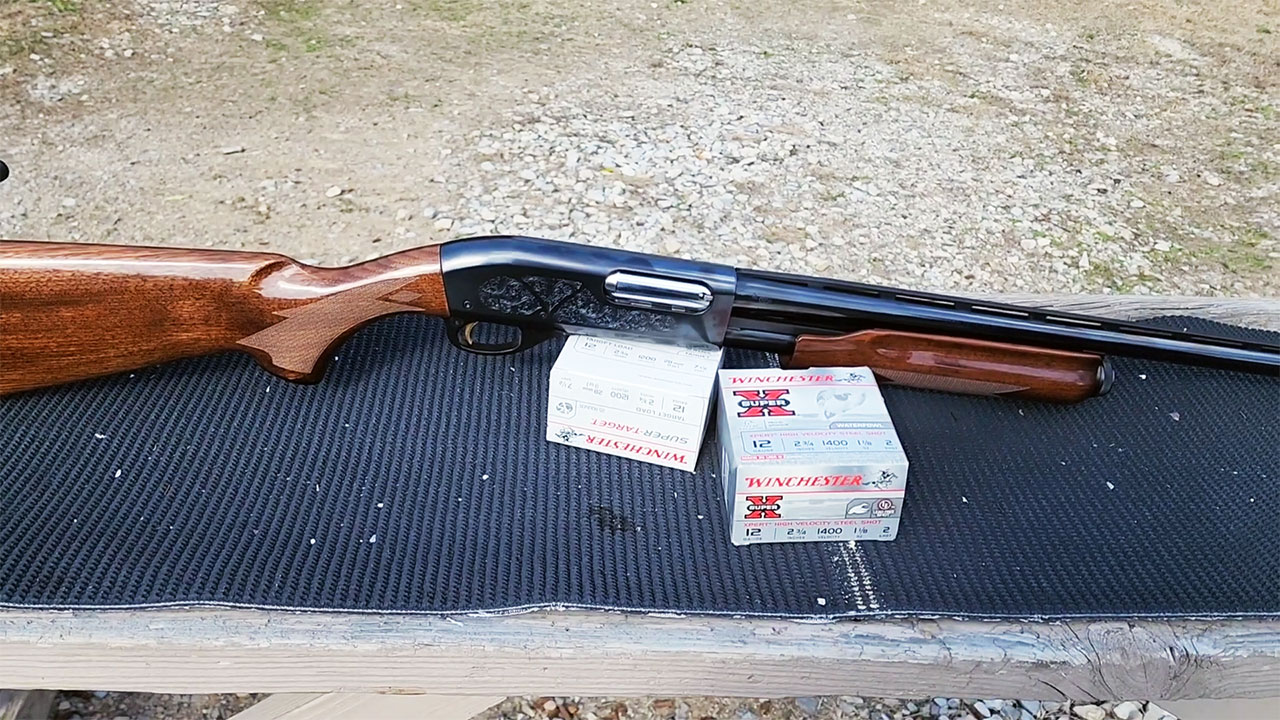
Pick up an older Wingmaster and run the fore-end a few times. You’ll get it. That slick, steel-on-steel pump stroke is the standard a lot of newer pumps quietly quit chasing.
Thirty years ago they were just “good shotguns.” Now the older ones—especially with nice bluing and real walnut—feel like something you’d hand down. Parts are easy, barrels are everywhere, and they’ll do birds, deer, and home duty without drama.
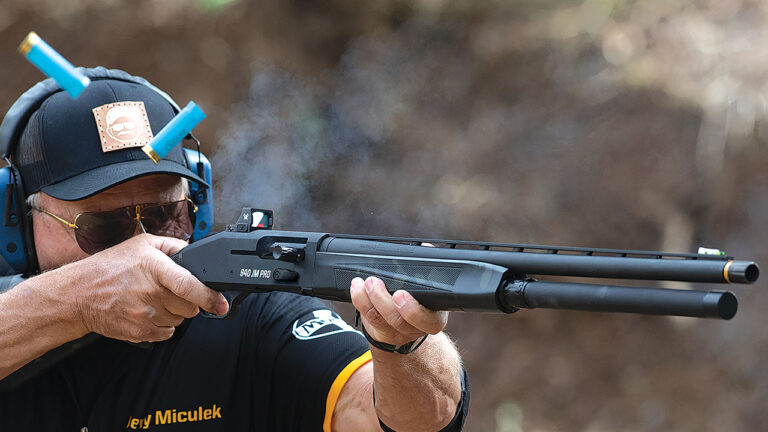
4. Mossberg 500 (older wood-and-blue models)
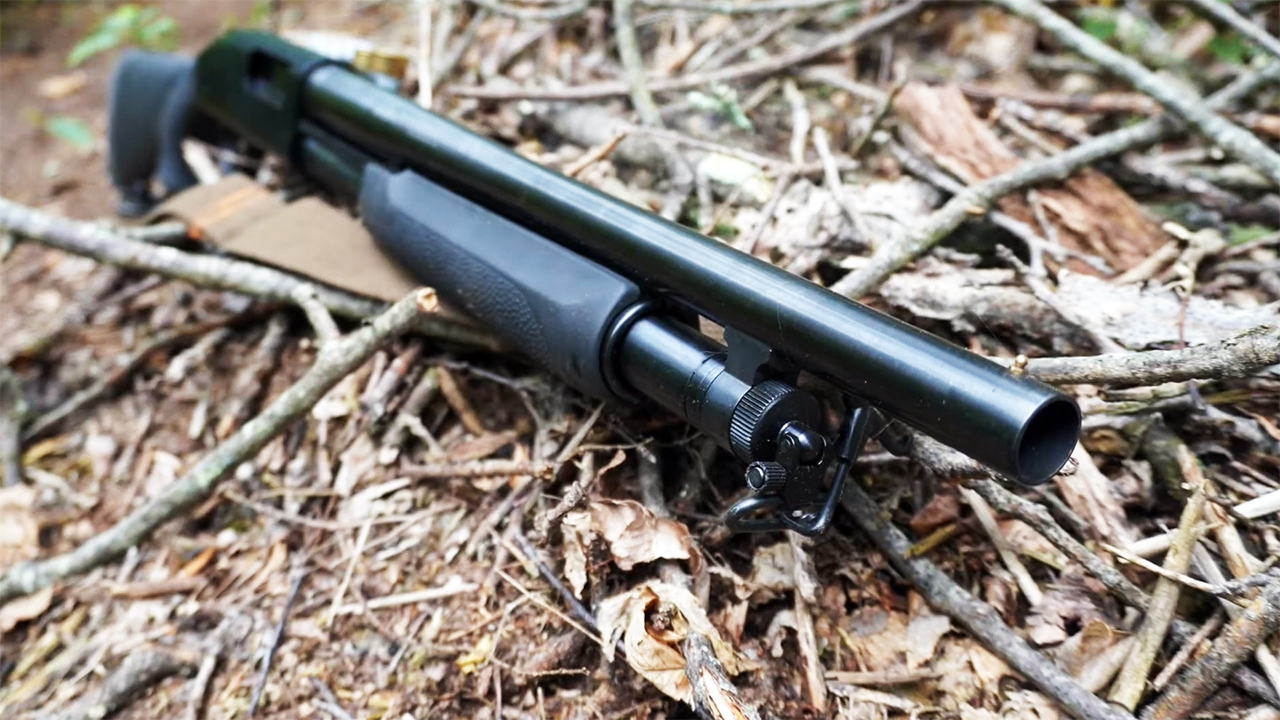
The Mossberg 500 has always been the working man’s shotgun, and that’s why so many got used hard. Older ones with the simpler finishes and honest wear have a certain charm that the tacticool versions don’t.
They’re not fancy and they never were, but they’re dependable and light enough to carry all day. If you find an older one with a smooth action and tight lockup, it’s the kind of gun that keeps earning its space.
5. Ruger 10/22 (early production)
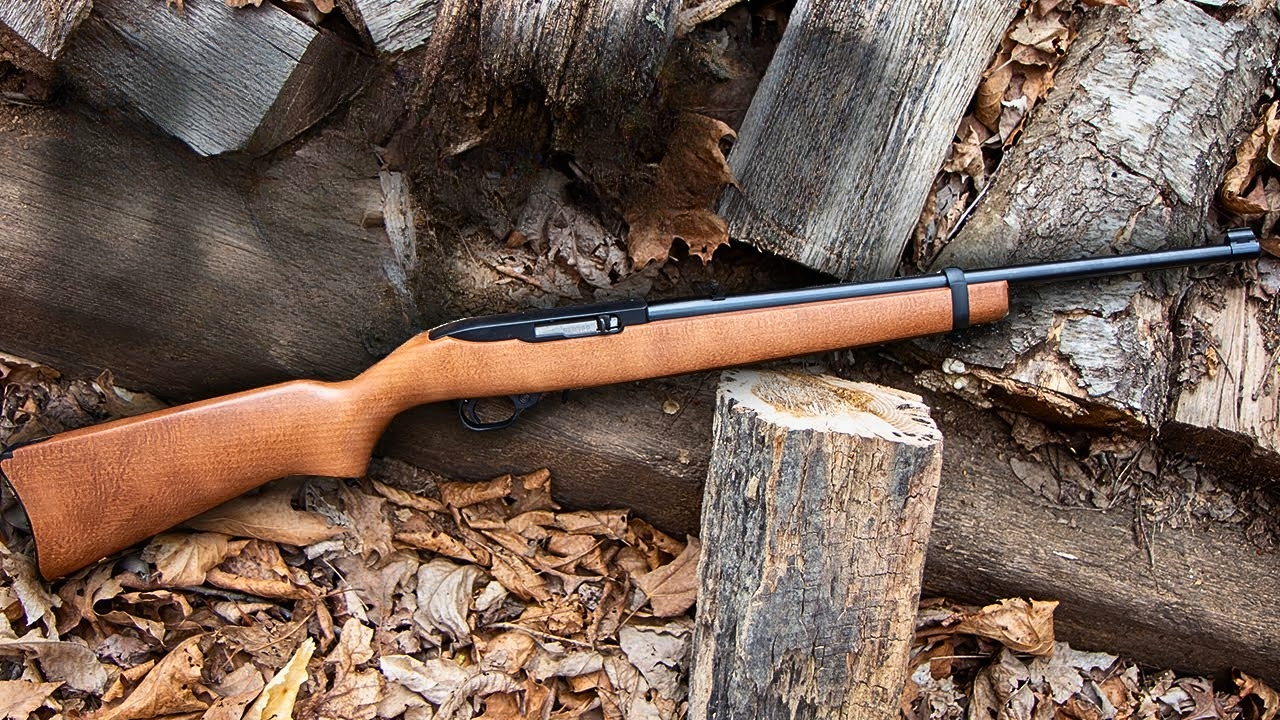
Almost every kid who grew up shooting had time behind a 10/22. Early rifles with the classic carbine feel—especially the ones that haven’t been turned into science projects—are getting harder to find.
It’s still one of the best “always useful” guns out there: squirrels, cans, camp meat, teaching new shooters. The treasure part now is finding one that’s clean, original, and hasn’t been modified into something finicky.
6. Browning Auto-5 (Belgian-made)

The humpback Browning used to be “that old shotgun” in the family, usually with a long barrel and a story about ducks or pheasants. Plenty of folks sold them off because they wanted something lighter or with modern chokes.
The Belgian guns in particular have become collector magnets, but they’re also just good field shotguns. They recoil different, they balance different, and when you get one set up right it runs like a sewing machine.
7. Smith & Wesson Model 19
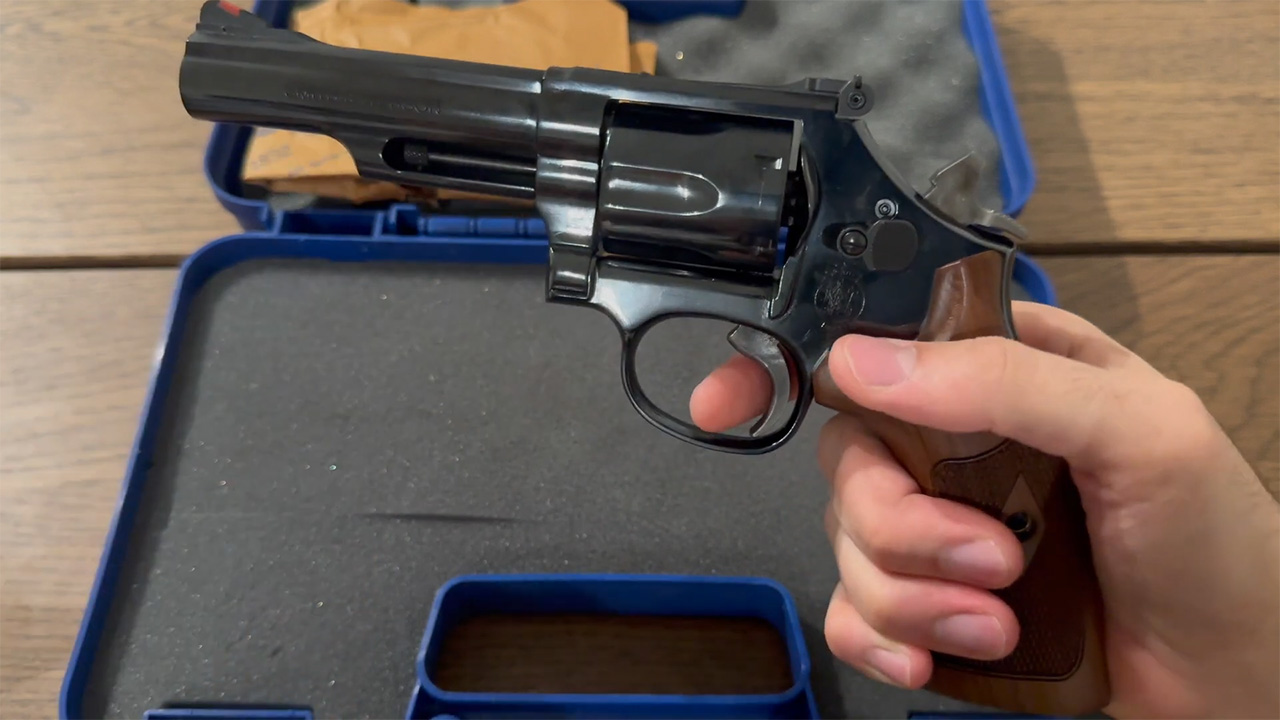
The Model 19 is what a lot of people picture when they think “carry revolver,” even if they’ve never owned one. K-frame .357s were normal on belts and in glove boxes back when that was more common.
Now they’re sought after because they hit the sweet spot of size and shootability, and the older pinned-and-recessed era guns have real appeal. They’re not the revolver you feed a steady diet of hot loads forever, but as a practical .38/.357 it’s hard not to like.
8. Colt Python (pre-2000s production)
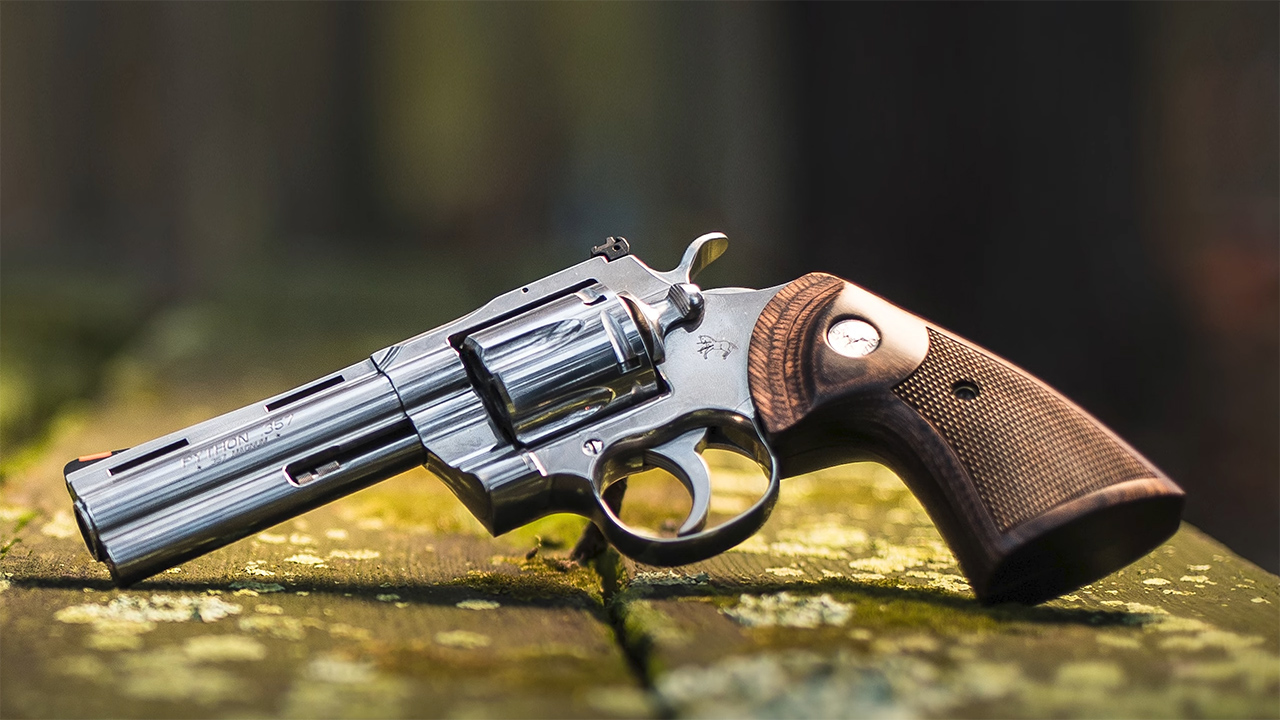
There was a time when Pythons were “expensive,” but they were still just guns. They sat in cases, got fired a little, and some of them got carried.
Today, a clean older Python is its own category. The action feel and finish are what people chase, and originals with correct parts matter. Even with modern reintroductions, the old ones have a pull that doesn’t go away.
9. Colt Detective Special
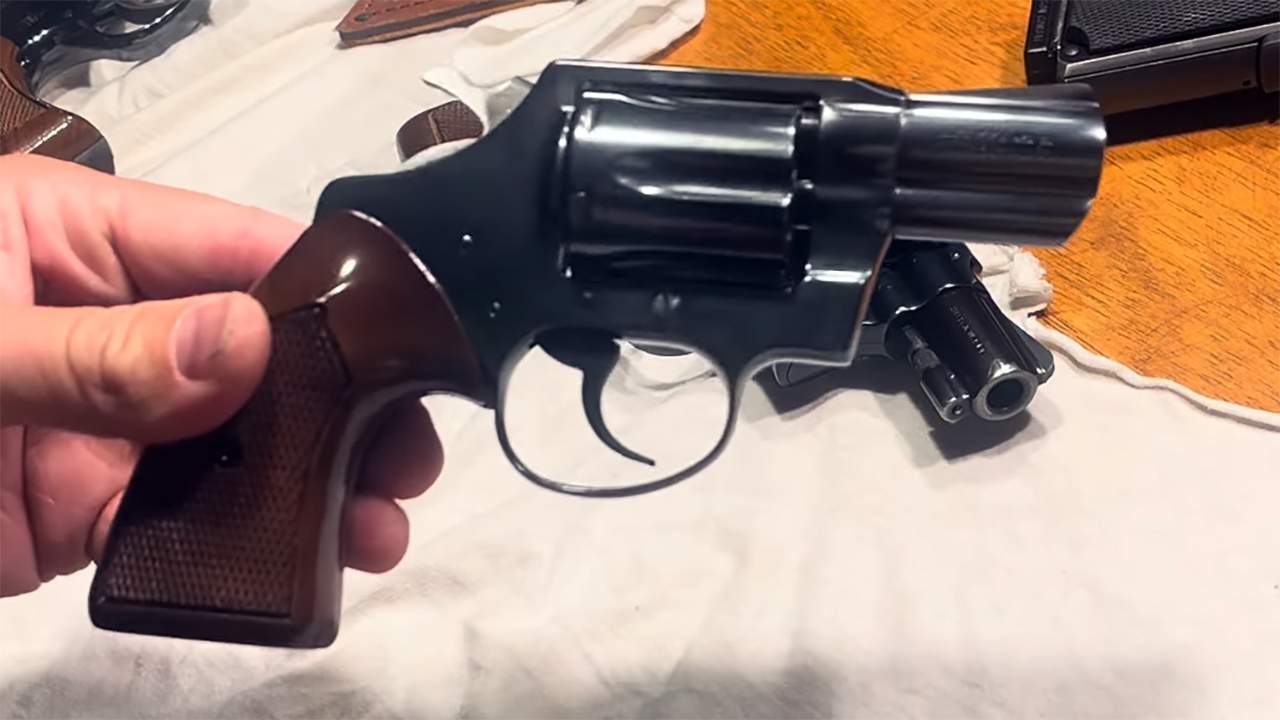
Small-frame Colts used to be common enough that folks didn’t treat them like museum pieces. The Detective Special rode in pockets, tackle boxes, and nightstands without anybody making a big deal about it.
Now the classic Colt snub, especially in nice shape, draws attention fast. It’s not the lightest carry gun by modern standards, but it shoots well for its size and has that old-school fit that newer guns rarely match.
10. Ruger GP100 (early, unmolested examples)

GP100s were never “rare.” They were just tough, boring revolvers that would take a beating. That boring part is exactly why a lot of them survived in good working order.
What’s changing is how many are still clean and original. A good GP100 is still one of the best woods revolvers for the money, and the older ones with less lockwork tinkering and fewer cosmetic changes are getting more respect.
11. Glock 17 (Gen 2)
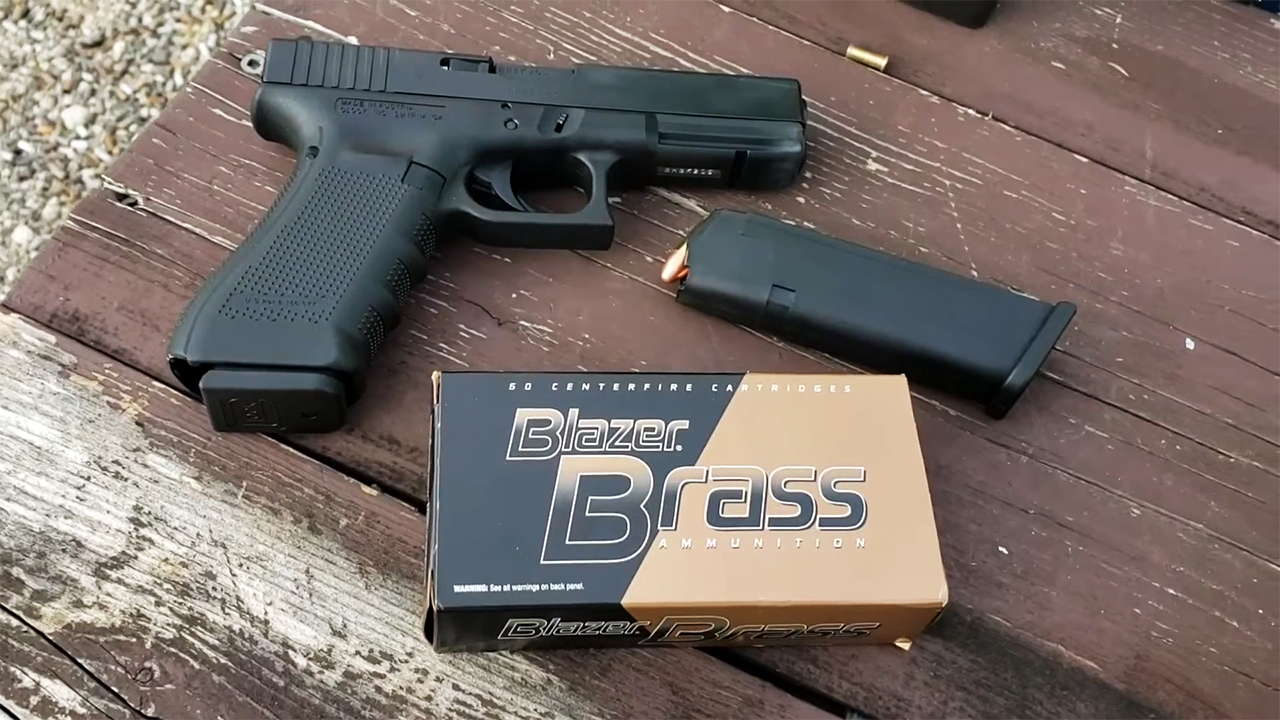
Gen 2 Glocks were duty guns and range rentals. They were reliable plastic pistols before “reliable plastic pistol” was the default assumption.
Now, clean Gen 2s have become a sweet spot for collectors and shooters who like the simple look and feel. No finger grooves, no extra frills, just a pistol that points naturally for a lot of hands and runs dirty without complaint.
12. SIG Sauer P228
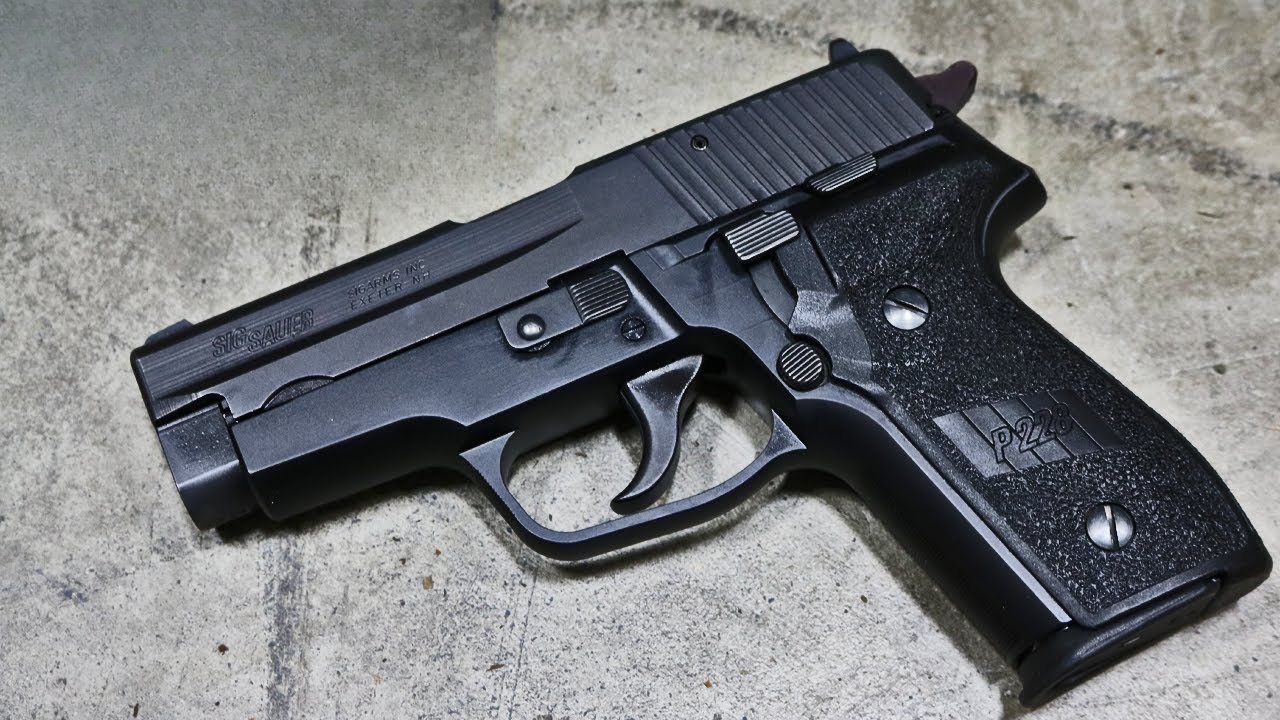
The P228 used to be a very normal, very solid 9mm. It rode in holsters, got qual’d with, and didn’t get a lot of internet hype because it didn’t need any.
These days, the older P228s bring strong money because they shoot soft, balance well, and have that classic SIG feel. Magazines are still around, but truly clean examples aren’t as common as they used to be, especially with original parts and finish.
13. HK P7
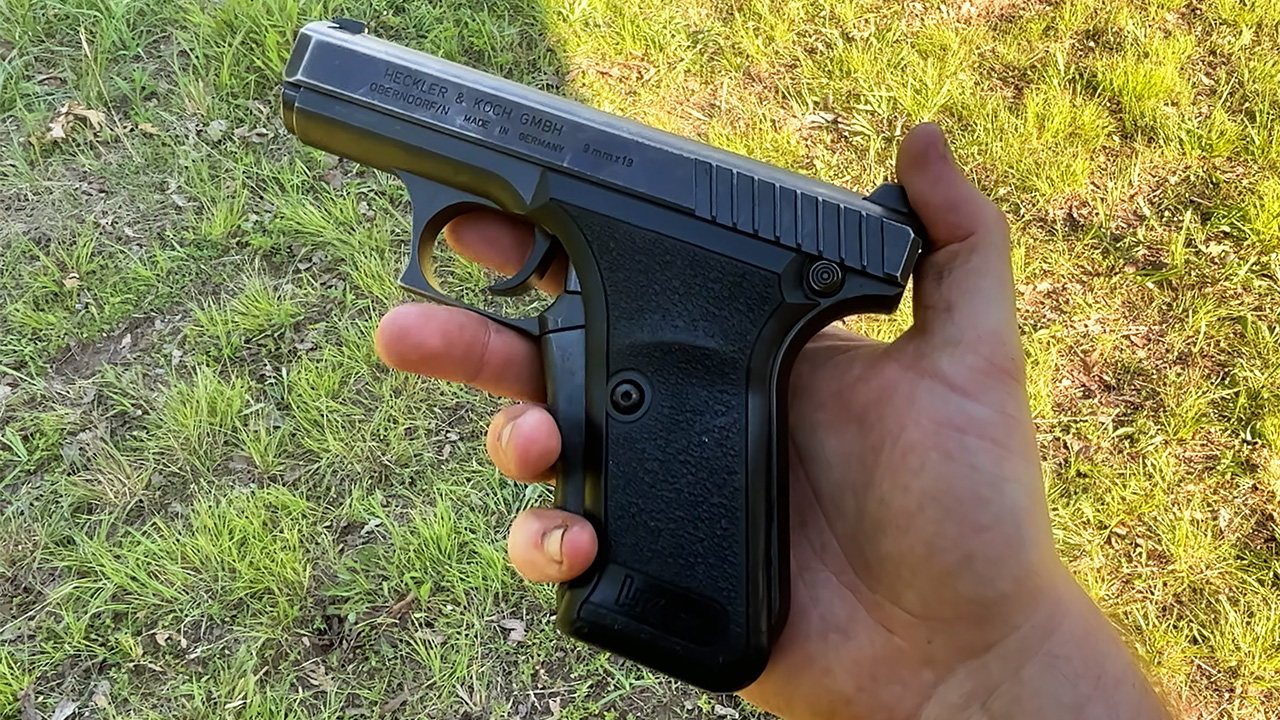
For years, the P7 was the weird German pistol that got traded in when agencies moved on. You could find them at prices that now feel like a typo.
They’re compact, accurate, and built like a vault, even if the squeeze-cocker takes getting used to. The downside is heat during long strings and parts cost, but as a piece of engineering you can actually carry, it’s a legitimate treasure.
14. Browning Hi-Power (Belgian and early imports)

The Hi-Power was once just “a good 9mm.” Then the market flooded with polymer pistols and a lot of shooters decided steel and a single-action trigger was old fashioned.
Now that they’re discontinued and the good ones are drying up, folks want them again. They carry flatter than you’d think, point naturally, and they’re one of those pistols that feels alive in the hand. A clean Belgian gun especially doesn’t linger on a table.
15. Ruger Mini-14 (180/181/early series)
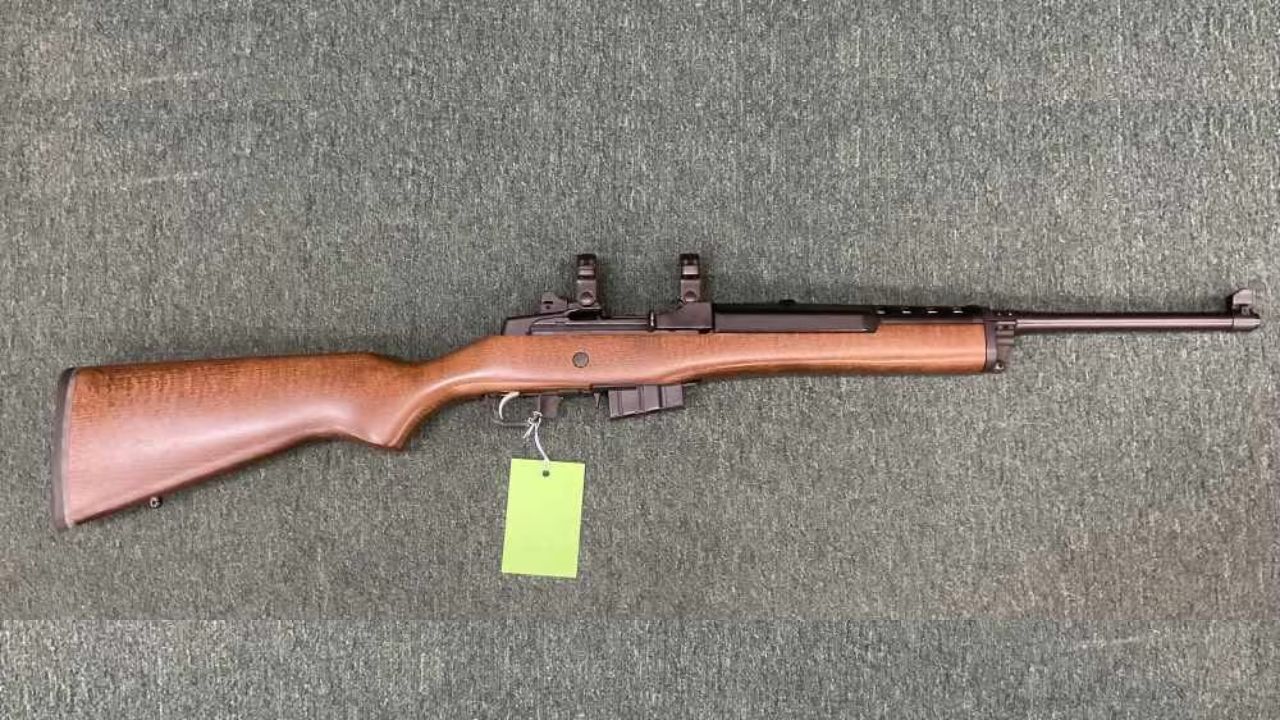
The Mini-14 spent years being the rifle that got laughed at online. Meanwhile, plenty of them rode in ranch trucks and got used for coyotes, varmints, and the occasional fence-line problem.
Early series Minis have their quirks, but they’ve become desirable because they’re simple, handy, and different from the sea of black rifles. Original magazines matter, and a straight, clean rifle with good sights is more appealing now than it was when everyone was chasing the next thing.
16. Colt SP1 AR-15

The SP1 was once just an early AR. It wasn’t “retro” yet, it was just old, and plenty of folks updated them with whatever parts were popular at the time. That one hurts when you see what originals are bringing now.
Collectors want the lightweight feel, the slick-side look, and the history. It’s also a reminder that not every “upgrade” actually improves anything if it erases what made the gun special in the first place.
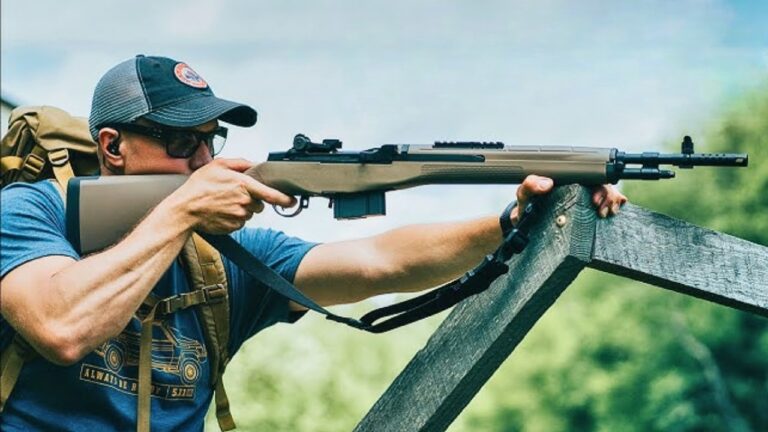
17. Springfield Armory M1A (early pre-ban era)

For a long time, the M1A was a default “serious rifle” for guys who didn’t want an AR. Heavy, yes. Expensive, yes. But it had that classic rifle feel and a legitimate track record.
Early rifles with good parts and proper fit have gotten more desirable, especially as the market shifted and certain components became harder to source. They’re not for everyone, but when you settle in behind one and it stacks decent .308 into a tight group, you remember why they stuck around.
18. Ruger No. 1
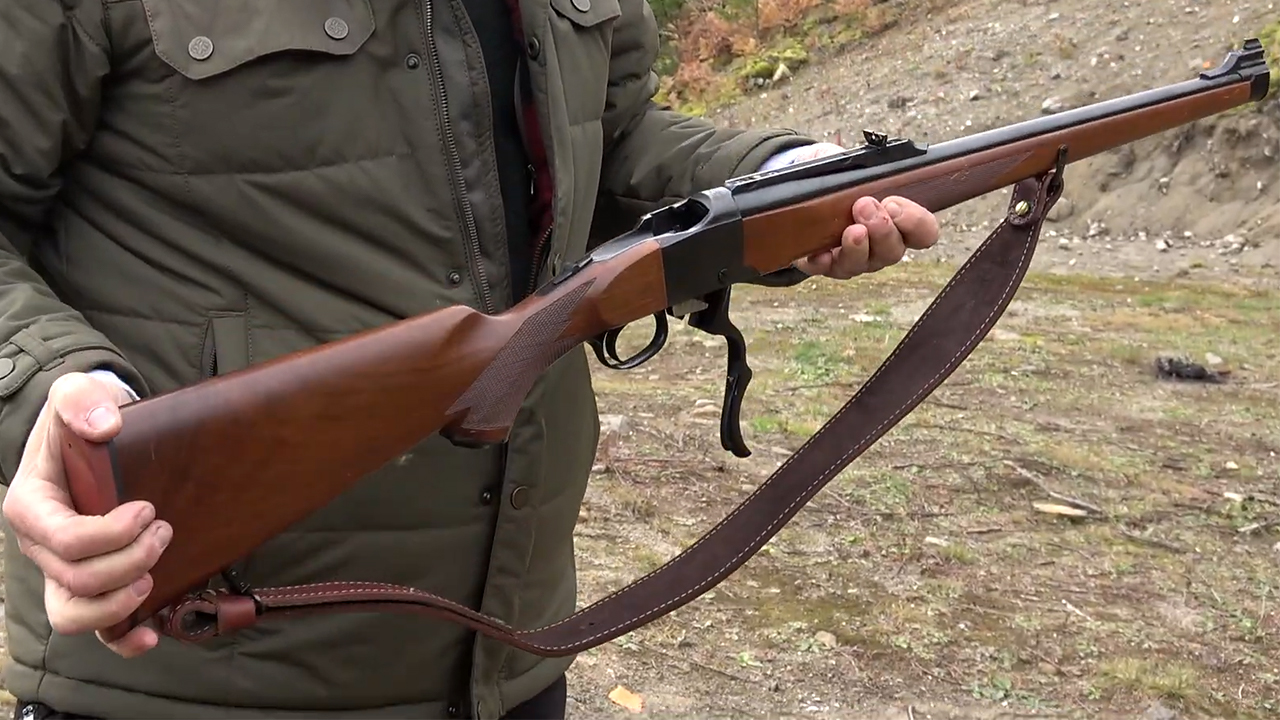
Single-shots were never the hot trend, and the Ruger No. 1 still isn’t for the guy who wants fast follow-ups. But it’s hard to deny how nice they are to carry and how classy they feel in the hand.
Thirty years ago, they were just “cool rifles.” Now, certain chamberings and older production runs are flat-out hunted by collectors. Even if you’re not a collector, a No. 1 is the kind of rifle you keep because it makes you slow down and shoot like you mean it.
19. Remington 700 BDL (older walnut-and-blue)
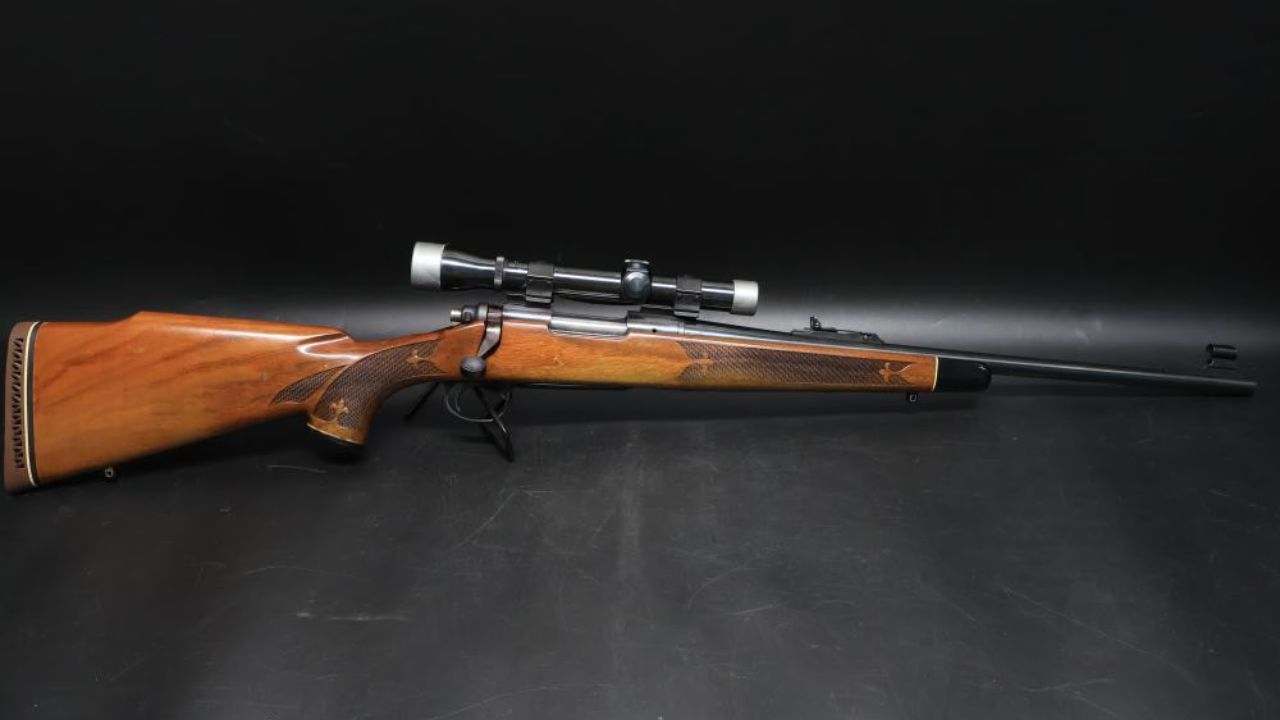
The 700 is a complicated topic these days, but the older BDLs are still special. Gloss walnut, checkering, blued steel, and a floorplate you could work with gloves on—those rifles filled freezers for decades.
A clean older BDL in a sane hunting caliber is getting harder to find because so many were turned into “projects.” If you’ve got one that shoots, it’s the kind of rifle you can still hunt with every season and never feel undergunned.
20. Winchester Model 70 (pre-’64 and early push-feed classics)

The pre-’64 Model 70 has been praised for so long it’s almost become a cliché, but there’s a reason. The action feel, the controlled-round feed, the way they balance—it’s not imaginary.
What surprises some folks is how many later Model 70s have also climbed in appreciation, especially the clean hunting rifles that never got chopped, drilled, or refinished. A good Model 70 is still one of the easiest rifles to trust when your tag and your time off both depend on it.
None of this means every old gun is automatically “valuable,” and it sure doesn’t mean you should stop hunting with them. It just means the stuff we treated as everyday tools has a way of becoming scarce once the factories change, the versions shift, and the nice originals get used up. If you’ve got one of these sitting clean in the safe, maybe don’t be too quick to trade it off for whatever is trending this year. Ask me how I know.
Like The Avid Outdoorsman’s content? Subscribe to our newsletter so you never miss an article.
Here’s more from us: