Photo credit: Texas Plinking/YouTube
Some guns will shoot lights-out groups and still make you sigh every time you take them out of the safe. They’re accurate, consistent, and capable of making you look like a better shooter than you are. Then you live with them—carry them, clean them, feed them, and train with them—and the little annoyances start stacking up.
Accuracy is only one part of the deal. A gun also has to fit your life: ammo availability, maintenance, recoil, weight, ergonomics, parts support, and how forgiving it is when you’re tired or the conditions are ugly. The models below can absolutely deliver on target, but they also ask more from you than most folks expect. If you’ve owned any of them, you already know the trade: tiny groups on paper, big demands everywhere else.
Desert Eagle Mark XIX

The Desert Eagle Mark XIX can be shockingly accurate for a handgun, and it isn’t an accident. That fixed barrel setup and long sight radius give you a steady, repeatable feel, and the weight keeps it from wandering once you’re settled. When you do your part, it can print groups that make people stop and stare.
Living with it is where the shine wears off. It’s heavy, bulky, and awkward to carry in any practical way. It also tends to be picky about ammo and grip consistency, because the gun needs enough energy and a clean cycle to behave. Add the cost per round and the cleaning attention it demands, and you end up “owning” it more than you truly run it.
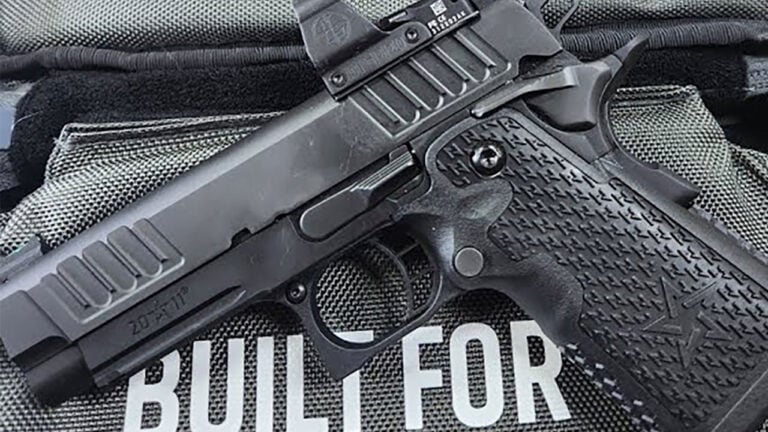
Les Baer Premier II

A Les Baer Premier II can shoot like it was built for one purpose: stacking bullets into a tight little cluster. The trigger quality and barrel-to-slide fit make it easy to call shots, and the whole pistol has that locked-in feel that rewards solid fundamentals. When you’re on a good day, it’s hard not to trust it.
That same tightness can make ownership feel like work. Break-in is real, and the gun can stay less forgiving when it’s dry, dirty, or run hard for long strings. You’ll also find yourself caring more about magazines, extractor tension, and lubrication than you ever wanted to. It can be dependable in skilled hands, but it asks you to be an involved owner, not a casual one.
Smith & Wesson Model 41

The Smith & Wesson Model 41 has a reputation for accuracy because it earns it. The trigger is clean, the sights are easy to read, and the gun tracks in recoil in a way that helps you stay honest. If you want a pistol that rewards disciplined shooting, this one will do it all day.
The price is that rimfire life can be finicky. .22 ammo varies more than people admit, and rimfire pistols get dirty fast. Small changes in ammo, cleanliness, or lubrication can show up as stoppages, especially when you’re shooting a lot. You end up cleaning more, testing more, and babying the gun more than you expected. It’s a tack driver, but it’s not a low-effort relationship.
CZ Shadow 2

The CZ Shadow 2 is accurate in a way that feels almost unfair. The weight, balance, and grip shape let you settle the sights fast and keep them there, and the gun stays flat through strings that would push lighter pistols around. When you’re rushing, that stability can keep your hits from falling apart.
The downside is that you pay for that stability every other moment. It’s heavy on the belt, heavy in the bag, and it’s not something you forget is there. Long training days can feel more tiring than they should because you’re managing a lot of steel through every rep. It also tempts you into springs and trigger tweaks, and once you start chasing that last bit of performance, reliability can become another thing to manage.
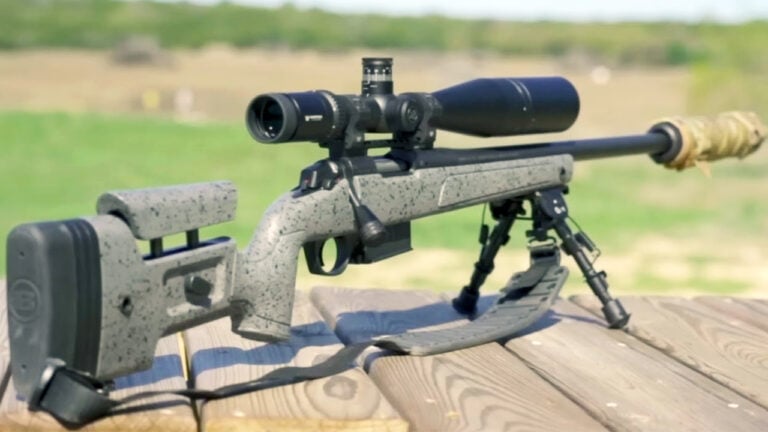
Ruger Precision Rifle

The Ruger Precision Rifle can shoot far better than many factory rifles have any right to, especially when you feed it quality ammo and do your part behind the trigger. From prone, it settles like it wants to win arguments, and it can hold tight groups at distances where most hunting rifles start to look scattered.
Owning it is a commitment. It’s heavy, long, and awkward to haul around, and it turns a casual range trip into a gear haul. The rifle also invites accessories—bipods, bags, optics, data cards, and tools—and the whole system grows fast. None of that is wrong, but it’s work. You’re not grabbing it on a whim. You’re planning around it, moving it, maintaining it, and living with the bulk because the accuracy is that good.
Kimber 84M Montana

The Kimber 84M Montana can be a genuinely accurate mountain rifle, and it’s the kind of tool that makes sense when you’re counting ounces in steep country. It carries easily, comes to the shoulder fast, and can put the first shot where it needs to go. With the right load, it can group better than its weight suggests.
Then reality shows up when you train hard with it. Light rifles magnify recoil and shooter input, and a mild flinch can sneak in before you notice. That can lead to shorter practice sessions, and shorter practice sessions show up in the field. The rifle may be accurate, but it demands your discipline to stay that way. It’s also less forgiving of rushed positions and cold hands. You’ll love it on a long hike, and curse it during long strings.
Springfield Armory M1A National Match

A Springfield Armory M1A National Match can shoot tighter than most folks expect, especially with quality ammo and a shooter who understands the sights. The rifle has a steady feel, and when you settle in, it can deliver groups that feel “classic rifle” satisfying. It can absolutely perform when you do your part.
Living with it can feel like maintaining a vintage machine. Weight is part of the deal, and hauling it around all day gets old. Optics mounting takes thought, and keeping everything tight and aligned can become a routine. The platform also rewards attention to cleaning and the gas system, especially if you shoot it a lot. It’s capable and accurate, but it’s not carefree. You don’t drift into effortless ownership with this one.
PTR 91 GI
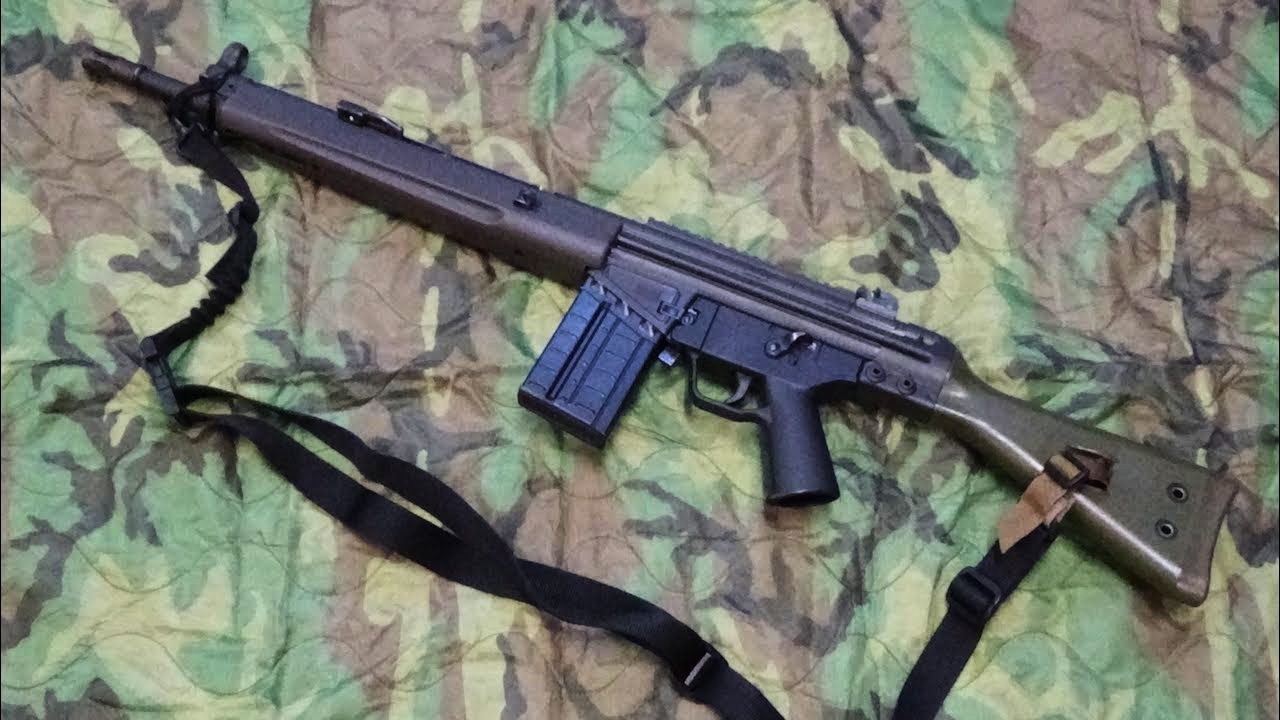
The PTR 91 GI can be more accurate than its reputation suggests, especially once you find ammo it likes and learn the recoil rhythm. The fixed barrel and roller-delayed design can give you consistent performance, and the rifle has a steady, confidence-inspiring feel when you’re shooting from supported positions.
The fatigue comes from the way it behaves around you. The recoil impulse is sharper than many modern .308 options, and it can wear you down over long sessions. The rifle is also known for flinging brass hard, which gets annoying fast if you reload or like to keep your brass tidy. Ergonomics feel dated, and optics solutions can add bulk and complexity. It shoots well, but it makes you work around it instead of the rifle working around you.
Steyr AUG A3 M1

The Steyr AUG A3 M1 can be a surprisingly accurate rifle in a compact package. The barrel setup and overall stability can keep groups honest, and once you learn the sight picture and trigger, it can deliver consistent hits at practical distances. It points fast and stays controlled when you run it with purpose.
Ownership is where the quirks pile up. The trigger feel takes real training to master, and reloads can feel awkward until you build repetition. Controls and manual-of-arms are different enough that you’re always translating habits from conventional rifles. Maintenance and access can also feel less friendly than what you’re used to. None of that makes it bad, but it makes it demanding. You can shoot it very well, yet it asks you to stay fluent in a system that doesn’t match most rifles you’ll grab.
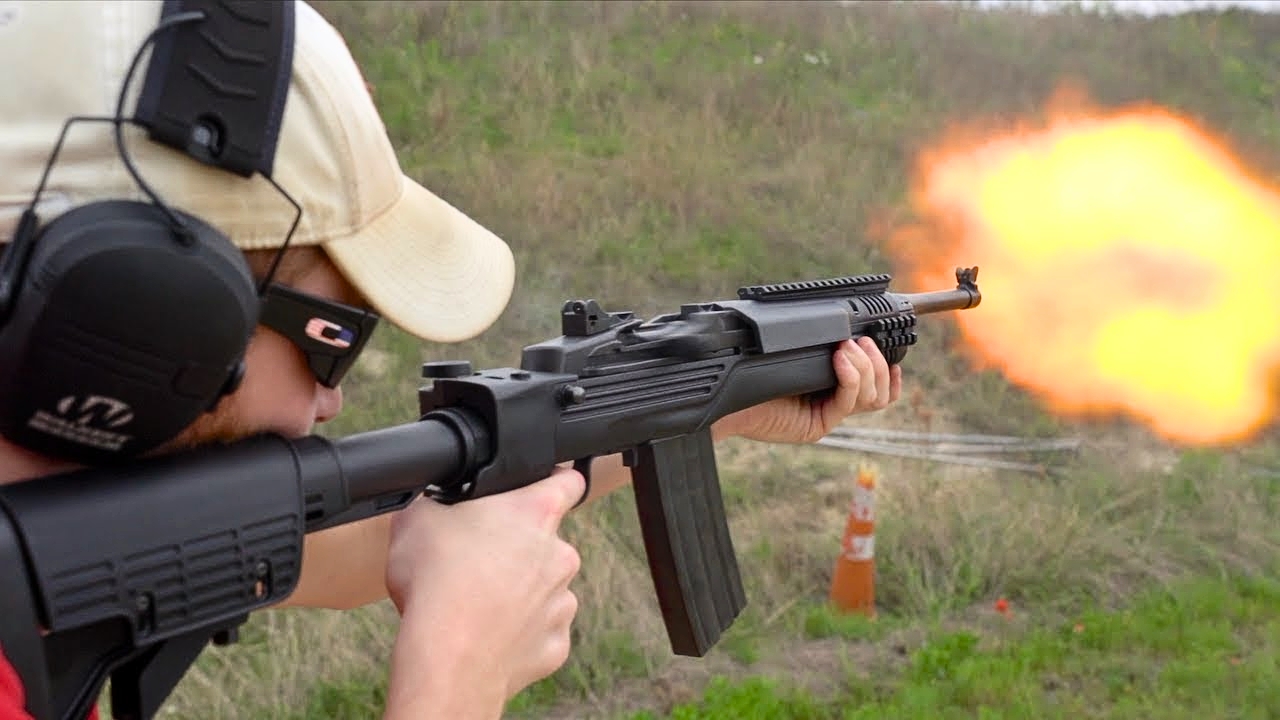
Ruger Mini-14 Tactical

A Ruger Mini-14 Tactical can be accurate enough to earn trust, and a good example will surprise people who only know old stories. The rifle handles fast, points naturally, and can keep hits where they belong at practical distances. When you find a setup it likes, it’s easy to enjoy.
The exhausting part is getting to that point and staying there. You may spend time sorting magazines, trying ammo, and dialing in optics solutions that hold zero. Heat can show up as shifting impact during longer strings on some setups, which forces you to manage pacing more than you want. The platform can run well, but “accurate Mini” ownership can turn into a project. You’ll end up learning its preferences and limits through repetition, and that learning curve can feel longer than it should.
Ruger 10/22 Competition

The Ruger 10/22 Competition can shoot extremely tight groups for a rimfire semi-auto, and it’s a great tool for building skill without getting beat up. When you get a good lot of ammo and your fundamentals are solid, it will reward you with tiny clusters and clean hit calls. It can make a range day feel productive.
Rimfire reality makes it demanding. Ammo lot variation is real, and .22 runs dirty. If you’re chasing accuracy, you’ll end up cleaning more and testing more than you expected from a “cheap to shoot” rifle. Tight setups can also be more sensitive to fouling and magazine behavior. You may find yourself diagnosing issues that don’t exist with centerfire rifles: inconsistent ignition, buildup, and feeding quirks that come and go. The accuracy is there, but you earn it through attention and routine.
Daniel Defense DDM4 V7 Pro

The Daniel Defense DDM4 V7 Pro can be a very accurate AR, especially with quality ammo and a shooter who can exploit the trigger and barrel. It’s the kind of rifle that makes distance work feel approachable in 5.56, and it can hold groups that turn casual range sessions into serious practice. When everything is dialed, it shoots like it means it.
The workload shows up when you push it hard across different conditions and loads. Performance-focused setups can be less forgiving of weak ammo, marginal magazines, and neglect. You’ll find yourself caring more about lubrication, gas behavior, and parts wear than you do on a looser, more general-purpose carbine. It’s not fragile, but it can feel like a system you manage. You’ll also be tempted to tweak buffers, springs, and settings chasing a perfect feel, and that chase can become its own hobby.
Thompson/Center Contender

The Thompson/Center Contender can be scary accurate, and it’s not unusual to see groups that look more like a rifle’s work than a handgun’s. In a steady position, the platform rewards good trigger control and follow-through, and it can make you feel like you’re reaching farther than you should be able to with a handgun.
Living with it is a different story. Single-shot reloads are slow, and the platform isn’t built for easy repetition or fast correction. Carrying it in the field can be awkward, and managing optics, zeros, and load choices takes organization. Many owners end up with multiple barrels and setups, and that can turn into a pile of gear that rarely leaves the safe because the logistics add friction. It delivers accuracy, but it asks for patience, planning, and acceptance that it’s never going to be convenient.
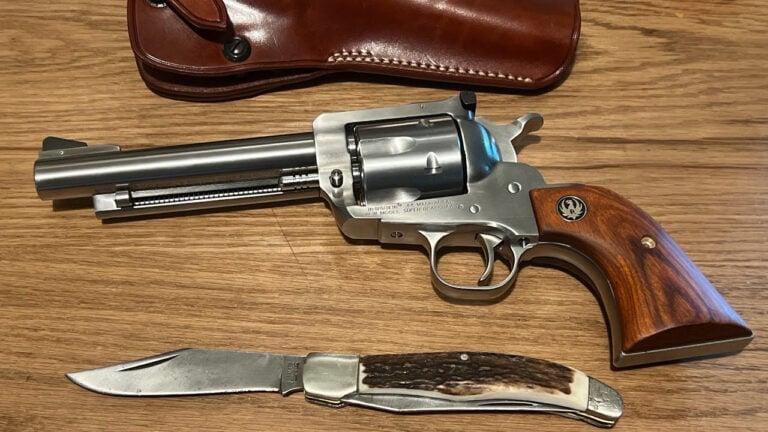
Ruger Super Redhawk 7.5-Inch

The Ruger Super Redhawk 7.5-inch can be remarkably accurate for a revolver, especially with loads it likes. The long sight radius and weight help you hold steady, and when you’re locked in, it can print groups that make you respect what a wheelgun can do. It’s a real tool for hunting and serious outdoor use.
The tradeoff is what it asks from your hands and your belt. Full-power loads can wear you down in a hurry, and even moderate loads still demand attention. The gun is big, heavy, and hard to carry without a real holster setup. Cleaning after heavy shooting takes time, and carbon buildup in the usual places adds another layer of upkeep. It’s accurate and capable, but it’s not the sort of gun you casually live with. You commit to it, or you leave it home.
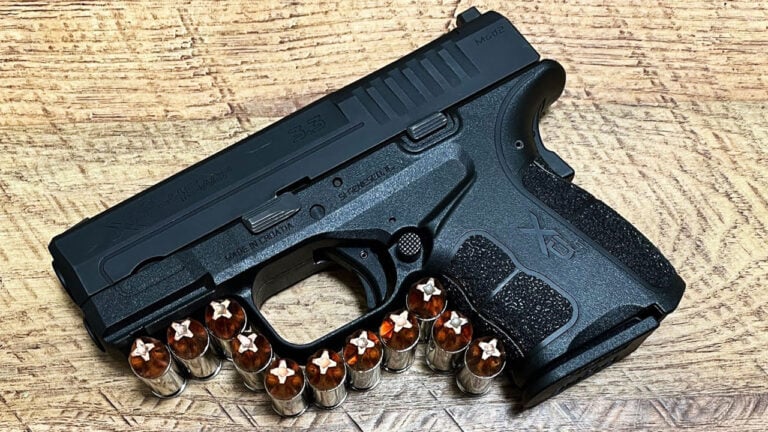
SIG Sauer P365

The SIG Sauer P365 can be mechanically accurate enough to surprise you, and plenty of shooters can print tight groups at realistic distances when they slow down and focus. The platform is easy to carry, and that convenience makes it a gun you’ll actually have on you when you otherwise might not. It can put rounds where you aim if you stay disciplined.
The exhaustion shows up in training. Small guns magnify mistakes, and the short grip and snappy recoil can make long practice sessions feel like work. Sight radius and tiny controls demand more precision from you when you’re pushing speed. That can lead to shorter sessions and less enthusiasm to train, especially if your hands get beat up. You can run it well, but you’ll earn that competence through repetition. It’s accurate enough, yet it can drain your patience faster than a larger pistol.
Like The Avid Outdoorsman’s content? Subscribe to our newsletter so you never miss an article.
Here’s more from us: