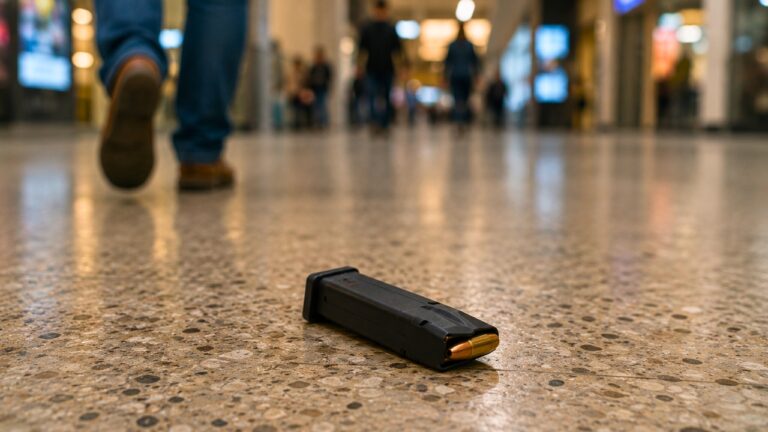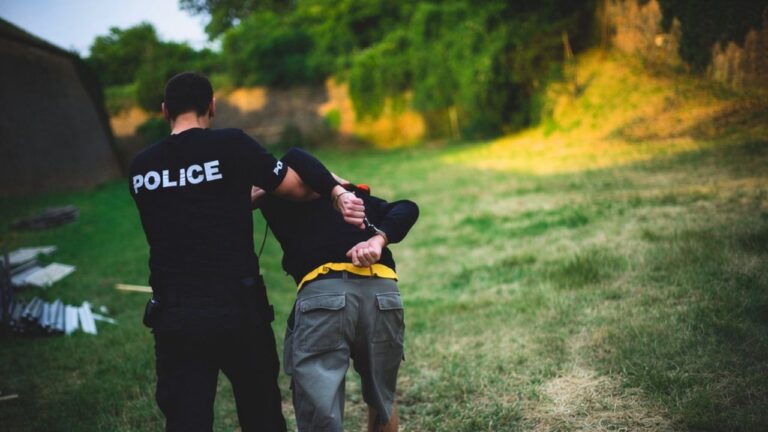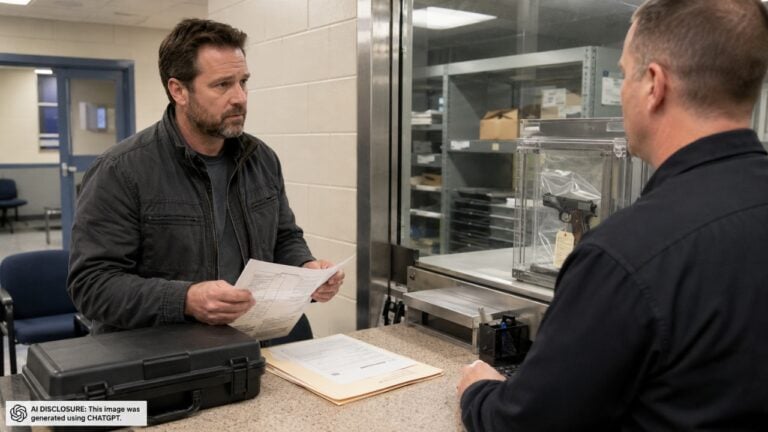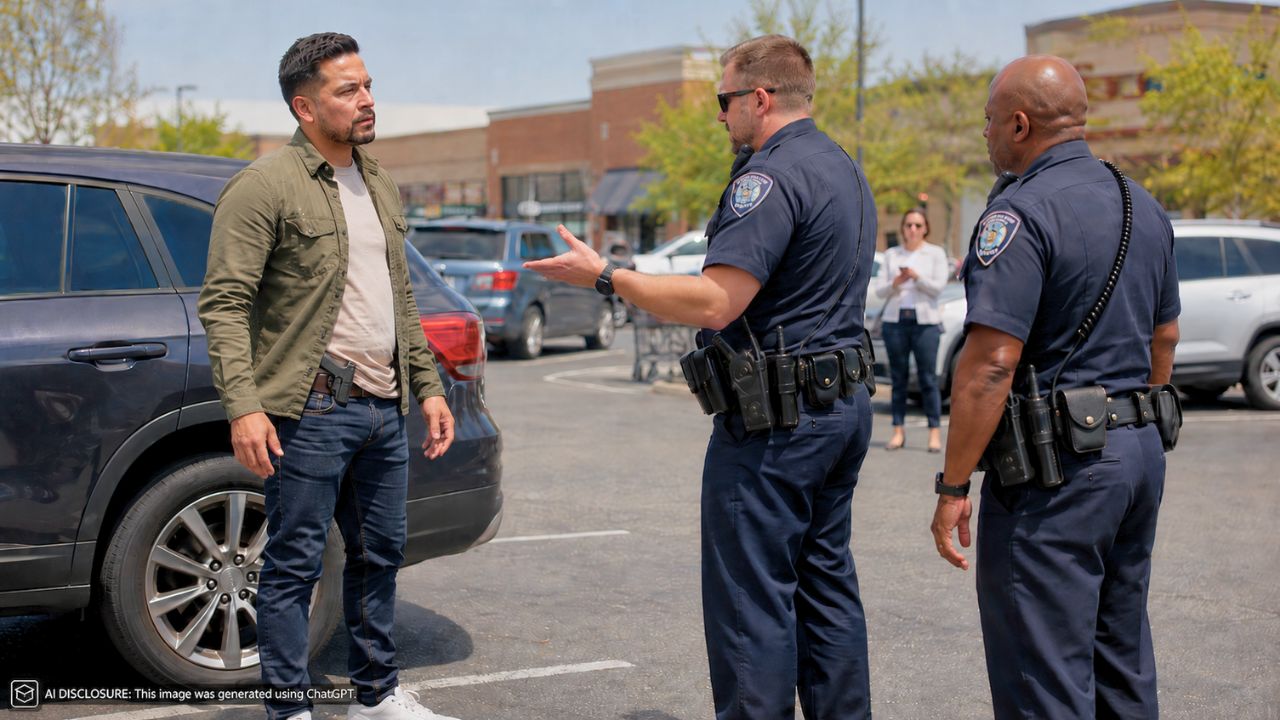
Photo credit: AI-generated image created using ChatGPT. Illustrative only
Most folks who carry legally aren’t looking for attention. They’re trying to get through their errands, maybe grab groceries, maybe fill the truck, and keep their head down. But all it takes is one nervous stranger, one bad assumption, and suddenly you’ve got patrol cars pulling in and everybody’s day gets turned sideways.
That’s the situation described in the source post, where a lawful carrier said a woman called the police on him over simply carrying a firearm. Officers ultimately confirmed he hadn’t broken the law. Still, the kind of encounter that starts in a parking lot can end with someone face-down on the pavement if things go wrong, even when the armed citizen is doing everything by the book.
A routine carry turned into a “man with a gun” call
From the details shared, the core of the incident was simple: a woman saw a firearm and called law enforcement. The carrier said he was legal, and later followed up directly with the police station to understand what happened and what was documented.
That follow-up matters. A lot of people walk away from these situations frustrated and just try to forget it. But when someone is willing to dial 911 over lawful behavior, it’s not just an inconvenience—it can become a safety problem for everyone standing nearby, including responding officers.
The officers reportedly confirmed no law was broken
Even when you’re 100% in the right, the first few minutes of a police response can be tense. Dispatch has to go with the information they’re given, and “person with a gun” calls tend to get treated seriously because officers don’t know what they’re pulling into.
In this case, the carrier said the responding side acknowledged he was legal. That’s an important point for outdoorsmen and gun owners to keep in mind: legality doesn’t prevent the call from being made, and it doesn’t prevent you from getting temporarily detained while officers sort it out.
The headline angle—being told to move along anyway—is a familiar feeling for people who’ve dealt with public carry misunderstandings. Even if you’re within the law, you may still be asked to leave an area just to cool things down or avoid further complaints. It’s not always “fair,” but it’s often how these encounters get defused quickly.
He went back to the station, got the report, and pushed for accountability
The update in the source material is where it gets interesting. The carrier said he went to the police station the next day, asked about the incident, and obtained the report. He also said police had enough information to pursue the complaining party, including a cell number, video evidence, and the vehicle’s tags.
That’s not something you hear every day. Most of the time, the lawful carrier is the one getting questioned while the caller disappears into the crowd. Here, the carrier said the woman walked away while an officer was talking to him, and as a result neither side got her name at the scene.
But with tags and video in play, a name isn’t always the roadblock people think it is. If you’ve got solid identifying information, that gives law enforcement something they can actually run down instead of shrugging and calling it “he said, she said.”
Police reportedly sought a warrant, citing wasted resources and safety risks
According to the update, police were “getting a warrant” for the woman’s arrest. No specific charge was named in the material provided, so it’s hard to say what exact statute they were looking at. But the reasoning described was plain: calling police on lawful carry wastes resources and, more importantly, ramps up risk.
Any time officers respond to a report involving a gun, the temperature goes up. Hands get closer to holsters. Voices get sharper. Bystanders get scared and start filming. A simple misunderstanding can turn into a chain reaction, especially in a tight space like a parking lot where people are moving between cars, kids are walking around, and there’s no clean backstop for anything.
The carrier also said the county agreed to press charges and felt the caller overreacted. Again, no outcome was provided beyond that step, but it shows something a lot of folks want to see: consequences for knowingly or recklessly dragging police into a non-crime.
What other gun owners zeroed in on: documentation and witnesses
The update made one detail clear: there were witnesses around the carrier, even if the caller didn’t stick around to give a statement. In situations like this, neutral witnesses are gold. They help establish what actually happened, how you behaved, and whether the complaint was legitimate or exaggerated.
Just as important is documentation. The carrier said they had video evidence and a phone number tied to the incident, plus the car’s tag information. Outdoorsmen are already used to thinking this way—trail cameras, gate cameras, barn cameras, a phone video when a trespasser is cutting a fence. The principle is the same in town: proof beats opinions.
And if you ever do have an encounter like this, it’s worth remembering that the report is its own kind of paper trail. If the same person makes repeated calls, or if a pattern develops, the documentation stacks up.
The practical lesson for carriers: stay calm, comply, and don’t argue in the moment
When the patrol cars roll in, that’s not the time to prove a point. Keep your hands visible. Follow instructions. Be polite even if you’re irritated. The goal is to get everyone home in one piece, not win a debate in the parking lot.
If you’re carrying legally and an officer tells you you’re not breaking the law but asks you to move along, you can decide whether it’s worth pushing back right then. Most of the time, the smartest play is to leave, document what you can, and handle the rest later through the proper channels—exactly like the carrier did by going to the station and requesting the report.
There’s also a reality check here for anyone who carries: concealment isn’t only about tactics, it’s about avoiding unnecessary friction. Plenty of folks prefer to carry in a way that doesn’t invite calls from strangers who don’t understand the law. That’s a personal choice, but stories like this are why many choose to keep it discreet.
At the end of the day, lawful carry shouldn’t be treated like a crime. But in the real world, perception drives 911 calls, and 911 calls drive police responses. If you can keep your cool, gather facts afterward, and let the system do its work, you give yourself the best odds of walking away safe—and maybe, just maybe, discouraging the next bogus call before it happens.
Like The Avid Outdoorsman’s content? Be sure to follow us.
Here’s more from us: