Photo credit: The Avid Outdoorsman
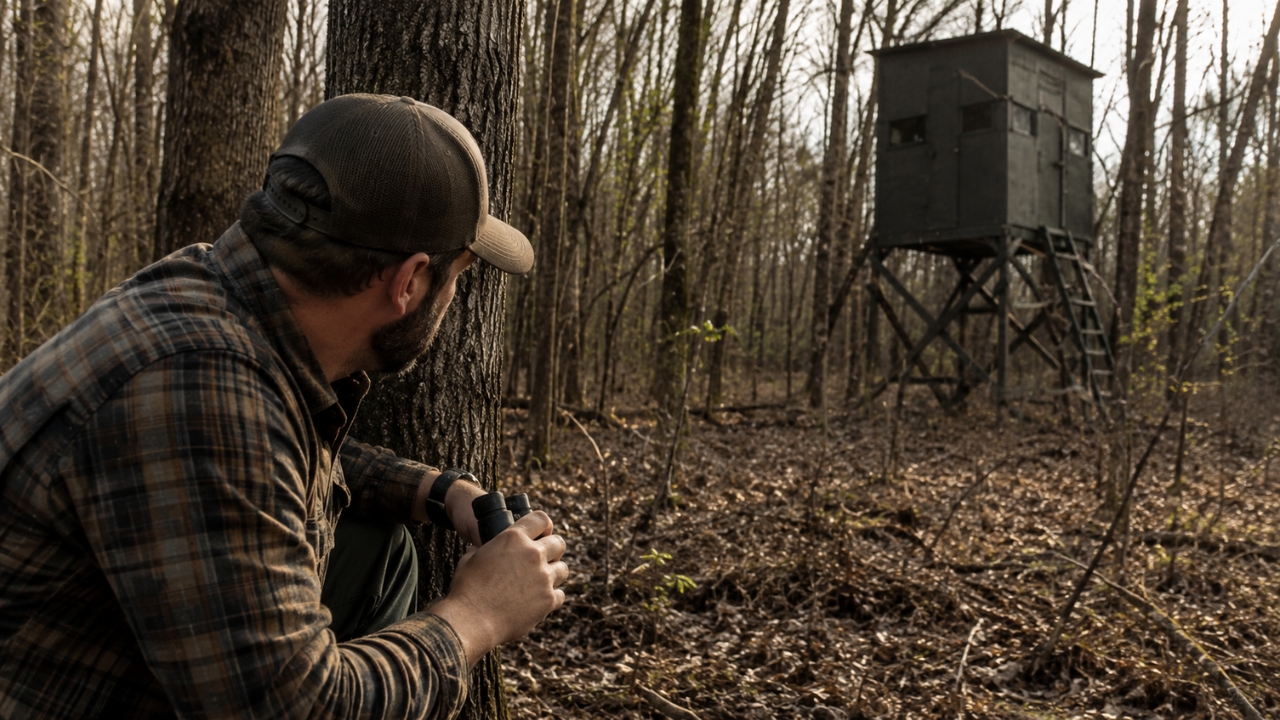
The landowner said the discovery started with something that immediately felt out of place. According to the Reddit post, he found a hunting stand on his property in Minnesota. That may not sound dramatic at first, especially in a rural area where hunting is common, but the problem was simple: he had not given anyone permission to put it there.
The original Reddit post can be found here: https://www.reddit.com/r/legaladvice/comments/17obc7k/mn_found_a_hunting_stand_on_my_property_would/
A deer stand is not usually placed by accident. Someone has to pick a tree or spot, haul the stand in, set it up, and plan to come back. So finding one on private land raises a lot of questions fast. Who put it there? How long has it been there? Are they already hunting the property? Do they think they have permission from someone else? Or do they know exactly what they are doing and hope nobody notices?
For the landowner, the stand was not just an object sitting in the woods. It was a sign that someone had been crossing onto the property and may have been planning to sit there with a weapon during hunting season. That changes the feeling of your own land. You start looking at every trail, track, and fresh cut branch differently.
The landowner wanted to know whether he could remove the stand, keep it, or whether he had to treat it like someone else’s property even though it was sitting on his land. That is where these situations get frustrating. The landowner did not ask for the problem, but taking matters into his own hands could create another one if the stand belonged to someone who later claimed theft or damage.
There was also the safety side. If an unknown hunter believes that stand is usable, they may show up before daylight, armed, and expecting to hunt. The landowner does not know whether that person is careful, licensed, sober, or aware of nearby homes, livestock, trails, or other people on the property.
The whole situation left him needing a plan before hunting activity picked up. A random stand can be removed, documented, reported, or watched, but ignoring it could mean letting a trespasser keep using the land like it belongs to them.
Commenters told the landowner to document the stand before touching it. Photos, GPS location, dates, and wide shots showing where it sat on the property could help if the owner of the stand came back or if law enforcement became involved.
Several people suggested contacting a game warden or conservation officer. Since the issue involved possible hunting trespass, wildlife officers would likely understand the situation better than a regular property complaint. They could also explain Minnesota-specific rules about stands left on private land.
Others recommended posting the property clearly if it was not already posted. No-trespassing signs, purple paint where allowed, and clear boundary markings could make it harder for a hunter to claim confusion later.
Some commenters warned against immediately destroying the stand. Even if it was placed illegally, damaging it could create an unnecessary dispute. A safer option would be to report it, remove it carefully if allowed, and store it while documenting everything.
A few people suggested using a trail camera to see who returned. That could give the landowner proof of trespass without a risky confrontation in the woods. But commenters also warned not to confront an unknown hunter alone, especially during hunting season.
The post ended with the landowner facing a common rural problem: someone else had quietly made plans on land that was not theirs. The stand was just the visible clue. The real concern was who put it there — and whether they intended to come back armed.
Like The Avid Outdoorsman’s content? Subscribe to our newsletter so you never miss an article.
Here’s more from us: