Photo credit: SPRINGFIELD ARMORY/YouTube
Some rifles are easy to sell before anyone fires a shot. The name sounds right, the spec sheet looks strong, the stock looks modern, and the marketing makes it feel like you’re buying accuracy, confidence, and field performance all in one box. That is how rifles get expectations stacked on them fast.
Then the shooting starts. A rifle may still be decent, but if it is picky with ammo, awkward from field positions, harsher than expected, too heavy, too light, or not accurate enough for the price, buyers start feeling let down. These newer rifles sounded better than they shot for plenty of owners who expected more.
Q The Fix

The Q The Fix sounded like the future of lightweight bolt rifles when it hit the market. Folding stock, compact chassis design, short bolt lift, light weight, and modern chamberings made it look like a rifle built for hunters and shooters who wanted something different.
The problem is that different does not always mean easier to shoot well. The light weight can make the rifle less forgiving, especially with stronger cartridges, and the price puts expectations very high. Some owners love the concept but find the actual shooting experience less impressive than the spec sheet. For that money, “interesting” is not enough. It has to feel excellent.
Christensen Arms Mesa FFT

The Christensen Arms Mesa FFT pulls buyers in with a simple promise: lightweight hunting performance without jumping all the way into the company’s most expensive rifles. The carbon-fiber stock, stainless action, and mountain-rifle feel sound great before season.
Some hunters find the rifle less forgiving than expected once they start shooting groups from real positions. Light rifles expose bad form, heat up quickly, and can be more load-sensitive than buyers hope. When a rifle costs this much, owners want easy confidence. If the gun only shoots well with one specific load or feels jumpy on the bench, the shine wears off fast.
Nosler Model 48 Liberty
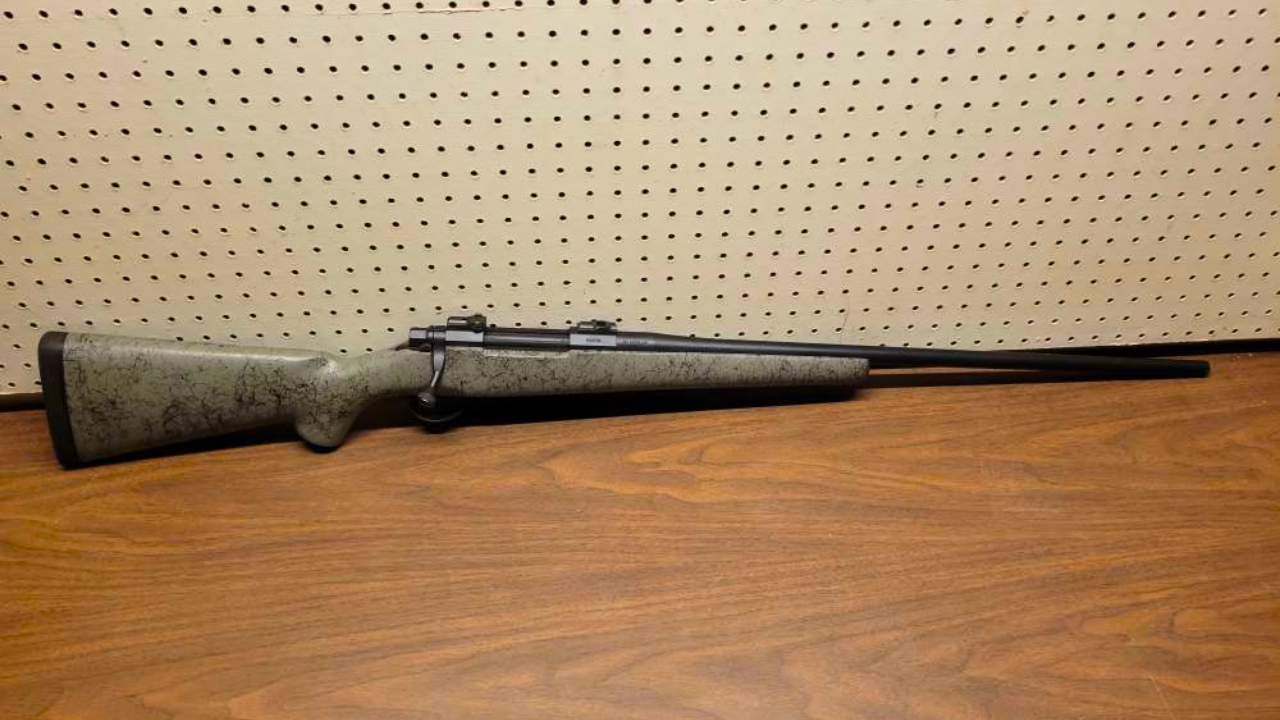
The Nosler Model 48 Liberty sounded like a serious hunting rifle from a company known for bullets and big-game credibility. That alone made buyers expect strong accuracy, clean handling, and a rifle that felt ready for the mountains.
For some owners, the rifle never quite matched the promise. It could shoot well, but it did not always feel dramatically better than less expensive bolt guns sitting nearby. When you pay for a premium hunting name, you expect more than “pretty good.” The Liberty had appeal, but buyers who expected effortless accuracy sometimes found themselves chasing loads like they would with any ordinary rifle.
Kimber Mountain Ascent

The Kimber Mountain Ascent sounds perfect if you hate carrying heavy rifles. It is light, sleek, and clearly built for hunters who count ounces before heading into steep country.
That same low weight can make it difficult to shoot consistently. A rifle that feels great on your shoulder can feel twitchy from the bench or from a rushed field rest. Some owners expected a mountain rifle that carried like air and grouped like a heavy varmint gun. That is a tough combination to deliver. The Mountain Ascent makes sense for the right hunter, but it can punish sloppy technique quickly.
Proof Research Elevation

The Proof Research Elevation has the kind of name and parts list that makes shooters expect tiny groups without much effort. Carbon-fiber barrel, premium feel, and a serious price tag all create big expectations.
Some buyers still find themselves wanting more consistency for the money. The rifle can absolutely shoot, but not every owner feels the jump in cost translates into a clear field advantage. If it takes expensive ammo testing and careful cooling to get the groups you expected right away, frustration builds. At this level, buyers are not paying for excuses. They want confidence from the first range session.
Seekins Havak Slam

The Seekins Havak Slam sounds like a mountain hunter’s dream: light, modern, accurate, and built by a company with strong precision-rifle credibility. It checks the right boxes before you even mount a scope.
The reality is that ultralight rifles are always a tradeoff. Some owners find the rifle harder to hold steady, sharper in recoil, and more demanding than expected. It is a capable rifle, but the word “light” can hide how much shooter input matters. If you expect bench-gun behavior from a rifle built to save weight, you may walk away thinking it sounded better than it shot.
Benelli Lupo Limited Edition
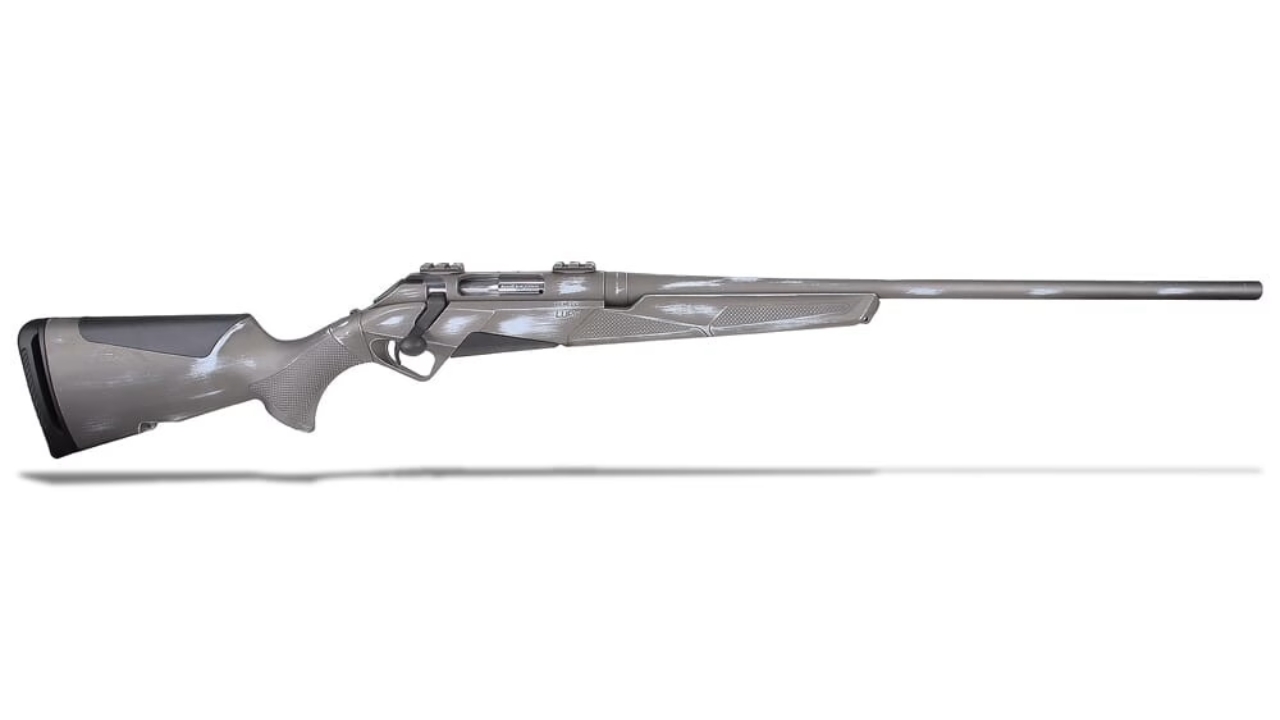
The Benelli Lupo Limited Edition sounds impressive because it takes an already modern rifle and adds upgraded looks, finish, and premium presentation. For buyers who like Benelli’s shotgun reputation, that can make the rifle feel special right away.
Some hunters still struggle to love the shooting experience enough to justify the cost. The Lupo design is adjustable and capable, but the styling, feel, and balance are not for everyone. If the rifle does not shoot noticeably better than more familiar bolt guns, the limited-edition appeal starts feeling thin. A fancy version still has to prove itself on paper and in the field.
Savage Impulse Mountain Hunter
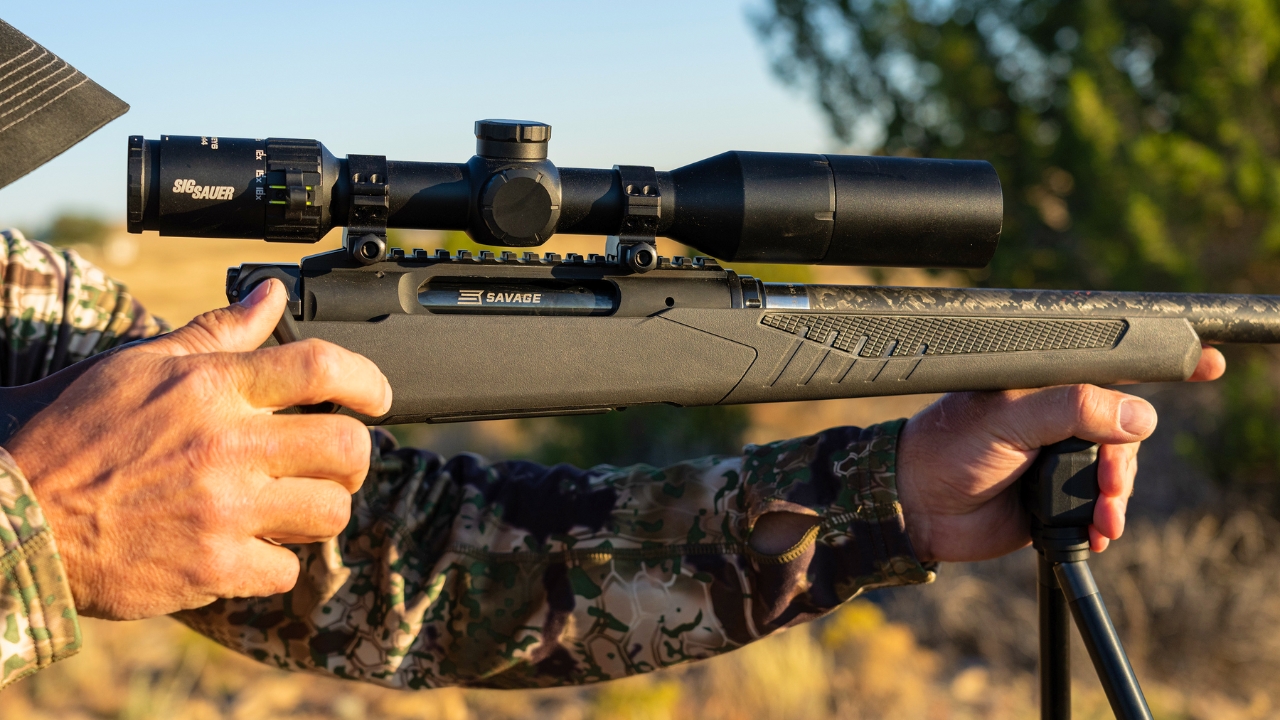
The Savage Impulse Mountain Hunter sounds like a smart blend of speed and lightweight hunting function. A straight-pull action in a lighter field rifle sounds useful for hunters who want fast follow-ups without leaving the bolt-action world.
Some buyers find the execution less exciting once the rifle is in hand. The action system adds a different feel, and the rifle still has to compete with smooth traditional bolt guns that are simpler and often cheaper. If the straight-pull speed does not matter much during real hunts, the whole concept starts feeling less necessary. It sounded clever, but not every hunter ends up shooting it better.
Weatherby Mark V Backcountry 2.0 Ti

The Weatherby Mark V Backcountry 2.0 Ti sounds like a dream rifle for serious mountain hunters. Titanium action, light weight, Weatherby name, and hard-hitting chamberings make it feel like a top-tier field tool.
The shooting experience can be less romantic. Lightweight magnum rifles are not gentle, and the Backcountry 2.0 Ti can remind owners quickly that less weight often means more recoil and more movement. It may carry beautifully, but shooting it well takes discipline. Some hunters expected a magic rifle and instead got a premium tool that demands premium fundamentals.
Bergara Premier Mountain 2.0

The Bergara Premier Mountain 2.0 sounds like it should deliver custom-level confidence in a lightweight hunting package. Bergara’s barrel reputation helps sell that idea before the buyer ever gets to the range.
Some owners still find the rifle more demanding than expected. Lightweight sporters can be sensitive to hold, heat, and ammunition, and that can make groups less consistent than the buyer imagined. The rifle is not bad, but the name and price create serious pressure. When a rifle is marketed as a refined mountain setup, average range performance can feel like a bigger letdown than it would on a cheaper gun.
Wilson Combat NULA Model 20
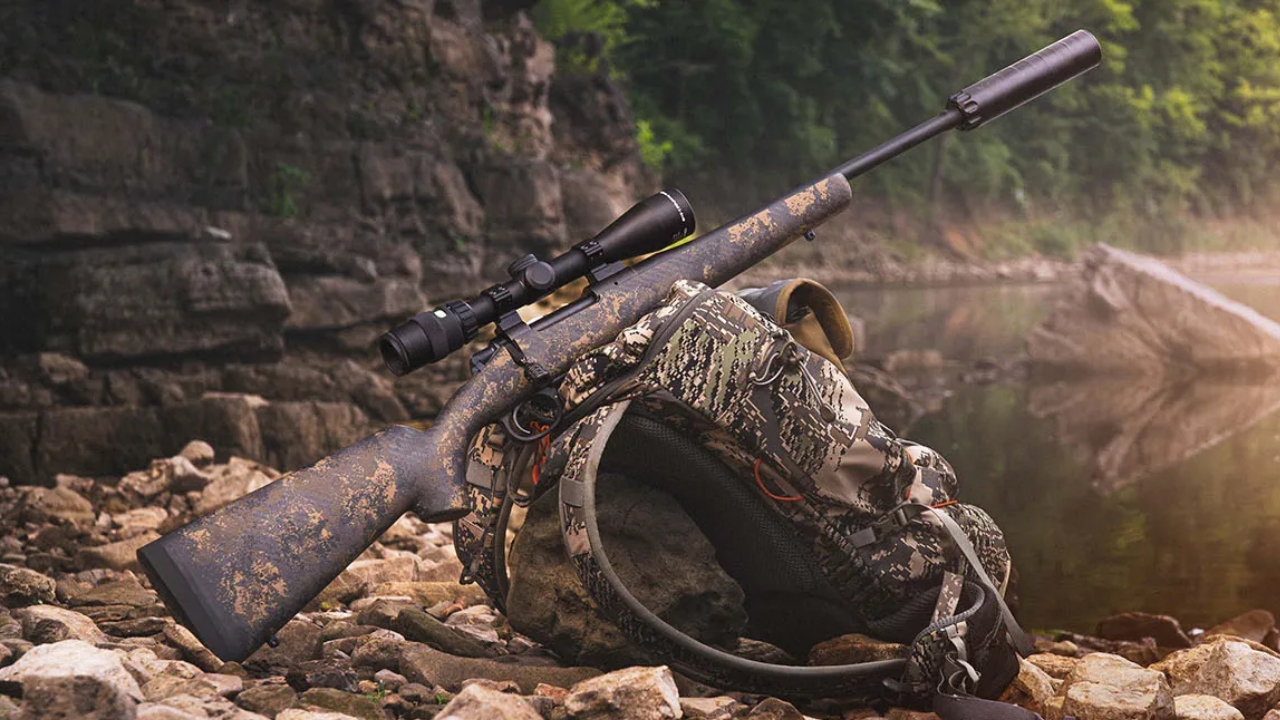
The Wilson Combat NULA Model 20 sounds incredible to hunters who know the NULA reputation. Lightweight hunting rifles with that kind of design history carry high expectations before the box is even opened.
The catch is that a rifle this light still has to be shot like a light rifle. Some buyers expect the weight savings without the movement, recoil, and position sensitivity that come with it. The Model 20 can be accurate, but it is not a heavy bench rifle in disguise. If you buy it expecting effortless groups from every rest, you may feel like the legend sounded better than the range session.
Fierce Carbon Rogue
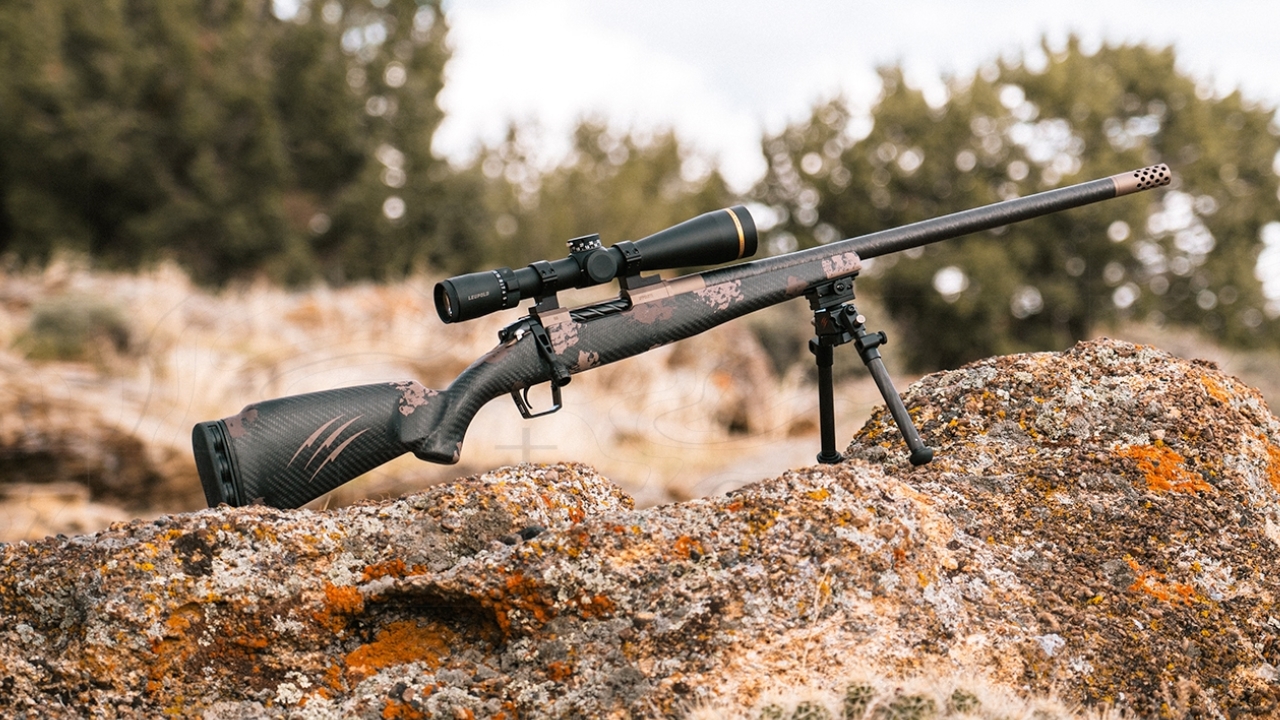
The Fierce Carbon Rogue sounds like a rifle built for serious hunters who want carbon-fiber weight savings, premium looks, and strong accuracy without going fully custom. It has the kind of spec sheet that makes buyers expect a lot.
That expectation is the problem. Some owners feel the rifle can be pickier than expected or not as refined as the price suggests. At this level, little things matter more: bolt feel, feeding, stock fit, and load preference all get judged harder. If the rifle shoots only okay with the ammo you want to use, the carbon-fiber appeal does not carry the whole purchase.
Springfield Armory Model 2020 Rimfire Target
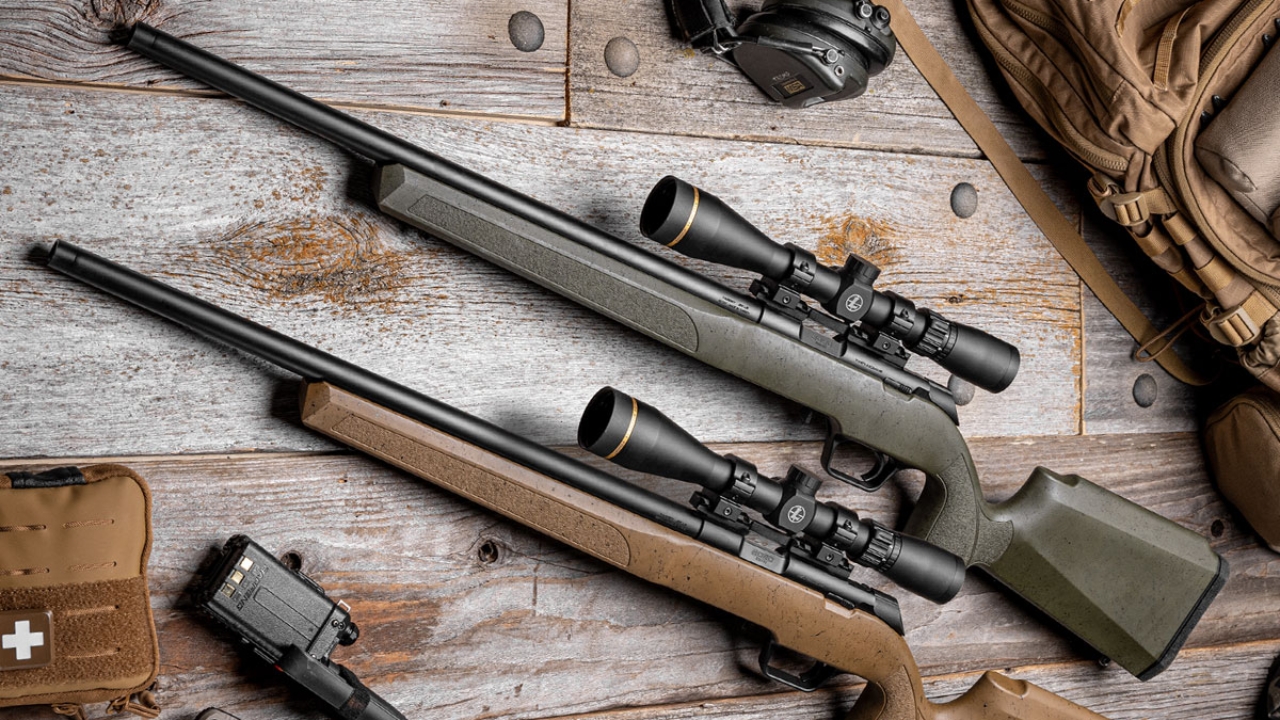
The Springfield Armory Model 2020 Rimfire Target sounds like a serious .22 for shooters who want accuracy and refinement beyond a basic plinker. A premium-feeling rimfire with a target role should make range days feel easy.
Some buyers, though, expect too much from the name and price. Rimfires can be extremely ammunition-sensitive, and a target .22 that does not love your preferred load can quickly feel disappointing. It may shoot well with the right ammo, but getting there can take testing. For buyers who expected instant one-hole groups, the experience can feel less impressive than the catalog made it sound.
Mauser 18 LR Chassis
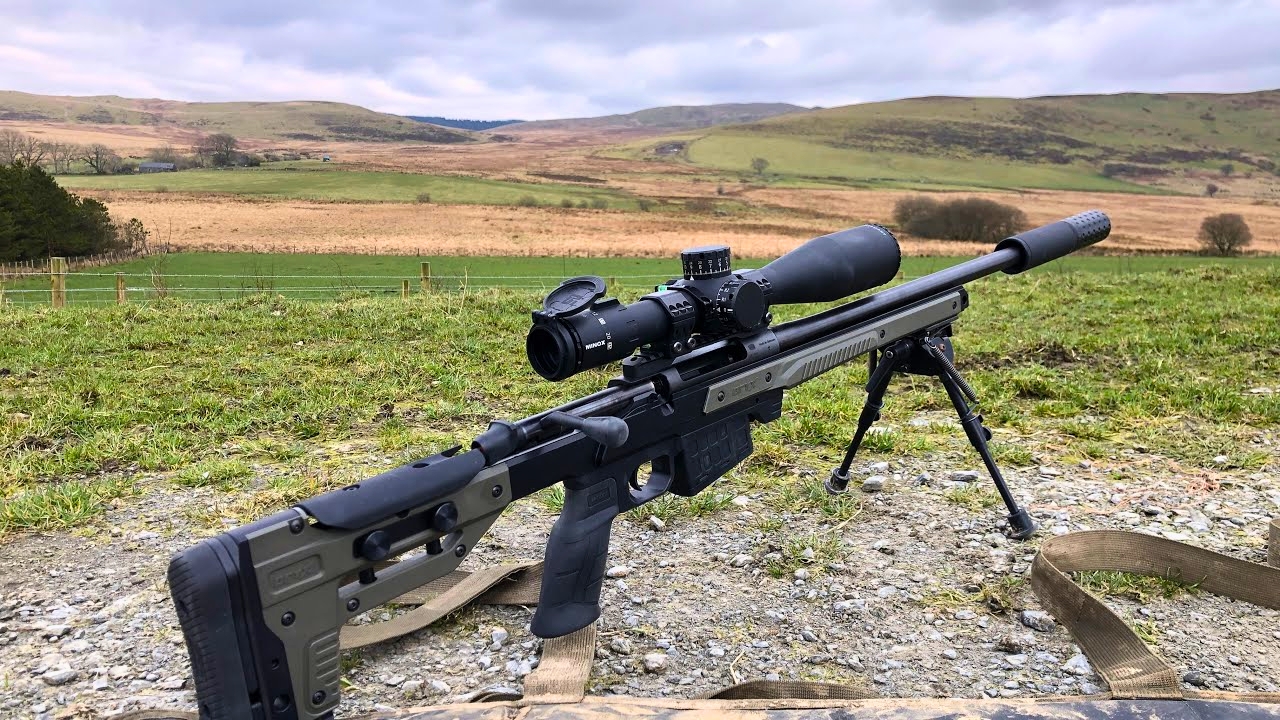
The Mauser 18 LR Chassis sounds like a smart way to get into longer-range shooting with a respected European name on the receiver. The chassis setup, heavier barrel, and precision look all suggest serious accuracy.
The issue is that a chassis does not automatically make a rifle exceptional. Some shooters find the rifle heavier, less refined, or less impressive than expected compared with other precision-style rifles in the same price neighborhood. It may shoot fine, but “fine” can feel weak when the rifle looks like it should dominate. The name and layout set expectations the range may not always meet.
Mossberg Patriot Night Train
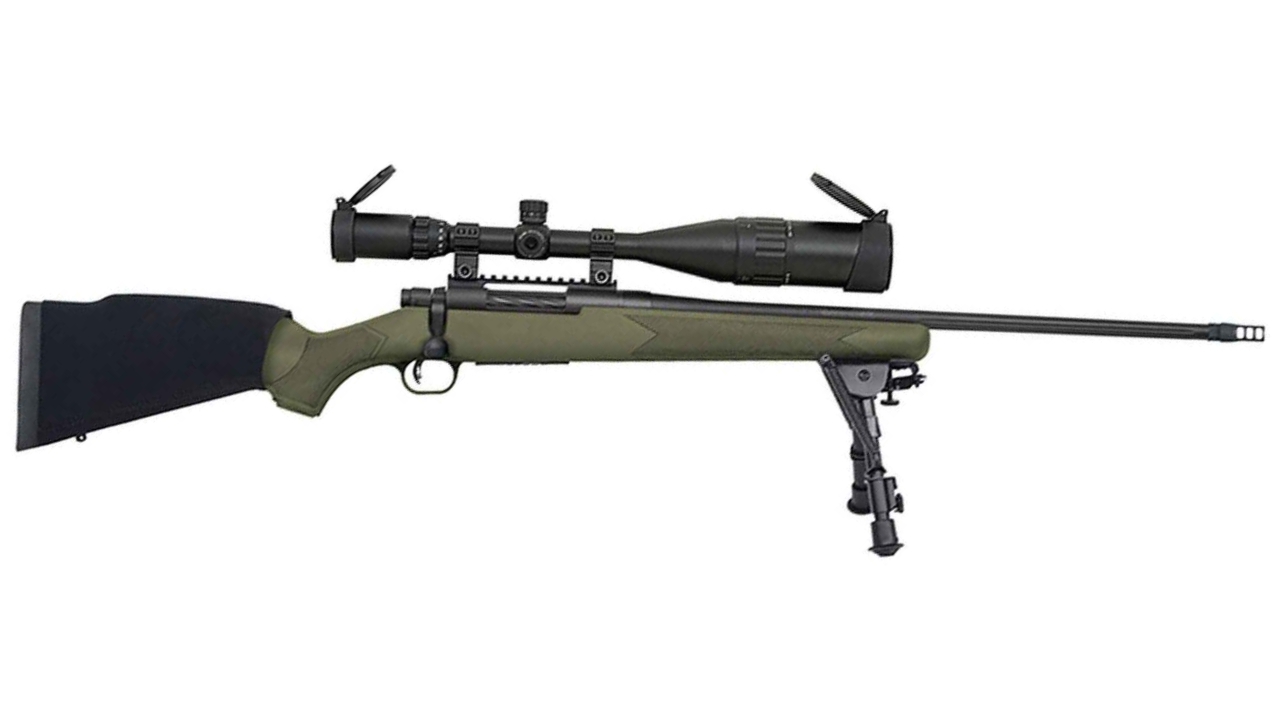
The Mossberg Patriot Night Train looked like a ready-made long-range rifle for buyers who wanted the full package without piecing everything together. Scope, bipod, muzzle brake, and tactical styling made it seem like a shortcut into precision shooting.
That shortcut did not always feel satisfying. Package rifles often create unrealistic expectations, especially when the included accessories are not the same quality a serious shooter would choose separately. Some owners found themselves upgrading parts quickly or chasing accuracy they thought would come easier. It sounded like a complete long-range setup, but many buyers learned that looking the part is not the same as shooting the part.
Like The Avid Outdoorsman’s content? Subscribe to our newsletter so you never miss an article.
Here’s more from us: