Photo credit: Terri Attridge Photo/Shutterstock.com
Lever-action rifles became one of the defining tools of the American frontier, offering firepower, speed, and reliability in a package rugged enough to survive harsh conditions. Hunters, settlers, and lawmen relied on these rifles to put food on the table and defend homesteads, while outlaws and cowboys carried them for survival on the move. Their designs were simple but effective, and their calibers matched the demands of frontier life. These lever-actions earned their place in history by helping shape the settlement of the West and beyond.
Henry Model 1860
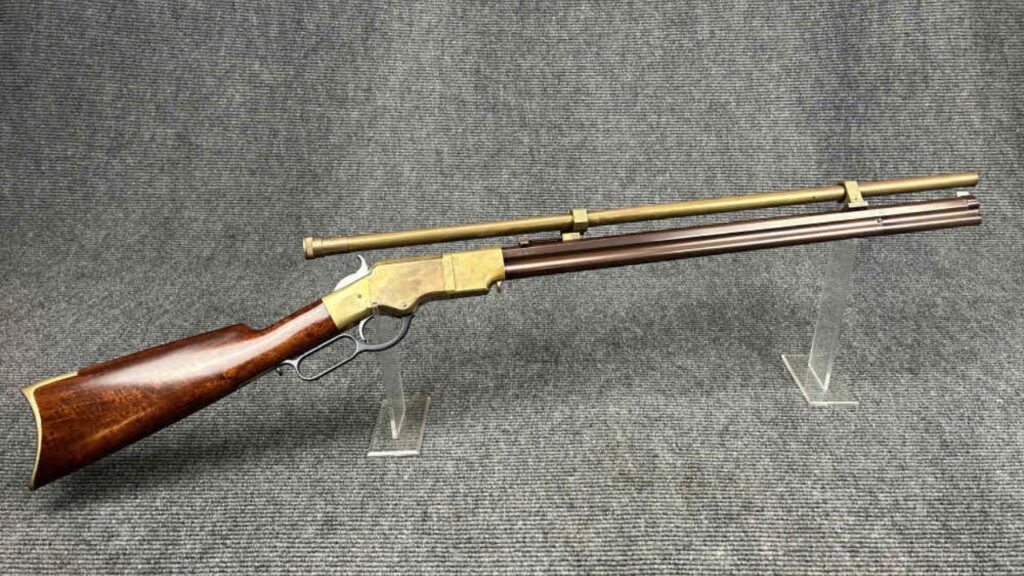
The Henry Model 1860 chambered in .44 Henry Rimfire changed how people approached frontier survival. Its 16-round capacity gave settlers and soldiers unmatched firepower at the time, making it a favorite among Union troops during the Civil War and pioneers heading west.
Its reliable action and relatively fast reloads made it stand out in an era dominated by single-shot rifles. Whether it was hunting game or defending homesteads, the Henry brought a level of versatility that helped cement its place in frontier history.
Winchester Model 1873
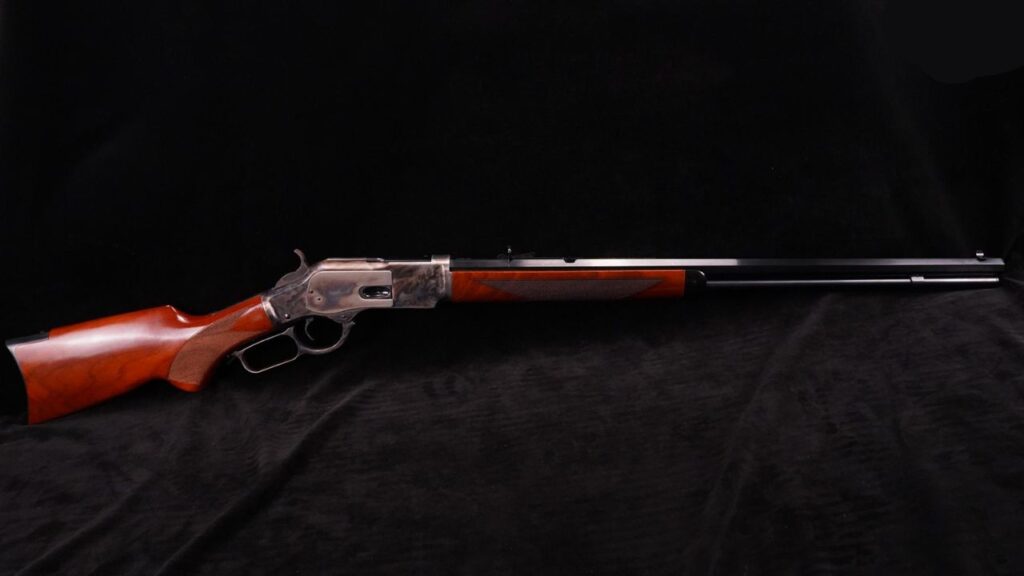
Known as “The Gun That Won the West,” the Winchester Model 1873 was chambered in .44-40 and became one of the most popular rifles of its time. Its rugged design, combined with ammunition that could be shared with revolvers, made it an everyday carry rifle for settlers and cowboys alike.
The Model 1873 balanced accuracy, capacity, and reliability, making it invaluable on the frontier. From protecting cattle to defending against outlaws, this lever-action became a symbol of self-reliance and adaptability during the settlement era.
Winchester Model 1894
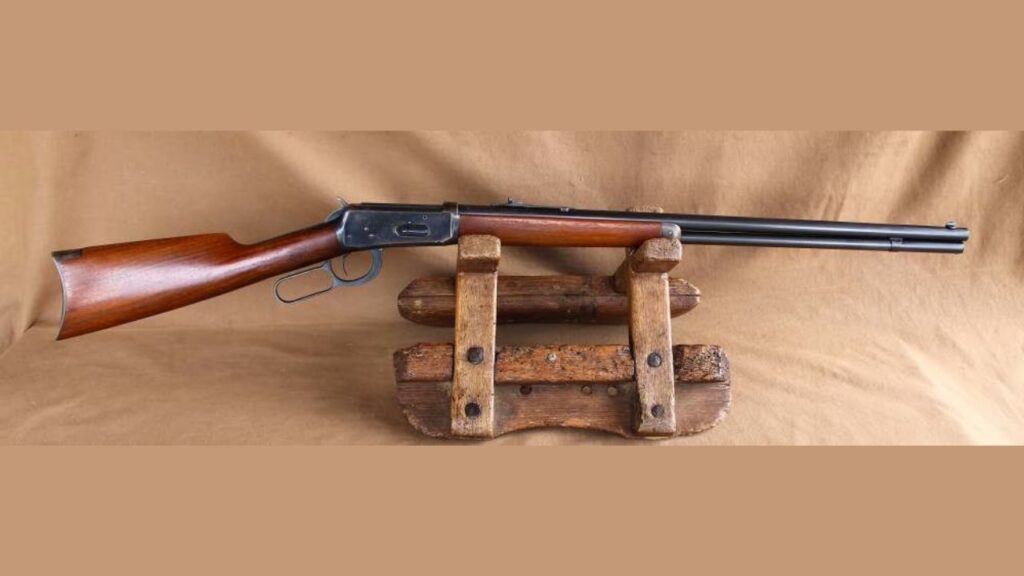
The Winchester Model 1894, often chambered in .30-30 Winchester, marked a shift toward higher-powered lever-actions suitable for bigger game. Its flatter trajectory and stronger action gave hunters better reach, allowing them to take deer and elk at longer distances.
Settlers valued the rifle’s durability and stopping power, and it quickly became one of the most successful lever-actions ever produced. Even today, the 1894 remains in production, proving its lasting legacy as a workhorse rifle on the American frontier and beyond.
Marlin Model 1895
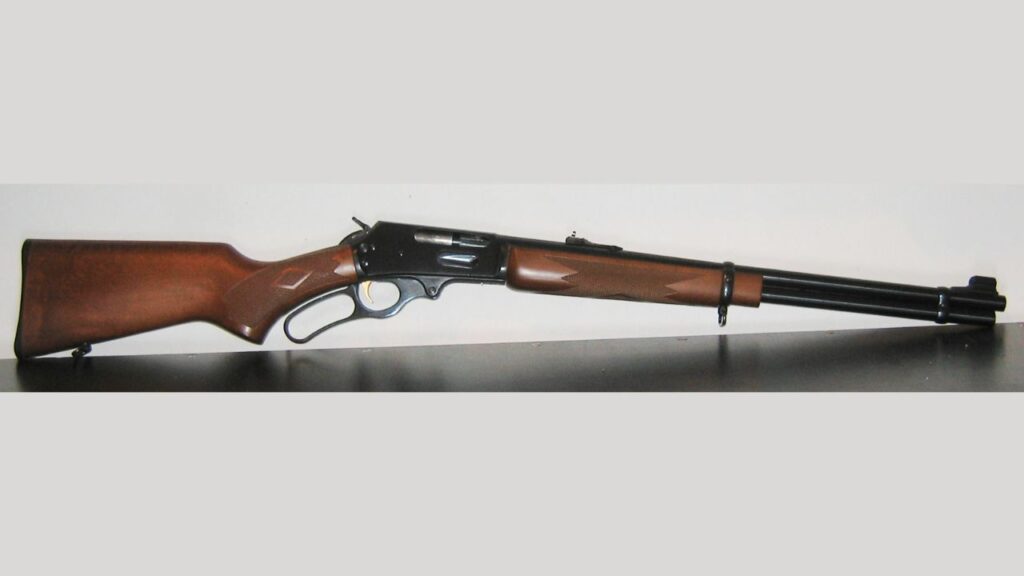
The Marlin Model 1895 chambered in heavy calibers like .45-70 Government brought serious power to the frontier. Its solid-top receiver and side-eject design made it exceptionally strong and reliable, especially for hunters going after large game like bison or bear.
In untamed territory, having a rifle capable of delivering deep-penetrating shots was critical. The 1895 gave pioneers an edge when dealing with both hunting challenges and potential threats, making it a trusted companion for those pushing deeper into unsettled lands.
Spencer Repeating Rifle
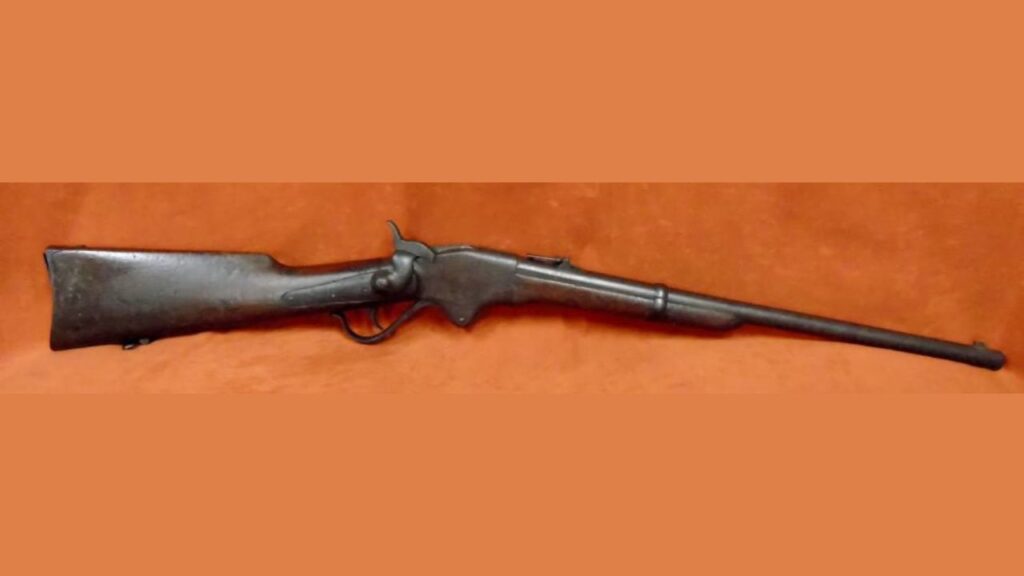
The Spencer Repeating Rifle, chambered in .56-56 Spencer, was one of the earliest repeaters to see widespread military use during the Civil War. Its success on the battlefield translated to civilian life, where settlers adopted it for hunting and protection.
Its seven-round tubular magazine and reliable lever system gave frontiersmen more firepower than most single-shot rifles of the era. The Spencer’s versatility made it a natural fit for pioneers traveling west, where unpredictable encounters required a dependable, quick-firing rifle.
Whitney-Kennedy Lever-Action
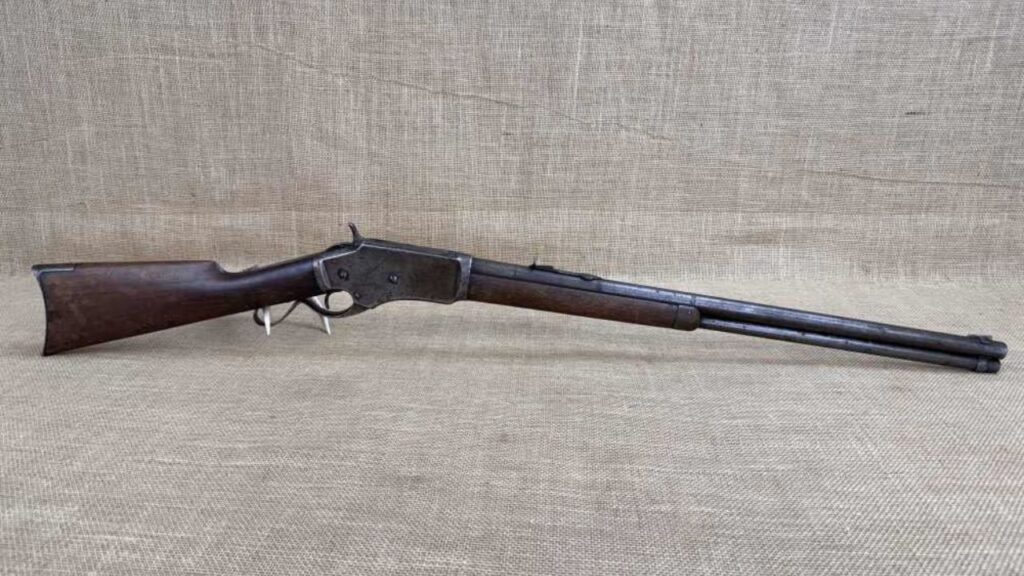
The Whitney-Kennedy rifles, chambered in calibers like .44-40 and .45-60, were lesser-known but highly effective rifles of the frontier. Their smooth action and magazine capacity made them popular among settlers and hunters seeking a reliable repeater.
While they didn’t reach the same production numbers as Winchester or Marlin, Whitney-Kennedy rifles provided serious firepower for those who could afford them. They became a trusted companion for survival on the plains and mountains, proving themselves capable of handling the challenges of frontier life.
Colt-Burgess Rifle
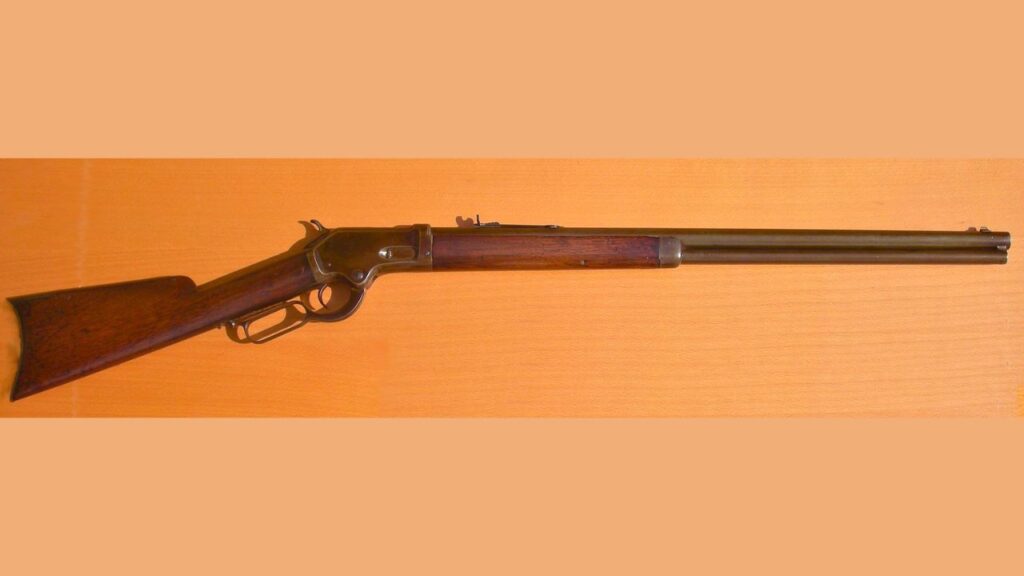
The Colt-Burgess Rifle entered the lever-action market in the mid-1880s and was chambered in .44-40, a popular caliber for those carrying both rifles and revolvers. Its design featured a smooth action and solid build quality that appealed to shooters seeking reliability.
While it faced tough competition from Winchester, the Burgess gained a foothold among ranchers and travelers who valued compatibility and consistent performance. Its relatively short production run makes it rare today, but its impact on the frontier was notable among those who carried it.
Evans Repeating Rifle
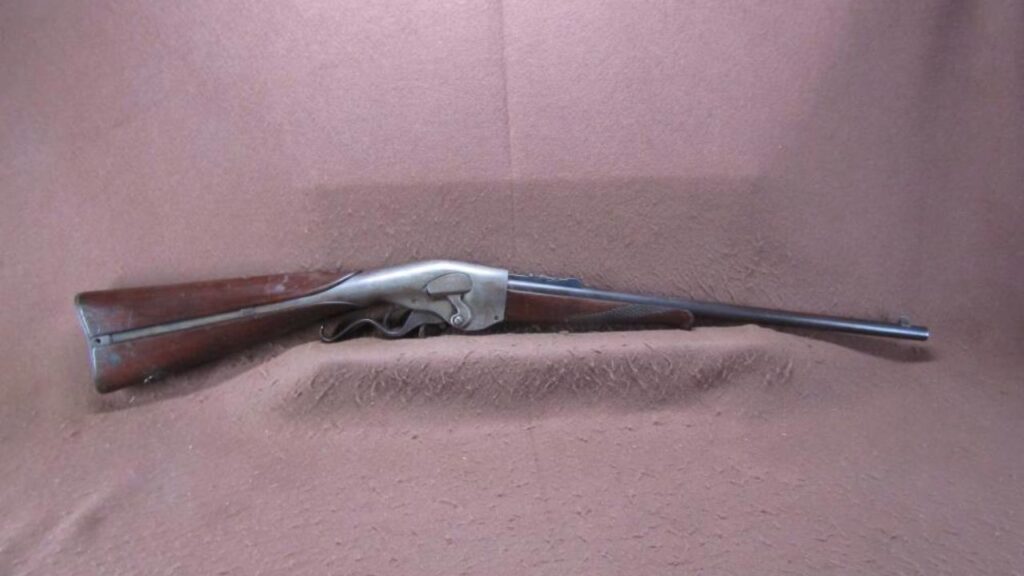
The Evans Repeating Rifle stood out thanks to its unique helical magazine, holding up to 34 rounds of .44 Evans ammunition. While less common than Winchester or Henry designs, its massive capacity made it a valuable tool for those venturing deep into unsettled territory.
Despite its unconventional approach, the Evans offered serious firepower for defensive situations and extended hunting trips. While it never became a mainstream favorite, it remains one of the most interesting lever-actions to see real use during the frontier period.
Winchester Model 1886
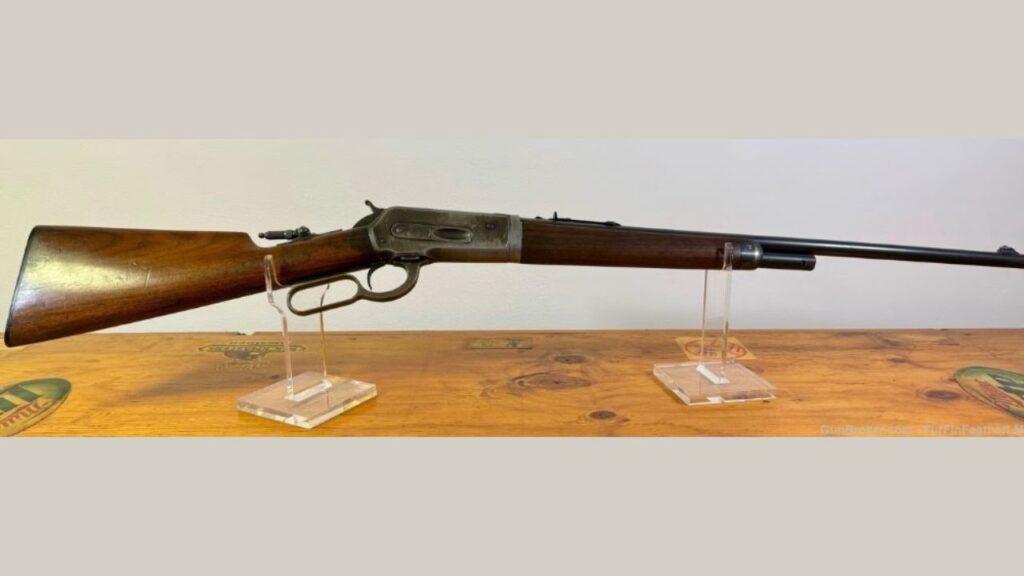
The Winchester Model 1886 brought improved strength and power to the lever-action world, handling heavier cartridges like the .45-70 Government and .50-110 Express. Its strong action allowed hunters to take down larger game across open country and dense woods alike.
Designed by John Browning, the 1886 was built for hard use and became a favorite for pioneers who needed a rifle capable of handling everything from elk to bison. Its success marked a turning point in combining lever-action speed with big-bore performance.
Marlin Model 1881
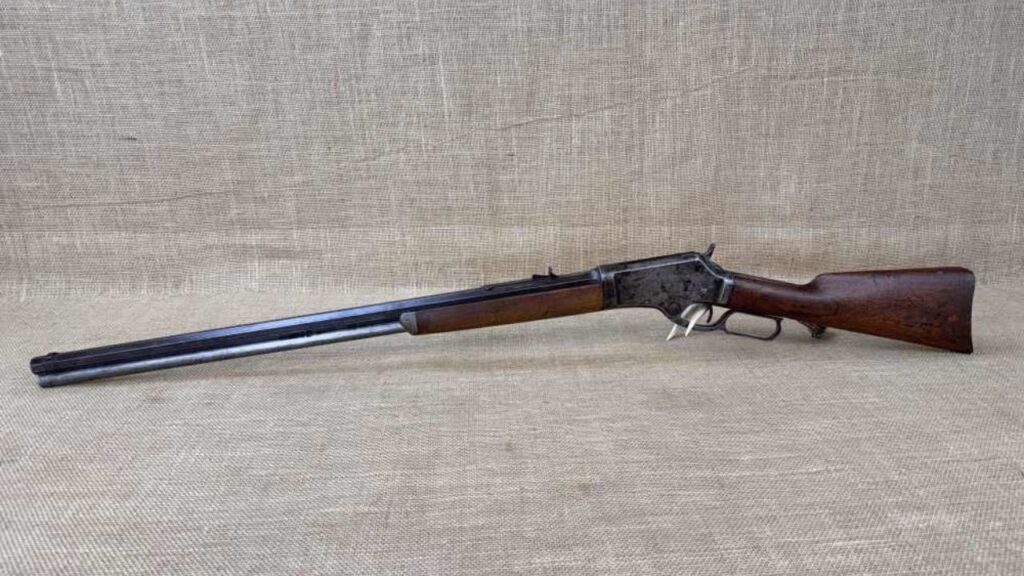
The Marlin Model 1881 became one of the earliest successful large-caliber lever-actions, chambered in .45-70 Government. Its sturdy design and reliable cycling made it ideal for frontiersmen hunting big game or defending homesteads in remote areas.
The side-loading system and smooth action set the stage for later Marlin designs that gained more widespread popularity. On the frontier, the Model 1881 earned respect among those who needed dependable firepower in a rifle that could handle punishing conditions without falling out of zero.
*This article was developed with AI-powered tools and has been carefully reviewed by our editors.