Photo credit: The Walk With Al/YouTube
Keeping a rifle zeroed in rough conditions is one of the quickest ways to learn which designs are built for field use and which ones fall apart once the weather turns. Cold snaps, warm barrels, wet stocks, and long hikes expose weaknesses you’ll never see on a perfect day at the bench. Some rifles drift just from being slung over a pack frame. Others lose their zero the minute the temperature drops. If you’ve ever stepped into the woods confident and walked out wondering why your shots wandered, these rifles are the ones most known for shifting point of impact when real hunting weather sets in.
Remington 710

The Remington 710 never earned a reputation for stability, and most hunters who’ve carried one in rough weather know why. The injection-molded stock flexes enough that sling pressure alone can change point of impact. Combine that with a pressed-in barrel and inconsistent bedding, and you get a rifle that behaves differently every time the temperature swings.
Cold mornings followed by warm afternoons only exaggerate those shifts. Even minor bumps during a long hike can nudge groups an inch or two. Many hunters eventually learn that the 710 shoots “alright,” but keeping the zero fixed through a full season is a constant uphill fight.
CVA Cascade (early runs)

The Cascade has become popular, but early-production rifles had bedding inconsistencies that made it hard to keep a zero locked in once the weather changed. Some rifles developed uneven contact along the barrel channel, and that contact shifted as the synthetic stock reacted to temperature swings.
Even when the rifle grouped well at the bench, a cold front could move groups enough to make confident shots difficult. Hunters who loaded the forend on a bipod often noticed the point of impact walking throughout the day. Later Cascades improved significantly, but those first rifles made some hunters cautious in unpredictable weather.
Tikka T3 Lite (first-gen superlight barrels)

Tikka rifles are known for accuracy, but the very early T3 Lite models with ultra-thin barrels developed noticeable point-of-impact drift once they warmed up in the field. A couple of quick follow-up shots were enough to move groups, especially in colder climates where temperature contrast was extreme.
The lightweight synthetic stock didn’t always help, flexing slightly under recoil or when carried tight against a pack strap. Hunters chasing mountain game sometimes found their zero shifting after long climbs or sudden temperature drops. While later versions improved barrel rigidity, those early superlight models could be frustrating in real hunting weather.
Remington 597 Magnum

The .22 WMR version of the Remington 597 struggled with consistency, especially when used outdoors in shifting temperatures. The semi-auto system and lightweight barrel created harmonics that wandered as the rifle warmed or cooled. Even high-quality optics didn’t always stay aligned because the receiver rails weren’t as rigid as needed.
Hunters carrying it for small game often saw groups move throughout the day, making longer shots unreliable. While it could shoot well in steady conditions, the moment weather shifted, so did the point of impact. Many shooters eventually retired the 597 Magnum in favor of bolt guns with far better stability.
Ruger M77 Mark II (pencil-barrel configurations)

The M77 Mark II is a rugged rifle, but the pencil-barrel versions are known for wandering once they heat up, especially during cold-weather hunts. Lightweight barrels move more as temperature changes, and some stocks in this era applied just enough pressure to amplify those shifts.
Hunters who routinely practice from field positions notice the zero doesn’t always return to the same spot after a short shooting string. While the action itself is rock-solid, those thin barrels simply don’t offer the repeatability needed for varied temperatures. It’s a classic case of a tough rifle that loses consistency the moment conditions aren’t calm and steady.
Savage 11 Trophy Hunter XP

Savage rifles are usually accurate, but the 11 Trophy Hunter XP’s entry-level stock often works against long-term zero stability. The forend flexes noticeably, and it doesn’t take much pressure—snow buildup, a tight sling, or a rested shot—for the barrel to shift within the channel.
Cold-weather users report point-of-impact changes that show up after only minor handling. The rifle may group well on the bench, yet those same groups move around in the field under typical hunting conditions. With a stiffer aftermarket stock, the accuracy potential shows up, but the factory configuration struggles to keep zero locked.
Weatherby Mark V Ultra Lightweight

The Mark V Ultra Lightweight was built to be packed long distances, but its thin barrel and extremely light stock make it sensitive to temperature and pressure changes. Hunters often notice the point of impact shifting after the first shot or two, especially in colder climates or at higher altitudes.
While the rifle is beautifully constructed, the superlight profile comes with trade-offs. Heated barrels walk shots, and even resting the rifle differently from one outing to the next can move groups. For a mountain rifle, consistency matters, and the Ultra Lightweight sometimes asks hunters to compromise more than they expect.
Browning A-Bolt Micro Hunter

The Micro Hunter’s compact design makes it appealing, but its short, lightweight barrel and light stock don’t always hold up well when the weather turns harsh. A couple of shots on a frosty morning can shift the point of impact enough to throw off follow-ups.
Many hunters also note that the slim forend flexes just enough to disturb harmonics. The rifle shoots well in mild conditions, but once it’s exposed to cold, rain, or rapid temperature changes, groups wander more than most expect. It’s an easy rifle to carry—just not one known for zero stability under changing conditions.
Marlin X7

The Marlin X7 had strong potential, but the stock on many models was softer than ideal, leading to forend flex and inconsistent bedding contact. Even a tight sling wrap could push the barrel slightly, shifting the point of impact.
Cold-weather users often discovered their rifle walking shots as the synthetic stock stiffened unevenly in lower temperatures. The rifle’s accuracy was real, yet reliability across conditions wasn’t. Many hunters eventually floated the barrel or upgraded the stock entirely to solve drifting zeros that appeared whenever the weather shifted.
Rossi RS22
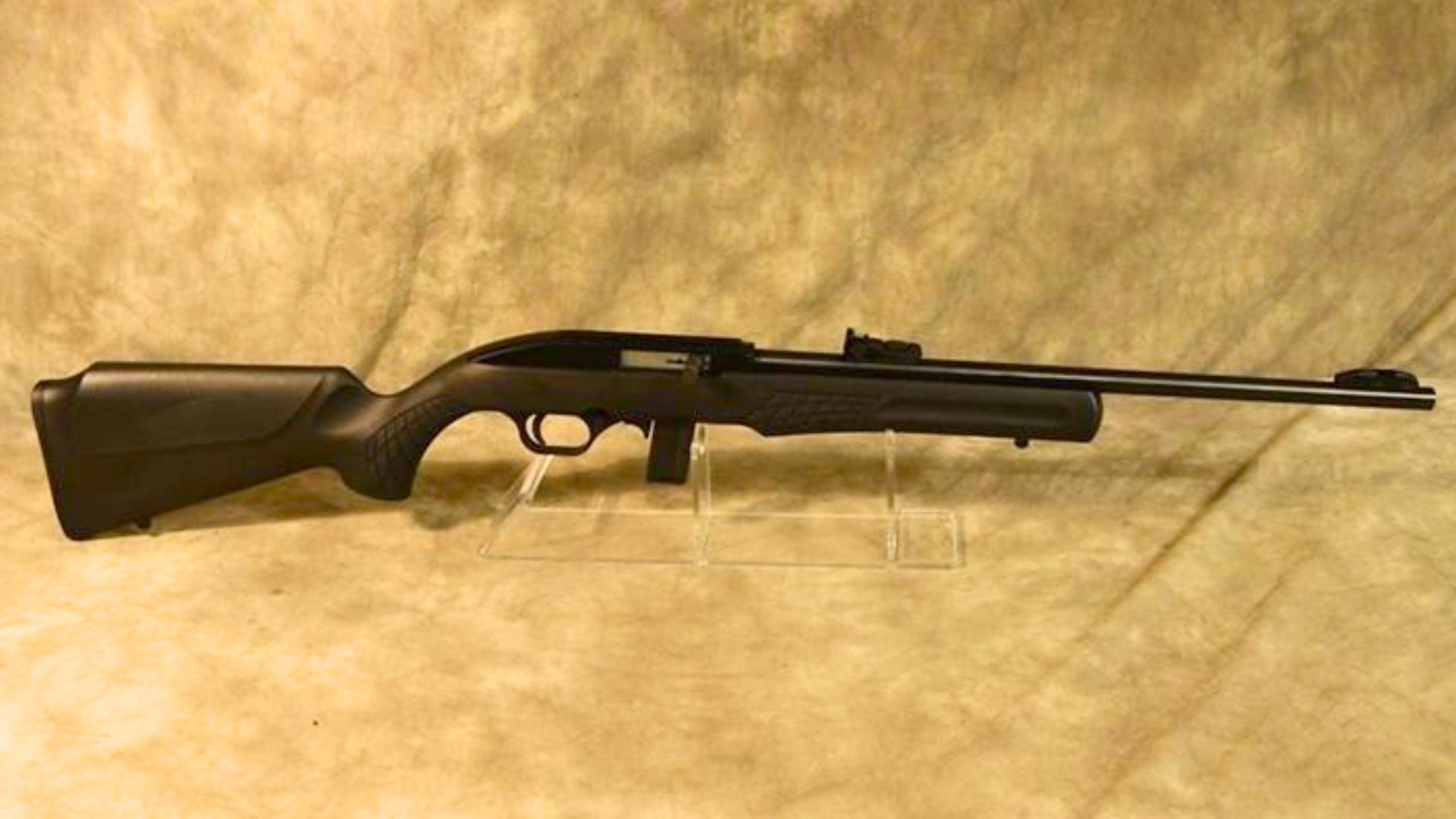
The RS22 is a fun little semi-auto, but its lightweight build and thin barrel make zero stability a challenge outdoors. As the barrel heats or cools, the point of impact tends to move, and the polymer stock isn’t rigid enough to keep harmonics predictable.
Even with good ammo, groups shift noticeably through temperature cycles or after extended use. Most owners accept it for what it is—a budget rimfire—not a rifle you rely on for precision when conditions get unpredictable. For small-game hunters expecting consistency, those drifting zeros become obvious quickly.
Winchester Model 70 Featherweight (thin-barrel editions)

Featherweight rifles are great to carry, but their slimmer barrels move more under heat and cold shifts. Some early synthetic-stocked Featherweights developed slight pressure points that changed with humidity or temperature, making the point of impact unpredictable.
While many shoot extremely well, certain combinations of stock and barrel profile are prone to drifting zeros after the first few shots of the day. Hunters who take long hikes in cold weather sometimes arrive to find their rifle hitting high or wide. The potential is there—consistency across conditions isn’t always guaranteed.
Remington 798

Made with imported Zastava actions, the Remington 798 had accuracy potential, but the factory stocks were hit-or-miss. Some rifles had uneven bedding surfaces, which created shifting contact points as temperatures changed or recoil settled the action deeper into the stock.
Hunters saw groups move throughout the season, even with high-quality optics and ammunition. While the action itself was solid, the inconsistent stock fit made zero stability a recurring issue. Those who glass-bedded their rifles often solved the problem, but out of the box, the 798 wasn’t known for weatherproof consistency.
Mossberg Patriot Super Bantam
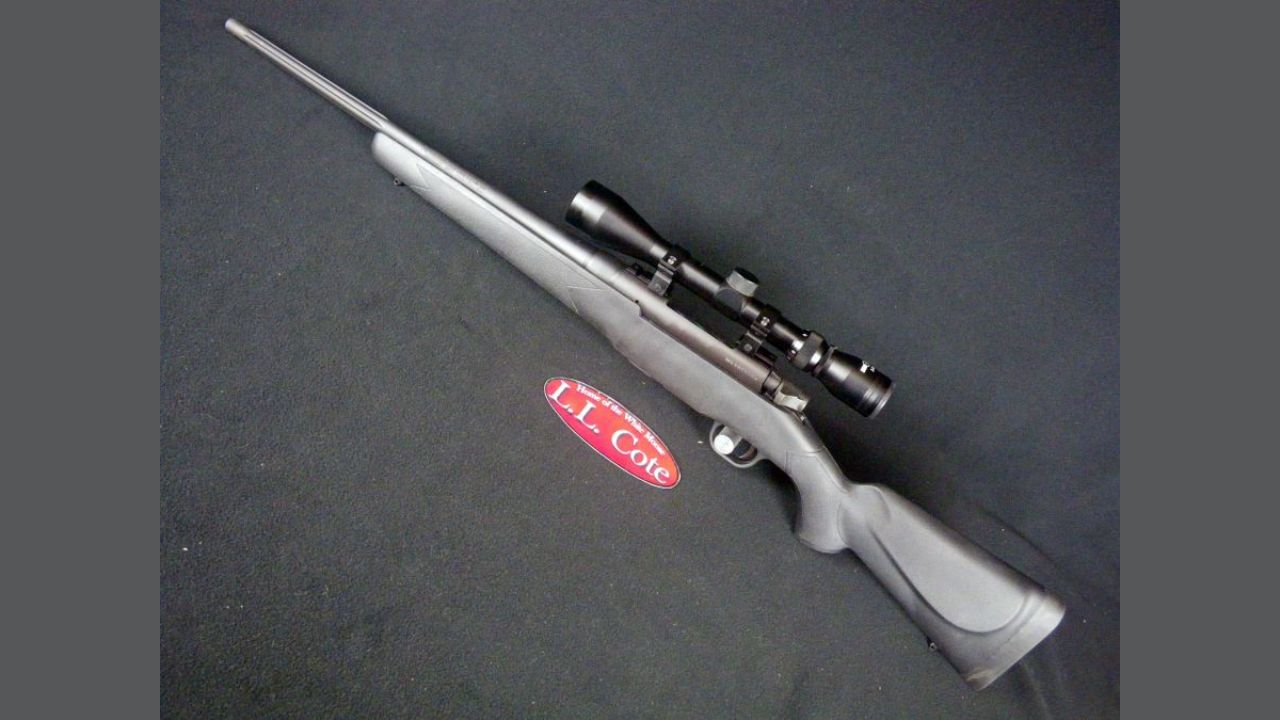
The Patriot Super Bantam is designed for smaller shooters, but that lightweight platform introduces instability under varied conditions. The thin barrel heats quickly and walks shots, while the flexible stock allows small shifts that move point of impact.
In cold or wet weather, the synthetic material stiffens or softens just enough to change bedding tension. Hunters expecting reliable accuracy sometimes find themselves chasing zero after every temperature change. It’s practical and handy, but not a rifle known for holding zero during unpredictable weather.
Savage 340

The older Savage 340 bolt guns were economical, but their stamped-steel receivers and barrel mounting system don’t offer modern rigidity. As temperatures change, the POI often shifts as the receiver flexes slightly under recoil.
The accuracy can be acceptable for close-range shots, yet colder weather or longer shooting sessions expose the design’s limitations. Many rifles in this line drift enough to make fine-tuned zeroing an ongoing chore. Hunters who expect consistent shots past moderate distances often discover the 340 simply doesn’t stay anchored in shifting conditions.
Browning BAR Lightweight Stalker

The Lightweight Stalker version of the BAR is smooth, but its thin barrel and semi-auto internals introduce shifting harmonics that worsen in harsh weather. Temperature changes tighten or loosen fitment points just enough to alter impact by a couple of inches.
Hunters who rely on semi-autos often notice wandering zeros after long hikes or rapid temperature swings. The rifle performs well mechanically, but repeatability suffers when weather refuses to cooperate. Many shooters end up re-zeroing more often than they’d like.
Like The Avid Outdoorsman’s content? Subscribe to our newsletter so you never miss an article.
Here’s more from us: