Photo credit: Blackhawk Tong/Shutterstock.com
Recoil is something you expect when you pull the trigger, but some loads make you pay more than they give back. You burn more powder, take more punishment to the shoulder, and still don’t see a big jump in terminal performance. In some cases, the velocity numbers look good on paper, but in real-world hunting or defensive use, they don’t deliver the extra punch you’d expect.
Here are loads that hit hard—on you—without giving the kind of results that justify the abuse.
.300 Winchester Magnum 220-Grain Loads
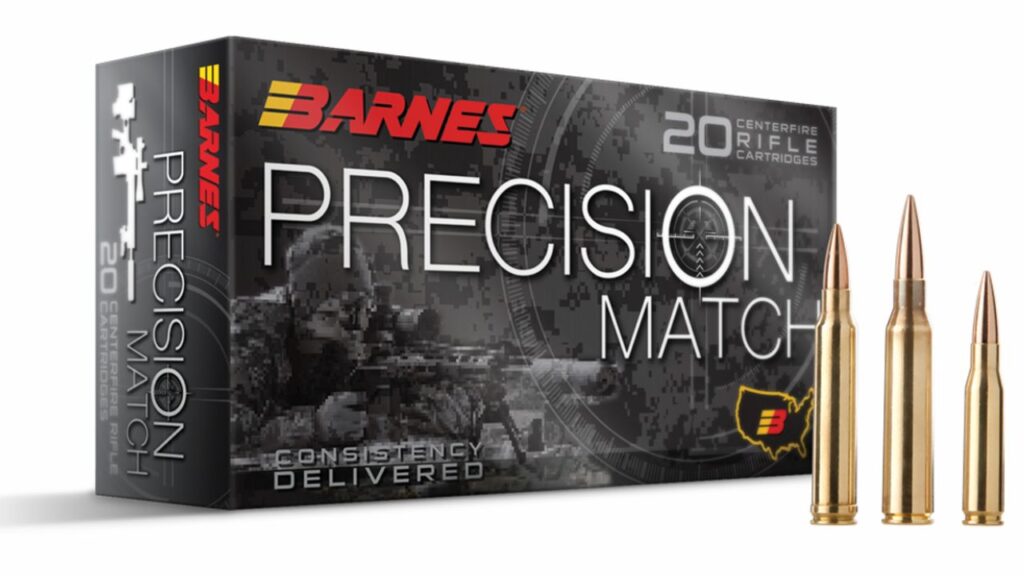
The .300 Win Mag is already known for stout recoil, but going with a heavy 220-grain bullet doesn’t always translate to better downrange results. You’ll feel every bit of that added weight in recoil, yet velocity drops enough to limit the ballistic advantage.
For many hunting situations, a lighter bullet in the same caliber delivers flatter trajectories and more effective energy transfer on game. The heavier load often leaves you with a sore shoulder and no real-world gain.
12-Gauge 3½-Inch Turkey Loads
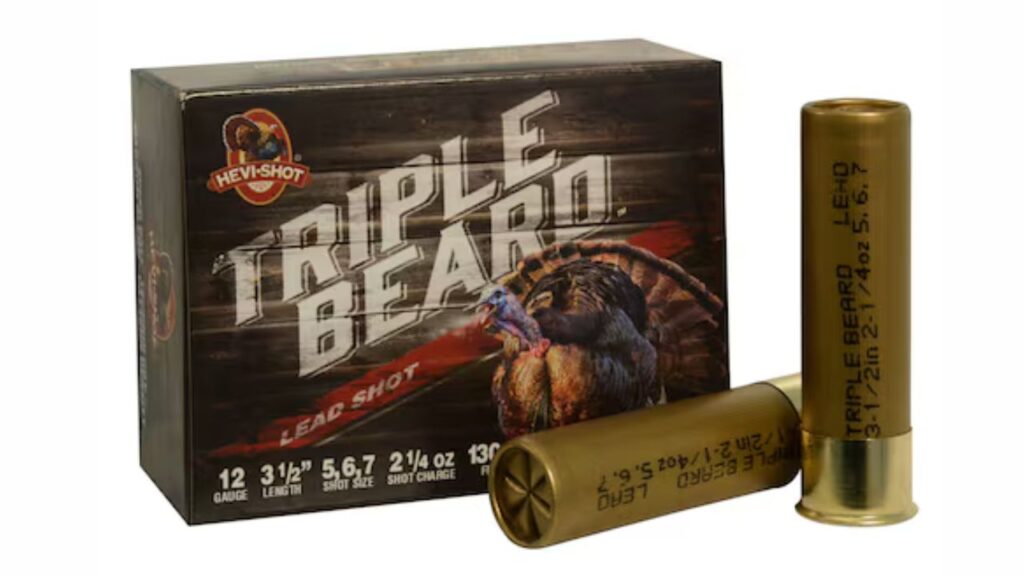
Those 3½-inch turkey shells can punish your shoulder and cheek, but the payoff isn’t always there. While they carry more shot, the extra recoil can hurt follow-up accuracy, and pattern density doesn’t always improve enough to matter in the field.
Many experienced hunters find that high-quality 3-inch shells pattern just as well without the excessive kick. Unless you’re pushing extreme range limits, the 3½-inch option often gives you more pain than benefit.
.338 Lapua Magnum with Light-for-Caliber Bullets
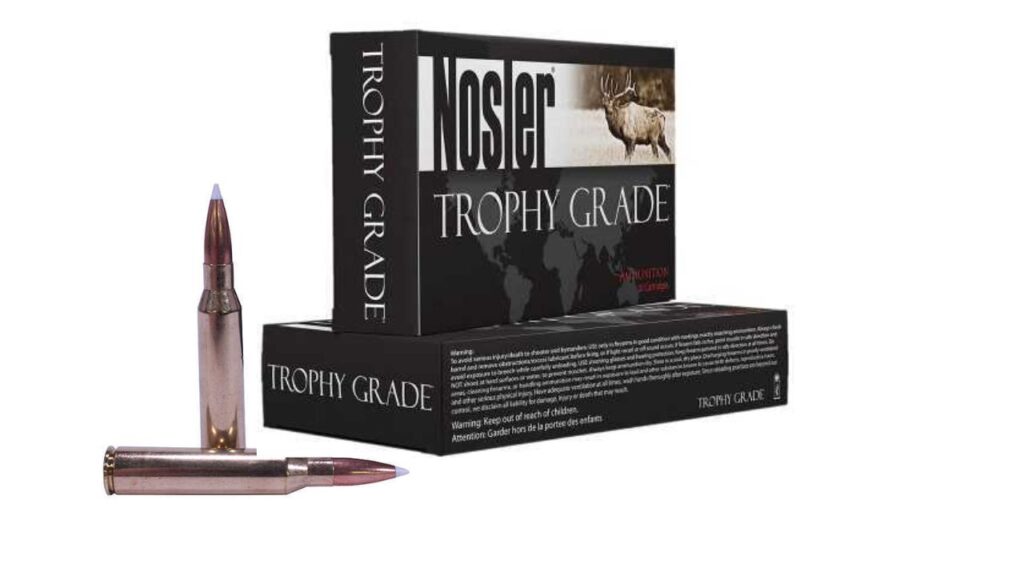
The .338 Lapua is built for long-range power, but loading it with lighter bullets often defeats the purpose. You still take on the heavy recoil that comes with the caliber, but you give up the high ballistic coefficients and retained energy it’s known for.
In most cases, the lighter loads don’t hit as hard downrange as expected, leaving you wondering why you endured all that recoil in the first place.
.45-70 Government +P in Lightweight Rifles

The .45-70 can be a hard-hitting round, but +P loads in a light rifle can be brutal. The recoil impulse is fast and punishing, yet past a certain point, the extra powder doesn’t make much difference on big game within typical hunting distances.
Many shooters find that standard loads kill just as effectively without beating them up. The +P versions tend to be more about bragging rights than practical advantage.
.357 Magnum in Small-Frame Revolvers
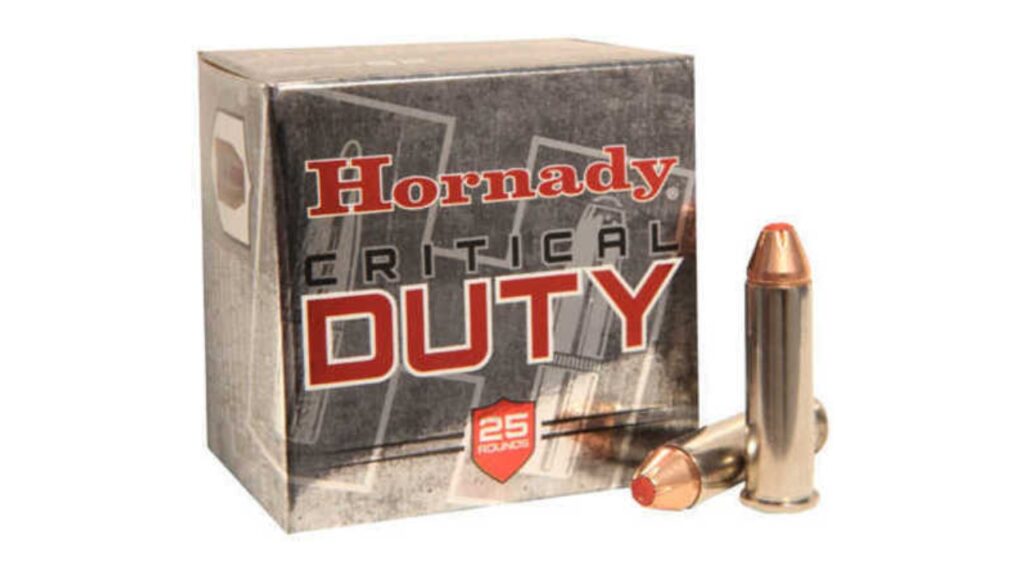
Running full-power .357 Magnum loads through a small, lightweight revolver can be an exercise in pain tolerance. The recoil and muzzle blast can slow your follow-up shots, and the velocity gain over .38 +P is often minimal out of short barrels.
That extra kick can also make practice sessions shorter, which hurts overall proficiency. In many real-world scenarios, the extra punishment doesn’t translate to a real performance edge.
10mm Auto Max Loads for Defense

Full-pressure 10mm loads can push impressive velocity, but for defensive use, they often bring more recoil than needed. In fact, many high-power loads make it harder to get accurate follow-up shots under stress.
For most personal defense scenarios, slightly lighter loads still penetrate deeply and expand reliably—without the extra muzzle flip that can cost you precious seconds.
7mm Remington Magnum 175-Grain Loads
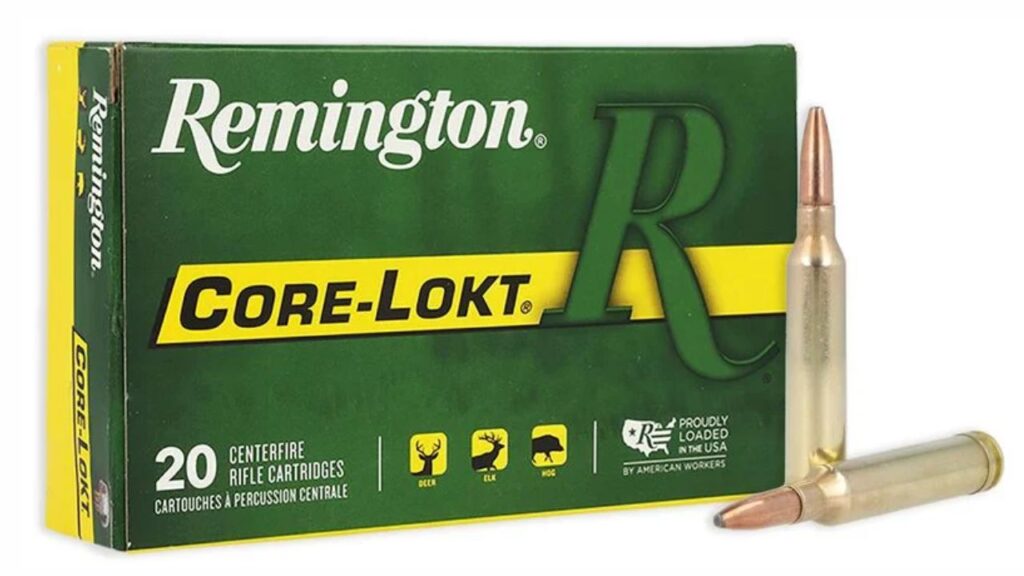
The 7mm Rem Mag shines with mid-weight bullets, but the heaviest 175-grain loads can add recoil without giving much extra terminal performance. The added weight often slows velocity enough to flatten any ballistic advantage you might gain.
In the field, many hunters find they’re better off with 150–162 grain bullets, which shoot flatter and hit just as hard on most game.
.44 Magnum Heavy Hardcast for Deer
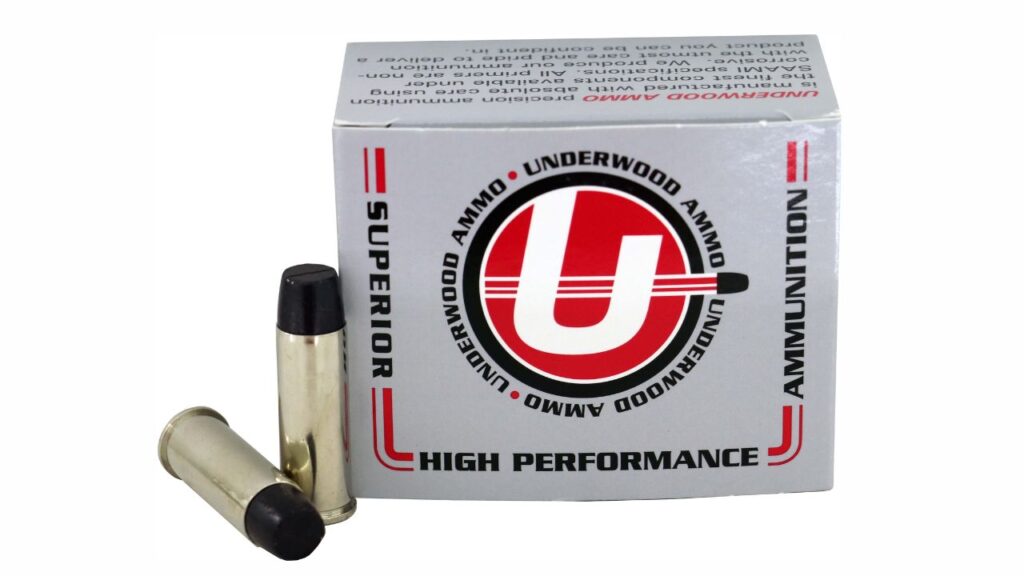
While heavy hardcast bullets in .44 Magnum have their place, using them for deer hunting often means taking on excessive recoil without seeing a real benefit. The hardcast design doesn’t expand, and lighter expanding bullets can drop deer just as effectively.
The extra recoil from heavy loads can also slow you down for a follow-up shot, which can matter more than raw power in many hunting situations.
3-Inch 20-Gauge Magnum Loads
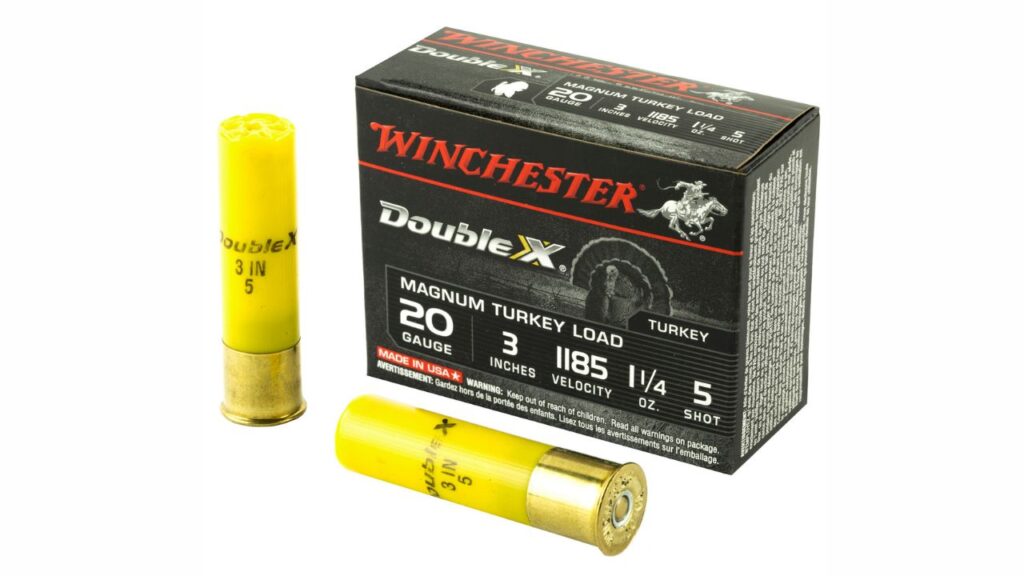
The 3-inch magnum 20-gauge loads are often marketed as a way to match 12-gauge performance, but they tend to deliver sharp recoil without truly closing that gap.
In many cases, premium 2¾-inch shells pattern just as well and kill just as cleanly. The heavier load simply adds punishment without enough improvement in results to make it worthwhile.
.300 Remington Ultra Magnum Heavy Loads
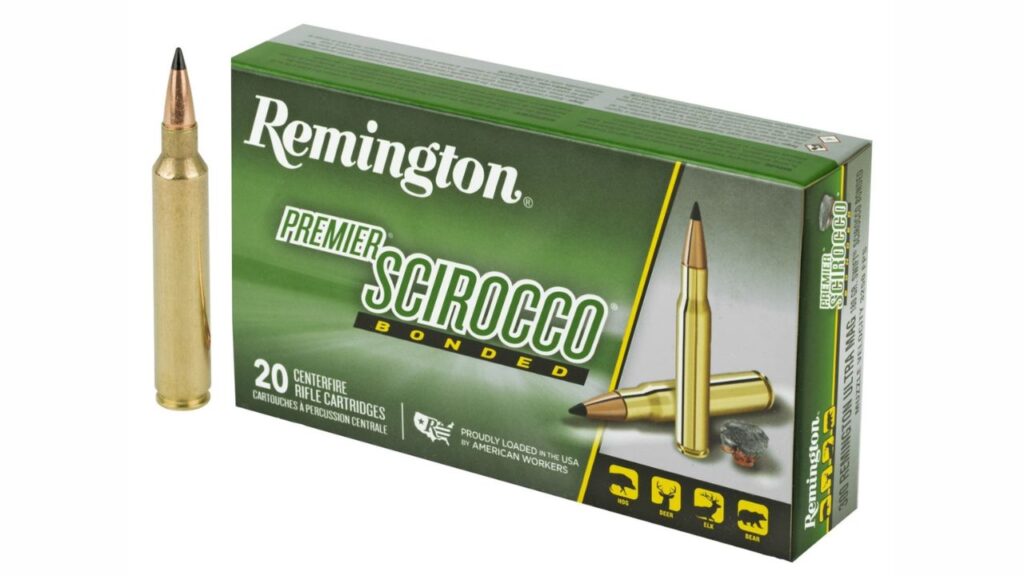
The .300 RUM is already a beast, but maxing it out with the heaviest bullets pushes recoil into punishing territory. Past a certain distance, the trajectory advantage isn’t as great as the numbers suggest, and you’re left managing muzzle jump and shoulder fatigue.
For most long-range hunting, a slightly lighter load will shoot flatter and still deliver more than enough energy without wearing you down after a few rounds.
*This article was developed with AI-powered tools and has been carefully reviewed by our editors.