Long-range doesn’t have to mean getting punched in the face every time you touch off a round. If you actually want to shoot well past 300—spot your own impacts, stay honest on your fundamentals, and not dread practice—you need a cartridge that carries energy and stays predictable without turning your rifle into a shoulder tax.
The trick is picking rounds that do three things at once: hold wind reasonably well, feed bullets with good BCs, and keep recoil low enough that you don’t start flinching by box two. You can do that with modern 6mms and 6.5s, a few classic 7mms, and some mid-size .30s that aren’t overcooked. Here are 15 long-range cartridges that balance punch and shootability the way a real shooter actually needs.
6.5 Creedmoor

If you want one cartridge that’s easy to shoot well and still carries authority, this is the default for a reason. The recoil stays mild enough that you can stay in the scope, call your shot, and correct without losing the rhythm. That matters more than people admit when you’re trying to learn wind.
With quality 140-class bullets, it stays stable at distance and doesn’t fall apart past 600 like some light, fast rounds can. You also get excellent barrel life compared to the hotter options, and ammo is everywhere. It’s not magic, but it rewards good fundamentals and doesn’t punish you while you build them.
6.5 PRC

The 6.5 PRC feels like what a lot of people wish the Creedmoor was—more speed and a little more smack—without jumping into full magnum recoil. It gives you better performance on heavier game at distance and more margin when wind starts getting rude.
You do pay a price: it’s harder on barrels than the Creedmoor, and it likes a rifle with some weight. But when you set it up right, it’s still very shootable. It’s a great pick if you want to push 6.5 bullets faster and keep recoil in the “workable” range instead of the “brutal” range.
.260 Remington

The .260 doesn’t get talked about as much anymore, but it still does the same practical work: efficient 6.5 bullets, calm recoil, and accuracy that’s usually easy to find. It’s the kind of cartridge that makes you look better than you are, because it doesn’t fight you.
It shines when you want a short-action rifle that carries well but still behaves on the bench. It’s also a solid hunting/steel crossover round if you’re realistic about distances and bullet choice. If you already own one, you’re not missing out on anything important. If your rifle likes it, you’ll like it back.
6mm Creedmoor

This one is for the shooter who cares about wind and wants recoil so light you can watch impacts like you’re cheating. With high-BC 105–115 grain bullets, it stays competitive at distance and makes long strings feel effortless.
The tradeoff is barrel life. It’s not catastrophic, but it’s not a slow, gentle cartridge either. If you shoot a lot, plan for that reality and don’t act surprised later. Still, as a training tool or match cartridge, it’s hard to beat for building confidence. You’ll learn faster when you can actually see what the bullet is doing.
6mm Dasher

The Dasher earned its reputation the honest way—by stacking tiny groups and keeping recoil low enough that you never lose sight picture. It’s one of those cartridges that makes wind calls and follow-up shots feel clean and repeatable.
You’re also stepping into the world of handloading, because that’s where the Dasher really lives. If that’s fine with you, you’ll get a cartridge that’s efficient and consistent. If you hate tinkering, you may not love the logistics. But for pure “shootable long-range performance,” it’s a hammer without acting like one.
6.5×47 Lapua

This cartridge is built around precision culture. It tends to run smoothly, feeds great in magazines, and thrives on high-quality brass. Recoil stays mild, and the accuracy ceiling is high if you do your part.
The downside is simple: it’s not as common on store shelves, and it’s usually a handloader’s game. But that’s also why it performs the way it does—people who shoot it tend to be serious. If you want a 6.5 that behaves beautifully and doesn’t need to be pushed hard to shoot well, the 6.5×47 is still a smart choice.
7mm-08 Remington

The 7mm-08 is a sleeper for long-range practice and real hunting distances. It’s not flashy, but it carries heavier bullets than the 6.5s and still stays manageable at the shoulder. That extra weight helps in wind without requiring magnum behavior.
It won’t match the fastest 7mms on pure ballistics, but you also won’t get punished for running a light rifle or shooting long sessions. If you want one cartridge that can hunt well and still let you ring steel with confidence, this one does it without drama. It’s honest, and it’s easier to shoot well than people expect.
7mm PRC

The 7mm PRC can be a sweet spot if you want real long-range capability but don’t want the recoil and blast of the bigger .30 magnums. It launches sleek bullets that behave in wind and keep energy way out there.
That said, it’s still a magnum. “Shootable” depends a lot on rifle weight, stock fit, and whether you run a brake or suppressor. In a good setup, it’s surprisingly manageable and very effective. In a featherweight rifle, it can turn into a lesson you didn’t want. Treat it like a serious cartridge and build the rifle accordingly.
7mm Remington Magnum

The 7mm Rem Mag has been doing long-range work since before it was cool. It throws high-BC bullets with enough speed to stay flat, and it hits hard enough that nobody questions whether it carries punch.
The reputation problem is that people often buy it in light hunting rifles and then wonder why it’s not fun to practice with. In a heavier rifle with a good pad—and ideally a brake or suppressor—it becomes much more shootable. The cartridge itself isn’t the enemy. The setup is. When you build around it, it’s still a very capable balance of reach and power.
.308 Winchester

The .308 isn’t the flattest or the fastest, but it’s one of the most shootable long-range teachers you can pick. It forces you to read wind and manage drop honestly, and it does it without beating you up. That’s why it’s still a training staple.
With modern match bullets, it stays consistent, and barrel life is generally solid. You also get cheap(er) practice options and widespread availability. If your goal is to become a better shooter—not just buy speed—the .308 is a smart path. It’s also forgiving to load for and tends to shoot well in a wide range of rifles.
.30-06 Springfield

The .30-06 gets treated like a pure hunting cartridge, but it can do serious long-range work with the right bullets and a rifle that’s set up for it. It carries weight, it carries energy, and it doesn’t require exotic ammo to perform.
It does recoil more than the mid-size 6.5s, especially in lighter rifles. But it’s still manageable for most shooters, and it’s often easier to live with than the magnums. If you’re already comfortable with the ’06, you can stretch it farther than people think. It’s not trendy, but it’s capable and predictable when you’re consistent.
.270 Winchester
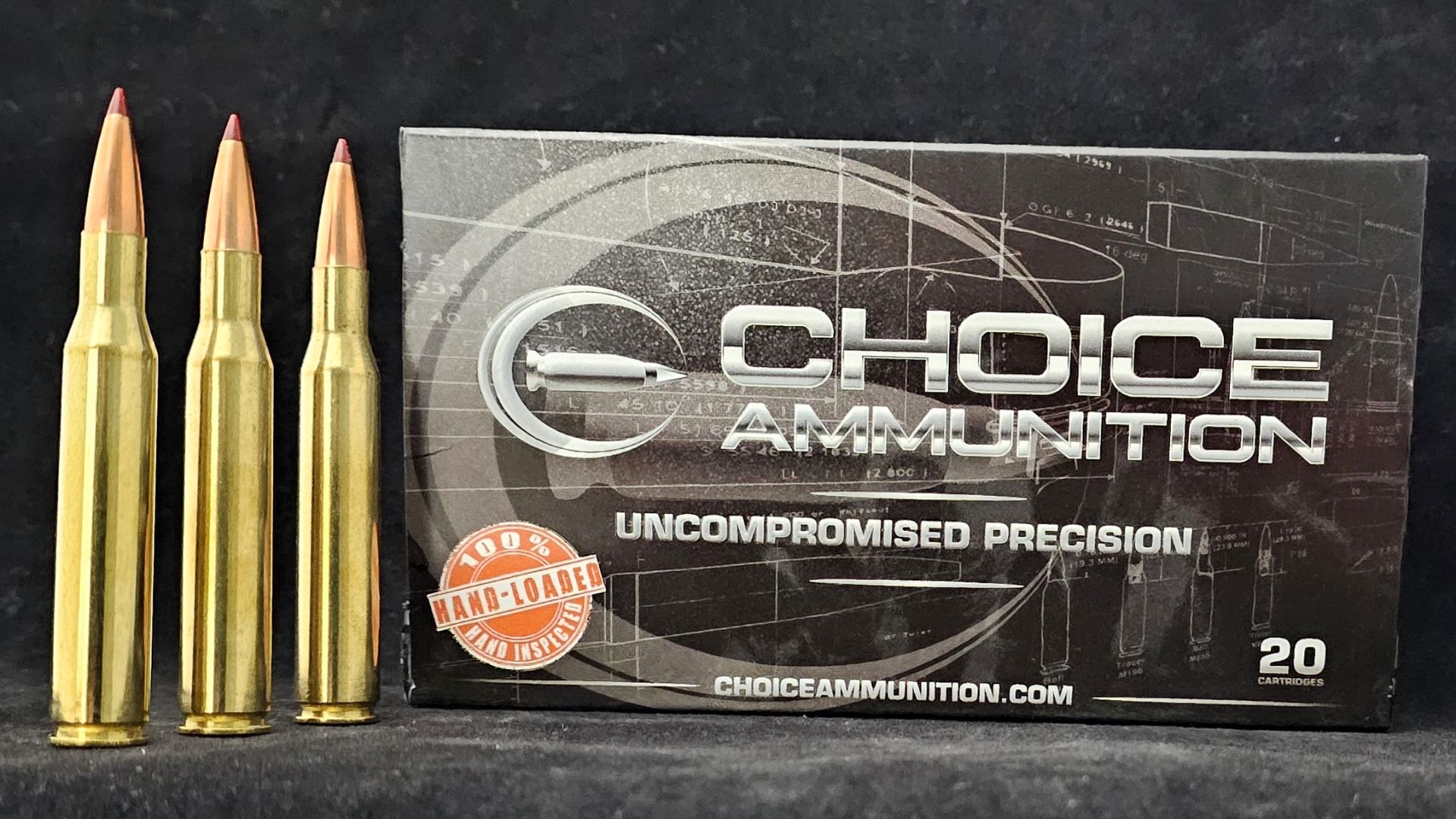
The .270 has a reputation as a deer cartridge, and it is—but it’s also a flat-shooting round that can play at distance when you feed it modern bullets. Wind will still be wind, but the cartridge isn’t the handicap people assume.
Recoil is usually mild enough to keep practice enjoyable, especially compared to bigger magnums. The limitation is bullet selection and twist rates in some older rifles, which can restrict the heaviest, sleekest options. Still, within sensible long-range distances, it performs very well. If you already shoot a .270 well, don’t let internet chatter convince you it can’t reach.
.280 Ackley Improved

The .280 AI is one of those cartridges that feels like it was designed by a hunter who actually shoots. It pushes 7mm bullets fast enough to behave at distance but often doesn’t feel as sharp as the big magnums. That balance is the whole appeal.
It’s not as common as the mainstream options, and ammo can be pricier. But performance is real, especially with modern 160–175 grain bullets that hold wind and carry energy. It also tends to shoot accurately in good rifles. If you want a cartridge that feels “serious” at distance without feeling punishing, the .280 AI belongs in the conversation.
6.5-284 Norma

This one has a reputation for being a laser—and for eating barrels. Both can be true. When it’s running right, it shoots flat, bucks wind well, and carries energy with those long 6.5 bullets.
But you need to go into it with clear eyes. It’s not the cartridge you pick if you want endless practice on the cheap or you hate maintenance realities. It’s a performance choice. In a dedicated long-range rifle, it can be very shootable and very effective. Just don’t pretend it’s a “set it and forget it” round if you shoot a lot.
.243 Winchester

People either underrate the .243 or misuse it. For long-range practice, it can be a fantastic teacher because recoil is light and it’s easy to shoot tight groups. With the right bullets, it can also do real hunting work on deer-sized game.
The downside is that many factory loads lean toward lighter bullets, and some rifles aren’t set up to stabilize the long, sleek stuff you really want for distance. If your rifle has the twist and you pick the right projectile, it can be a very shootable long-range option. It won’t carry the same punch as the bigger rounds, but it can help you shoot better fast.
Like The Avid Outdoorsman’s content? Be sure to follow us.
Here’s more from us: