Photo credit: AI-generated image created using ChatGPT. Illustrative only
Loaning out a gun feels neighborly in the moment—especially when someone’s genuinely scared and living way out where help is a long ways off. But once that firearm leaves your control, you’re trusting another person with your property, your paperwork trail, and your peace of mind.
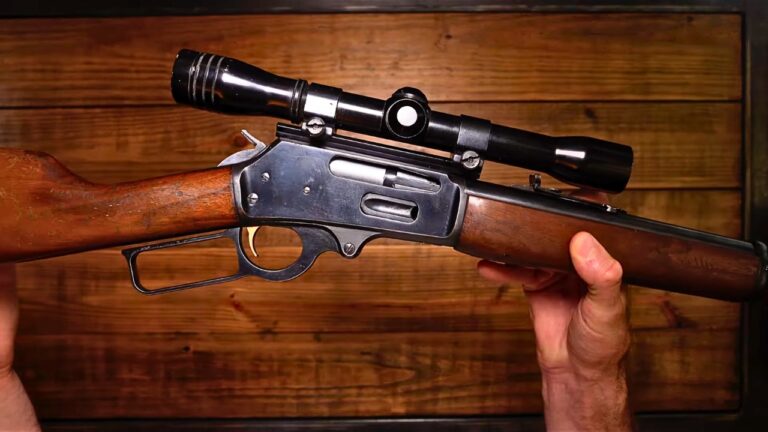
That’s exactly the bind one Idaho gun owner described in the original post: he lent a friend a pistol for self-protection during a stalker situation. Nearly a year later, he asked for it back, and the friend blocked his phone number and social media accounts. He still has the serial number, the purchase paperwork from the FFL, and photos of the gun—just not the gun.
When a “loan” turns into a missing firearm
From a practical gun-owner standpoint, a loan like this usually starts with good intentions. The friend was dealing with a stalker who’d been on their property multiple times, and they lived far enough out that law enforcement response could take an hour. That kind of isolation is real, and it’s why rural folks think hard about self-defense.
But the timeline matters. This wasn’t a weekend or a couple weeks. It was “about a year,” and when the owner finally requested the pistol back, communication didn’t just get awkward—it got cut off. Blocking contact is the moment this stops feeling like a misunderstanding and starts looking like someone making a decision for you.
The owner’s paperwork helps—but it doesn’t magically fix it
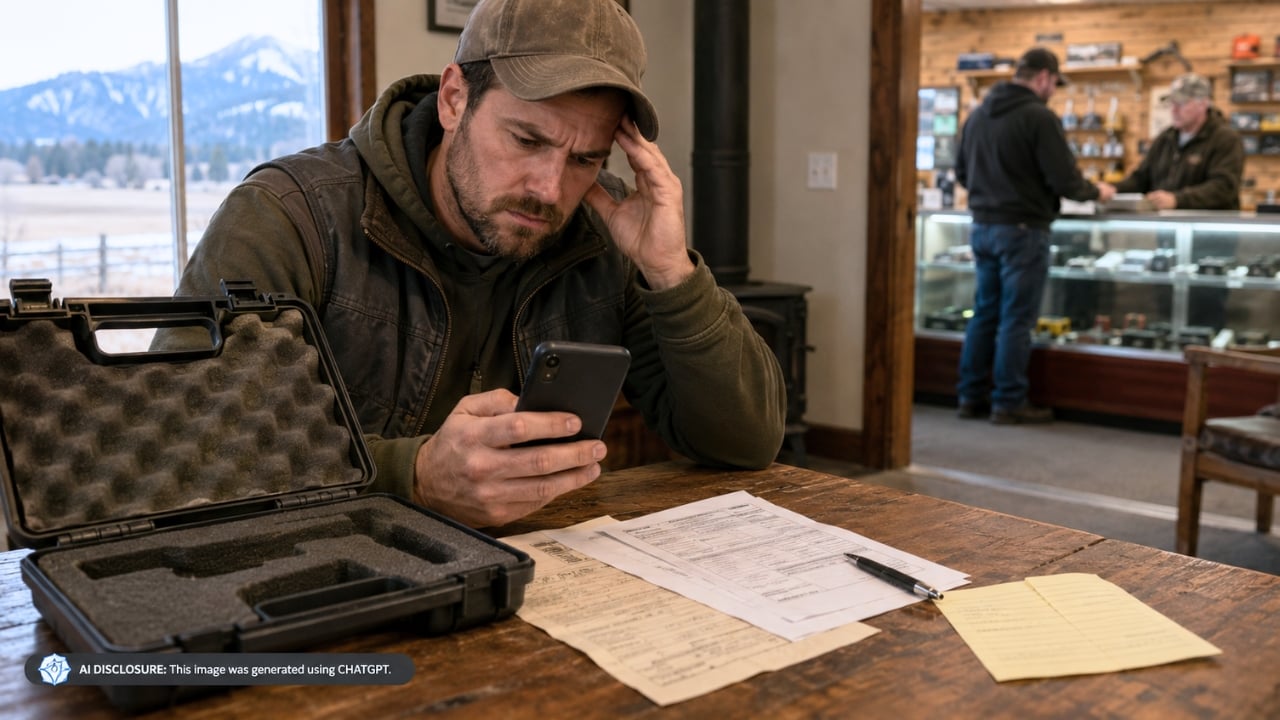
The good news in the story is the owner did one thing right that a lot of people don’t: he kept documentation. He bought the pistol through an FFL, has the paperwork, has the serial number, and has pictures. If you ever have to prove ownership, that’s the foundation.
The bad news is paperwork doesn’t retrieve a gun by itself. It’s still a physical item in somebody else’s hands, and now it’s out of your control. For gun owners, that’s the nightmare scenario—not just because of the money, but because a firearm can get stolen again, traded, or wind up used in something you want no part of.
Why showing up at their address can go sideways fast
The owner said he knows the friend’s address and wondered if confronting them directly was the right move. That urge is understandable. In the country, plenty of problems get handled with a face-to-face conversation and a handshake.
But when the person has already blocked you on every channel, driving out there raises the temperature. You’re stepping onto someone else’s property, emotions are already hot, and there’s a firearm involved—maybe more than one. Even if your intentions are calm, it can turn into a “he said, she said” situation quick, and nobody needs a porch argument over a missing handgun.
The hard part: reporting it feels like “ruining a life,” but waiting has its own risks
One line from the post hits home: the owner didn’t know if he should “possibly ruin their life” by going to police first. That’s the moral tug-of-war a lot of outdoorsmen understand. You don’t want to drop the hammer on someone you once trusted—especially if they were dealing with something scary.
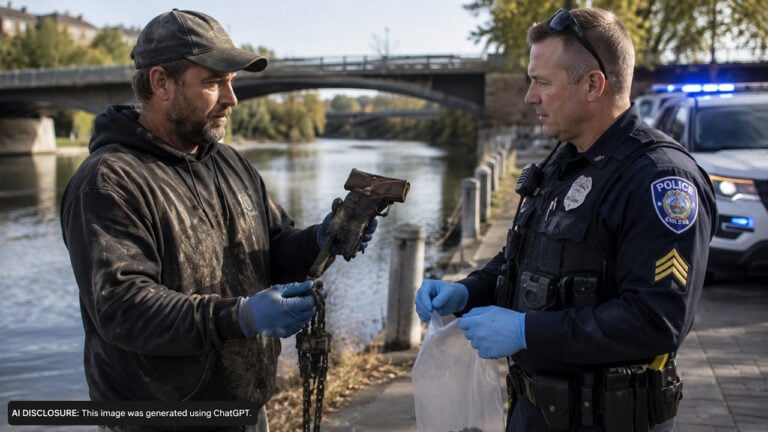
But there’s another side to it. If a firearm you own is effectively stolen, the longer it stays unreported, the more complicated it can get if it later shows up in a bad place. At minimum, you’re trying to get your property back. At maximum, you’re protecting yourself from being tied—fairly or unfairly—to what happens with that gun after it left your hands.
The owner also emphasized that both parties are of legal age, not felons, and “no broken laws here.” That may be true in intent, but intent doesn’t always matter once a transfer goes wrong. If the gun was sold off, traded, or pawned without the owner’s permission, you’re not talking about a friendly loan anymore.
What people tend to focus on in situations like this
Even without seeing a full comment thread in the source material, experienced gun folks tend to home in on the same themes when a firearm goes missing after a “loan.” First is documentation: serial number, purchase record, photos—anything that clearly identifies the gun and ties it to you.
Second is creating a clean record of your attempt to get it back. Not a public social media war, but simple, factual communication attempts and dates. Once you’re blocked, that itself becomes part of the story: you made a request for your property, and the other person cut contact rather than returning it or even explaining.
Third is avoiding escalation. Most seasoned shooters will tell you the same thing: don’t go out there looking for a showdown, and don’t bring extra drama to a situation that already includes fear, isolation, and firearms.
The outdoorsman’s lesson: don’t “loan” a gun unless you’re ready for it to be gone
There’s an old rule that applies to guns, chainsaws, and boats: if you can’t afford to lose it, don’t loan it. Firearms are in a category of their own because they’re durable, valuable, easy to move, and they carry serious legal and safety consequences once they’re out in the world.
If you’re trying to help someone who’s genuinely at risk, there are better options than handing over your pistol for an open-ended stretch of time. Helping them with a safety plan, encouraging them to get their own firearm through the proper channels, paying for a training class, or even gifting them something through lawful means (where allowed) keeps ownership and responsibility clear. A long-term “borrow” arrangement is how good intentions end up as a headache—or worse.
In this case, the owner has the serial number and proof of purchase, and he’s reached the point where the other person won’t even respond. That’s not a normal loan anymore. It’s a reminder that when you hand someone a gun, you’re also handing them the ability to make decisions you can’t undo—like selling it and disappearing behind a block button.
Like The Avid Outdoorsman’s content? Subscribe to our newsletter so you never miss an article.
Here’s more from us: