Photo credit: AvidOutdoorsman
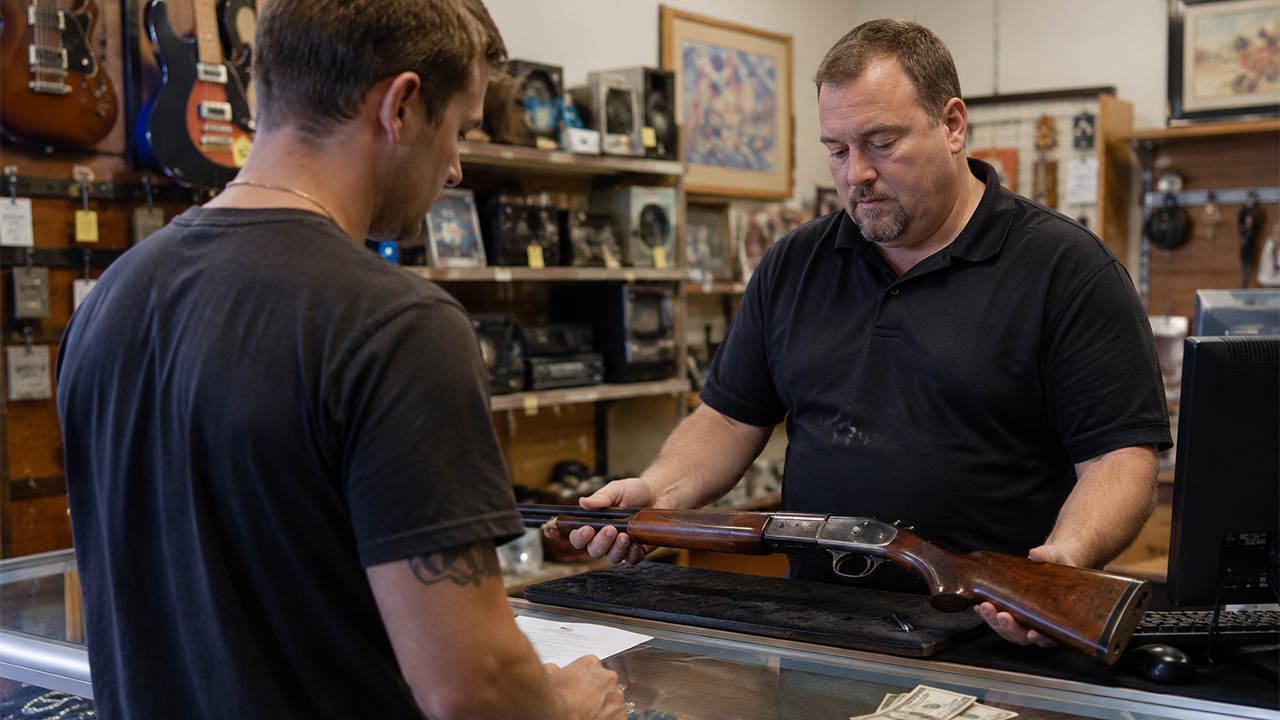
It started the way a lot of regrettable gun stories start: a guy cleaning out a closet, a stack of bills on the counter, and an old shotgun he hadn’t thought about in years. It had been his grandfather’s, the one that leaned in the corner during deer season and rode behind the truck seat when bird season rolled around. But sentiment doesn’t pay late fees, and the pawn shop did what pawn shops do—looked up a few numbers, checked condition, and slid an offer across the glass.
He took the $150.
A quick sale for quick cash
The man’s thinking was straightforward. The shotgun was old, had some finish wear, and the checkering on the stock was smoothed down from a lifetime of hard hands. It wasn’t some fancy over-under, and it wasn’t dressed up with engraving that screamed “collector piece.” In his mind it was just “Grandpa’s old scattergun,” the kind of thing that’s common enough in rural closets all over the country.
Pawn shops don’t run on nostalgia, and most of them won’t gamble on “maybe it’s special.” They’re looking at what they can sell it for fast, what it might cost them if it comes back as stolen, and how long it’ll tie up shelf space. A low offer isn’t always an insult—it’s often a risk calculation. He signed the ticket, took the cash, and walked out figuring it was a fair trade for a gun he didn’t use.
One detail turned an “old gun” into a collectible
The twist came later, and it wasn’t because the gun suddenly changed. It was because somebody finally looked at it the way collectors do. The man mentioned the sale to a friend at a range—just making conversation—and described the shotgun: the brand, the oddball gauge, a specific style of receiver, and a small marking on the barrel that most folks ignore.
That’s when a local collector—one of those guys who can spot era and model changes from across a gun rack—told him he may have let go of something special. Not “maybe worth a little more,” but potentially worth thousands. Certain runs of classic American shotguns, especially limited production years, small-bore gauges like 16 or 28, or uncommon barrel lengths with original chokes, can jump in value in a hurry. Add original finish, matching serial numbers, and a clean receiver with sharp stampings, and you’re in a different league than a typical pawn counter evaluation.
The man did what most of us would do after that kind of news: he drove back to the shop with his pawn ticket, ready to undo the deal.
When the ticket doesn’t buy you time
Here’s where people get tripped up. A lot of folks hear “pawn” and assume it’s always a loan and you can always redeem the item. In reality, shops handle firearms in a few different ways depending on state law and the paperwork you signed. Sometimes it’s a true pawn loan with a redemption period. Other times it’s a flat-out purchase with an option to buy back for a short window. And sometimes that “window” is more myth than promise once the gun goes into inventory.
In this case, by the time he returned, the shotgun was already spoken for. Whether the shop put it online, called a regular buyer, or a collector simply walked in at the right moment, the result was the same: the gun was no longer available for him to reclaim.
That’s a hard lesson. Once you sign a bill of sale or you miss the redemption period on a pawn loan, that firearm can move fast—especially if it’s something a knowledgeable buyer recognizes. And unlike a mower or a guitar, you’re not just handing cash over the counter and walking out. Transfers, background checks, and paperwork requirements can complicate “undoing” a sale even when everyone is acting in good faith.
Why $6,000 isn’t as crazy as it sounds
To somebody who doesn’t follow the used-gun market, a $6,000 valuation for “an old shotgun” sounds like fish-story money. But collectors don’t pay for “old.” They pay for specific. The difference between a common field grade and a scarce configuration can be night and day.
Condition is king, but originality is the crown. A refinished stock, cold-blued barrel, drilled receiver, or swapped recoil pad can knock the legs out from under a collectible. On the flip side, an untouched shotgun with honest wear, crisp markings, and the right factory parts can bring premium money even if it’s not “pretty.” Certain classic models—especially those tied to an era of American manufacturing—have a following that’s more like classic trucks than modern hunting tools.
Another factor is provenance, and it’s the part most families don’t document. If Grandpa bought it new, kept the box, kept the paper manual, or even had a dated repair tag from the factory, that helps. But even without paperwork, a serial number range and the right barrel stamps can point to a production window collectors chase.
What everyone argued about after the fact
Whenever a story like this gets around the gun community, the same debates pop up fast. Some folks point the finger at the pawn shop, assuming it intentionally lowballed the gun. Others defend the shop, saying it’s not their job to appraise heirlooms like an auction house, and that the seller set the price by accepting the offer.
A lot of outdoorsmen zeroed in on the practical steps the guy could have taken: “Get it appraised first,” “Call a local gun shop,” “Look up completed sales online,” and “Don’t sell family guns when you’re stressed.” Those are easy to say afterward, but they’re still true. When money’s tight, the fastest option is usually the worst-paying option.
There’s also the emotional side that hunters understand. A grandfather’s shotgun isn’t just a firearm. It’s a physical link to cold mornings, truck rides, and the kind of life lessons that weren’t delivered in speeches. People weren’t just reacting to dollars—they were reacting to the feeling of losing something you can’t replace with another gun, even if you find the same model later.
The options he actually had—and what others can learn
Once a firearm is sold and transferred, “getting it back” isn’t a simple matter of showing up with cash and a sad story. If the shop already sold it, they may not be able to disclose who bought it. Even if they could, tracking down a new owner and pressuring them to sell can turn into a bad situation quick. The smartest move in that moment is to stay polite, ask if the shop can pass along your contact information, and accept that the answer may be no.
The better lesson is preventative. If you’re sitting on an inherited firearm, treat it like any other valuable tool until you know what it is. Write down the make, model, gauge, barrel markings, and serial number. Take clear photos. Call a couple local shops that deal in used firearms—not big-box stores—and ask what they’d expect to sell it for on consignment. Consignment is slower, but it usually beats pawn pricing by a mile.
And if you decide it’s not worth much monetarily, it still might be worth keeping. A serviceable old shotgun can be a perfect loaner for a new hunter, a safe queen with family history, or a reminder to slow down before turning memories into cash.
That $150 was real money in the moment, but it’s hard to put a price on the kind of regret that follows you home. If there’s a takeaway for the rest of us, it’s simple: before an old hunting gun leaves your hands, make sure you know exactly what you’re giving up—and whether you’ll ever be able to replace it.
Like The Avid Outdoorsman’s content? Subscribe to our newsletter so you never miss an article.
Here’s more from us: