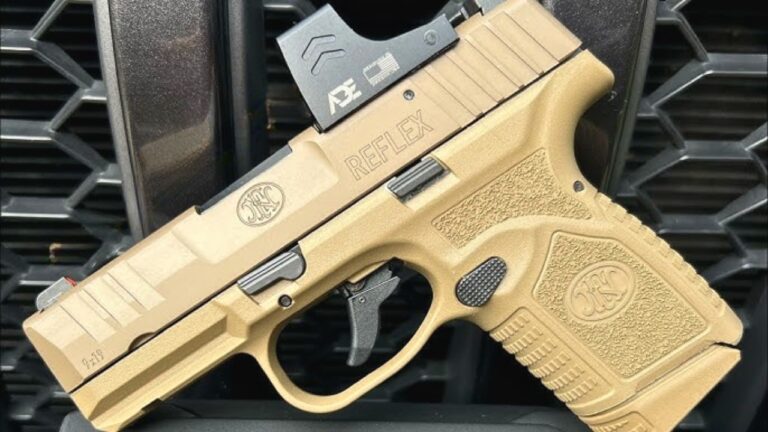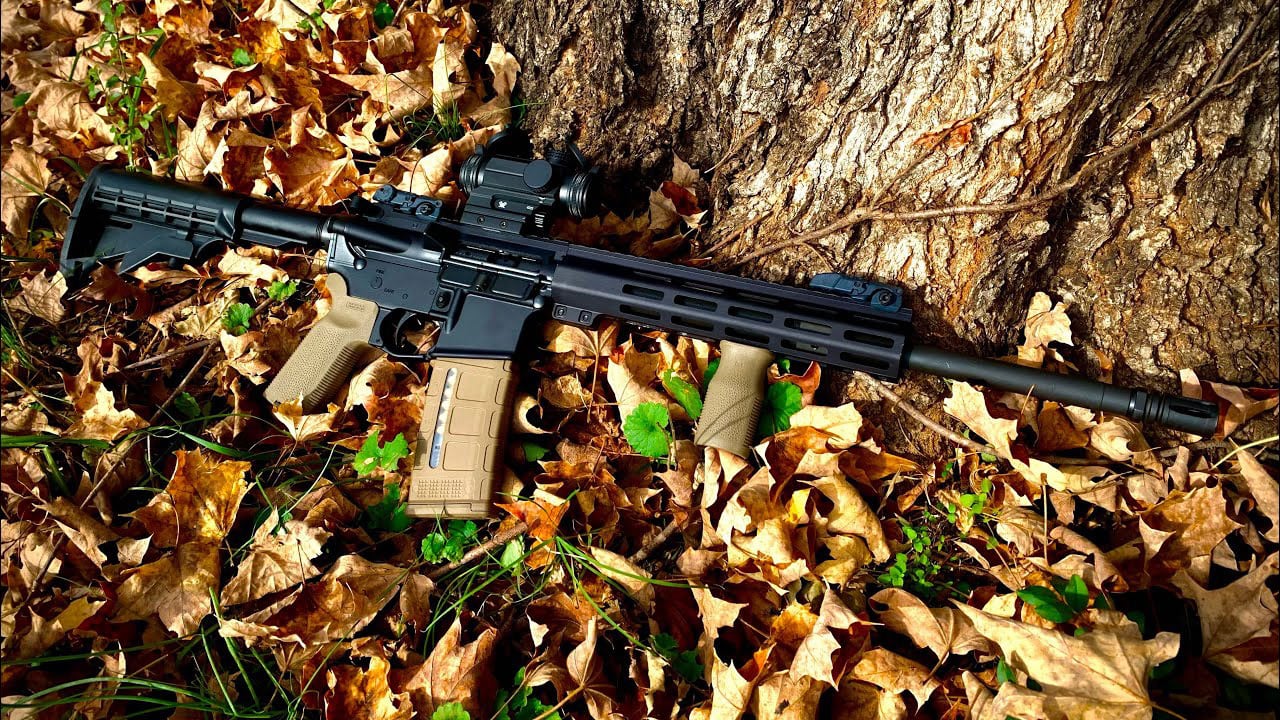
Photo credit: Hippy Lyfe Tv/Youtube
Every range has that one guy with a rifle that looks like it should be guarding a gate somewhere. Rail space everywhere, blacked-out everything, muzzle device that could chew lumber. Then he starts shooting and you can almost hear the budget parts vibrating. I’m not even mad about it. I just want folks to know what they’re buying when the looks are doing half the selling.
Here’s the truth: some “tactical-looking” rifles are honest workhorses, and some are more costume than capability. Below are 20 real models that can scratch that itch, but also tend to remind you—sometimes quickly—that price tags matter. Doesn’t mean they’re useless. It means you need to match expectations to reality.
1. DPMS Oracle (AR-15)

I’ve watched plenty of Oracles run fine on a casual range day, then start acting up when the round count climbs and the gun heats up. The fit and finish is usually nothing to brag about, and the triggers can feel like you’re dragging a cinder block over gravel.
The good part is it’s an AR, so magazines are everywhere and parts support is basically unlimited. The bad part is you can end up chasing little issues—gas, extraction, inconsistent groups—until you realize you built a second rifle in “small upgrades.”
2. Smith & Wesson M&P15 Sport II

This one looks the part and usually behaves better than it “should” for the money. But it’s still a basic carbine, and it can show it once you start expecting tiny groups or start hanging heavy optics and lights off the front end.
Where it bites guys is the assumption that “any AR is a 600-yard laser.” A Sport II is a solid utility gun, but it’s not a precision rig. Treat it like a dependable beater and it’ll treat you right.
3. Palmetto State Armory PA-15 (various configurations)
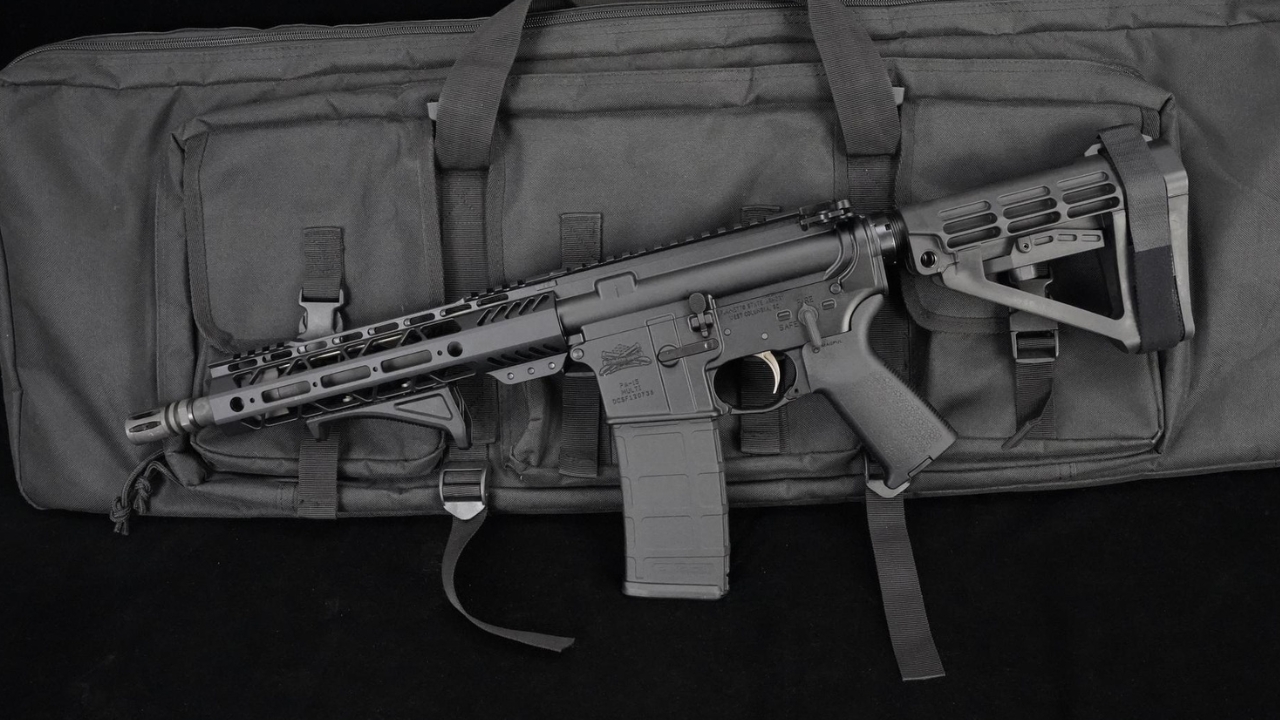
PSA rifles can be the ultimate “looks expensive, costs cheap” setup, especially with slick handguards and modern furniture. The gamble is consistency. Some run like champs, some need a little love, and a few end up being the rifle you troubleshoot more than you shoot.
On the upside, you’re in the AR ecosystem, so fixing a weak link isn’t hard. Just don’t confuse “easy to upgrade” with “already upgraded.” That’s where budgets get blown.
4. Radical Firearms AR-15

These are common because they’re often priced to move, and the feature list is what folks want to see—free-float rails, aggressive muzzle devices, that kind of stuff. The problem is you can wind up with an AR that’s picky about ammo or starts short-stroking when it gets dirty.
If you buy one, plan on a serious function test with the magazines you intend to use. Some rifles run fine until you put a bargain mag in them, and then you’ll swear the rifle is cursed.
5. Bear Creek Arsenal AR-15 (and AR pistols)

Every time I handle one at a counter, the vibe is the same: lots of options, low price, “how bad could it be?” Sometimes the answer is “not bad at all.” Sometimes the answer is “bad enough to ruin a range day.”
Accuracy can be all over the place, and the assembly quality is not always consistent. If you get a good one, hang onto it. If you get a rough one, don’t waste months pretending it’s your fault.
6. Anderson Manufacturing AM-15
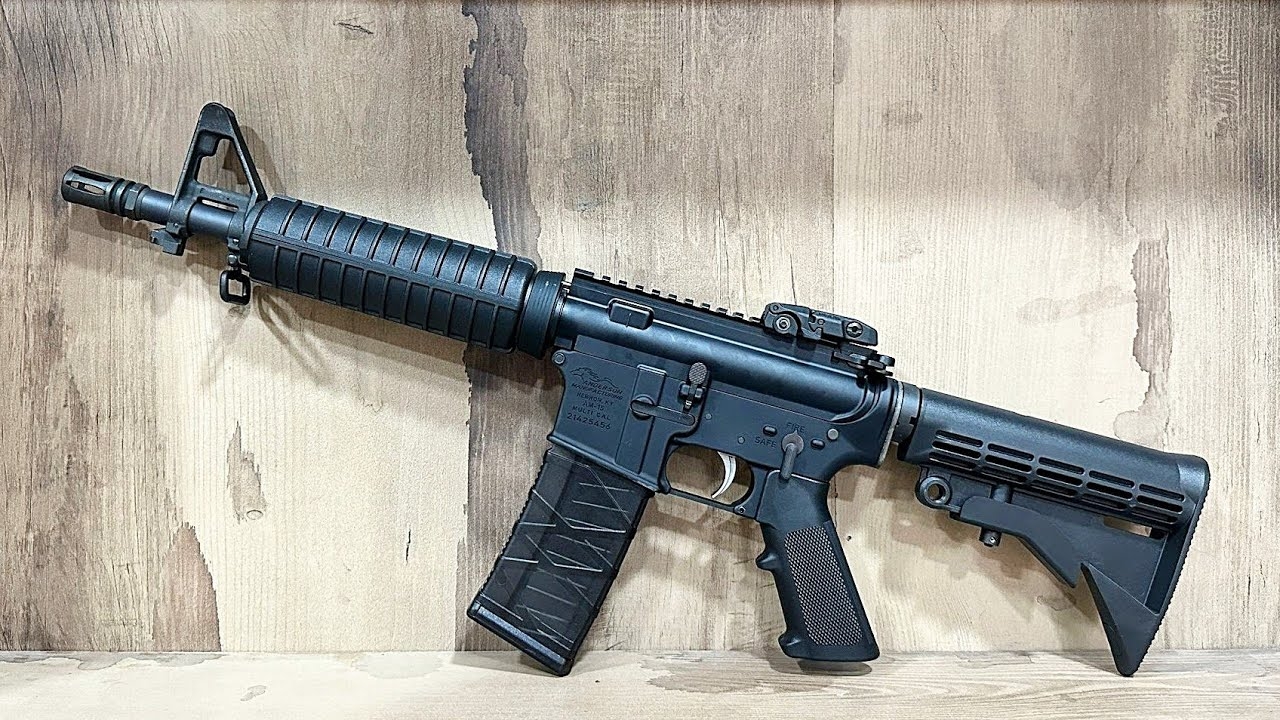
The AM-15 is about as plain as an AR gets, but it still looks “tactical” to most folks. The budget shows up in the little things—trigger feel, small-part fit, and sometimes a general “rattle” that nicer rifles don’t have.
I’ve seen them run reliably for basic use, and I’ve seen them struggle with extraction when folks run cheap steel-case and never clean. It’s a fine starter if you keep expectations realistic and don’t treat it like a duty gun.
7. Del-Ton DTI-15
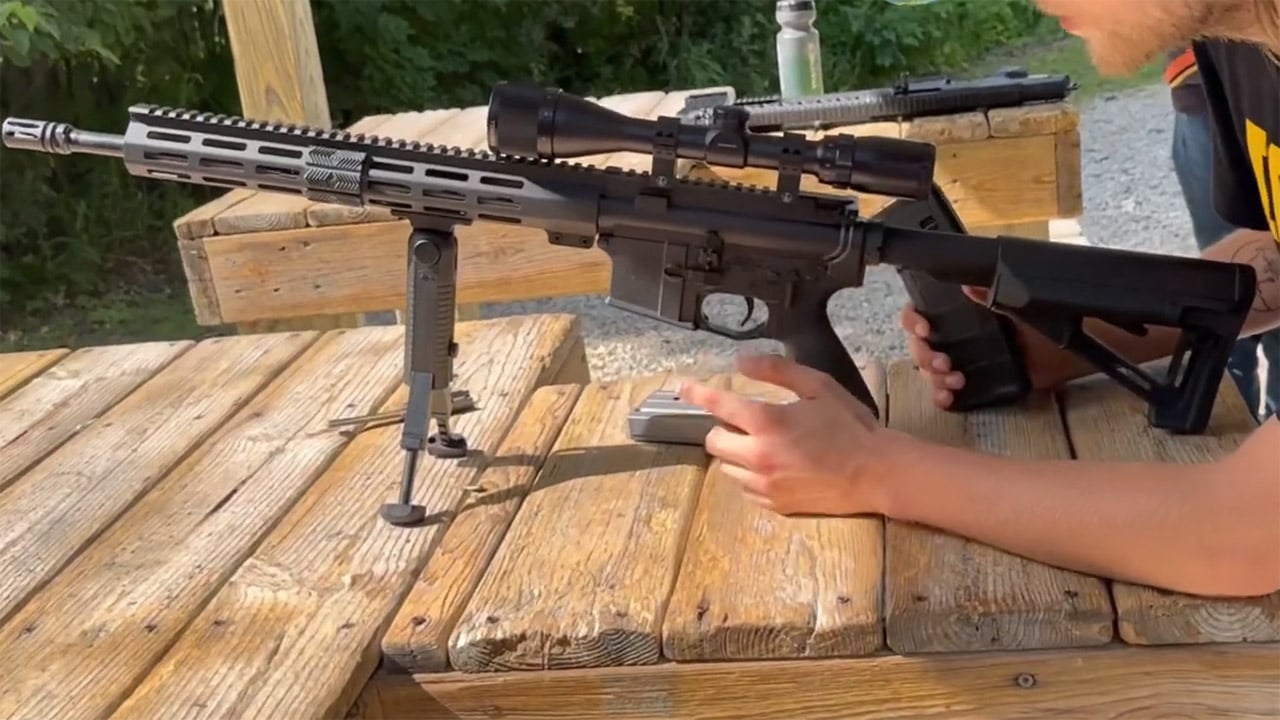
Del-Ton has been around forever, and their rifles have filled plenty of “first AR” slots. They’re not flashy, but they still carry that black rifle look, especially once you add a light and an optic.
Where it can feel budget-built is in the barrels and triggers. If you’re trying to ring steel, it’s usually fine. If you’re trying to shoot tight groups and brag about it, you’ll work harder than the guy next to you with a nicer setup.
8. Ruger AR-556
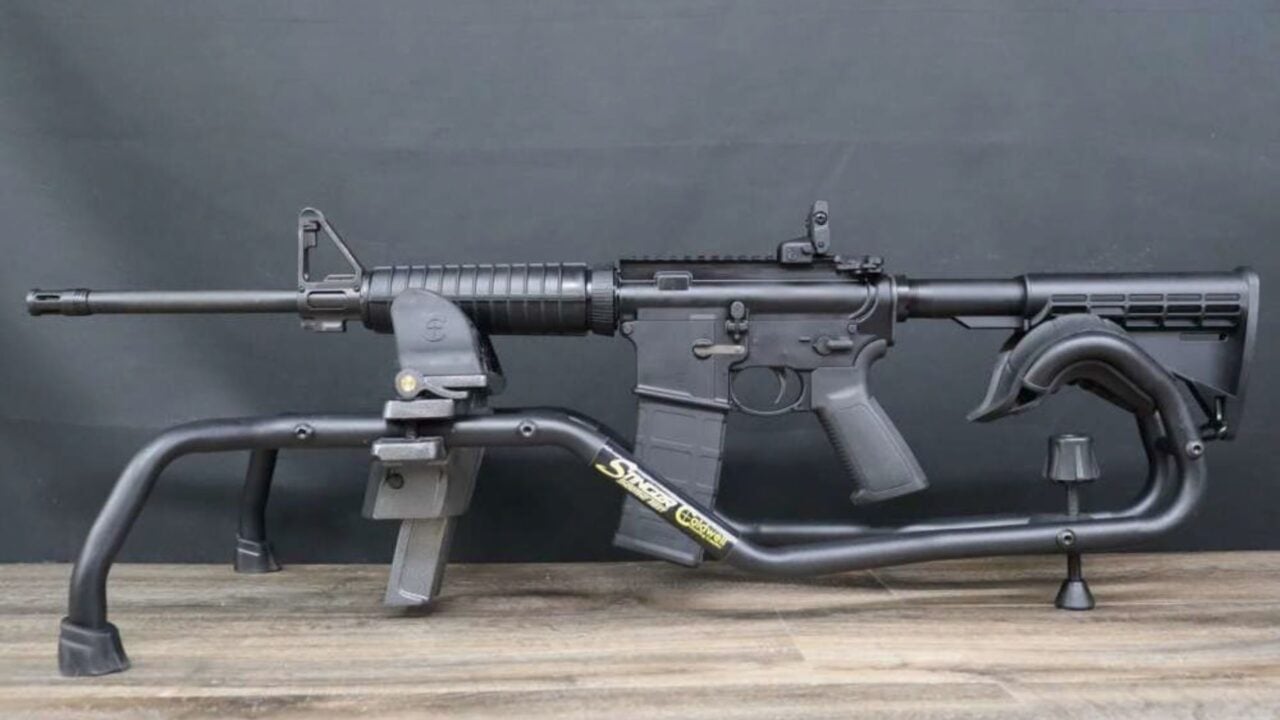
Ruger’s name sells confidence, and the AR-556 has a reputation for being a decent value. Still, it’s built to hit a price point. The factory furniture and trigger won’t make you smile, and it’s not a featherweight.
As a ranch rifle or range rifle, it makes sense. As a “I’m going to make this my one do-everything rifle forever” choice, it can leave you wanting more once the new-gun excitement wears off.
9. Springfield Armory Saint (base models)
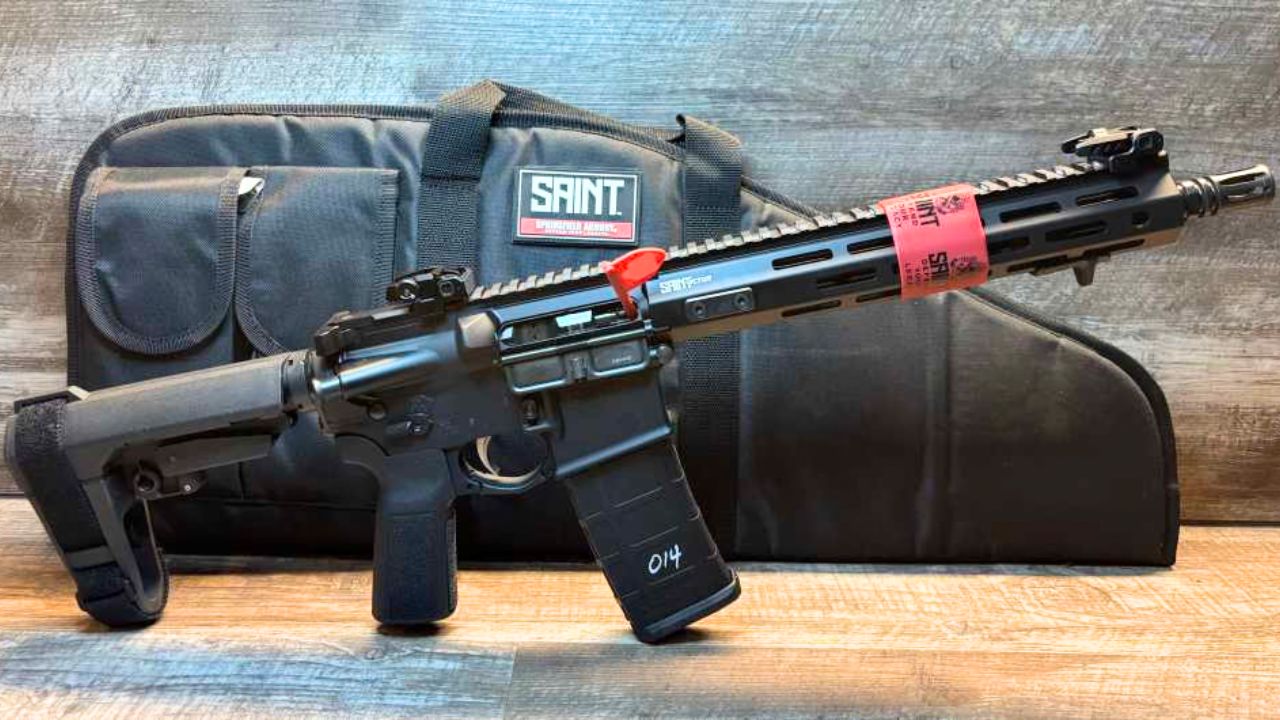
The Saint line looks sharp and tends to feel “nicer” than some other entry ARs. But base-model Saints can still be a case of paying for the name and the looks, then realizing you’re still in the same general performance bracket as other budget ARs.
They’re usually reliable, and that counts. Just don’t buy it expecting it to shoot like a match rifle because the rollmark looks serious.
10. ATI Omni Hybrid (polymer-lower AR)

These rifles get attention because they’re cheap and light, and they still look like a modern AR. The polymer-lower idea isn’t automatically junk, but it does change how the rifle feels, and some folks never get comfortable with it.
They can be fine for casual shooting. Where I get nervous is when someone tries to run them hard, hot, and fast, then acts surprised when things loosen up. If you want a beater, okay. If you want a long-term workhorse, I’d keep shopping.
11. Mossberg MVP Patrol
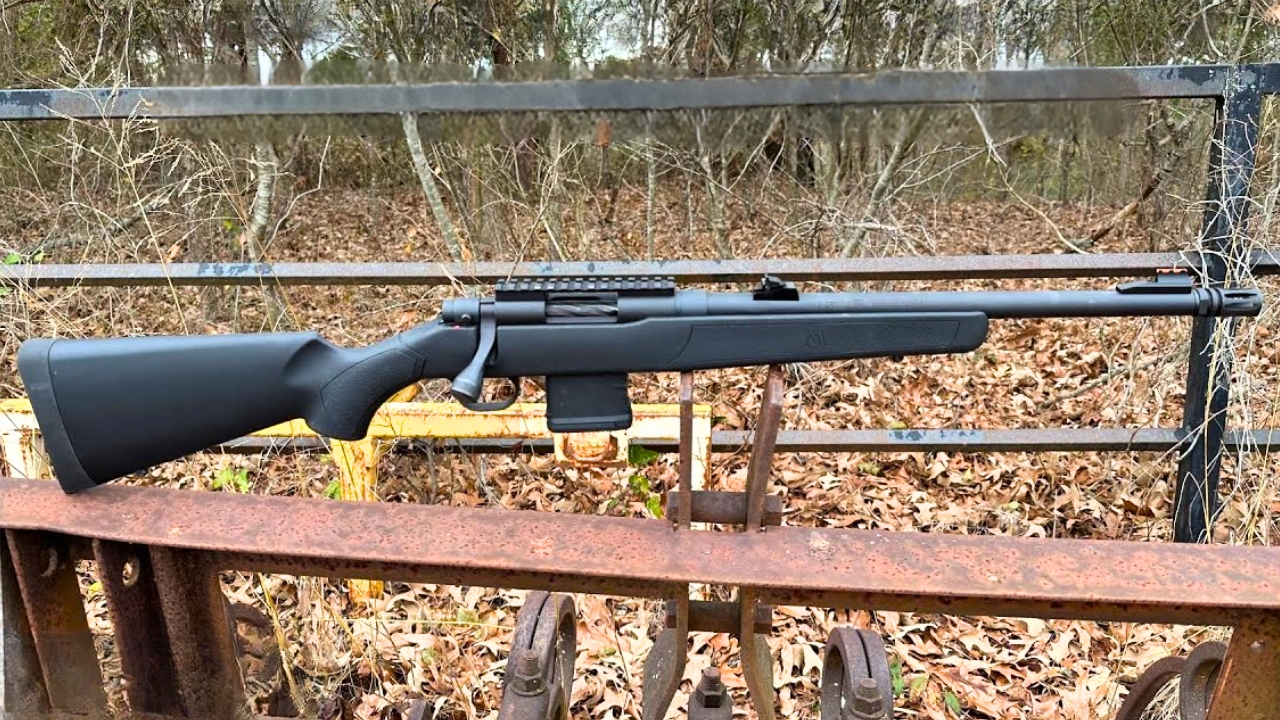
This is a bolt gun that wants to hang with the tactical crowd. It’s handy, usually threaded, and the big selling point is magazine compatibility (often AR magazines, depending on version). It’s a cool idea for a truck or property rifle.
But the bolt can feel a little rough, and accuracy can be a mixed bag from rifle to rifle. When it’s good, it’s really useful. When it’s not, you’ll spend time trying to make it something it isn’t.
12. Ruger American Ranch (7.62×39 / 5.56 / .300 BLK versions)

These Ranch rifles are popular for a reason. They’re light, simple, and they shoot better than their price tag suggests. But they also feel like what they are: a budget bolt gun with a tactical-ish vibe.
The stocks are flexible, the magazines can be finicky depending on caliber and generation, and the whole thing can feel toy-like compared to a heavier rifle. Still, for a carry-around rifle that hits what you aim at, it’s hard to hate.
13. Savage Axis II (with “tactical” packages)
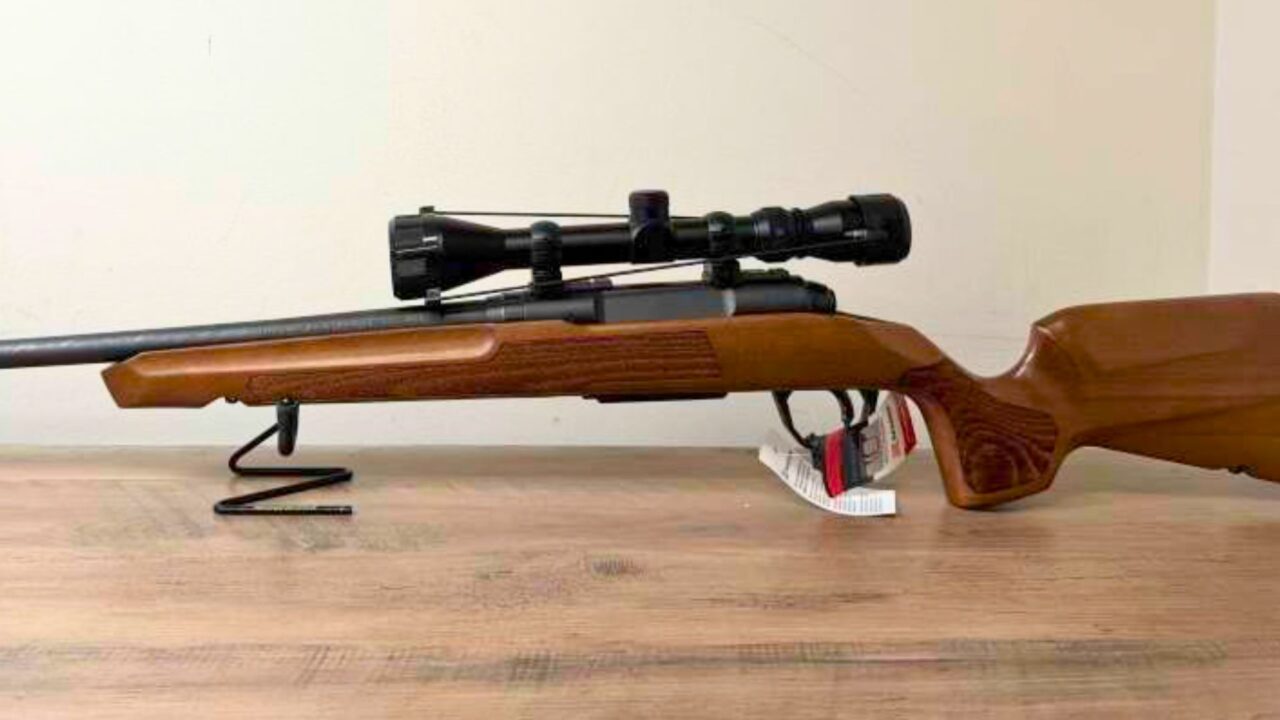
The Axis II shows up in a lot of big-box stores wearing a scope and a black synthetic stock, and folks call it tactical because it’s not walnut. It can shoot. Some of them shoot surprisingly well.
But the action often feels like it was assembled with sand in it, and the magazines and stock feel cheap because they are. It’s a “get in the game” rifle, not a “fall in love forever” rifle.
14. Remington 783 (synthetic models)

The 783 has the right silhouette for a no-nonsense rifle, and it can be accurate enough to make you proud. Still, it’s not a 700, and you feel that in the bolt lift and the general refinement.
The aftermarket isn’t as deep as the 700 ecosystem, so if you buy one thinking you’ll build it up later, you might hit a wall. As a basic shooter and deer rifle, it can do the job.
15. Ruger Precision Rimfire
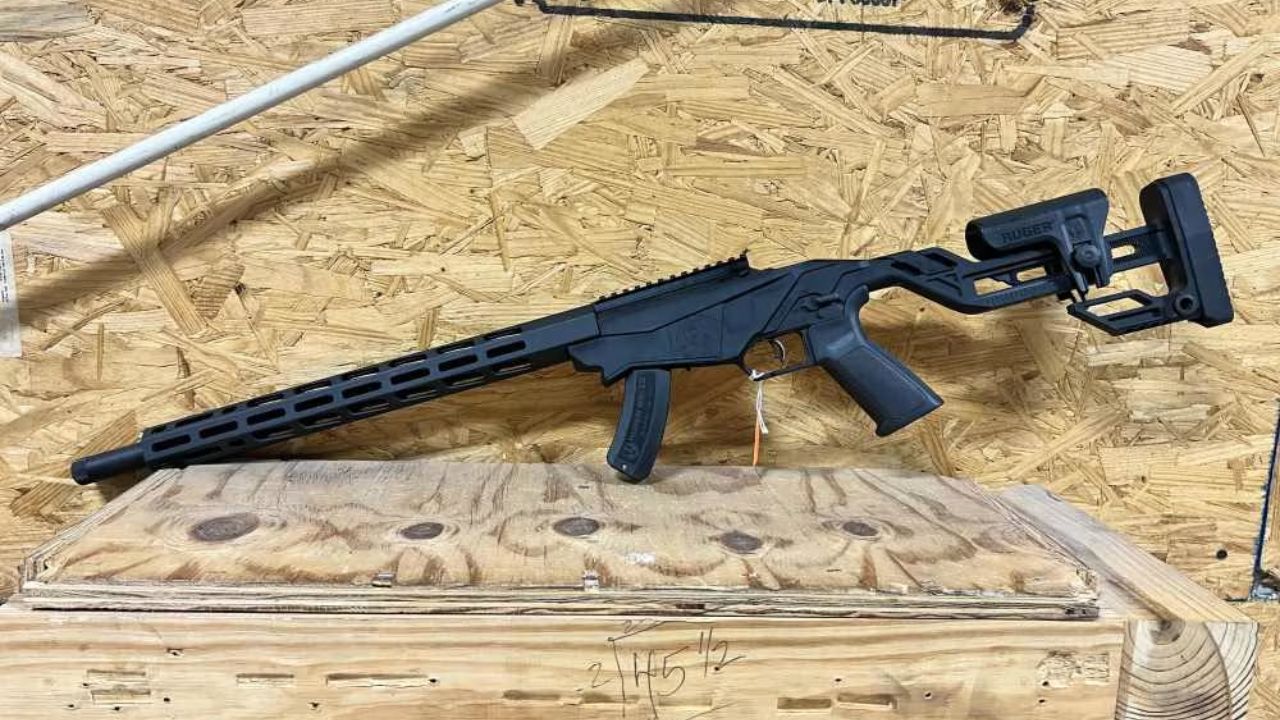
This one is a classic example of “looks like a sniper rifle, costs like a .22.” It’s fun. It draws a crowd. And with decent ammo, it can shoot well enough to make you forget you’re shooting rimfire.
But it’s still a rimfire trainer, with rimfire limitations. You’ll also learn fast that cheap bulk ammo can turn your groups into a shotgun pattern. If you want performance, you’ll be buying better .22 ammo, and that adds up.
16. Rossi RS22 Tactical
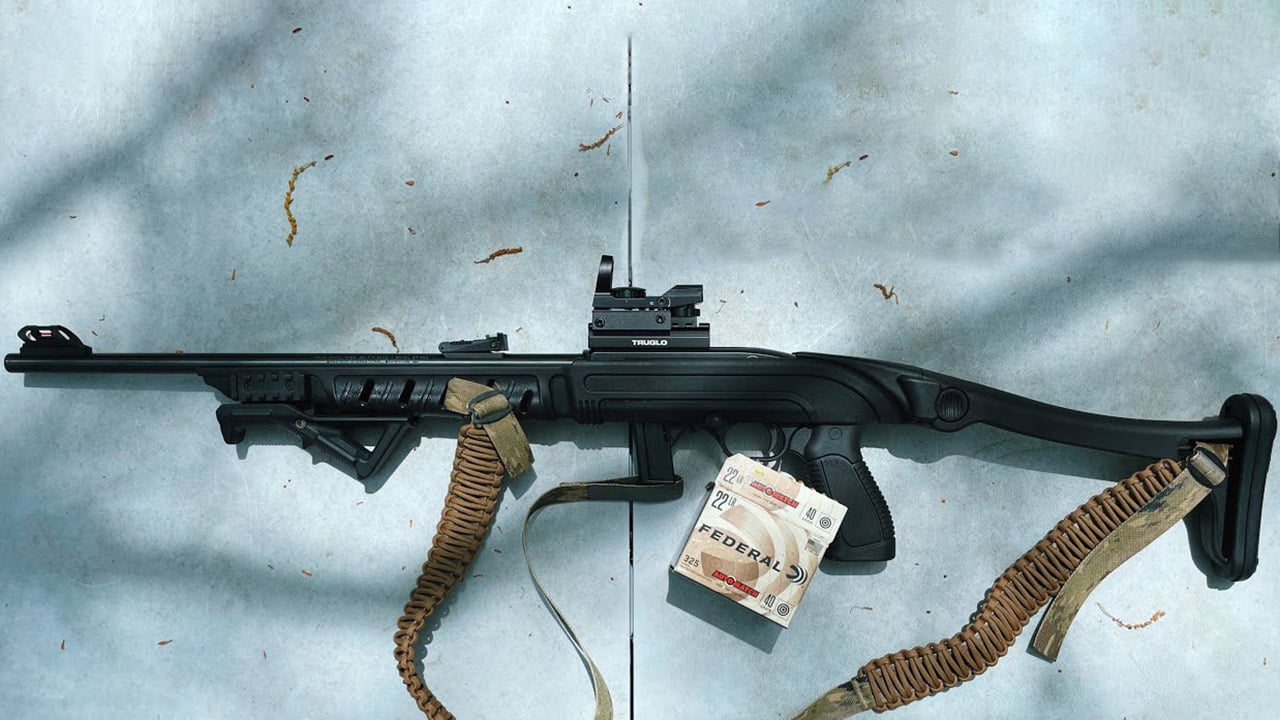
The RS22 Tactical looks like a mini black rifle, and it’s priced for folks who just want something to plink with. It’s light and handy and usually points naturally.
It can also be picky with ammunition and magazines, and it’s not built to be passed down for generations. For informal shooting, it’s fine. For serious training or high round counts, you’ll see the budget side pretty quick.
17. Hi-Point 995TS Carbine

Nothing starts arguments like a Hi-Point carbine. It looks like something from a low-budget sci-fi movie, yet it often runs. That’s the weird part. They’re clunky, heavy for what they are, and the ergonomics are not elegant.
Still, for a cheap 9mm carbine that can ride in a closet and hit steel all afternoon, it has a place. Just don’t pretend it’s refined, and don’t expect it to feel like a nice PCC.
18. Kel-Tec SUB-2000
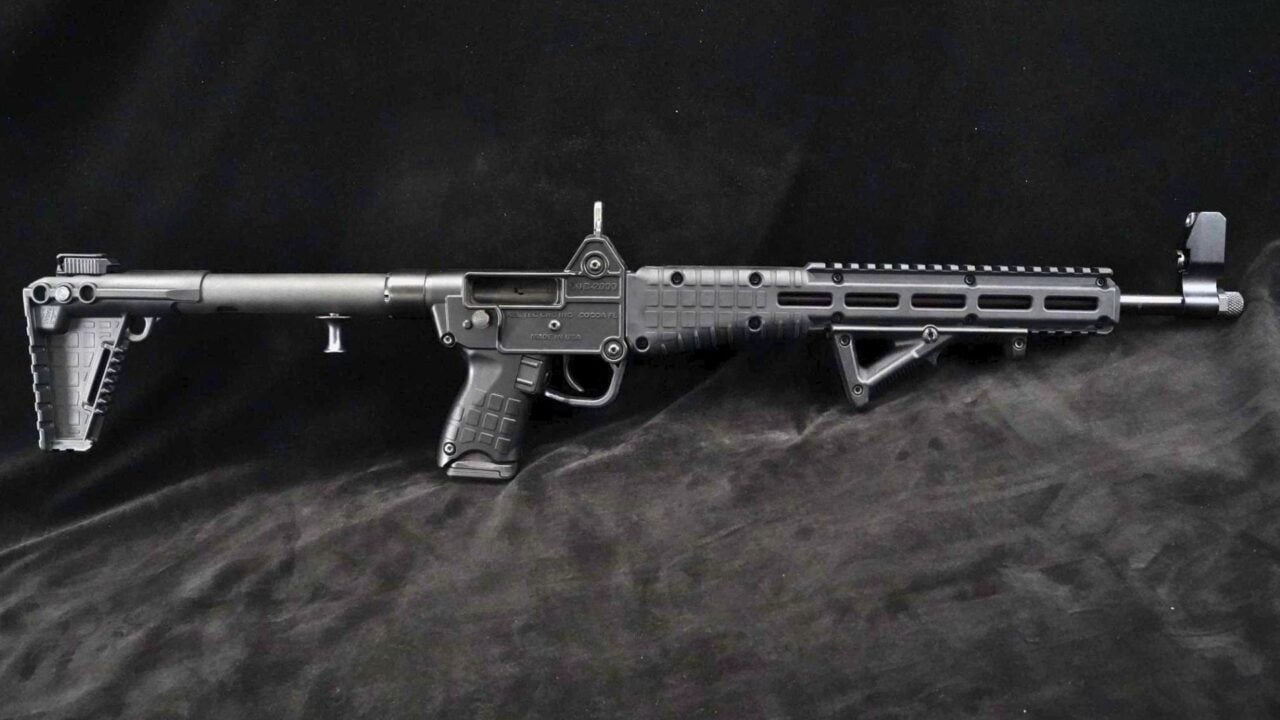
The fold-up trick is what sells it. It’s a gun that disappears into a backpack and comes out looking like a tactical gadget. It’s also very light, and that’s a blessing and a curse.
The trigger and sights can feel crude, and it’s not the most comfortable rifle for long range sessions. If you buy it for the folding feature and keep the mission narrow, it makes sense. If you buy it thinking it replaces a real carbine, you’ll notice the compromises.
19. Century Arms C308 (HK91/G3 pattern)

A .308 battle rifle vibe for a price that makes you look twice? That’s the hook. They look serious, and they feel serious—mostly because they’re heavy and built like a fence post.
The budget side shows up in finish quality and sometimes in how they run with different ammo. Recoil is also not gentle. If you want an inexpensive .308 that looks the part, okay. If you want smooth shooting and refinement, this isn’t your lane.
20. Century Arms RAS47 (AK pattern)

The AK look sells itself. A rifle can be rough around the edges and still be lovable, and AKs get away with a lot because they’re supposed to be rugged. The problem is some budget AKs pushed the “good enough” idea too far.
With the RAS47, there have been enough long-term durability concerns that I’m cautious. If you want an AK to shoot a little and pose a lot, it’ll tempt you. If you want an AK you can trust and keep for years, you’re better off spending more up front and sleeping better later.
If you want a rifle that looks the part and performs, you can absolutely do it without taking out a loan. But the cheap end of the tactical pool has a pattern: it’s easy to buy, easy to accessorize, and sometimes hard to depend on when you stop babying it. My advice is simple—buy for the job you actually have, test it like you mean it, and don’t confuse cosmetics with capability.
Like The Avid Outdoorsman’s content? Be sure to follow us.
Here’s more from us: