Photo credit: The Outdoor Generalist/Youtube
You can learn a lot about a rifle by how it behaves when you’re tired, cold, and wearing too many layers. The stuff that looks cool at the gun counter stops mattering pretty fast when you’re easing through cedar thickets, climbing into a box stand in the dark, or trying to get steady on a bull that’s not going to wait for you to admire your gear.
Over the years I’ve noticed the same thing: there are certain rifles hunters buy once and just keep. Not because they’re trendy, but because they flat-out work, they’re easy to live with, and they don’t demand a bunch of special treatment. Here are 20 rifles that tend to stick around in a safe for a reason.
1. Remington Model 700 (BDL/ADL)

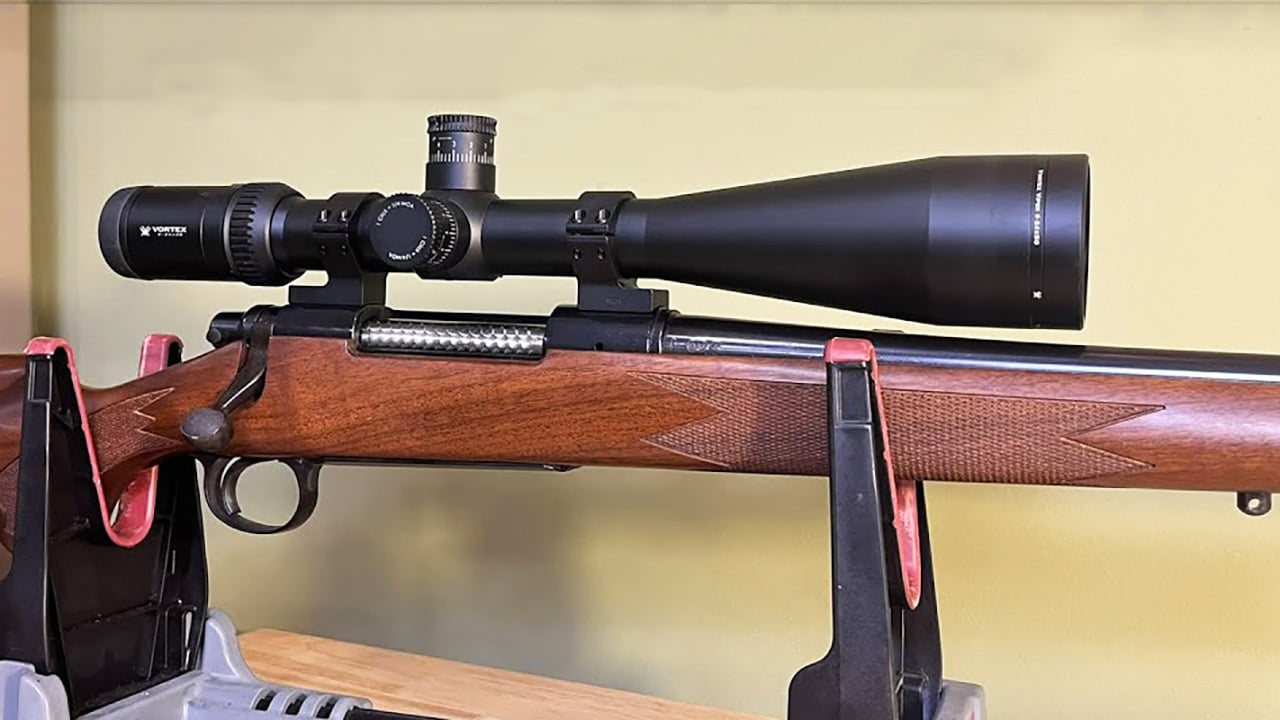
Say what you want about the internet noise, but there’s a reason the 700 has filled so many tags. The action is simple and familiar, and it carries like a hunting rifle should—balanced and not overly bulky through the wrist.
The other part is support. Stocks, triggers, bases, bottom metal, smiths who know them—everything is everywhere. Even if you never “custom build” one, owning a rifle with that kind of parts ecosystem is a quiet luxury.
If you find a clean one that feeds right and shoots right, it’s hard to talk yourself into selling it. It’s like selling a good fence stretcher because you bought a newer one.
2. Winchester Model 70 (Featherweight)
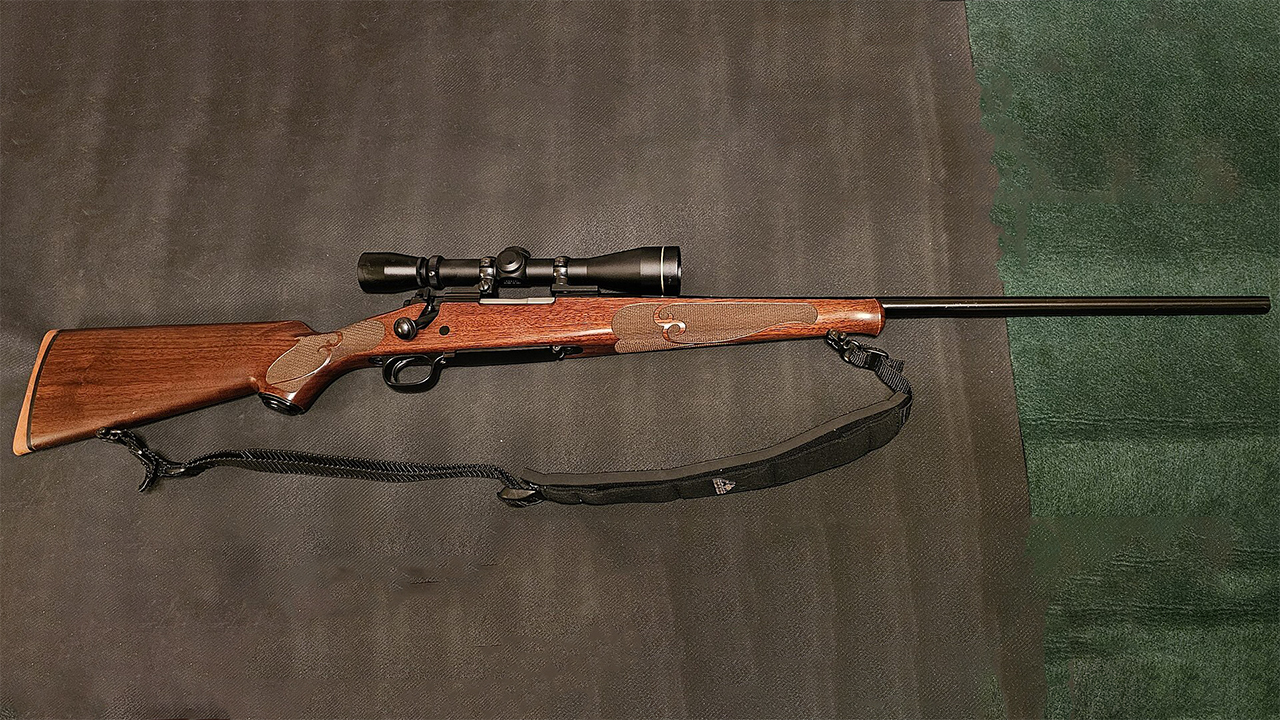
The Model 70 Featherweight is one of those rifles that just feels correct in your hands. It points naturally, it’s not a boat anchor, and the lines make sense for a rifle that’s going to be carried more than shot.
Hunters keep them because they’re confidence rifles. When you’ve got a buck slipping a ridge line, you don’t want to be thinking about controls or weird ergonomics. The Model 70 doesn’t ask you to learn anything new.
There’s also the “I’ll regret this later” factor. Featherweights have a way of getting adopted into the family, and you don’t always get them back once they leave.
3. Ruger American Rifle
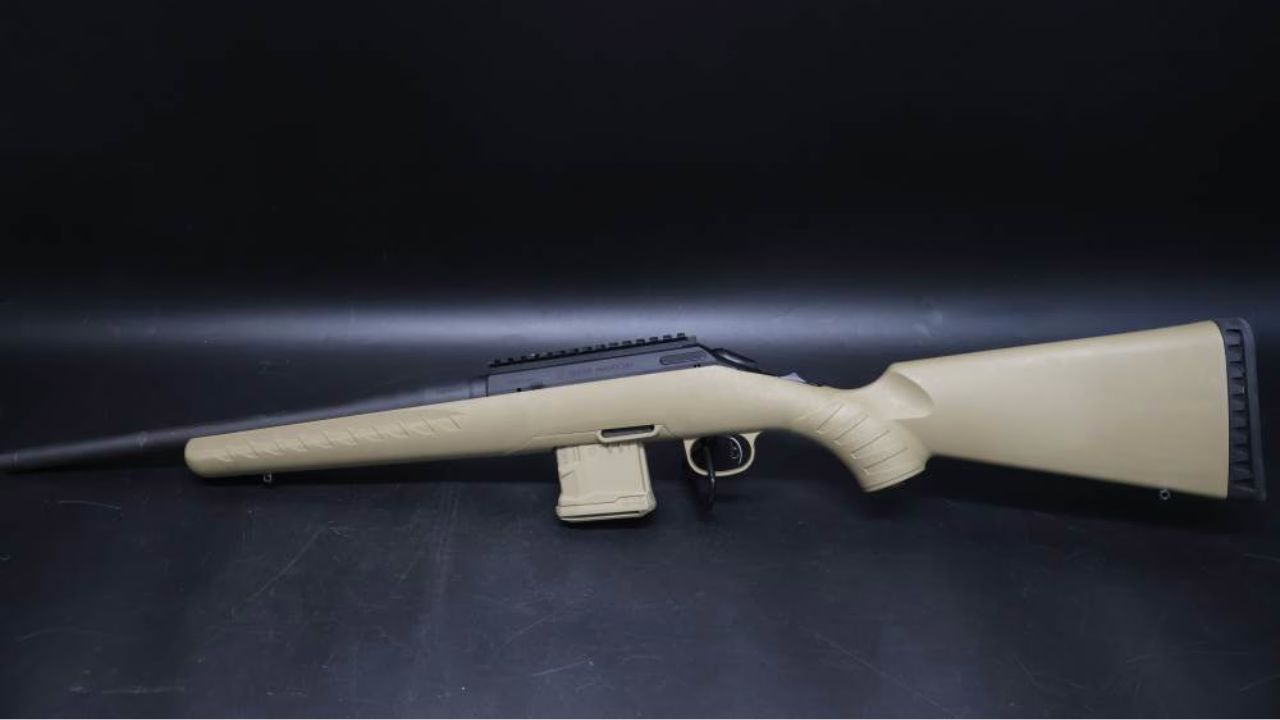
There is nothing fancy about it, and that is kind of the point. The Ruger American is one of the most honest rifles made in the last couple decades: light, accurate enough to make most hunters the limiting factor, and it doesn’t beat up your wallet.
The stock isn’t a piece of fine furniture and the finish won’t win a beauty contest. But it rides behind a truck seat, takes a bump, and still holds zero if you did your part mounting the optic.
When someone says they “upgraded” and sold their American, they usually end up hunting with a rifle that doesn’t kill deer any deader.
4. Ruger M77 Hawkeye
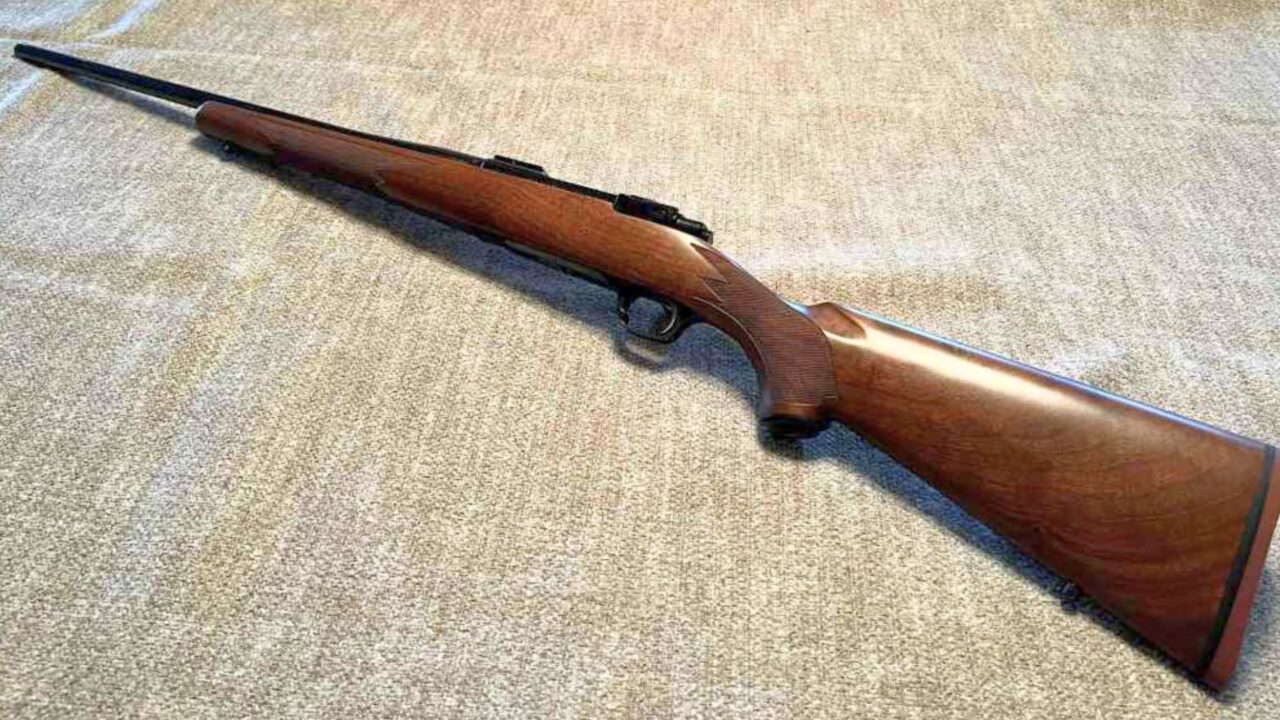
The Hawkeye is a working man’s bolt gun with real steel and real walnut (or a tough synthetic) and it feels like it’s built for years, not seasons. The action has that Ruger sturdiness to it. It’s not always the slickest, but it’s dependable.
These rifles tend to live on the same property for decades. They’re the kind of gun you grab when the weather is ugly and you don’t want to baby anything.
They also seem to shoot better the longer you own them, which is probably just you learning the rifle. Still, I wouldn’t be quick to let one go.
5. Tikka T3x Lite
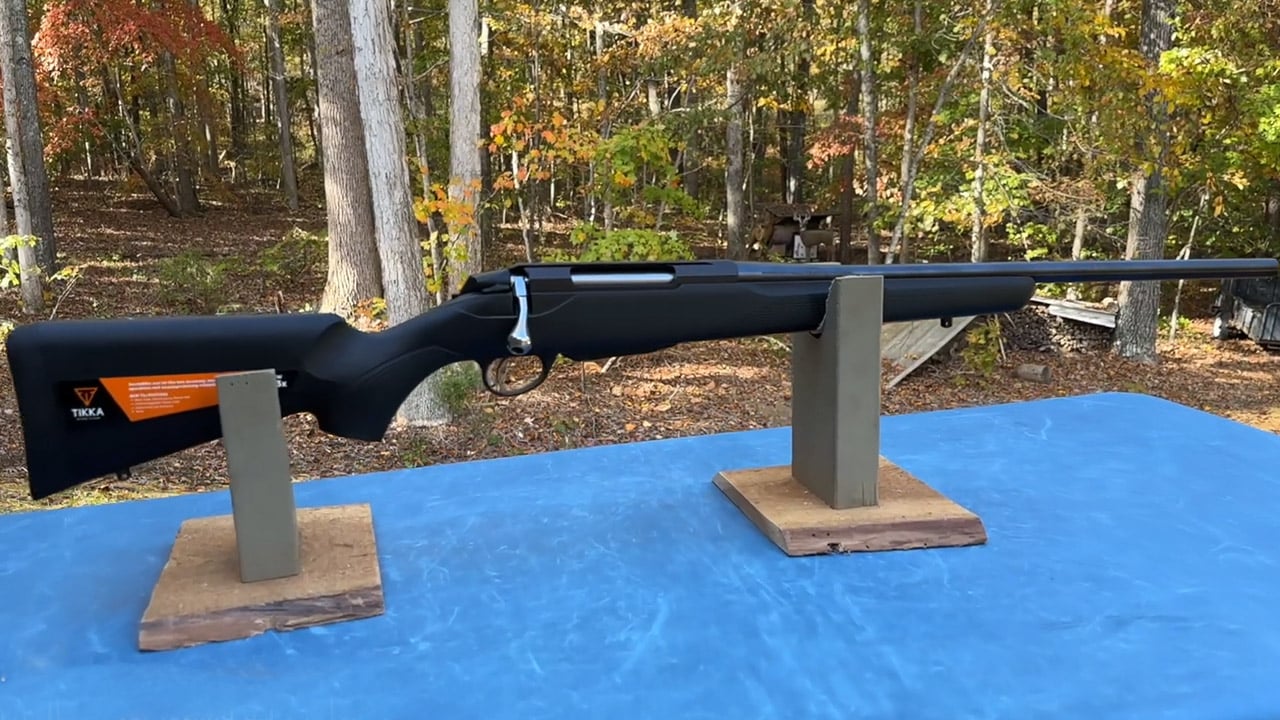
If you’ve ever cycled a Tikka next to a budget bolt gun, you know why people talk about them. The bolt lift is easy, the feed is smooth, and the whole rifle feels like it was assembled by someone who cared.
In the field, the T3x Lite shines because it’s easy to carry all day. The “Lite” part is real. The tradeoff is that super light rifles can be a little sharper in recoil, especially in the bigger cartridges.
But hunters keep them because they just shoot. A lot of Tikkas get bought, scoped, sighted in, and never cause drama again.
6. Browning X-Bolt

The X-Bolt fits a lot of shooters right out of the box. The stocks tend to have a good comb height for a scope, and the rifle comes to the shoulder without that awkward “searching for the sight picture” feeling.
They’re also very easy to live with: clean lines, reliable feeding, and the kind of accuracy that doesn’t require you to tinker all summer. A hunting rifle should not be a science project.
Hunters who buy an X-Bolt usually end up turning it into a “default” rifle. When the hunt matters, they grab the one that never surprises them.
7. Savage 110

Savage has put meat in freezers for a long time, and the 110 is the backbone of that reputation. They aren’t always pretty and they don’t always feel refined, but they’re often accurate and they keep running.
The barrel nut system is a big reason these rifles stick around. It made Savage the “tinker-friendly” choice long before that became common. Even if you never swap barrels, it’s part of why the platform is so well-supported.
It’s the kind of rifle a guy buys in .270 or .30-06 and then, ten years later, realizes he’s taken most of his deer with it.
8. CZ 457 (Varmint or American)
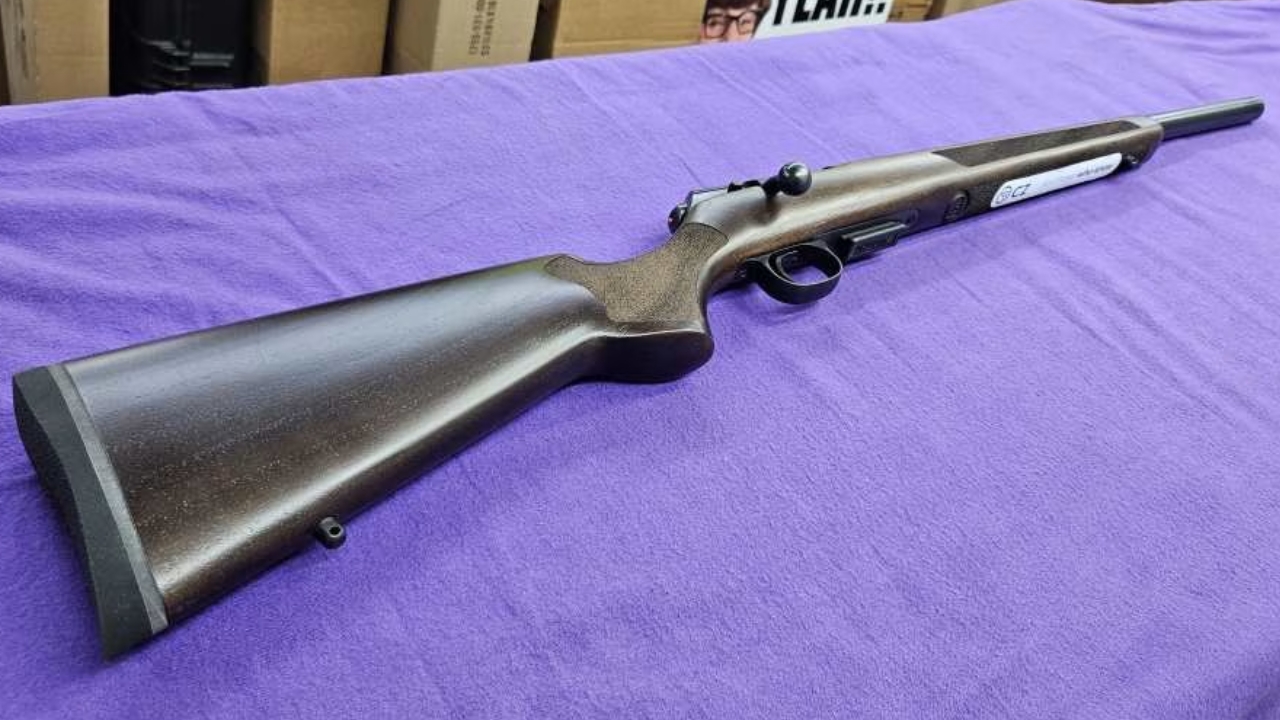
Every hunter should own a good .22 LR, and the CZ 457 is one you don’t outgrow. The trigger is usually clean, the bolt is nice, and the rifle feels like a scaled-down centerfire, not a toy.
It’s a squirrel rifle, a range rifle, a “check the back pasture” rifle, and a trainer for new shooters all in one. When ammo is expensive, a good .22 keeps you practicing.
Guys sell cheap rimfires all the time. They almost never sell their CZ unless they have to.
9. Ruger 10/22 Carbine
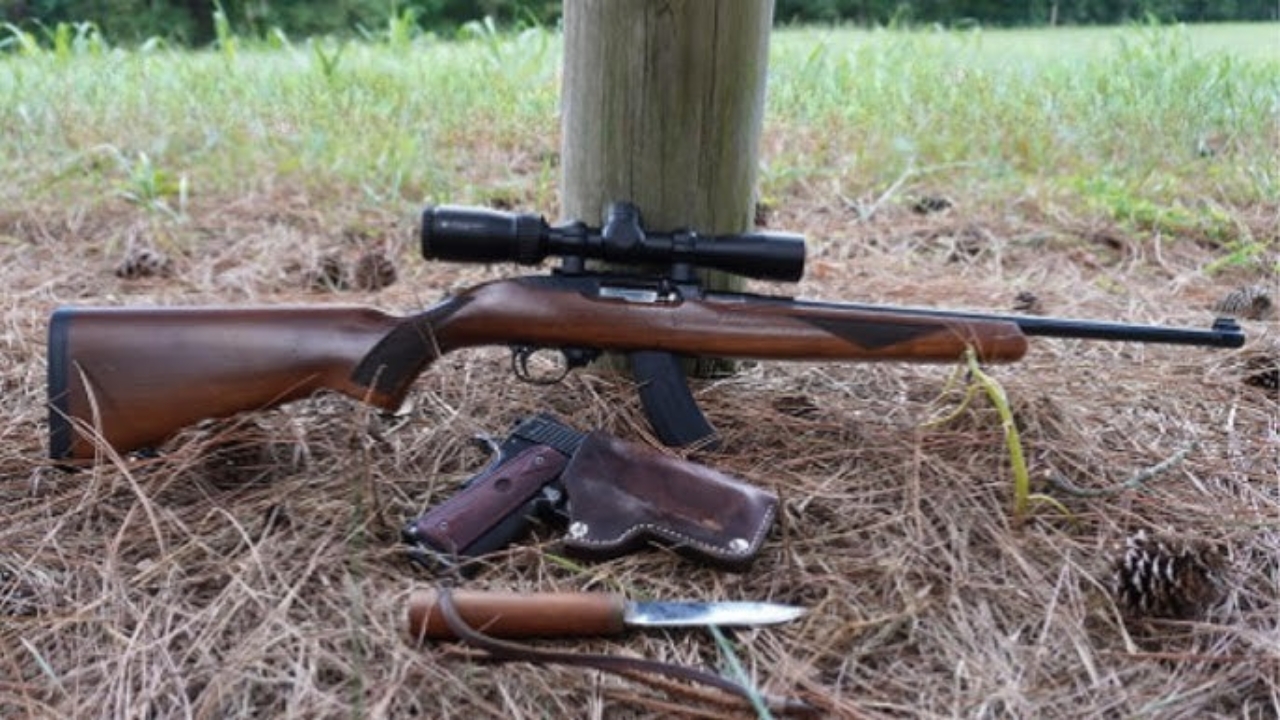
The 10/22 might be the most useful rifle in America, and I’m not sure it’s close. It’s easy to shoot, easy to maintain, and magazines are everywhere. If you actually use your stuff, that matters.
It’s also one of the best “family rifles” ever made. Kids learn on it, adults plink with it, and it ends up being the rifle that’s always around when you need it.
You can modify them until they’re unrecognizable, but even bone stock, a 10/22 earns its keep.
10. Marlin Model 336 (especially in .30-30)

A 336 in .30-30 is about as “woods real” as it gets. It carries flat against the body, it’s fast to the shoulder, and it doesn’t snag like a long, scoped bolt gun can when you’re pushing through brush.
The .30-30 is not flashy, but it kills deer with authority inside sane distances. And the lever action rhythm—load, carry, shoulder, shoot—just works when the moment is quick.
Anyone who sold a good 336 during the years they were hard to find felt it later. That one hurts.
11. Henry Big Boy Steel (in .357 Mag or .44 Mag)
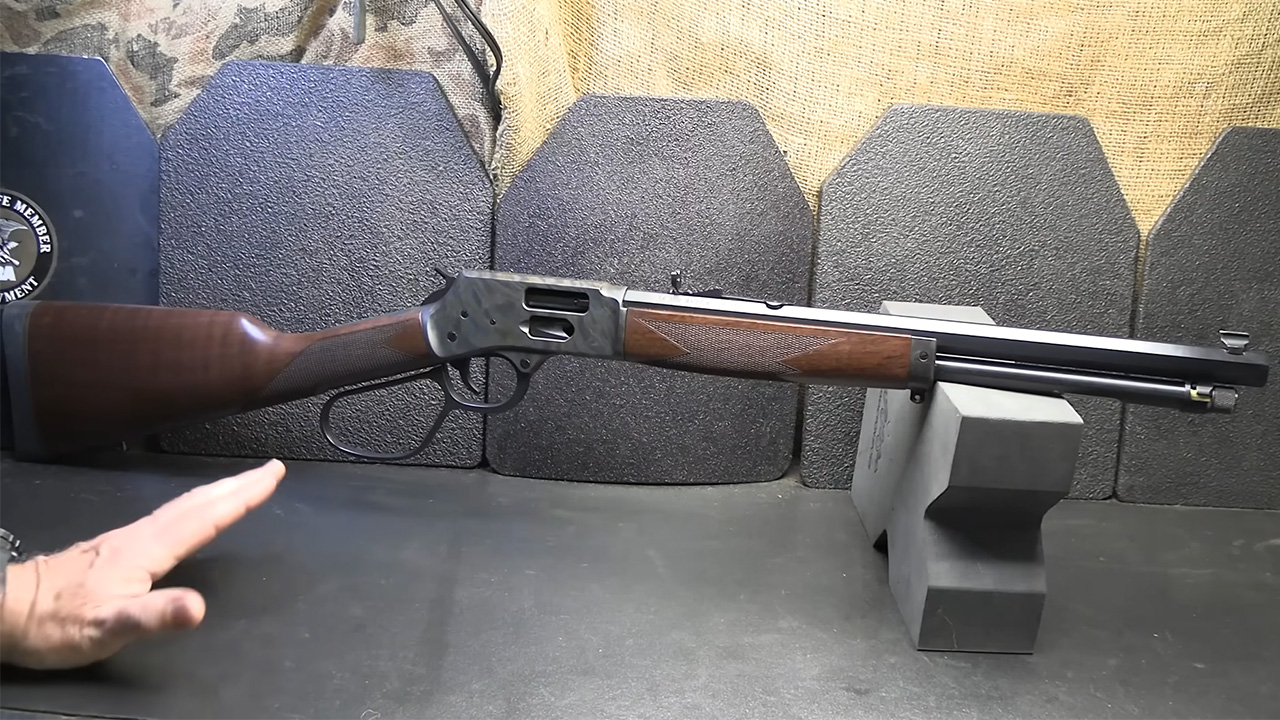
Pistol-caliber lever guns aren’t for every hunt, but they’re one of those rifles that make you want to actually go shoot. A Big Boy Steel in .357 is especially practical: mild recoil, plenty of punch for close-range deer with the right loads, and cheap practice compared to many centerfires.
They also make great “walk the property” rifles. If you’ve got coyotes, pests, or just want a handy rifle that doesn’t feel like a telephone pole, it fits.
Hunters don’t regret buying a rifle they actually enjoy training with. That’s where these shine.
12. Mossberg Patriot
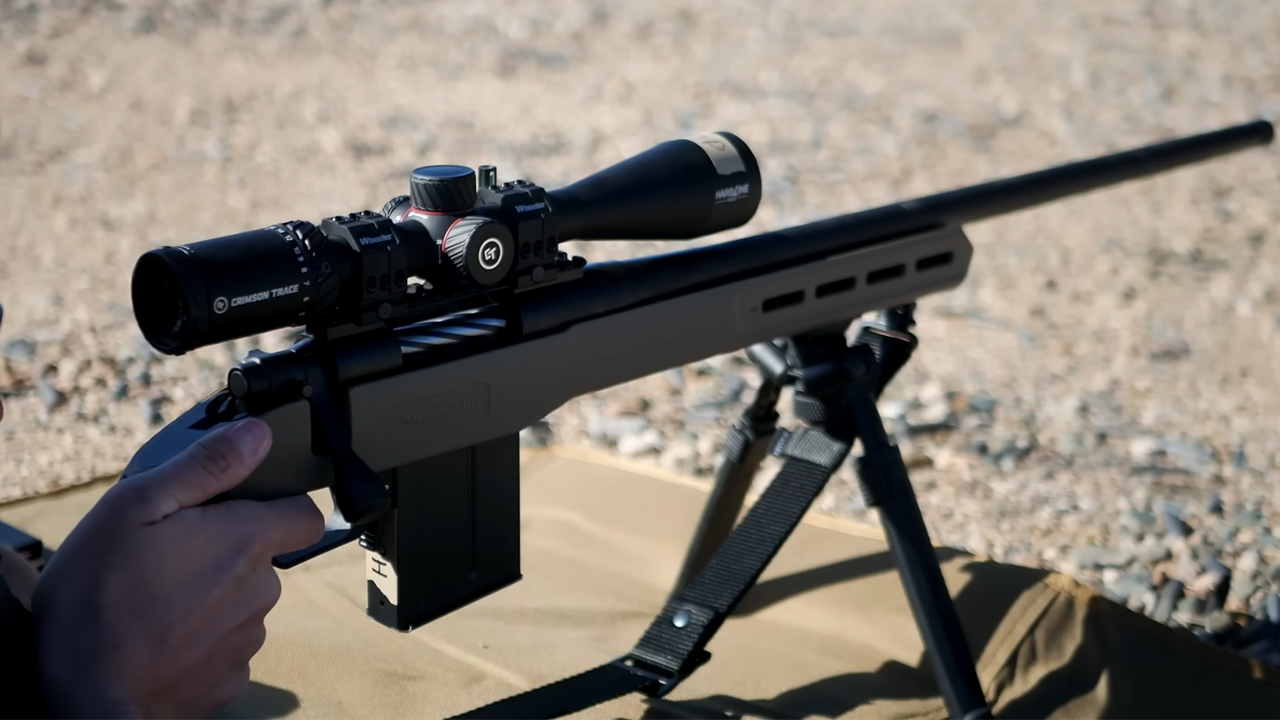
The Patriot is another “boring, effective” rifle that has introduced a lot of hunters to centerfires without draining the bank account. The action is straightforward, the rifles are generally lightweight, and they tend to shoot better than their price tag suggests.
They’re not as refined as some pricier options, and sometimes the little details show it. But when one prints a solid group and holds zero all season, that’s what you remember.
It’s hard to regret a rifle that gets a new hunter in the woods and keeps them there.
13. Weatherby Vanguard
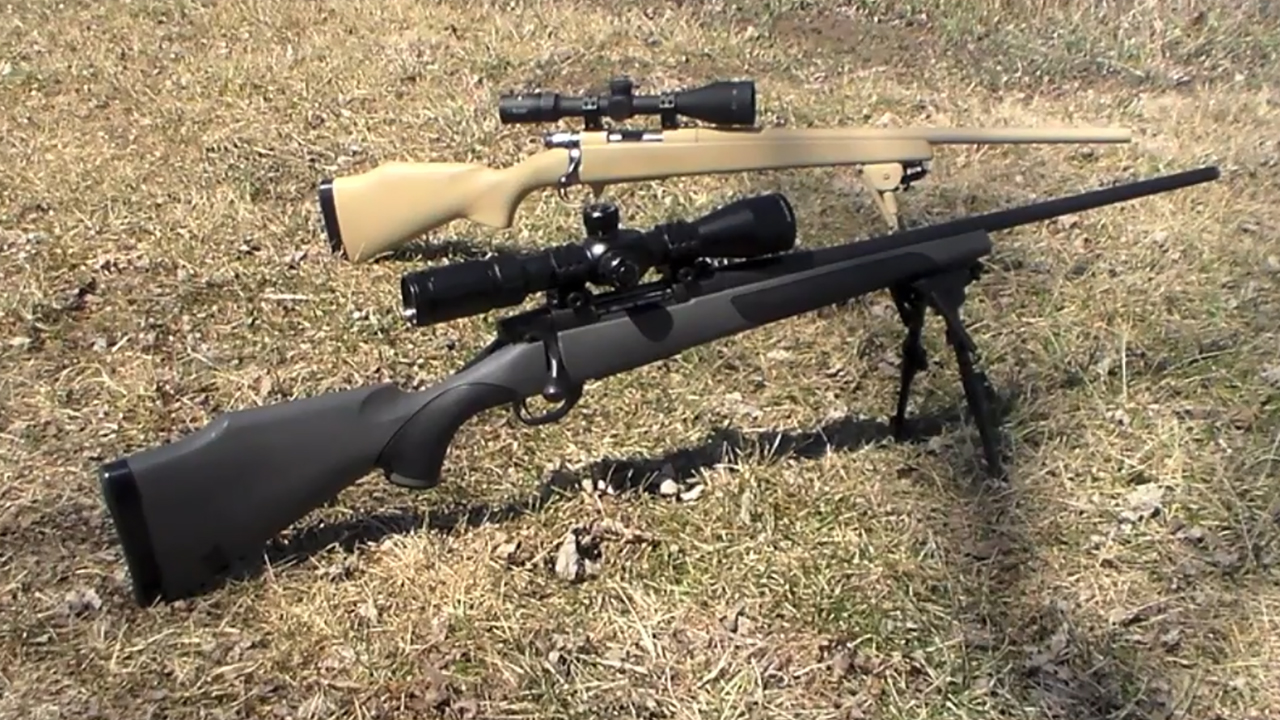
Vanguards have a reputation for being steady, accurate rifles that don’t require babysitting. They’re a little more substantial than the ultralight crowd, and that extra weight can be a blessing when the cartridge steps up.
They’re also the kind of rifle you can buy, mount a dependable scope, and be “done.” No chasing gremlins, no constant re-zeroing, no drama.
If you hunt from blinds, stands, or do a lot of spot-and-stalk where a bit of weight doesn’t bother you, a Vanguard is easy to appreciate.
14. Kimber Hunter
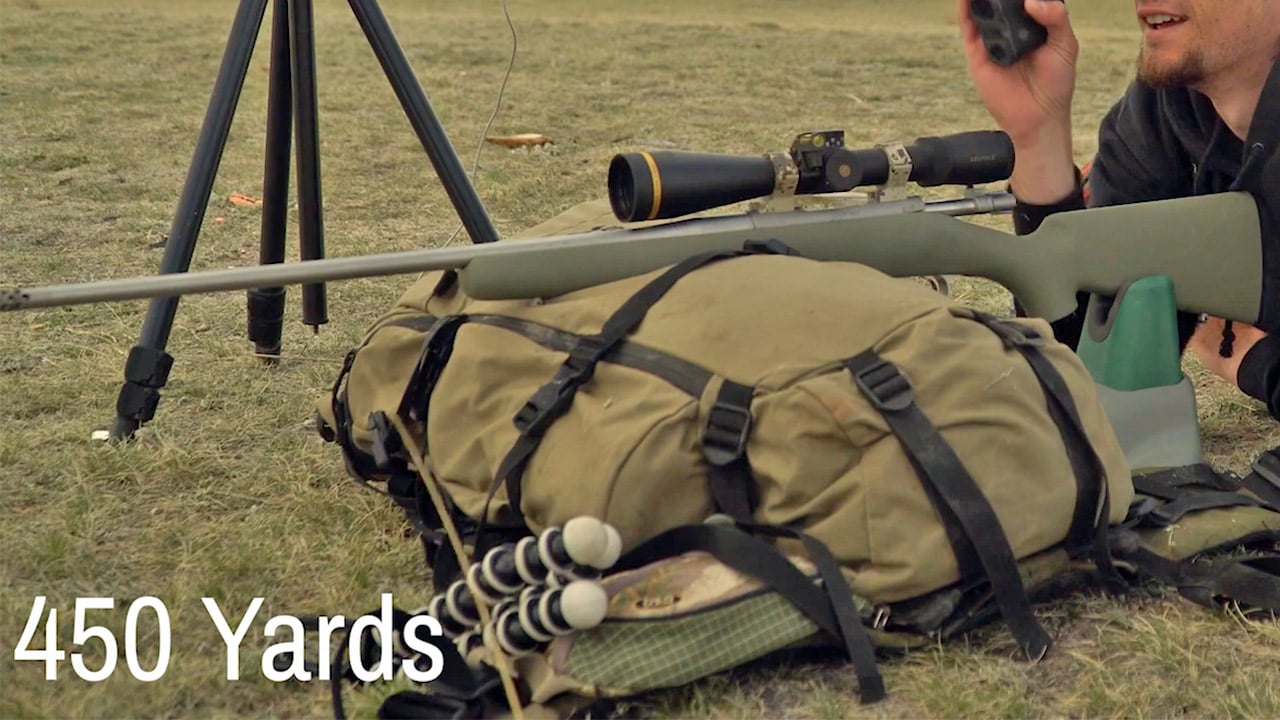
This is for the guys who count ounces because they actually carry their rifle up real elevation. The Kimber Hunter is light and trim, and it’s the kind of rifle you forget is slung on your shoulder until you need it.
Light rifles can be picky about shooting form and they can feel lively under recoil. That’s not a “bad rifle” problem, it’s a physics problem. If you practice with it and don’t try to turn it into a benchrest gun, it makes sense.
When you’re a mile from the truck and it’s starting to rain sideways, you don’t regret a rifle that’s easy to pack.
15. Bergara B-14 HMR

Some hunters want a rifle that can do double-duty: hunt all fall, then shoot paper or steel the rest of the year without feeling out of place. The B-14 HMR is one of the better “crossover” options that still feels like a serious rifle.
It’s heavier than a mountain rifle, no way around it. But the weight helps you shoot well from field rests and makes recoil more manageable. For western hunts off a pack or for longer shots across cuts and fields, it’s a confidence builder.
Plenty of rifles are “accurate.” Not as many are accurate and pleasant enough that you actually practice.
16. Springfield Armory M1A (Standard)
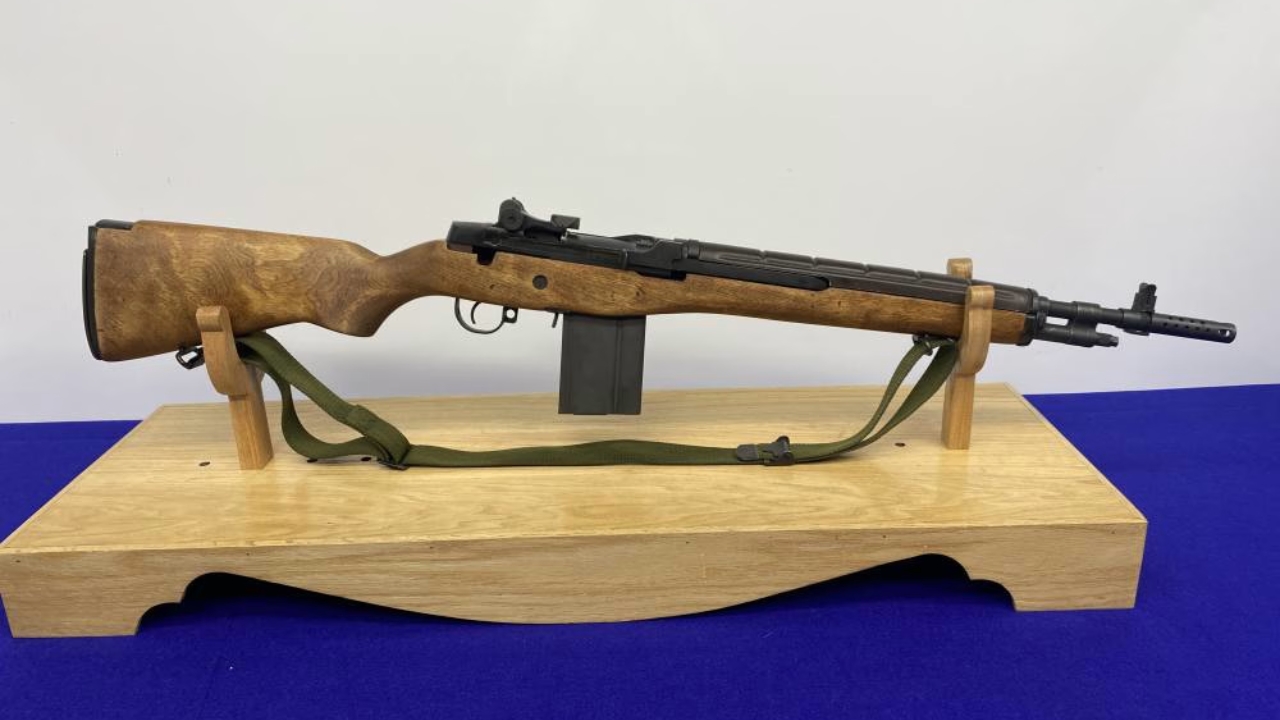
The M1A isn’t the lightest, the cheapest, or the easiest rifle to scope. It’s also not pretending to be. What it is: a classic .308 that runs, balances well for an iron-sight rifle, and scratches that “old school rifleman” itch.
For hunting, it’s more niche. But for hogs, property defense considerations, and general shooting, it’s a rifle owners tend to keep because it has personality and capability.
When somebody sells an M1A, it’s usually to fund something else. Later, they realize the thing they sold was the one that made them smile at the range.
17. Smith & Wesson M&P15 Sport II

ARs aren’t just “tactical toys.” In a lot of places, an AR is a very practical predator rifle, hog rifle, and general ranch rifle. The Sport II earned a reputation for being a solid entry rifle that runs without needing a pile of upgrades right away.
Parts and magazines are easy to find, and the manual of arms is familiar to anyone who’s spent time around modern rifles. For new shooters, that matters because training is simpler when you’re not fighting the gun.
It’s also one of those rifles that stays useful no matter what else you buy later.
18. Ruger AR-556

Ruger makes practical guns for practical people, and the AR-556 fits that mold. It’s a straightforward AR that does what it’s supposed to do without a lot of gimmicks.
As a coyote rig, it’s hard to argue with: accurate enough, quick follow-up shots, and easy optics mounting. For property owners who need a rifle that’s ready when the fence line gets noisy at night, it’s a real tool.
Owners rarely gush about it. They just keep it. That’s usually the sign.
19. SIG Sauer CROSS
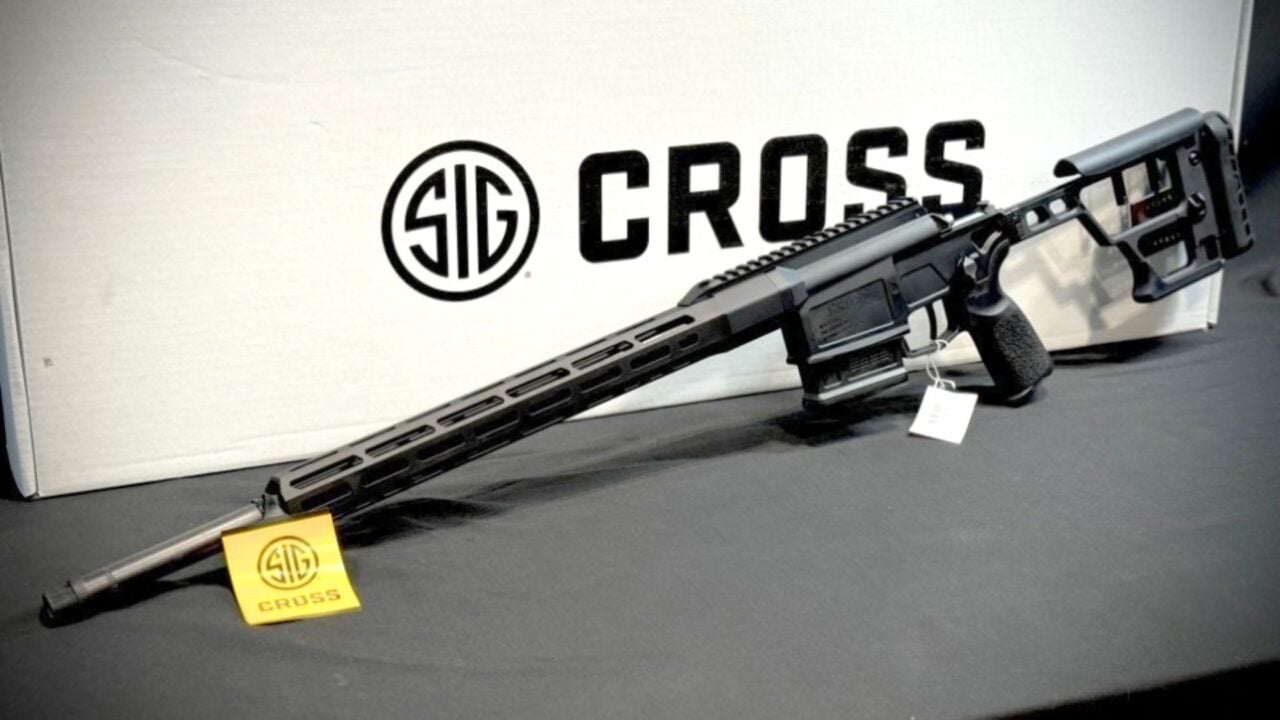
The CROSS is a modern rifle with a lot going on—lightweight, compact, and designed with the idea that you might actually hike with it. It’s not everybody’s taste, and it’s not a bargain buy.
Where it wins is packability and field handling. Fold it, strap it, move through tight spots, set up quick. If you’ve ever wrestled a long rifle in thick timber or on an ATV, you get why that matters.
Hunters who buy one for the right reasons—real travel, real hiking, real space constraints—tend to hang onto it.
20. Sako 85

A Sako is the kind of rifle you buy once you’re tired of compromises. The action is smooth, the fit and finish are real, and the rifle feels like it was built by adults who understand what a hunting rifle should be.
Is it expensive? Yep. But this is one of those purchases where the regret usually goes the other direction: “I should’ve done this sooner.” If you take care of it, it’ll outlast you, and it won’t feel outdated just because the internet found a new fad.
Not everyone needs a Sako. Still, if you own one that shoots the way it should, you don’t look at it as money tied up. You look at it as solved problems.
There are plenty of rifles that will kill deer, elk, hogs, and coyotes. The ones hunters keep are the rifles that don’t nag at you—no constant zero issues, no feeding weirdness, no “it’ll be fine” doubts when the moment gets fast. Buy what fits your hunts, shoot it enough to trust it, and don’t be too quick to trade away a rifle that’s already proven itself in your hands.
Like The Avid Outdoorsman’s content? Be sure to follow us.
Here’s more from us: