Photo credit: Texas Plinking/Youtube
Some cartridges become favorites after one hunt. They shoot well, carry enough power for the job, recoil reasonably, and make the hunter feel like the rifle and round are working together instead of fighting the whole day.
Others go the opposite direction.
They sound great during research. They look good in ballistics charts. They promise speed, authority, flat trajectory, or old-school charm. Then the first real hunt exposes the downside. The rifle is too loud, the recoil is too much, the ammo is too expensive, the performance is too narrow, or the cartridge simply does not fit the way the hunter actually hunts. These are the cartridges many people try once, then quietly stop reaching for.
.300 Remington Ultra Magnum
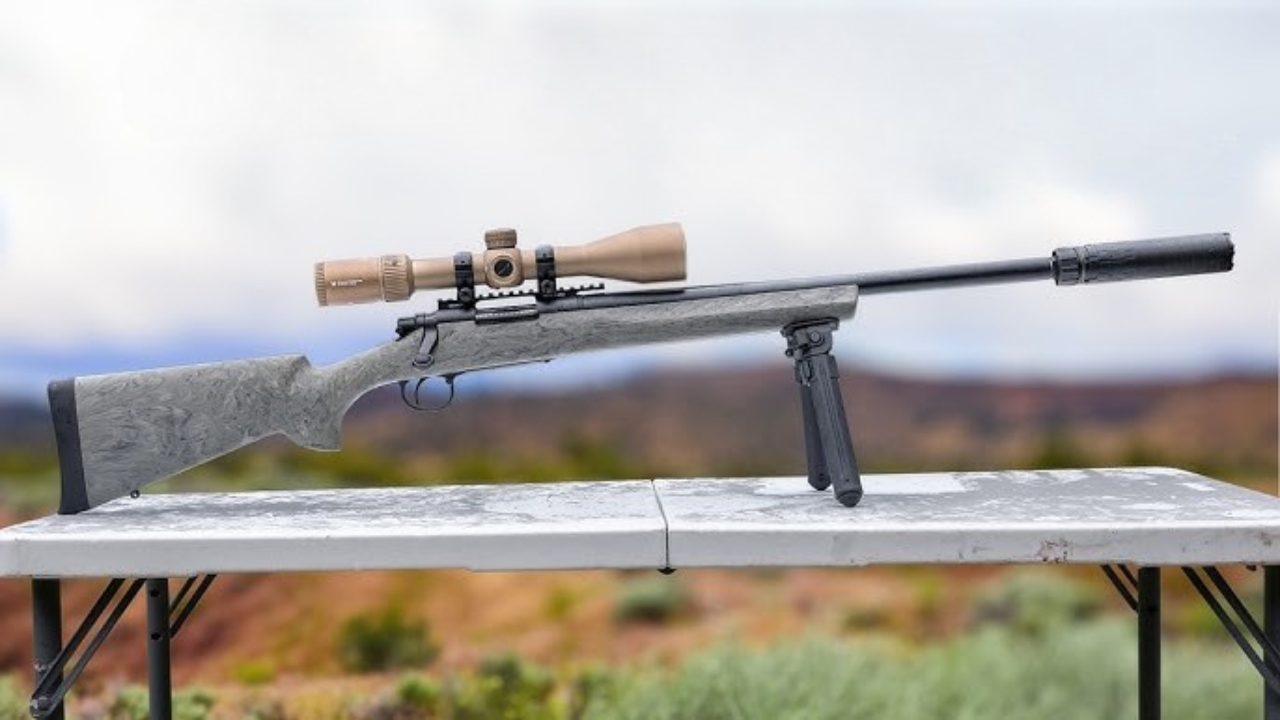
The .300 Remington Ultra Magnum looks impressive on paper. It is fast, powerful, and capable of serious long-range performance in the hands of someone who knows how to use it. For hunters chasing big country, elk, mule deer, or long shots, the numbers can be very tempting.
Then the rifle goes on an actual hunt. The recoil is stout, the muzzle blast is serious, ammunition is expensive, and many rifles chambered for it are either heavy to carry or unpleasant to shoot if they are light. Most hunters simply do not need that much cartridge for normal distances. After one season of carrying it, sighting it in, and touching off full-power loads, many people start wondering why a .30-06, .300 Winchester Magnum, or 7mm Remington Magnum would not have done the job with less punishment.
.338 Lapua Magnum
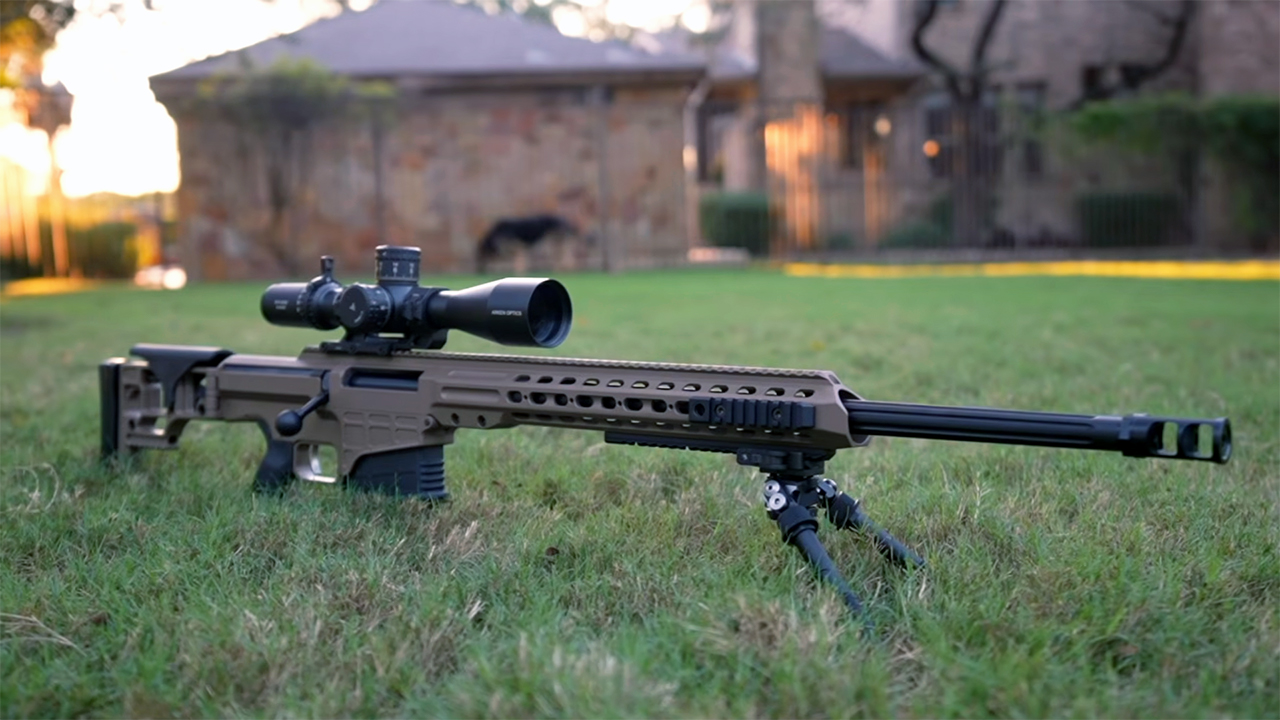
The .338 Lapua Magnum has a huge reputation, and that reputation is part of the trap. It is a serious long-range cartridge designed for serious distance work. Hunters hear the name and imagine capability far beyond ordinary hunting rounds.
The problem is that most real hunts do not need a cartridge this large, expensive, and demanding. Rifles are usually heavy, ammunition costs are painful, and recoil and blast make practice less casual. It can be useful for specialized long-range hunting in the right hands, but it is not a normal deer, hog, or elk cartridge for most people. After one real hunt, many owners realize they bought a cartridge built around a fantasy of extreme distance, not the way they actually hunt.
.45-70 Government With Heavy Loads

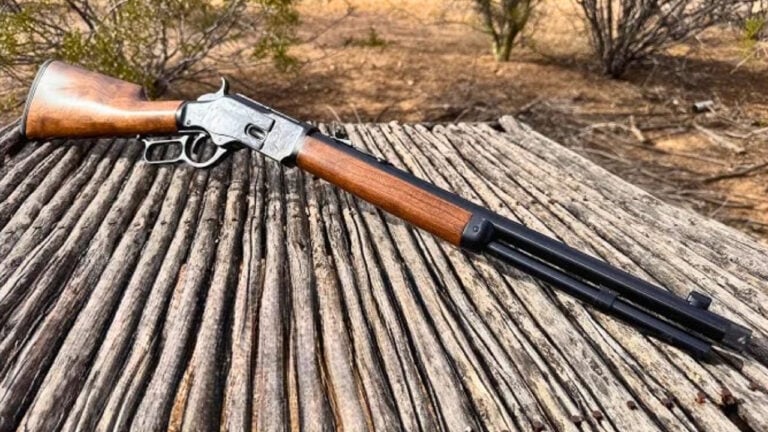
The .45-70 Government is a fantastic cartridge when matched to the right rifle and realistic expectations. In a lever gun, it has history, authority, and real close-range usefulness. The mistake comes when hunters jump straight into heavy modern loads because they want the biggest possible thump.
That thump goes both ways. Heavy .45-70 loads in a lightweight lever-action can be punishing from the bench and unpleasant in the field. The trajectory also demands respect. It is not a flat-shooting open-country cartridge, and pretending otherwise leads to disappointment. Many hunters enjoy one season of big-bore romance, then drift toward milder loads or different cartridges entirely. The .45-70 can be wonderful. The heavy-load hype is what some people do not keep.
.257 Weatherby Magnum
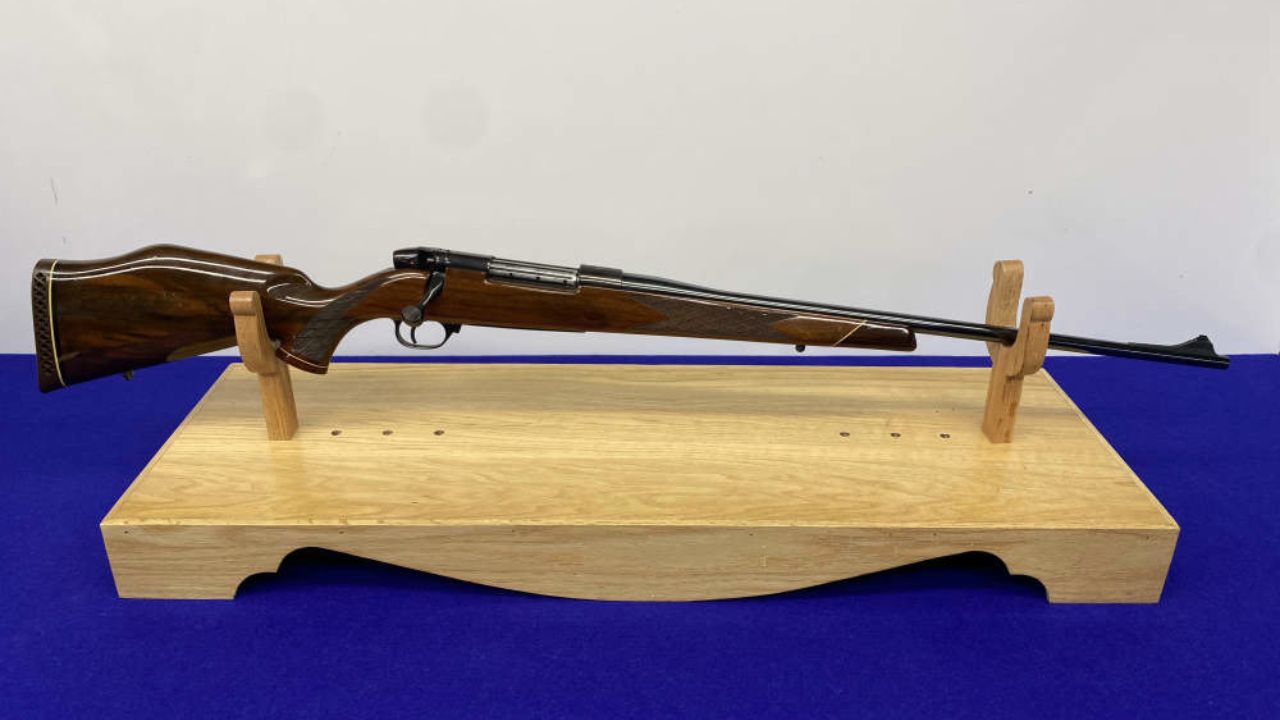
The .257 Weatherby Magnum is fast, flat, and genuinely impressive. For deer-sized game in open country, it can be extremely effective. That speed is exactly what attracts hunters who want a cartridge that feels almost laser-like.
But speed comes with tradeoffs. Ammunition is expensive, barrel life is not the same as milder cartridges, and not every hunter needs that much velocity for normal whitetail or stand hunting. The cartridge can also be louder and more intense than expected. After one real hunt, some owners realize they paid for performance they rarely use. A .25-06 Remington, .243 Winchester, 6.5 Creedmoor, or .270 Winchester may fit their actual hunting better with less cost and fuss.
.350 Legend in the Wrong Rifle
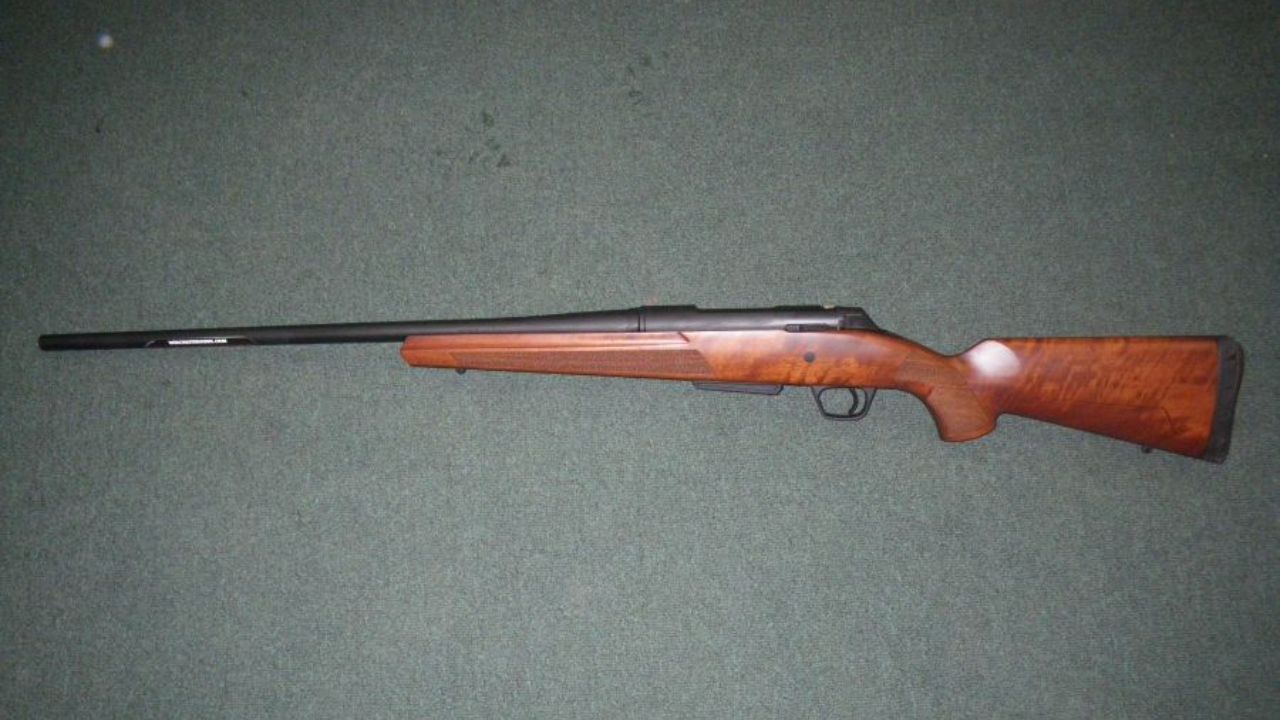
The .350 Legend has a legitimate place, especially in states with straight-wall cartridge rules. It can be mild, useful, and practical when the rifle and expectations are right. The regret usually comes from people buying it because of hype rather than because they actually need its legal or practical niche.
In the wrong setup, .350 Legend can feel underwhelming. Some rifles are picky, some loads perform better than others, and hunters used to flatter-shooting bottleneck cartridges may not love the trajectory. It is not a magic deer round. It is a solution for certain rules and certain ranges. After one real hunt outside that context, some owners realize they bought a cartridge because everyone was talking about it, not because it was the best fit for their woods.
.22-250 Remington for Deer
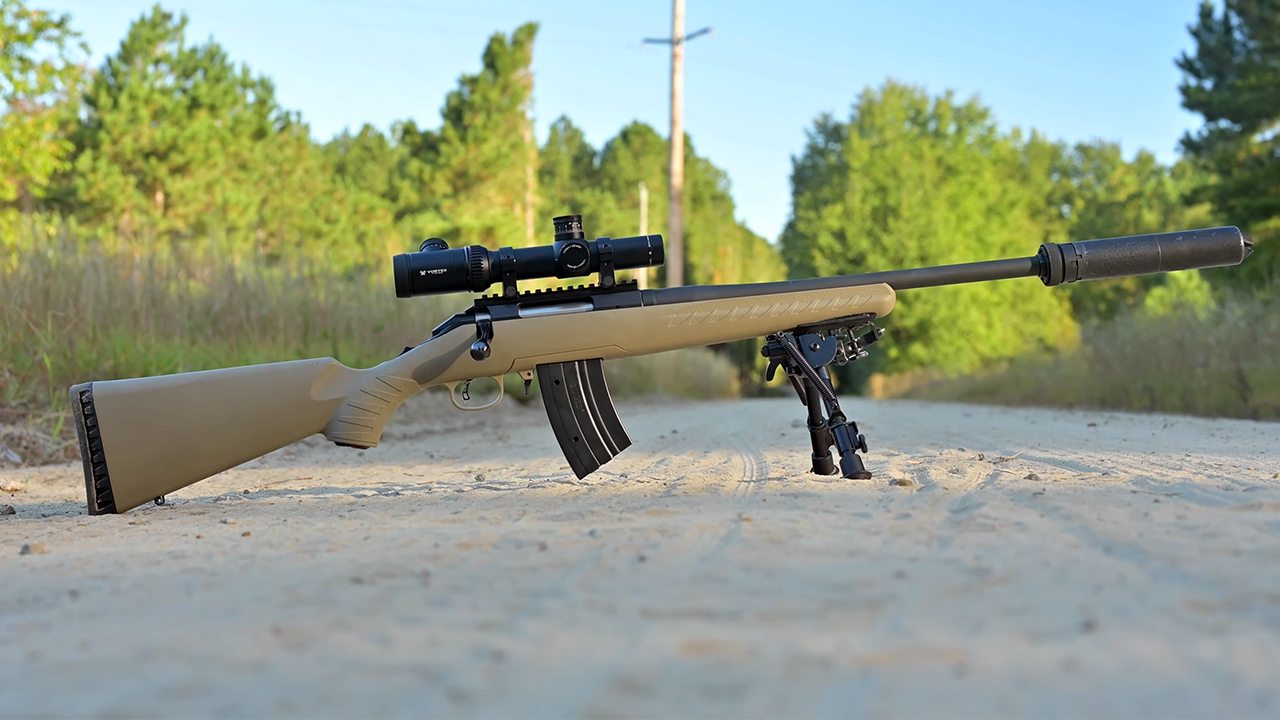
The .22-250 Remington is a classic varmint cartridge. It is fast, flat, and excellent for coyotes, prairie dogs, and similar work. The problem begins when hunters try to turn it into a deer cartridge simply because it is accurate and fast.
Where legal, proper bullets and careful shot placement matter heavily, but many hunters still find the margin less forgiving than they prefer. Wind, bullet construction, and angle all matter. A cartridge that is wonderful on varmints can feel too specialized when a deer hunt gets real and the shot is not perfect. After one season of trying to make it work as a main deer rifle, many hunters go back to something with more bullet weight and authority. The .22-250 is excellent. It just may not be the deer cartridge some hype makes it out to be.
6.5 PRC

The 6.5 PRC has a strong following for good reason. It shoots flatter and harder than the 6.5 Creedmoor while keeping excellent bullet selection and long-range potential. It makes sense for hunters who actually need that extra reach.
But not every hunter does. For the average whitetail hunter sitting over a field, food plot, or timber lane, the 6.5 PRC may feel like paying more for recoil, muzzle blast, and ammunition cost that do not change the outcome. It is not a bad cartridge at all. It is a good cartridge that gets oversold to people whose hunting would be served just as well by milder, cheaper rounds. After one hunt, some owners realize they bought extra performance mostly for the idea of it.
.458 SOCOM
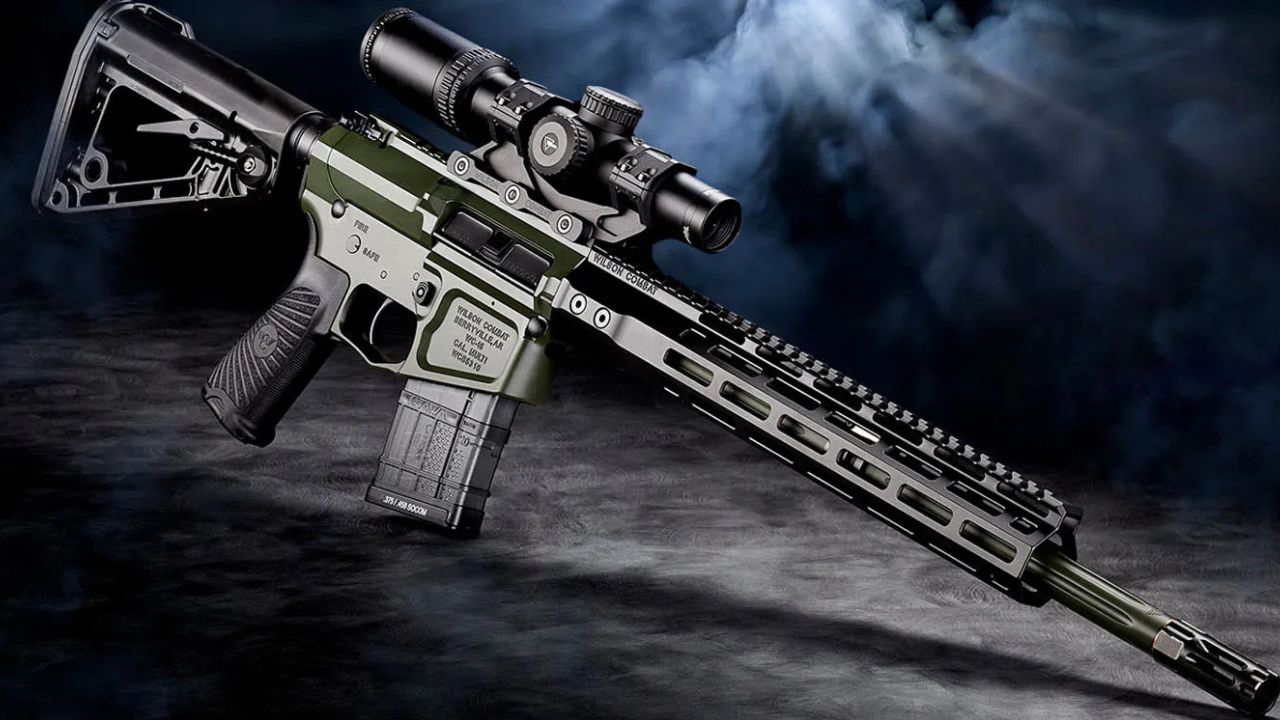
The .458 SOCOM sounds perfect to hunters who want big-bore power from an AR-15 platform. It hits hard, looks serious, and turns a familiar rifle into something much more dramatic. For hogs or close-range hunting, the appeal is obvious.
The downside shows up quickly. Ammunition is expensive, recoil is heavier than expected, magazine capacity drops, and trajectory limits practical range. It can be very effective inside its lane, but that lane is narrower than some buyers imagine. After one hunt, especially if shots are longer or the rifle gets carried all day, some owners return to more common cartridges. The .458 SOCOM delivers power, but power alone does not guarantee it stays in the hunting rotation.
7mm Remington Ultra Magnum

The 7mm Remington Ultra Magnum promised extreme speed and reach with sleek 7mm bullets. For long-range hunters, that can sound like the answer to every open-country problem. It offers impressive ballistics when set up properly.
But it is also a lot of cartridge. Recoil, barrel wear, muzzle blast, rifle weight, and ammunition cost all become part of ownership. Many hunters discover that a 7mm Remington Magnum, 7mm PRC, .280 Ackley Improved, or even a well-set-up .270 Winchester covers their real needs with less drama. The 7mm RUM can be capable, but one real hunt may show that maximum speed does not always equal maximum satisfaction.
.30-30 Winchester in Over-Scoped Setups

The .30-30 Winchester itself is not the problem. It is one of the great woods cartridges and has probably put more venison in freezers than countless trendy rounds combined. The regret comes when people try to make it something it is not.
A lever-action .30-30 with a giant scope, awkward mount, and unrealistic distance expectations can disappoint fast. The cartridge shines as a handy, close- to moderate-range deer round. When hunters load it down with gear and expect it to behave like a modern long-range cartridge, the whole setup loses its charm. After one hunt, many people either strip the rifle back to what it was meant to be or choose a different cartridge for longer shots. The .30-30 works best when people stop asking it to audition for another job.
.375 H&H Magnum for Normal Deer Hunting
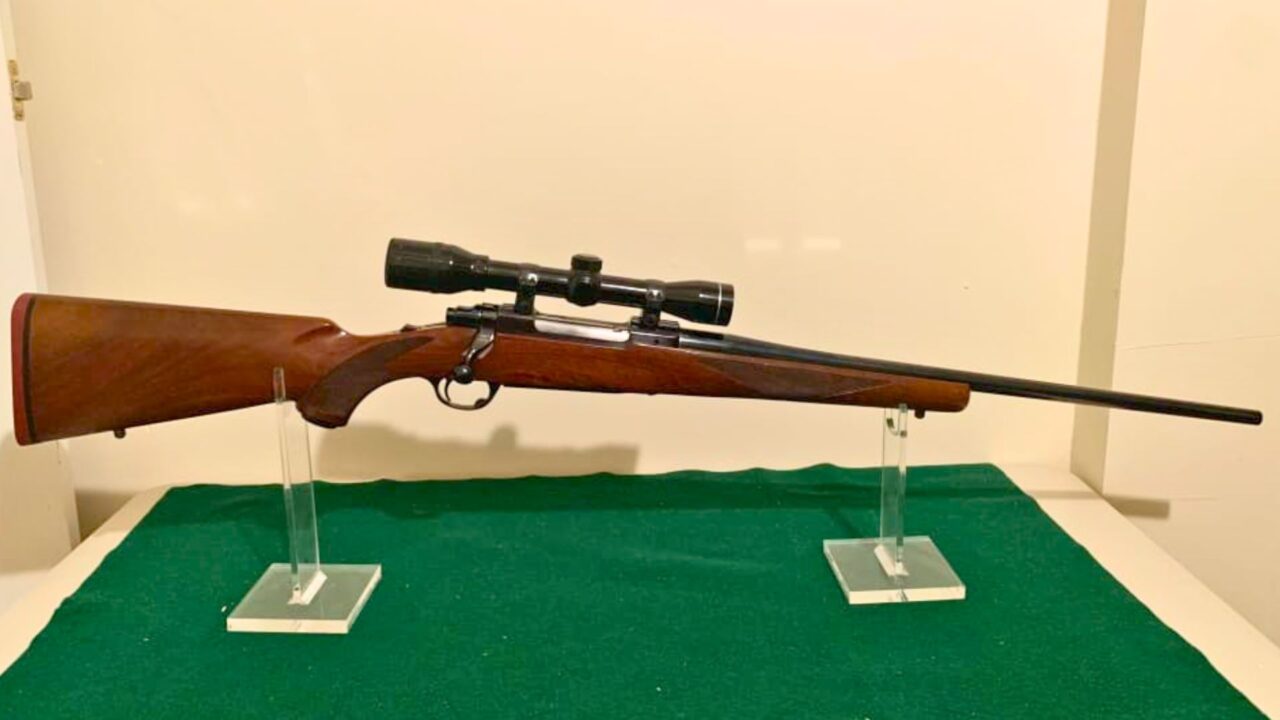
The .375 H&H Magnum is one of the great big-game cartridges in the world. It has history, authority, and legitimate use on large and dangerous game. Owning one can feel like joining a serious hunting tradition.
Then someone takes it deer hunting from a box blind and realizes tradition can be heavy. The rifles are often large, recoil is more than needed for whitetails, ammunition is expensive, and the cartridge is wildly more powerful than most local deer hunting requires. It can absolutely take deer, but that does not make it pleasant or practical as a regular deer rifle. After one real hunt, many owners admit the .375 belongs in a dream safari plan, not necessarily in the weekly whitetail rotation.
.280 Ackley Improved

The .280 Ackley Improved is a genuinely good cartridge. It has excellent balance, strong performance, and a loyal fan base. The hype problem is not that it fails in the field. The problem is that some hunters expect it to feel dramatically better than every cartridge near it.
In real hunting, the difference between a .280 AI, .270 Winchester, 7mm Remington Magnum, .30-06 Springfield, or 6.5 PRC may not feel as dramatic as the online arguments suggest. Ammunition availability can also be more limited depending on location. For handloaders and rifle nerds, the .280 AI can be a long-term favorite. For the hunter who bought it expecting magic, one season may reveal that it is excellent, but not life-changing.
.243 Winchester With Poor Bullet Choice
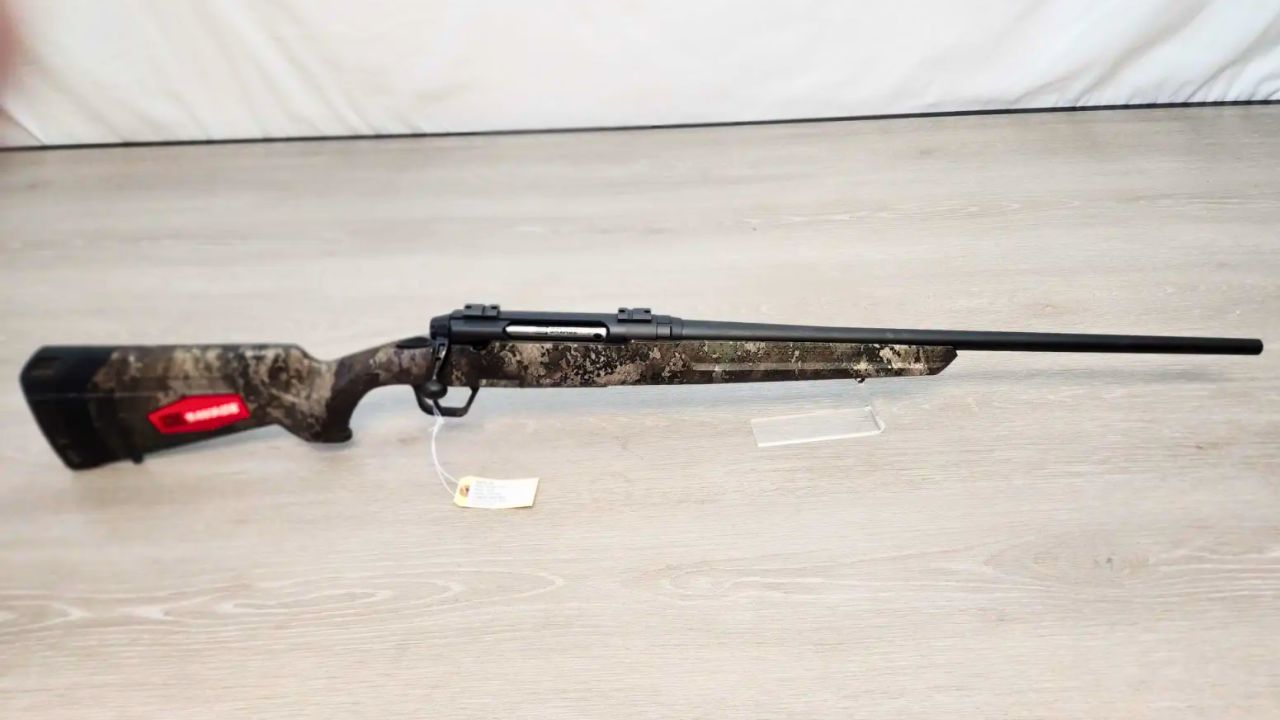
The .243 Winchester is a classic youth and deer cartridge, and it deserves respect. The issue is not the cartridge itself. The issue is hunters using the wrong bullets and then blaming the caliber.
Light varmint bullets may shoot fast and accurately, but they are not the same as proper controlled-expansion deer bullets. A hunter who takes the wrong load into the woods may have a disappointing experience and decide the .243 is not enough. In truth, the cartridge can work very well on deer with appropriate bullets and careful shots. Still, after one bad hunt caused by poor load selection, some people abandon it entirely. The lesson is not always “wrong cartridge.” Sometimes it is “wrong bullet for the job.”
.300 Blackout for Unsuppressed Deer Hunting

The .300 Blackout can be excellent in short barrels and suppressed setups, and it has real utility inside its intended lane. The disappointment comes when hunters buy it expecting a normal deer rifle cartridge in an unsuppressed setup.
Supersonic .300 Blackout can work at close ranges with proper bullets and shot placement, but it is not a .308 Winchester or .30-30 replacement in every sense. Subsonic hunting loads require even more care and specialized bullets. The cartridge’s trajectory and energy limitations matter. After one real hunt, some owners realize their .300 Blackout rifle is fun and handy, but not the main hunting rifle they imagined. It shines in a niche. Outside that niche, the hype fades fast.
.26 Nosler
The .26 Nosler is fast, flat, and dramatic. It offers serious velocity with high-BC 6.5mm bullets, which makes it sound like an open-country hunter’s dream. For certain hunters, it can be exactly that.
But the cost of that speed is real. Ammunition is expensive, barrel life can be shorter than milder rounds, recoil and muzzle blast are sharper than many people expect from a 6.5mm, and not every hunt gives the cartridge room to show off. Many hunters buy it imagining long shots across wide basins, then spend most of their time in places where a more ordinary cartridge would have worked just as well. After one season, the .26 Nosler can feel like a sports car stuck in a school zone.
Like The Avid Outdoorsman’s content? Subscribe to our newsletter so you never miss an article.
Here’s more from us: