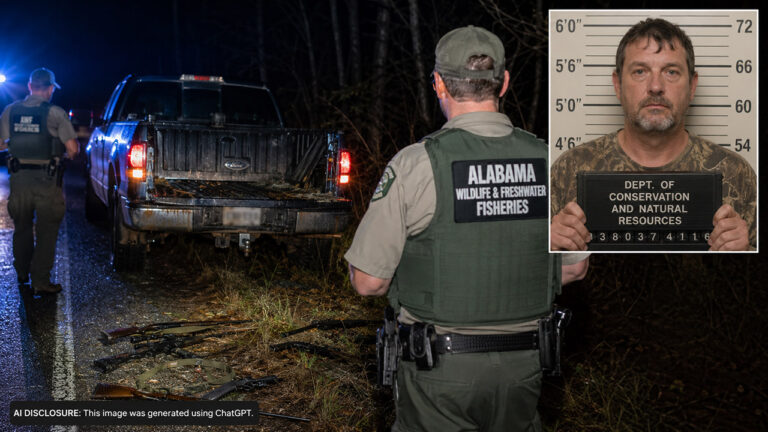
Photo credit: AI-generated image created using ChatGPT. Illustrative only
Every deer hunter knows the sick feeling when a good buck crosses a line at the worst possible time. One Michigan hunter says that’s exactly what happened after he shot what he described as a 10-point that would score north of 150—only this one didn’t end with a handshake and a drag rope. It ended with a neighbor tagging the deer like it was his and hauling it off.
A solid hit turned into a property-line problem
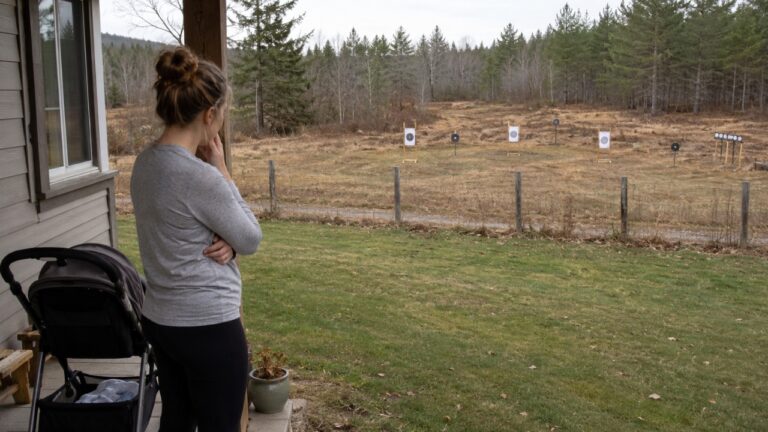
In the hunter’s account, he had exclusive rights to hunt a 40-acre plot. Next door sat a 40-acre corn field under different ownership. After the shot, the buck ran and died in the corn—off the property he was allowed to hunt.
That’s where a lot of hunters get tripped up. You can do everything right up to the trigger pull, but once that animal crosses onto ground you don’t have permission to step on, you’re suddenly dealing with trespass laws, landowner attitudes, and how calm you can stay when your trophy is lying in plain sight.
The call for permission didn’t go the way it should
Instead of just hopping the line, the hunter says he did what most of us would advise: he called the neighboring landowner to ask permission to retrieve the deer. According to his post, the neighbor flat refused and told him if he set foot on the property, police would be called for trespassing.
That’s frustrating, but it’s also a real situation in farm country. Some landowners are fine with recovery. Others aren’t—sometimes because of past problems, sometimes because they don’t like hunters, and sometimes because they want to control every inch of their ground no matter what.
Then the neighbor reportedly tagged the buck and took it
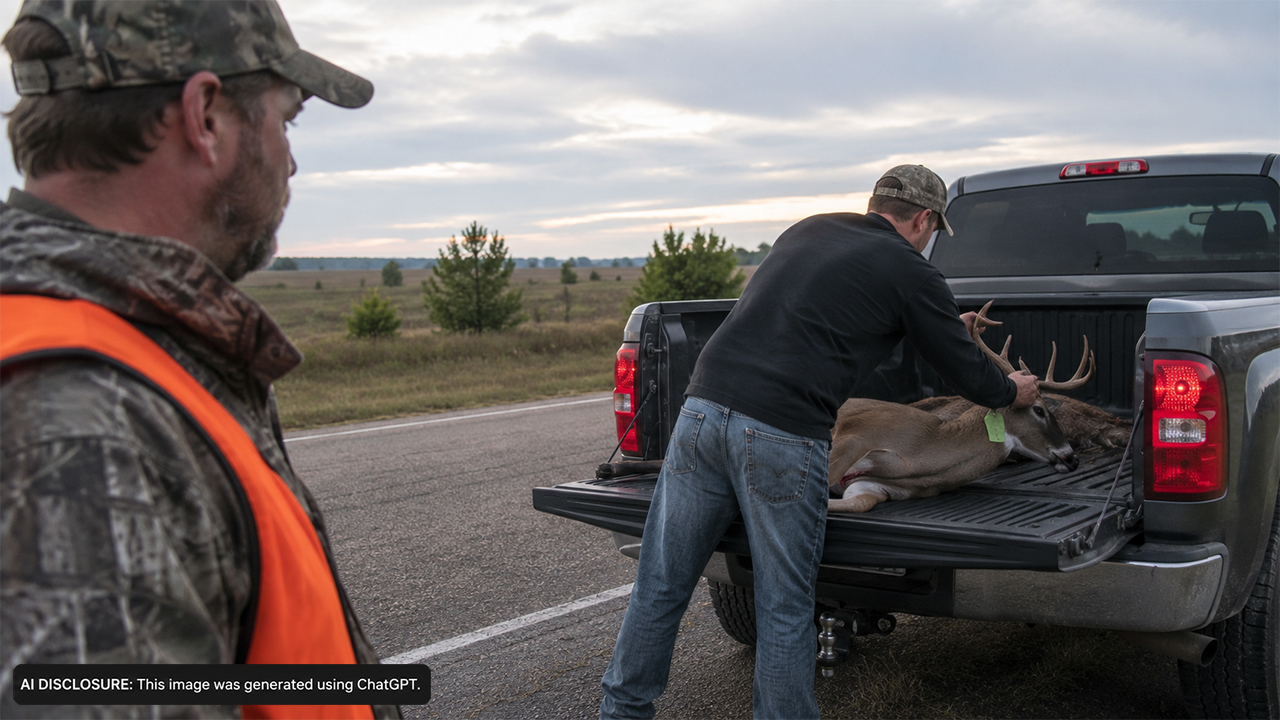
The part that takes this from “bad neighbor” to “something else” is what happened next. The hunter says the neighbor drove his truck down the field, pulled a deer tag out of his pocket, and wrapped it around the antler “as if he shot it.” Then he loaded the deer and took it back to his house.
At that point, the question isn’t just about permission to retrieve a deer. It’s about whether someone can claim another hunter’s animal simply because it died on their side of the line—and whether tagging it makes it “theirs.” The hunter asked if there was any way to get the deer back or if he was simply out of luck. The full account is laid out in the original post.
Why this turns into a game-law issue fast
Most hunters understand two things at the same time: trespassing is real, and so is theft. Even if a landowner can deny access, that doesn’t automatically give them the right to take an animal they didn’t shoot.
In many states, the legal side of “who owns the deer” can come down to details like evidence of the shot, who actually killed it, and whether the animal was lawfully taken. The hunter’s description—especially the neighbor producing a tag and attaching it after the fact—puts a spotlight on the tagging and reporting rules that conservation officers take seriously.
And it matters because a tag isn’t a magic wand. A valid tag is supposed to document a lawful harvest, not help somebody “paper over” a deer they didn’t kill. Whether anything could be proven would hinge on what the hunter could show: where he was hunting legally, where the deer went, and what happened in the field.
The practical options hunters talk about in situations like this
This is where outdoor common sense meets the real world. If a neighbor is already threatening to call the police for stepping onto the field, the worst move is turning it into a face-to-face confrontation on a rural road or field edge. That’s how people get hurt over a deer.
The practical route in a scenario like this is documenting everything you can while keeping your distance: times, locations, boundaries, any witnesses, and any photos you can safely take from where you’re legally standing. If you can see the deer, where it fell, and a truck loading it, that’s the kind of detail that can matter later.
From there, hunters typically think in terms of two separate calls: local law enforcement for the property/theft side and the state conservation officer or game warden for the tagging and take side. A lot of folks don’t realize how often wardens handle neighbor-versus-neighbor deer disputes because the wildlife angle is their lane, and they’re used to sorting out questionable tags and suspicious stories.
The hard lesson: recovery plans should include “the neighbor factor”
Plenty of us have hunted small parcels boxed in by crop fields, and it’s a reminder that a recovery plan starts long before the shot. If you’re hunting a tight 40 and the next property is a half-mile of standing corn, you need to know exactly who owns what and what their attitude is—because deer don’t read plat maps.
If you’ve got permission on one side and uncertainty on the other, it’s worth having the conversation early in the season. Some landowners will grant a simple recovery agreement even if they don’t want anyone hunting. Others will tell you “no” up front, and at least you’ll know the risk before you decide where to sit on a certain wind.
None of that fixes what this hunter says happened. But it’s a strong reminder that the biggest fights in deer season aren’t always about the buck—they’re about lines on the map and people who decide to make those lines personal.
When a neighbor refuses access, you may be forced to walk away from a deer. But if someone tags and hauls off an animal you shot, that’s a different category of problem, and it’s one that usually calls for calm documentation and the right phone call—not a confrontation in the field. The best outcome is getting it handled through the proper channels and keeping yourself safe, because no rack is worth a roadside showdown.
Like The Avid Outdoorsman’s content? Be sure to follow us.
Here’s more from us: