

Photo credit: Susan Holt Simpson/Unsplash.com
Most tackle boxes aren’t “prepared.” They’re overloaded. Dead weight isn’t just stuff you never use — it’s stuff that steals space from what you do use and slows you down every time you re-tie. A lot of this junk ends up in boxes because it looked cool, came in a kit, or someone said it was a “must-have.” If you’re not fishing tournaments every weekend or trying to cover ten species in one day, you can cut a bunch of this and fish better.
Random lure colors you never tie on

Every box has them: weird colors you bought on impulse or got in a bundle. They sit there for two seasons because you don’t trust them, and you don’t want to lose them, so they never see water. That’s dead weight. If you don’t reach for it when the bite is tough, you won’t magically reach for it when the bite is good.
A better system is simple: keep confidence colors and a couple “contrast” colors for dirty water or low light. Everything else is just taking up space and making it harder to find what you actually want. The best tackle boxes are boring and effective.
Giant hard baits you “might try someday”

Oversized glide baits and giant wake baits look awesome in the store. They also take up half a box and usually require heavier gear most anglers aren’t carrying on a casual trip. So they ride around like trophies, never used, because you don’t want to retie and you’re not set up for them anyway.
If you’re not specifically going out to throw big baits, they don’t belong in your everyday tackle. Keep them in a separate box for when you’re actually committed. Otherwise they’re just eating space and messing up your organization.
Cheap snaps and swivels from bargain kits

This is one of the most common kinds of dead weight: hardware you don’t trust. Cheap snaps that open up, swivels that don’t spin, and mystery metal pieces that bend if you look at them wrong. They stay in the box because you know they’re sketchy, but you keep them “just in case.”
If you don’t trust it on a decent fish, it shouldn’t be taking up room. One small pack of quality hardware beats a pile of cheap stuff you’ll never use. Dead weight isn’t always about quantity — it’s about uselessness.
Tons of hook sizes you never use

A lot of anglers carry hooks like they’re running a bait shop. Five sizes of circle hooks, three sizes of baitholders, random tiny trebles, and oddball specialty hooks they don’t even remember buying. If you’re mainly fishing a handful of presentations, most of that isn’t helping you.
You’re better off carrying multiple packs of the hook sizes you actually burn through than carrying a museum of hooks you’ll never tie. Extra variety feels like preparedness, but most of the time it’s just clutter.
Old rusty hooks “for emergencies”

Rusty hooks are the kind of dead weight that feels responsible until you really think about it. If you’re desperate enough to use a rusty hook, you’re already having a bad day — and now you’re using gear that’s weaker and duller by definition. It’s not an emergency plan. It’s a plan to lose fish.
If it’s rusted, toss it. If the point is rolled and you can’t bring it back, toss it. A small pack of good hooks is cheaper than the lures and fish you lose trusting junk.
Dried-out soft plastics

Dried plastics turn stiff, tear weird, and don’t rig straight. They also stop smelling like anything and start feeling like an old rubber band. They stay in tackle boxes because people hate wasting money, but they’re rarely worth fishing once they’re cooked or hardened.
This dead weight also makes your box gross. Old plastics bleed color, stick together, and make it harder to find good baits. Keep what’s still usable. Toss what’s turned into trash.
Ten half-empty bottles of scent

Scent can help sometimes, but most anglers don’t need a whole chemistry set in their box. Half-used bottles leak, get sticky, attract dirt, and stink up everything. Then you stop using them because your hands are coated in slime and your box smells like a bait shop exploded.
If you truly use scent, carry one bottle you like and keep it sealed well. If you don’t use it regularly, it’s dead weight — and it’s making the whole box worse.
Oversized tungsten assortments you never touch

This one shows up when anglers buy variety packs. You end up with sizes you never fish — weights too big for your line, too small to matter, or shapes you don’t like. They sit there because they’re expensive, so you feel guilty throwing them in a drawer at home.
But in the main tackle box, they’re just clutter. Keep the two or three sizes you actually fish often. Put the odd sizes in a separate backup container at home for the rare time you need them.
Duplicate tools you keep “just in case”

Two line cutters, two pairs of pliers, three hook sharpeners, extra scissors, extra everything. If you’re in a boat with storage, fine. But most anglers with a normal tackle setup don’t need duplicates in the main box. It adds weight and steals space, and you still end up grabbing the same tool every time.
Keep one good version of each tool you actually use. Put backups in a glove box, boat compartment, or garage. Your main box should stay efficient, not prepared for every possible apocalypse.
Random bobber assortment you never use

A lot of anglers carry five styles of bobbers because they came in a kit. But if you don’t bobber fish regularly, that whole pile is dead weight. It’s bulky, it rattles around, and it rarely earns its space compared to terminal tackle you’ll use every trip.
If you fish with kids or occasionally float fish, keep a small pack of one style you like. Otherwise, it’s just noise in the box.
“Cool” lures that don’t match where you fish
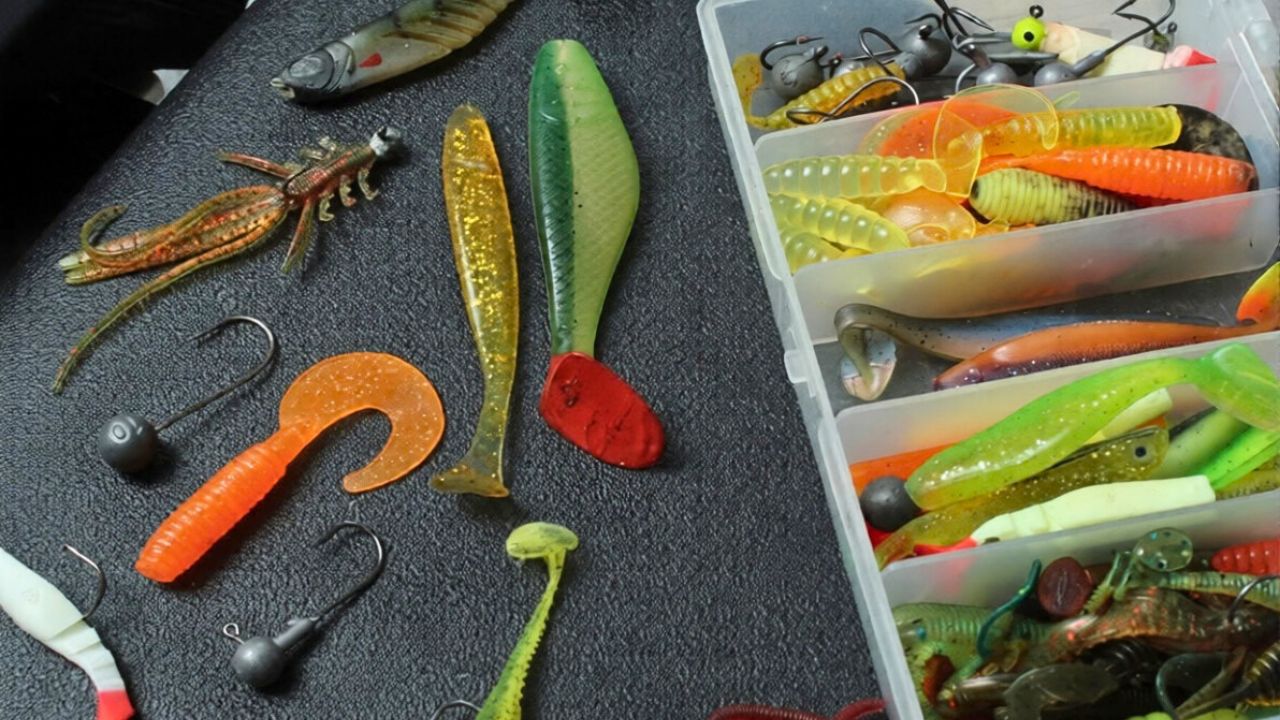
This is the lure version of buying snow tires in Texas. If you fish muddy ponds and small lakes, you probably don’t need a bunch of deep-diving cranks that are designed for 20 feet of water. If you fish weed-choked lakes, you probably don’t need a pile of open-hook hard baits that snag every cast.
Dead weight is often mismatch. Your tackle box should match your water, not your dreams. Keep what works where you actually fish and stop carrying stuff that only works in some imaginary perfect scenario.
Tiny gimmick tools that don’t actually help

Line threading gadgets, knot-tying tools you never learned, hook covers you hate, lure retrievers that don’t work from shore — a lot of these end up in boxes because they sounded helpful. Then they become dead weight because they’re slower than just doing the thing normally.
If you’ve carried it for months and never used it, that’s your answer. Tools earn space by saving time or solving a real problem. If they don’t, they’re just clutter.
Big multi-lure boxes stuffed with “options”

A box that’s stuffed to the brim feels like you’re ready for anything. In reality, it makes you slow. You spend more time choosing than fishing, and you end up second-guessing constantly. That’s not just dead weight — it’s dead momentum.
Most anglers catch more fish when they simplify: a small selection of confidence baits, a few backups, and the terminal to rig them. If your box looks like a garage sale, you’re going to fish like it too.
Old line spools that aren’t the right size anymore
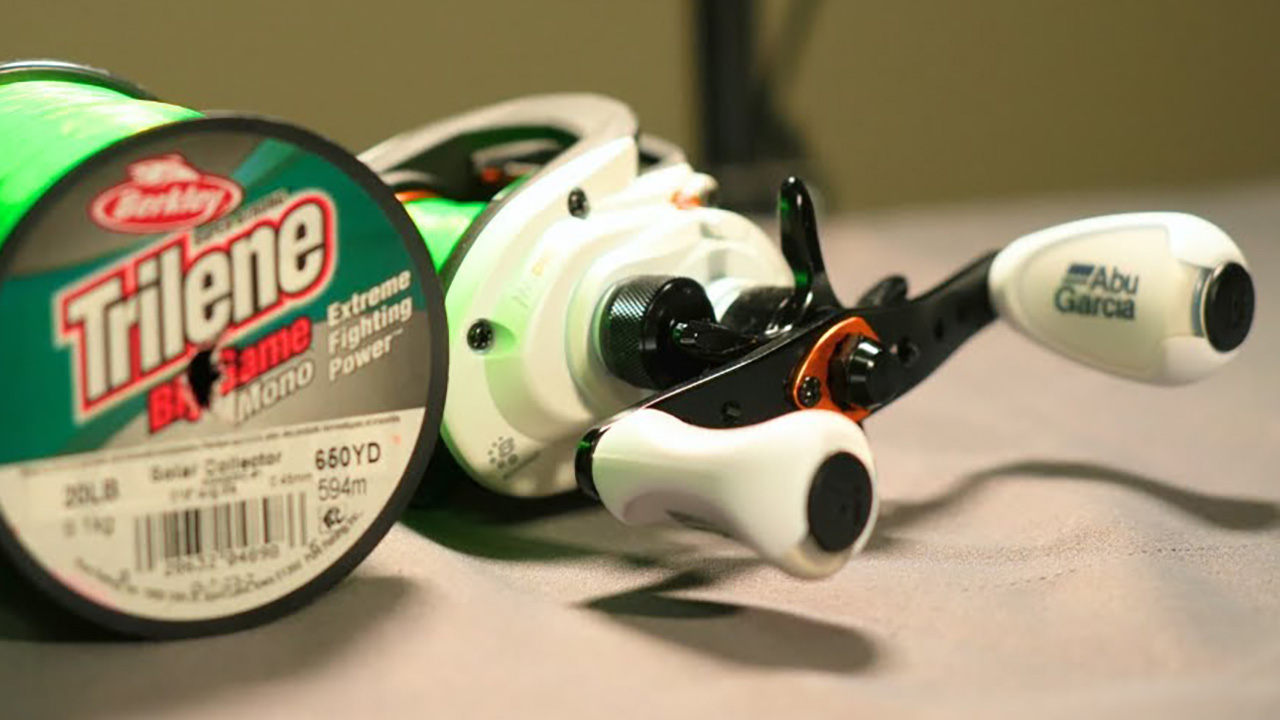
Half spools of random mono and fluoro sizes that don’t match what you run now are common dead weight. You keep them because “line is useful,” but then you never use them because it’s the wrong diameter, it’s old, or you don’t trust its strength anymore.
If it’s not something you’d actually tie on today, get it out of the main box. Keep one small spool of leader material you truly use. Everything else can live at home.
Broken lures you swear you’ll fix

Bent blades, missing treble hooks, cracked lips, broken bills, and baits with rusted split rings. They sit in the box because you feel bad tossing them or you plan to “fix them later.” Later never comes. Meanwhile, they take up space and snag everything.
Here’s the rule: if it can’t be fished today with a quick fix, it doesn’t belong in the working box. Put a “repair bin” at home. Your tackle box should be ready to fish, not a storage unit for future projects.
Like The Avid Outdoorsman’s content? Subscribe to our newsletter so you never miss an article.
Here’s more from us:


