Photo credit: William T Smith/ Shutterstock.com
If all you’re seeing out in the woods is squirrels chasing each other and the occasional nosy raccoon, it might be time for a change of scenery. Some spots are overhunted or never had much going for them in the first place. You can do everything right—camouflage, scent control, calling—and still come home empty-handed because the game just isn’t there.
This list is for hunters ready to go where the odds are better. These places consistently put out results, and I’m not talking about one lucky season either. These are regions where people routinely fill tags and pack coolers.
Southeast Kansas

If you’re chasing mature whitetails and tired of shoulder-to-shoulder pressure, southeast Kansas should be on your radar. It’s got the genetics, it’s got the feed, and the pressure’s light compared to big-name spots like Iowa.
You don’t have to spend a fortune either. There’s decent public land, and private leases aren’t out of reach. It’s the kind of place where you might glass a buck in the morning, make a plan, and tag him that evening. You’re not stuck babysitting a feeder and hoping for luck.
Western Kentucky

Western Kentucky doesn’t get the hype, but it produces year after year. Lots of thick cover, good ag land, and a rut that lines up perfectly with rifle season. That combo works.
Check out Land Between the Lakes. It’s thousands of acres of huntable ground, and it doesn’t get mobbed like other spots. Bucks here are smart, but not impossible. If you can read terrain and play the wind, you’ve got a real shot.
Eastern Montana

Want to glass deer all day instead of watching squirrels? Head to eastern Montana. You’ll see whitetail and muleys, often in the same draw. The terrain’s open, so bring good optics and get ready to walk.
Montana’s Block Management Program opens up a ton of private land. Knock on a few doors, check the maps, and you’ll find spots where you’re the only hunter around. If you’ve never done spot-and-stalk with a rifle, this is the place to start.
Northern Missouri

Missouri flies under the radar, but the northern half has a lot going for it—solid deer numbers, rut timing that lines up with rifle season, and plenty of public land that actually holds deer.
Places like Union Ridge don’t look fancy on a map, but boots-on-the-ground scouting turns up results. This isn’t the Midwest’s secret anymore, but you’re not competing with 50 guys in one patch of woods either. Show up ready, and you can fill tags here.
Central Idaho

Idaho’s not for the lazy. If you want elk here, you’re gonna earn it. Central Idaho is steep, thick, and full of country where bulls can vanish in a heartbeat—but it’s also one of the best spots to get away from the crowds.
Look at units around the Frank Church Wilderness or Salmon-Challis. They’re big, wild, and full of opportunity. The elk are there—you’ve just gotta be able to out-hike the next guy. Bring your legs and your glass, or don’t bother.
Northeast Pennsylvania

This area used to be a joke for deer hunting. Not anymore. The herd’s bounced back, and there are finally some decent bucks hitting the ground up here. It’s still not the Midwest, but you won’t be watching empty woods all week either.
State Game Lands like 57 and 13 have some thick, overlooked country. You’ll run into pressure, sure, but if you’re willing to go farther than most, you can find spots where the deer aren’t all spooked before daylight.
Western Oklahoma

Western Oklahoma’s got more to offer than most think—mule deer, whitetail, and even pronghorn if you play the draws right. The terrain is wide open, but there’s enough cover to make it work if you know how to hunt it.
WMA spots like Packsaddle and Black Kettle are well-managed and worth the drive. Draw odds aren’t great in every unit, but if you pull a tag or hit the right open areas, this place can produce. Don’t overlook it because it’s flat—it’s got game.
Southern Ohio
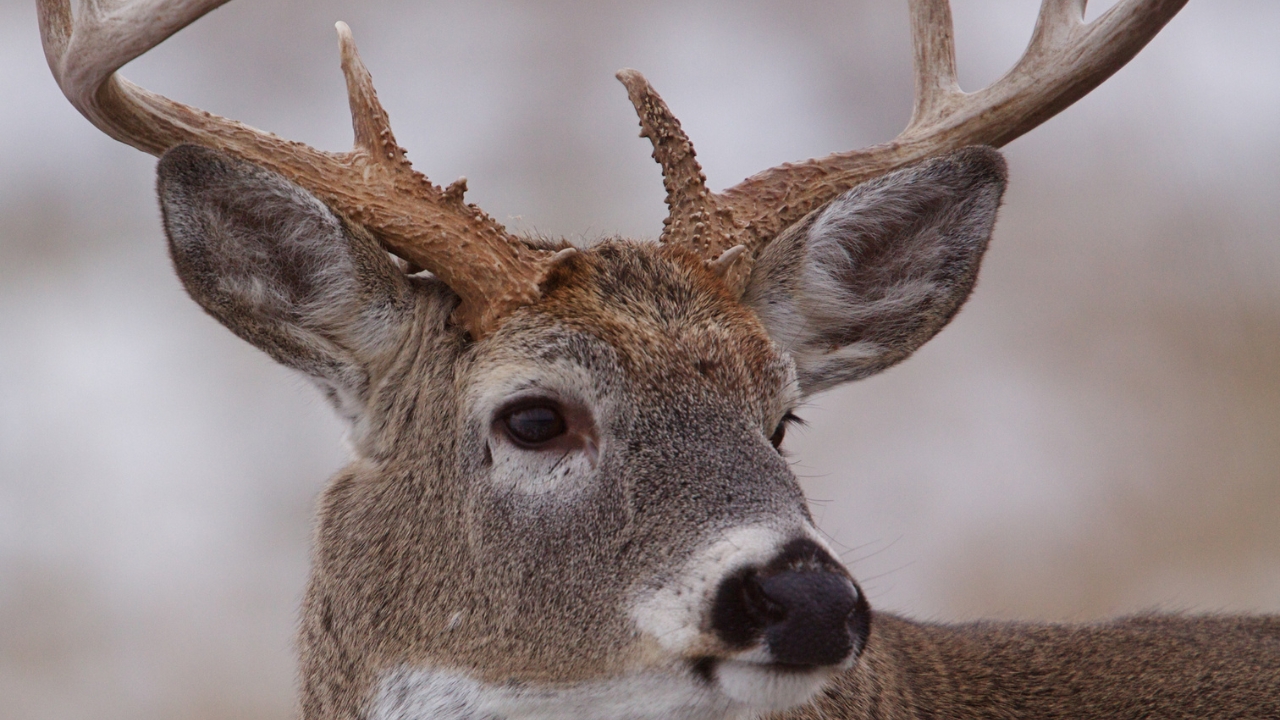
Ohio’s a sleeper for big-bodied bucks, and southern Ohio is where the good stuff lives. Think rolling hills, deep timber, and farms that never make it on Instagram. That’s where the smart deer hang out.
Wayne National Forest has enough room to lose people, and there’s plenty of thick, overlooked pockets. You won’t trip over deer, but the quality’s there. If you hunt smart and stay mobile, you can connect with something worth dragging out.
Central Texas (Hill Country)

If you’re sick of empty woods and just want to see deer, central Texas is your spot. It’s not where the bruisers live, but if you want action, it delivers. You’ll see deer almost every sit.
The Hill Country’s loaded with whitetails. It’s mostly private land, but there are draw hunts and day leases that’ll get you in. Don’t expect a 160-inch buck behind every mesquite, but if your freezer’s empty, this is a solid fix.
South Dakota’s Black Hills

The Black Hills are tough but worth it. You’ve got whitetails, mule deer, and solid access across national forest and public land. If you like to hike and hunt big country, this is your kind of spot.
You’ll want to scout hard and glass even harder. Custer National Forest and the surrounding areas give you options, but you’ve gotta be willing to move. Tags are easy to get, and you won’t be stuck staring at the same patch of nothing all week.
*This article was developed with AI-powered tools and has been carefully reviewed by our editors.