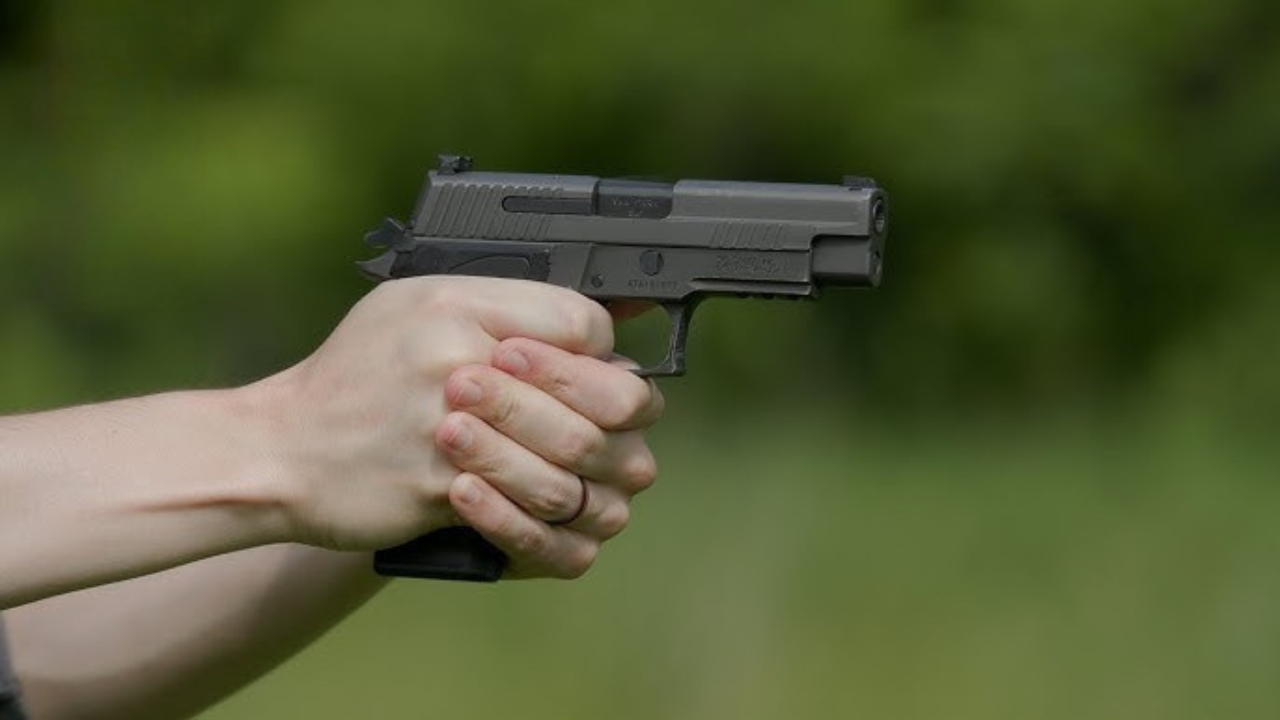
Photo credit: Brownells Inc./YouTube
A handgun can make you look better than you are, or it can tell you the truth fast. Some pistols soak up mistakes, mask a weak grip, and let you get away with a rough trigger press for longer than you should. Others do the opposite. They show you every bad habit you brought to the range. That is not a flaw. In many cases, it is exactly why serious shooters keep coming back to them.
The best training handguns are often the ones that refuse to flatter you. They force you to build a real grip, manage the trigger cleanly, and stay honest through recoil and sight movement. If you do the work, they pay you back with accuracy, speed, and confidence. If you get lazy, they let you know right away. These are the handguns that reward practice and punish sloppy shooting.
Smith & Wesson J-Frame Airweight

A lightweight J-frame will expose weak fundamentals faster than many full-size pistols ever will. The small grip, heavier double-action pull, short sight radius, and brisk recoil all make it a handgun that demands focus. If your trigger press is uneven or your grip falls apart under recoil, the target tells on you immediately. There is very little extra weight or sight radius here to help cover mistakes.
That is exactly why a J-frame can be such a valuable teacher. When you learn to run one well, your trigger control usually improves across the board. You stop slapping the trigger, you stop rushing the sights, and you start paying closer attention to grip pressure. It is not a forgiving platform, especially in an Airweight version, but that is what makes it useful. It turns carelessness into obvious misses and disciplined shooting into real progress.
Ruger LCR .38 Special
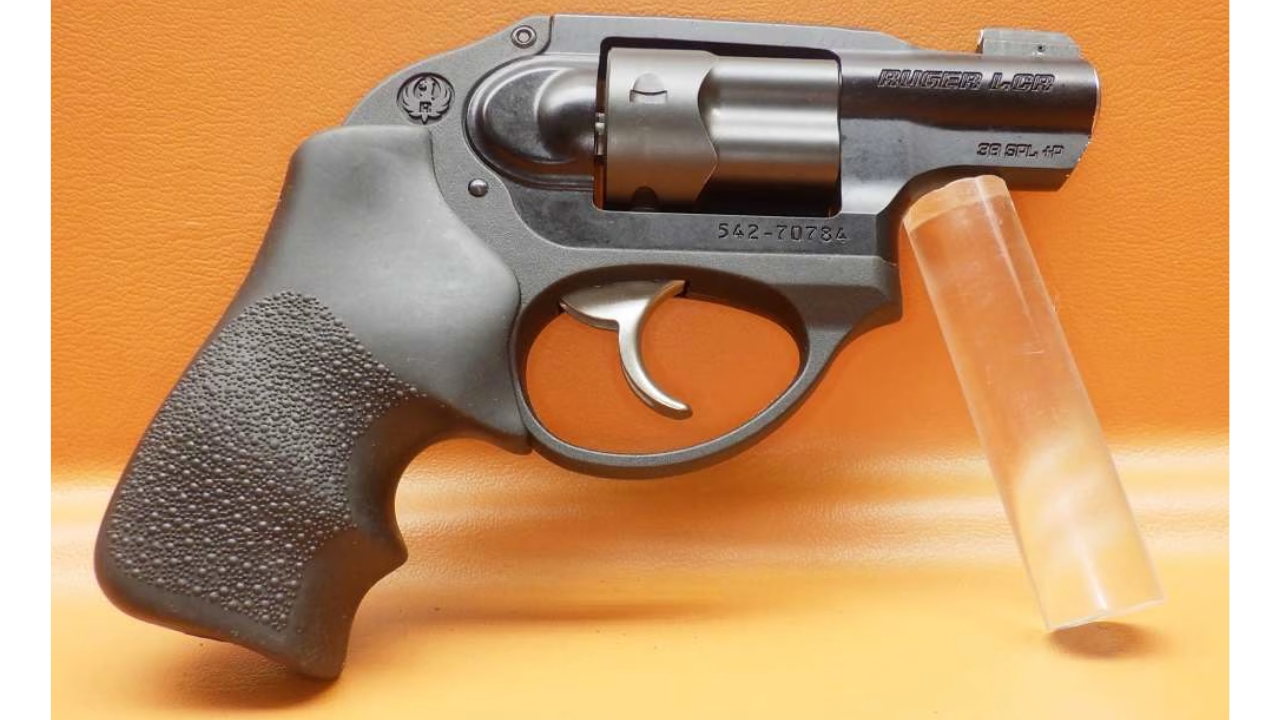
The Ruger LCR has a smoother trigger than many small revolvers, but that does not make it easy. It still gives you the same small-frame realities: limited grip area, noticeable recoil, and a long double-action press that forces you to stay honest. If you try to rush the shot or crush the trigger with uneven finger pressure, the front sight drifts and your hits spread wider than you wanted.
What makes the LCR worthwhile is that it rewards shooters who actually learn the trigger instead of fighting it. If you stage nothing, press cleanly, and keep the sights under control, it shoots better than many people expect. If you get casual and try to run it like a big service pistol, it punishes you fast. It is one of those handguns that teaches you not to confuse a good trigger design with a free pass on fundamentals.
Glock 26

The Glock 26 is often described as easy because it is reliable and familiar, but the smaller grip changes the equation more than many people admit. You have less room to anchor the gun, less margin for a sloppy support hand, and a shorter frame that can magnify grip inconsistency when you start shooting faster. Lazy hand placement shows up fast once the slide starts cycling.
That makes the G26 a very honest carry-sized pistol. If your grip is firm and repeatable, it tracks well and stays surprisingly controllable. If your hands shift, your support hand relaxes, or your trigger press gets careless, the gun starts moving more than you want and the sights stop returning cleanly. It is not difficult in a dramatic way. It is difficult in the useful way, where small mistakes stop hiding and solid practice starts paying off.
Glock 43

The Glock 43 is one of those pistols that looks straightforward until you try to run it fast with precision. It is slim, compact, and easy to carry, but the reduced grip surface and light weight mean it will not forgive poor recoil management. If your grip is weak, you will feel it immediately. If your trigger press gets abrupt, the gun moves enough to make those errors obvious on the target.
That is why the G43 can be a very effective training tool for concealed-carry shooters. It teaches you to build a real firing grip on a smaller frame and to stop relying on gun size to rescue bad technique. Once you learn to track the sights and keep pressure consistent through the shot, the pistol starts making a lot more sense. Until then, it reminds you that small carry guns reward discipline and expose lazy hands.
SIG Sauer P365

The P365 gives you impressive capacity in a very compact package, but that does not mean it flatters sloppy shooting. In fact, its size makes it a very clear teacher. The short grip and lively recoil impulse mean the gun responds quickly to poor grip pressure and rushed trigger work. If you are lazy with your support hand or inconsistent in how you present the gun, your follow-up shots start drifting sooner than you think.
That is why shooters who truly learn the P365 often become better overall. You cannot coast on size, and you cannot expect a tiny gun to settle itself if your fundamentals are loose. When you put in the time, the pistol becomes fast, practical, and very capable. When you do not, it feels twitchy and less cooperative. That is not because the gun is wrong. It is because the gun refuses to hide the work you skipped.
Springfield Hellcat

The Hellcat carries easily and gives you serious capacity for its size, but that compact, high-pressure feel cuts both ways. It is not a handgun that automatically settles down for you. The short grip and brisk recoil mean you need a deliberate grip and real sight discipline if you want consistent speed. If you grip it lazily or let the gun recoil without control, the next shot often takes longer than you expected.
That makes the Hellcat useful in training if you treat it honestly. It pushes you to stop relying on assumptions about “modern carry pistols” and start building actual skill with a micro-compact. When your hands are right and your trigger work is clean, it performs well. When you get casual, it becomes noticeably less pleasant. It is one of those pistols that reminds you a small defensive gun can be effective without ever becoming forgiving.
1911 Government Model

A good full-size 1911 is accurate and shootable, but it also tells the truth about trigger discipline. The light, crisp single-action trigger rewards clean control and punishes careless handling in a different way than striker guns do. If you slap at the trigger or get lazy with follow-through, your shots tend to break before you meant them to. The pistol gives you very little excuse once you understand how it works.
That is why the 1911 remains such a revealing handgun for practiced shooters. It will reward patience, sight focus, and a clean press with excellent results. At the same time, it can expose people who rely on longer, heavier triggers to mask their bad habits. The gun is capable enough that poor hits are usually your fault, not the platform’s. That makes it a terrific teacher for anyone willing to be honest about what the target is showing back.
Colt Commander-length 1911
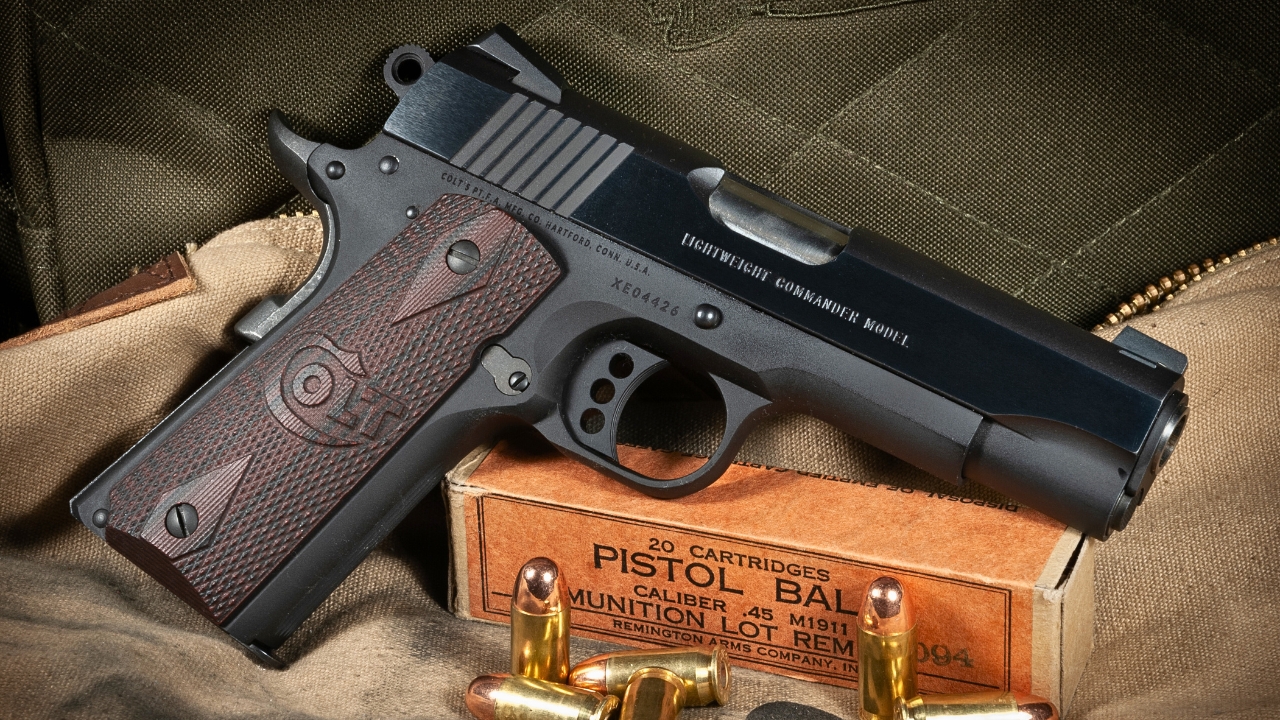
A Commander-length 1911 keeps much of the Government Model’s excellent trigger and handling, but the shorter slide and slightly lighter feel make it a little less forgiving when you start shooting fast. You still have that crisp single-action break, which means poor trigger discipline remains easy to spot. But now you also have a pistol that cycles a little more briskly and asks for a cleaner grip if you want it to return the way you expect.
That combination makes it a strong test of real 1911 skill. If your fundamentals are sharp, it feels quick and precise. If you have been coasting, the shorter format tends to expose it. You cannot rely entirely on the extra weight and long sight radius of a full-size gun to smooth everything out. A good Commander rewards shooters who actually know how to run the platform and reminds lazy shooters that smaller does not mean easier.
SIG Sauer P229 in .40 S&W

The P229 in .40 S&W is one of those pistols that teaches you quickly whether you are truly controlling recoil or merely enduring it. The gun is solid, but the .40 has a sharper impulse than many shooters expect, especially if they are used to cruising along with full-size 9mms. If your grip pressure is inconsistent or your support hand is lazy, the gun makes that obvious in a hurry.
What makes it rewarding is that once you do the work, it becomes very shootable. The weight helps, the DA/SA system teaches discipline, and the sharper recoil impulse forces you to stay locked in. You learn not to let the sights leave your attention between shots. You also learn that shooting “good enough” slowly does not mean much if the gun starts outrunning your fundamentals when the pace increases. It is a very honest teacher for serious shooters.
Beretta 92FS

The Beretta 92FS is soft-shooting for a service pistol, but it still punishes laziness in a different way than many compact carry guns do. Its long double-action first pull, longer reach for some shooters, and need for consistent trigger management make it easy to shoot badly if you get complacent. A lot of shooters love the gun once it is in single action. The real lesson comes when that first shot forces them to be honest.
That double-action press teaches patience, finger placement, and a smooth break under pressure. If you rush it, the front sight wanders and your opening shot tells on you. If you master it, the rest of the gun starts flowing much more naturally. The 92FS rewards practice because it makes you solve a real problem instead of skipping it. Lazy shooters try to outrun the first pull. Good shooters learn to own it and get better because of it.
CZ 75 SP-01
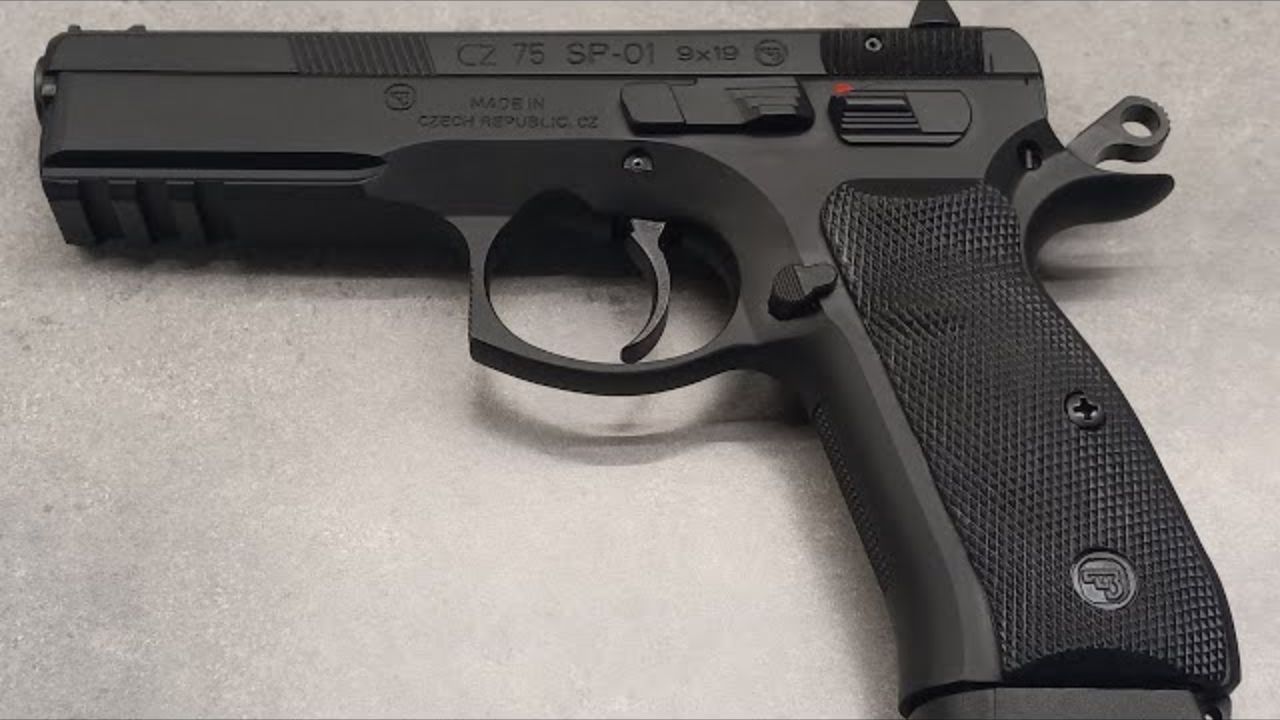
The SP-01 has enough weight and stability to shoot very well, which is exactly why it can be such a revealing handgun. It gives you every chance to succeed, but it also removes excuses. The DA/SA system demands a clean first pull, and the low bore axis means the sights track honestly. If you are still throwing shots or fumbling your transitions, the gun is often telling you the problem is your technique, not the platform.
That is what makes it so rewarding for disciplined shooters. Once you learn the trigger system and stay honest with your grip, the pistol can feel incredibly smooth and precise. If you get lazy, especially on that first shot, your mistakes stand out because the gun itself is capable enough to make them obvious. It does not punish you with harsh recoil. It punishes you by refusing to hide the details you need to fix.
Smith & Wesson Model 686
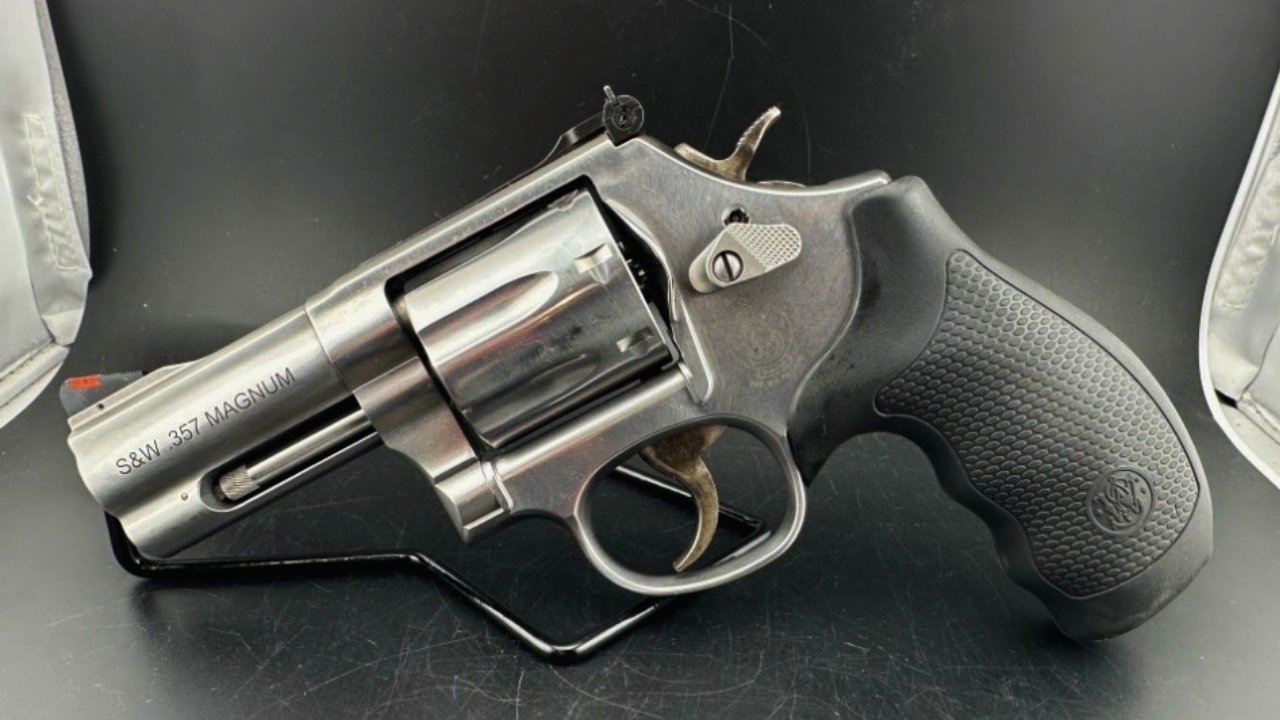
A good double-action revolver like the 686 is one of the purest skill tests in handgunning. The longer, heavier trigger pull forces you to build real control, and the revolver format gives you immediate feedback when your press is uneven. If you yank the trigger, the sights show it. If you milk the grip, the front sight drifts. There is no cycling slide to distract you from the fact that your finger is doing the work.
That is why the 686 rewards practice so well. Once you learn to run the trigger smoothly, your accuracy improves in a way that carries over to almost everything else you shoot. The gun also teaches discipline in sight focus and follow-through, because careless shooting is hard to hide on a revolver. A 686 does not flatter impatience. It rewards the shooter who learns to press through the full stroke cleanly and stay in control from start to finish.
Ruger GP100

The GP100 teaches many of the same lessons as the 686, but with its own feel. It is sturdy, controllable, and very capable, yet it still demands real trigger work if you want to shoot it well in double action. Lazy shooters often assume the revolver’s weight will save them. It will not. If your press is uneven or your grip changes during the pull, the gun makes that clear on the target.
That is why the GP100 remains such a valuable practice revolver. It forces you to stop cheating the trigger and start learning how to run a wheelgun with intention. Once you do, it becomes smoother, faster, and more accurate than casual shooters expect. If you do not, it will keep exposing your habits the same way every trip. It is the kind of handgun that pays back patient work and refuses to reward people who only want shortcuts.
CZ P-07
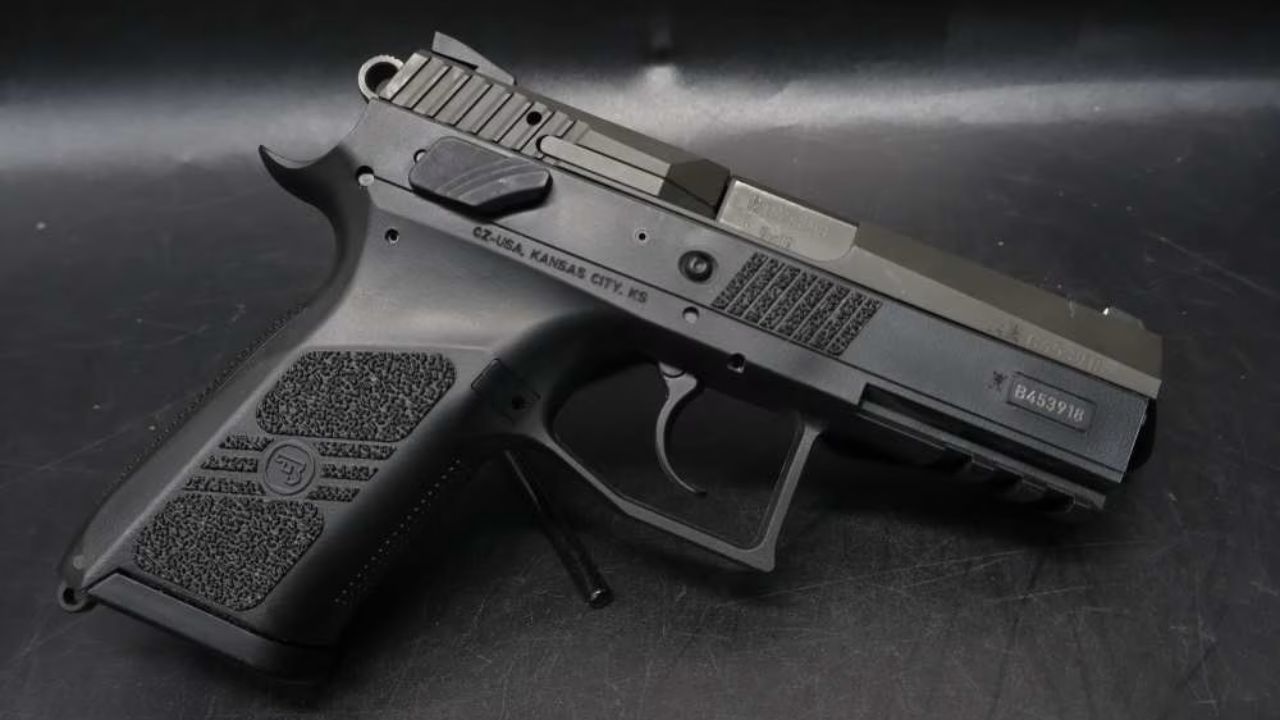
The CZ P-07 is a practical, modern DA/SA handgun that rewards shooters who take the time to learn the trigger system instead of fighting it. The first-shot transition demands a smooth double-action press, and the follow-up single-action pulls require you to stay disciplined through a different feel. If you get lazy and try to treat every shot the same without adjusting, your consistency starts falling apart quickly.
That makes the P-07 useful because it demands real attention without being punishing for the sake of it. The gun is capable, accurate, and controllable, but it wants you to manage the system honestly. Lazy shooters tend to rush the first pull or get sloppy in the transition. Shooters who practice with intent end up with a pistol that runs fast and clean. It is one of those handguns that teaches you to be deliberate and exposes shortcuts almost immediately.
Walther PPK
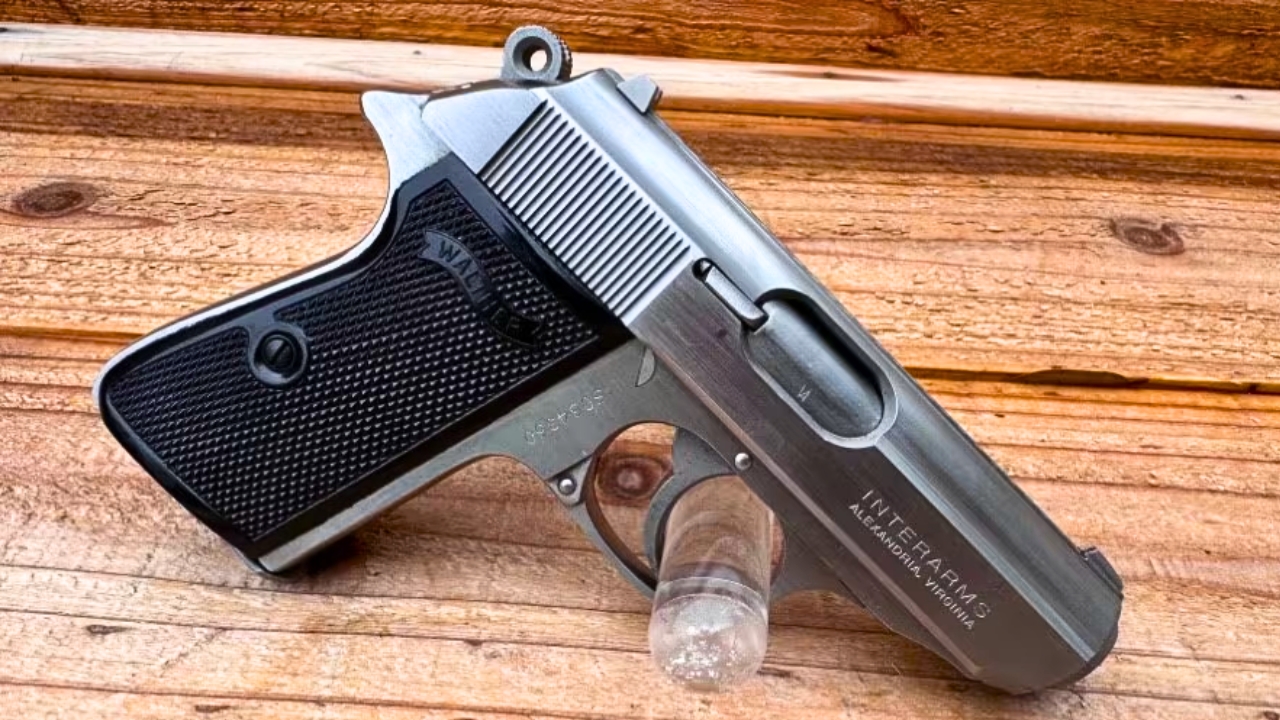
The Walther PPK is often admired for its history and profile, but it is not a handgun that flatters weak technique. The double-action pull is long, the grip is small, and the blowback recoil impulse feels sharper than many first-time shooters expect for the cartridge. If your grip is weak or your trigger control is rough, the pistol makes that obvious in a hurry. It is not a gun that lets you coast.
That is exactly why it can be a revealing practice tool. The PPK forces you to pay attention to hand placement, trigger discipline, and recoil control in a compact format that does not help much if you get careless. You cannot bully it into looking better than your skill level. If you stay patient and do your part, it rewards you with surprisingly solid performance. If you do not, it reminds you very quickly that style and easy shooting are not the same thing.
Glock 34

The Glock 34 is often described as easy because it is long, stable, and very capable, but that does not mean it rewards sloppy work. What it really does is remove excuses. The longer sight radius, mild recoil behavior, and competition-friendly feel mean the gun is built to perform. If you are still missing, slapping the trigger, or losing the sights under speed, the pistol is telling you that the problem is almost certainly you.
That is what makes it such a strong training handgun. It rewards clean fundamentals with excellent results, but it also punishes lazy shooting by exposing it in a platform that offers plenty of mechanical help already. You do not get to blame size, sights, or recoil very easily. Once you start shooting a G34 well, it is usually because your grip, trigger control, and visual patience have all improved. That is the kind of handgun that makes honest shooters better.
Like The Avid Outdoorsman’s content? Subscribe to our newsletter so you never miss an article.
Here’s more from us: