Photo credit: A.R. American/YouTube
Some hunting cartridges sound great until you start buying ammunition for them. The rifle may be powerful, accurate, and impressive on paper, but none of that helps much if every range trip feels like you are burning money one trigger pull at a time.
That is where expensive calibers start working against hunters. High ammo prices mean less practice. Less practice means worse shooting. Worse shooting means longer tracking jobs, missed chances, and freezers that stay empty. These calibers can absolutely work, but they can also drain a hunting budget long before they put meat on the table.
.28 Nosler

The .28 Nosler is a serious performer, but it is not cheap to feed. It shoots flat, hits hard, and carries high-BC 7mm bullets well, which makes it tempting for elk, mule deer, sheep, and long-range hunters. The problem is that factory hunting ammo often costs several dollars per round, and some current 20-round boxes run around the $75 to $105 range depending on load and retailer.
That gets painful fast when a hunter actually practices. A box or two to zero, another box to confirm dope, and a few more range sessions can add up before season even opens. The .28 Nosler is capable, but it is also the kind of cartridge that makes every miss feel expensive.
.26 Nosler
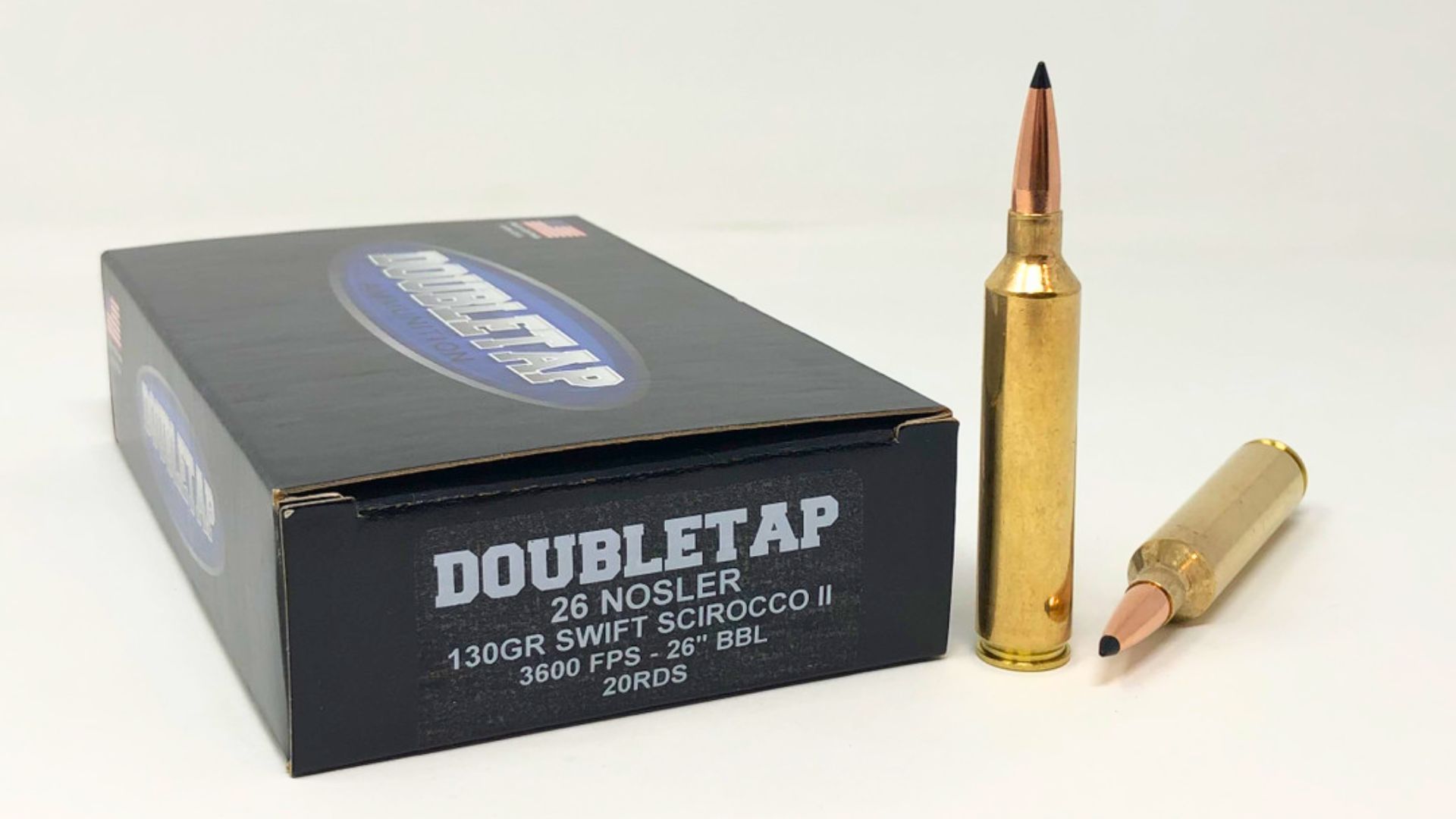
The .26 Nosler was built for speed, and speed usually comes with a price tag. It pushes 6.5mm bullets very fast and can be deadly on deer, antelope, sheep, and similar game. But factory ammo is not something most hunters find piled high at small-town stores.
Current ammo search listings show .26 Nosler options commonly starting around a few dollars per round and stretching much higher depending on load. That means the hunter who buys one has to plan ahead, buy online when available, and accept that casual practice will cost more than it would with something like .270 Winchester or .308 Winchester.
.30-378 Weatherby Magnum
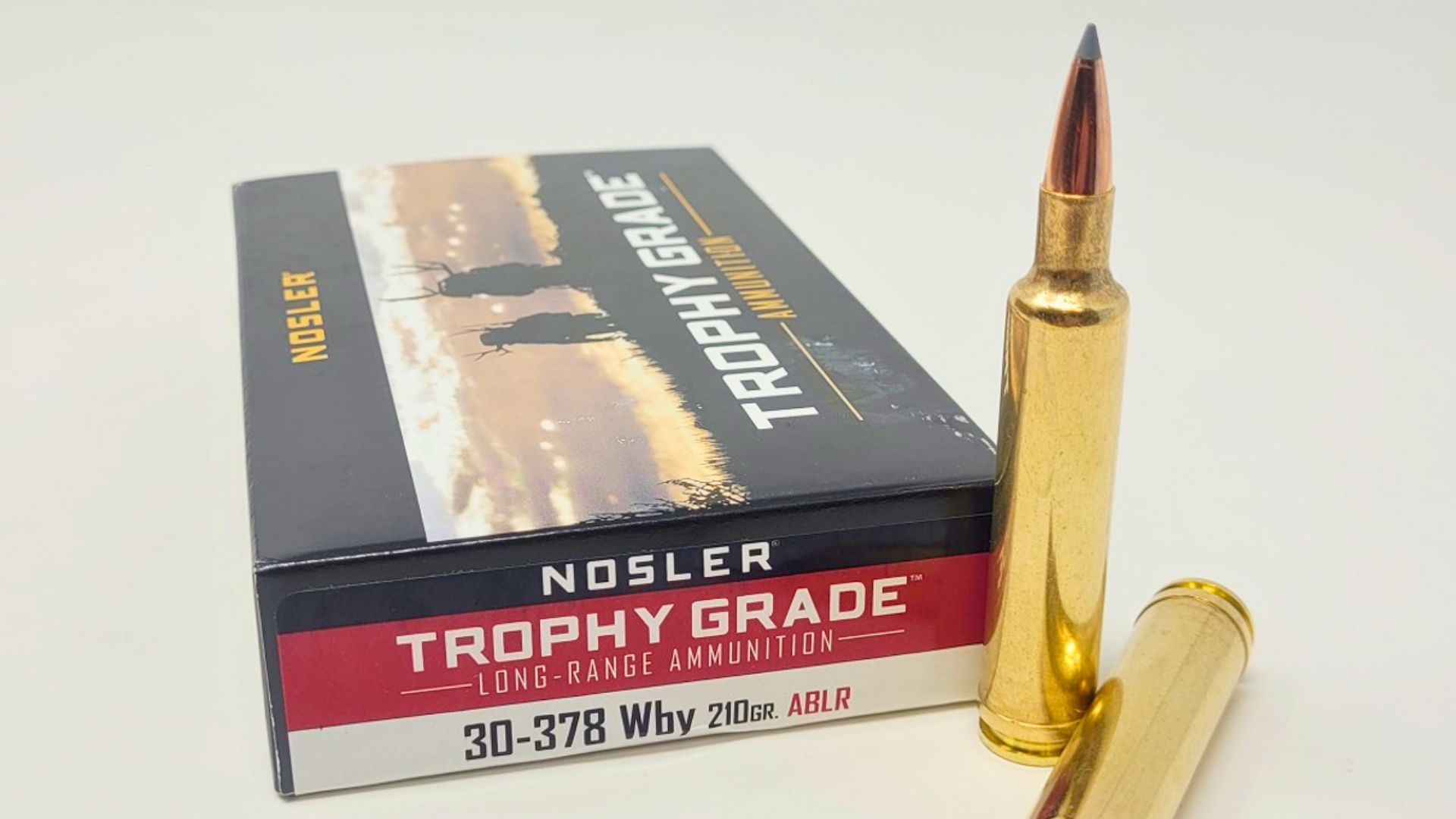
The .30-378 Weatherby Magnum might be one of the easiest ways to turn a range day into a financial event. It is one of Weatherby’s extreme long-range .30-caliber cartridges, and Weatherby describes it as one of the fastest .30-caliber cartridges ever developed.
The cartridge is impressive, but the cost is rough. Even unprimed Weatherby brass can be expensive, with Weatherby listing .30-378 brass in 20-count boxes at a wide premium price range. If empty brass already makes you wince, loaded ammunition is not going to feel friendly. For most deer and elk hunters, it is far more horsepower and expense than they need.
.338-378 Weatherby Magnum

The .338-378 Weatherby Magnum is built for long-range impact on big game, and Weatherby markets it as a high-energy magnum for extreme downrange performance. That sounds great until you start paying to shoot it enough to be good with it.
AmmoSeek listings have shown .338-378 Weatherby Magnum ammunition ranging from roughly $6 to more than $10 per round, depending on load and availability. That is hard to swallow for any hunter who wants regular practice. It may fill a tag in the right hands, but it will empty a wallet quickly in the process.
.338 Lapua Magnum
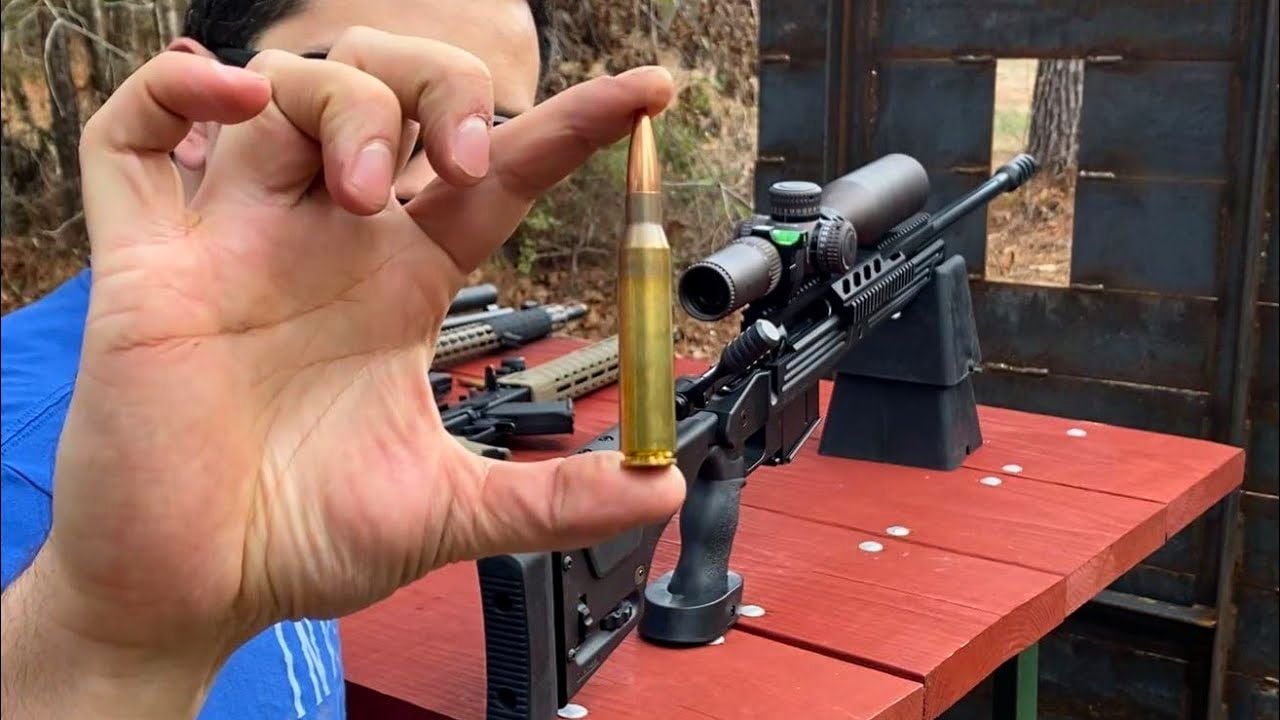
The .338 Lapua Magnum is not really a normal hunting cartridge, even though some hunters try to use it that way. It is powerful, accurate, and respected for long-range work. It is also expensive, loud, heavy-recoiling, and usually chambered in rifles that are not exactly cheap mountain companions.
For most hunters, the price of the ammunition alone is enough to make practice rare. That is a problem because this cartridge demands real skill. If someone is not shooting it regularly from field positions, the extra horsepower does not mean much. A hunter chasing deer or elk at normal distances can usually spend less and shoot more with a .300 Win. Mag., .30-06, or 7mm Rem. Mag.
.300 PRC

The .300 PRC is a well-designed modern magnum, but it still lives in the expensive side of the aisle. It was built around long, heavy .30-caliber bullets and long-range consistency. That makes it appealing for elk, mule deer, moose, and open-country hunting.
The issue is that the average hunter may not use enough of its advantage to justify the cost. Factory ammo is usually much pricier than common hunting rounds, and rifles set up to take advantage of it often cost more too. If a hunter mostly shoots inside 300 yards, the .300 PRC may spend more money than it saves in confidence.
.300 Remington Ultra Magnum

The .300 Remington Ultra Magnum gives hunters plenty of speed and power, but it does not do anything cheaply. It burns a lot of powder, kicks hard, and tends to be expensive to feed compared with more common .30-caliber hunting cartridges.
That matters because many hunters buy a cartridge like this for elk and then avoid practicing with it. The ammo costs too much, the recoil is not fun, and range sessions turn into a few cautious shots instead of real work. A cartridge that discourages practice can hurt a hunter more than it helps.
.300 Weatherby Magnum

The .300 Weatherby Magnum has a long record as a powerful hunting cartridge, but Weatherby performance usually comes with Weatherby pricing. It is fast, flat-shooting, and capable on deer, elk, moose, and big open-country game.
The problem is that many hunters use it for jobs that cheaper cartridges handle just fine. A whitetail inside 150 yards does not require premium magnum ammo. If the rifle only comes out for a short zero check because ammo costs too much, the hunter would probably be better off with a cartridge they can shoot more often.
.257 Weatherby Magnum
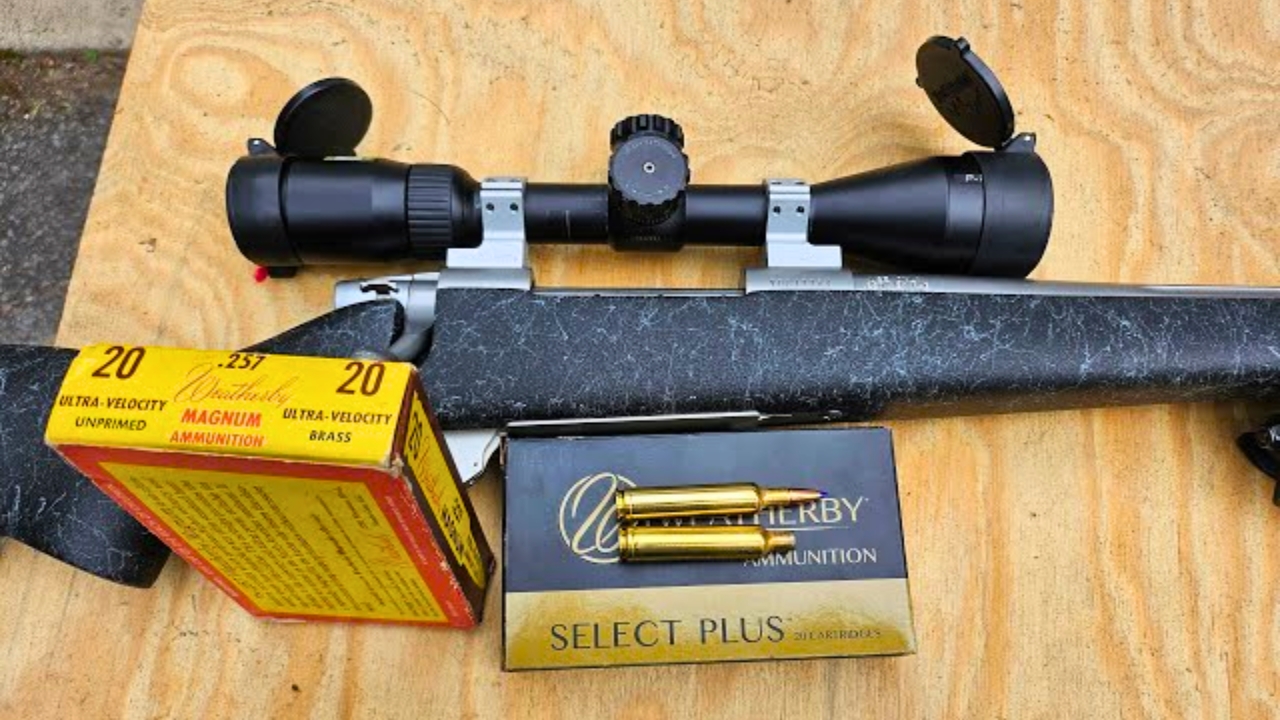
The .257 Weatherby Magnum is one of the coolest deer and antelope cartridges ever made, but cool does not mean cheap. It is fast, flat, and deadly with the right bullet. It also tends to cost more to feed than common quarter-bore and 6.5mm hunting rounds.
For hunters who love speed and open country, the .257 Weatherby has real appeal. But if the goal is putting venison in the freezer without draining the bank account, it is hard to justify over .25-06 Remington, .270 Winchester, or 6.5 Creedmoor. Those may not have the same flash, but they make practice cheaper and easier.
.240 Weatherby Magnum
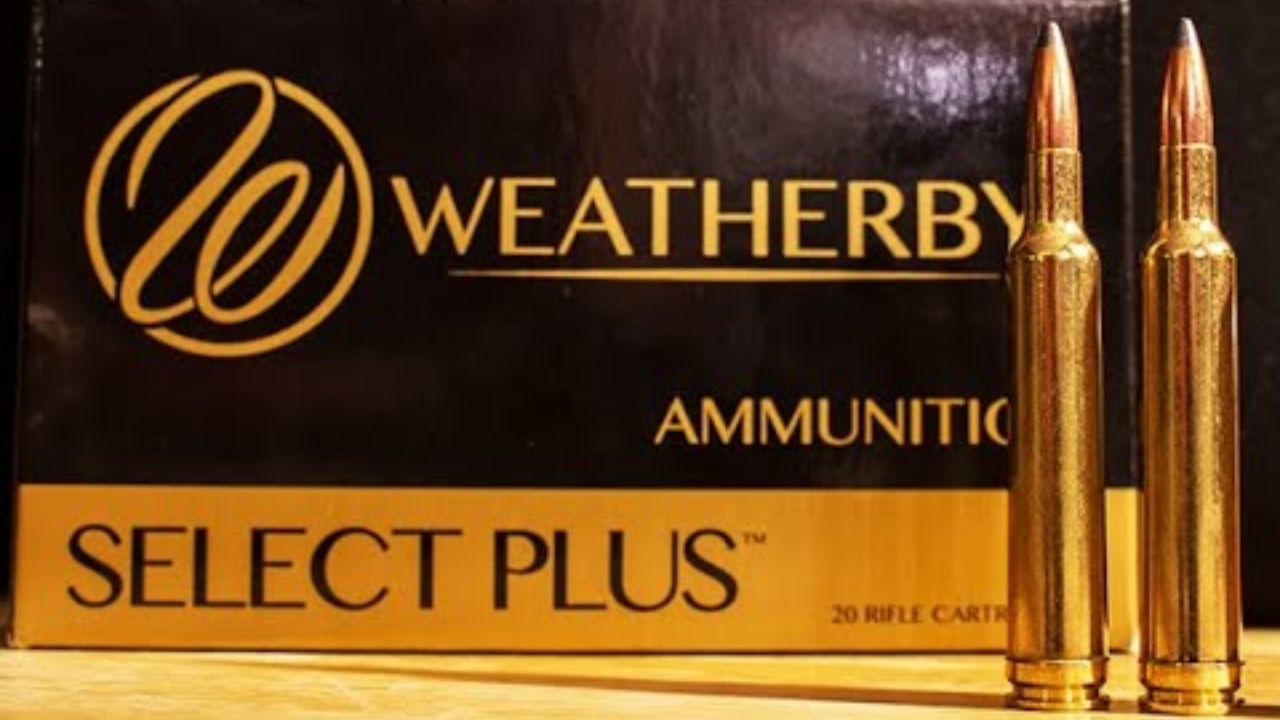
The .240 Weatherby Magnum is a neat cartridge, but neat cartridges often punish the wallet. It offers high velocity in a small-bore hunting round and can work well on deer, antelope, and similar game. The problem is that it is tied to a smaller ammo ecosystem.
A hunter with a .240 Weatherby usually has to think ahead. Local ammo availability may be limited, and factory loads are not priced like basic .243 Winchester. That makes it a hard cartridge to recommend for someone trying to hunt affordably. It performs, but it does not make cheap meat.
6.5-300 Weatherby Magnum
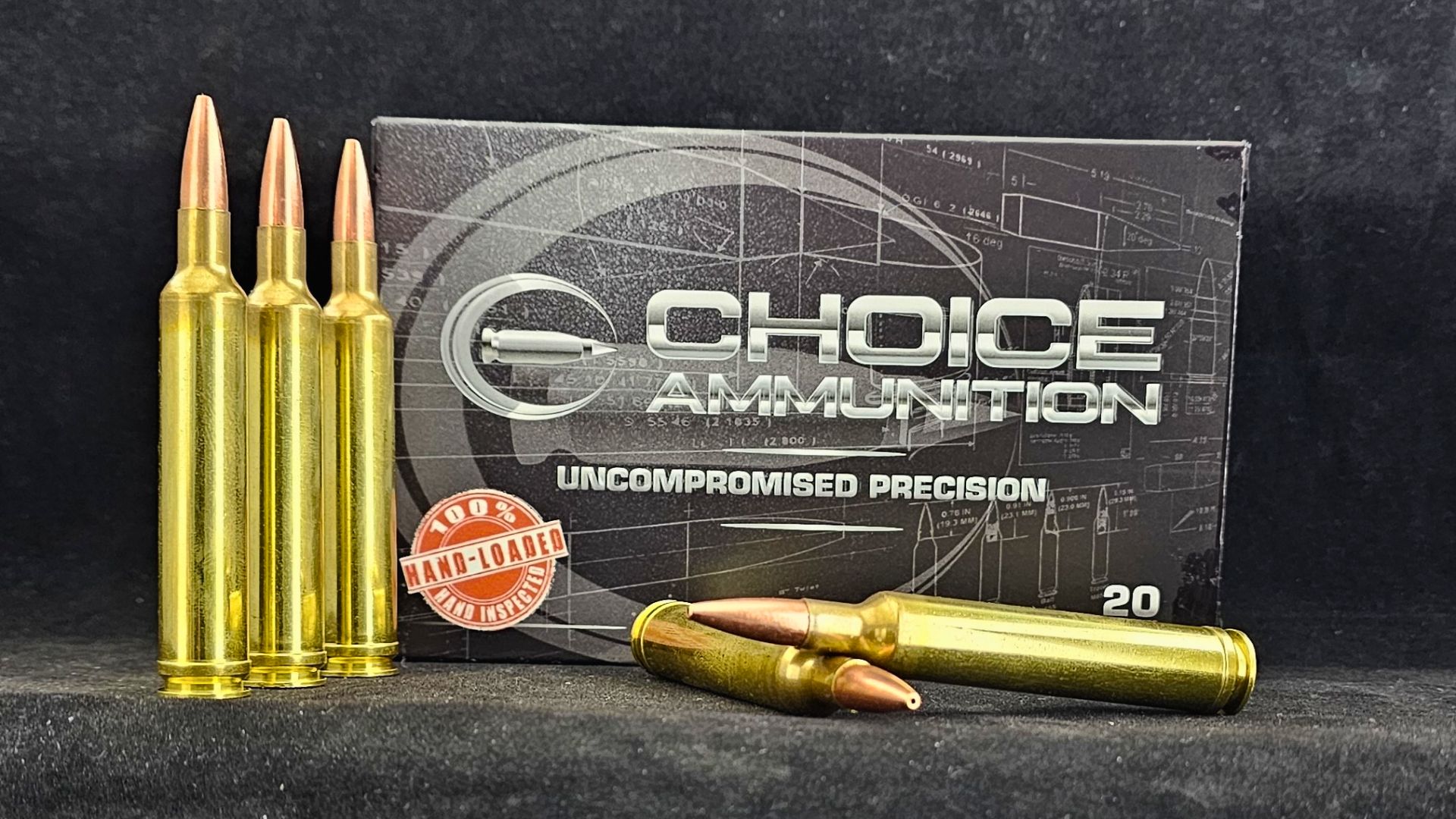
The 6.5-300 Weatherby Magnum is fast enough to make ballistic charts look exciting. It pushes 6.5mm bullets at extreme speed and gives open-country hunters a very flat-shooting option. But extreme speed almost always costs more somewhere.
The money goes into expensive ammo, more powder, more barrel wear, and more careful rifle setup. It can be deadly on deer, antelope, and mountain game, but a hunter who cannot afford to practice with it is giving up the biggest advantage of owning it. For most people, a 6.5 PRC or 6.5 Creedmoor is easier to live with.
.340 Weatherby Magnum
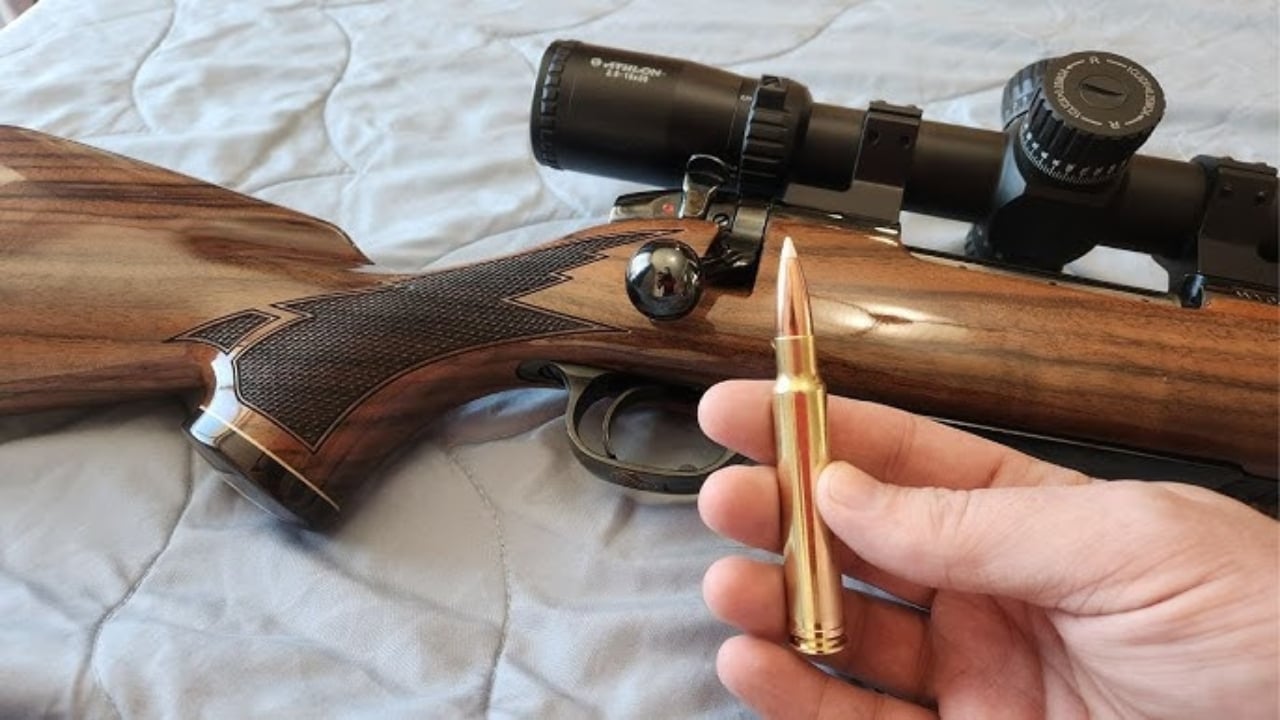
The .340 Weatherby Magnum is a legitimate big-game cartridge, especially for elk, moose, and larger animals. It throws heavy bullets with authority and gives hunters confidence on tough game. It also carries the usual big Weatherby costs.
Ammo is expensive, recoil is heavy, and rifles chambered for it are not something most hunters buy casually. For a once-in-a-lifetime hunt, that may be acceptable. For filling a freezer every year, it is a lot of money and recoil when milder cartridges can do the job with better practice habits.
.375 H&H Magnum
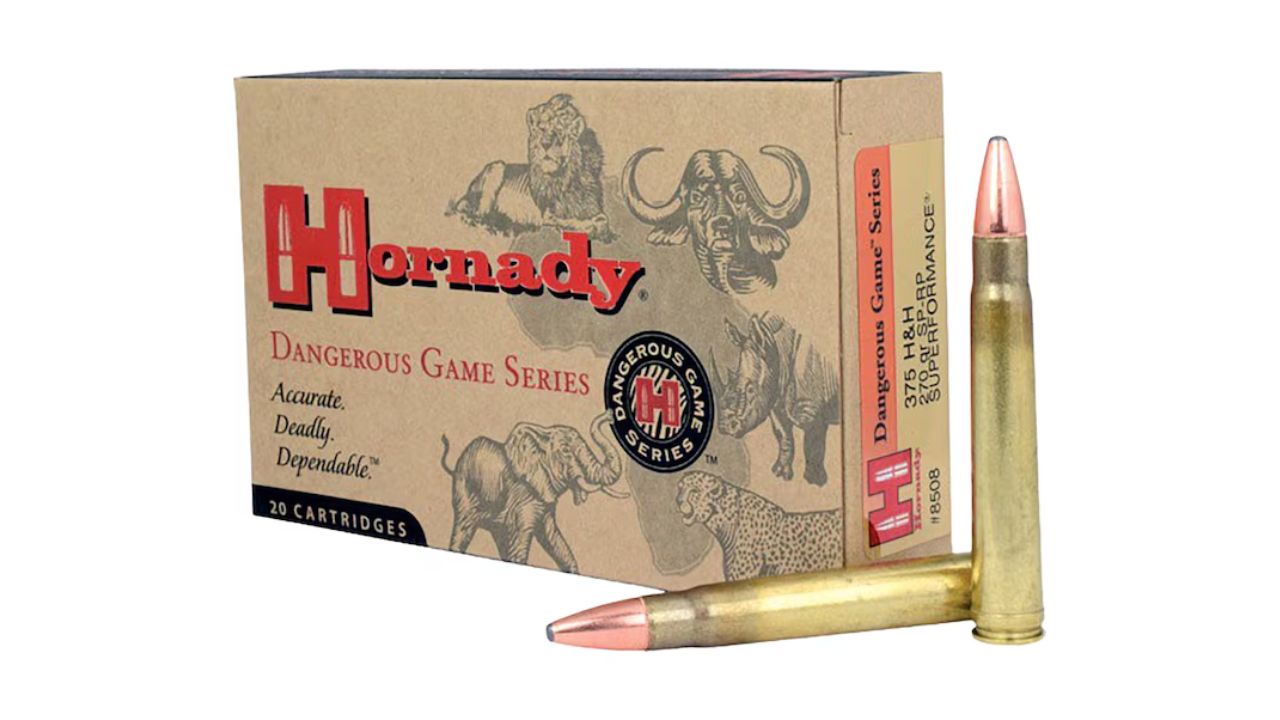
The .375 H&H Magnum is one of the great dangerous-game cartridges, but most freezer hunting is not dangerous-game hunting. It is powerful, respected, and capable all over the world. It is also expensive to feed and usually more rifle than deer, hogs, or normal elk require.
The .375 H&H makes sense if big bears, buffalo, or heavy game are on the menu. For a whitetail hunter trying to stock the freezer, it is like driving a dump truck to pick up groceries. It will get there, but the operating cost makes no sense.
.416 Rigby
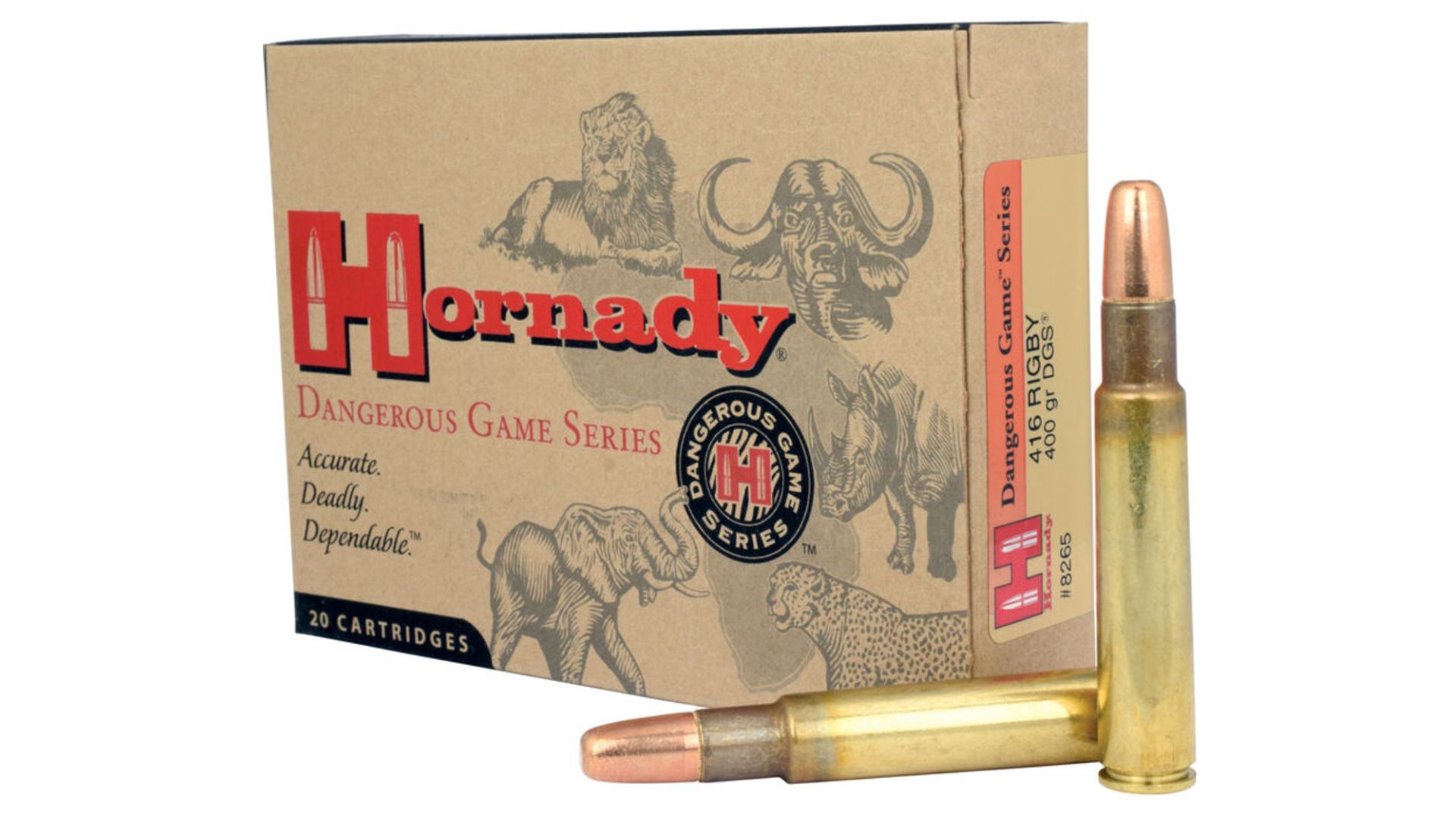
The .416 Rigby is a classic dangerous-game cartridge, and it deserves respect in that world. But for ordinary hunting, it is one of the fastest ways to spend a lot of money while gaining very little practical benefit. The ammo is expensive, the rifles are expensive, and the recoil is far beyond what most hunters want.
This is not a cartridge for filling a freezer with deer meat. It is a cartridge for buffalo, big bears, and serious dangerous-game hunts. Unless a hunter is actually doing that, the .416 Rigby is more about owning an impressive rifle than bringing home affordable meat.
.458 Lott
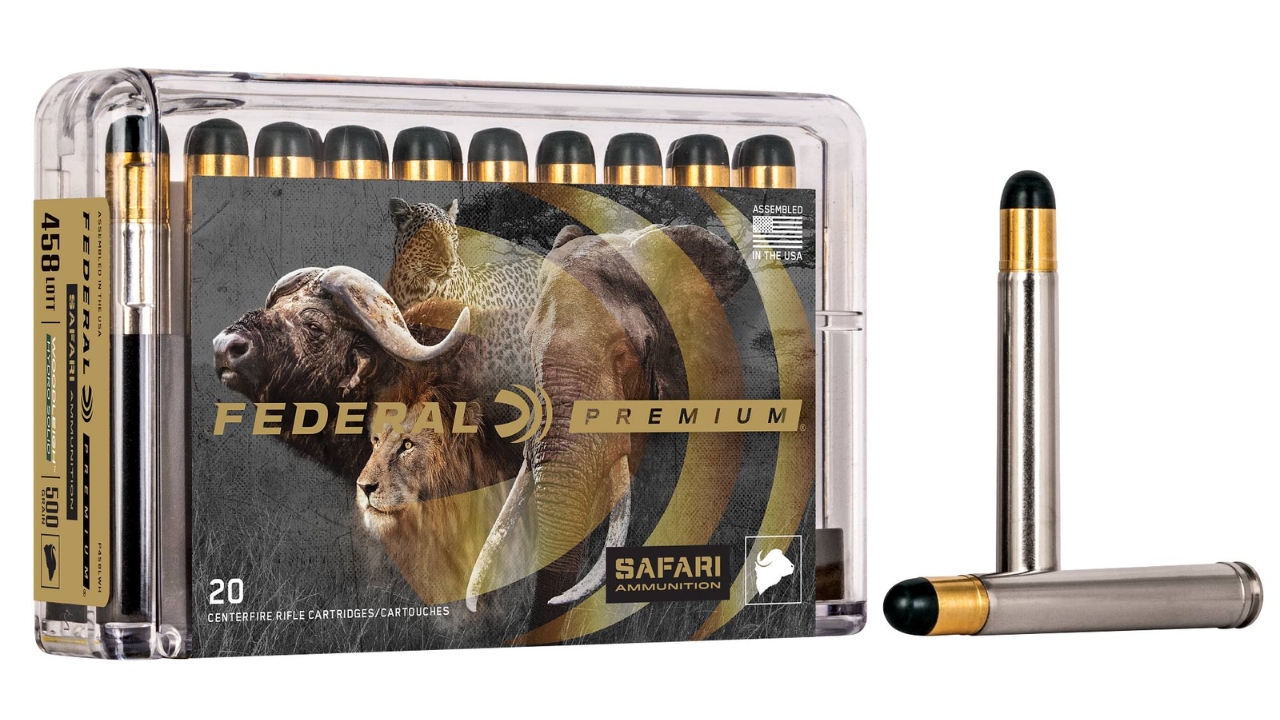
The .458 Lott is built for heavy, close-range dangerous-game work. It throws big bullets, hits hard, and exists for situations where normal hunting rifles are not enough. That is also why it is ridiculous for most hunters trying to fill a freezer.
Every part of owning one costs more. Ammo costs more, practice hurts more, and the rifle itself is not something most people carry for whitetails or hogs. It is a serious tool for a narrow job. For normal hunting, it is a wallet-draining bruiser.
.470 Nitro Express
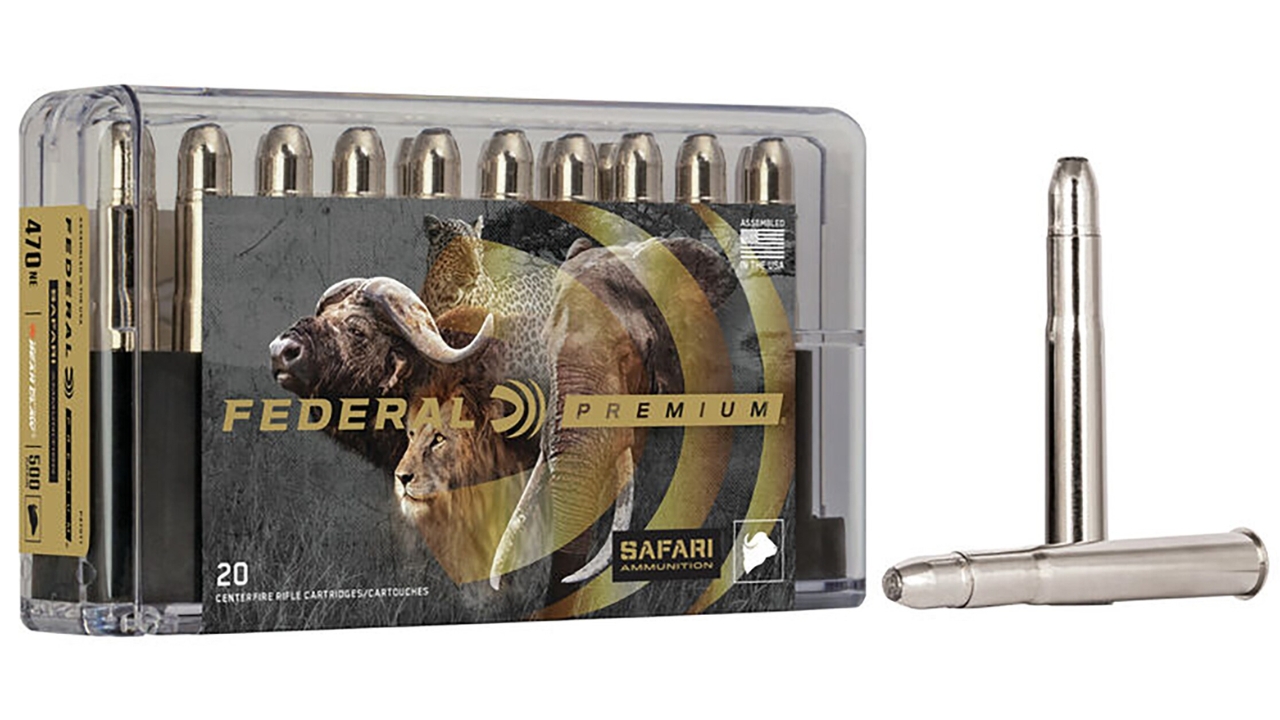
The .470 Nitro Express belongs in double rifles and dangerous-game country, not in a discussion about affordable meat hunting. It is powerful, historic, and impressive in every expensive way possible. The rifles are expensive, the ammunition is expensive, and the whole setup exists for a world most hunters will never enter.
A hunter can admire the .470 Nitro Express without pretending it makes sense for freezer meat. It is not built for cheap practice or casual range days. It is built for close-range authority on the largest game. For deer camp, it is financially absurd.
.500 Nitro Express
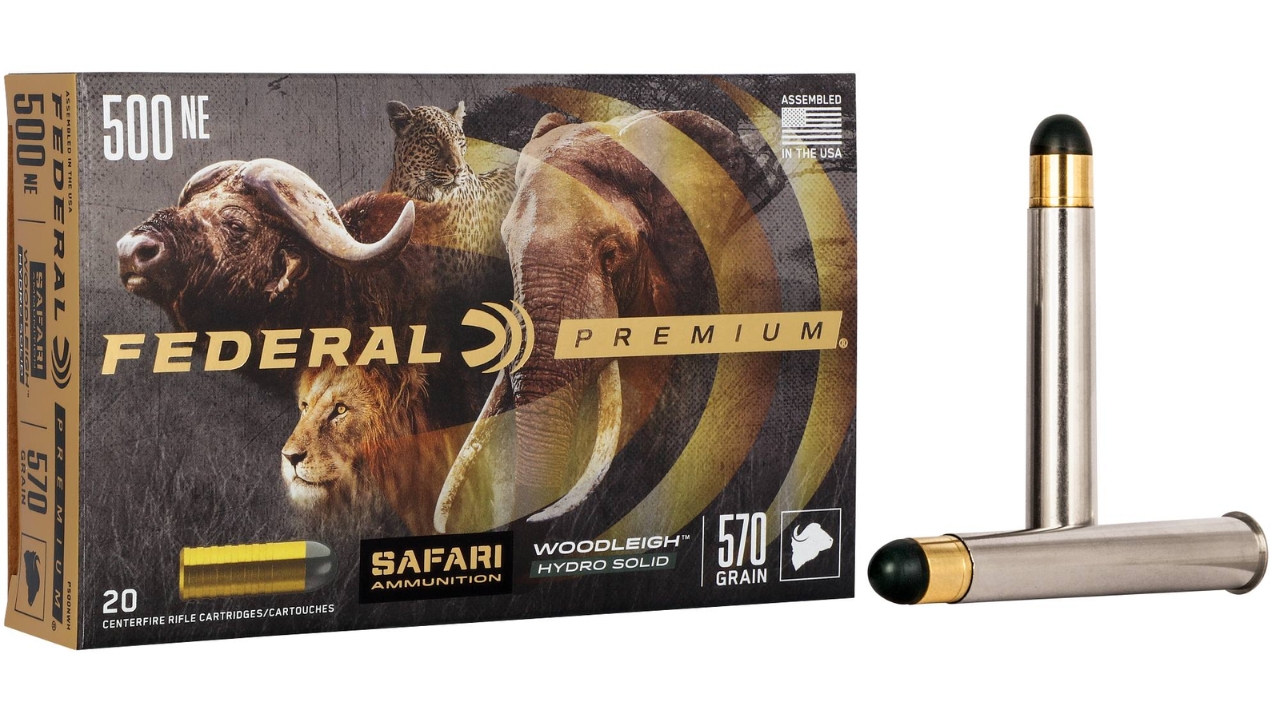
The .500 Nitro Express takes everything expensive about big dangerous-game cartridges and turns it up. It is powerful, historic, and tied to rifles that cost more than some used trucks. It has a real role, but that role is nowhere near the average American deer stand.
This is the kind of caliber that empties the wallet before the rifle even makes it to the field. Loaded ammunition is expensive, recoil is serious, and practice is not casual. It may fill a professional hunter’s need, but it is not filling a freezer efficiently.
.45-70 Government with premium heavy loads
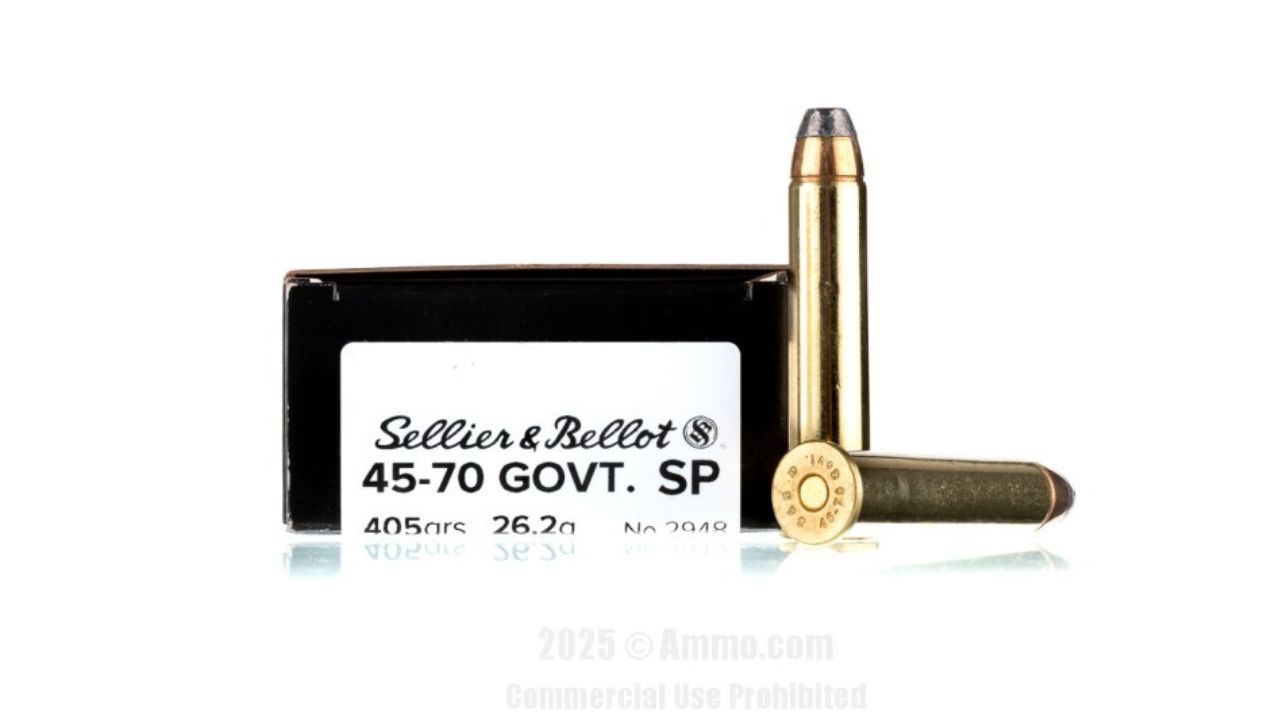
The .45-70 Government can be fairly reasonable with basic loads, but premium heavy hunting ammo changes the equation fast. Modern loads for strong rifles can be powerful, effective, and expensive. A hunter chasing big bears or heavy hogs may accept that.
For normal deer hunting, though, hot premium .45-70 loads can be more money and recoil than necessary. A moderate load will usually do the job inside the cartridge’s normal range. Buying the hardest-kicking, most expensive box on the shelf may make the rifle sound tougher, but it does not make venison any cheaper.
.450 Marlin
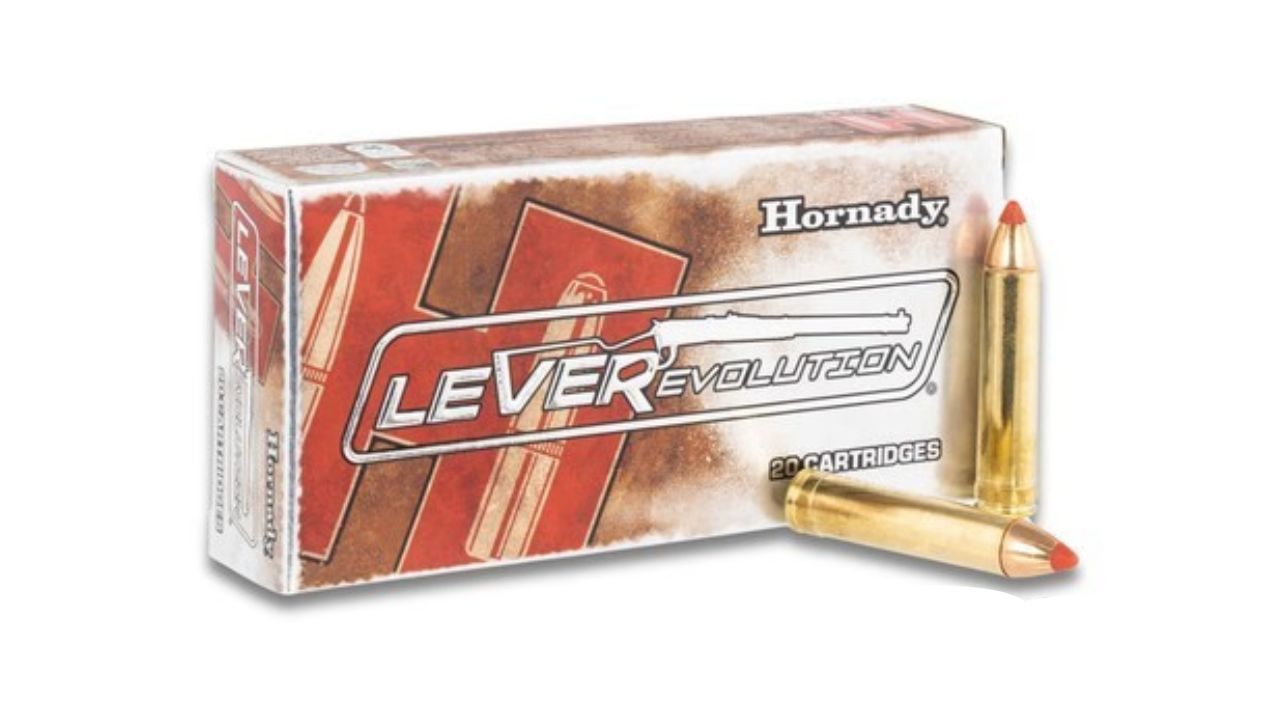
The .450 Marlin was designed to give lever-action hunters modern big-bore power, but it never became common enough to be cheap or easy. It can hit hard on hogs, black bear, elk in timber, and close-range deer. The performance is real.
The problem is support. Ammo is not as common as .45-70, and prices can make practice feel like a chore. When a cartridge is both specialized and expensive, it needs to offer a clear advantage. The .450 Marlin works, but it often costs more trouble than it saves.
.50 Beowulf
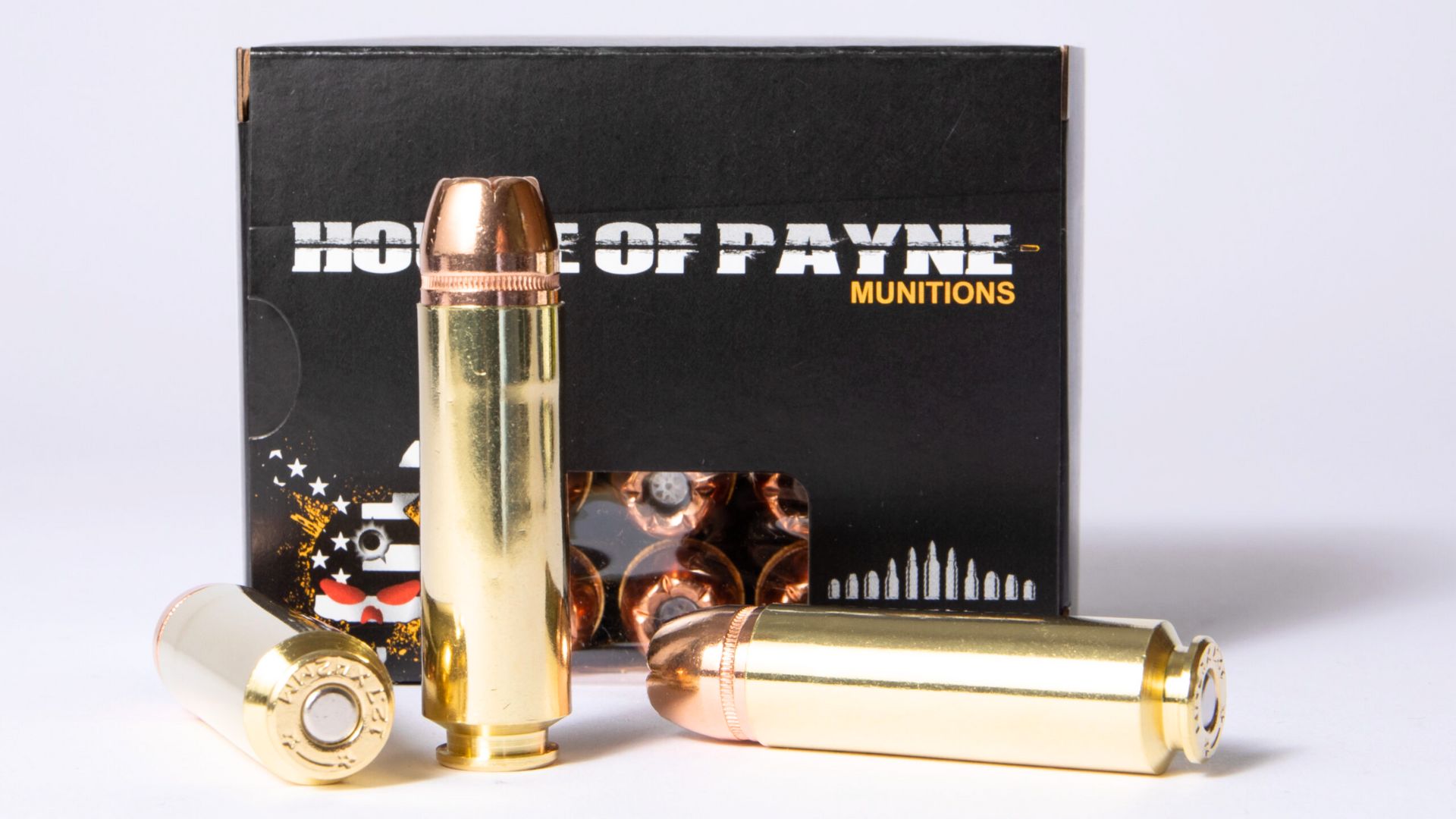
The .50 Beowulf is a big-bore AR cartridge that can be useful for close-range hogs and thick-cover work. It throws a heavy bullet and hits with authority at short distances. But everything about it is specialized, and specialized usually means expensive.
Ammo costs more than common AR cartridges, trajectory limits the range, and practice gets pricey fast. For a hog hunter who truly needs close-range thump from an AR, it has a role. For someone trying to fill a freezer on a budget, it is an expensive way to do what cheaper cartridges can already handle.
Like The Avid Outdoorsman’s content? Subscribe to our newsletter so you never miss an article.
Here’s more from us: