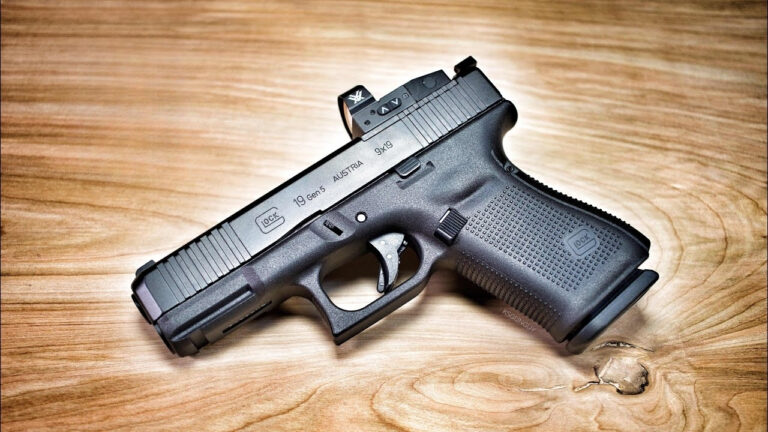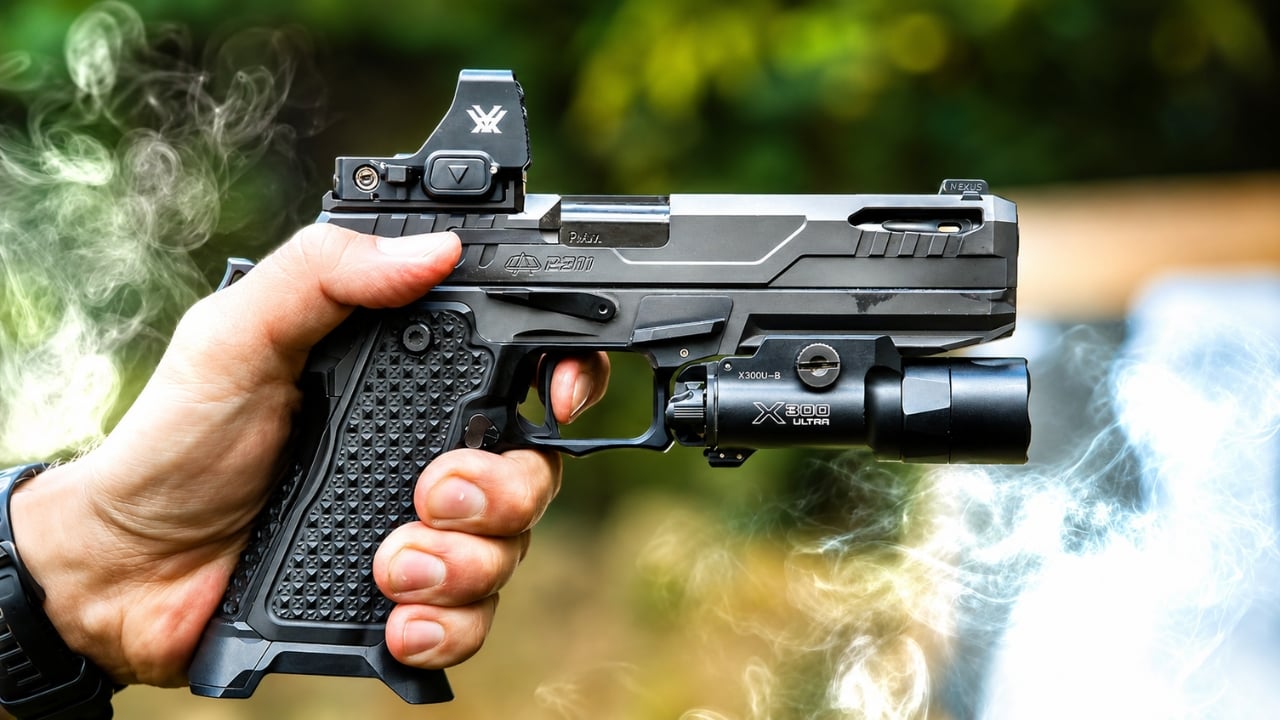
Photo credit: Hunt Fish Shoot/YouTube
The double-stack 1911 market has grown far beyond expensive competition pistols. Buyers can now choose compact carry guns, duty-size pistols, compensated range guns, and affordable entry-level models built around the same basic formula: the short, crisp trigger of a 1911 combined with substantially greater magazine capacity.
These pistols are not all interchangeable. Some follow the traditional 2011 pattern and use expensive proprietary magazines. Others use Glock or SIG Sauer magazines, while designs such as the Dan Wesson DWX combine 1911 trigger characteristics with CZ-style ergonomics. Prices can range from around the cost of a premium polymer handgun to well over $7,000.
The best choice depends on whether the pistol will be carried, used for home defense, shot in competition, or treated as a premium range gun. These 20 double-stack 1911-style pistols represent the strongest options across those different roles.
Staccato P

The Staccato P remains one of the safest recommendations for someone buying a premium double-stack 1911 for serious use. Its 4.4-inch barrel provides enough length and weight to control recoil without making the pistol unnecessarily large. Staccato positions the P as a duty and home-defense model with a standard 17-round capacity.
Its greatest advantage is balance. It is noticeably easier to shoot than a basic polymer service pistol, yet it is not tuned so aggressively that it becomes a delicate competition-only gun. The trigger is clean, the grip provides excellent leverage, and the steel-frame configuration stays planted during fast strings.
The Staccato P is expensive, and magazines cost more than Glock or M&P magazines. It also needs reasonable lubrication and maintenance. Buyers willing to accept those costs get a proven all-purpose 2011 with stronger support and a wider holster selection than most pistols in this category.
Staccato XC

The Staccato XC is the better choice for someone who wants maximum shootability without moving into a pure race gun. It uses an integrated compensated barrel and a light, fast-cycling slide to reduce muzzle movement. Staccato equips it with a roughly 2.5-pound trigger and markets it toward performance shooting and home defense.
The XC is exceptionally flat and forgiving. Shooters who normally struggle to track a red dot through recoil may find the sight barely leaves the target. Its weight, compensator, and trigger make fast, accurate shooting feel easier than it does with most conventional handguns.
The tradeoff is price and specialization. The trigger is lighter than many owners want on a defensive pistol, and the compensated design produces additional muzzle flash and blast. The XC makes the most sense as a premium range, competition, or carefully configured home-defense gun rather than an everyday carry pistol.
Staccato CS
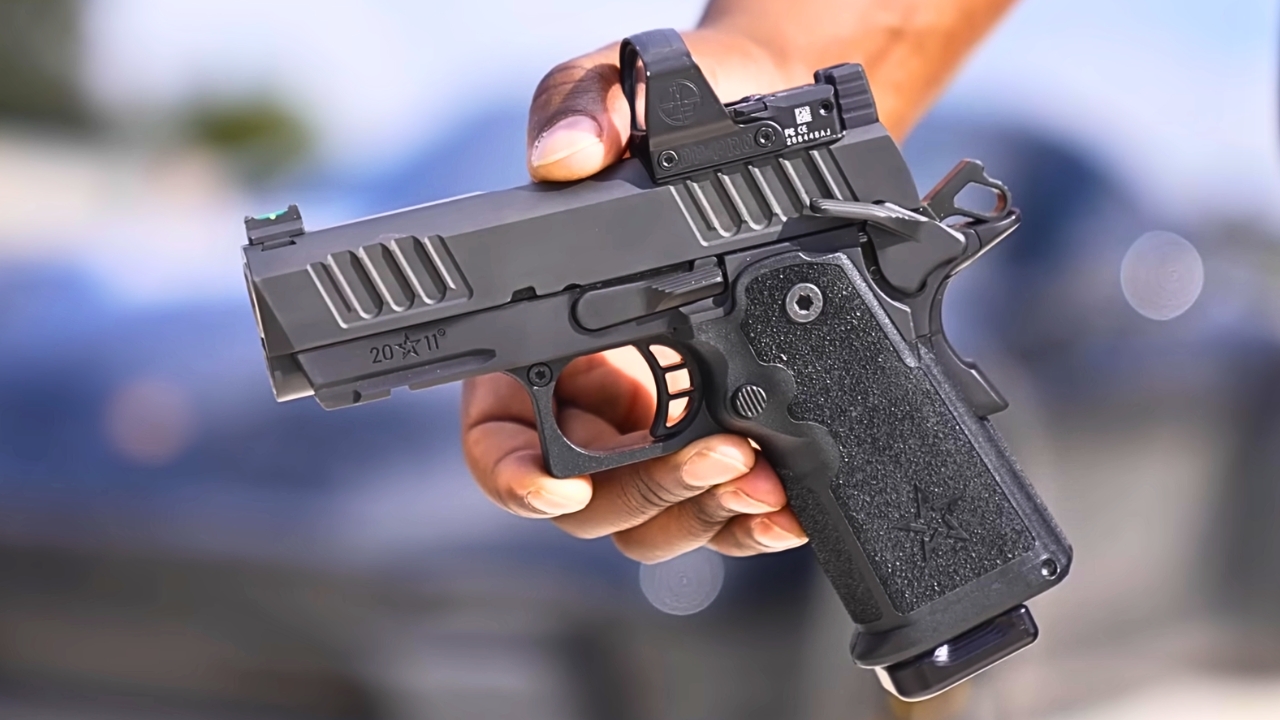
The Staccato CS brings the company’s shooting characteristics into a pistol built specifically for concealed carry. It is the smallest and lightest model in Staccato’s traditional lineup and uses a narrower grip designed to accommodate a wider range of hand sizes.
The CS is not as soft shooting as the P or XC, but it is considerably easier to control than many lightweight carry pistols. Its grip provides enough room for a proper firing hold, while the 1911-style trigger supports more precise shooting than most micro-compacts.
Its proprietary magazines and premium price are the main drawbacks. Owners are also buying a relatively complex pistol for a role where sweat, lint, and neglect can become issues. The CS is best for someone committed to maintaining and training with a high-end carry gun rather than someone looking for the least demanding concealed-carry option.
Staccato HD P4

The Staccato HD P4 represents a substantial modernization of the 2011 concept. It uses a four-inch bull barrel, steel frame, fully ambidextrous controls, and 18-round Glock-pattern magazines. Staccato lists it as an all-purpose pistol suitable for duty and carry.
Using widely available Glock magazines removes one of the largest ownership complaints surrounding traditional 2011 pistols. The P4 also offers a full grip, durable duty-oriented construction, and enough barrel length to remain stable during rapid fire.
It is heavier and thicker than most concealed-carry guns, and buyers already invested in traditional 2011 magazines may not benefit from the change. For a new buyer who wants modern controls, common magazines, and Staccato-level construction, the HD P4 may be the most practical model in the company’s lineup.
Staccato HD C4X
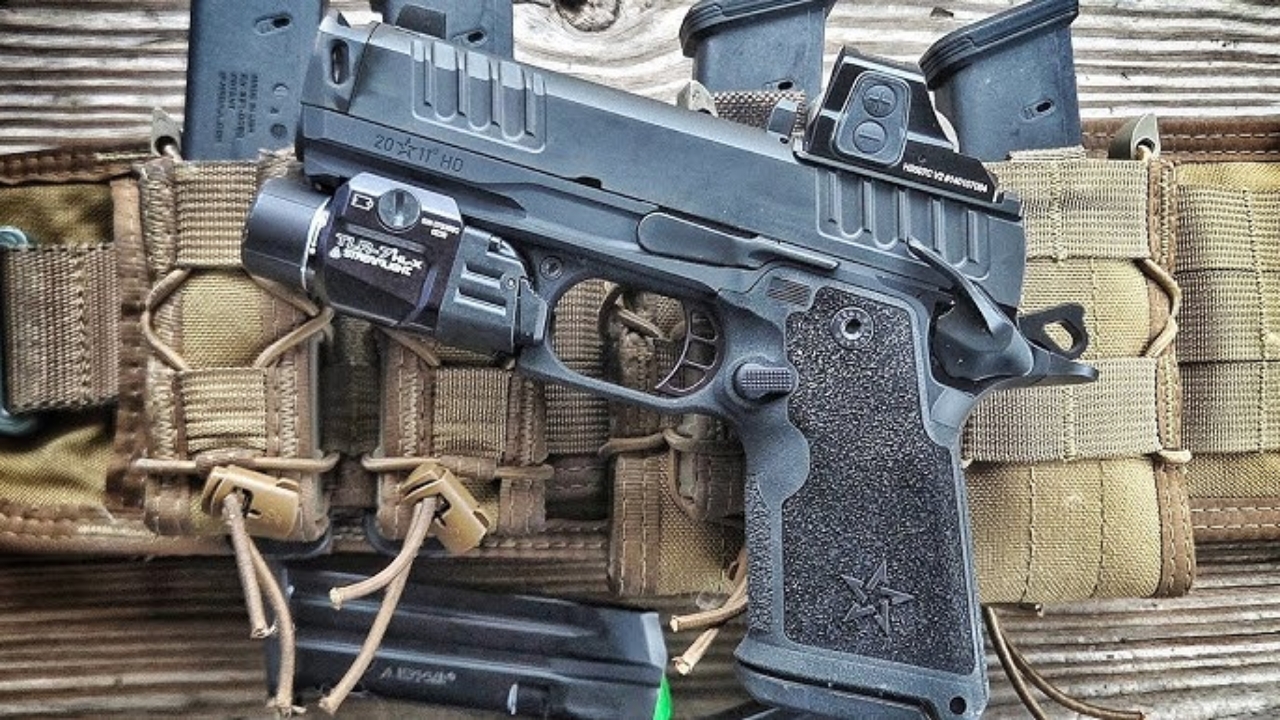
The HD C4X is aimed at shooters who want the updated HD operating system in a more carry-oriented package. Staccato describes it as a concealed-carry model that combines HD durability with traditional 2011 shooting characteristics.
Its appeal comes from offering a premium single-action trigger and strong capacity without requiring the owner to carry a full-size duty gun. The updated controls and magazine system also make it easier to integrate into an existing defensive setup than older proprietary 2011 designs.
The C4X still occupies a premium price bracket, and its larger grip may print more than a true micro-compact. It makes the most sense for someone who refuses to compromise on shootability and is willing to dress around a larger, heavier carry pistol.
Springfield Armory Prodigy 4.25
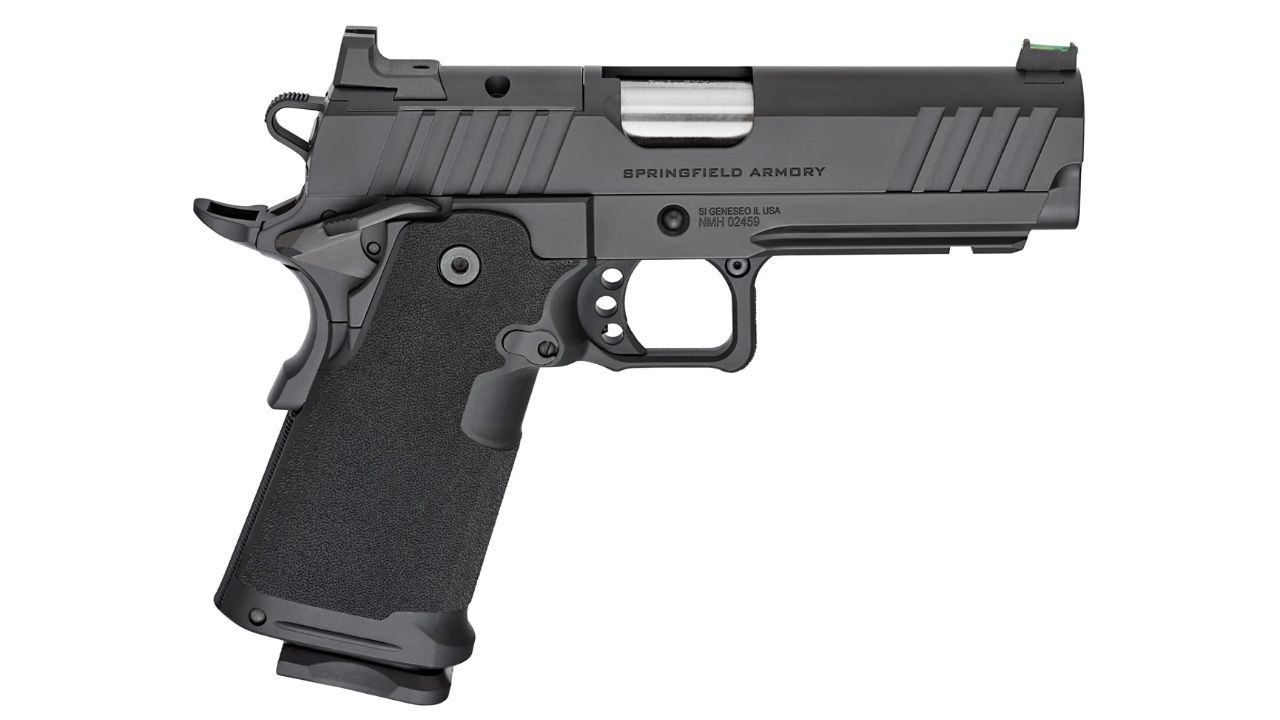
The Springfield Armory Prodigy 4.25 remains one of the most accessible entries into the traditional double-stack 1911 market. It combines a forged steel frame, polymer grip module, optic-ready slide, accessory rail, and magazines offering 17- or 20-round capacity.
The 4.25-inch model is the best general-purpose version. It is large enough to shoot comfortably but short enough to use for home defense, range work, or occasional carry. Its trigger and recoil characteristics provide a clear step up from most polymer pistols without entering Staccato pricing.
Early Prodigy pistols earned criticism for inconsistent reliability and rough fitting, so buyers should still test one carefully. Later production and updated variants appear better sorted, but the Prodigy is best viewed as a strong value platform rather than a hand-fitted premium gun.
Springfield Armory Prodigy Comp 4.25
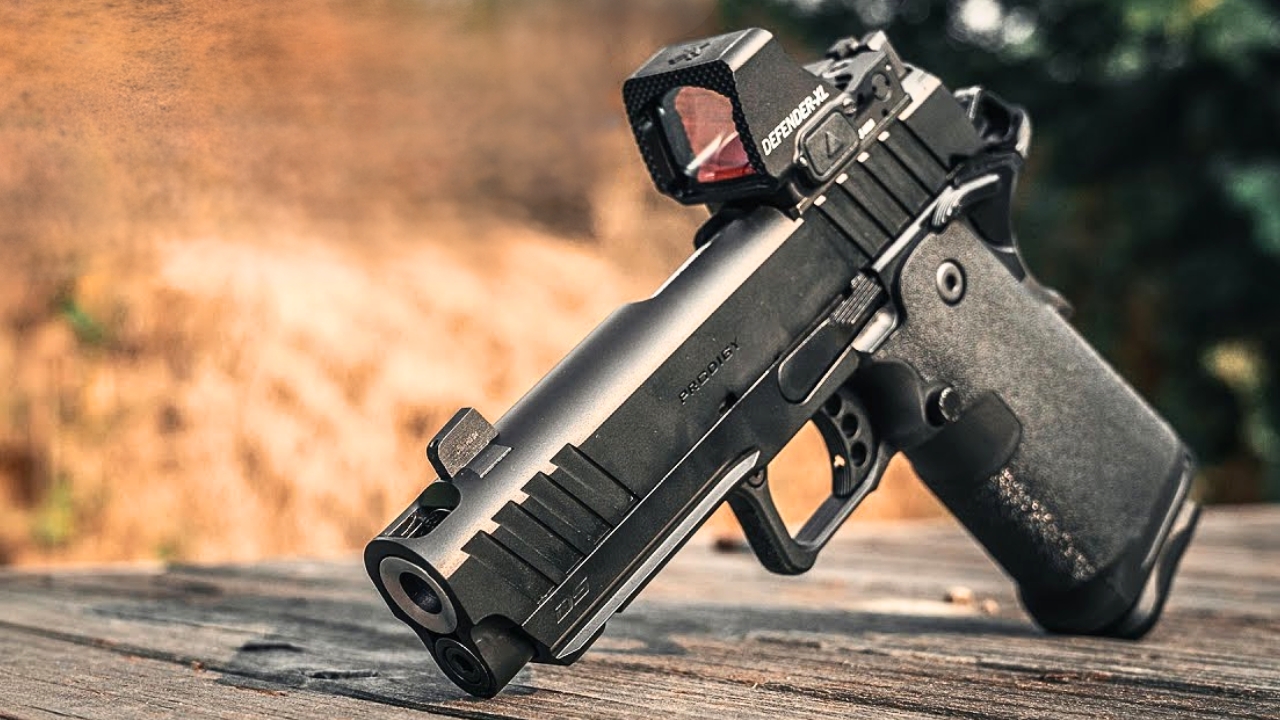
The Prodigy Comp 4.25 adds an integral compensating system to the standard pistol. Springfield offers it with 17- and 20-round magazines and lists an MSRP around the middle of the double-stack market rather than in the premium custom tier.
The compensator noticeably reduces muzzle rise, making it easier to track an optic and fire quick follow-up shots. The 4.25-inch configuration remains more manageable than the longer five-inch Comp, especially for home-defense use.
The ported system adds flash and blast, and the gun still carries the basic Prodigy platform’s quality-control history. For a buyer primarily interested in range performance, the Comp offers a great deal of speed for the price. It is one of the strongest options below the cost of a Staccato XC.
Springfield Armory Prodigy Compact 3.5
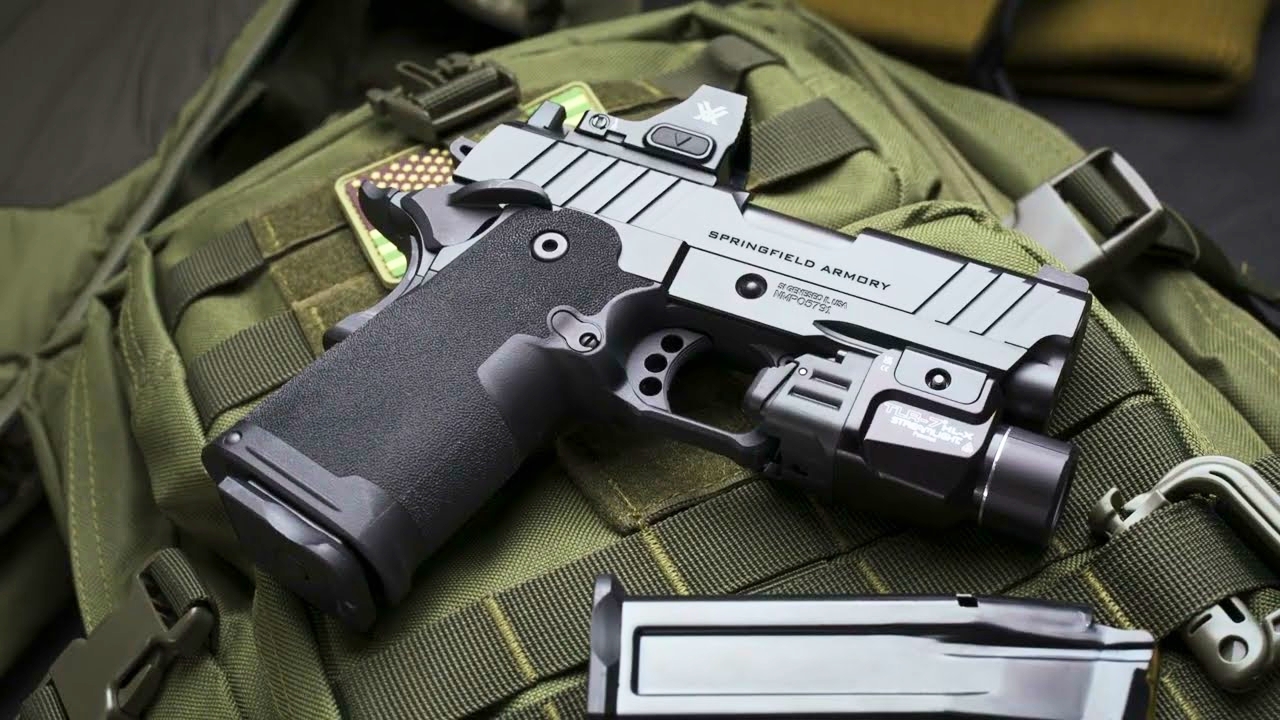
The 3.5-inch Prodigy Compact takes the double-stack platform into serious concealed-carry territory. It uses an aluminum frame, compact polymer grip, bull barrel, and 15-round magazine rather than the full-size model’s larger steel frame and magazines.
It provides far more grip and trigger quality than most micro-compacts while remaining meaningfully smaller than the original Prodigy. The shortened beavertail and reshaped hammer also reduce the amount of metal pressing into the body during concealed carry.
Short double-stack 1911s can be less forgiving than full-size pistols, and the lighter frame increases recoil. Buyers should test defensive ammunition thoroughly and remain disciplined about cleaning and lubrication. It is a compelling option for someone who wants 1911 controls in a compact carry package without paying Staccato CS prices.
Dan Wesson DWX
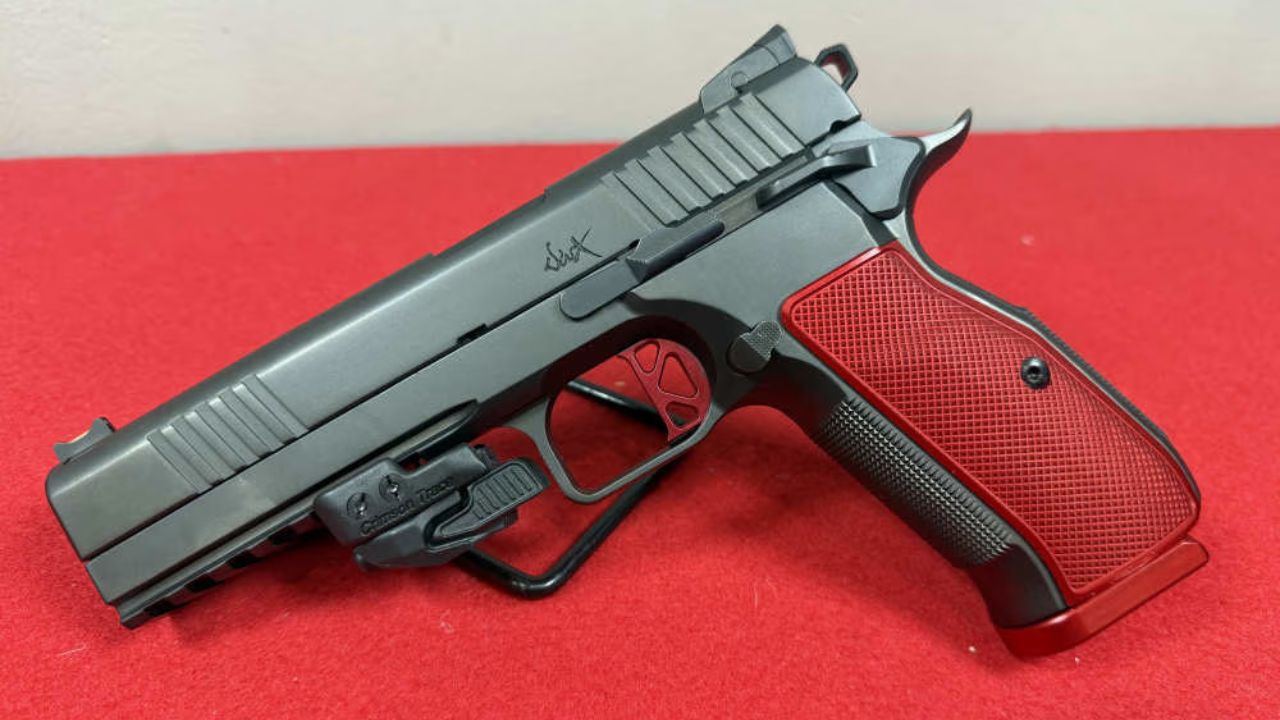
The full-size Dan Wesson DWX combines a single-action 1911-style trigger and slide with ergonomics and magazine capacity influenced by the CZ 75 family. Dan Wesson currently lists the full-size version with a 19+1 configuration.
The result is one of the most comfortable full-size double-stack pistols available. Its metal frame and low slide profile keep recoil controlled, while the grip feels slimmer and more natural than some polymer-gripped 2011 designs. The trigger is excellent without turning the gun into a narrowly focused race pistol.
The DWX is less modular than a traditional 2011 and does not offer the same enormous selection of grips, triggers, and magwells. It is best for someone who wants a refined factory pistol and has little interest in rebuilding it. For range use and practical competition, it is one of the most complete choices available.
Dan Wesson DWX Compact
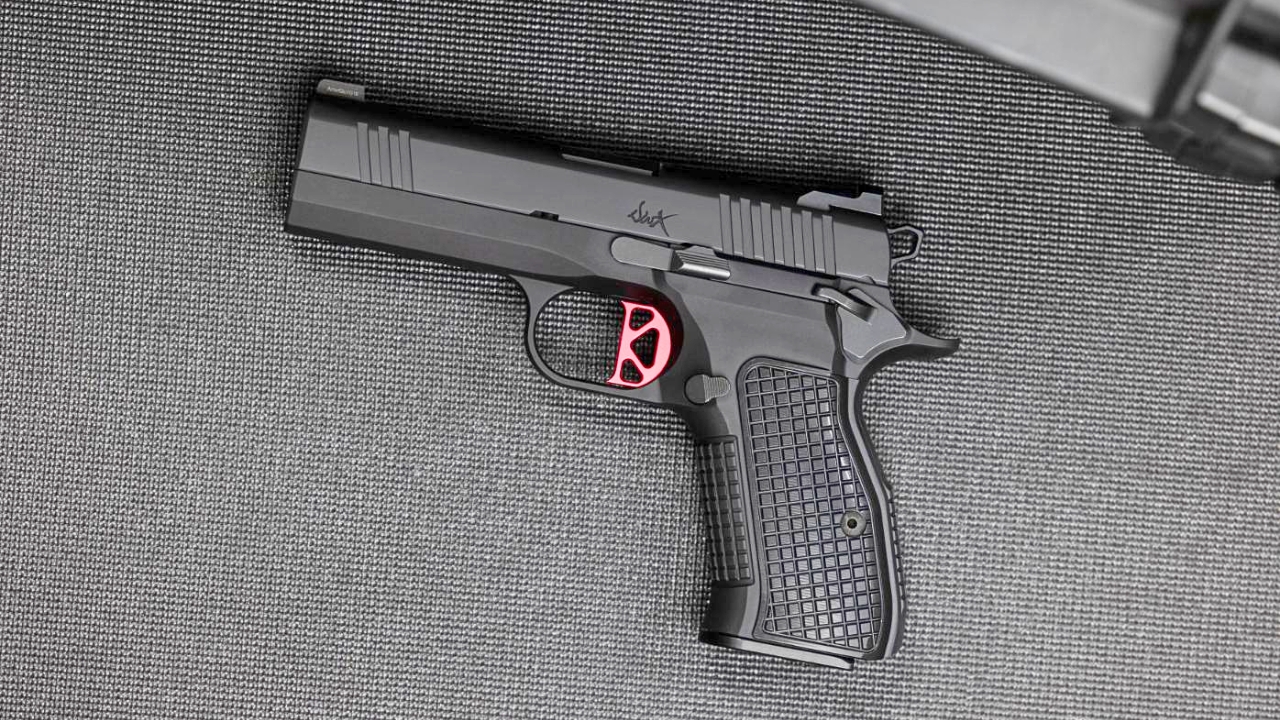
The DWX Compact shrinks the same hybrid design into a carry-capable handgun. Dan Wesson lists it at approximately 30.8 ounces with a 15+1 capacity and slim aluminum grip panels.
It feels more like a compact metal service pistol than a thick competition 2011. The grip is narrow, the trigger is clean, and the weight is sufficient to keep recoil manageable without making concealed carry unreasonable.
The Compact does not use a grip safety, and its design differs enough from a traditional 1911 that purists may not consider it a true double-stack 1911. That matters less in practical use. It is one of the strongest choices for shooters who want a metal-frame carry gun with a crisp single-action trigger and better capacity than an old single-stack Commander.
Stealth Arms Platypus
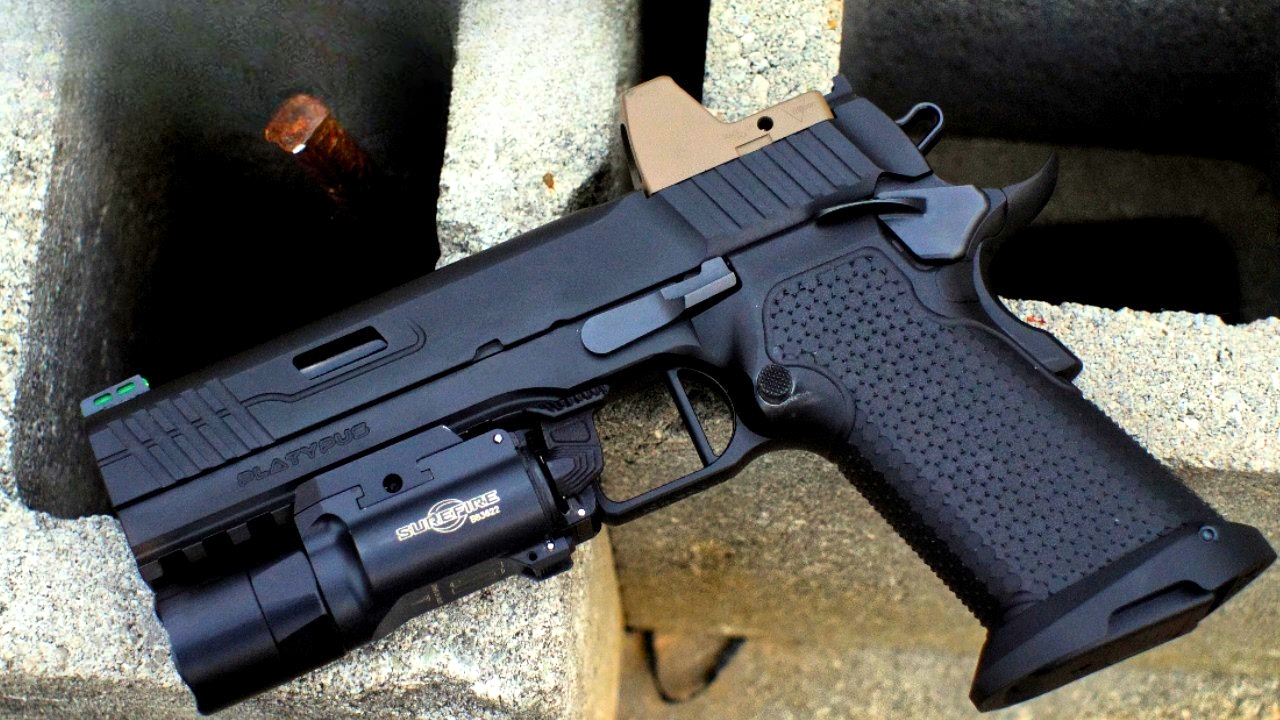
The Stealth Arms Platypus solves one of the biggest double-stack 1911 ownership problems by using common magazines. Current versions can be configured around Glock 17 or SIG P320 magazines while retaining a traditional 1911 grip angle.
The pistol is also highly customizable. Buyers can select barrel length, slide cuts, optics systems, trigger styles, colors, safeties, and other details through the company’s online builder. That gives the Platypus an unusual combination of custom-gun personality and mass-market magazine support.
It lacks the extensive duty history of Staccato, and its aluminum construction does not provide the same recoil-damping weight as a steel competition pistol. For someone who already owns piles of Glock or P320 magazines, however, the Platypus may be the smartest overall value in the category.
Kimber KDS9c

The Kimber KDS9c is a carry-oriented double-stack 9mm built around an aluminum frame and a relatively slim grip. Kimber offers 15- and 18-round magazines, with railed and non-railed configurations available.
Unlike many thick 2011-style carry guns, the KDS9c feels designed around everyday concealment from the beginning. Its approximately 25-ounce weight in the lighter configuration keeps it manageable, while the grip remains long enough to control during rapid shooting.
The pistol lacks a traditional grip safety, and Kimber’s broader reliability reputation may make some buyers cautious. The KDS9c should be tested thoroughly before defensive use. A dependable example offers an appealing balance of capacity, trigger quality, and carry comfort that few traditional 2011s can match.
Nighthawk Custom TRS Commander
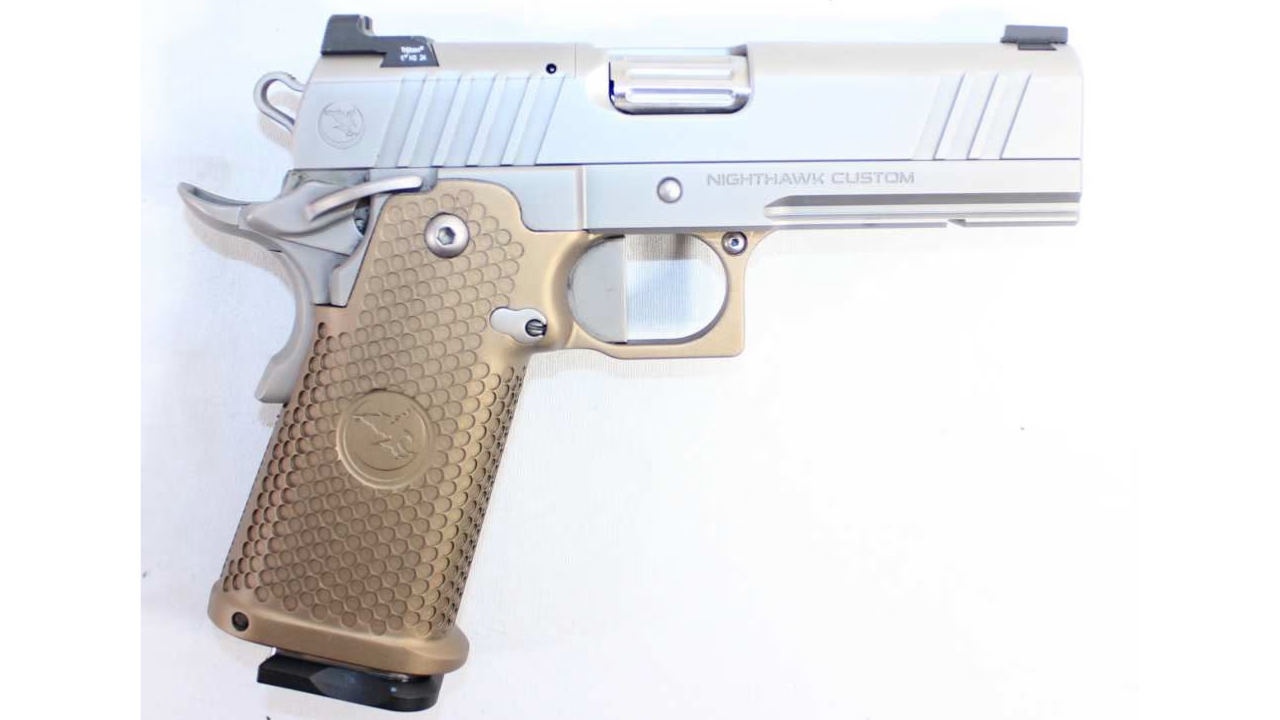
The Nighthawk TRS Commander is a hand-built compact double-stack 1911 with a 4.25-inch bull barrel and 19+1 capacity. Nighthawk designed it specifically as a modern high-capacity Commander rather than simply shortening a competition pistol.
Its strongest quality is refinement. The slide-to-frame fit, trigger, safety operation, and overall finish reflect individual gunsmith attention rather than ordinary production-line assembly. The Commander length also provides an excellent compromise between concealment and control.
The price places it well beyond the needs of most buyers. Magazines and replacement components also remain expensive. The TRS Commander is worth considering for someone who wants a premium carry or all-purpose 1911 and values craftsmanship as much as raw performance.
Nighthawk Custom TRS Comp
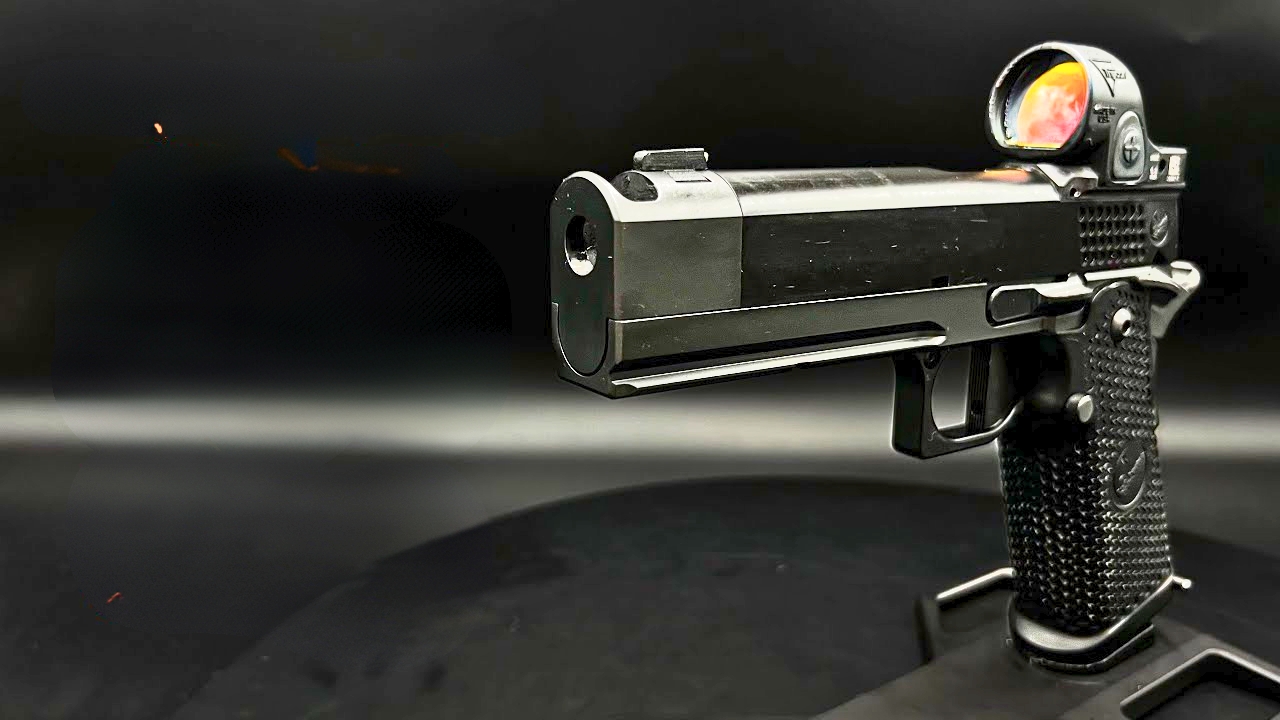
The TRS Comp is Nighthawk’s full-size compensated double-stack 9mm. It pairs a government-length platform with an integrated compensator and the company’s hand-built construction.
The pistol shoots exceptionally flat, and the additional weight makes it easy to control during fast drills. It provides many of the performance advantages associated with a competition gun while retaining the controls and overall configuration of a defensive 1911.
Its price exceeds many excellent factory pistols, and the compensator makes the gun longer and louder. The TRS Comp is not an economical way to gain performance. It is a luxury defensive and range pistol for someone who wants Nighthawk craftsmanship and is willing to pay substantially for the final level of refinement.
Nighthawk Custom Sand Hawk
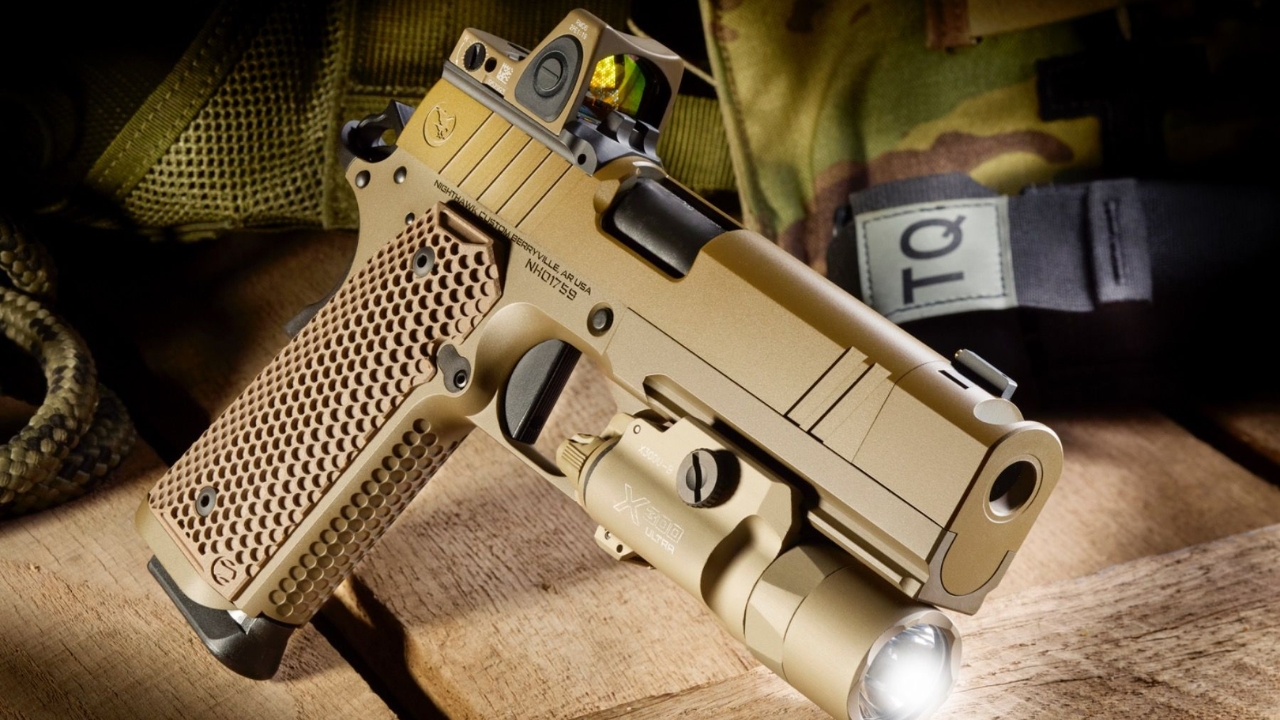
The Sand Hawk uses the same broad compensated double-stack concept but adds Nighthawk’s distinctive styling and finish package. It is a government-size 9mm double-stack model with an integrated compensator.
Performance is excellent. The compensator, heavy frame, and hand-fitted action produce minimal muzzle movement, while the trigger makes accurate rapid fire easier than it is with almost any ordinary service pistol.
The Sand Hawk costs more than the already expensive TRS Comp, and much of the additional cost goes toward finish, appearance, and exclusivity rather than a dramatic improvement in practical results. It is worth buying for someone who wants one of the most visually distinctive premium 1911s available, not for someone trying to maximize performance per dollar.
Atlas Gunworks Athena V3
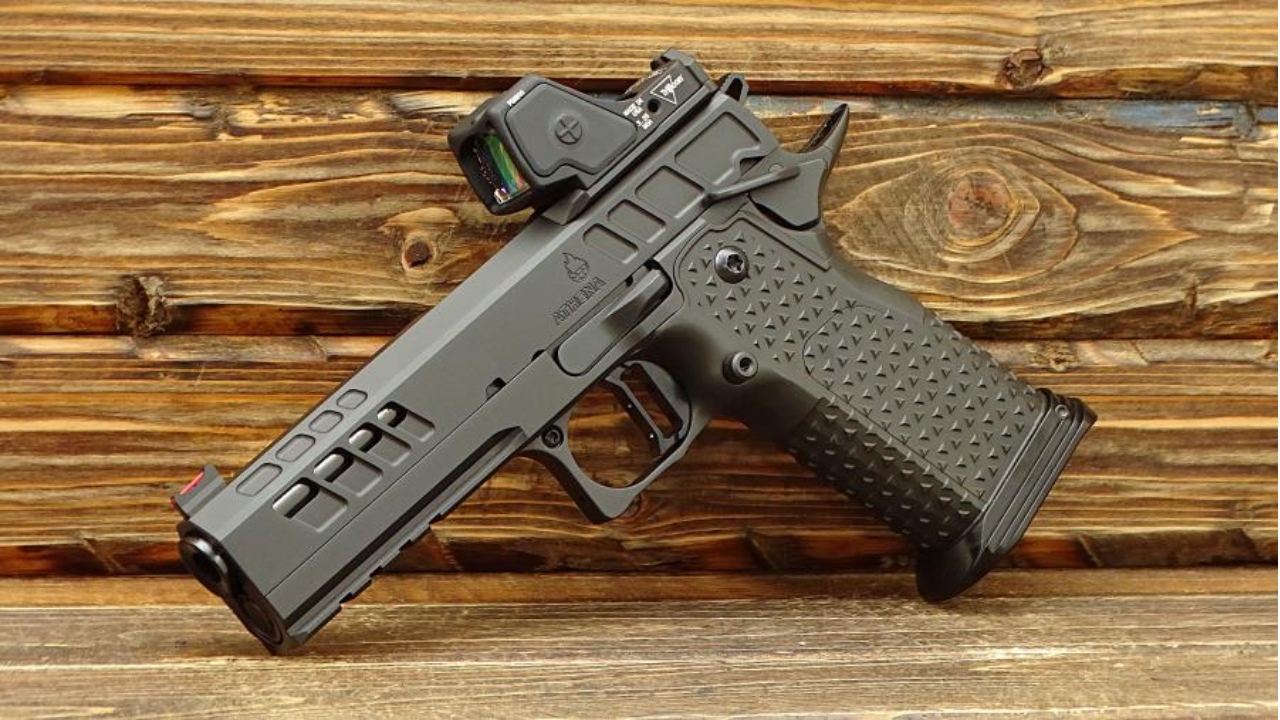
The Atlas Athena is built around factory 9mm ammunition and is intended to work across competition and duty-style roles. Atlas includes its optic-mounting system and three magazines with the current V3 configuration.
The Athena is one of the best choices for a shooter who wants an uncompensated premium 2011. Its balance, trigger, metal grip, and carefully tuned recoil system allow the pistol to return quickly without relying on barrel ports or a compensator.
Its price approaches custom-gun territory, and the performance difference over a Staccato will matter most to experienced shooters. Newer owners may not initially benefit from the additional refinement. For serious competitors or high-volume range shooters, the Athena is one of the finest all-purpose double-stack 1911s made.
Atlas Gunworks Apollo V3
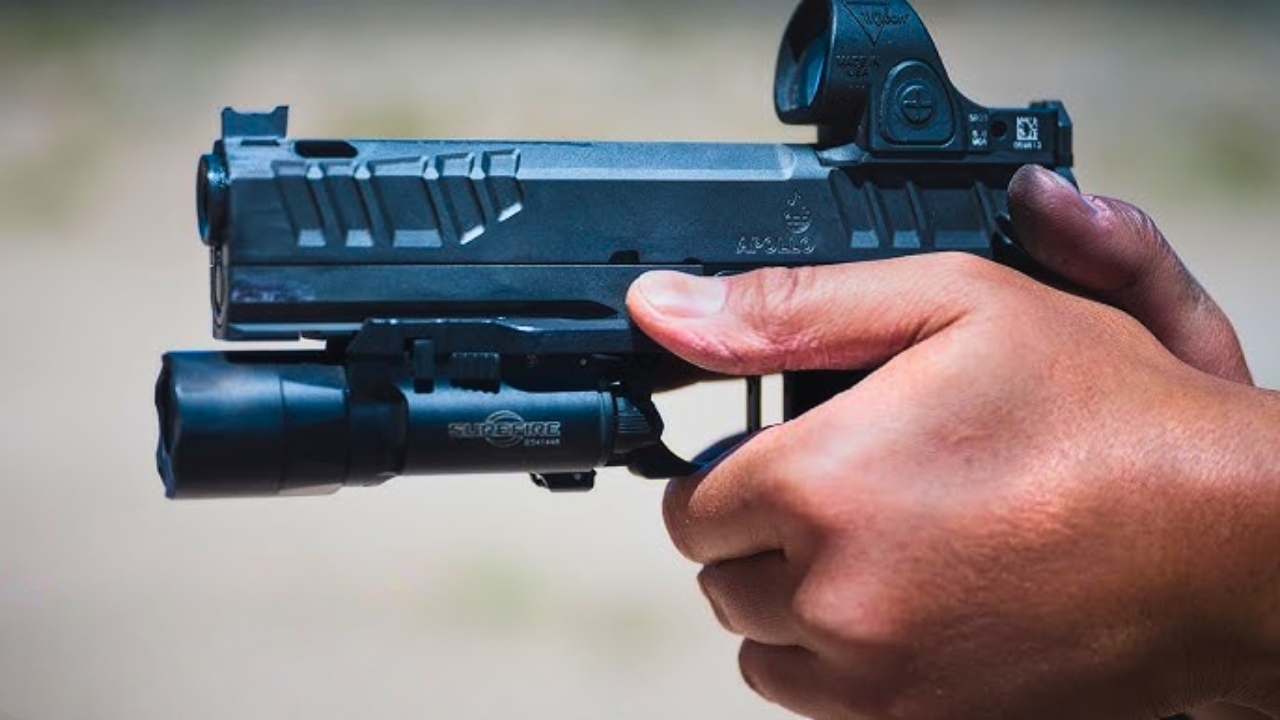
The Apollo combines elements from Atlas’s Athena and compensated Erebus. The current V3 uses a 4.6-inch ported barrel and is positioned as an extremely flat-shooting all-purpose performance pistol.
Its barrel ports reduce muzzle movement without adding the full external length of a traditional compensator. The pistol remains balanced and quick, making it suitable for range work, practical competition, and owners who simply want the highest level of shootability.
The Apollo is extraordinarily expensive, and the ports increase noise and upward blast. It is not a practical value purchase. It is worth considering when cost is secondary and the owner wants one premium pistol that sits between an uncompensated competition gun and a full-size compensated range gun.
Atlas Gunworks Erebus V3
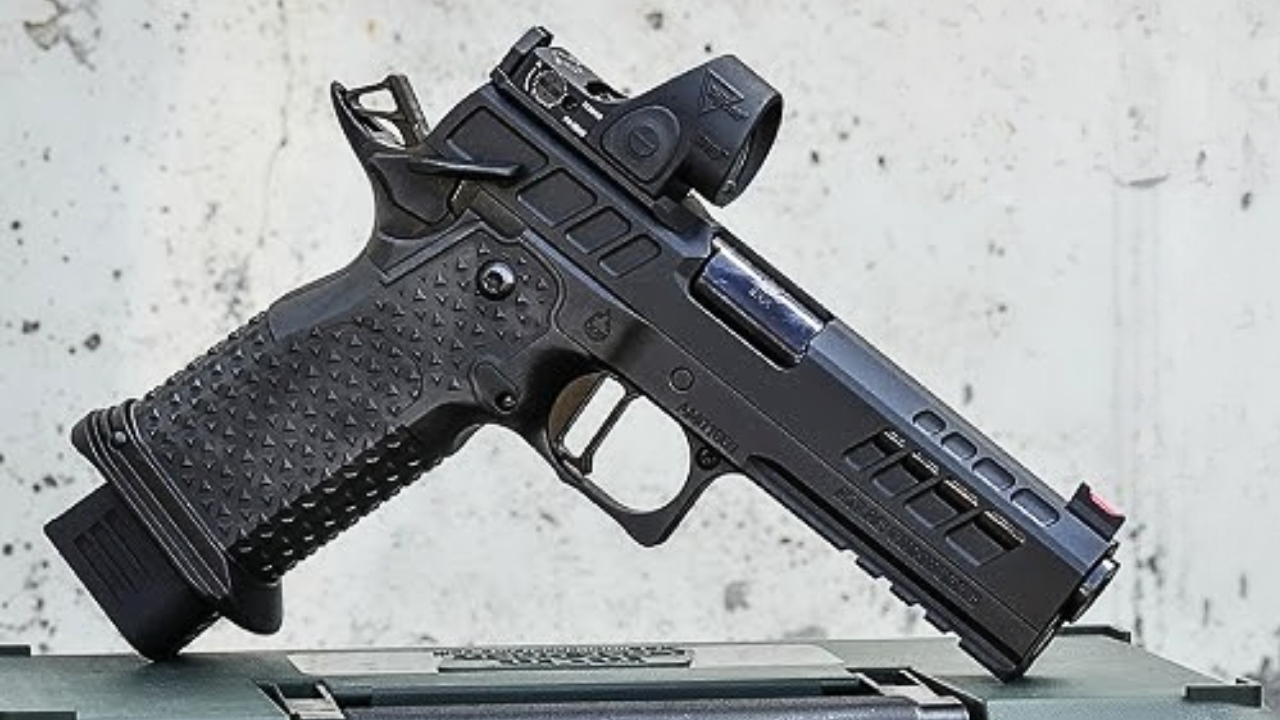
The Erebus is Atlas’s compensated performance pistol designed around open-style competition and extremely fast shooting. The current V3 includes a slide-mounted optic system, compensator, and three magazines.
Few production pistols are easier to shoot quickly. The compensator, recoil tuning, trigger, and overall balance keep the gun extraordinarily flat. It is especially appealing to experienced shooters who can use its speed rather than simply admire the craftsmanship.
The Erebus is too specialized and expensive for the average owner. It is also designed around performance rather than ease of concealed carry or neglect-resistant duty use. For a dedicated range or competition gun where cost is not the main concern, it remains one of the strongest double-stack 1911s available.
Oracle Arms OA 2311 Compact
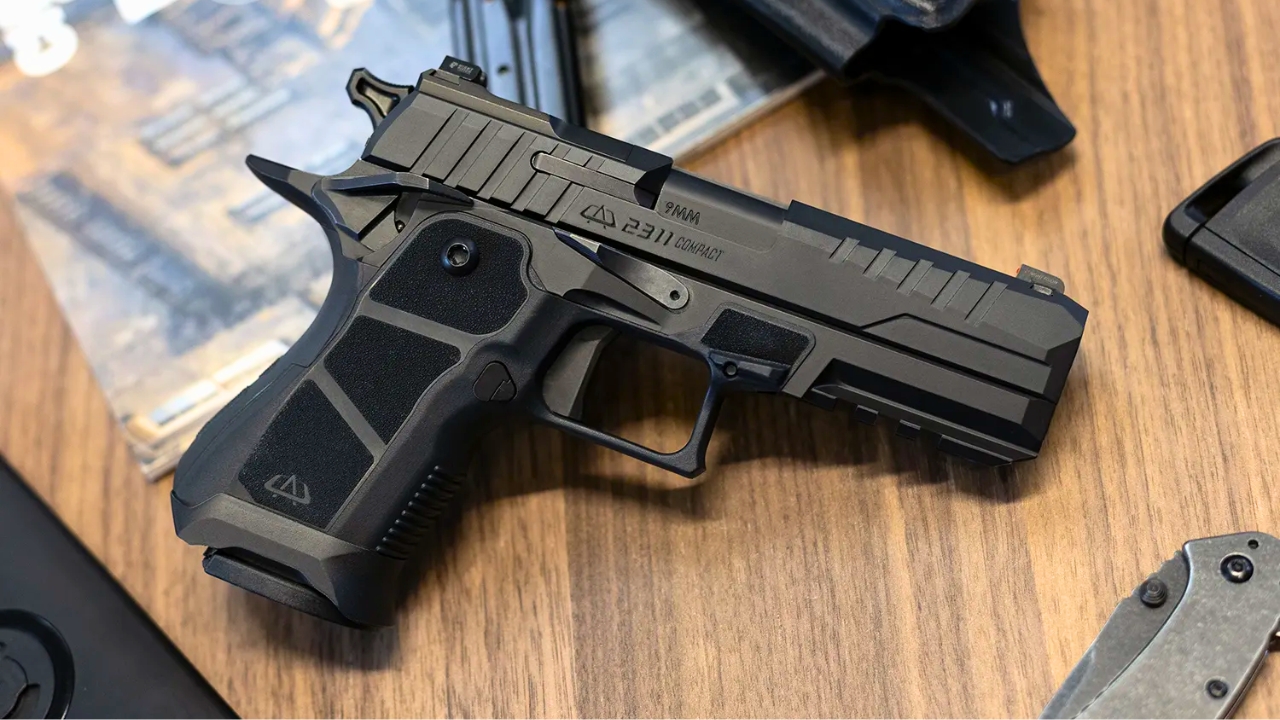
The OA 2311 Compact mixes 1911-style trigger characteristics with a more modern modular design. It includes fully ambidextrous controls, an optic-ready slide, and a modular grip and magwell.
One of its biggest advantages is magazine compatibility. The OA 2311 family uses SIG P320-pattern magazines rather than costly traditional 2011 magazines. That lowers ownership costs and makes replacements much easier to find.
The 2311 does not feel or look exactly like a traditional 1911, and Oracle Arms does not yet have the same reputation or support network as Staccato. Its modern controls and common magazines make it a compelling alternative for shooters who want the trigger without committing fully to the traditional 2011 ecosystem.
Oracle Arms OA 2311 Pro
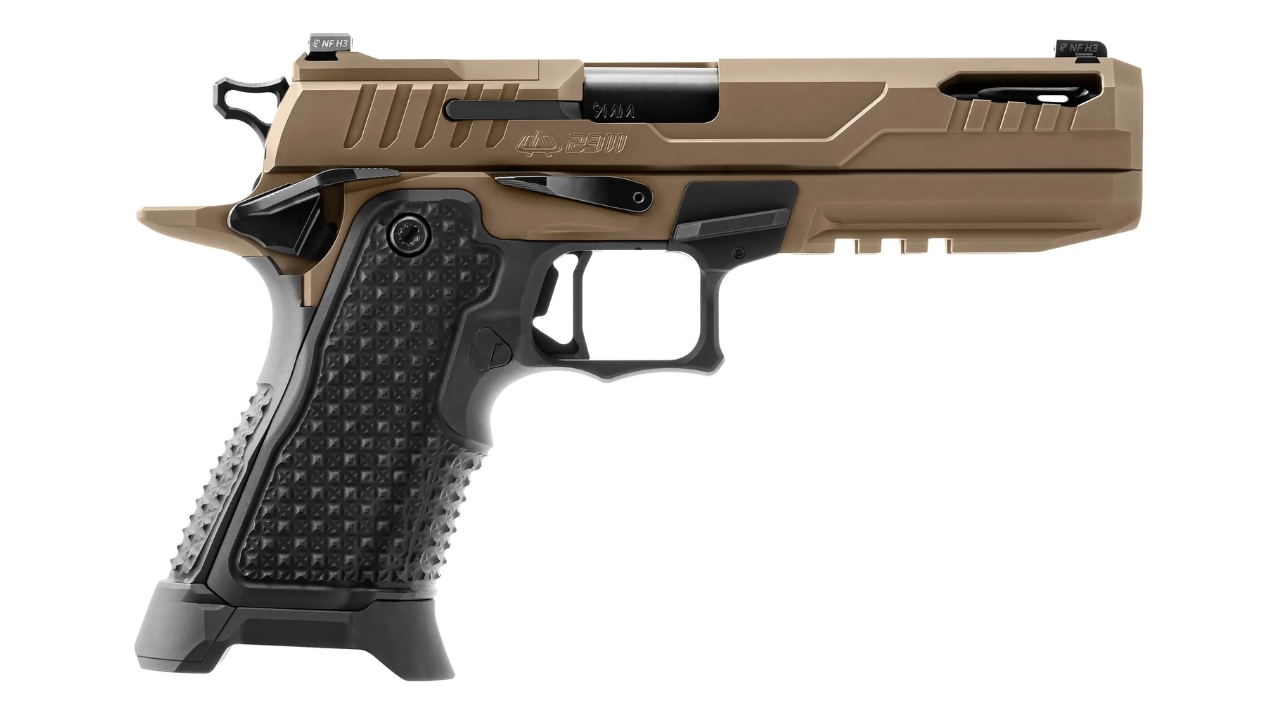
The OA 2311 Pro is the larger, ported performance model in Oracle’s lineup. It uses a five-inch ported barrel, enhanced trigger, enlarged magazine release, and is supplied with five magazines. Oracle positions it for duty use and high-round-count range shooting.
The full-size grip, long barrel, and ports help the pistol stay stable during fast strings. Its SIG P320 magazine compatibility also gives it a practical advantage over many premium competition pistols.
The design remains less proven than established Staccato, Atlas, or Nighthawk platforms. Buyers should judge it as a newer performance system rather than assuming it has already built the same long-term record. For someone who wants a fast, modern single-action pistol without purchasing proprietary 2011 magazines, the Pro deserves serious consideration.
Springfield Armory Prodigy 5-Inch
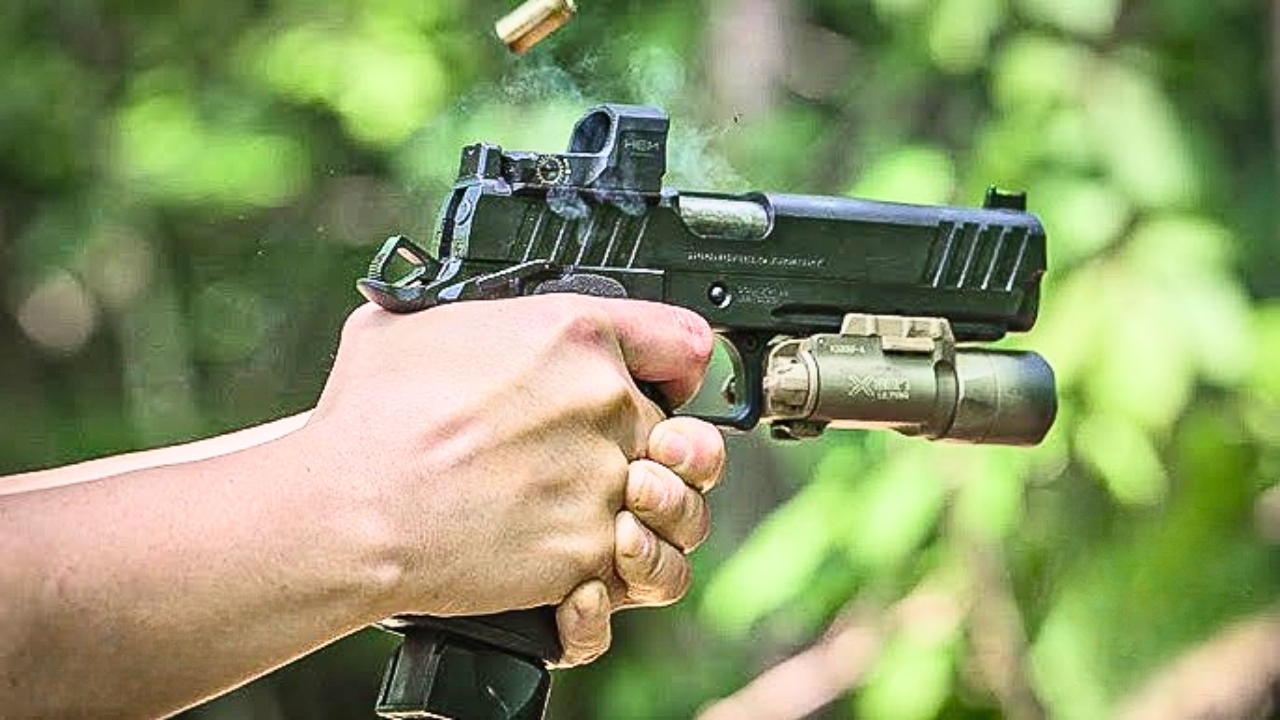
The five-inch Prodigy is the best entry-level option for a buyer focused almost entirely on range use or competition. Its bull barrel, full-size steel frame, and included 17- and 20-round magazines provide the weight and capacity expected from a traditional double-stack 1911.
The additional barrel and slide length give it a calmer recoil impulse than the shorter Prodigy models. It is easy to shoot accurately with iron sights and provides a stable foundation for a red-dot sight.
The five-inch model is heavy and unnecessary for concealed carry. Early examples also contributed to the Prodigy’s mixed reputation, making careful inspection and reliability testing important. At its price, however, it remains one of the least expensive ways to experience the full-size double-stack 1911 format.
Like The Avid Outdoorsman’s content? Subscribe to our newsletter so you never miss an article.
Here’s more from us: