Photo credit: RawHawg/YouTube
Some firearms become icons because they arrive at the right time, win a major military contract, or receive years of aggressive promotion. Others perform just as well but remain overshadowed by a more famous competitor. A strong gun can disappear simply because buyers already trusted another name, magazines were harder to find, or the manufacturer failed to explain what made it different.
These overlooked firearms are not flawless. Some have limited aftermarket support, unusual controls, or designs that arrived at the wrong moment. What they share is a level of performance, usefulness, or innovation that deserved more attention than the market gave them. These 20 guns may never become household names, but experienced shooters know they offered far more than their sales numbers suggested.
Beretta PX4 Storm

The Beretta PX4 Storm entered a handgun market already dominated by Glock, SIG Sauer, and Smith & Wesson. Its rounded slide, rotating-barrel system, and unconventional styling made it easy for buyers to ignore, especially when the company’s own 92 series already carried a far stronger reputation.
The PX4 is one of the softest-shooting polymer-framed service pistols in its class. Its rotating barrel changes the recoil impulse and helps the gun stay settled during fast strings. The double-action trigger becomes smoother with use, and the single-action pull is accurate enough for serious range work. Low-profile controls and decocker-only conversions make the pistol even better. It never received the broad support it deserved, but owners who actually train with one often discover a remarkably durable and easy-shooting handgun.
Smith & Wesson Model 645
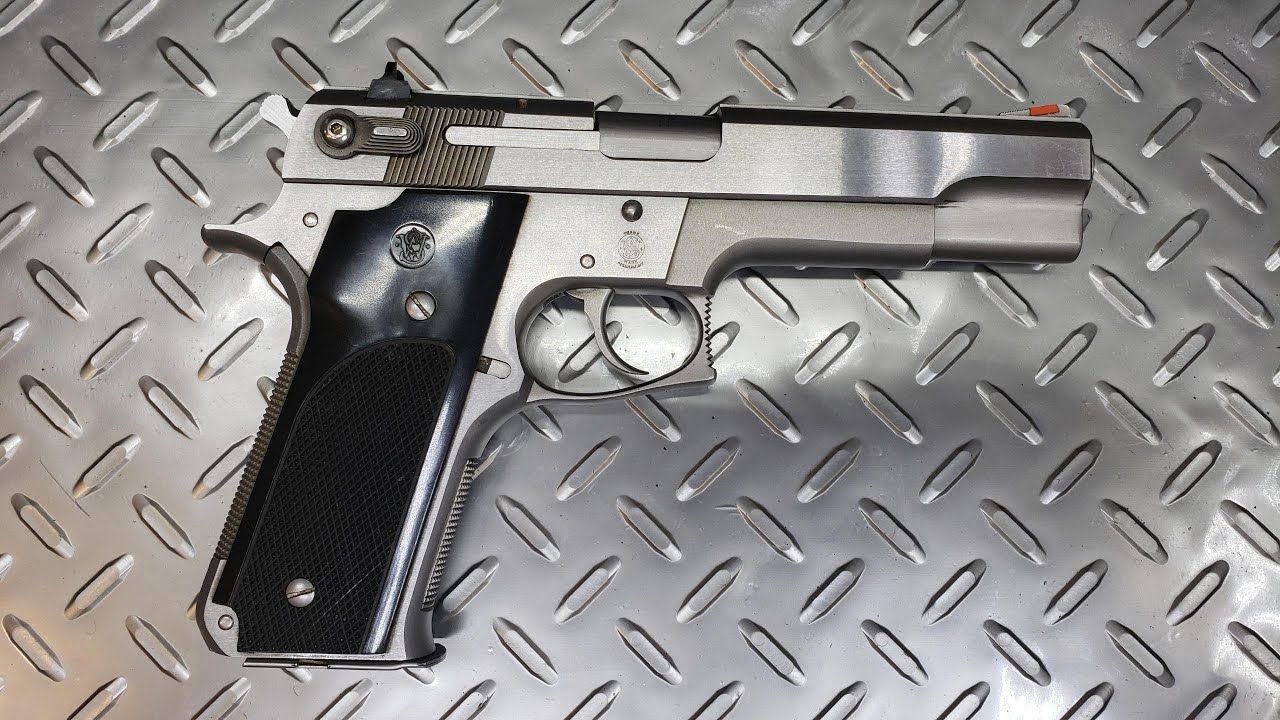
The Smith & Wesson Model 645 arrived during a period when American law enforcement and civilian shooters were searching for high-quality .45 ACP pistols that did not require the single-action manual of arms of a 1911. Its stainless-steel construction, traditional double-action trigger, and eight-round magazine made it a serious service handgun.
It was overshadowed by the 1911, SIG Sauer pistols, and later polymer designs. The Model 645 was heavy, but that weight made it exceptionally stable and comfortable with .45 ACP ammunition. Its fixed barrel bushing and solid construction supported good accuracy, while the stainless finish tolerated hard use. Later Smith & Wesson .45s refined the concept, but the 645 helped prove that a traditional double-action American .45 could be dependable, durable, and pleasant to shoot.
Ruger SR9

The Ruger SR9 was one of the company’s first serious attempts to compete in the slim, high-capacity striker-fired pistol market. It offered a narrow grip, 17-round magazine, ambidextrous controls, and a profile that felt much less bulky than Ruger’s earlier service pistols.
An early recall and a crowded market hurt its reputation before the platform had time to mature. Later SR9 pistols were generally reliable, comfortable, and easy to shoot. The grip fit a broad range of hand sizes, while the trigger improved substantially after the first production period. Ruger eventually replaced the line, leaving it with limited aftermarket support and little current attention. The SR9 was not revolutionary, but it was a much better defensive pistol than its short commercial life suggests.
Walther P99

The Walther P99 offered one of the most creative striker-fired trigger systems ever placed in a production service pistol. Depending on the version, shooters received a decocker, a traditional double-action first pull, and lighter single-action follow-up shots without an exposed hammer.
Its unusual controls and trigger modes required more explanation than the simpler Glock system. That made the P99 harder to sell to departments and ordinary buyers who wanted one consistent trigger pull. The pistol itself was ergonomic, accurate, and exceptionally well made. Interchangeable backstraps were advanced when it appeared, and the grip shape influenced later Walther designs. The P99 never earned the broad recognition its engineering deserved, even though many modern pistols borrowed from the path it helped establish.
Steyr M9-A1

The Steyr M9-A1 brought an extremely low bore line, distinctive trapezoidal sights, and excellent ergonomics to the striker-fired market. Its grip angle and high beavertail helped place the shooter’s hand close to the barrel, making the pistol track flat during rapid fire.
The styling and sights were too unusual for many buyers. Limited holster, magazine, and parts availability also made it difficult to compete with Glock. Shooters willing to adapt often found the Steyr accurate, comfortable, and faster to point than expected. Its trigger was clean, and the frame shape supported an aggressive two-handed grip. The M9-A1 lacked the marketing and ecosystem needed for major success, but its actual range performance deserved far more respect.
Grand Power K100
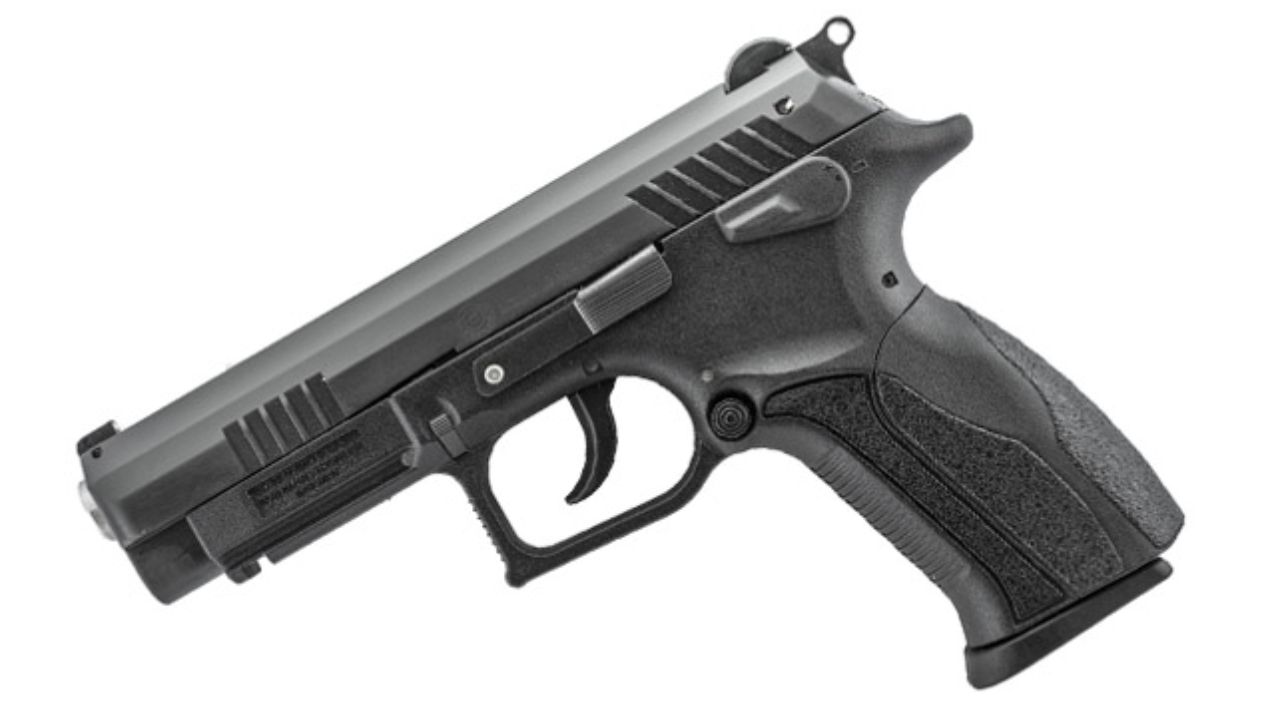
The Grand Power K100 uses a rotating-barrel system that creates a smooth and controlled recoil impulse. It also offers an excellent double-action and single-action trigger, ambidextrous controls, and build quality that compares favorably with much more expensive European pistols.
The problem was never the shooting experience. Grand Power lacked the American distribution, advertising, and parts network required to compete with major brands. Magazines and holsters could be difficult to locate, while many buyers had never heard of the company. Those limitations kept an outstanding service pistol on the edge of the market. Anyone who has fired a K100 understands that it deserved to be discussed alongside respected hammer-fired guns from Beretta, CZ, and SIG Sauer.
FNX-45 Tactical
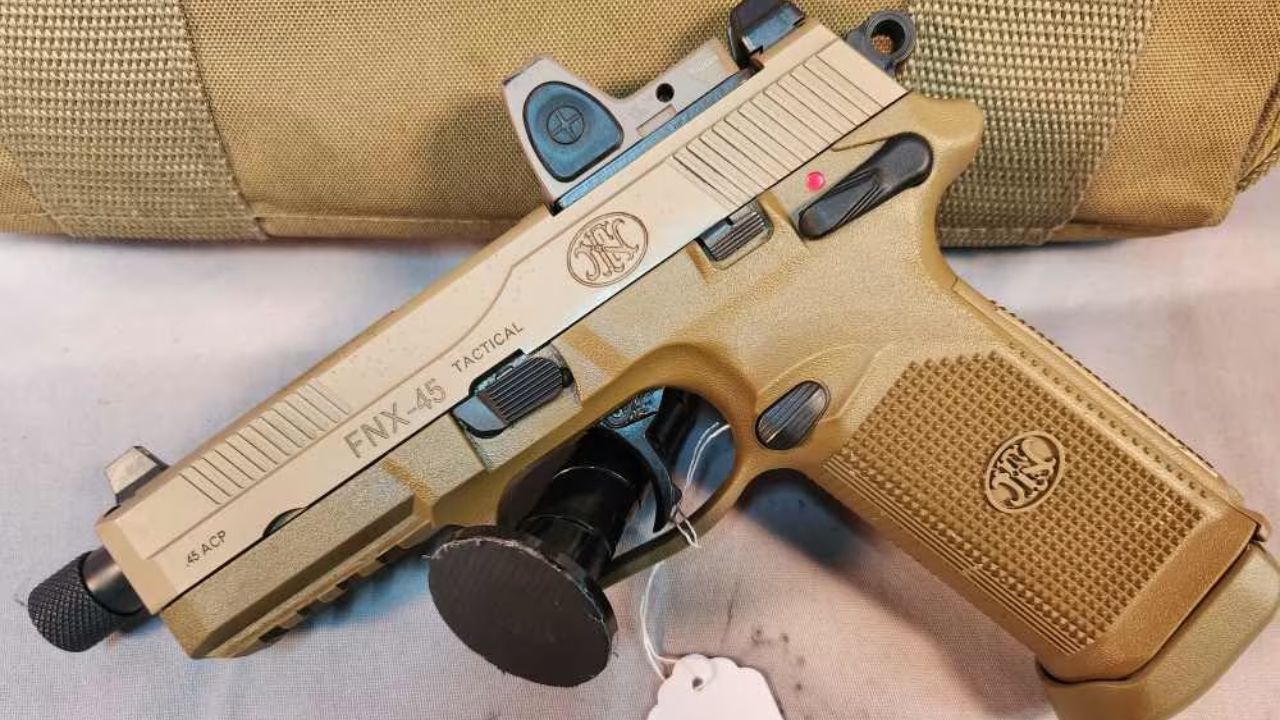
The FNX-45 Tactical offered features that were difficult to find together when it appeared. It combined a 15-round .45 ACP magazine, threaded barrel, tall sights, optic-ready slide, ambidextrous controls, and a traditional hammer-fired action.
Its large grip and premium price limited the audience. The pistol also arrived before suppressor-ready and optic-ready handguns became normal consumer products. In many ways, the market later caught up with what FN had already built. The FNX-45 Tactical remains large, but that size helps control recoil and provides outstanding capacity for the cartridge. It deserved greater credit for establishing the factory-equipped tactical handgun format years before nearly every major manufacturer began offering something similar.
SIG Sauer SP2022
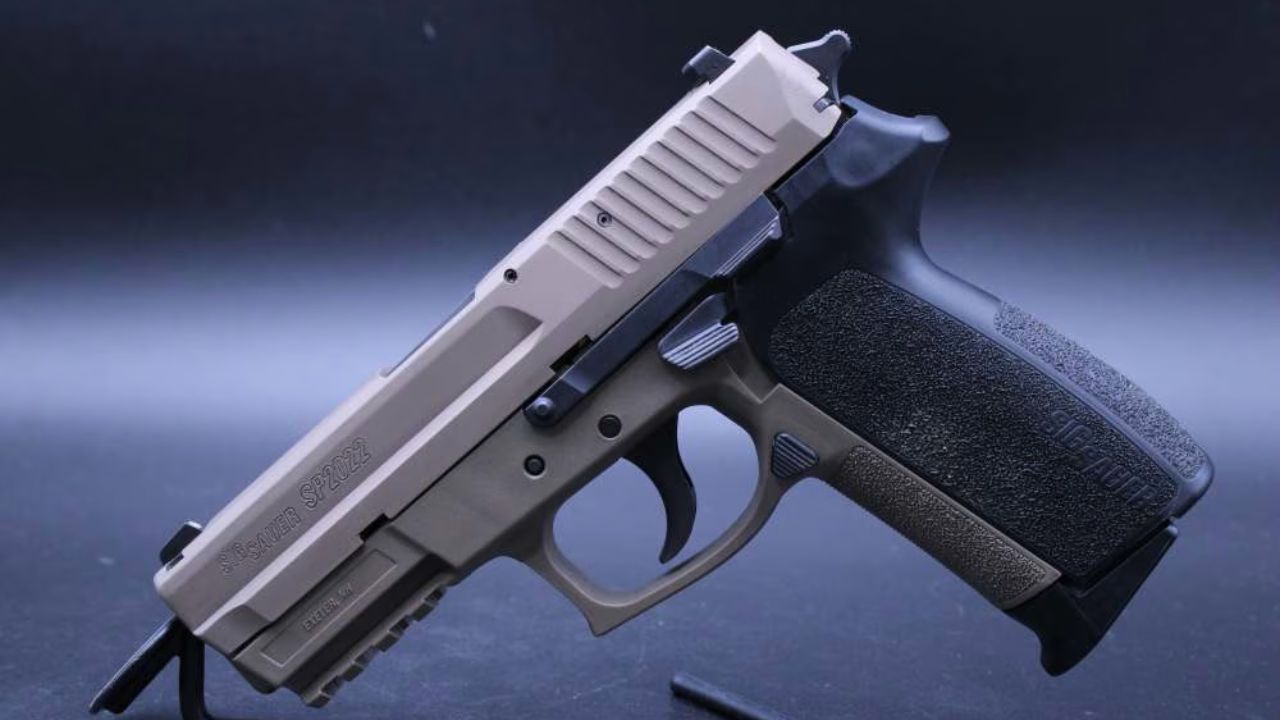
The SP2022 was overshadowed from the beginning by SIG Sauer’s metal-framed P226 and P229. Its polymer frame and lower price caused many shooters to assume it was a cheaper, less serious version of the company’s traditional service pistols.
The SP2022 is a durable and accurate duty handgun with an excellent reputation among several European police and military users. Its double-action and single-action trigger is generally very good, while the removable grip shell allows some adjustment. It lacks the refinement and aftermarket of SIG’s more famous models, but it also costs considerably less. The SP2022 deserved recognition as one of the best affordable hammer-fired service pistols rather than being treated as the gun buyers settled for when they could not afford a P226.
CZ 97B

The CZ 97B took the familiar ergonomics and internal slide-rail design of the CZ 75 family and enlarged it for .45 ACP. Its steel frame, ten-round capacity, and substantial weight made it one of the softest-shooting production .45 pistols available.
The grip was too large for many hands, and the pistol never received the accessory support enjoyed by 1911s or polymer .45s. It was also heavy enough to discourage concealed carry. Those drawbacks obscured how accurate and stable the gun could be. Later versions improved the grip and controls, but the model eventually disappeared. The CZ 97B deserved more credit as a strong, high-capacity metal-framed .45 built for shooters who valued control and precision over low weight.
Smith & Wesson Model 1006
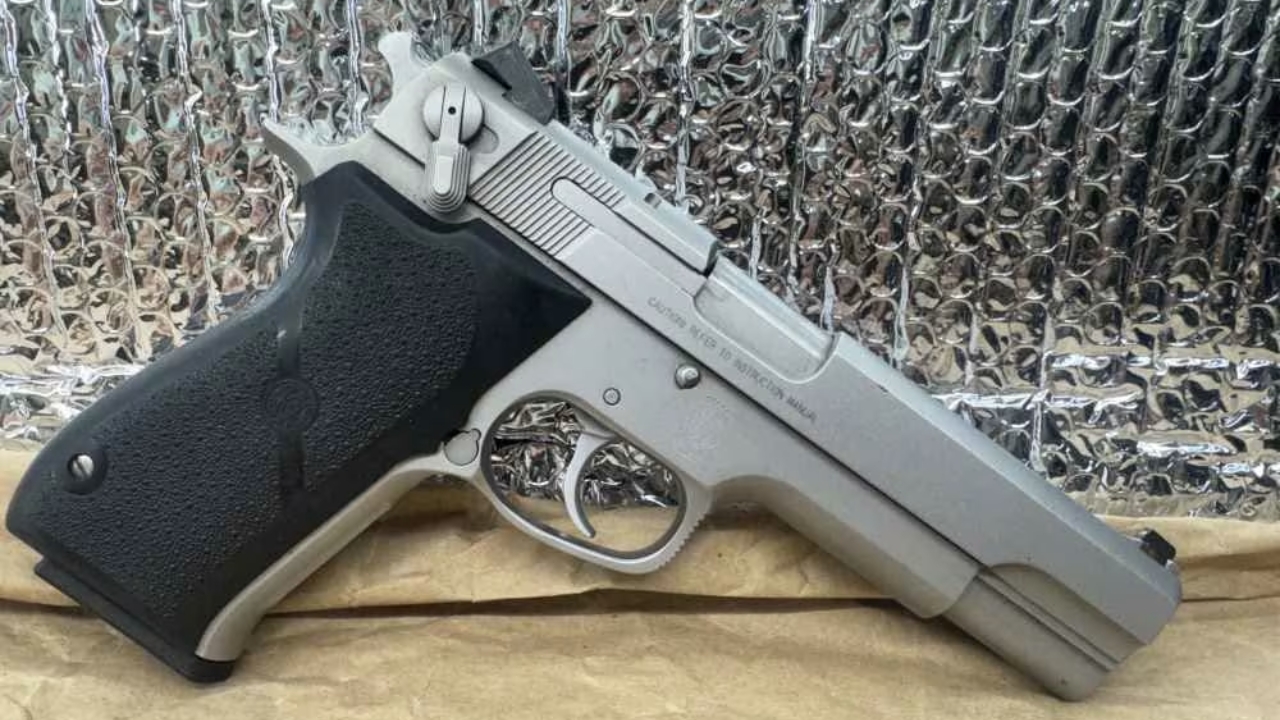
The Model 1006 was one of the strongest production 10mm pistols ever built. Its stainless-steel frame and slide were designed around full-power ammunition rather than watered-down loads, while the traditional double-action trigger gave it a service-pistol operating system.
Its weight, size, and limited magazine capacity made it less appealing once lighter polymer pistols became common. The FBI’s brief relationship with the 10mm cartridge also failed to create the long-term institutional demand Smith & Wesson expected. The Model 1006 remained extremely durable and handled powerful loads better than many later pistols. Collectors now understand its importance, but during its production life it never received the broad recognition deserved by such a capable and overbuilt handgun.
Colt 1903 Pocket Hammerless

The Colt 1903 Pocket Hammerless was one of the finest concealed-carry pistols of the early 20th century. Its internal hammer, smooth exterior, thin profile, and natural grip made it easy to carry discreetly long before modern compact pistols existed.
Its .32 ACP chambering caused later shooters to dismiss it as underpowered and outdated. That judgment ignores how refined the pistol was for its time. The fixed barrel supported good accuracy, the controls were straightforward, and the gun pointed naturally. It was carried by officers, military leaders, detectives, and civilians for decades. Modern defensive standards have changed, but the 1903 deserves credit as an early example of a purpose-built concealed-carry handgun that prioritized comfort and snag-free handling.
Remington Model 81
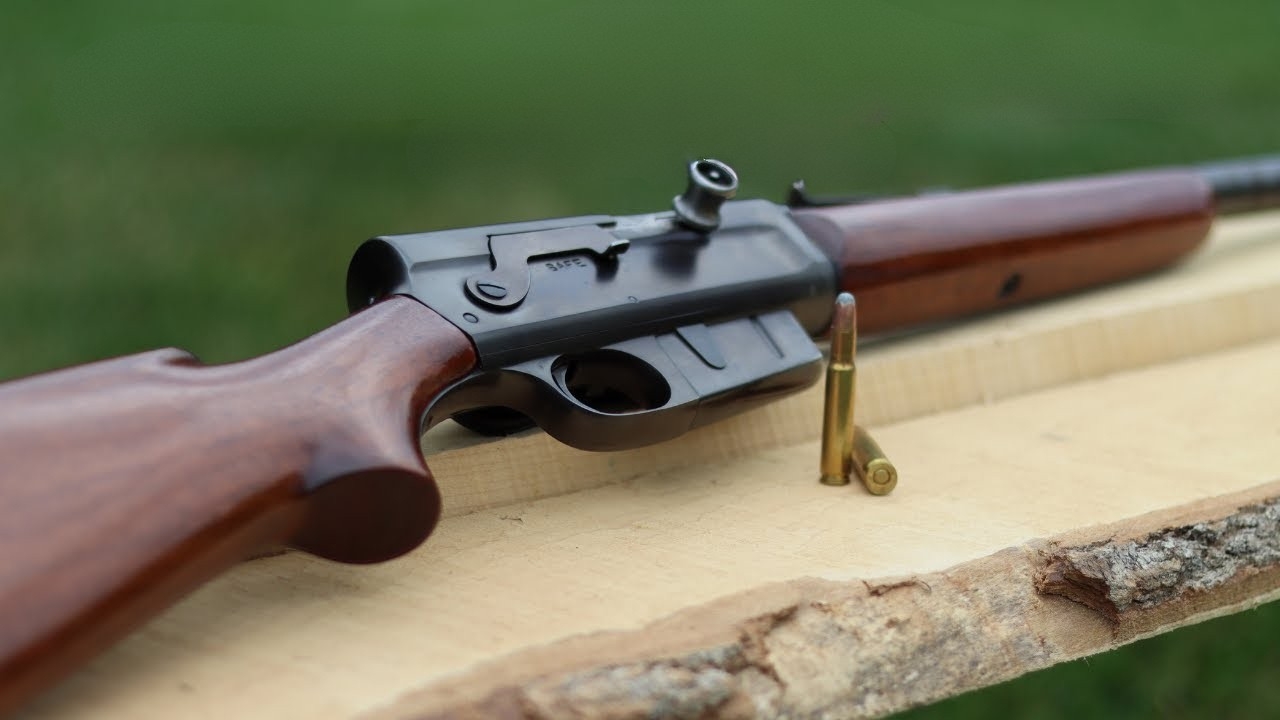
The Remington Model 81 was an updated version of John Browning’s Model 8 semi-automatic sporting rifle. It offered a dependable long-recoil action and chamberings suitable for deer, black bear, and other medium-size game.
The rifle’s complicated appearance and substantial weight made it less appealing once lighter bolt actions and lever guns dominated the hunting market. Certain law-enforcement versions used detachable extended magazines and provided impressive firepower for the period. The Model 81 was reliable, fast, and far more advanced than many contemporary sporting rifles. It deserved greater recognition as one of the earliest practical semi-automatic big-game rifles rather than being remembered mainly by collectors.
Winchester Model 88

The Winchester Model 88 tried to give lever-action hunters the ballistics and accuracy of a modern bolt rifle. It used a rotating bolt, detachable box magazine, and chamberings such as .243 Winchester, .308 Winchester, and .358 Winchester.
Traditional lever-action shooters often disliked its modern appearance, while bolt-action buyers saw no reason to choose a lever. That left the Model 88 between two established groups. The rifle was fast to operate, capable of good accuracy, and able to use pointed bullets safely because of its box magazine. It anticipated the demand for quick-handling rifles chambered in modern cartridges. The Model 88 deserved more success than it received and remains one of Winchester’s most interesting postwar sporting designs.
Savage Model 99
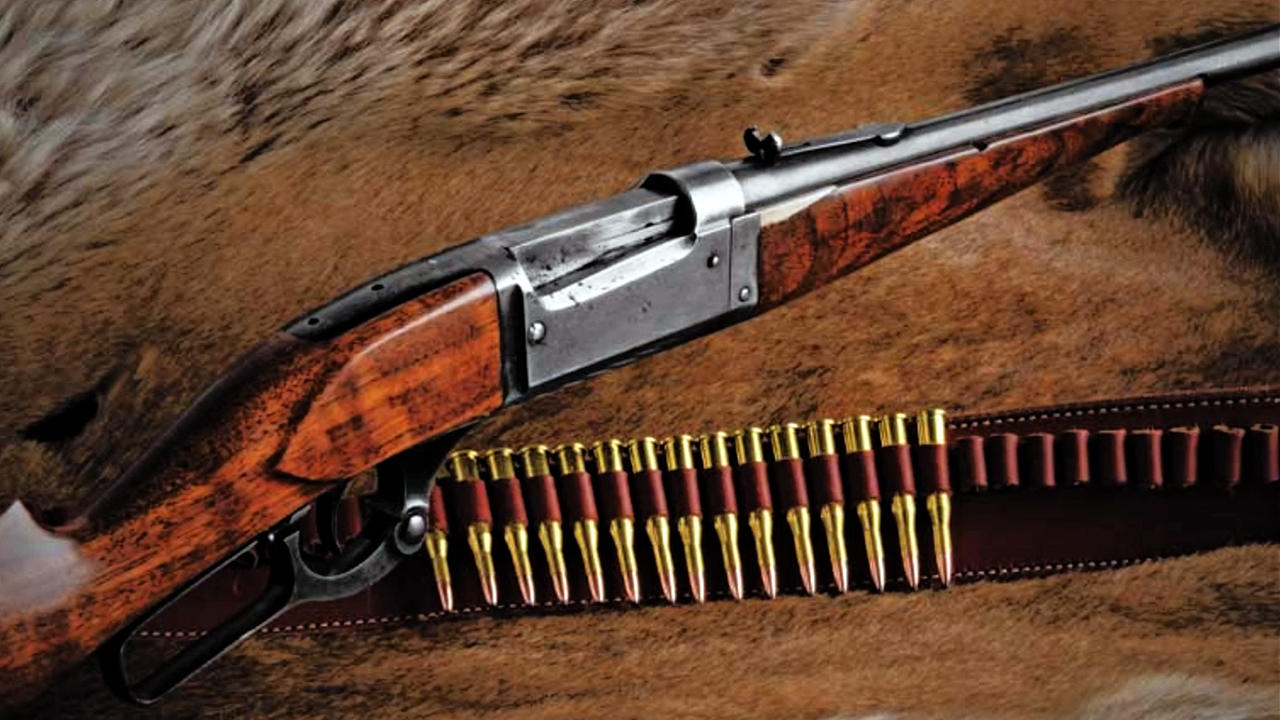
The Savage Model 99 solved several limitations associated with traditional lever-action rifles. Its rotary magazine allowed the use of pointed bullets, while its strong action handled modern high-pressure cartridges. It also included a cocking indicator and, on many versions, a round counter.
The rifle never achieved the cultural status of the Winchester 94 or Marlin 336, even though it was technically more advanced in several ways. It was expensive to manufacture, and its smooth receiver lacked the traditional Western appearance many lever-gun buyers preferred. Hunters who used the Model 99 appreciated its accuracy, balance, and ability to chamber cartridges such as .250 Savage and .300 Savage. It deserved to be recognized as one of the finest sporting lever actions ever produced.
Browning BLR
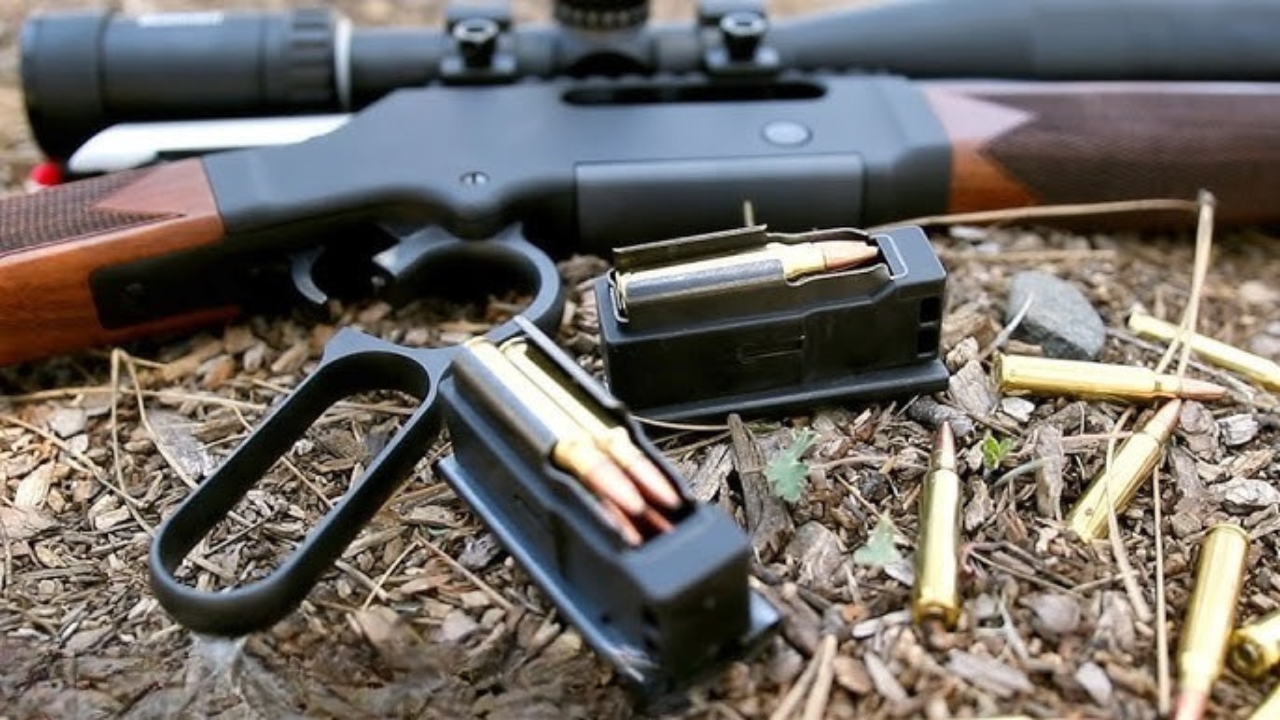
The Browning BLR continued the idea of a lever-action rifle using a rotating bolt and detachable box magazine. That design allowed it to chamber powerful modern cartridges ranging from short-action deer rounds to certain magnums.
The BLR never gained the broad following of more traditional lever guns. Its trigger can be difficult to improve, the action is mechanically complex, and the rifle is relatively expensive. Those complaints hide its unique usefulness. The BLR gives hunters fast lever operation while safely using pointed bullets and high-pressure cartridges. It works especially well for left-handed shooters who want a repeating hunting rifle without operating a conventional bolt. Few rifles fill that role as effectively.
Ruger Hawkeye African
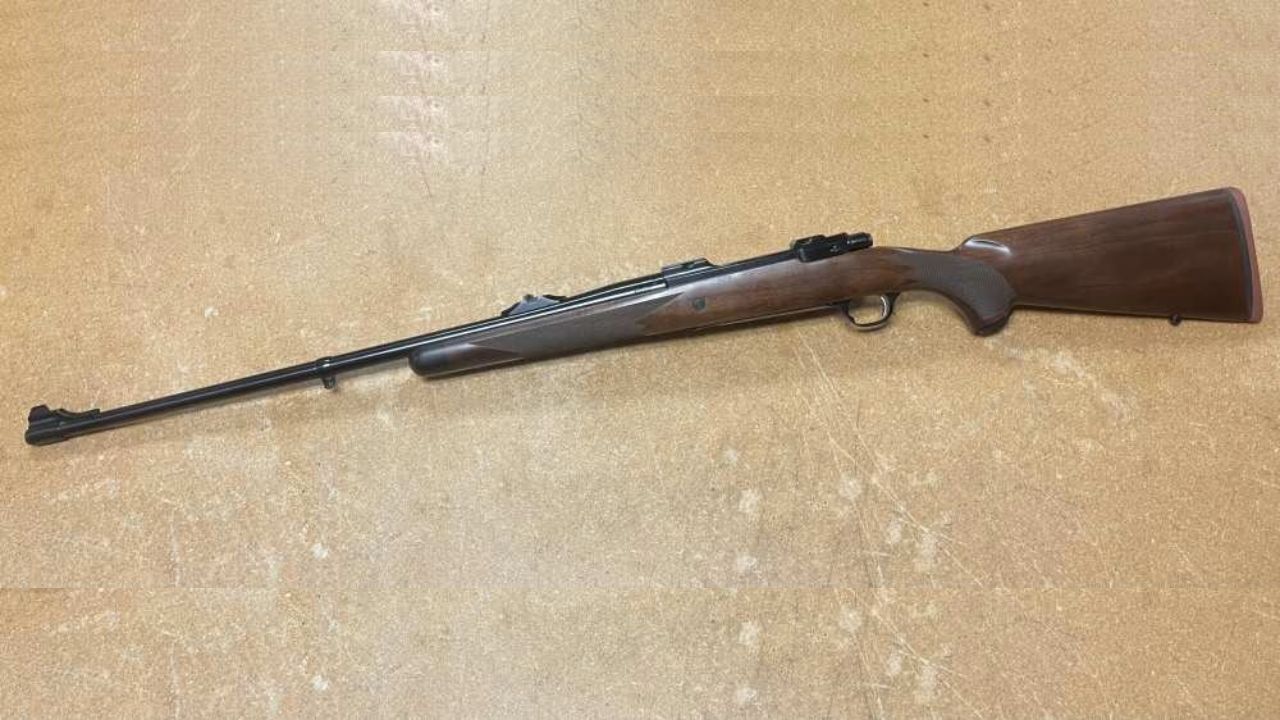
The Ruger Hawkeye African is built around a controlled-round-feed action, sturdy stock, express-style sights, and chamberings intended for serious big-game hunting. It offers many features associated with far more expensive dangerous-game rifles.
Because Ruger is often viewed as a practical rather than prestigious brand, the Hawkeye African rarely receives the same admiration as premium Mausers or custom safari rifles. Its action may feel rough from the factory, and the rifle is not lightweight. Those traits matter less in a field gun designed around dependable feeding and powerful cartridges. The Hawkeye African gives hunters a legitimate controlled-feed rifle at a price below many traditional alternatives. It deserves more respect for delivering function where image usually dominates.
Howa 1500
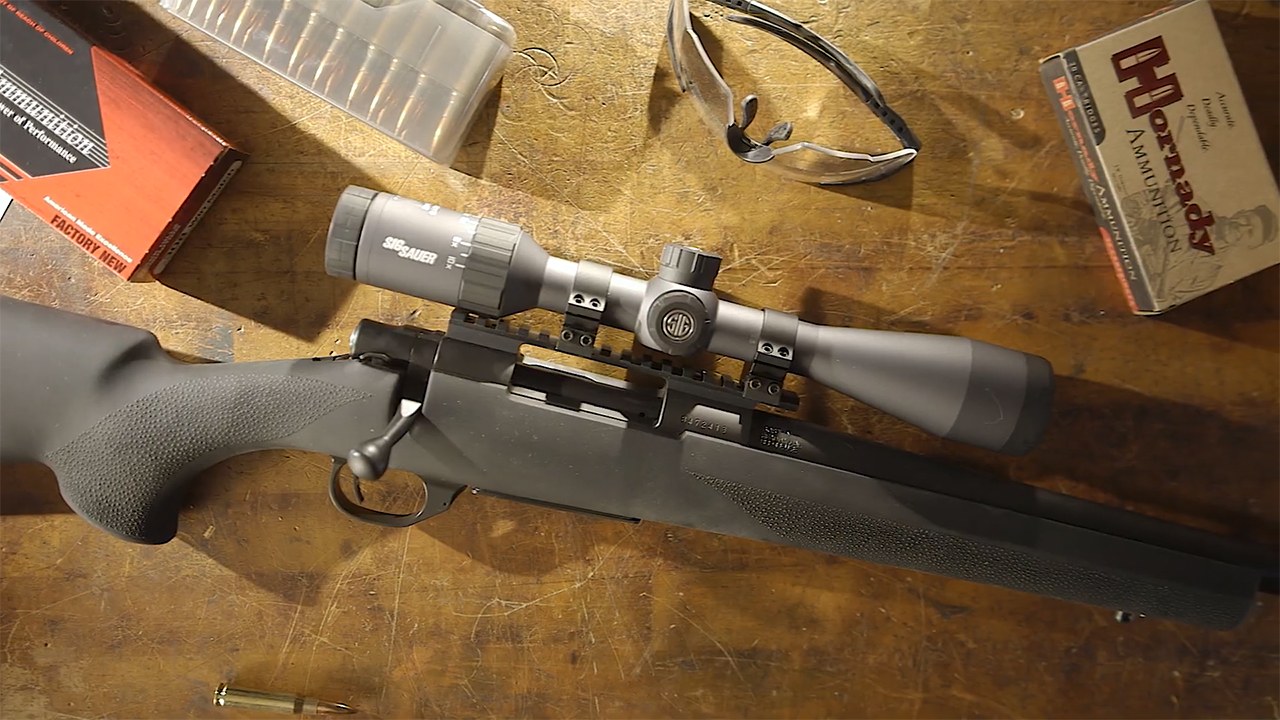
The Howa 1500 has spent years providing the basic action for rifles sold under several different brand names. Its forged receiver, one-piece bolt, dependable extractor, and consistent barrels make it a strong foundation for both hunting and precision builds.
It rarely receives full credit because many shooters encounter it wearing another company’s name or inside an inexpensive factory stock. The action is smooth, the trigger is usable, and accuracy is often excellent for the price. Aftermarket support has also grown substantially. The Howa 1500 may not have the prestige of a Tikka or Remington 700, but it has quietly delivered dependable performance for decades without the marketing attention given to its better-known competitors.
Tikka T3
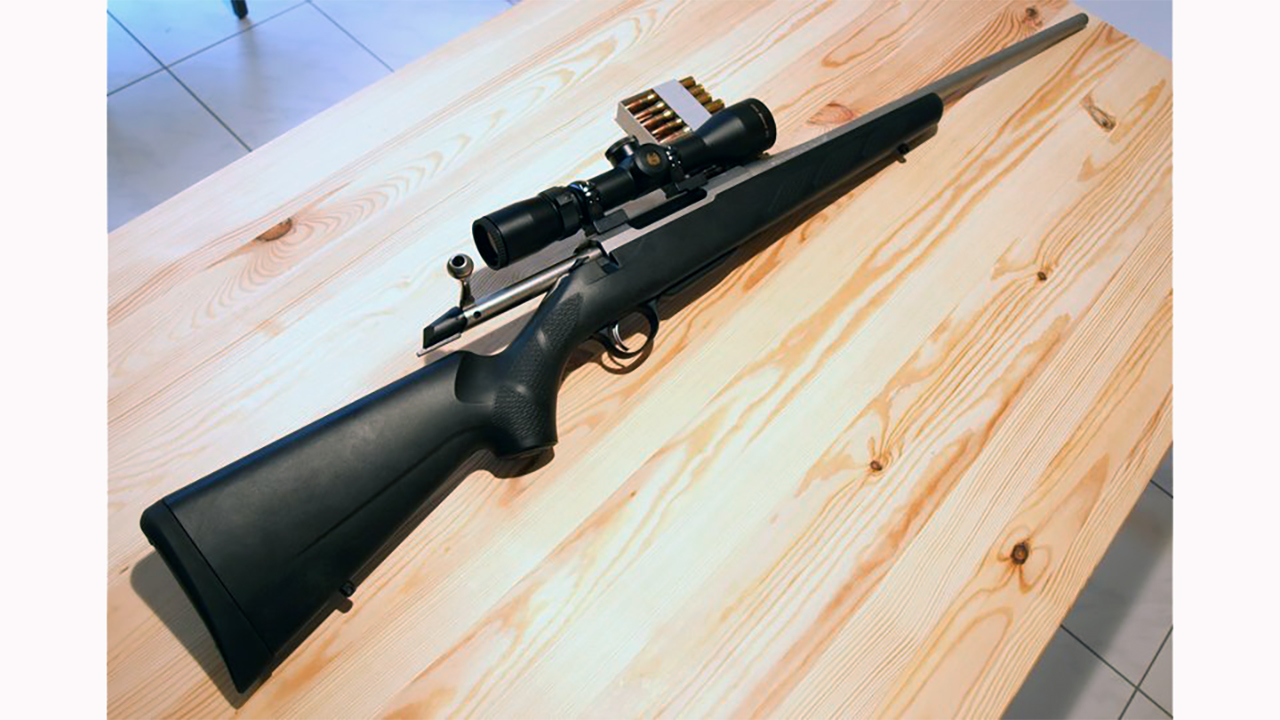
The Tikka T3 earned a loyal following among hunters, yet it spent years being dismissed by traditionalists because of its polymer magazine, plastic bolt shroud on early rifles, and economical manufacturing methods. Some buyers equated low weight and synthetic components with weakness.
The rifle’s actual performance told a different story. Tikka actions are exceptionally smooth, triggers are clean, and factory barrels routinely deliver strong accuracy. The lightweight construction makes the rifle easy to carry, while the simple action remains dependable in harsh conditions. The T3 eventually gained more respect, but it deserved recognition much sooner. It proved that thoughtful engineering and consistent manufacturing could matter more than heavy steel components or traditional appearance.
Benelli R1
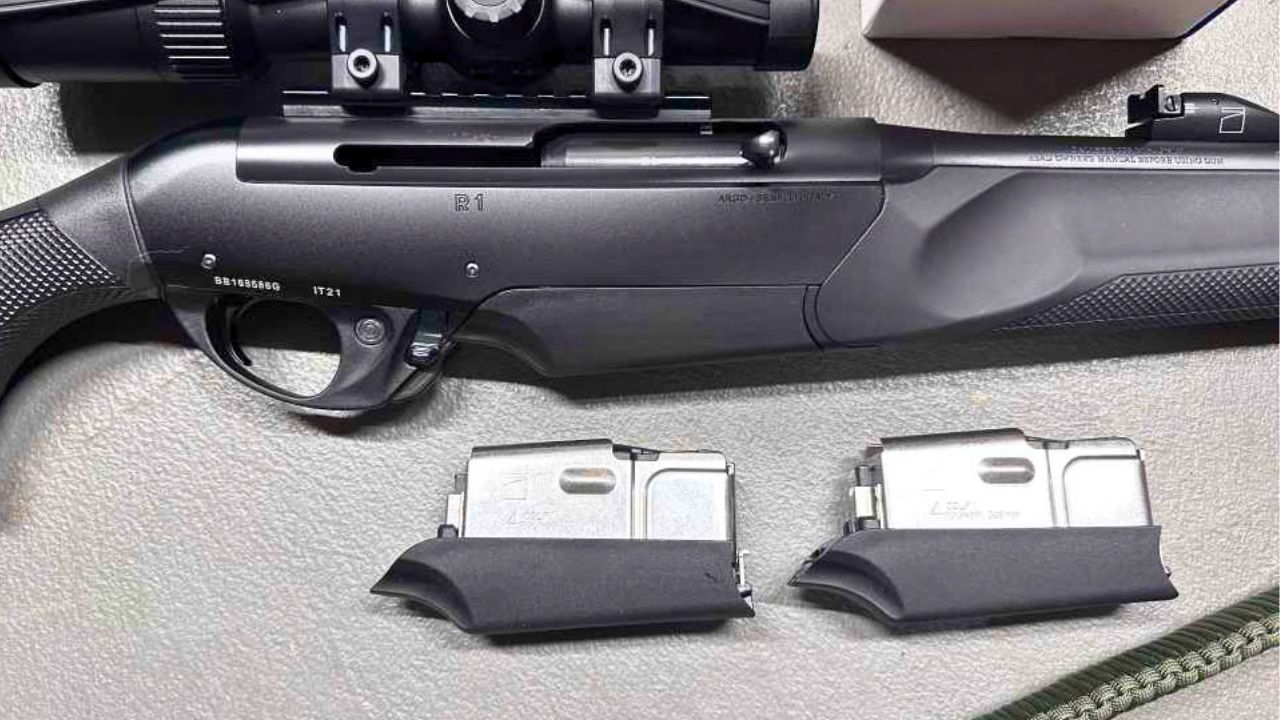
The Benelli R1 adapted ideas from the company’s shotgun engineering into a semi-automatic hunting rifle. Its gas-operated system, rotating bolt, and carefully shaped stock were intended to provide rapid follow-up shots with manageable recoil in serious hunting cartridges.
The rifle was expensive, unfamiliar, and never supported by a large aftermarket. Many American hunters already trusted Browning BAR rifles or preferred bolt actions, leaving little room for the R1. The Benelli is comfortable, fast, and generally reliable when properly maintained. Its styling and field handling are more refined than many competing semi-automatic hunting rifles. It deserved more attention from hunters who wanted something faster than a bolt gun without moving to a military-style platform.
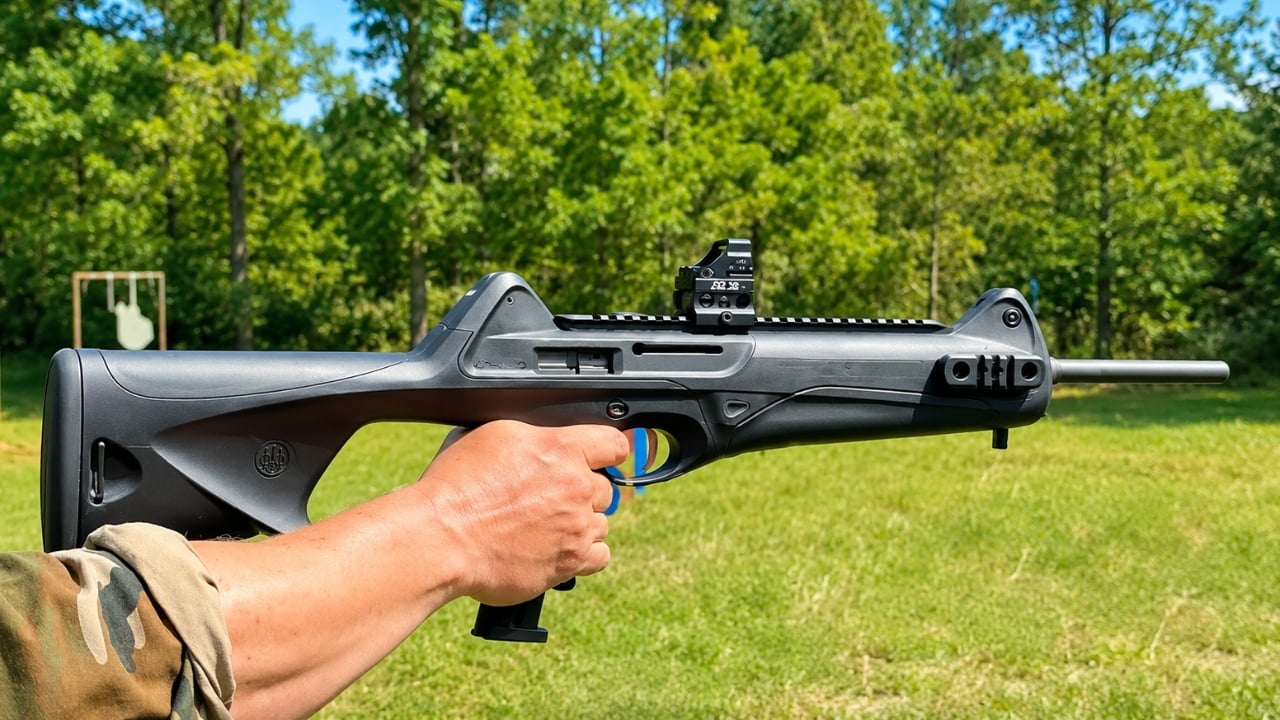
Beretta Cx4 Storm

The Beretta Cx4 Storm was a lightweight pistol-caliber carbine with fully ambidextrous potential, reversible controls, and compatibility with magazines from several Beretta handgun families. Its enclosed action and futuristic stock gave it a distinctive appearance.
The Cx4 arrived before pistol-caliber carbines regained widespread popularity. Its trigger was ordinary, accessory mounting was limited on early guns, and the styling divided buyers. The carbine itself was compact, reliable, easy to operate, and exceptionally pleasant for new shooters. Its magazine compatibility made sense for Beretta pistol owners, while the simple blowback action required little maintenance. Years later, the market became crowded with pistol-caliber carbines built around many of the same practical advantages. The Cx4 deserved more credit for getting there early.
Like The Avid Outdoorsman’s content? Subscribe to our newsletter so you never miss an article.
Here’s more from us: