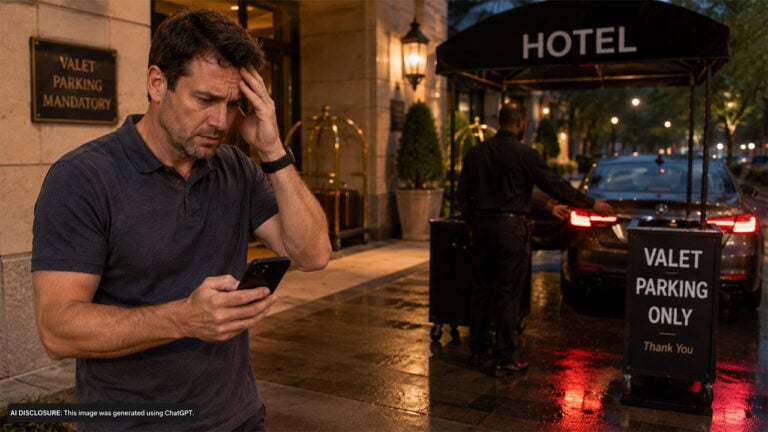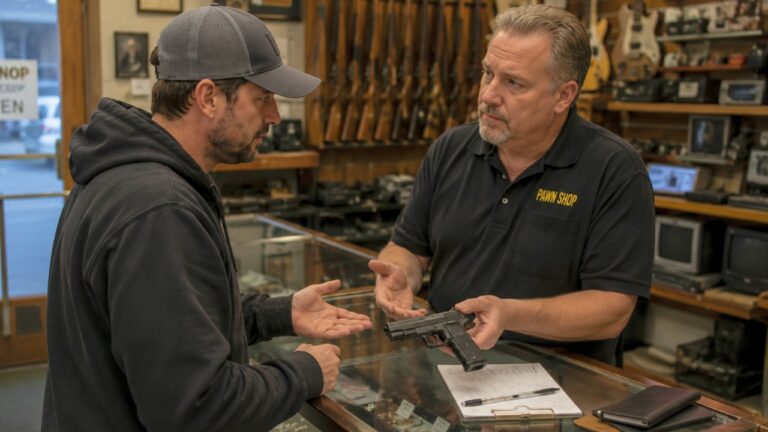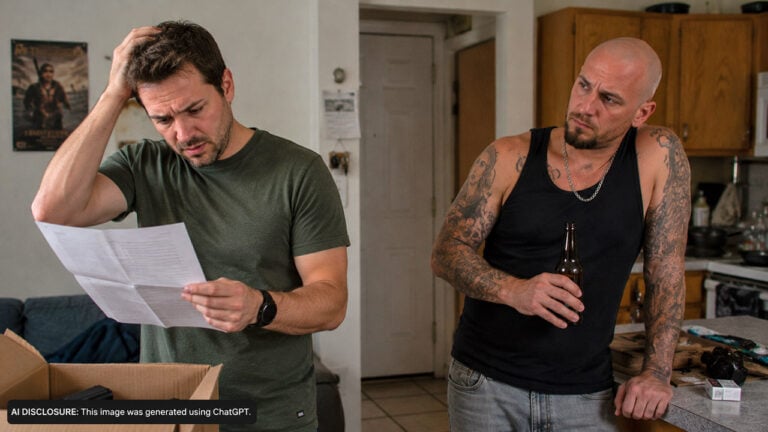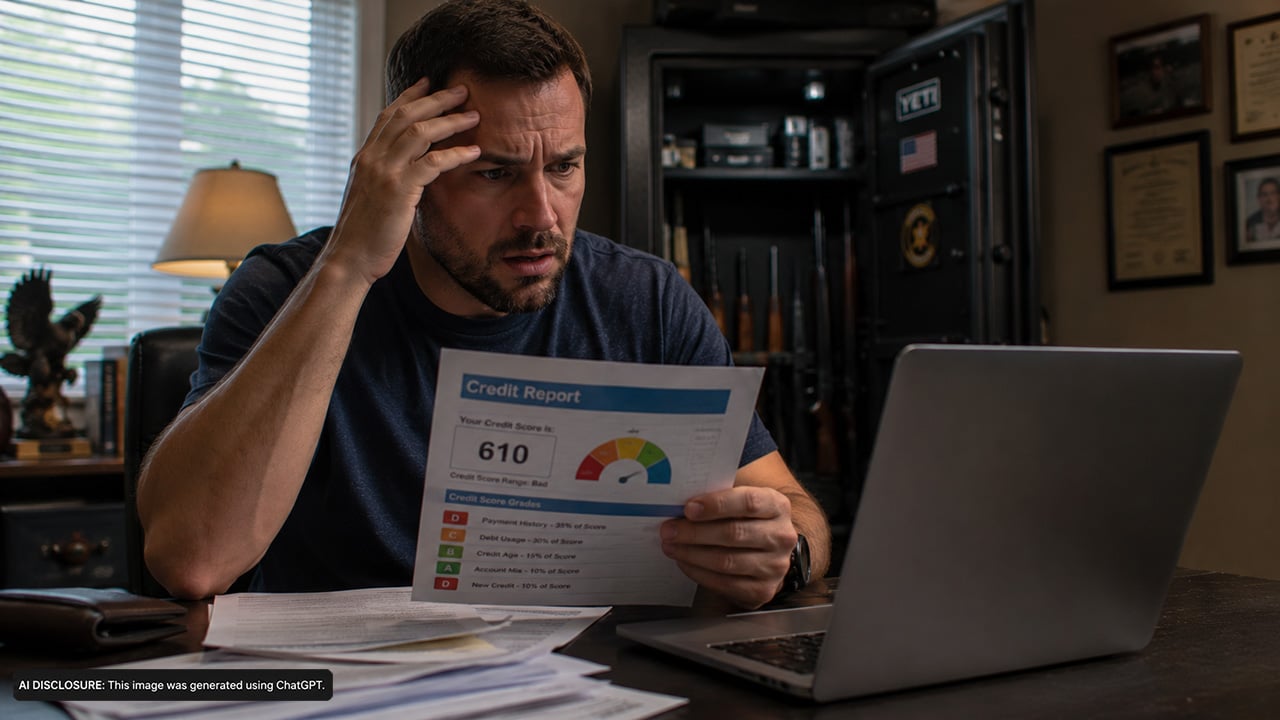
Photo credit: AI-generated image created using ChatGPT. Illustrative only
Buying a handgun in a small town usually feels like a straight, by-the-book errand: fill out the state paperwork, get the background check done, pay, and head home. But one Virginia buyer says that routine purchase took a hard left turn when a store employee allegedly used the buyer’s information from the background check application to contact them personally.
In the original post, the buyer said the sales associate handwrote a letter inviting the customer to his home—using contact details pulled from the gun sale application. The buyer also said the store didn’t seem very concerned about the employee’s behavior, which only raised the temperature on an already unsettling situation.
A standard firearm purchase turned into an unwanted personal contact
The buyer said they provided a full set of personal identifiers during the sale process—information that typically includes items like a Social Security number, date of birth, birthplace, and other details used to verify identity. That’s normal for this kind of transaction, and it’s one reason most gun owners expect firearms retailers to run a tight ship when it comes to paperwork and privacy.
According to the buyer, the employee later used that information to reach out directly, outside the boundaries of the sale. The letter wasn’t about a recall, a warranty issue, or anything connected to the purchase. It was a personal invitation to the employee’s home, which the buyer described as “creepy actions,” especially given the sensitivity of the information involved.
Why this hits harder in a rural, one-stoplight town
Out in the country, there’s no such thing as anonymity. The buyer explained they live in a small, “one stoplight” town and that the employee lives about three miles away. That means overlapping routines—same grocery store, same pharmacy, maybe even the same doctor’s office—whether you want them or not.
The buyer also said the employee owns a gun range. That detail matters, not because ranges are bad—most of us use them—but because it underscores access and proximity. When someone crosses a boundary with your private information and also lives close enough to be a regular part of your day-to-day world, the safety concern stops being theoretical.
The real fear wasn’t just the letter—it was what else he could have copied
A handwritten letter is the part you can hold in your hand. What you can’t see is what was written down, photographed, or memorized from the application. The buyer’s worry was straightforward: if the employee was willing to pull contact info for personal use, what else did he take?
On gun paperwork, you’re not handing over just a phone number. You’re often providing the kind of identity data that can be misused if it falls into the wrong hands. The buyer specifically mentioned their Social Security number, date of birth, birthplace, and maiden name among the information provided. In the wrong hands, that’s the kind of combo that can lead to deeper problems than an uncomfortable letter.
What responsible gun shops usually do—and why the store’s reaction matters
Most firearms retailers understand they’re not selling fishing tackle or bags of feed. They’re handling sensitive records and running transactions that have legal consequences. That usually comes with strict internal rules: limited access to forms, secure storage, and clear boundaries on who can handle paperwork and why.
That’s why the buyer’s note about the store not showing much concern stands out. If a shop treats this like “no big deal,” it can leave a customer feeling exposed and alone. It also raises practical questions: Are forms being stored securely? Are employees trained on privacy? Is management willing to document the incident and take corrective action, or are they hoping it goes away?
Practical steps gun owners think about when private data gets misused
The buyer asked a simple question: is using that personal information for this purpose illegal, and who should be contacted? Without getting into legal fine print, the common-sense answer from a gun owner’s standpoint is that you treat it like two separate problems: potential identity misuse and personal safety.
On the identity side, the concern is straightforward—if someone has enough of your personal details, they may be able to impersonate you with banks, credit services, utilities, or online accounts. On the personal safety side, you’re dealing with an unwanted contact from someone who knows where you live in the same small area, and who already demonstrated poor judgment with your information.
A cautious, practical approach usually starts with documentation. Keep the letter, take clear photos of it, and write down dates, times, and who you spoke with at the store. If you choose to contact local authorities or a relevant consumer-protection route, you’ll want a clean timeline instead of a fog of frustration.
Keeping your head on straight: don’t escalate, but don’t ignore it
This is the kind of situation that can tempt people to “handle it themselves,” especially in a rural community where folks tend to solve problems face-to-face. But when private data and personal boundaries are involved, direct confrontation can backfire. It can also muddy the record if the situation needs to be addressed formally later.
At the same time, ignoring it isn’t wise either. The buyer’s concern wasn’t just that the employee was unprofessional—it was that the employee had access to information that should never be used outside the transaction. When you hand over highly sensitive identifiers for a background check, you’re trusting the business to protect it. If that trust is broken, it’s reasonable to take steps to protect yourself and your household.
For many gun owners, that protection looks like tightening up digital accounts, watching financial activity closely, and being more intentional about personal security at home—good locks, good lighting, and good awareness—without turning your life into a siege. The goal is calm readiness, not panic.
What happened to this Virginia buyer is a reminder that privacy isn’t just a big-city problem or an online problem. Sometimes it’s as close as the counter where you buy a handgun. If a shop employee crosses the line with customer data, take it seriously, keep records, and make decisions that put safety and accountability first.
Like The Avid Outdoorsman’s content? Subscribe to our newsletter so you never miss an article.
Here’s more from us: