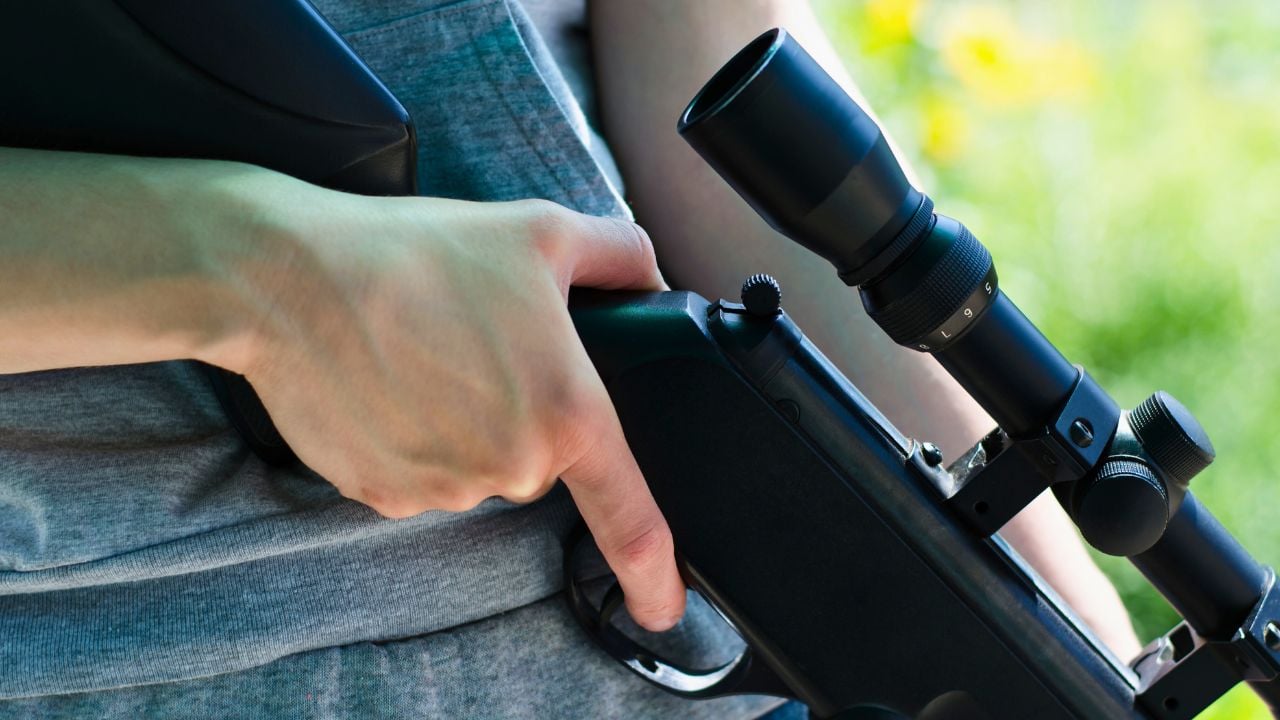
Photo credit: Oleksandr Shatyrov/Shutterstock.com
A good backcountry scope doesn’t need to be expensive—but it does need to survive being knocked around, rained on, and rattled for days straight. When you’re miles from the trailhead, gear failure isn’t just frustrating—it can cost you your shot opportunity or even the whole hunt. The truth is, not every scope is built for the abuse that comes with steep climbs, cold mornings, and rough terrain. Some optics look fine in the store but can’t handle one good hit or a few hours of freezing fog before fogging, shifting zero, or breaking entirely.
If you’ve hunted long enough, you’ve seen it happen—a buddy misses clean because his scope took a spill, or the glass fogs so badly he might as well be looking through a milk jug. These are the scopes that seem fine at home but crumble the minute you push them beyond a paved road.
Tasco World Class
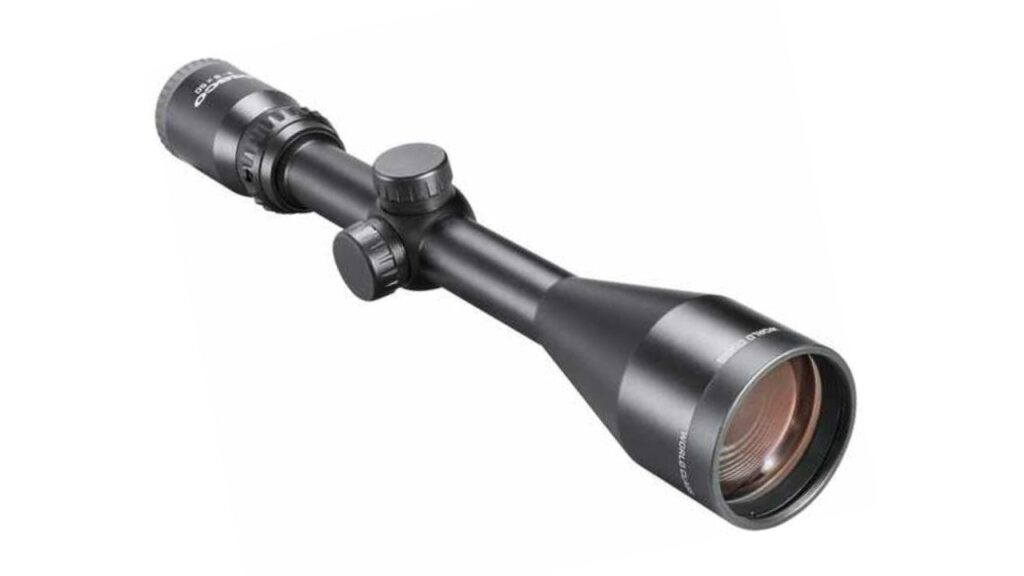
The Tasco World Class might look like a decent deal, but it’s not made for backcountry use. Its construction can’t handle rough transport or hard knocks. A single drop or bump can shift zero, and hunters often report the scope fogging internally after exposure to cold or rain. Once moisture gets inside, the clarity goes downhill fast.
The turrets feel loose, the tube dents easily, and the coatings scratch with minimal contact. It’s a fine optic for plinking or backyard shooting, but it’s out of its league in real mountain conditions. Hunters who’ve tried hauling one through the Rockies or across Alaska often learn the same lesson—when the terrain gets rough, this scope won’t make it through one serious trip without losing reliability.
Barska Huntmaster
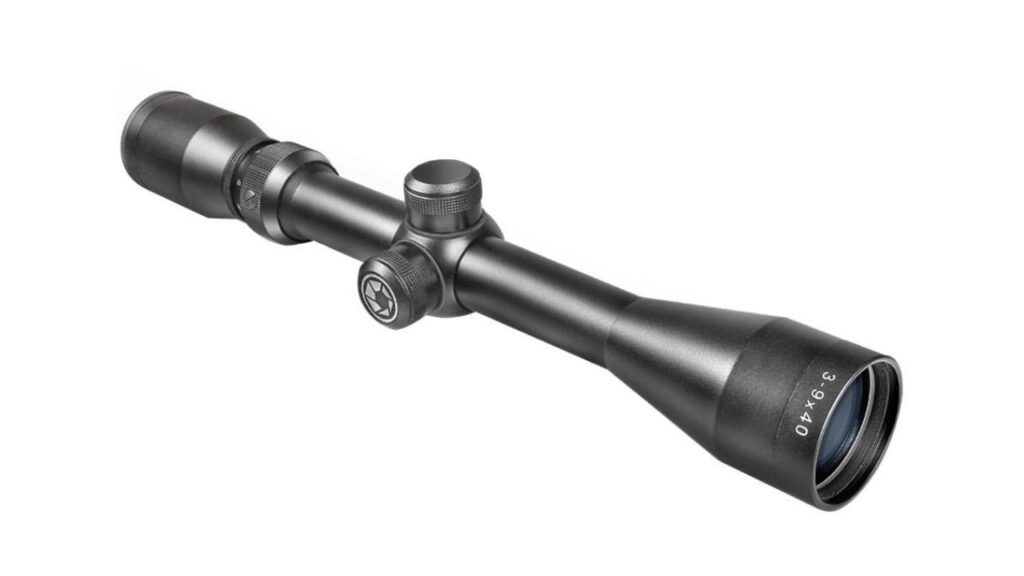
Barska scopes, particularly the Huntmaster line, are famous for offering features on paper that don’t hold up in practice. The Huntmaster’s weak sealing and soft construction make it a poor match for any kind of backcountry trip. Even moderate recoil or a hard bump against a pack can knock it off zero.
Hunters also report fogging issues once the temperature drops or the air turns damp. The adjustments lack precision, and the internals simply don’t hold up to repeated recoil or impact. You might get a few trips out of it if you baby it, but one solid fall on rocky ground or a rough truck ride to the trailhead is often enough to end its short career. In the backcountry, that kind of failure isn’t an inconvenience—it’s a dealbreaker.
Simmons 8-Point
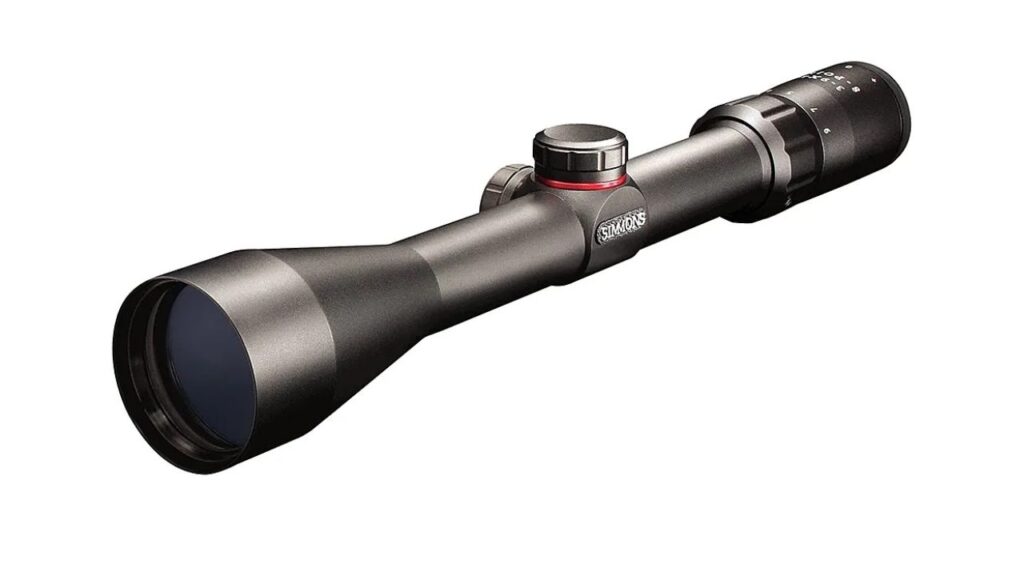
The Simmons 8-Point has long been a budget favorite, but its construction isn’t suited for real mountain hunts. The scope’s internal parts are prone to shifting under recoil, and it doesn’t handle temperature changes well. Hike from a warm valley into cold alpine air, and you’ll often see fog building inside the tube.
The eye relief and adjustments are inconsistent, which becomes frustrating when you’re trying to make precise shots at elevation. Many hunters find it can’t hold zero after a few bumps or even one hard recoil session. For casual shooting or short-range stands, it’s fine, but one backcountry trip with wet weather and steep climbs usually ends with a fogged lens or a scope that won’t track.
BSA Sweet 22
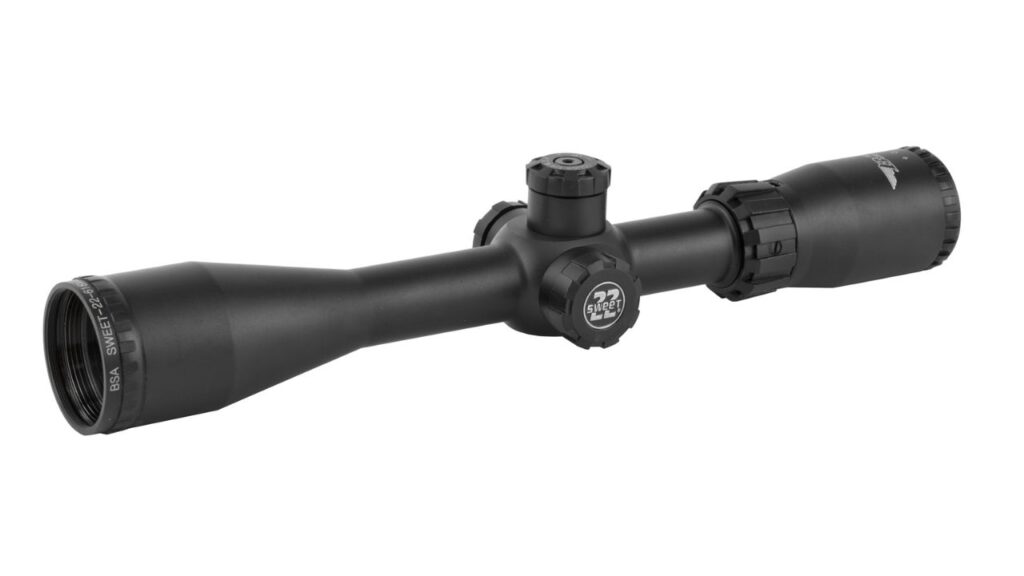
The BSA Sweet 22 was designed for rimfire rifles—and it shows the second you take it into real hunting conditions. It’s not built to handle recoil, vibration, or impact. Carrying it on a backcountry rifle is asking for disappointment. Many hunters report zero drift after the first hike or a couple of hard knocks.
Even in good weather, the internals can loosen and the lenses can fog. The turrets are soft and lack consistent click adjustments, which makes dialing for elevation nearly impossible. While it’s fine for plinking or small-game shooting near home, the Sweet 22 isn’t a scope that belongs in serious backcountry hunting. It simply can’t handle the combination of weather, terrain, and physical abuse that come with mountain hunts.
NCStar Mark III
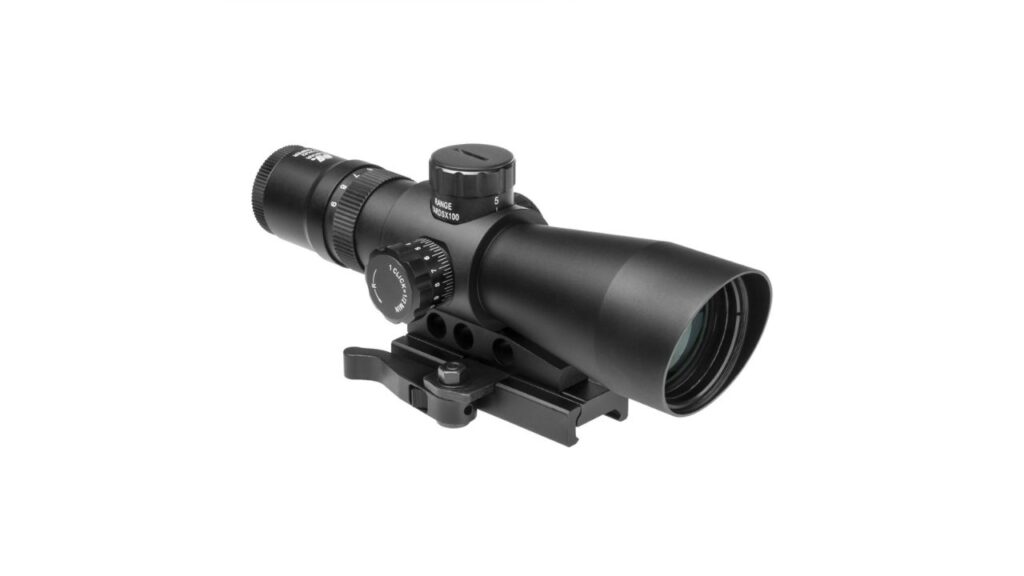
The NCStar Mark III might look tactical, but it’s anything but tough. It’s known for losing zero after minimal recoil and can’t handle the abuse of hiking through rugged terrain. The internal seals are weak, meaning moisture seeps in fast if you’re hunting in fog, rain, or snow. Once that happens, the scope’s clarity drops instantly.
Hunters who’ve tried them often report broken reticles or loose adjustment turrets after one trip in the field. It might look durable from the outside, but its lightweight materials don’t hold up to real-world use. The NCStar Mark III is the type of scope that can survive a range session but will fall apart before you finish your first backcountry trip.
Bushnell Banner
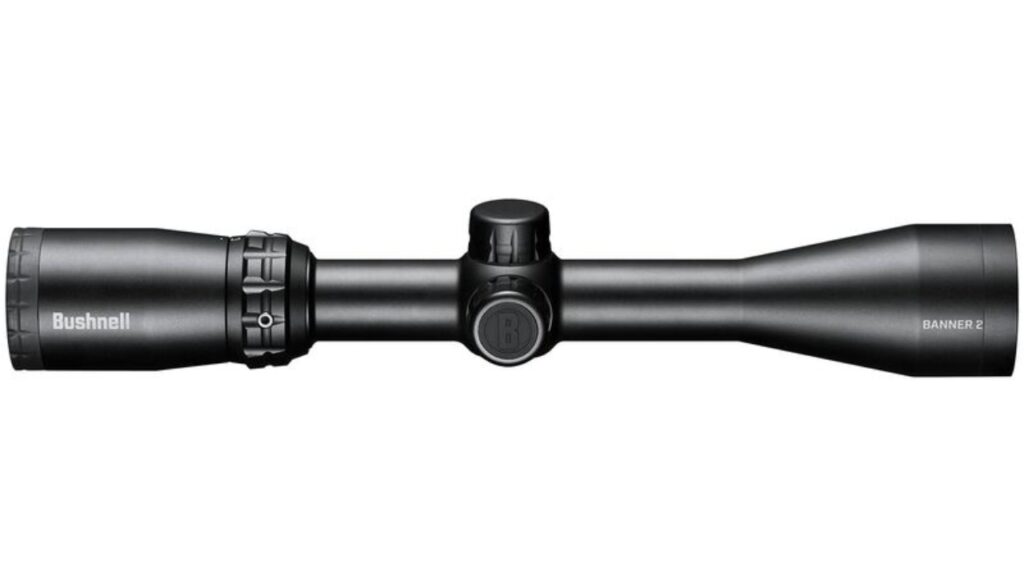
Older Bushnell Banner models are notorious for failing in cold or wet environments. The early versions weren’t fully nitrogen-purged, so internal fogging happens fast once the temperature drops. The scope’s tube is soft enough that a light hit or pressure from mounting rings can warp it slightly—throwing off alignment.
Hunters who’ve carried them on mountain hunts often found themselves readjusting zero every other day. Even though newer models have improved, the older Banners still show up on plenty of rifles that never make it past the first rainstorm. For backcountry use, where reliability is everything, this scope simply isn’t built to last. It may survive mild woods hunting, but rugged terrain and hard conditions will expose its weaknesses in no time.
CenterPoint 4-16×40
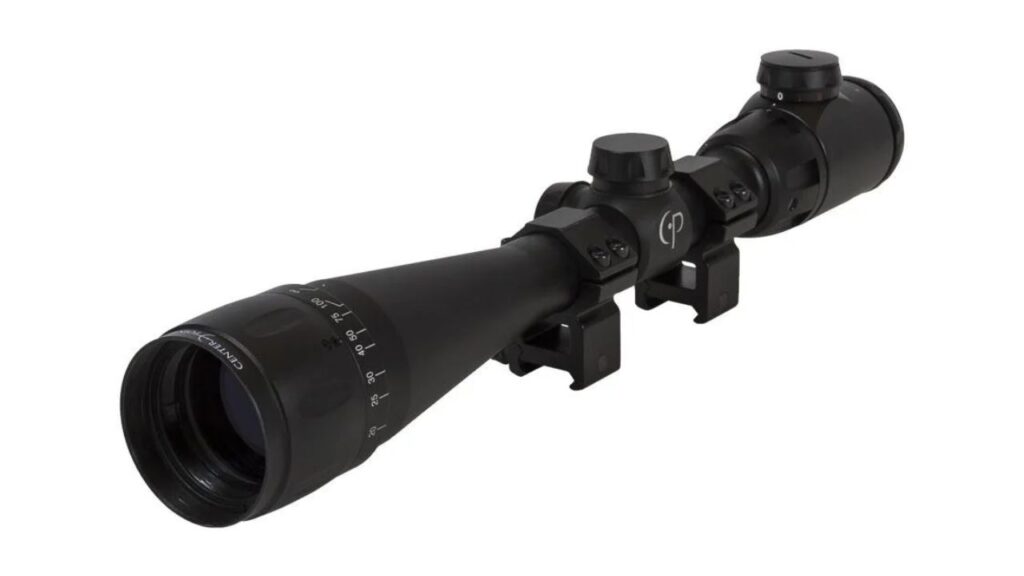
CenterPoint scopes offer plenty of magnification and features for the price, but that’s where the benefits end. The internal components aren’t shockproof, and once you start climbing rocky trails or dealing with heavy recoil, the zero starts walking. The adjustment turrets often lose alignment after even minor bumps.
Backcountry hunters also report fogging and lens separation under cold, damp conditions. The seals just don’t hold up. While it performs decently on a low-recoil rifle at the range, it’s not a scope you can trust when miles from camp. One good fall or even a few rough pack miles can be enough to knock it out of commission.
UTG BugBuster
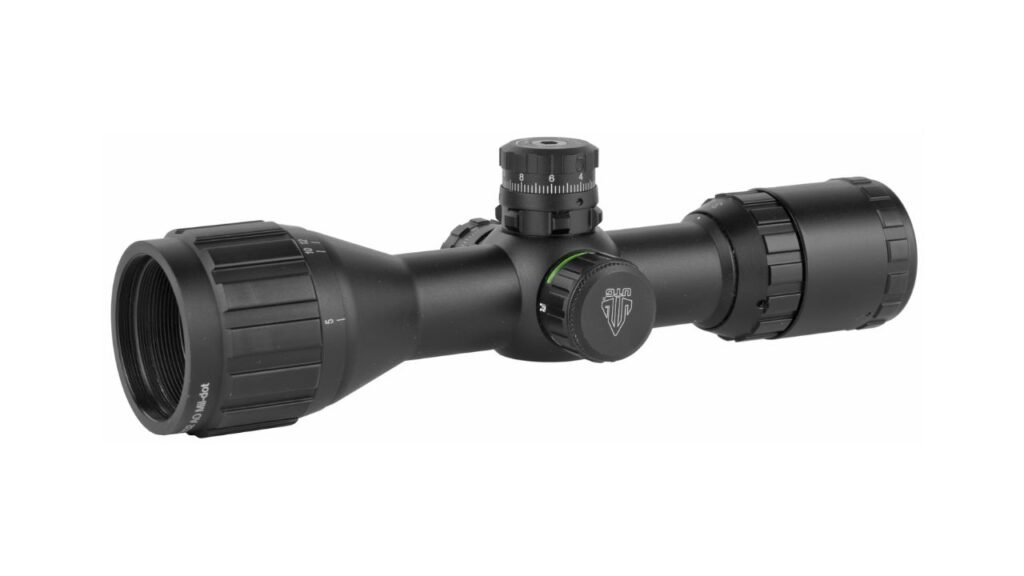
The UTG BugBuster is marketed as rugged and compact, but hunters who’ve taken it into the mountains know better. It can’t handle serious impact or temperature extremes. The small, compact housing is prone to shifting zero with even moderate bumps, and the adjustment turrets don’t return accurately after repeated use.
Once you add in damp weather or cold, the BugBuster’s lenses are quick to fog. It’s a decent budget optic for range use or small calibers, but it’s not remotely built for mountain terrain. When every ounce of gear matters and reliability is critical, the BugBuster becomes more of a liability than an asset. One rough hunt and most owners find themselves shopping for a replacement.
Millett Buck Gold
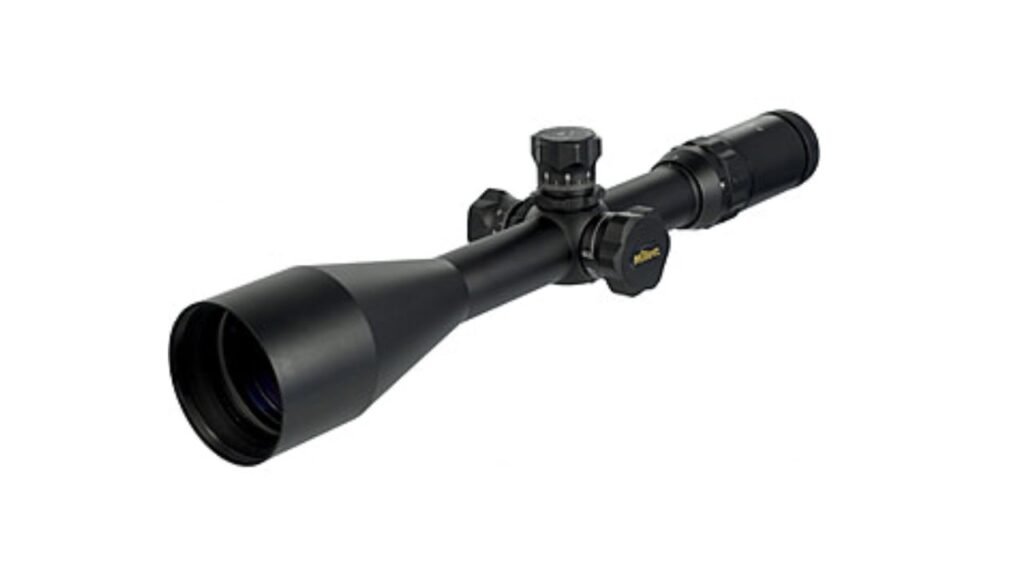
The Millett Buck Gold looks good on paper—multi-coated lenses, decent magnification, and a recognizable brand—but it’s another scope that fails the backcountry test. The adjustments can’t hold up to heavy use, and recoil or vibration can throw off zero quickly. Even light impacts during packing can loosen internal components.
Moisture resistance is another weak spot. Once condensation builds inside, the scope is done until it’s sent for repair. Many hunters found that after one trip involving elevation and weather swings, clarity dropped sharply. For a lightweight mountain rifle, this scope adds more worry than confidence. It simply doesn’t have the build quality to survive repeated backcountry trips.
Weaver Kaspa
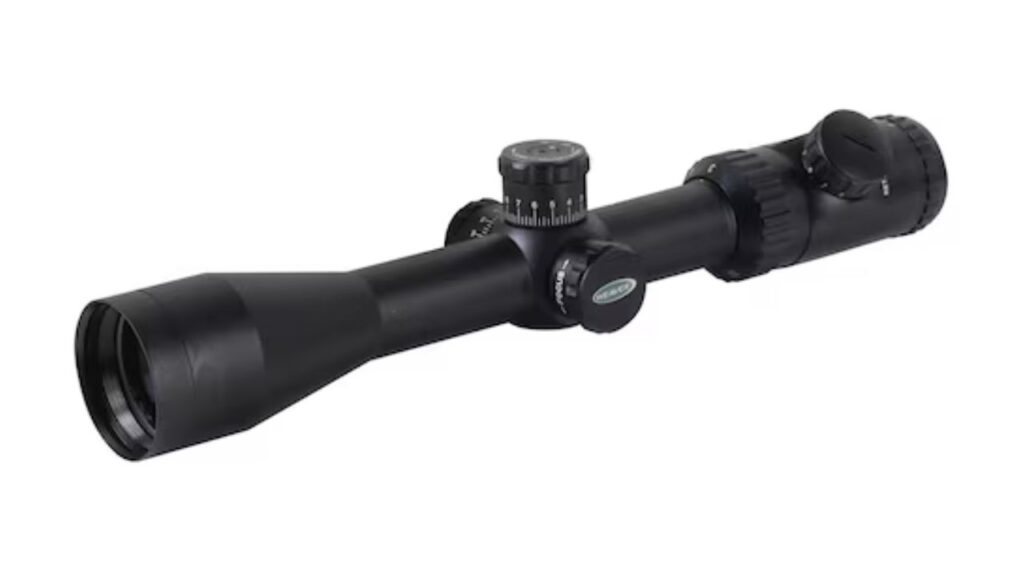
The Weaver Kaspa promised mid-tier performance at an affordable price, but hunters quickly learned it’s not tough enough for rough terrain. The internal seals degrade quickly, and fogging becomes a major problem after just a few temperature swings. Even more frustrating, the zero tends to wander after hiking with it for long distances.
Hunters also note that the turrets lack precision and can lose their tactile feel after limited use. It’s the kind of scope that performs fine for a single-season whitetail stand but collapses under the strain of a mountain hunt. When exposed to harsh weather, bumps, or repeated recoil, the Kaspa becomes one of those optics that reminds you why rugged construction matters more than features.
Redfield Revenge
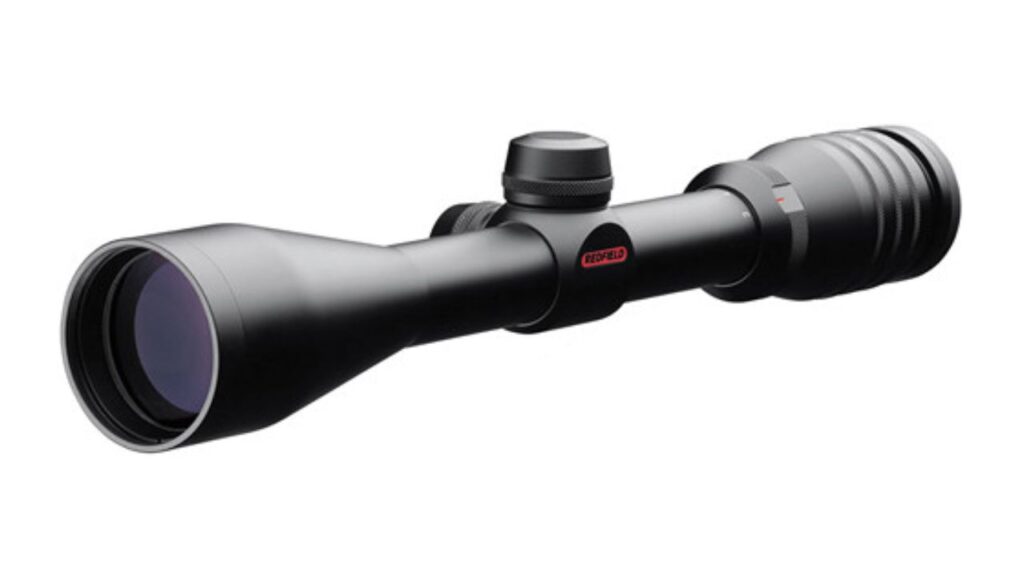
The Redfield Revenge was marketed to fill the gap between budget and premium optics, but in the backcountry, it often fell short. The adjustments felt mushy, and zero retention became a problem after long hikes or rough rides. Some hunters also reported fogging after exposure to cold rain or melting snow, suggesting the seals weren’t up to true backcountry standards.
The glass quality was decent, but the mechanical reliability wasn’t. Once it lost zero, re-sighting in the field became nearly impossible. While it served fine for range or light field work, a single rough trip in steep terrain exposed its limitations. Hunters learned quickly that the Revenge didn’t have the durability to keep pace with the demands of a true backcountry rifle setup.
*This article was developed with AI-powered tools and has been carefully reviewed by our editors.