Photo credit: Martin Poirier/Shutterstock.com
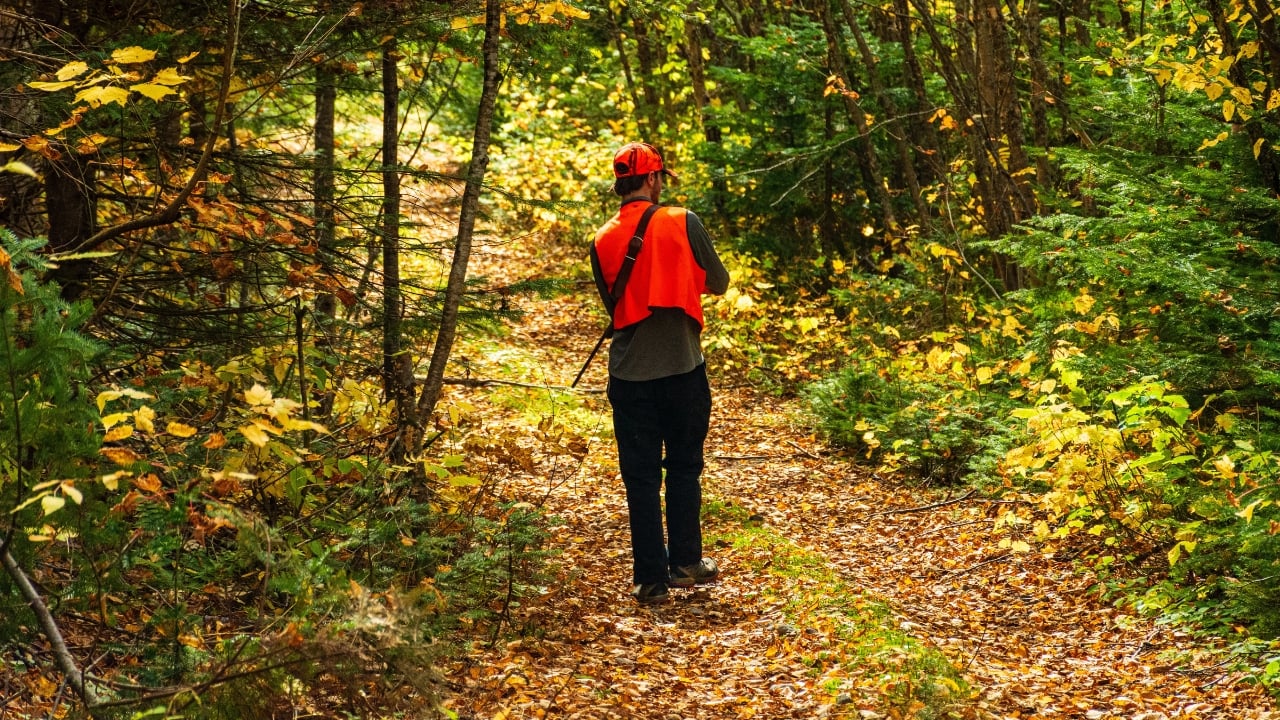
Few things test your patience faster than another hunter walking in on your setup after you’ve done everything right. You got up early, slipped in quietly, played the wind, picked your spot, and settled in before daylight. Then, right when the woods should be waking up, you hear footsteps, see a light bobbing through the trees, or catch movement coming straight toward the area you’re already hunting.
It happens more than people like to admit, especially on public land. Sometimes it’s an honest mistake. Sometimes it’s poor planning. Sometimes it’s a hunter who thinks the woods belong to him because he’s hunted that ridge before. Either way, how you handle it matters. A bad reaction can ruin more than your morning. It can create a confrontation in the dark, in the woods, with armed strangers and nobody else close enough to calm things down.
Stay quiet until you know what they’re doing
The first thing to do is watch for a second. Don’t immediately whistle, yell, or start waving your arms unless there’s a safety issue. Some hunters may be passing through, trailing a deer, trying to find a landmark, or moving toward a different spot and not realizing you’re there. If you react too soon, you may blow up your own hunt for no reason.
That said, don’t let someone walk right into your shooting lane without knowing you’re there. If they’re close enough that safety becomes a concern, make your presence known in a calm way. A soft whistle, a raised hand, or a quiet “Hunter here” is usually enough. The goal is to prevent confusion without turning the woods into a shouting match.
Don’t assume it was intentional
It’s easy to get mad and decide the other guy knew exactly what he was doing. Maybe he did. But a lot of walk-ins happen because public land is crowded, access trails are confusing, or two hunters picked the same obvious pinch point. If it’s dark, windy, or thick, he may not have seen you until he was almost on top of you.
Assuming the worst puts you in the wrong mindset from the start. Instead of treating it like a personal insult, treat it like a problem to solve. You can still be firm. You can still protect your setup. But if your first move is anger, the other hunter is likely to answer with anger too. That helps nobody, and it definitely doesn’t help the hunt.
Keep your voice low and your words simple
If the other hunter gets close, keep it short. “I’m set up right here.” “I’ve been here since before daylight.” “There’s another hunter in this draw.” You don’t need to lecture him, accuse him, or explain your whole scouting history. Long conversations in the woods ruin hunts and raise tempers.
A low voice also sends the right message. You’re not trying to embarrass him. You’re not trying to start a fight. You’re letting him know the spot is occupied. Most decent hunters will back out once they realize someone is already there. If he doesn’t, you’ll have to decide whether the hunt is still worth salvaging.
Give him a clean way out
A hunter who realizes he walked in on someone may feel embarrassed. That embarrassment can turn into attitude if he feels cornered. Give him a way to leave without making it a whole thing. Something like, “There’s room farther down the ridge,” or “I’m watching this side, so you may want to swing around,” keeps it practical.
That doesn’t mean you’re responsible for finding him a new spot. It just means you’re keeping the interaction from becoming a pride contest. In the woods, pride is usually the thing that makes people stupid. A clean exit lets both of you move on without turning one bad overlap into a public-land argument.
Don’t point your weapon or use it to make a point
This should not have to be said, but it does. Never swing your rifle, shotgun, or muzzleloader toward another hunter to get his attention. Never use the barrel as a pointer. Never make any movement that could be mistaken as threatening. If another person walks into your setup, muzzle discipline matters more than your irritation.
Keep your firearm pointed in a safe direction and your hands calm. If you need to stand, do it slowly. The other hunter may already be startled when he realizes someone is there. Don’t add confusion by moving aggressively with a gun in your hands. Safety has to stay above frustration, even when the other guy is the one who messed up.
Decide if the hunt is already damaged
Once another hunter walks through your setup, the morning may or may not be over. If he came through quietly, backed out fast, and the wind is still good, you may be fine. Deer and other game do not always vanish forever because one person passed through. Sometimes sitting tight is still the best move.
But if he stomped through your bedding edge, crossed your main trail, talked loudly, or left scent everywhere, the setup may be burned for a while. At that point, the smart move might be shifting to a backup spot. Experienced hunters usually have one. If you don’t, this is why you should. Public land rarely goes exactly the way you planned.
Don’t follow him into an argument
If the other hunter gets mouthy, don’t take the bait. You may hear, “I’ve hunted here for years,” “You’re in my spot,” or “I didn’t see your truck.” None of that gives him ownership of public land. But arguing about it in the dark does not improve anything.
Say what needs to be said, then stop. “I was here first. I’m staying put.” Or, if it feels unsafe, “I’m moving on. Have a good hunt.” That second sentence may feel unfair, but there are times when walking away is smarter than proving a point to an armed stranger who is already acting unreasonable.
Mark your access and setup better next time
If this happens more than once in the same area, it may be worth changing how you enter, where you park, or how obvious your presence is. On public land, you can’t claim a spot, but you can reduce confusion. A parked truck near a known access point tells other hunters someone is already in there, though it won’t stop everyone.
Some hunters also use a small reflective marker or a legal, clearly placed indicator near a trail entrance, depending on local rules. Be careful with that, though. You don’t want to litter, mark public land illegally, or advertise your exact spot. The main point is to think through why the walk-in happened. If the spot is too obvious, too close to an access trail, or too easy to stumble into, it may always attract company.
Have a backup plan before opening morning
Public land hunters need a Plan B and usually a Plan C. If your entire hunt depends on one tree, one saddle, or one food source, another hunter can ruin your whole day by accident. That is too fragile. Scout multiple spots with different access routes and wind options.
A backup plan also keeps you calmer when something goes wrong. Instead of sitting there fuming, you can make a decision. Stay put, shift 300 yards, circle to another drainage, or come back in the afternoon. The best public land hunters are not the ones who never get interrupted. They’re the ones who adapt without falling apart.
Report dangerous behavior, not ordinary annoyance
Someone accidentally walking in on your setup is annoying. Someone threatening you, shooting too close, intentionally harassing you, stealing gear, or refusing to follow hunting laws is different. Know where that line is. If the behavior is dangerous or illegal, document what you can safely document and report it to the proper wildlife agency, land manager, or local authorities.
Do not try to play game warden yourself. Get a description, location, time, and any details that matter. If you can safely note a vehicle description or license plate later, that may help. But don’t escalate in the woods because you’re mad. Handle the immediate safety issue first, then report serious problems through the right channels.
Remember that public land means public land
The hardest part of public land hunting is accepting that other people are allowed to be there too. That does not excuse bad manners. It does not make it fine for someone to crowd your setup. But it does mean you cannot control the woods the way you can on private ground.
When another hunter walks in on you, keep your head. Make your presence known, stay safe, avoid the argument, and decide whether the hunt can still be saved. Some mornings will be ruined. Some won’t. Either way, the way you handle that moment says more about you than the fact that another hunter showed up.
Like The Avid Outdoorsman’s content? Be sure to follow us.
Here’s more from us: