Photo credit: Mrgunsngear Channel/YouTube
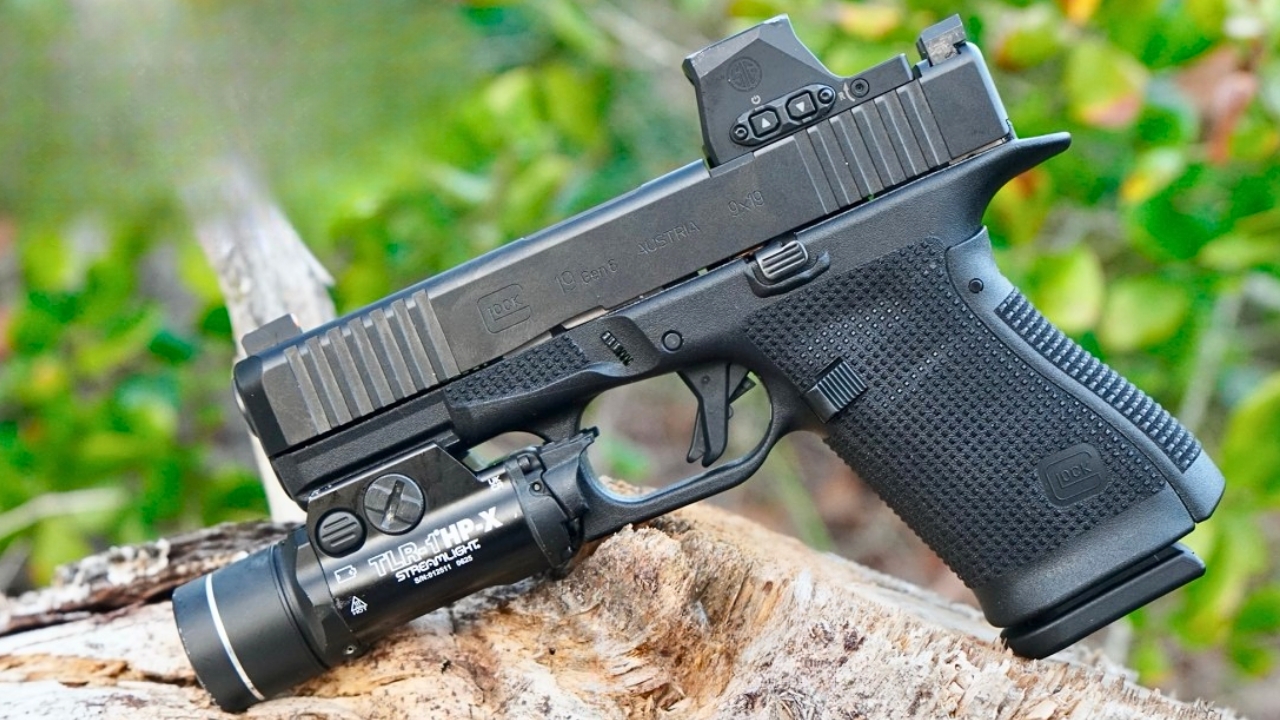
The Glock 26 has been one of the most trusted subcompact carry pistols for a long time. It is small enough to conceal easily, but it still keeps the basic Glock layout, Glock reliability, and the ability to use larger Glock 9mm magazines. That is why so many people still carry it even with all the newer slimline pistols on the market.
The thing to remember is that the Glock 26 is a short, small-framed pistol. It has less grip area, a shorter slide, and a smaller frame than a Glock 19 or Glock 17. That makes certain problems more likely, especially for shooters with weaker grip pressure, bigger hands, or a tendency to ride controls. The most common malfunctions usually come down to grip, magazines, ammo, ejection, feeding, slide lock issues, and aftermarket parts.
Failure to Feed
Failure to feed is one of the more common Glock 26 malfunctions. The slide moves forward, but the next round does not fully chamber. The bullet may nose-dive into the feed ramp, stop halfway into the chamber, or leave the slide slightly out of battery. This can happen with any semi-auto pistol, but small carry guns can be a little less forgiving than full-size pistols.
A Glock 26 depends heavily on good magazines and a solid grip. Weak magazine springs, damaged feed lips, dirty magazines, poor ammo, or a loose shooting grip can all cause feeding trouble. The shorter grip also gives the shooter less surface area to control the gun, especially during fast strings. If the pistol feeds perfectly with one magazine and chokes with another, the magazine is the first thing to blame. If it only happens with weak ammo or when shooting fast one-handed, grip and slide speed deserve attention too.
Failure to Eject
Failure to eject is another common problem people see with the Glock 26. The pistol fires, but the empty case does not clear the ejection port. It may stovepipe, get trapped by the slide, or interfere with the next round feeding. On a small pistol like this, ejection issues often come back to grip and ammo before anything else.
The Glock 26 is recoil-operated, so the slide needs enough energy to cycle fully. If the shooter’s wrist and hand are not giving the pistol a firm platform, the frame can move too much under recoil and the slide may not run as hard as it needs to. Weak range ammo can make that worse. A Glock 26 may run fine with defensive loads but act sluggish with cheap, soft 115-grain practice ammo. That does not automatically mean the gun is bad. It means the shooter, ammo, and pistol are all part of the same system.
Stovepipes
A stovepipe is a specific failure to eject where the empty case gets caught upright in the ejection port. It is easy to spot and usually easy to clear, but it still means the gun failed to complete the cycle. Glock 26 stovepipes are often tied to limp-wristing, underpowered ammo, dirty internals, or extractor and ejector issues.
This is one of the reasons new carry-gun owners need to practice with the pistol they actually plan to carry. A Glock 26 can be very reliable, but it still has more snap and less grip area than a larger Glock. Some shooters who run a Glock 17 or 19 just fine may struggle more with the 26 at first. If stovepipes disappear when a more experienced shooter runs the gun, the pistol probably isn’t the main problem. If they happen with several shooters, several magazines, and several loads, then the extractor, ejector, and recoil spring need a closer look.
Magazine-Related Problems
The Glock 26 can use its own shorter magazines, but it can also accept larger Glock 19 and Glock 17 magazines. That flexibility is useful, but it also opens the door to magazine-related problems if the shooter mixes worn mags, cheap extensions, off-brand magazines, or poorly fitted grip sleeves.
The flush-fit Glock 26 magazine is usually reliable, but the short grip can make some shooters shift their hand during recoil. Extended baseplates can help control, but bad extensions can also create trouble if they interfere with spring tension or follower movement. Larger magazines usually work, but if a sleeve shifts or the shooter torques the magazine while firing, it can affect feeding. If the gun runs with factory flush-fit magazines but acts strange with extensions or off-brand mags, the add-ons are the first suspect.
Slide Failing to Lock Back
The slide failing to lock back after the last round is a common Glock complaint, and it can show up with the Glock 26. Sometimes the magazine follower is worn, the spring is weak, or the slide stop lever is damaged. But with small carry guns, shooter grip causes a lot of these problems.
The Glock 26 gives your hand less room, so it is easier for a thumb or part of the support hand to ride the slide stop. When that happens, the slide stop cannot lift after the last round, and the slide closes on an empty chamber. The shooter may think the gun malfunctioned when their grip was blocking the control. If the slide locks back for one person and not another, grip is probably the issue. If it fails only with one magazine, the magazine is more likely to blame.
Failure to Return Fully to Battery
A Glock 26 can stop just short of going fully into battery. The round is almost chambered, the slide is almost forward, but the pistol is not fully locked up. Sometimes the shooter can tap the back of the slide and finish chambering the round. Other times the round has to be cleared.
This can come from a dirty chamber, weak recoil spring, poor ammo, rough reloads, or aftermarket parts that change slide movement. Small pistols also have less slide mass and less room for error, so anything that slows the slide down can show up faster. Pocket lint, dry carbon, old oil, and carry debris can all matter. A gun that lives in a holster every day needs to be cleaned and inspected even if it has not been fired much.
Failure to Extract
Failure to extract is less common than ejection trouble, but it can happen. The fired case stays in the chamber instead of being pulled out by the extractor. The slide may stop, or it may try to feed the next round into a chamber that still has an empty case in it. That creates a more serious stoppage than a simple stovepipe.
A dirty chamber, damaged extractor, weak ammo, rough brass, or slide-speed issue can all cause extraction problems. If the Glock 26 extracts most ammo fine but struggles with one brand, the ammo may be the problem. If it starts leaving cases behind with multiple loads and magazines, the extractor and chamber need attention. A carry gun should not be trusted if it is repeatedly failing to pull brass out of the chamber.
Light Primer Strikes
Light primer strikes are not the most common Glock 26 issue, but they are worth mentioning. The trigger breaks, the striker hits the primer, and the round does not fire. When the round is cleared, the primer may show a shallow mark. That can come from hard primers, cheap ammo, a dirty striker channel, or parts that have been changed from factory.
This becomes more likely when people start modifying the trigger system. Lighter striker springs, aftermarket trigger parts, and changed connectors may make the trigger feel better, but they can also reduce the margin for reliable ignition. A Glock 26 used for carry should be treated differently than a range toy. If it starts giving light strikes, especially with carry ammo, the striker system needs to be cleaned and inspected, and any aftermarket parts should be questioned.
Aftermarket Parts Causing Reliability Problems
The Glock 26 has plenty of aftermarket support, and that is where some owners get themselves into trouble. Baseplate extensions, trigger kits, aftermarket barrels, recoil springs, magazine sleeves, slide parts, and cheap internal parts can all change how the pistol functions. Some upgrades are fine. Some create problems the factory gun never had.
This is especially true on a small carry pistol. A Glock 26 does not have as much room for sloppy tuning as a full-size range gun. A different recoil spring can change slide timing. A bad magazine extension can affect feeding. A light trigger setup can cause ignition issues. A cheap barrel can create chambering problems. If reliability matters, every change needs to be tested with the exact magazines and ammo you plan to carry. A stock Glock 26 is usually boring in the best way. A poorly modified one can be a headache.
Like The Avid Outdoorsman’s content? Be sure to follow us.
Here’s more from us: