Photo credit: The Armory Life/YouTube
Long shots in real wind don’t care what the box says, what your buddy claims, or what a rifle did on a calm day off a bench. Wind is where rifles stop getting judged by marketing and start getting judged by stability, barrel quality, stock design, trigger consistency, and whether the whole setup helps you spot your own shot. A rifle that feels “accurate enough” at 100 can turn into a humbling experience once the distance stretches and the crosswind starts moving your bullet around.
The rifles that hold up better in those moments usually share the same traits. They’re steady on a bipod or pack, they don’t heat up and wander quickly, and they tend to be chambered in cartridges with enough real downrange performance to forgive small mistakes. None of them make wind disappear. They simply give you a better chance of not looking foolish when the shot matters.
Tikka T3x CTR

The T3x CTR earns respect because it gives you a heavy-enough barrel, a smooth action, and real consistency without turning into an oversized bench rifle. It feeds well, the trigger is clean, and the rifle tends to shoot honestly with a wide range of good factory ammo. That matters when you’re trying to make a long shot in wind and don’t want surprises.
What helps most is how predictable it feels. The rifle stays steady on support, and the barrel contour gives you more forgiveness than a thin hunting tube when you’re checking impacts or shooting a short string. You still have to call wind correctly, but the CTR usually keeps the rifle itself from becoming part of the problem. It’s one of the easiest factory rifles to trust once distance and conditions stop being friendly.
Bergara B-14 HMR
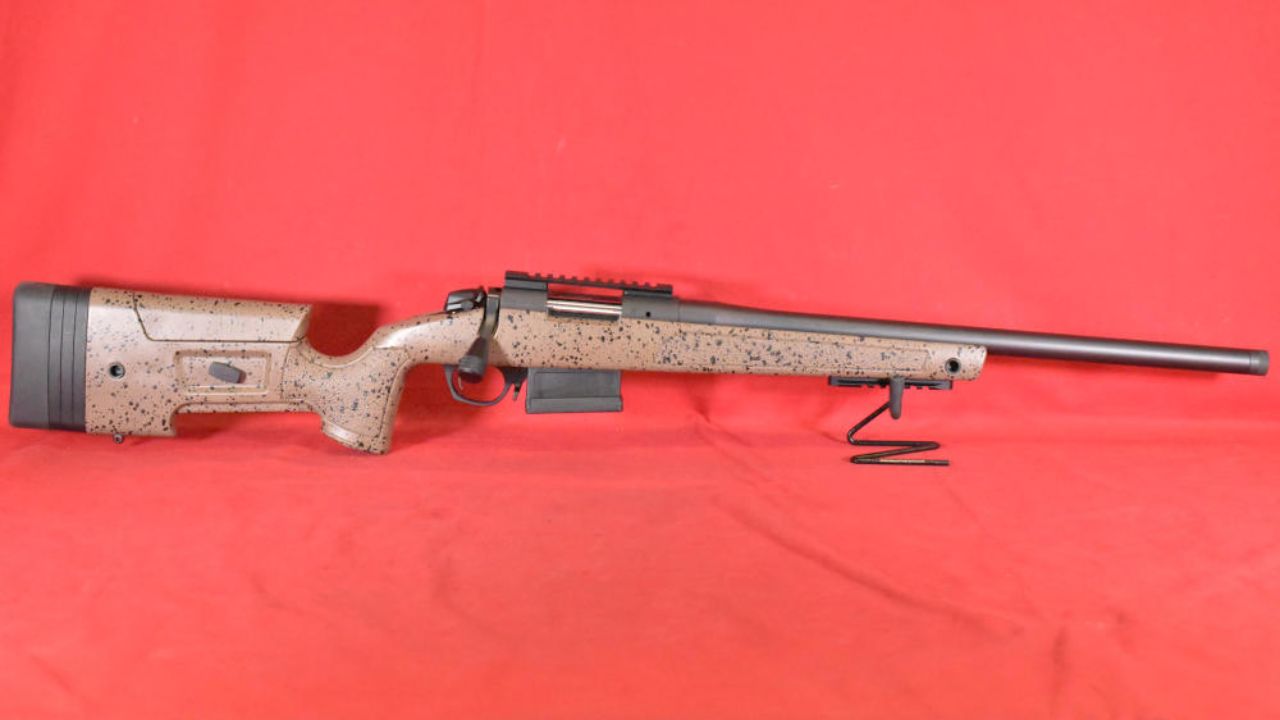
The B-14 HMR has become a favorite for good reason. It gives you a solid stock, enough barrel to stay stable, and the kind of out-of-the-box accuracy that keeps you focused on reading conditions instead of second-guessing the rifle. In wind, that kind of consistency matters more than people admit.
The HMR also sits well on a bipod or a bag, which is a big deal when you’re trying to break a clean shot in a crosswind. A rifle that shifts, flexes, or rides poorly on support will make a hard shot harder. The Bergara usually avoids that. It carries enough weight to stay planted, but it’s still realistic as a field rifle. If you do your homework on wind, the HMR won’t be the weak link.
Bergara Premier HMR Pro

The Premier HMR Pro takes the same basic strengths of the standard HMR and tightens them up. You get a better barrel, a more refined overall build, and a rifle that tends to hold its manners when conditions get less forgiving. That matters when you’re stretching distance in wind and trying to trust what the rifle is telling you.
A lot of long-shot embarrassment starts when you don’t know whether the miss was you, the wind, or the rifle. The HMR Pro helps remove one of those questions. The platform is steady, the trigger is very workable, and the rifle generally shoots with the kind of repeatability that lets you make real corrections. It doesn’t give you an excuse, which is exactly what you want from a serious rifle.
Tikka T3x UPR

The T3x UPR is a smart bridge between a field rifle and a precision rifle. It’s lighter and handier than some heavier target-style guns, but it still carries the Tikka traits that matter when the shot gets long: smooth operation, strong barrel quality, and very dependable accuracy. In wind, that blend is useful because you can still move with it without giving up too much stability.
What keeps it from embarrassing you is that it doesn’t feel flimsy or twitchy the way some lighter rifles do once distance increases. It still needs a good rest and a shooter who understands wind, but it gives you a stable enough platform to make those skills count. If you want a rifle that can hunt hard and still behave when the shot stretches out, the UPR is one of the better factory answers.
Seekins Havak PH2
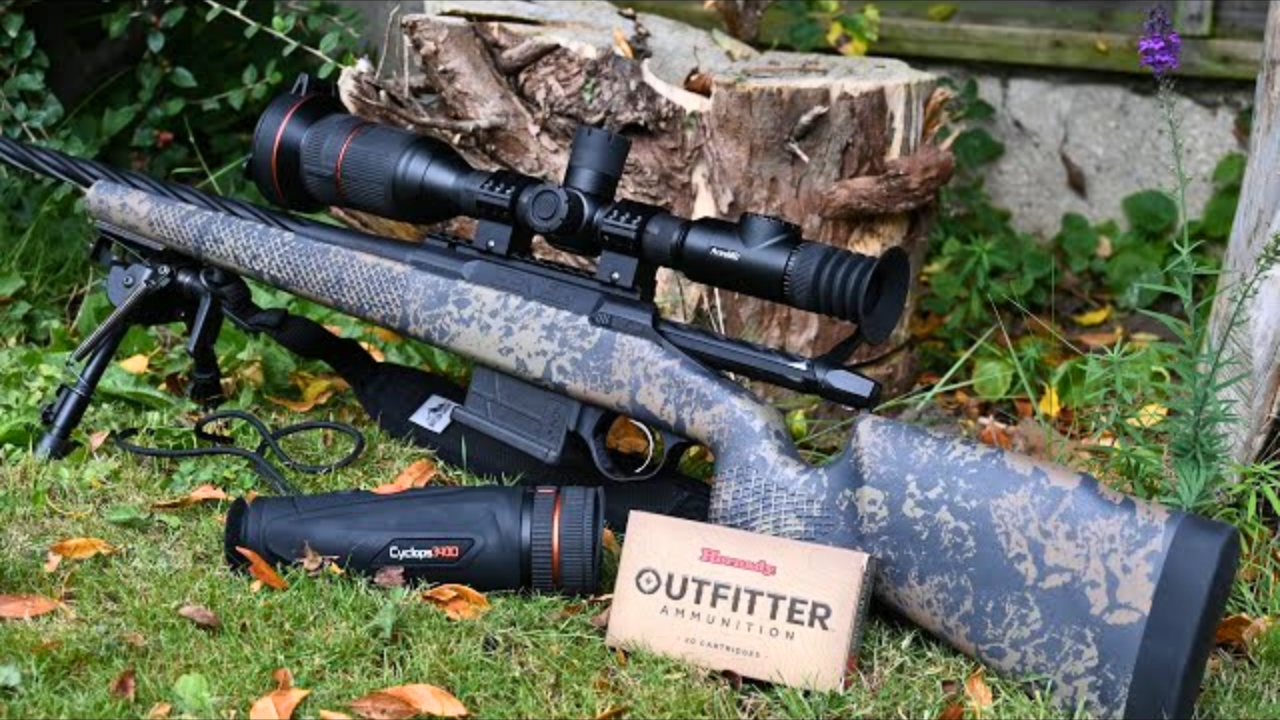
The Havak PH2 is the kind of rifle that feels built by people who actually shoot in rough conditions. The action is smooth, the barrel quality is there, and the stock design gives you a steadier interface than many lighter hunting rifles. When the wind is moving, stability and confidence are what keep you from rushing the shot.
It’s also a rifle that tends to shoot very well with quality factory ammo, which matters for shooters who don’t handload and still want serious field performance. The PH2 is not a heavy chassis rifle, but it has enough composure to keep from feeling nervous at distance. If you’re calm behind it and you make a good wind call, the rifle usually gives you exactly what you asked for. That’s the kind of honesty you want in tough conditions.
Seekins Havak HIT
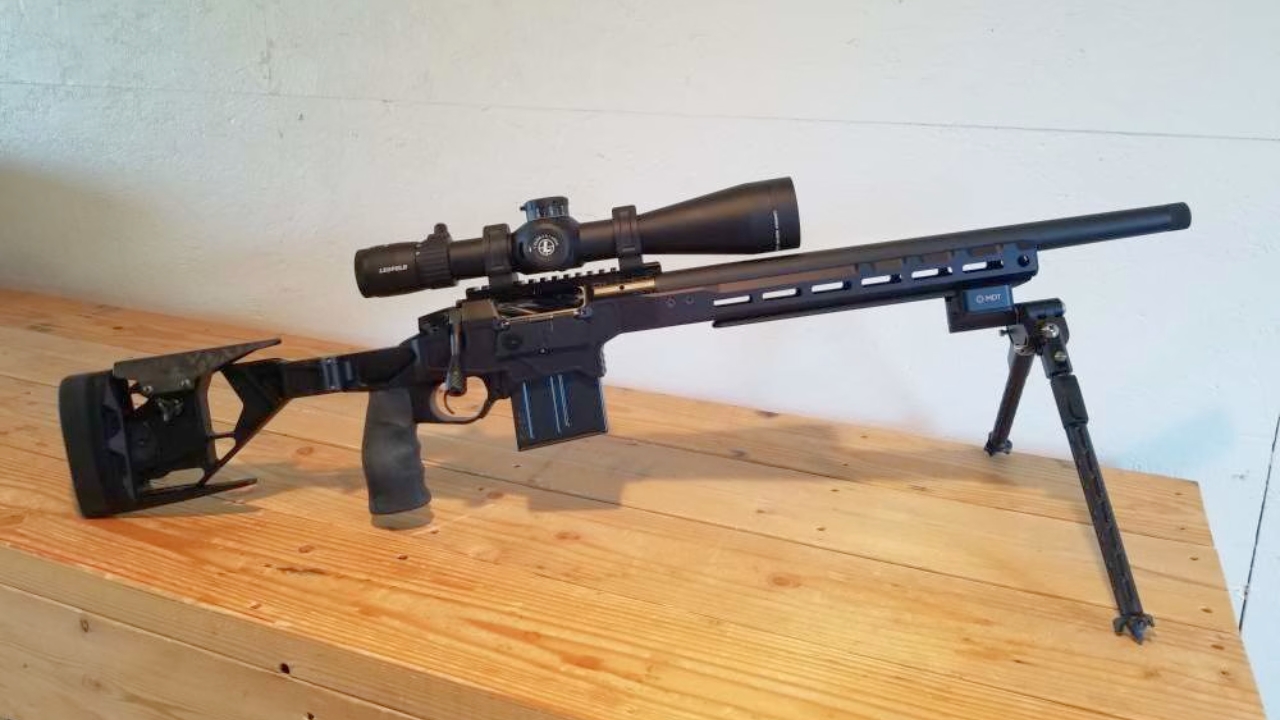
The Havak HIT is a more purpose-built long-range tool, and it shows the moment you settle behind it. The chassis is stable, the rifle balances well on support, and the overall feel is much more “controlled” than a traditional sporter. In real wind, that matters because a stable rifle lets you hold cleaner and spot your own result.
It also helps that the platform is built around precision-minded use. The barrel, action, and trigger setup all support repeatability, which is the foundation of long-distance shooting in ugly conditions. Wind is already hard enough without a rifle that shifts around or loses the plot as it warms up. The HIT is not pretending to be a featherweight mountain rifle. It’s built to help you make disciplined shots when the atmosphere is trying to make you look bad.
Sako S20 Precision

The S20 Precision has a modern, modular feel, but the real advantage is how steady and consistent it is once you start shooting at distance. The action is smooth, the platform is rigid, and the rifle tends to reward careful shooting instead of punishing it with weird behavior. That becomes valuable the moment wind enters the picture.
A rifle that sits well on a bag or bipod gives you more room to think clearly about the wind instead of wrestling the stock. The S20 does that well. It’s also built in a way that helps maintain consistency from shot to shot, which means your corrections are based on real information, not noise. If you’re trying to make a long shot in open country, that kind of repeatability is exactly what keeps the experience from getting embarrassing.
Accuracy International AT
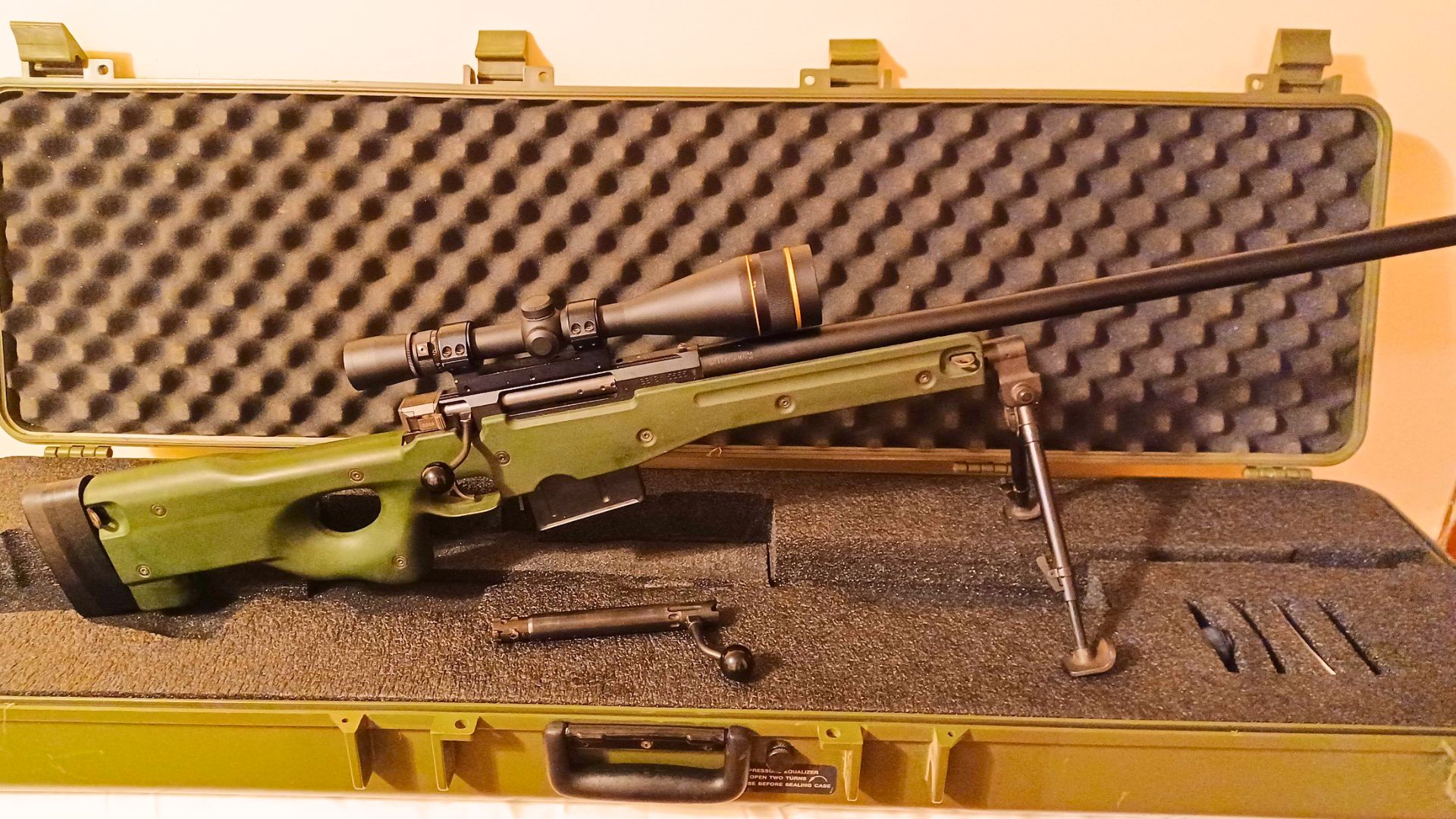
The AI AT is built around one core idea: remove as many excuses as possible. The action is proven, the chassis is extremely stable, and the rifle holds zero and tracks well through recoil. When the wind gets ugly, a rifle like this gives you a level platform that doesn’t add uncertainty to an already difficult shot.
What makes the AT stand out is how composed it feels under real use. It settles well, the magazines feed reliably, and the system is designed for shooters who need repeatability in bad conditions, not only tiny groups on calm days. It’s not light, and it’s not cheap, but it’s one of the clearest examples of a rifle that won’t fold when the environment gets rough. If the miss happens, it usually isn’t the rifle’s fault.
Accuracy International AXSR

The AXSR is a serious long-range rifle built for serious long-range conditions. It’s heavy, stable, and engineered to do one thing very well: give you a dependable platform when distance and wind are both trying to punish mistakes. You don’t carry a rifle like this because it’s convenient. You use it because it removes variables.
In real wind, that matters a lot. The chassis stays planted, the action runs cleanly, and the rifle handles recoil in a way that helps you stay on the shot. When you can spot your own impact and make a measured correction, you stop guessing and start solving the problem. The AXSR is not a casual rifle, but if the goal is avoiding embarrassment on long shots in harsh conditions, this kind of platform is built for exactly that job.
Ruger Precision Rifle

The Ruger Precision Rifle remains popular because it gives shooters a lot of real capability for the money. It’s stable, adjustable, and usually accurate enough to let you learn wind without constantly fighting the rifle itself. For many people, it’s the first factory rifle that makes true long-distance work feel realistic.
It’s also a rifle that behaves better in wind than many traditional hunting setups because the chassis and barrel profile keep the whole system steadier. You can load a bipod, ride a bag, and break a shot without the rifle feeling nervous or flimsy. It’s not the most refined rifle on this list, but it doesn’t need to be. It gives you a trustworthy platform that helps you grow into long shots instead of making you regret trying them.
Savage 110 Precision
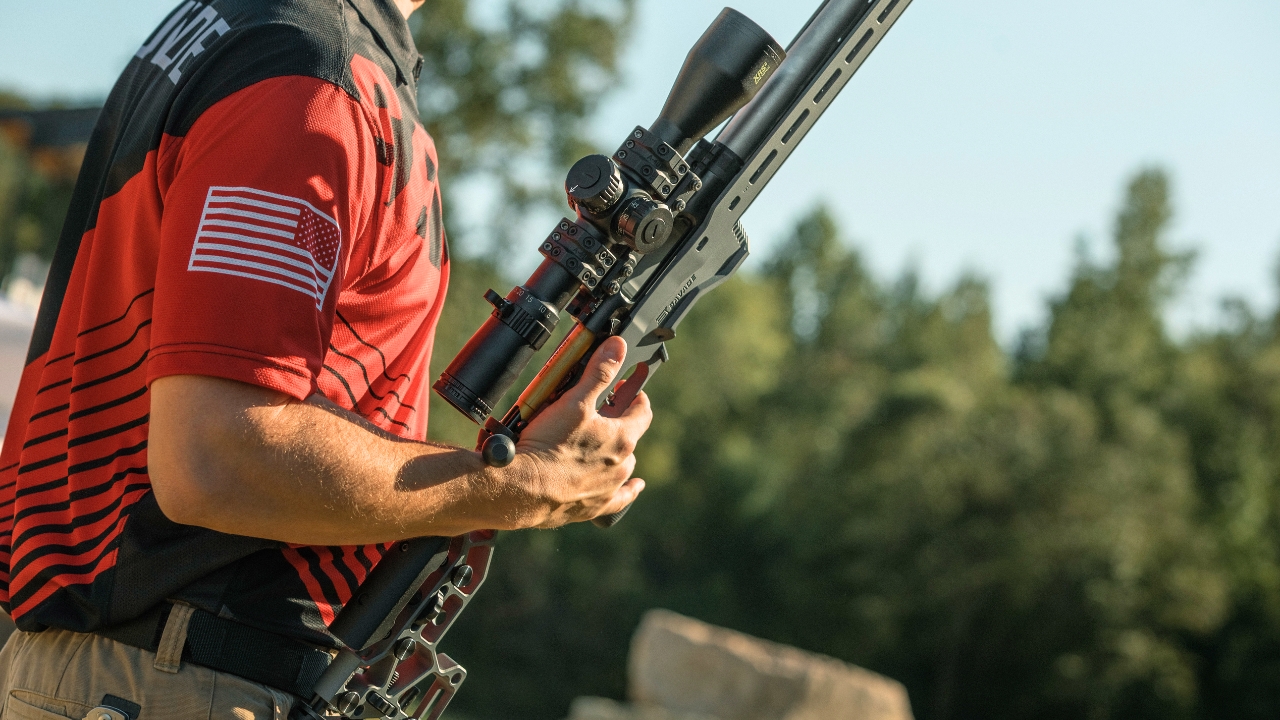
The 110 Precision gives you a more serious long-range layout than a standard hunting rifle, and that’s exactly why it holds up better when the wind gets rough. The chassis is rigid, the barrel is substantial enough to stay steady, and the rifle tends to be accurate enough that you can focus on calling the conditions instead of diagnosing random misses.
That makes it a practical rifle for shooters who want long-range performance without jumping straight into the highest price bracket. It’s not flashy, but it does a lot of important things right. When the rifle sits still, tracks well, and returns to the same place shot after shot, your wind calls become more meaningful. That’s how you avoid those ugly “I thought it was the wind” misses that were really a shaky platform all along.
Springfield Armory Model 2020 Redline
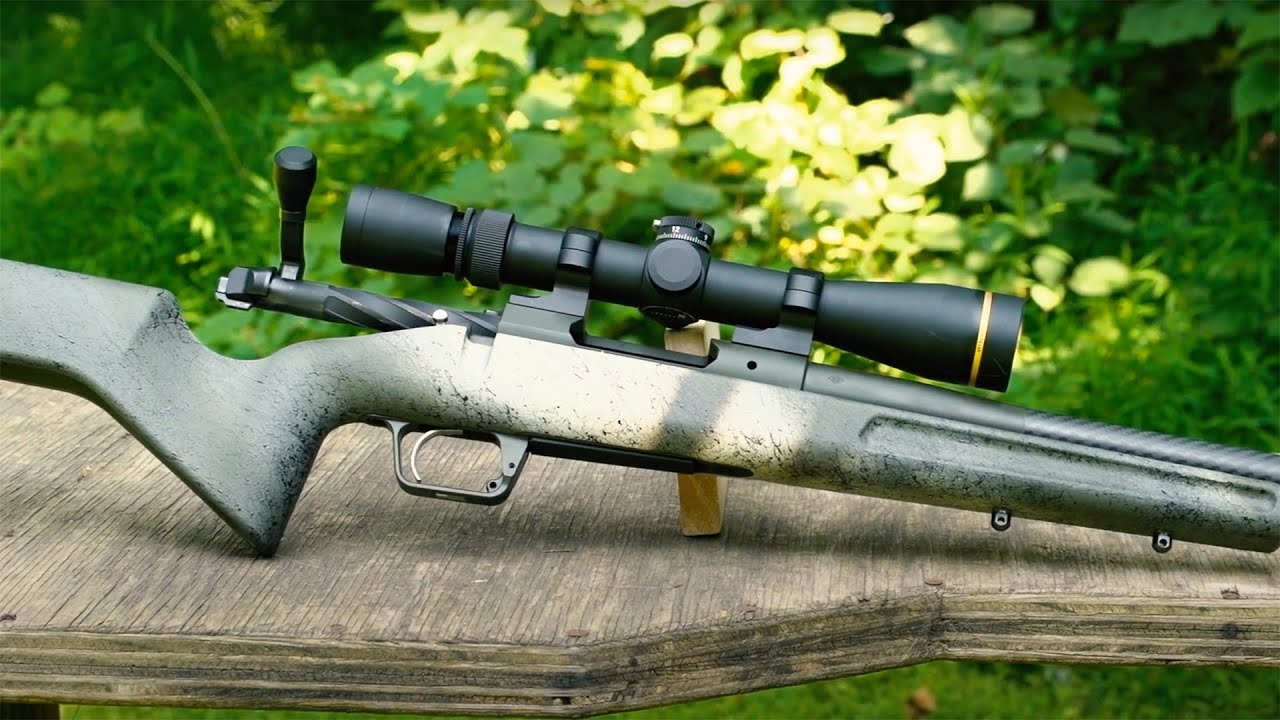
The Model 2020 Redline brings a more precision-minded setup to a rifle that can still move in the field. It gives you a carbon-wrapped barrel, a rigid chassis-style stock, and a trigger that supports careful shooting. In wind, those details matter because they help the rifle stay composed without turning it into dead weight.
What keeps it from embarrassing you is that it offers better support and stability than many lighter hunting rifles while still being usable outside the range. You can build a real position behind it, the stock helps with consistency, and the rifle generally has the accuracy to justify stretching things when conditions allow. It still demands a shooter who knows when to shoot and when not to. But the rifle itself won’t leave you feeling under-equipped.
Daniel Defense Delta 5 Pro

The Delta 5 Pro is built to behave like a precision rifle first, and that shows when the wind starts doing what wind does. The rifle is stable, the barrel and action are capable, and the overall setup is meant to give you consistent results with fewer surprises. That’s exactly what you want when long shots stop being theoretical.
A rifle that tracks well through recoil helps you see what happened, and the Delta 5 Pro tends to do that better than many lighter or less purpose-built rifles. You can stay behind it, watch trace or impact, and make a real correction instead of guessing. That alone keeps you from wasting shots in ugly wind. It’s a modern precision rig that gives you the kind of feedback and stability serious field shooting demands.
Christensen Arms Modern Precision Rifle
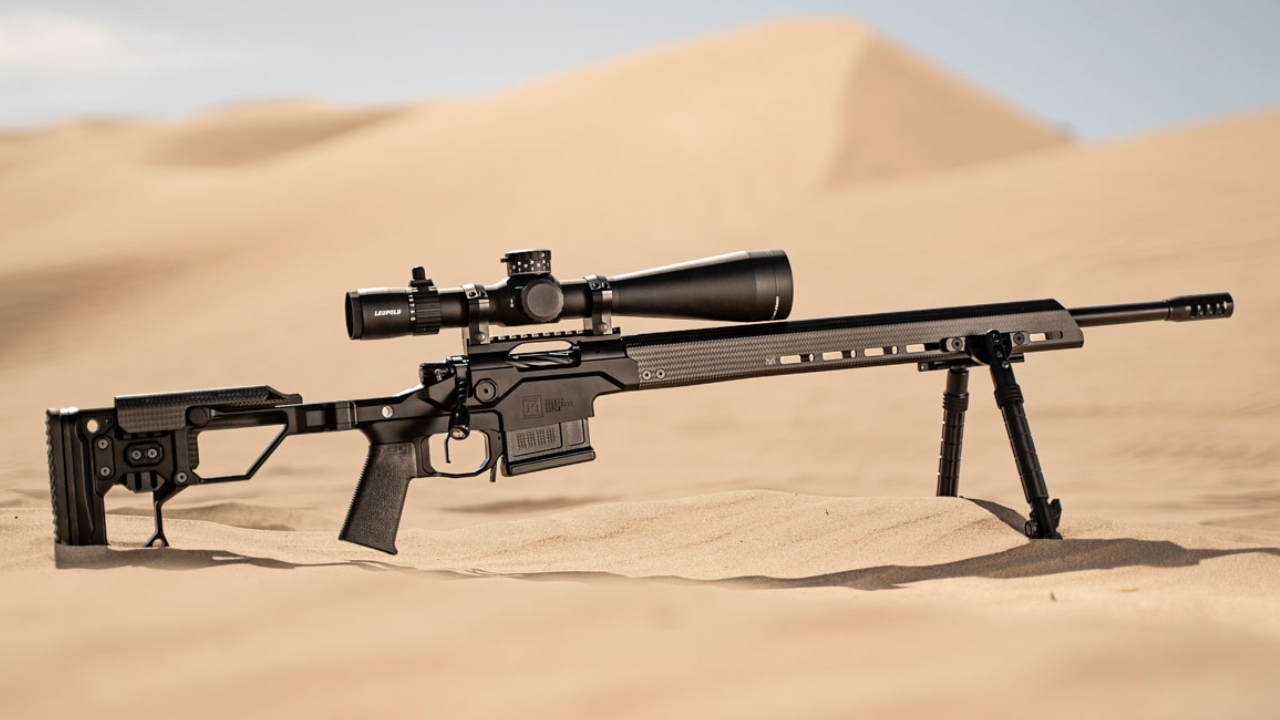
The Modern Precision Rifle offers a crossover setup that works better in wind than many classic sporters because the chassis adds rigidity and the barrel profile adds stability. It’s built to be lighter than many dedicated precision rifles, but it still gives you more composure than most lightweight hunting guns. That matters when the shot is long and the wind is moving.
It’s not as planted as the heaviest rifles here, and that’s the trade. But for shooters who need a rifle that can still travel and hunt while holding onto enough precision-minded stability, it makes sense. The MPR gives you a better chance of staying disciplined at distance because the platform itself isn’t constantly fighting you. If you pair it with a cartridge that handles wind well, it becomes a serious field rifle for hard conditions.
Weatherby Mark V Accumark
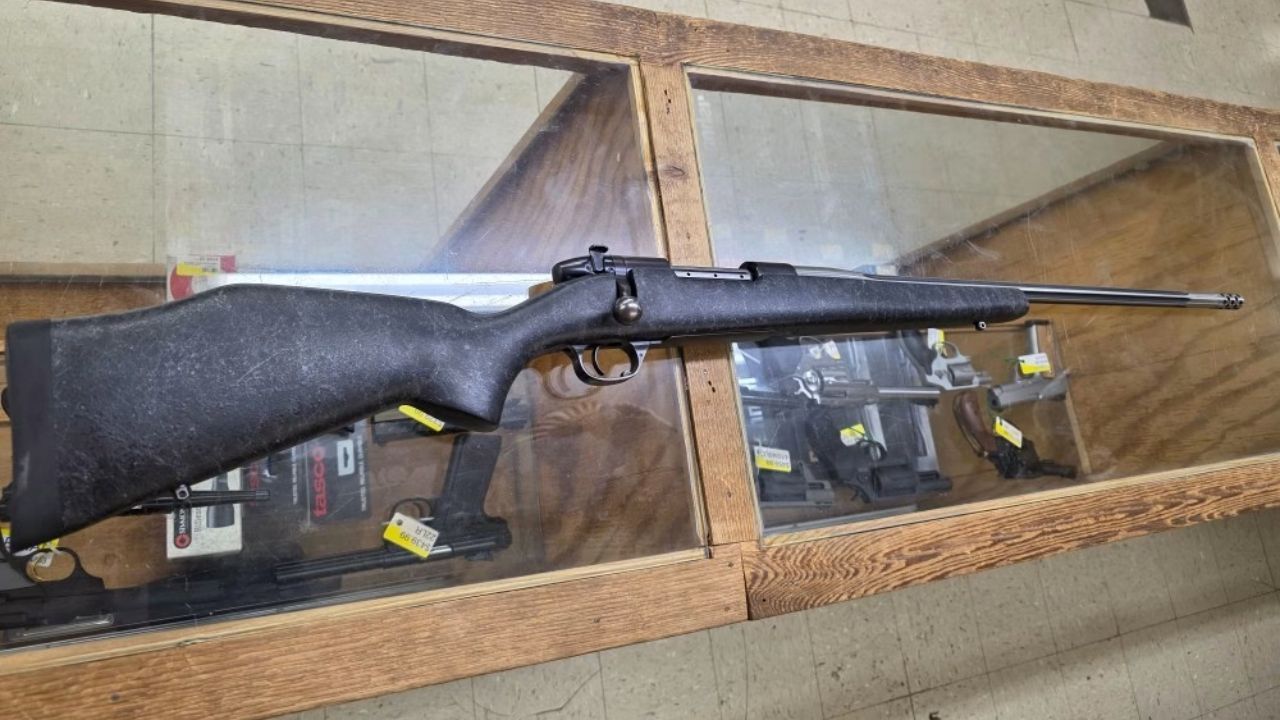
The Accumark has been earning long-shot respect for years because it offers a heavier barrel, a stable stock, and Weatherby-level accuracy in a package that still makes sense as a hunting rifle. It’s not ultra-light, and that’s part of why it behaves better when the wind picks up. More stability usually means fewer excuses.
The Accumark also tends to be chambered in cartridges with enough downrange authority to matter in open country, which is where wind becomes a real factor. A rifle like this gives you the confidence to hold and break the shot without feeling like the stock or barrel is working against you. It still comes down to your wind call and your judgment, but the rifle is built to support good decisions instead of exposing weakness in the platform.
Barrett MRAD
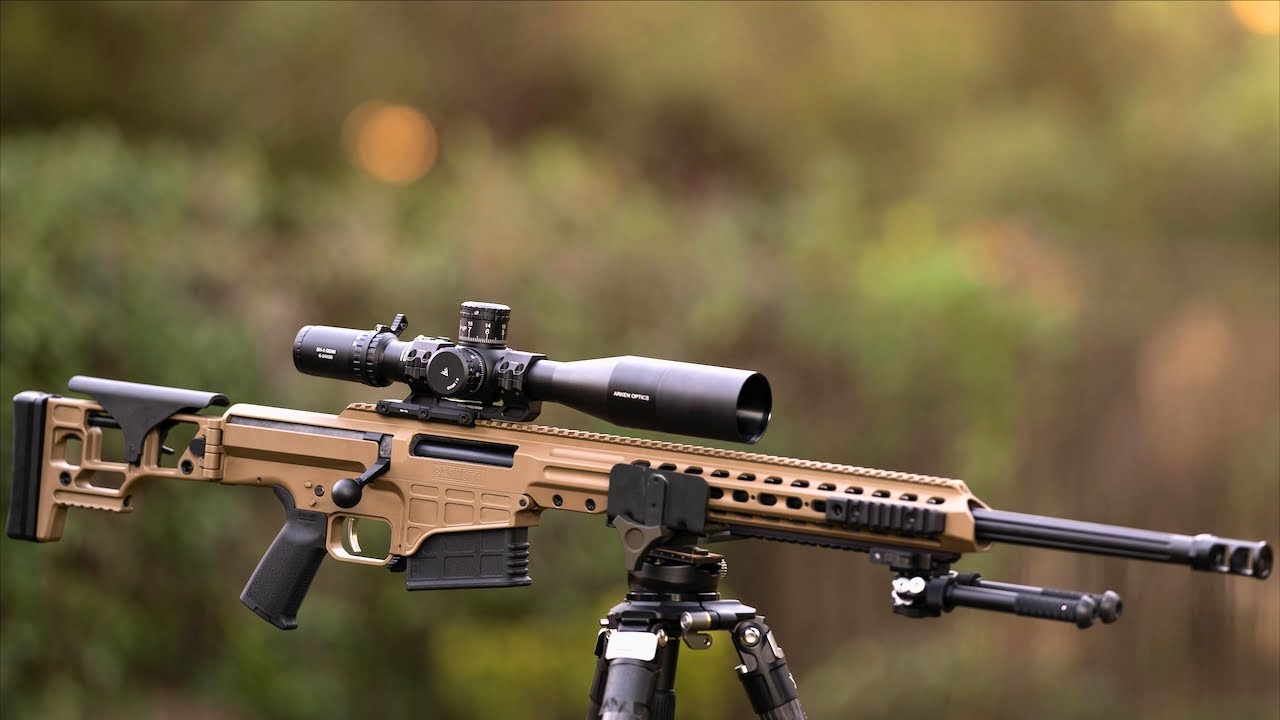
The MRAD is a serious precision rifle that was built with hard use in mind, and that kind of design shows up clearly in wind. It is stable, repeatable, and easy to set up around the shooter. In real conditions, that means you get a platform that supports measured shooting instead of forcing you to fight balance, recoil, or inconsistent ergonomics.
A rifle like the MRAD helps most when conditions get complicated. The chassis stays planted, the action is dependable, and the whole system is built to maintain zero and composure under demanding use. It’s not something you buy because it looks cool. You buy it because when distance stretches and wind starts bullying the average setup, you want the rifle to stay boring. Boring is good when the alternative is missing in public.
Like The Avid Outdoorsman’s content? Be sure to follow us.
Here’s more from us: