
Photo credit: Siam Stock/Shutterstock.com
Some handguns lose their accuracy long before the barrel shows anything close to real wear. You’ll see groups drift, fliers increase, and point of impact shift even though the rifling is still crisp. It usually comes down to loose lockup, sloppy slide fit, or internal parts that settle over time. Barrel life isn’t the issue — consistency is.
Spend enough time on a firing line and you’ll notice a handful of pistols that start out decent but simply won’t hold the same point of aim after a few thousand rounds. These are the ones that fade early, long before the bore gives out.
Beretta Nano

The Beretta Nano is a compact carry pistol with good intentions, but long-term accuracy isn’t where it shines. The internal chassis develops a bit of play with use, and that slight movement affects how consistently the barrel locks into place. Even when the rifling still looks sharp, you’ll see shots start drifting. The trigger take-up also tends to get mushier over time, which doesn’t help when you’re trying to hold a tight group. The gun runs, but precision fades faster than expected.
Smith & Wesson SD9 VE

The SD9 VE is affordable and dependable enough for range work, but accuracy often softens far earlier than the barrel wears. The slide-to-frame fit starts loose and rarely tightens with use. Eventually the lockup becomes inconsistent enough that groups widen noticeably. The long, spongy trigger introduces even more variables as it ages. You may still get adequate defensive accuracy, but the pistol isn’t known for maintaining the tighter groups it showed when brand new.
Charter Arms Pitbull 9mm
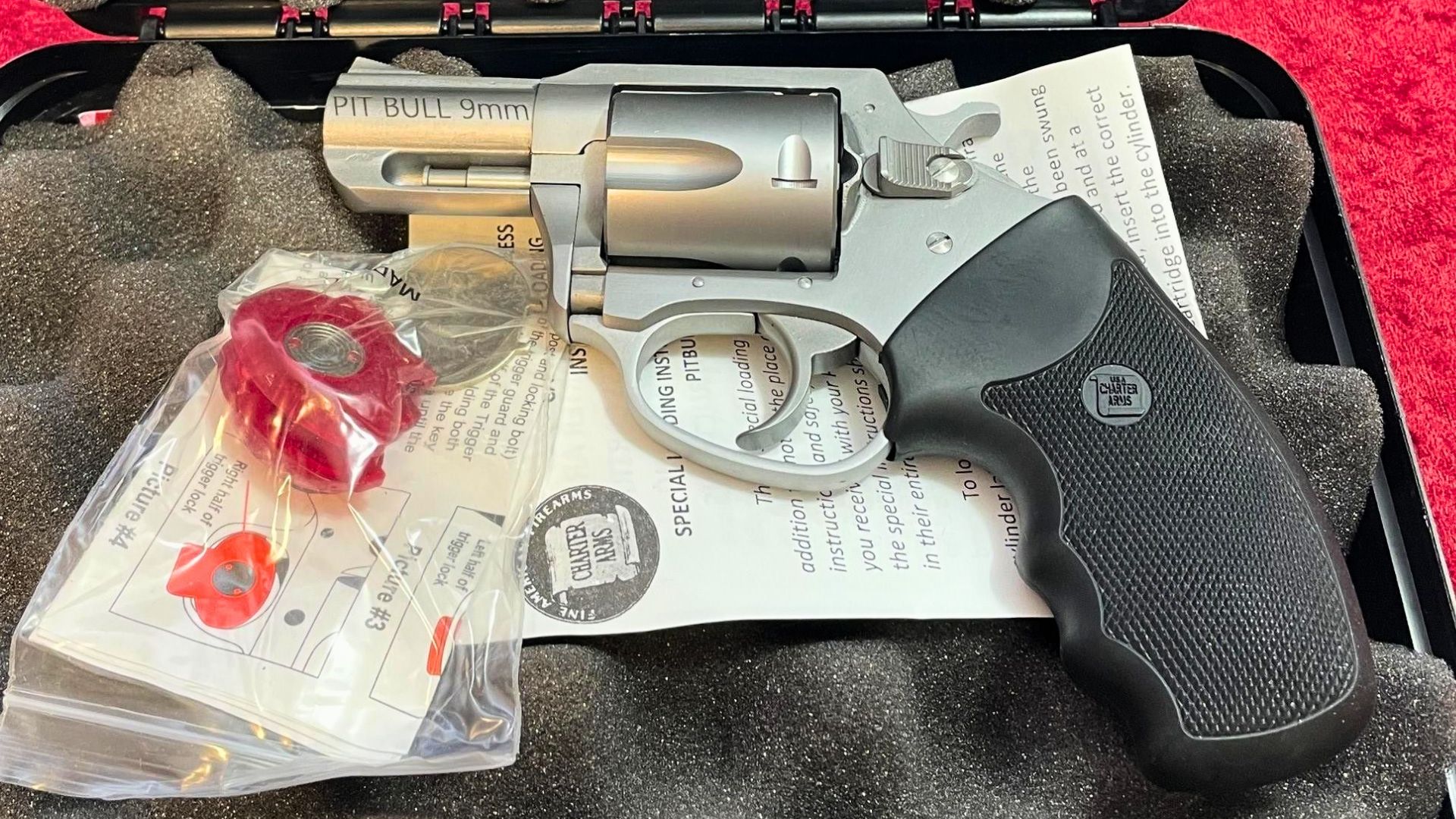
The Pitbull series has a clever extractor system, but the revolver’s accuracy consistency drops before anything in the barrel wears out. The cylinder lockup can vary between chambers as the gun sees more use, and those small differences show up on target. End-shake tends to increase sooner than expected, loosening things even further. Even when the forcing cone and rifling still look excellent, the gun no longer groups as well as it did early on.
Remington RP9
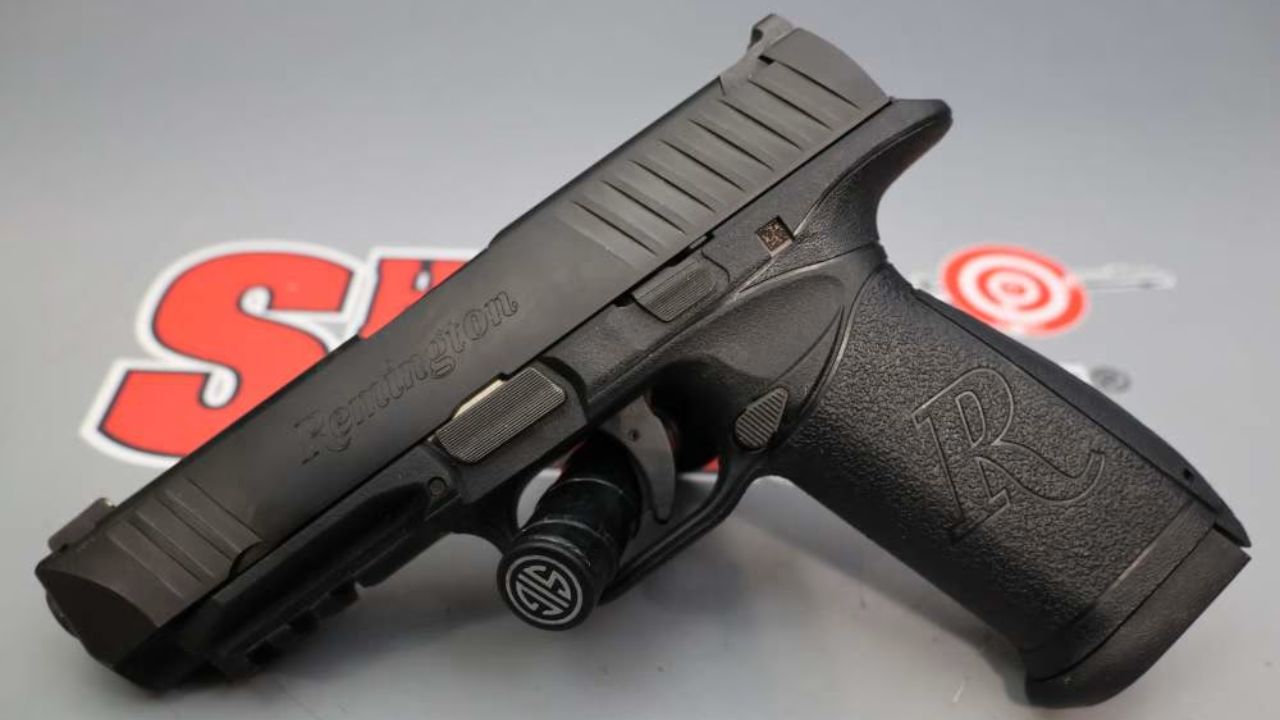
The Remington RP9 had potential on paper, but its real-world accuracy fades sooner than it should. Slide play increases noticeably after moderate use, and that affects how the barrel seats during each shot. The factory trigger also tends to feel less consistent as the internal surfaces polish themselves poorly. None of this breaks the gun, but it does widen groups even though the bore remains sharp. It’s a pistol that struggles to keep its early precision.
FMK 9C1 G2
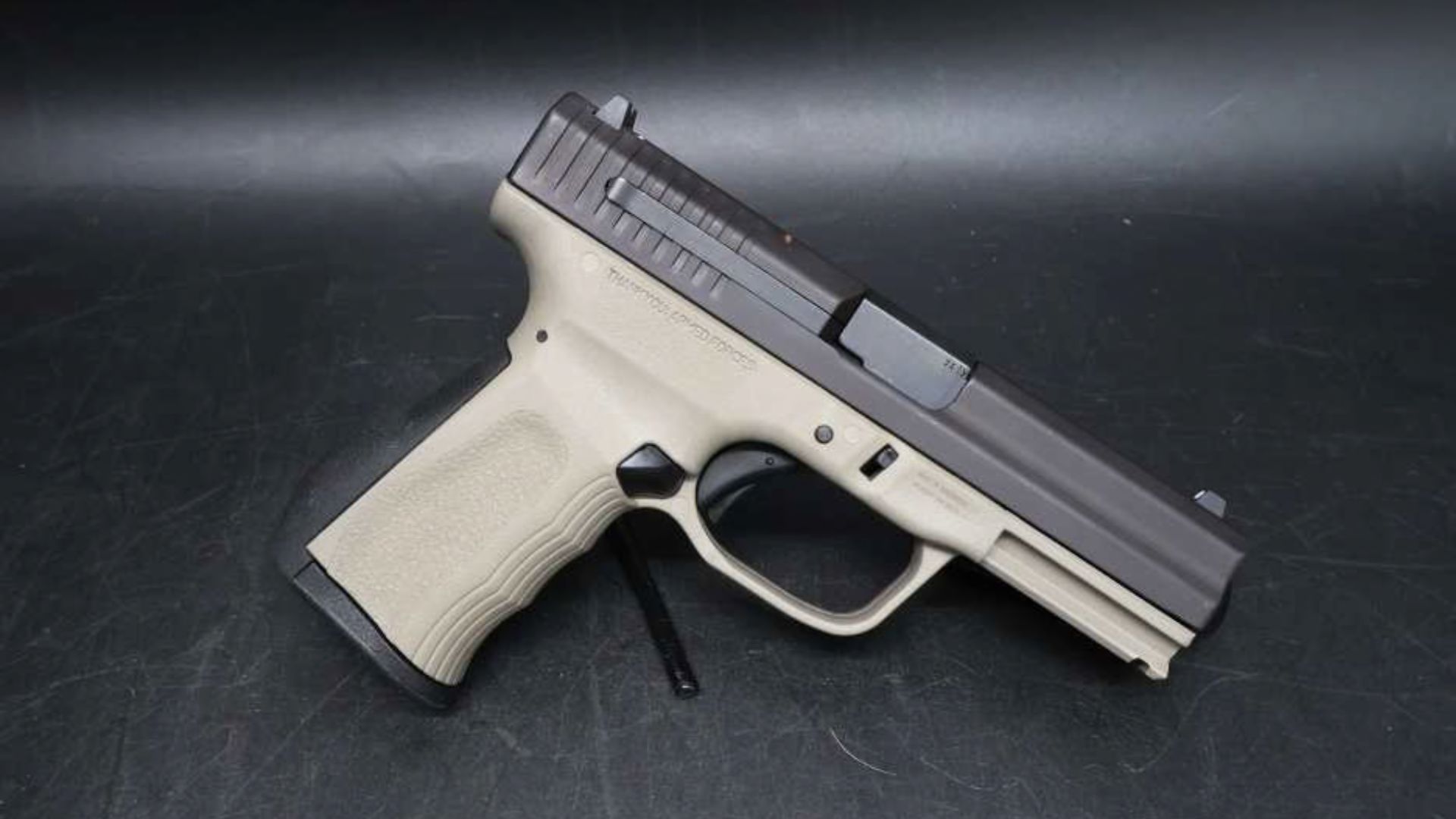
The FMK 9C1 G2 is lightweight and easy to carry, but it doesn’t hold long-term accuracy well. The polymer frame rails wear faster than metal, and slide wobble becomes noticeable with time. That affects lockup enough that even a clean barrel can’t save the groups. The trigger linkage also settles into an inconsistent break after extended shooting. The pistol continues working, but the precision fades earlier than most shooters would prefer.
IWI Jericho 941 Polymer
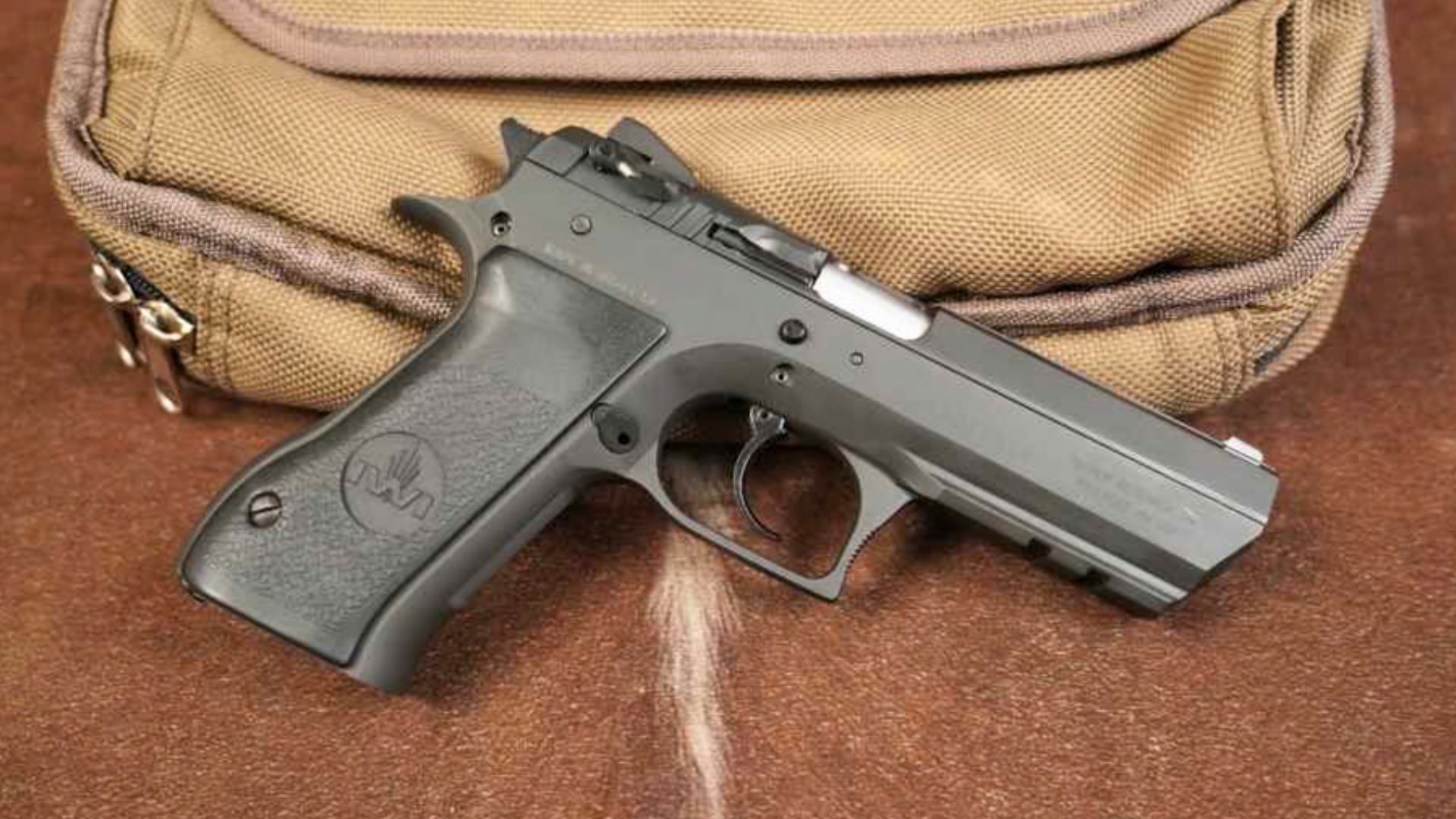
The steel-frame Jericho is known for excellent accuracy, but the polymer version doesn’t maintain it as well. As the frame flexes and the locking surfaces wear, the gun develops enough play to shift groups wider. The barrel itself usually stays in great condition, yet the pistol’s fitment loosens faster than expected. You’ll feel it when staging the trigger and you’ll see it on paper. It’s reliable, but its precision doesn’t age gracefully.
Bersa Thunder 9 UC Pro
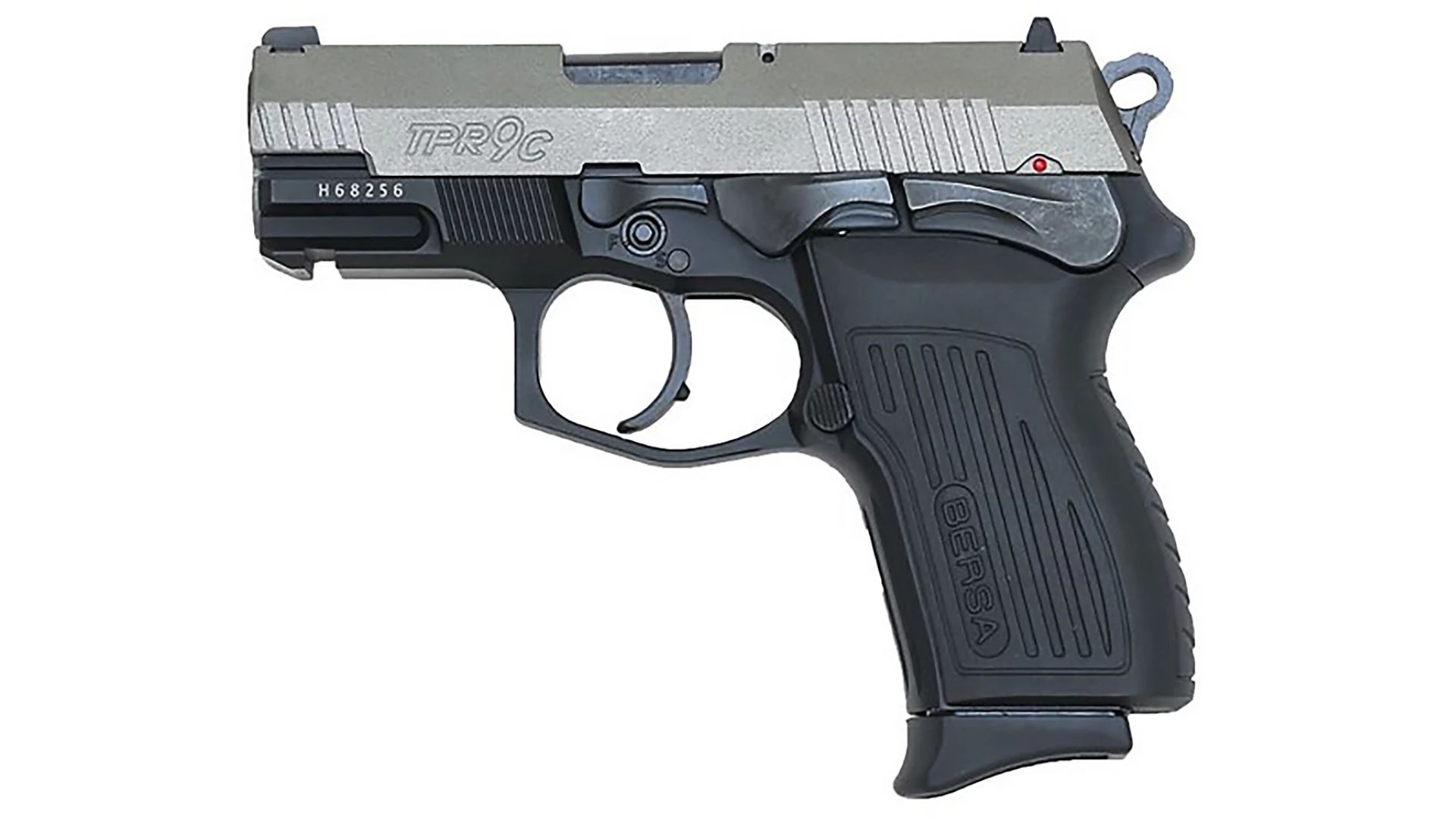
The Thunder 9 UC Pro is durable and comfortable to shoot, but the accuracy tends to fade long before any barrel wear shows. The compact slide and frame interface develops looseness over time, and the barrel hood doesn’t lock up as tightly as it once did. Even the DA/SA trigger, which starts crisp, becomes less predictable with use. The result is a pistol that stays reliable while slowly drifting away from its earlier precision.
Taurus 709 Slim
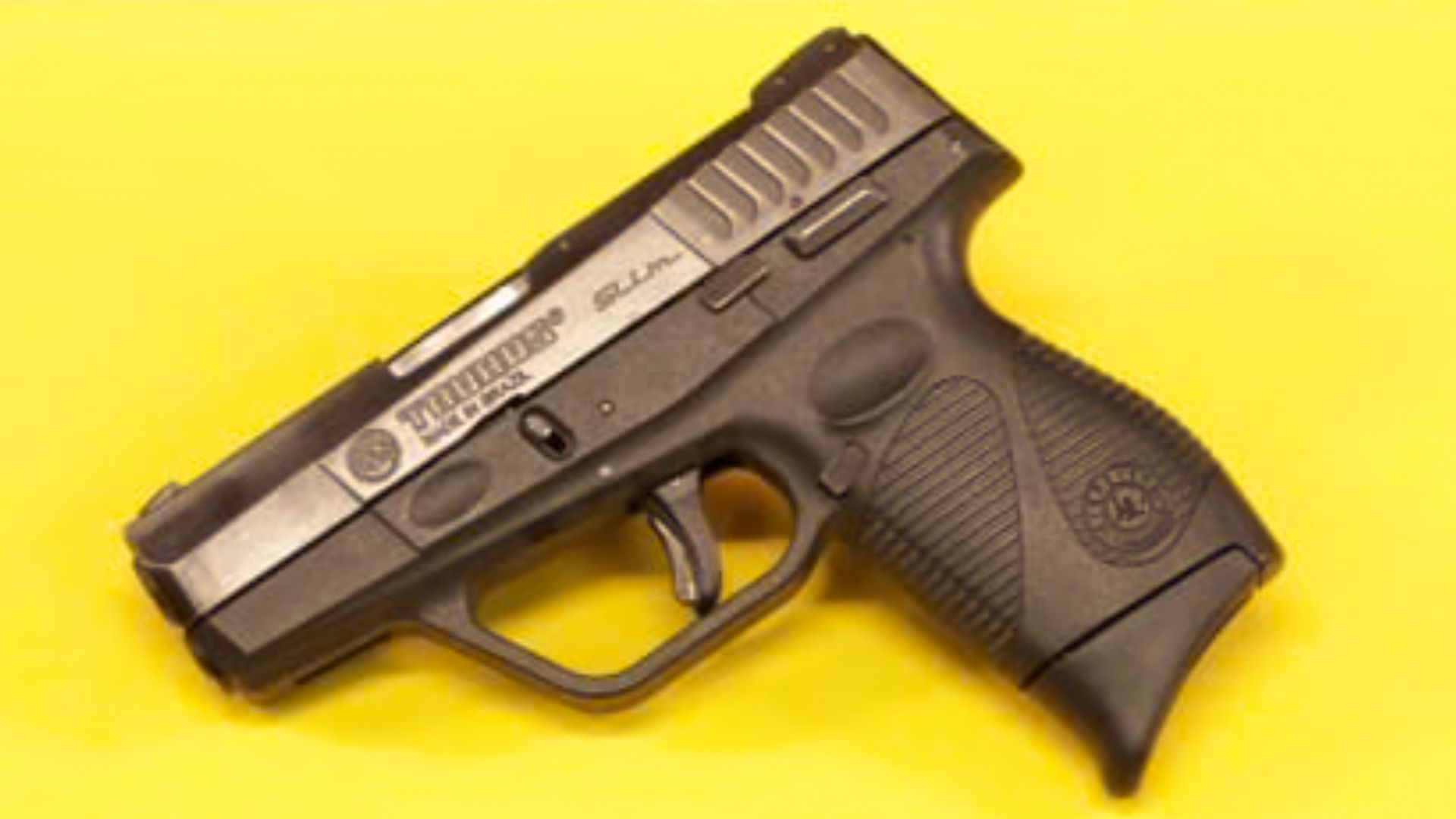
The 709 Slim shoots surprisingly well when new, but the accuracy doesn’t stay that way forever. The slide rails and locking block wear quicker than the bore, and the gun begins to show vertical stringing as things loosen. The trigger bar also develops noticeable variation from shot to shot, which makes calling groups difficult. You’ll still get serviceable performance up close, but past the typical self-defense distances, accuracy won’t match its early performance.
Rock Island MAPP FS
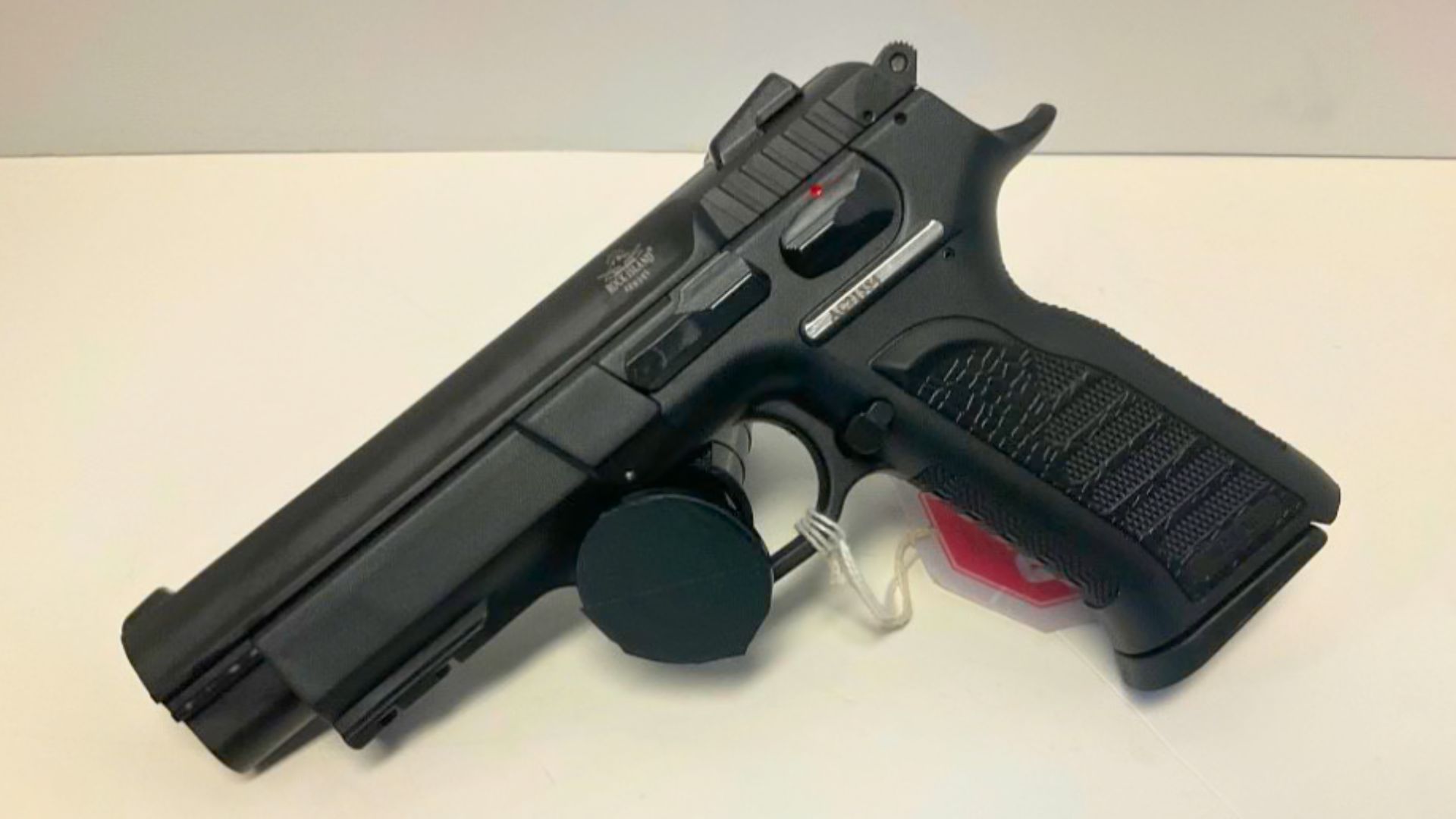
The MAPP FS is a polymer-framed clone of a classic design, but the long-term accuracy isn’t as strong as its metal counterparts. Frame flex and increasing slide movement eventually create enough variation to open groups. Even when the bore still looks flawless, the inconsistency in how the barrel cams into place becomes clear. It’s a reliable pistol, but it doesn’t maintain its early precision as well as shooters expect from a design with such a proven lineage.
SIG Sauer SP2022

The SP2022 has plenty of fans, and for good reason, but some examples lose accuracy earlier than the barrel would suggest. The polymer frame rails polish themselves unevenly, leading to slight shifts in lockup that appear on target. The DA/SA trigger remains usable, but its break becomes less consistent with heavy use. The bore may still look new, yet the pistol no longer groups the way it once did.
Canik TP9SA (First Generation)

The first-gen TP9SA had a solid trigger, but long-term precision wasn’t its strong suit. The early production guns developed noticeable slide play after extended shooting, loosening the lockup enough that groups gradually drifted. The barrel might stay in excellent shape, but the mating surfaces around it wear in ways that reduce consistency. Later versions improved this, but the originals are known for accuracy fading earlier than expected.
CZ P-07 (Early Models)

Early-production P-07s sometimes developed frame bulging or rail wear that affected lockup. Even with a sharp, high-quality barrel, accuracy could fade as the gun settled into that worn-in pattern. Groups would widen, and point of impact could shift slightly as the camming surfaces changed contact points. CZ improved the design, but those early models are a clear example of accuracy fading before the bore gives up anything.
Smith & Wesson 459 (Older Service Pistols)
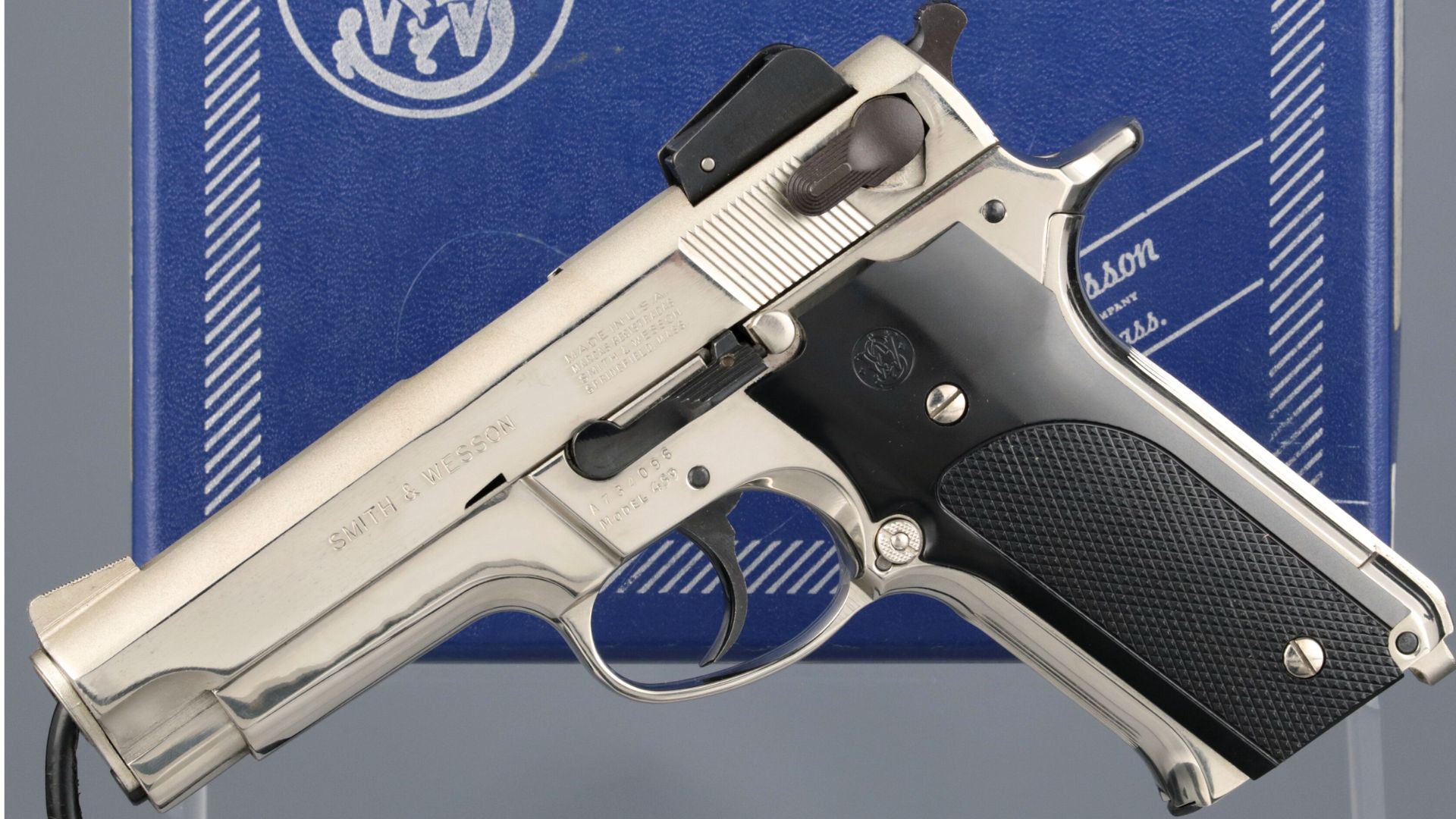
The classic 459 was rugged, but heavy use caused noticeable loosening in its very 1980s-era lockup system. As tolerances widened, accuracy faded even with barrels that still had crisp rifling. You’ll see horizontal drift appear first, then vertical variation as the slide seats inconsistently. These pistols ran for decades, but they aren’t known for maintaining tight groups unless they were babied from the start.
Star Firestar M43
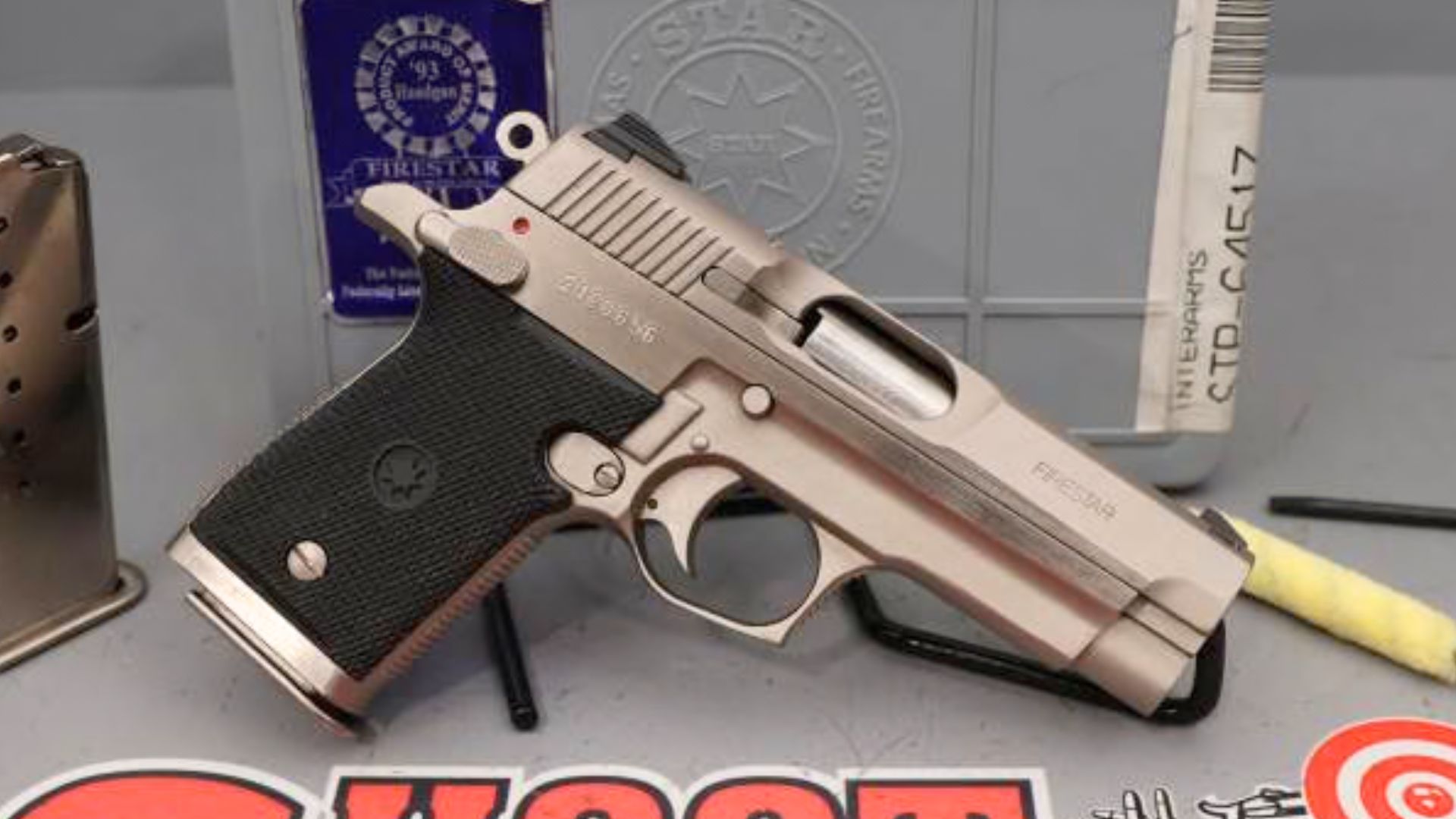
The Firestar M43 is a tank of a compact pistol, but accuracy declines well before the bore shows wear. The slide rails and camming surfaces wear unevenly, altering the barrel’s final position from shot to shot. Even though the gun still feels rock-solid in the hand, the paper tells a different story. The rifling stays strong, yet the groups open up as the internal fitment ages.
FN Forty-Nine

The FN Forty-Nine never became widely known, and one reason is its wandering accuracy over time. The striker system breaks in unevenly, and the slide-to-frame fit loosens quicker than you’d expect from FN. The bore can stay pristine, but the inconsistent lockup eventually makes the pistol unpredictable at distance. It’s reliable, but it doesn’t hold its precision nearly as long as modern FN designs.
Like The Avid Outdoorsman’s content? Subscribe to our newsletter so you never miss an article.
Here’s more from us:


