Photo credit: Texas Plinking/YouTube
Some guns teach the lesson before the first box of ammo is even gone. They look smart when you order them, sound great when people talk about them online, and seem like the kind of purchase that will make sense once you get them to the range or into the field.
Then the real ownership part starts. Ammo costs more than expected, the gun needs more tuning than you wanted, the role feels narrower than the marketing made it sound, or the cheaper option sitting beside it would have done the job just fine. These guns are not all bad. Some are genuinely interesting. But for plenty of owners, they became expensive lessons.
Springfield Armory SA-35
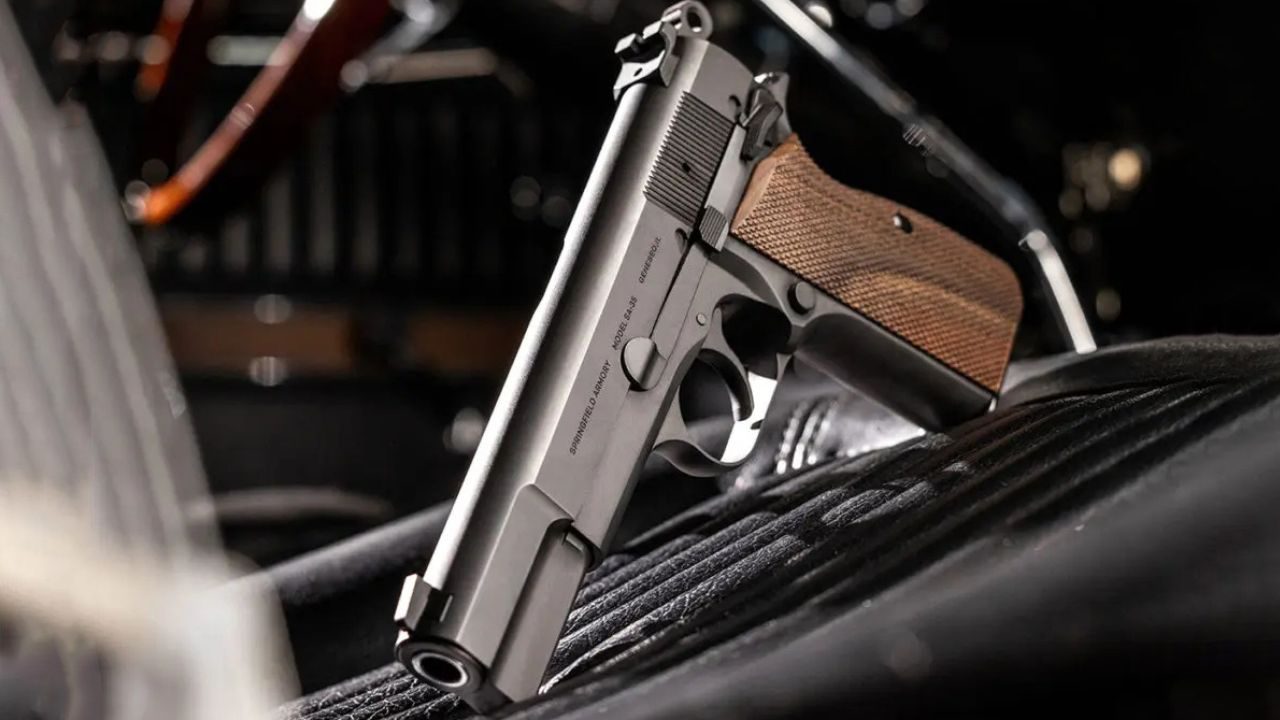
The Springfield SA-35 looked like a smart buy because it brought back the Hi-Power feel without forcing buyers to chase old Brownings at collector prices. No magazine disconnect, better sights, a clean profile, and classic lines made it sound like the kind of pistol people had been asking for.
The lesson came when early buyers found out a revived classic still has to run like a modern production gun. Some owners dealt with reliability complaints, extraction issues, or the general feeling that the pistol needed sorting before it earned full trust. Even when later guns improved, the early excitement took a hit. Paying new-gun money for old-school charm feels a lot different when the gun becomes a troubleshooting project.
Smith & Wesson CSX
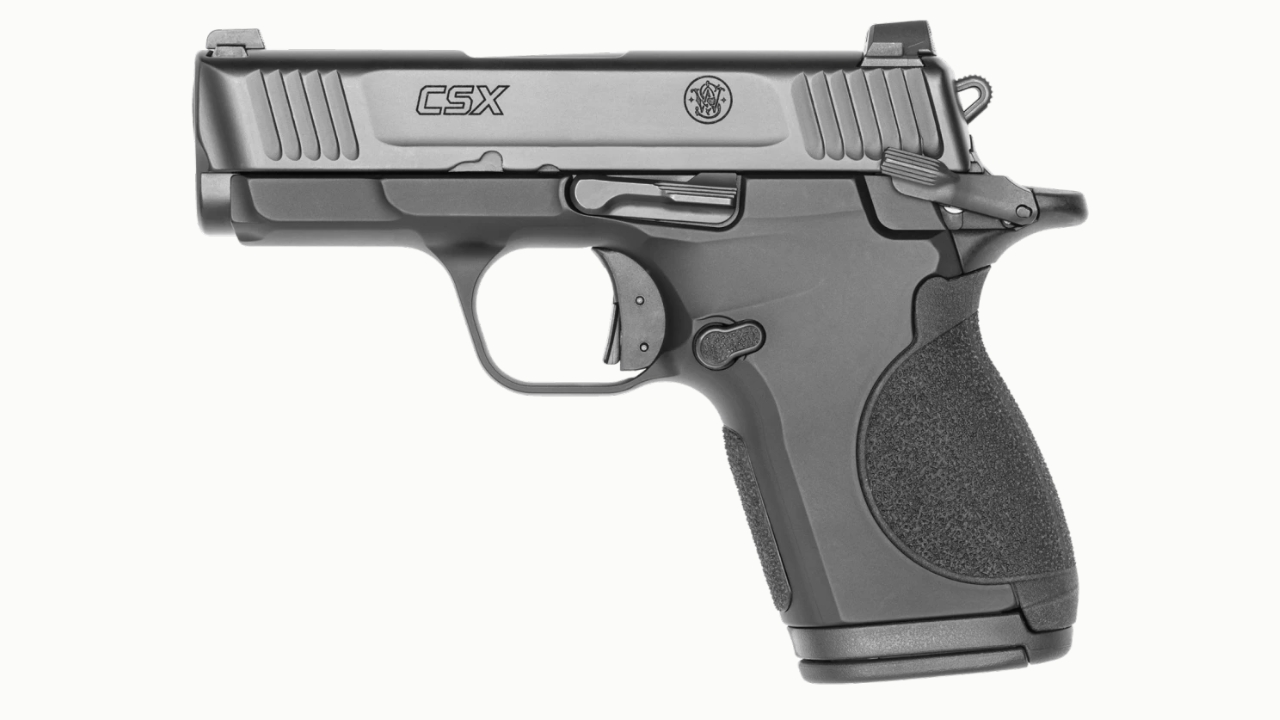
The Smith & Wesson CSX seemed like it should have been a home run. A small metal-framed 9mm with good capacity, hammer-fired operation, and a carry-friendly size sounded different enough to stand out from the polymer micro-compact crowd. At the counter, it looked like a smarter, classier carry option.
Then people started actually training with it. The trigger feel and reset bothered a lot of shooters, and the gun never really separated itself from the Shield Plus, P365, Hellcat, or Glock 43X the way it needed to. It was not useless, but it was expensive for what many owners got back. The lesson was simple: metal frame and clever concept do not automatically make a carry gun better.
Walther WMP

The Walther WMP got attention because a full-size .22 Magnum semi-auto pistol sounds like a lot of fun. It offered capacity, velocity, a recognizable brand name, and a cartridge that feels more exciting than plain .22 LR. For range use, varmints, or just something different, it was easy to justify.
The expensive part is feeding and trusting the thing. .22 Magnum costs more than casual plinking ammo, and semi-auto rimfire magnums can be more sensitive than buyers expect. If the gun does not run perfectly with the loads you can actually find, the novelty wears off fast. A pistol that seems fun in theory can become a pricey reminder that oddball rimfire setups are not always cheap entertainment.
Ruger SFAR

The Ruger SFAR looked like exactly what a lot of shooters wanted: .308 power in a rifle closer to AR-15 size and weight than a traditional AR-10. That idea sells itself. A lighter .308 semi-auto sounds useful for hunting, range work, and anyone who wants more punch without hauling a heavy rifle.
The lesson is that lightweight .308 semi-autos are always a compromise. Recoil, gas tuning, ammo selection, heat, optics weight, and long-term parts wear matter more than they do on a basic 5.56 rifle. Some owners love the SFAR, but others learn that shaving weight from a .308 platform can create a rifle that needs more attention than expected. The concept is tempting, but it is not free.
Springfield Armory Hellion

The Springfield Hellion brought the VHS-2 bullpup to American buyers with a serious military look and a layout that stood apart from the usual AR-15 crowd. The compact overall length, full-length barrel, ambidextrous features, and “not another AR” appeal made it easy to want.
The expensive lesson is that bullpups are not for everyone. The trigger, balance, reloads, height over bore, optics setup, and manual of arms all feel different enough to matter. If you buy one expecting it to simply be a shorter AR, disappointment comes fast. The Hellion is interesting and capable, but it asks you to adapt. Some owners pay a lot to learn they still prefer a boring AR.
Savage Impulse

The Savage Impulse sounded like a major step forward for American hunting rifles. A straight-pull bolt action with Savage accuracy potential, modern features, and faster follow-up shots seemed like a fresh answer in a market full of traditional turn-bolt rifles. It looked like something new without being completely strange.
Then hunters had to decide whether the extra cost and different feel actually helped them. The rifle is heavier than some expected, the action takes getting used to, and straight-pull speed does not matter much if your first shot is the one that counts. It can be accurate and useful, but for many hunters, the lesson was that a clever bolt system does not automatically make a better field rifle.
Colt Python

The new Colt Python created instant excitement because the name still carries weight. For years, older Pythons had climbed into serious collector territory, so a new production version gave regular shooters a chance to own the legend without paying vintage prices. That was a powerful draw.
The lesson is that legends come with dangerous expectations. A new Python may be a beautiful revolver, but buyers are not only comparing it to current revolvers. They are comparing it to memory, myth, old Colt craftsmanship, and the price tag in front of them. Some owners love them. Others find themselves asking if the shooting experience is really that much better than less expensive revolvers. Paying for a famous name can sting when the magic feels smaller than expected.
PSA Rock 5.7
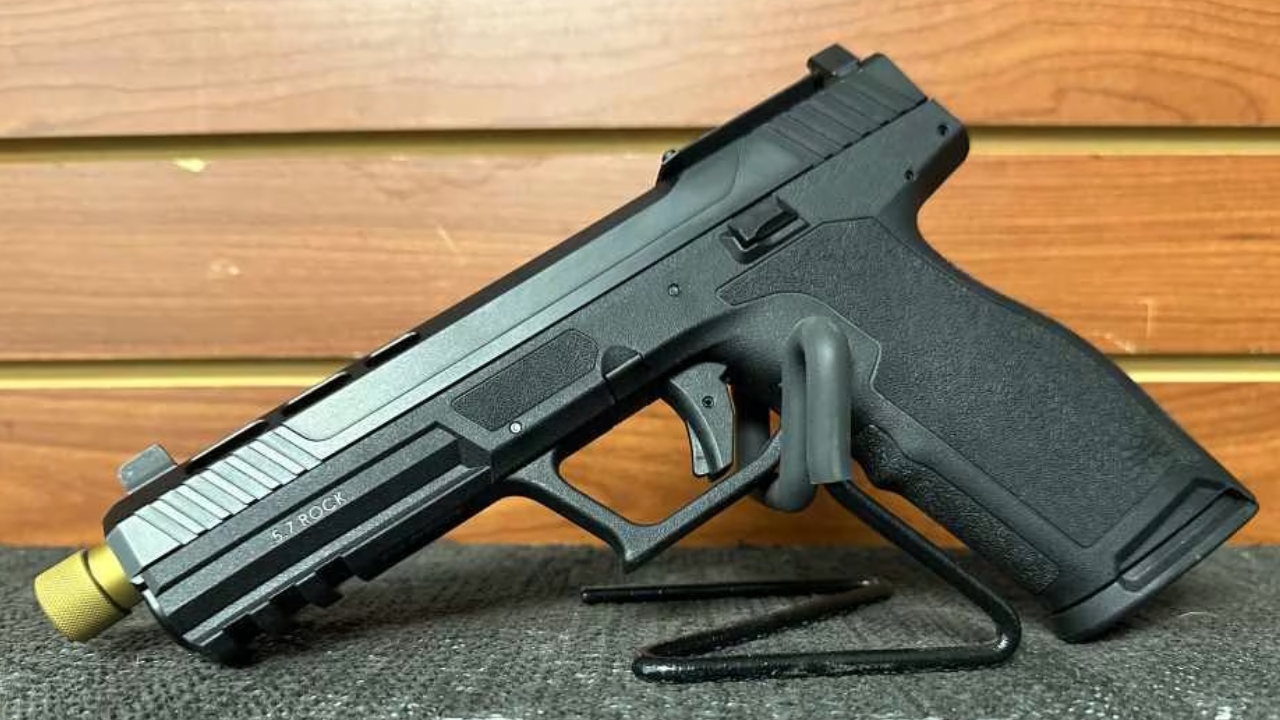
The PSA Rock 5.7 looked like a smart way into the 5.7×28 world without paying FN money. Good capacity, modern ergonomics, optics-ready options, and an aggressive price made it feel like a deal. For shooters curious about 5.7, it lowered the barrier to entry.
The lesson is that the gun price is only part of the cost. Ammo is still more expensive than common 9mm, and the cartridge’s real advantages depend on what you actually plan to do with it. If the pistol becomes a range toy, feeding it can feel harder to justify. The Rock may be a good value inside the 5.7 category, but the category itself can still become an expensive rabbit hole.
Smith & Wesson M&P 5.7
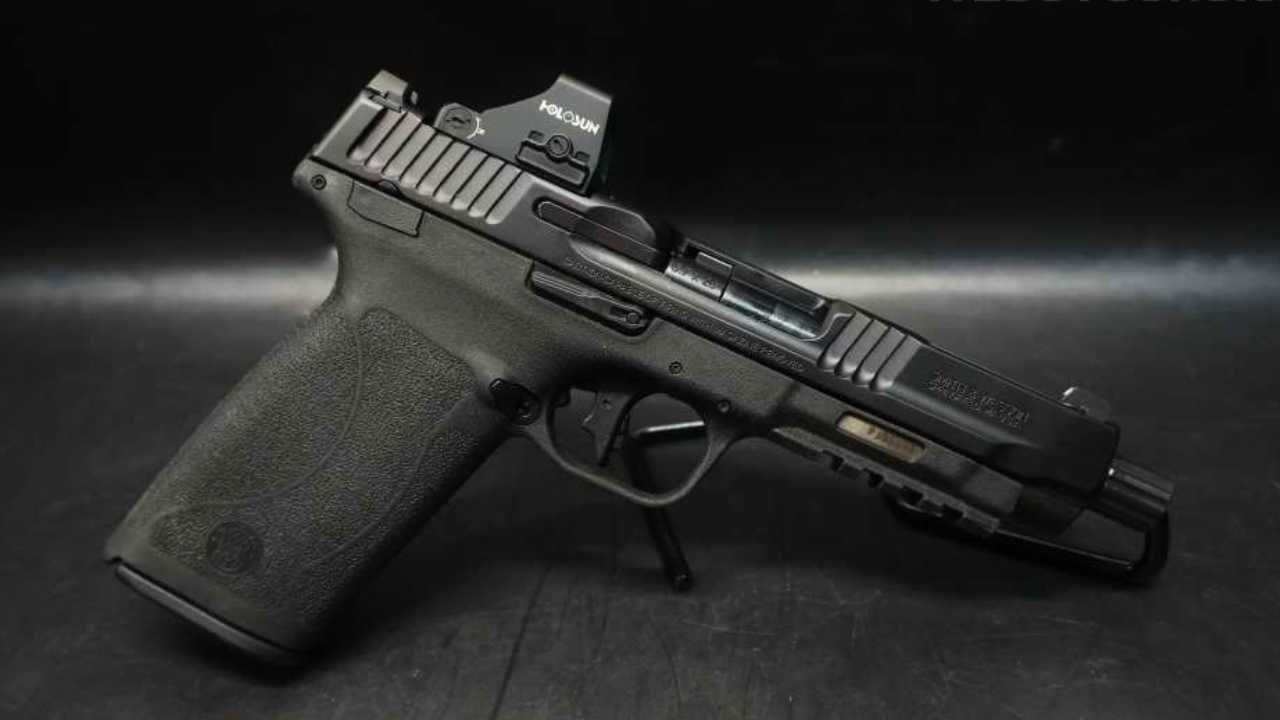
The Smith & Wesson M&P 5.7 came in with a major brand behind it and a slick operating system that made people curious. It gave shooters another modern 5.7 pistol option at a time when the cartridge was getting more mainstream attention. For fans of the M&P line, it looked like a natural add-on.
The lesson is similar to every 5.7 pistol, but with a higher expectation because of the name. It is fun, flat-shooting, and interesting, but it still has to justify expensive ammo and a role that many shooters do not actually need filled. If you already own good 9mms and .22s, the M&P 5.7 can become a costly middle ground. Neat does not always mean necessary.
Diamondback DBX 5.7
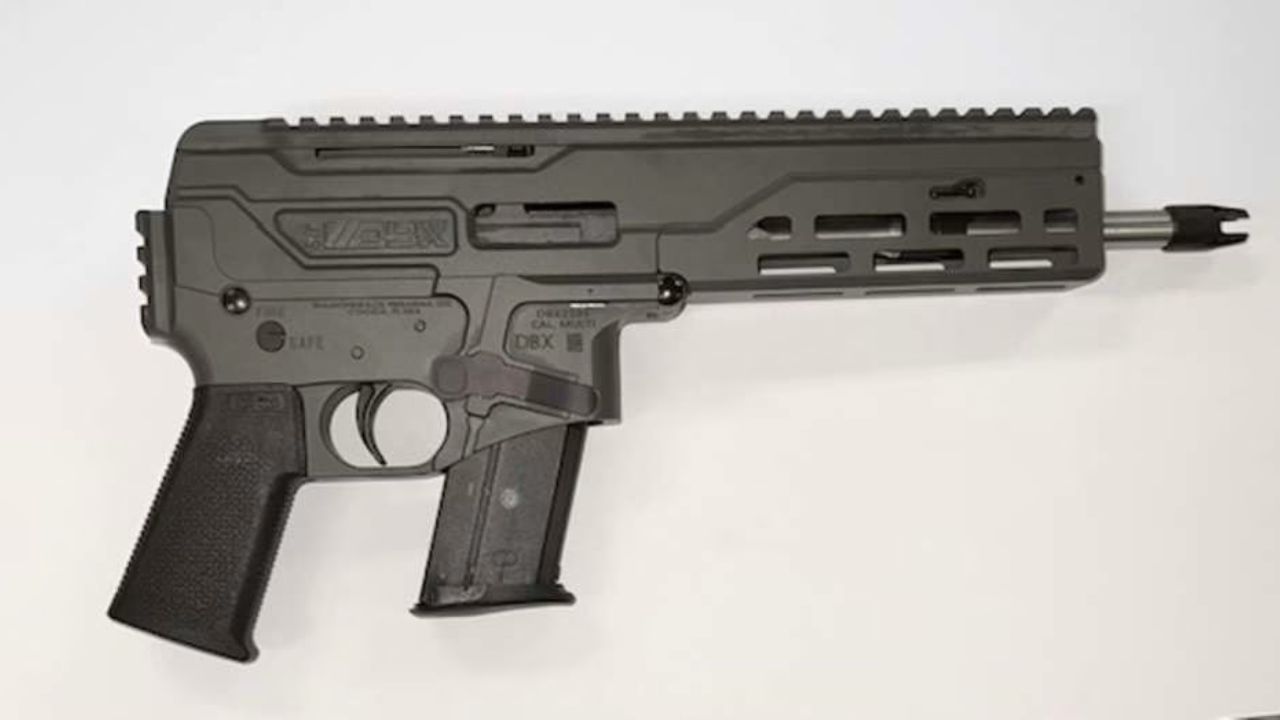
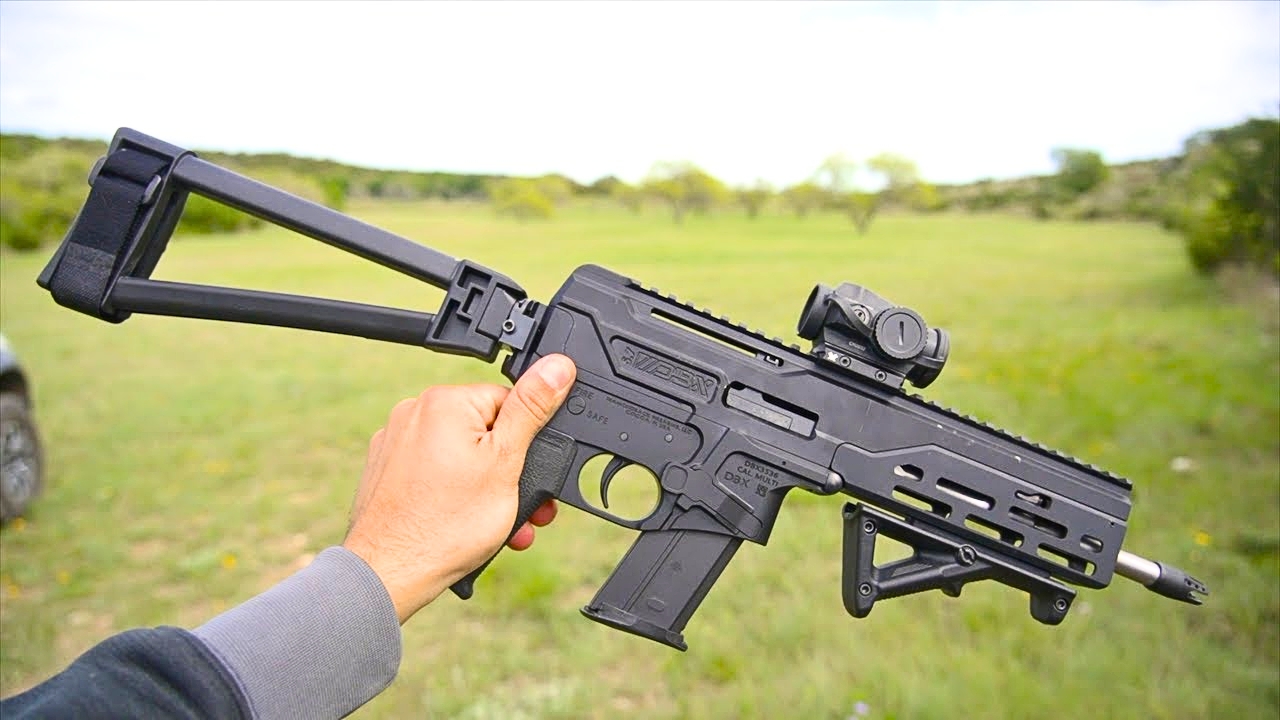
The Diamondback DBX 5.7 grabbed attention because it looked like a compact, lightweight, futuristic little 5.7 platform. It was not just another pistol, and it was not a standard carbine either. That alone made shooters curious, especially anyone who likes oddball guns.
The lesson is that oddball platforms can get expensive fast. The ammo costs more, accessories are more limited, and the practical use case is narrower than the design makes you want to believe. It may be fun and handy, but a gun like this needs a clear purpose to justify itself. Without that, it becomes the kind of expensive range toy that gets talked about more than it gets shot.
FN 510 Tactical
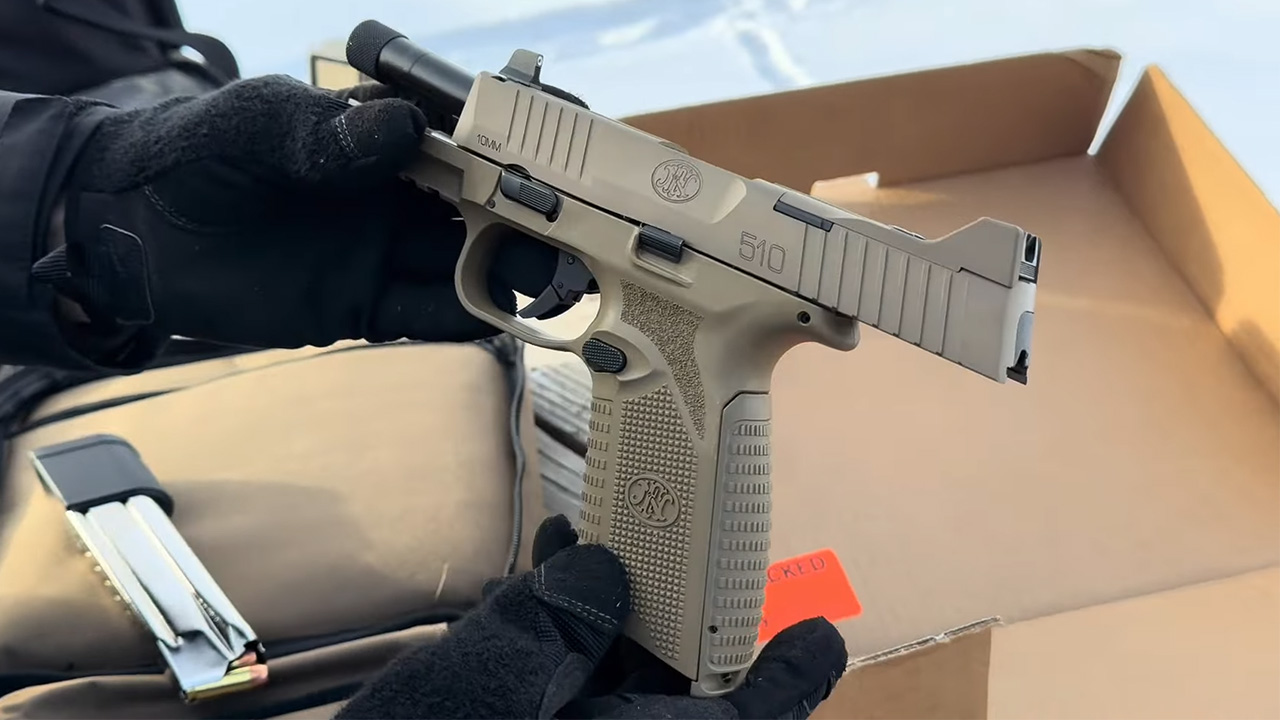
The FN 510 Tactical seemed like a strong answer for shooters who wanted a serious 10mm pistol with modern features. High capacity, optics-ready setup, threaded barrel, and FN’s reputation made it look ready for woods carry, defense, and big-bore range work. It had all the right ingredients.
The lesson is that full-size 10mm pistols are not casual purchases. Ammo is expensive, recoil is real, and the gun’s size limits how often many people actually carry it. If you do not truly need 10mm power, the 510 can become a costly reminder that “more gun” often means more expense, more practice, and more compromise. It is capable, but capability only matters if the role is real.
IWI Carmel
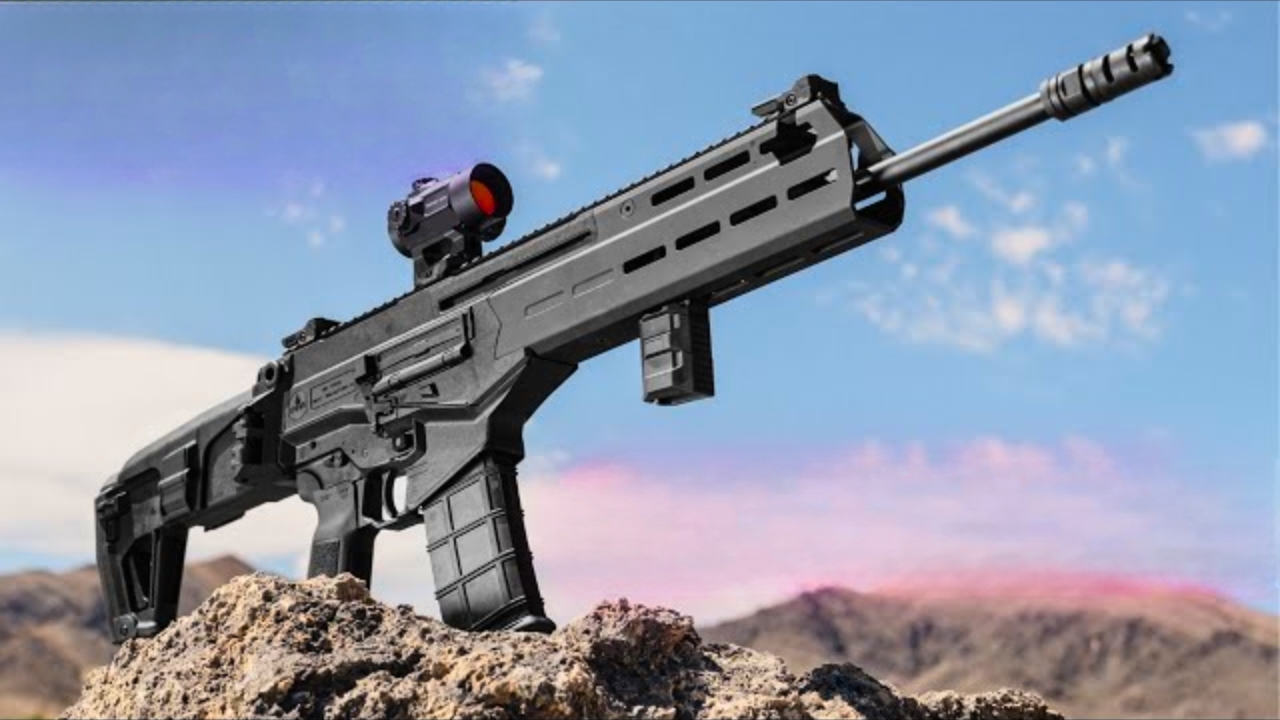
The IWI Carmel entered a market where shooters already had endless AR-15 options and several established non-AR rifles to consider. The IWI name helped it get attention, and the rifle offered modern controls, a piston system, and a different flavor from the standard AR pattern.
The expensive lesson is that being different in a 5.56 rifle is not always enough. AR-15s are cheaper, lighter in many setups, easier to support, and backed by unmatched parts availability. A rifle like the Carmel has to convince owners that the extra cost and different ecosystem are worth it. For some, it will. For others, it becomes an expensive way to learn how hard it is to beat the boring standard.
Rost Martin RM1C
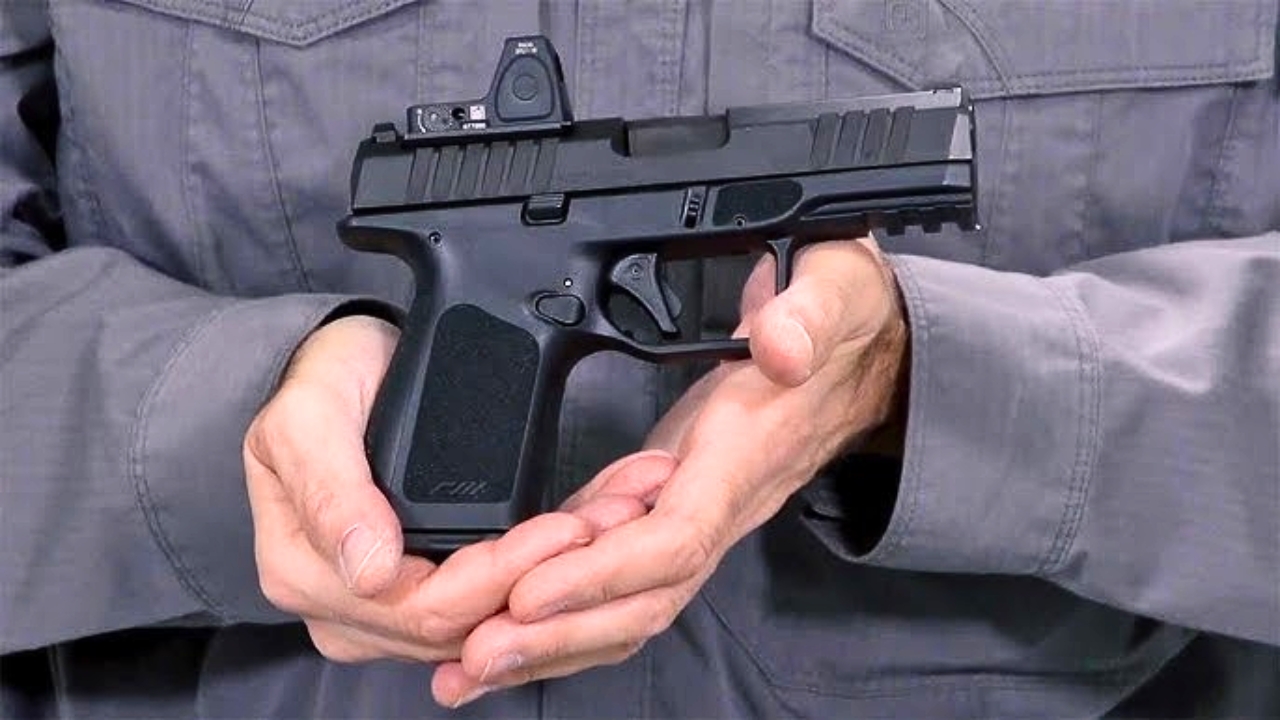
The Rost Martin RM1C got attention as a newer compact 9mm trying to enter one of the hardest markets in handguns. It had a clean look, modern features, and enough early buzz to make people curious. A new brand coming in with confidence always gets shooters watching.
The lesson is that compact carry guns need more than a good first impression. Buyers care about holsters, magazines, spare parts, customer support, long-term reliability, and whether the pistol does anything better than proven options. Even if the RM1C performs well, owners are still taking a leap on a newer name. That leap can feel expensive when Glock, Smith & Wesson, SIG, and Springfield already have the boring parts figured out.
Winchester Wildcat
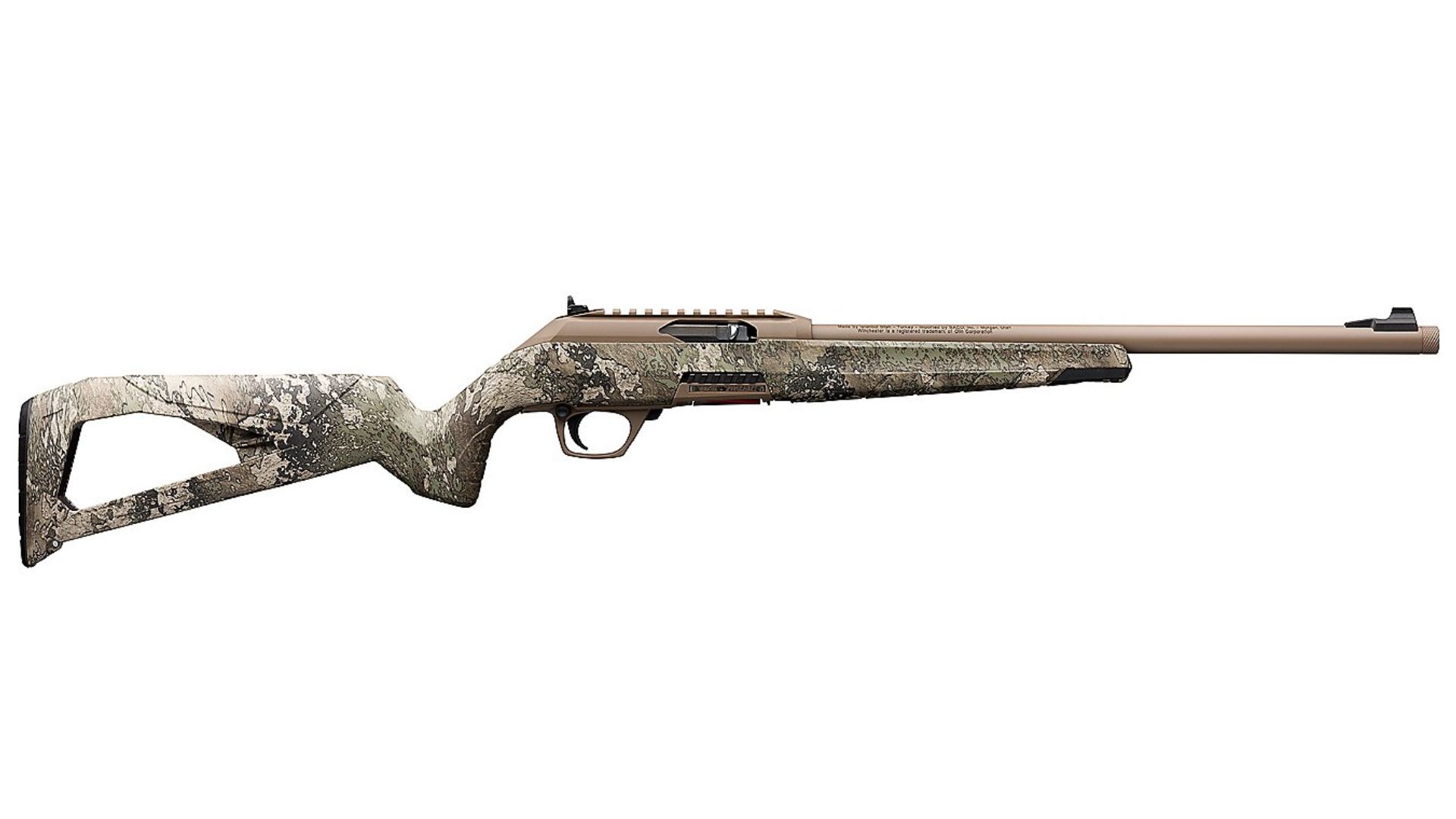
The Winchester Wildcat looked like a clever modern rimfire rifle. It was lightweight, simple to clean, affordable, and even compatible with Ruger 10/22 magazines. For a new semi-auto .22, that sounded like Winchester had paid attention to what shooters actually wanted.
The lesson is that a good idea still has to compete with the 10/22. The Ruger has decades of support, parts, stocks, barrels, triggers, and owner confidence behind it. The Wildcat can be useful, but many buyers eventually realize they are fighting the gravity of the most supported rimfire rifle in America. Saving a little or trying something different may not feel as smart once you start wanting upgrades.
Mossberg MC2sc
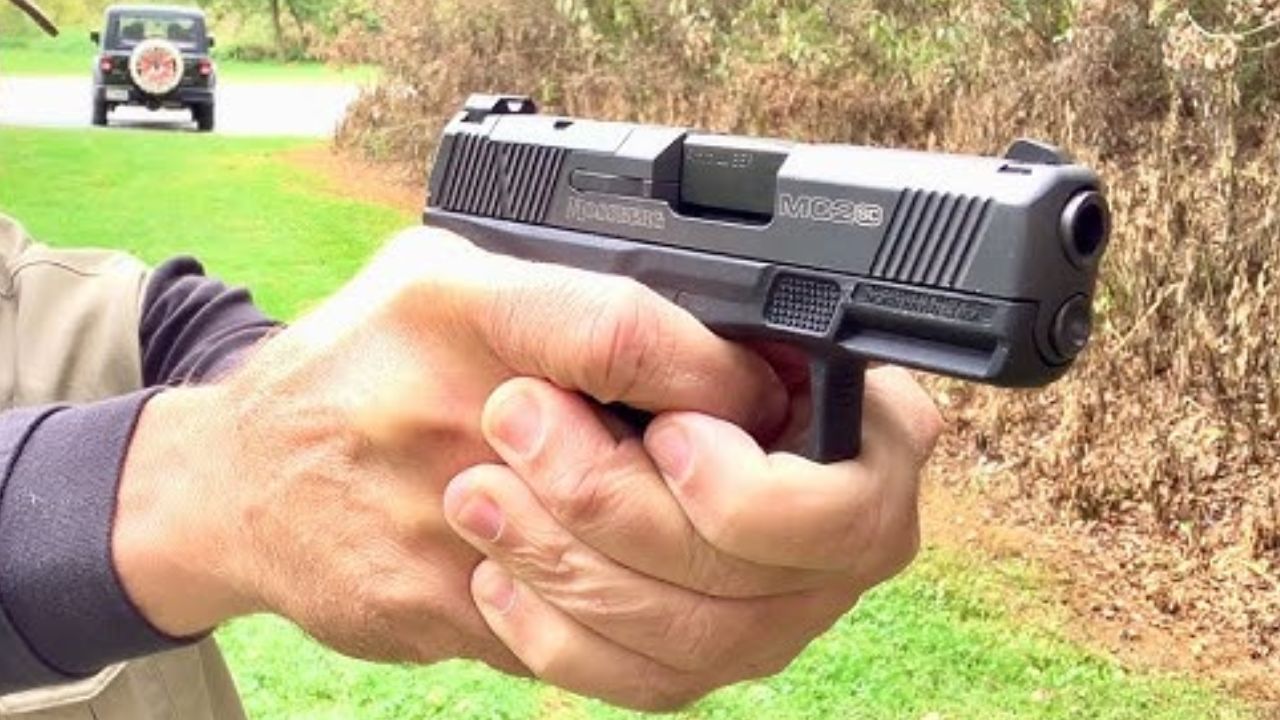
The Mossberg MC2sc seemed like a much better concealed-carry effort than people expected from Mossberg. It had decent capacity, a slim profile, optics-ready options, and a size that made sense for daily carry. On paper, it looked like a practical alternative to the big names.
The lesson is that carry guns live or die on confidence and support. The MC2sc may be a solid pistol, but it has to fight the Shield Plus, P365, Hellcat, Glock 43X, and other proven options that already dominate holster walls and magazine bins. If an owner ends up wishing for better support, easier parts availability, or more community knowledge, the savings and novelty matter less. A carry pistol is a hard place to gamble.
Like The Avid Outdoorsman’s content? Subscribe to our newsletter so you never miss an article.
Here’s more from us: