Photo credit: Ultimate Reloader/YouTube
Some rifles get recommended hard when they first hit the market. They have the right features, the right price, and enough early excitement that hunters want them to be good. A threaded barrel, adjustable stock, lightweight build, or familiar brand name can make a rifle sound like an easy answer before enough people have actually hunted with it.
Then the season wears on. The rifle gets carried in bad weather, shot from awkward rests, fed different ammo, packed through brush, and compared to guns that already earned trust. That is when some hunters quietly stop recommending them. Not because every rifle is junk, but because the real-world experience gets harder to defend.
Savage Impulse Predator
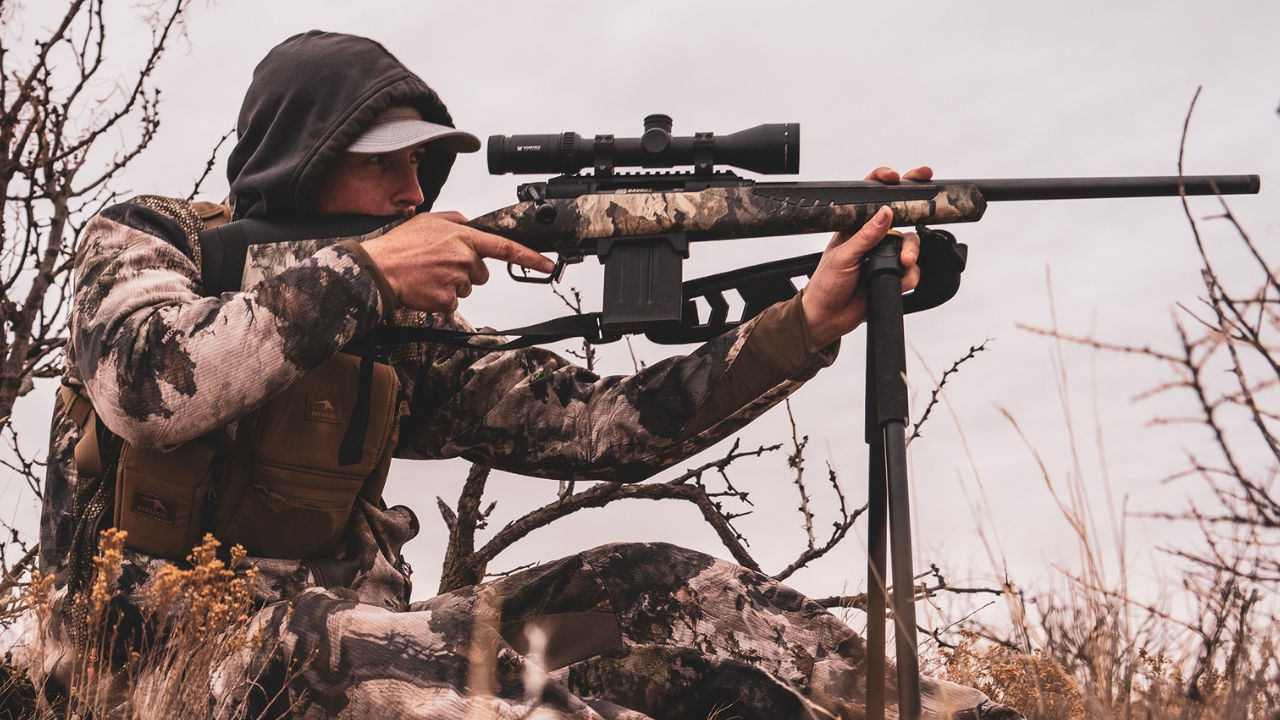
The Savage Impulse Predator sounded like a great idea for hunters who wanted faster follow-up shots without leaving the bolt-action world. A straight-pull action in a predator-style rifle had real appeal, especially for coyotes, hogs, and situations where a second shot might matter fast.
The problem is that straight-pull speed does not matter much if the rifle feels heavier or more awkward than expected. Some hunters liked the concept more than the field experience. The action also takes time to get used to, and the rifle never feels as simple as a traditional turn-bolt. After the novelty wears off, a lot of hunters start asking whether a regular bolt gun would have been lighter, cheaper, and easier to trust.
Mossberg Patriot LR Hunter

The Mossberg Patriot LR Hunter has the kind of feature list that gets attention fast. It gives hunters a long-range look, a heavier barrel profile, a modern stock, and a price that seems approachable compared to more expensive precision-style hunting rifles. At first glance, it feels like a lot of rifle for the money.
The hesitation starts once hunters expect it to behave like a refined long-range rig. The Patriot line can be useful, but the action feel, stock quality, magazine setup, and overall polish do not always match the expectations created by the long-range styling. Some rifles shoot fine, but others leave owners chasing ammo, setup, and confidence. Hunters stop recommending it when they realize the cheaper path to distance still has rough edges.
Ruger American Go Wild

The Ruger American Go Wild makes sense on paper because it takes the affordable, accurate American platform and adds a more weather-ready finish, camo stock, and threaded barrel. For deer, hogs, and general hunting, it looks like a practical upgrade over the plain base rifle.
Where some hunters cool off is the feel. The rifle may shoot well, but it still carries the same budget-rifle personality underneath. The stock can feel hollow, the magazines can be hit or miss depending on version, and the action does not always feel as smooth as buyers hope. If accuracy is all you care about, it can work. But hunters expecting the upgrades to make it feel like a more premium rifle may walk away disappointed.
Franchi Momentum Elite
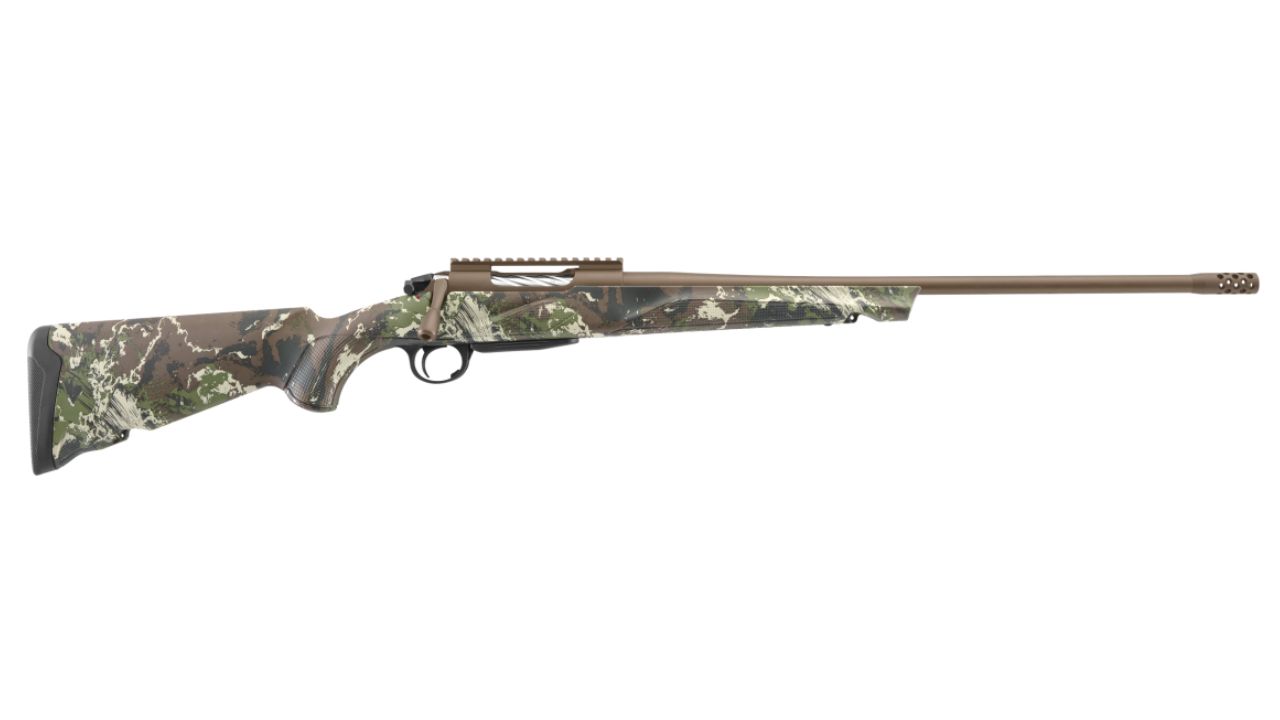
The Franchi Momentum Elite had a strong first impression because it looked sleek and different from the usual American budget bolt guns. The stock shape, finish, threaded barrel, and European styling helped it stand out. For hunters bored with the same rifle designs, it felt like a fresh option.
After real field use, some hunters found it harder to recommend. The unusual stock shape is not for everyone, and the rifle’s handling can feel less natural once you’re shooting from blinds, sticks, packs, or quick field positions. It may be accurate enough, but a hunting rifle also has to feel automatic in your hands. If the ergonomics never fully click, the good looks stop carrying the recommendation.
Winchester XPR Stealth
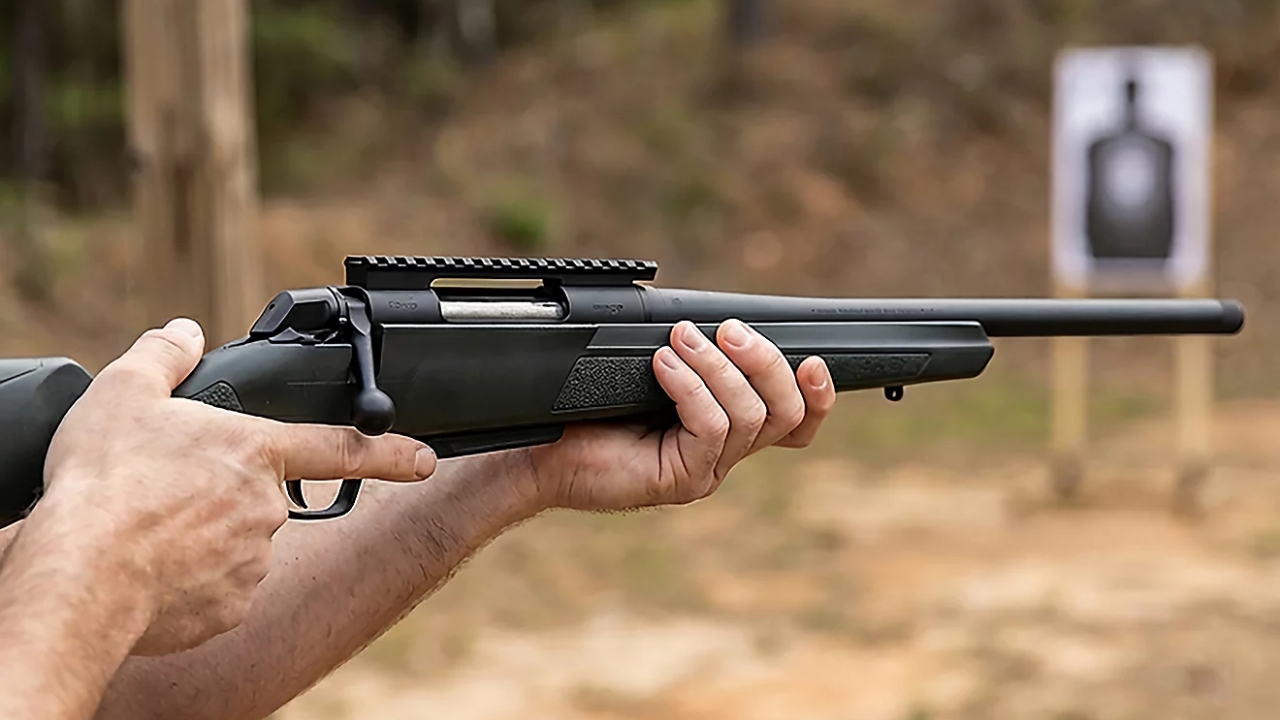
The Winchester XPR Stealth looked like a smart step for hunters who wanted a more modern XPR with a serious stock setup and heavier feel. It had long-range styling, decent accuracy potential, and the Winchester name behind it. For someone wanting a range-and-field rifle, it made sense at first.
The problem is that it sits in a hard middle ground. It is not as light and handy as a true hunting rifle, but it also does not always feel refined enough to satisfy someone wanting a serious precision setup. Hunters who carried it much could start wishing for less bulk, while range shooters could still want a smoother action and better overall polish. That awkward middle lane makes it harder to keep recommending.
Weatherby Vanguard Talon
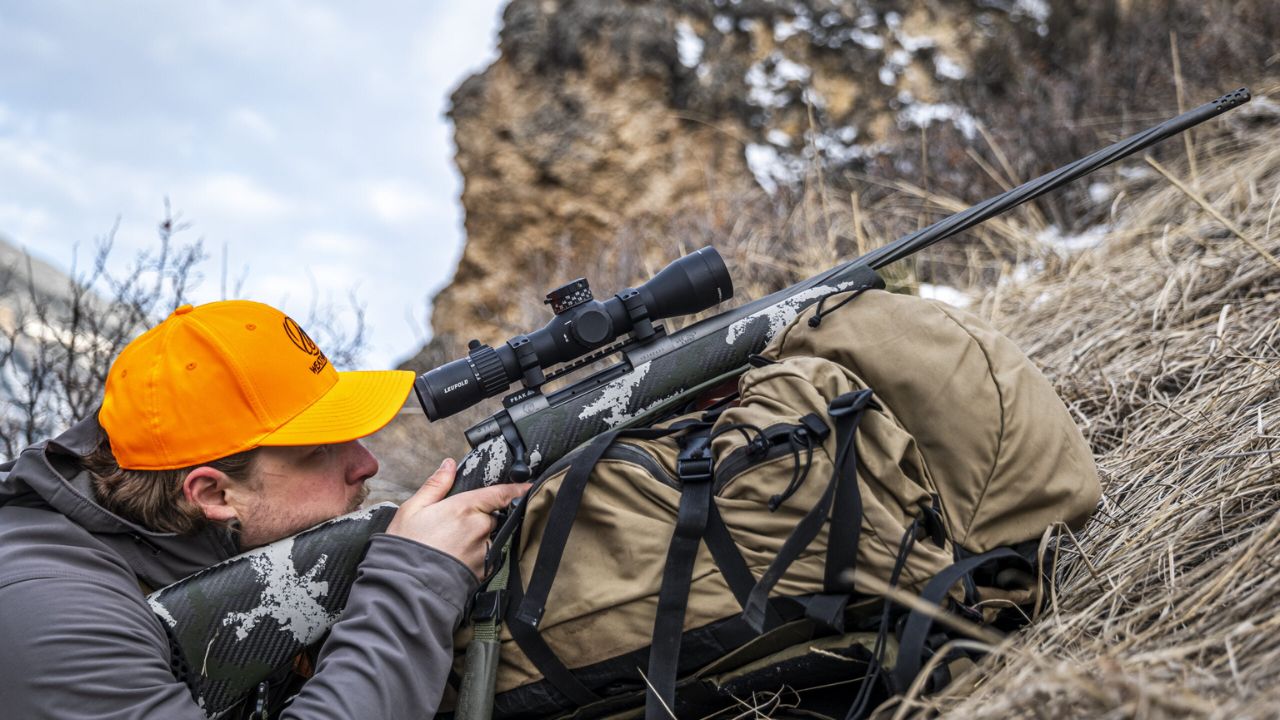
The Weatherby Vanguard Talon had a lot of promise because the Vanguard action has a long reputation for being strong and accurate. Add a more modern stock, a Cerakote-style finish, and a lighter hunting-focused build, and it sounds like a smart rifle for rough-country hunters who want value without going full custom.
But expectations can get ahead of the gun. Some hunters still find Vanguards heavier than the marketing makes them feel, and the Talon’s price puts it into a fight with rifles that may feel smoother, lighter, or more refined. It can absolutely shoot, but hunters stop recommending it automatically when they realize the weight, balance, and price may not line up for everyone.
Browning X-Bolt Mountain Pro

The Browning X-Bolt Mountain Pro looks like the kind of rifle serious hunters should want. It is light, weather-resistant, nicely finished, and carries the X-Bolt reputation into a more premium mountain-rifle package. On the rack, it feels like an easy recommendation for someone who wants to buy once and hunt hard.
That recommendation gets more cautious once price enters the conversation. At this level, hunters expect excellent accuracy, perfect balance, and confidence with little fuss. Some Mountain Pros deliver, but others can be ammo-picky or simply not feel dramatically better than rifles costing less. When a rifle is expensive, small disappointments feel bigger. Hunters may still like it, but they stop telling everyone it is the obvious answer.
Christensen Arms Mesa FFT
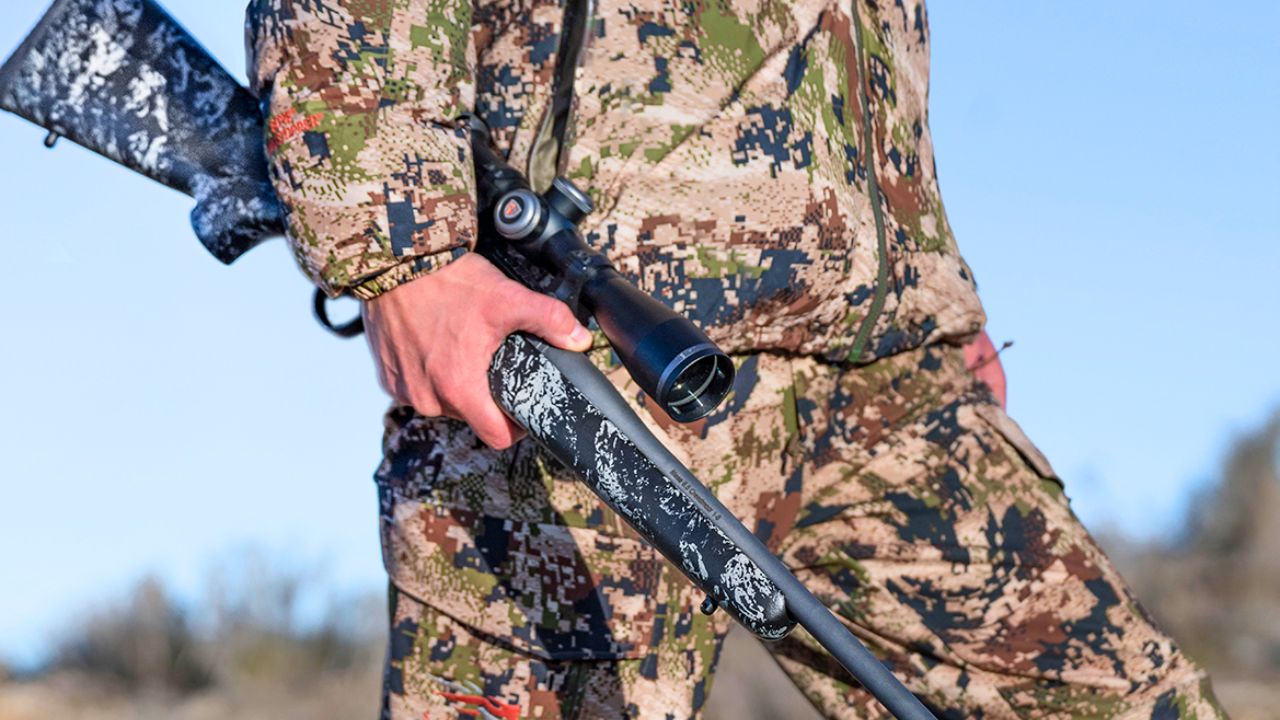
The Christensen Arms Mesa FFT got attention because it promised lightweight hunting performance without going all the way into the company’s carbon-barrel price range. A lighter stock, modern finish, and mountain-rifle image made it tempting for hunters trying to cut weight.
The problem with light rifles is that they expose everything. Recoil feels sharper, shooting technique matters more, and any accuracy inconsistency gets blamed on the rifle fast. Some hunters love the Mesa FFT, but others find themselves fighting load preference, balance, or confidence from field positions. Once a hunter spends that kind of money and still has to work hard to trust the rifle, the recommendation usually gets quieter.
Savage 110 Ultralite

The Savage 110 Ultralite was easy to recommend when it first caught attention. It paired Savage’s familiar action with a Proof Research carbon-wrapped barrel and a lightweight hunting build. For hunters wanting modern mountain-rifle features without custom-shop pricing, it sounded like a winner.
Some owners found out that the package is not automatically perfect. The rifle can shoot well, but the stock feel, balance, and price leave some hunters wanting more refinement. The light weight also makes it less forgiving than heavier rifles, especially in harder-kicking chamberings. When a rifle costs this much, hunters expect more than a good barrel and a familiar action. If the full package does not feel special, the recommendation fades.
Benelli Lupo BE.S.T.
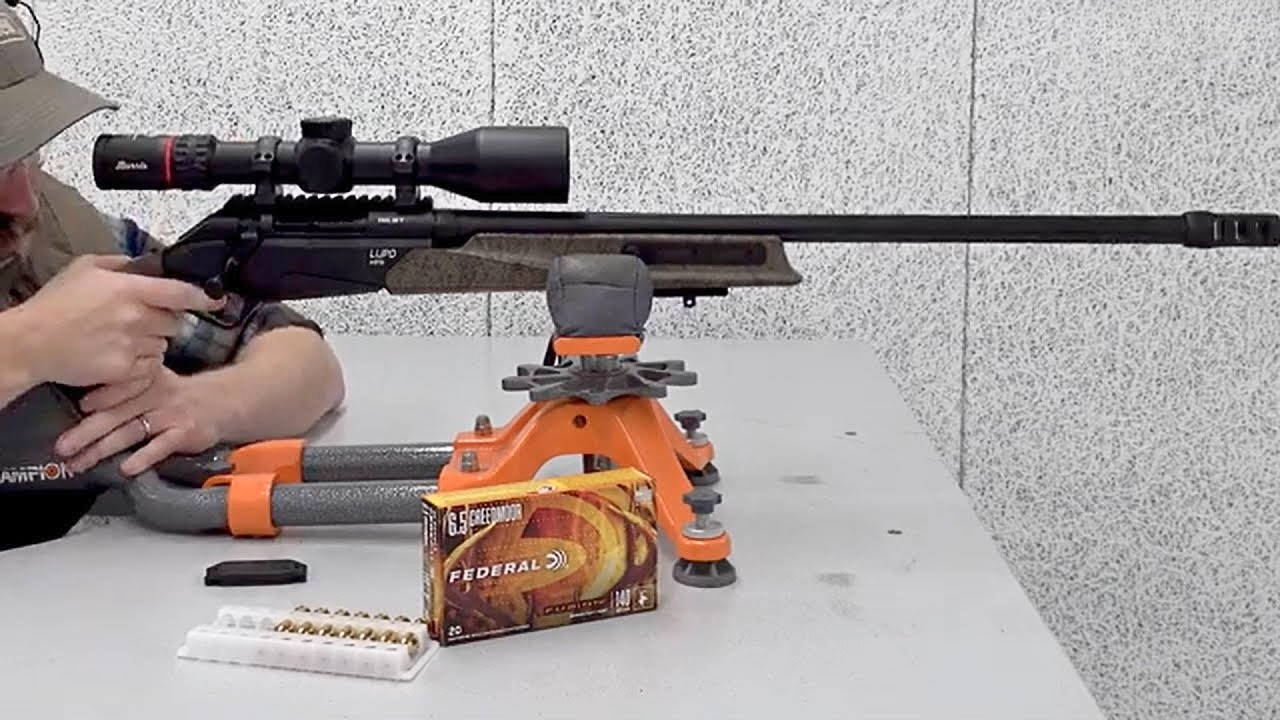
The Benelli Lupo BE.S.T. stood out because Benelli brought shotgun-style confidence into a bolt-action rifle with a very modern design. The modular stock, weatherproof finish, and different look made it feel like a serious new option for hunters tired of traditional bolt guns.
But different can be hard to live with. Some hunters like the adjustability, while others never warm up to the styling, stock feel, or handling. The rifle can shoot, but it does not feel natural to everyone in the field. At its price, personal fit matters a lot. Hunters who initially recommended it for being different may stop once they realize different is exactly what turns some buyers away.
Springfield Model 2020 Redline
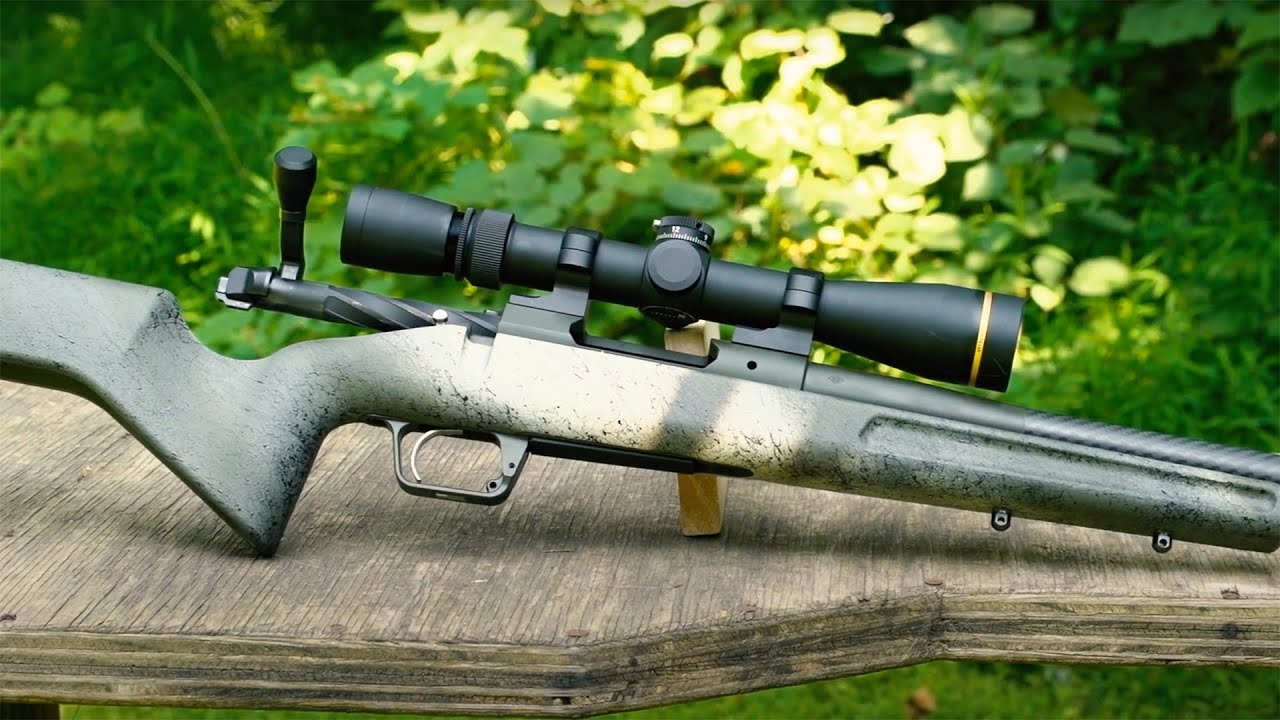
The Springfield Model 2020 Redline came in as a lightweight hunting rifle with a premium feel and a well-known brand behind it. A carbon-fiber stock, short barrel options, and backcountry-style marketing made it attractive to hunters who wanted something compact and easy to carry.
The lesson is that short, light rifles are not always easy to shoot well. Add a magnum chambering or a lightweight suppressor setup, and the rifle can become more demanding than expected. Some hunters appreciate the compact package, but others find the balance, blast, and recoil make it less pleasant to practice with. If a rifle is easy to carry but harder to shoot confidently, recommendations start getting more careful.
CVA Cascade XT
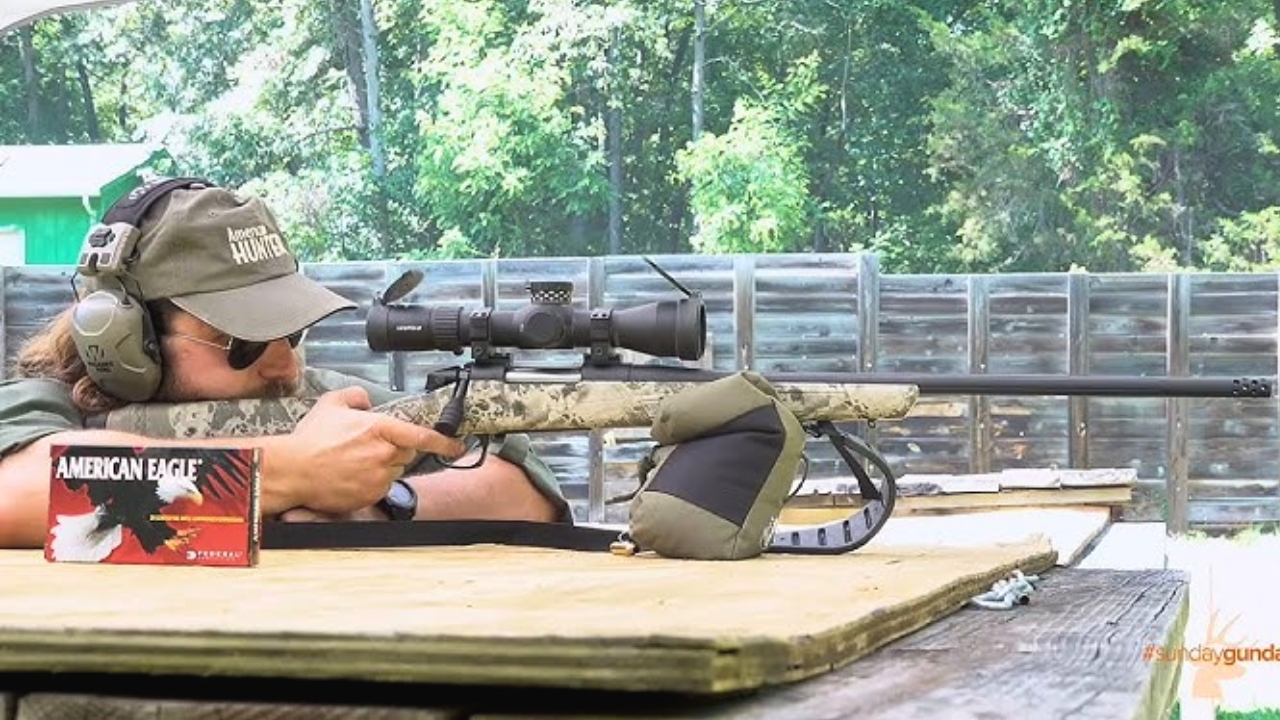
The CVA Cascade XT looked like a smart value rifle for hunters wanting more than the base Cascade. It brought a heavier barrel, threaded muzzle, and a more capable setup for hunters who might also spend time at the range. The price made it especially tempting.
Where some hunters back off is the long-term confidence question. CVA has gained ground with centerfire rifles, but it still does not carry the same bolt-gun history as older names. The XT may perform well, but buyers compare it against Ruger, Tikka, Savage, Bergara, and Weatherby. If the action feel, magazine setup, or accuracy is merely decent instead of impressive, hunters become less willing to recommend it over brands with deeper track records.
Sauer 100 Classic XT
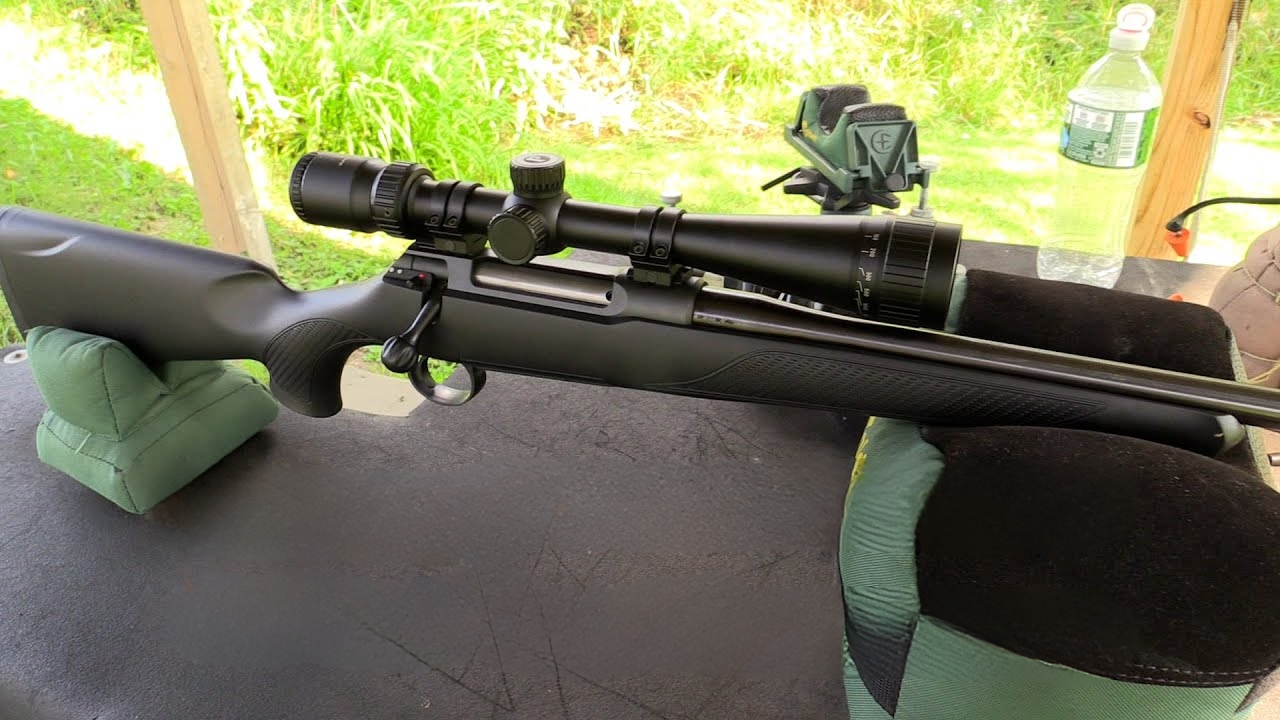
The Sauer 100 Classic XT appealed to hunters who wanted a European rifle without spending premium Sauer money. It had a clean design, smooth reputation, and a name that felt more refined than the average budget rifle. For some buyers, that made it feel like an insider pick.
The issue is that value depends on more than the name. Some hunters like the Sauer 100, but others find the stock, magazine system, and overall feel less impressive than expected once compared to Tikka, Bergara, or Weatherby rifles in the same neighborhood. It is not a bad rifle, but the recommendation gets harder when the buyer expects European magic and ends up with a practical rifle that still has compromises.
Mauser M18
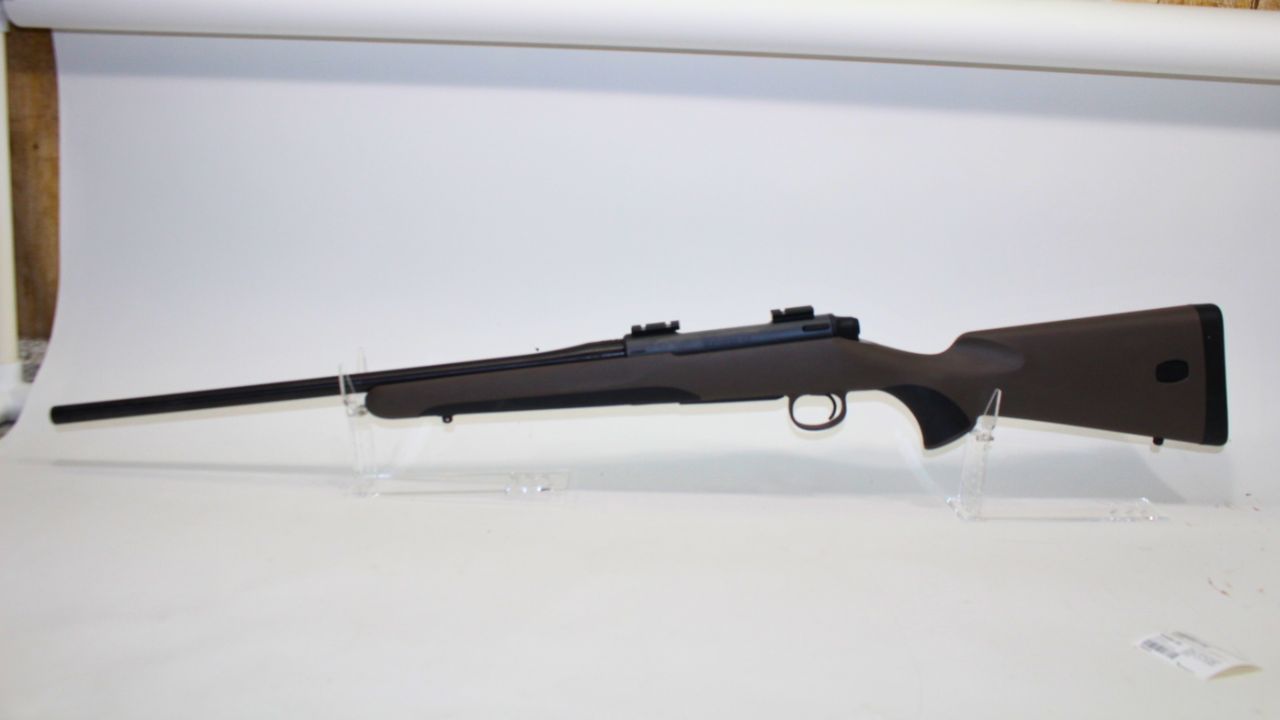
The Mauser M18 was marketed as a practical rifle with a famous name attached, and that alone got hunters interested. A Mauser-branded hunting rifle at a reachable price sounded like a way to get heritage and modern performance without spending serious collector money.
The problem is that the name can create expectations the rifle itself was never built to satisfy. The M18 is a modern synthetic hunting rifle, not an old-world controlled-feed heirloom. Some hunters like it for what it is, but others feel the plastic-heavy design and plain handling do not match the emotion of the Mauser name. Once that disappointment sets in, hunters stop recommending it as anything more than another competent mid-priced rifle.
Bergara B-14 Squared Crest
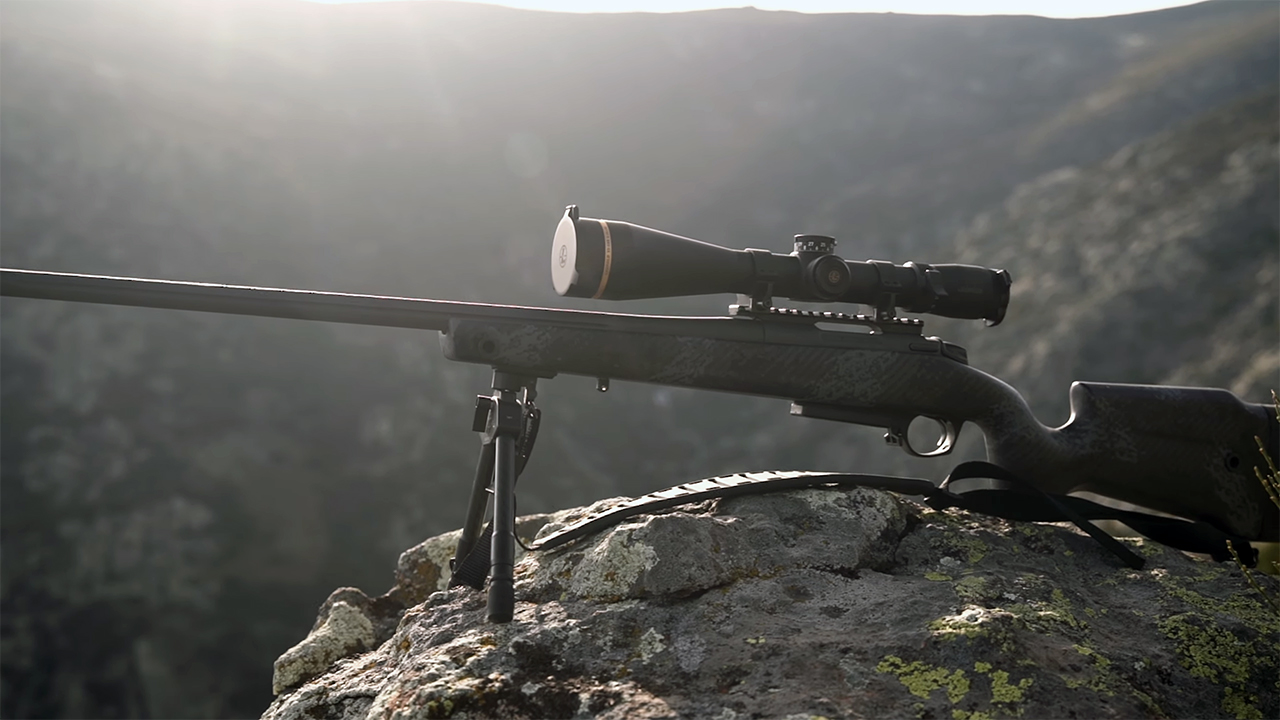
The Bergara B-14 Squared Crest got a lot of attention because Bergara already had a strong reputation for barrels and accuracy. Add a lightweight carbon-fiber monocoque stock, modern hunting features, and a mountain-rifle look, and it seemed like a natural recommendation for hunters wanting something more serious than a standard B-14.
The caution comes from price and expectations. The Crest may shoot well, but it costs enough that buyers expect the rifle to feel clearly better than cheaper Bergaras, Tikkas, and Weatherbys. Some hunters find the stock shape and light build great, while others do not see enough advantage to justify the jump. When a rifle is marketed as a higher-end hunting tool, “good” does not always keep people recommending it.
Like The Avid Outdoorsman’s content? Subscribe to our newsletter so you never miss an article.
Here’s more from us: