
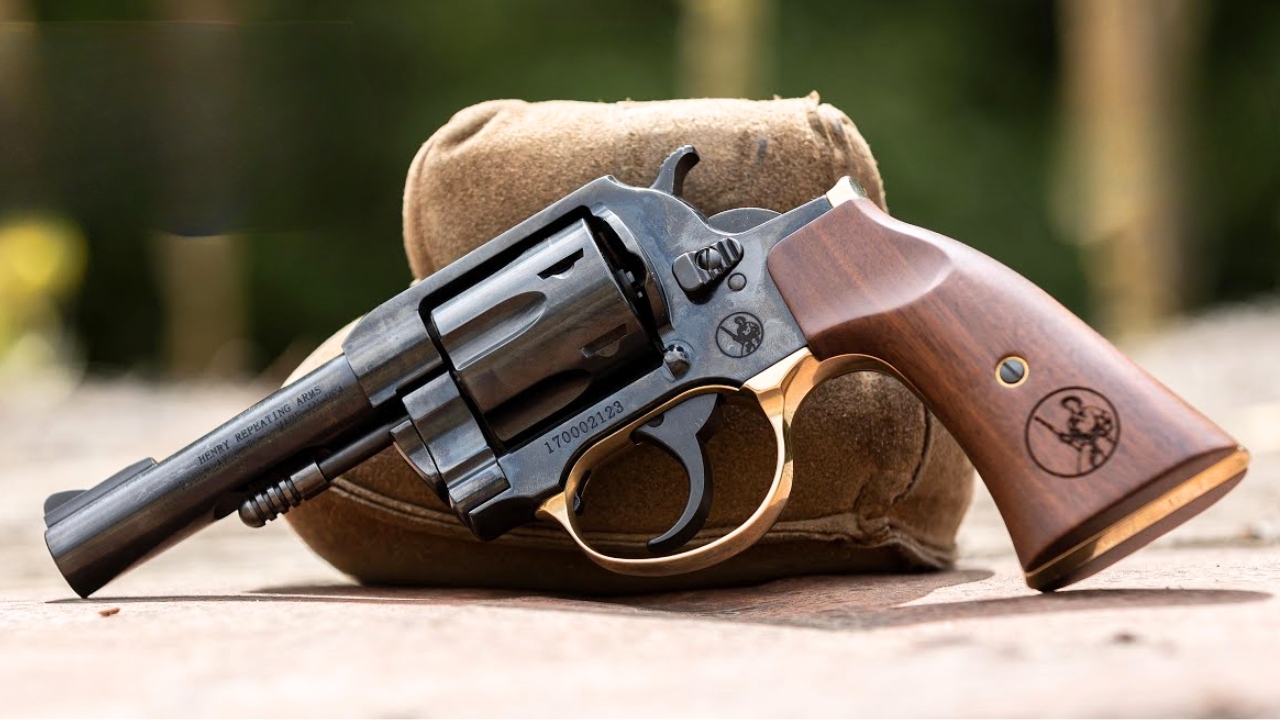
Photo credit: Ultimate Reloader/YouTube
Not every good gun becomes an instant internet favorite. Some show up with modest buzz, get shrugged off at the counter, or sit behind louder launches from bigger names. Then owners start shooting them, hunting with them, carrying them, and talking about them in a calmer way.
That is usually how quiet respect builds. A gun does not have to dominate every review video to win people over. It just has to work, feel right, and make owners glad they bought it after the newness wears off. These newer guns earned attention the slower way, through real use instead of nonstop hype.
PSA JAKL
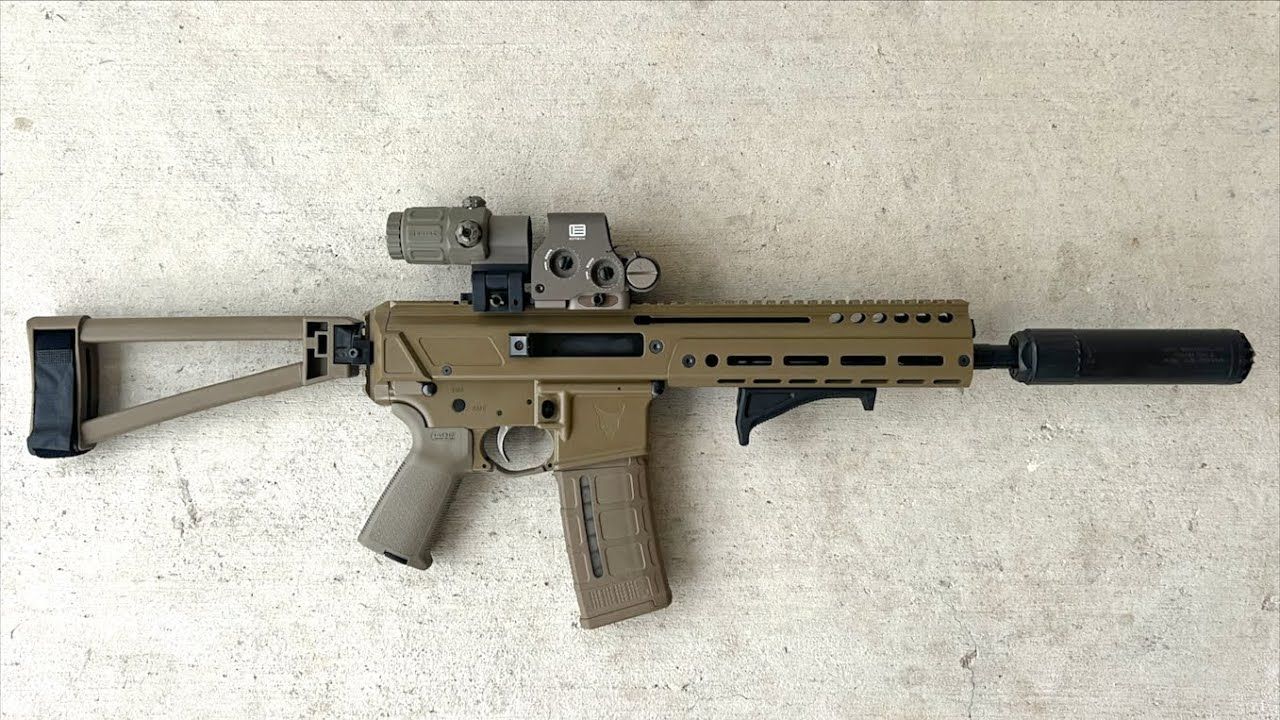
The PSA JAKL had plenty of skeptics because shooters are used to seeing new rifle ideas come and go. A long-stroke piston upper from Palmetto State Armory sounded interesting, but some people expected it to feel like another budget experiment.
Then owners started putting rounds through them and realizing the platform had more going for it than expected. The folding-stock capability, piston operation, and AR-like controls make it feel familiar without being another plain carbine. It is not perfect, but it gives shooters something different at a price that does not feel impossible. That combination helped it win people over quietly.
Smith & Wesson M&P15 Sport III

The M&P15 Sport III did not need a dramatic launch because the Sport line already had a reputation as a practical entry-level AR. Some shooters ignored it because they assumed it was just another basic rifle in a crowded market.
The updated version makes sense once you handle it as a complete package. A free-float handguard, modern furniture, and simple layout give buyers the parts many people used to upgrade immediately. It is not trying to be a premium fighting rifle. It is trying to be a dependable, affordable AR that regular shooters can train with. That is exactly why people warmed up to it.
Savage Revel Classic
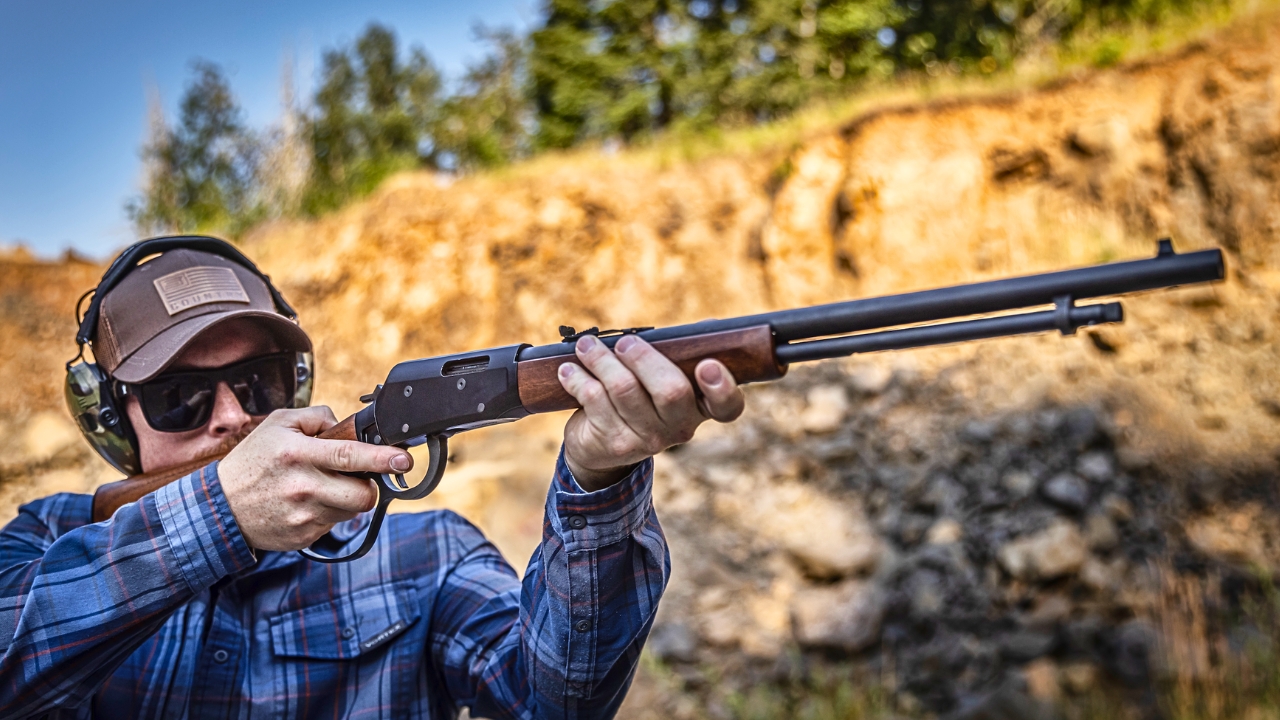
The Savage Revel Classic won people over because it brought back something shooters still like: a simple lever-action rimfire that feels fun without needing a big explanation. In a market full of tactical-looking .22s, that stands out.
The rifle is light, handy, and easy to enjoy. It is the kind of gun people buy for plinking, small game, and teaching newer shooters, then realize they keep reaching for it. A good rimfire does not have to be complicated. The Revel Classic reminded people that a clean little lever .22 still has a strong place in the safe.
Weatherby Sorix
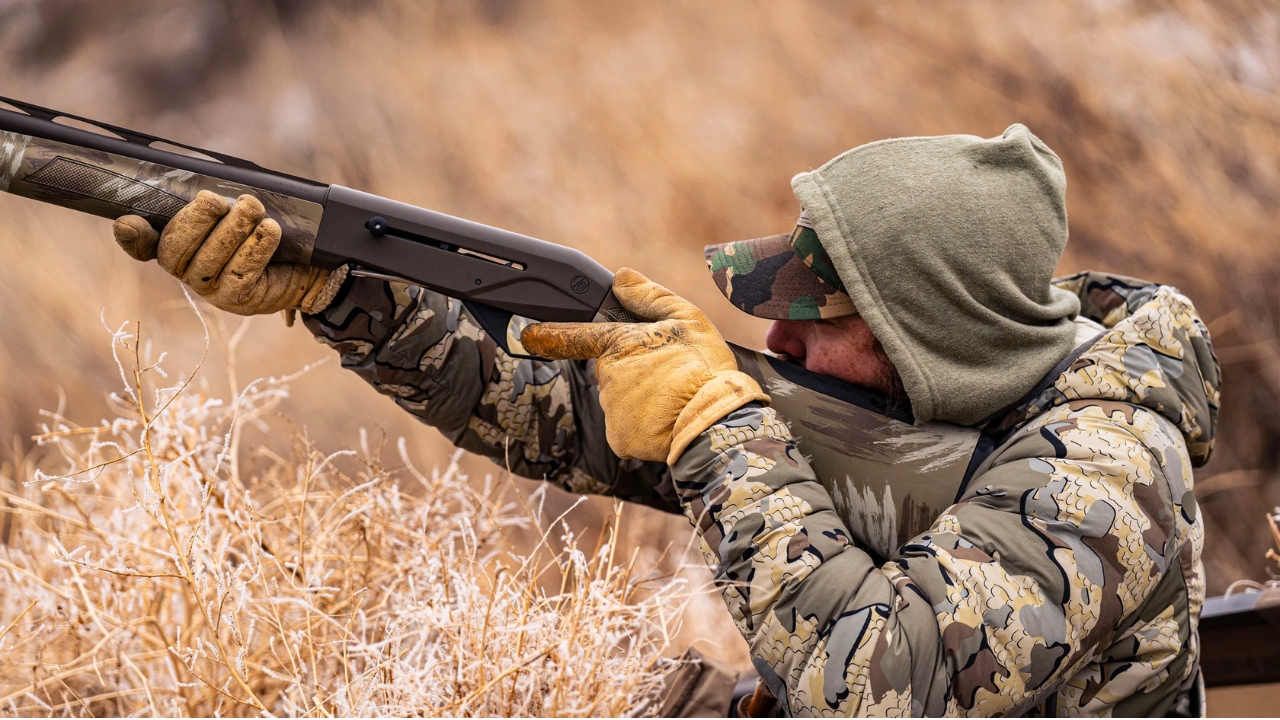
The Weatherby Sorix had to earn trust because Weatherby is not the first name everyone thinks of for semi-auto shotguns. Hunters know the rifles, but a new shotgun line has to prove itself in mud, cold, and long field days.
The Sorix started winning people over by feeling more serious than expected. The inertia system, oversized controls, and weather-ready finishes make sense for waterfowl and upland hunters who actually use their guns hard. It is not just a name stretched into another category. It feels like Weatherby wanted a shotgun that could stand on its own.
CZ Shadow 2 Carry
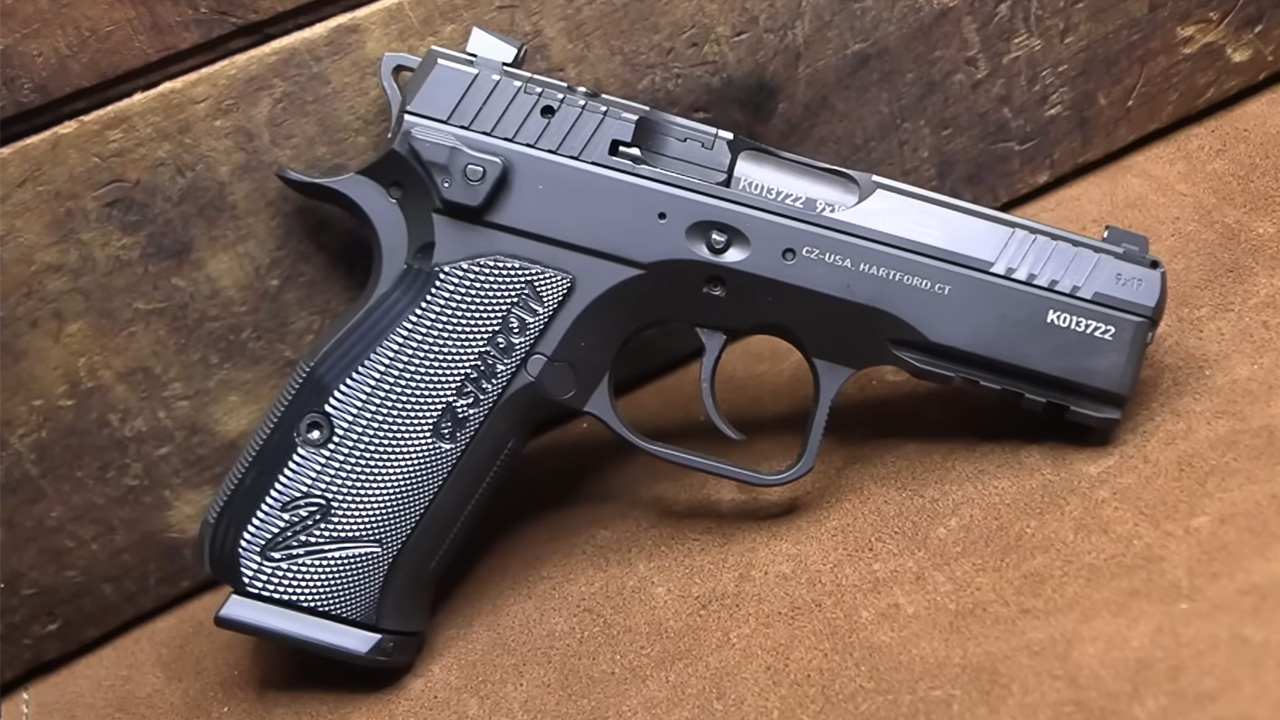
The CZ Shadow 2 Carry made some shooters skeptical because the original Shadow 2 was built around competition, not everyday carry. Shrinking that idea down could have easily turned into a heavy, awkward compromise.
Instead, the pistol made more sense once people shot it. It keeps much of the excellent CZ feel, trigger control, and accuracy while trimming the package into something more practical. It is still not a featherweight carry gun, but that is not the point. For shooters who value control and confidence over minimum weight, it quietly made a strong case.
Aero Precision Solus
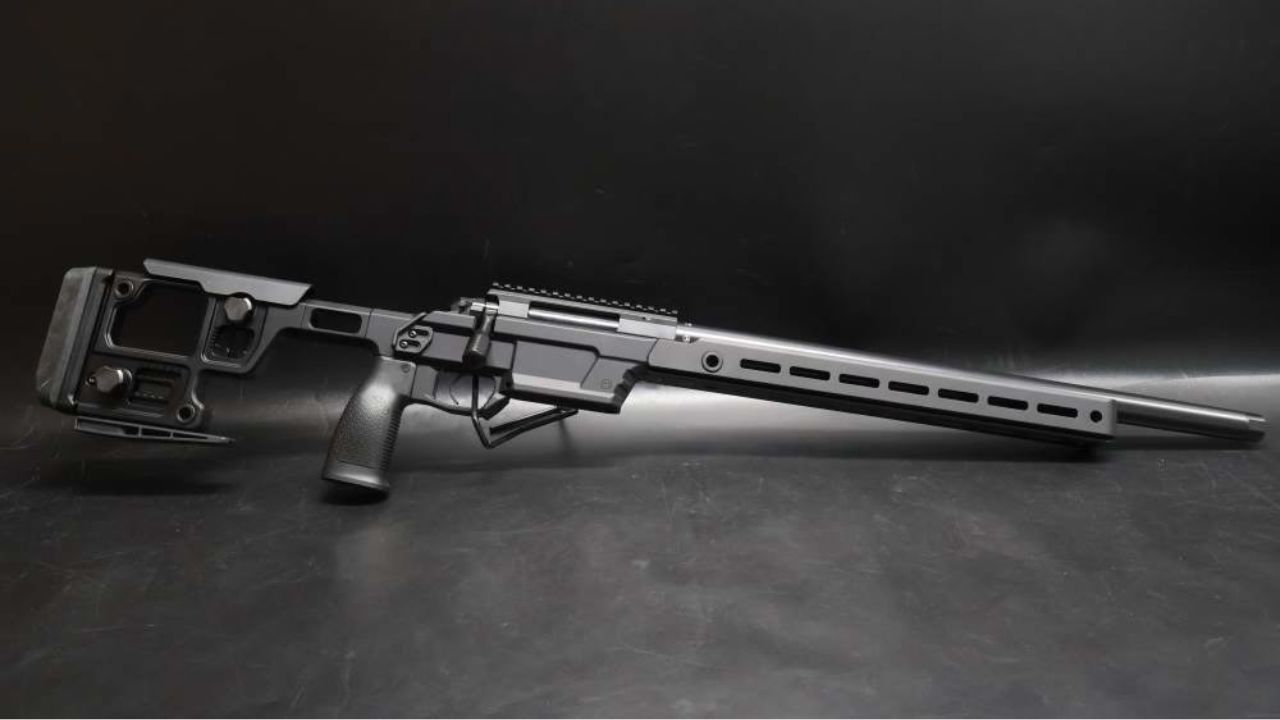
The Aero Precision Solus won people over by giving rifle shooters a factory precision platform that felt more thought-out than expected. Aero already had a strong AR parts reputation, but bolt guns are a different world.
The Solus showed that the company could build a serious rifle system around compatibility and practical accuracy. The action, chassis options, and parts ecosystem make it appealing for shooters who want to grow into long-range work without starting from scratch. It is not cheap, but it feels like money spent on useful structure instead of empty branding. That helped it earn respect.
Henry Big Boy Revolver
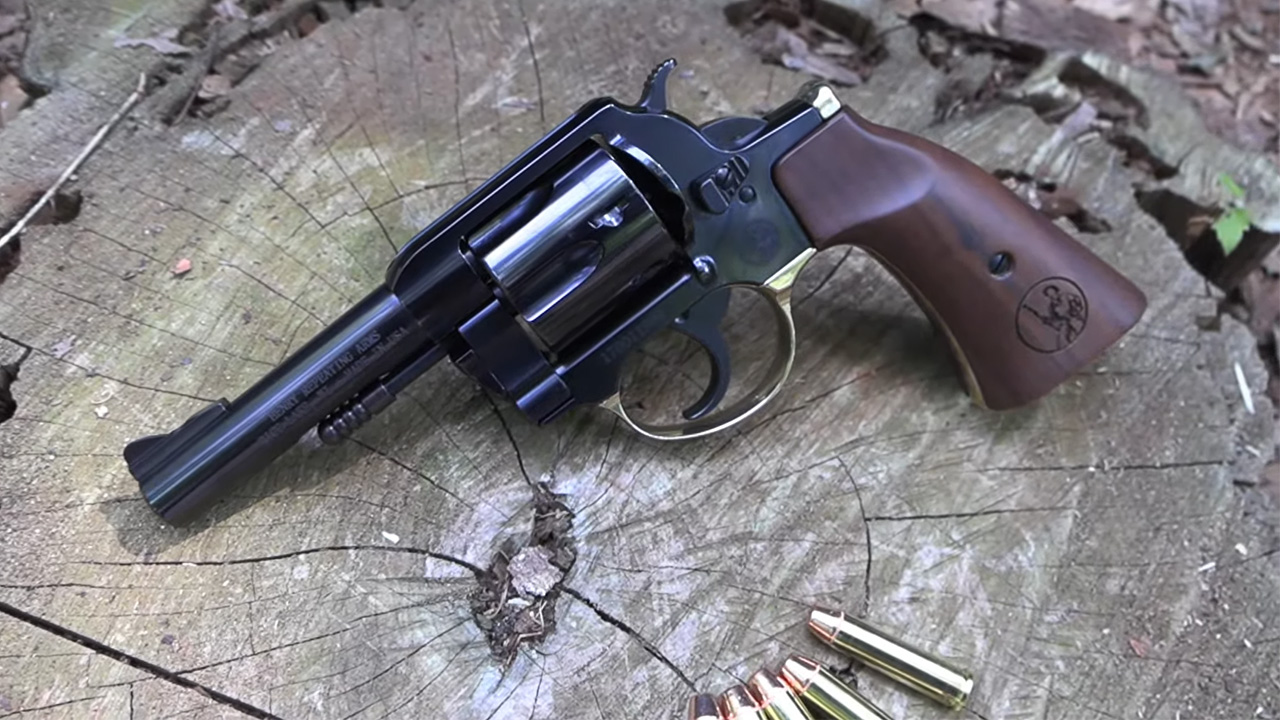
The Henry Big Boy Revolver surprised people because Henry is known for lever guns, not handguns. A new revolver from Henry sounded like something buyers would either love for the name or dismiss as a novelty.
It slowly won people over by leaning into old-school charm. The blued or brass-style looks, simple operation, and .357 Magnum chambering give it a familiar, useful feel. It is not trying to replace modern carry pistols or duty revolvers. It is a range and field revolver with personality, and that is enough for shooters who wanted something different but still practical.
Tisas 1911 DS Carry

The Tisas 1911 DS Carry got attention because double-stack 1911-style pistols have become expensive fast. A more affordable version naturally made shooters suspicious. In that category, cheap shortcuts can cause problems quickly.
The surprise was that many owners found it more capable than expected for the money. It gives shooters a way into the wider-body 1911 world without jumping straight into premium pricing. It still has to prove itself like any 1911-style pistol, but the value is hard to ignore. For buyers who wanted the concept without draining the bank account, it started earning respect.
Rossi RM64
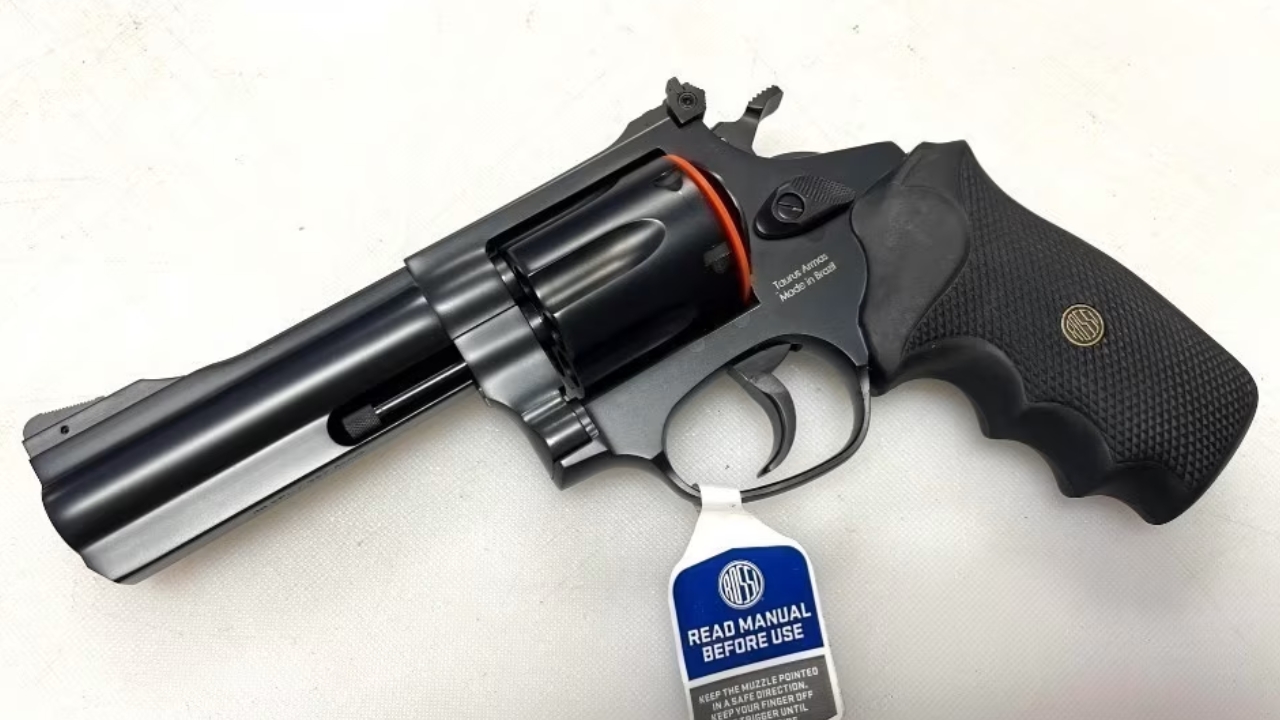
The Rossi RM64 did not arrive with the kind of excitement that follows expensive revolvers. It looked like a straightforward stainless .357 Magnum built for shooters who wanted utility more than collector appeal.
That is exactly why it started winning people over. It gives buyers a medium-frame revolver with adjustable sights, practical barrel length, and enough weight to make .357 Magnum manageable. It is not as refined as higher-dollar wheelguns, but it does not cost like one either. For a range, trail, or general-purpose revolver, the RM64 made more sense than some people expected.
Beretta PMXs
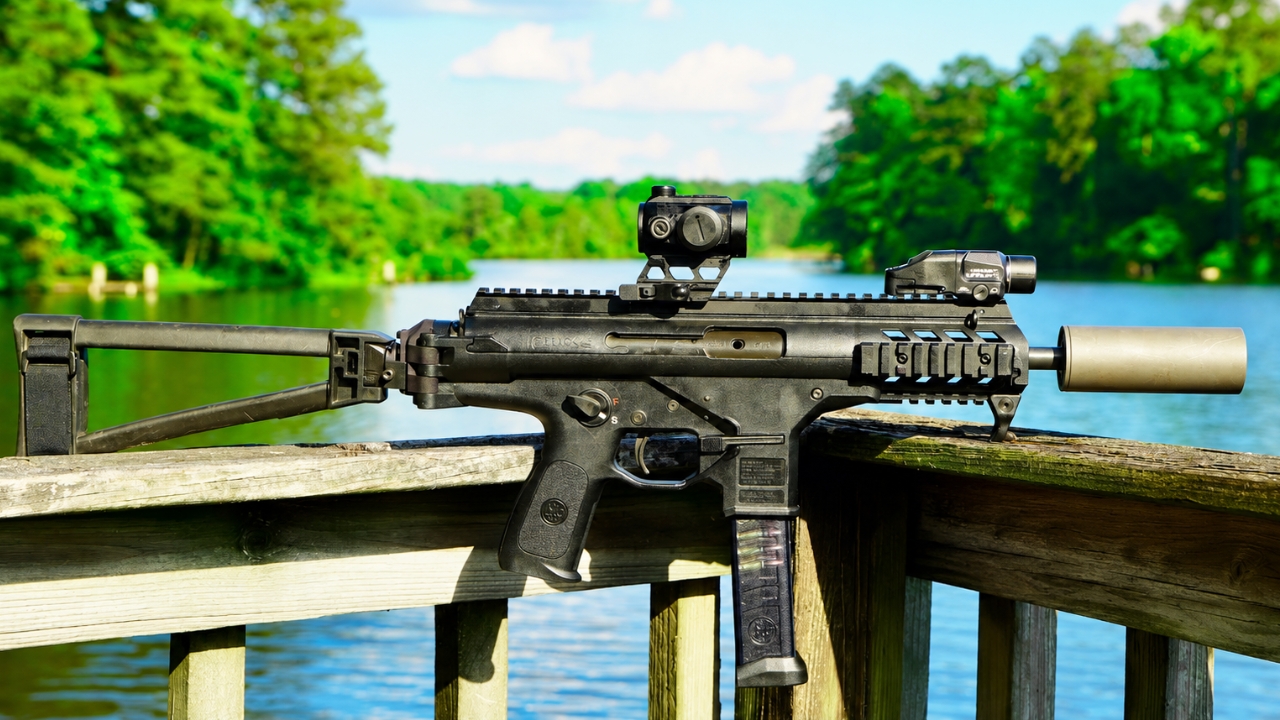
The Beretta PMXs looked like a niche pistol-caliber firearm when it reached American buyers. It had European subgun roots, a different look, and a price that made some shooters hesitate.
Owners who liked compact 9mm platforms started seeing the appeal. It is simple to shoot, easy to control, and different from the usual AR-style PCC crowd. It is not the cheapest option, and accessory support matters, but the gun has a distinct personality backed by Beretta history. For shooters tired of every 9mm carbine feeling the same, the PMXs quietly found its audience.
Springfield Armory SA-16A2
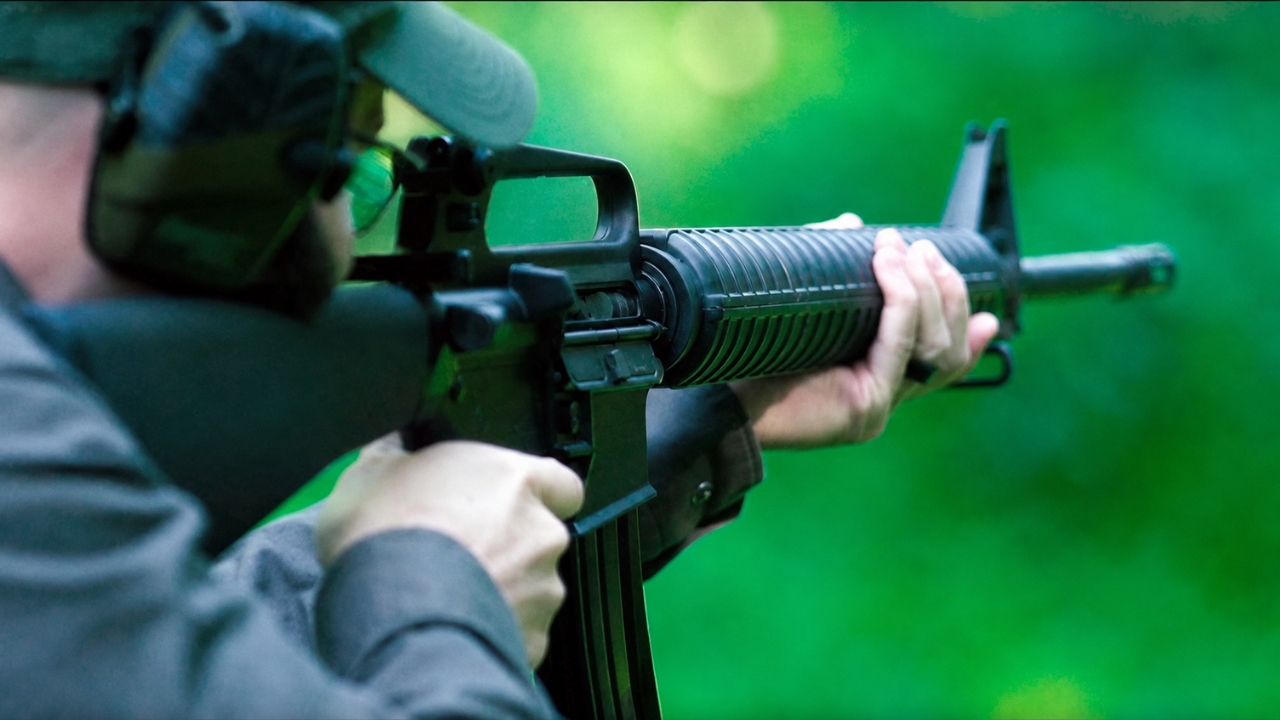
The Springfield Armory SA-16A2 won people over because it went against the modern AR trend. Instead of another free-float, optic-ready, M-LOK-heavy carbine, it leaned into the classic A2 rifle setup.
That could have been dismissed as nostalgia, but shooters remembered why the old layout worked. The fixed stock, carry handle, rifle-length gas system, and 20-inch barrel make it soft-shooting and easy to enjoy. It is not the AR everyone needs, but it fills a role many people missed. Sometimes a retro-style rifle wins quietly because it shoots better than people expected.
Staccato C

The Staccato C had a lot to prove because Staccato pistols are expensive, and buyers expect more than a nice trigger at that price. A carry-focused model also has to balance shootability with real-world size.
It won people over by feeling more practical than some expected. The pistol keeps the smooth 2011-style shooting experience while landing in a size that makes more sense for daily use than larger models. It is still a premium buy, but owners who shoot it well tend to understand where the money went. That kind of confidence builds quietly after range time.
Colt Viper
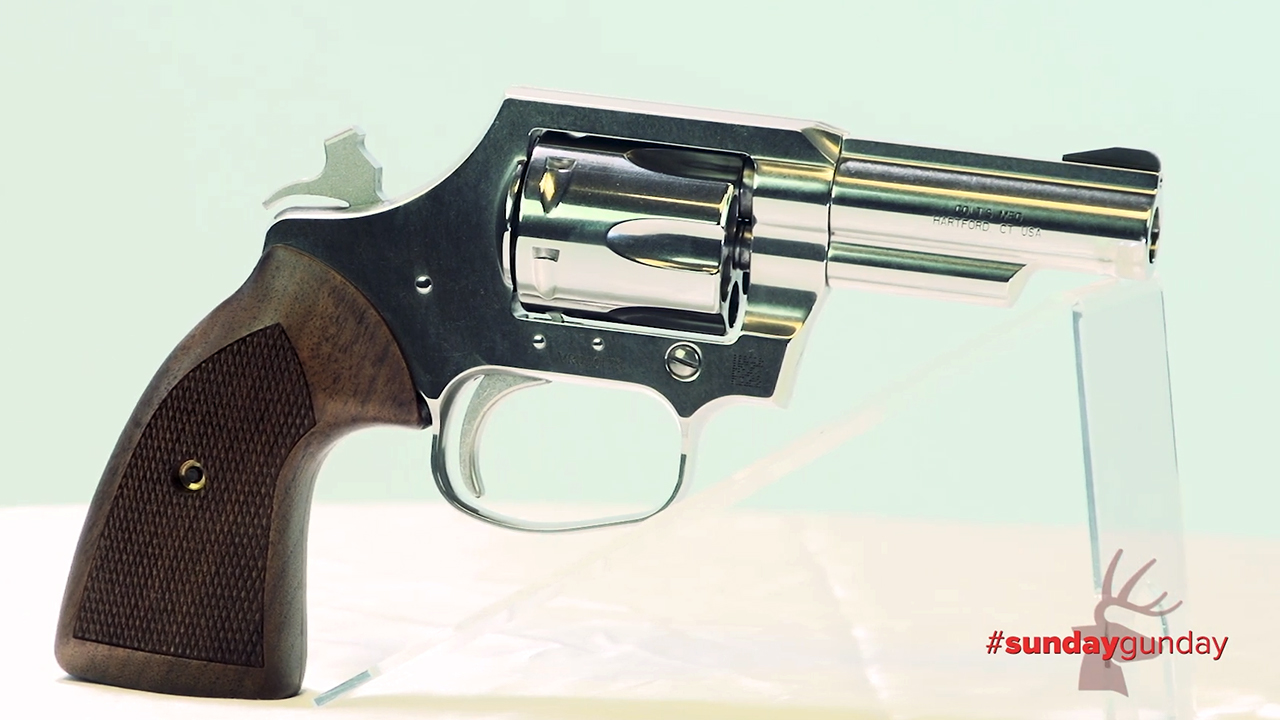
The Colt Viper returned as part of Colt’s modern revolver revival, and some shooters were cautious. Colt snake guns carry huge expectations, and not every buyer trusts a revived name immediately.
The Viper started winning people over because it fills a useful middle ground. It has .357 Magnum capability, classic Colt appeal, and a size that feels more practical than the largest revolvers. It is not only a nostalgia play. For shooters who want a modern Colt wheelgun that can actually be carried and enjoyed, the Viper makes more sense the more time you spend with it.
Taurus Expedition
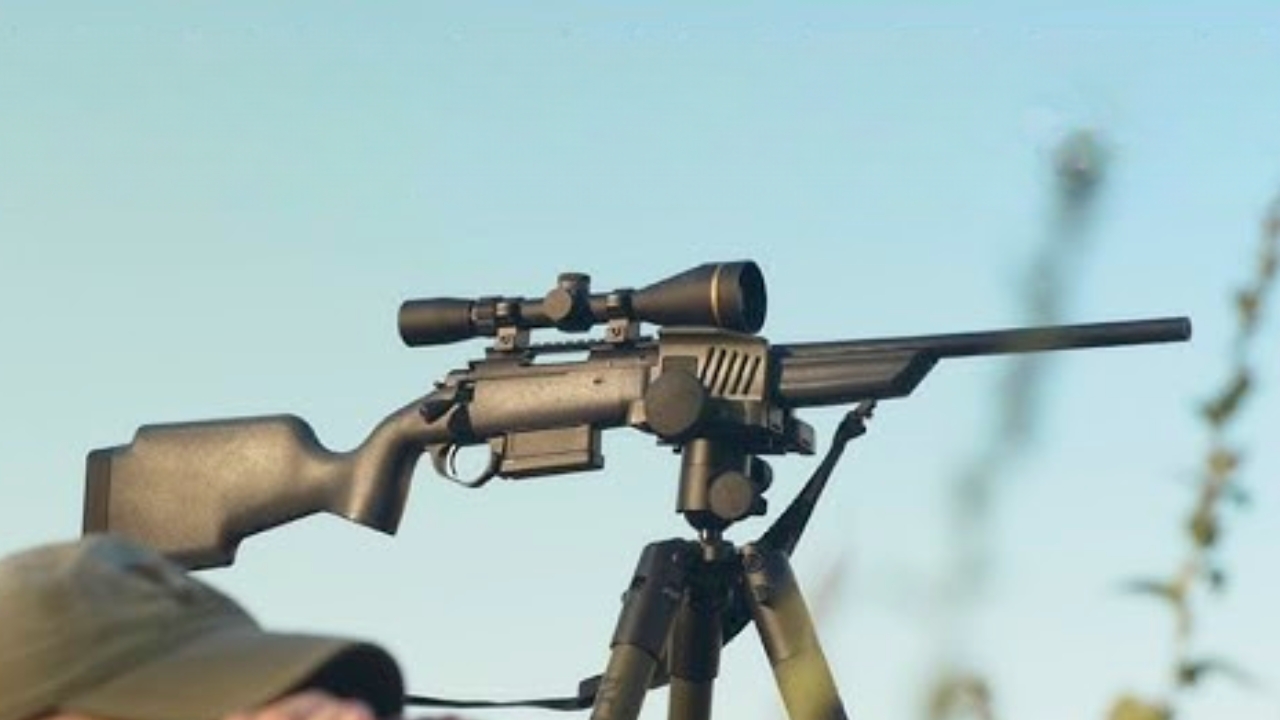
The Taurus Expedition surprised rifle buyers because Taurus is not a traditional bolt-action hunting rifle name in the American market. A precision-leaning rifle from Taurus naturally brought skepticism.
The rifle still got people talking because it offered a lot of features at an approachable price. The chassis-style setup, threaded barrel, and long-range-friendly design gave budget-minded shooters a way to try a more precision-focused rifle without jumping into premium money. It may not replace established names for everyone, but it showed Taurus was willing to step into a new lane with a serious effort.
Smith & Wesson 432 UC
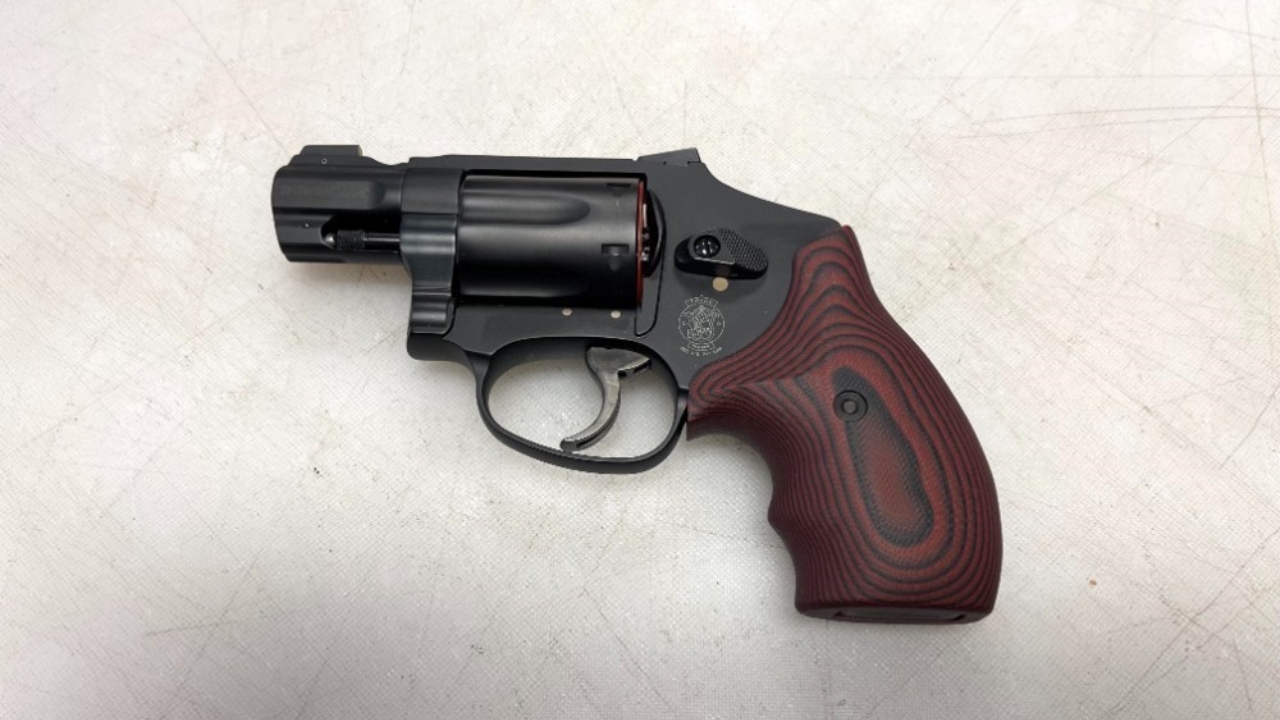
The Smith & Wesson 432 UC quietly won over revolver carriers because it brought a practical small-frame wheelgun back into serious conversation. The .32 H&R Magnum chambering is not mainstream, but that is part of what makes the gun interesting.
You get six rounds in a compact revolver, softer recoil than many small .38s, and sights that are actually useful. That matters for people who still carry revolvers but want something more shootable than a punishing lightweight snub. It did not need loud marketing to make sense. Once revolver people understood the setup, the appeal was obvious.
Like The Avid Outdoorsman’s content? Subscribe to our newsletter so you never miss an article.
Here’s more from us:


