Photo credit: Leverguns 50/YouTube
Gun culture gets caught up in replacement talk way too easily. Every few years, some new cartridge, platform, or factory spin gets pitched like it finally solved what older guns somehow could not. Sometimes there is real improvement there. A lot of the time, though, the old stuff keeps doing the actual work while the newer idea spends half its energy trying to explain itself. That is usually a sign the older gun or caliber never had as much wrong with it as people wanted to believe.
That is why some combinations never really fade, no matter how many “smarter” options show up. They still hit hard, still carry well, still shoot straight enough, and still make practical sense once you step outside internet arguments and into deer woods, range bays, back roads, and hunting camps. These old calibers and older firearms keep hanging around because they earned it, and because a lot of “better” ideas still feel suspiciously temporary beside them.
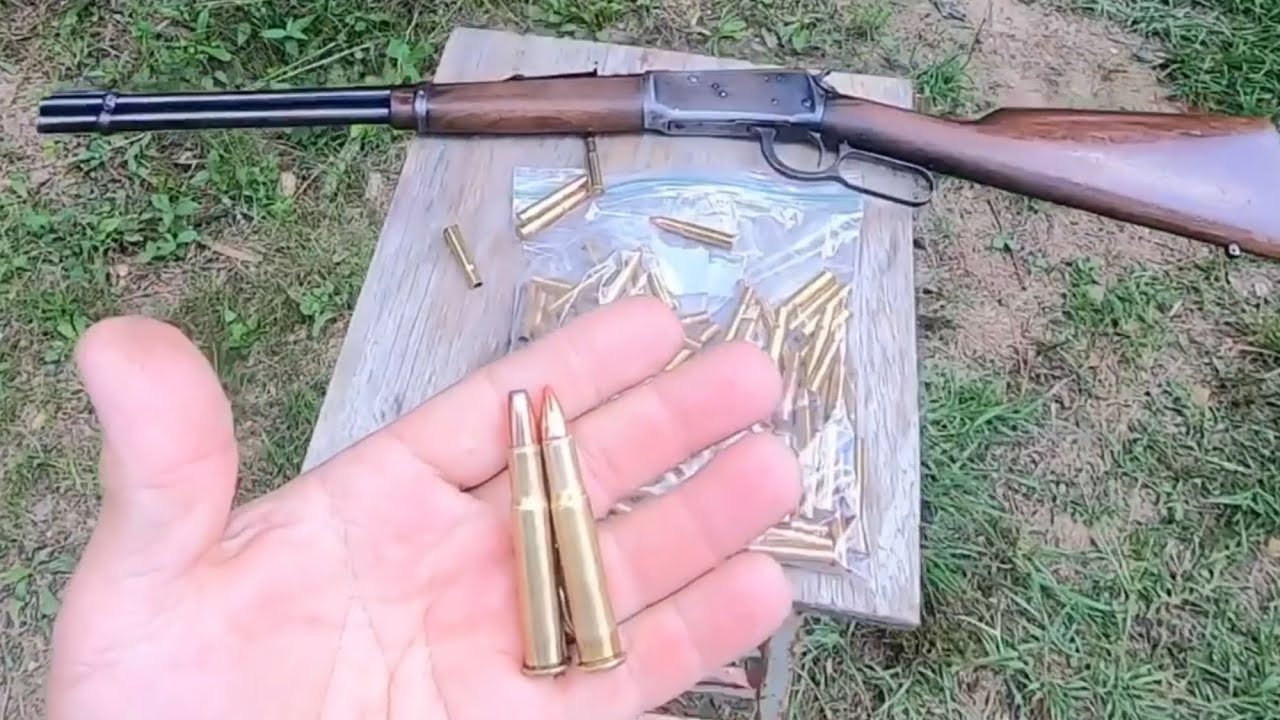
.30-30 Winchester in the Winchester Model 94

The .30-30 in a Model 94 keeps making newer hunting talk sound a little overcomplicated. It is not flashy, not built for social media bragging, and not trying to be something it is not. It is a deer-killing setup that has stayed relevant because it works in the kind of country where a lot of real hunting still happens. Short shots, quick handling, easy carry, and enough authority for the job have always mattered more than trend-chasing.
That is what makes so many newer ideas feel temporary next to it. Plenty of rifles shoot flatter, carry more scope-friendly features, or promise longer reach, but a Model 94 in .30-30 keeps proving that most hunters do not need a sermon when a practical rifle already fits the terrain. A lot of better-on-paper ideas start sounding less important the minute this old combination fills another tag without any drama.
.30-06 Springfield in the Remington 700 BDL
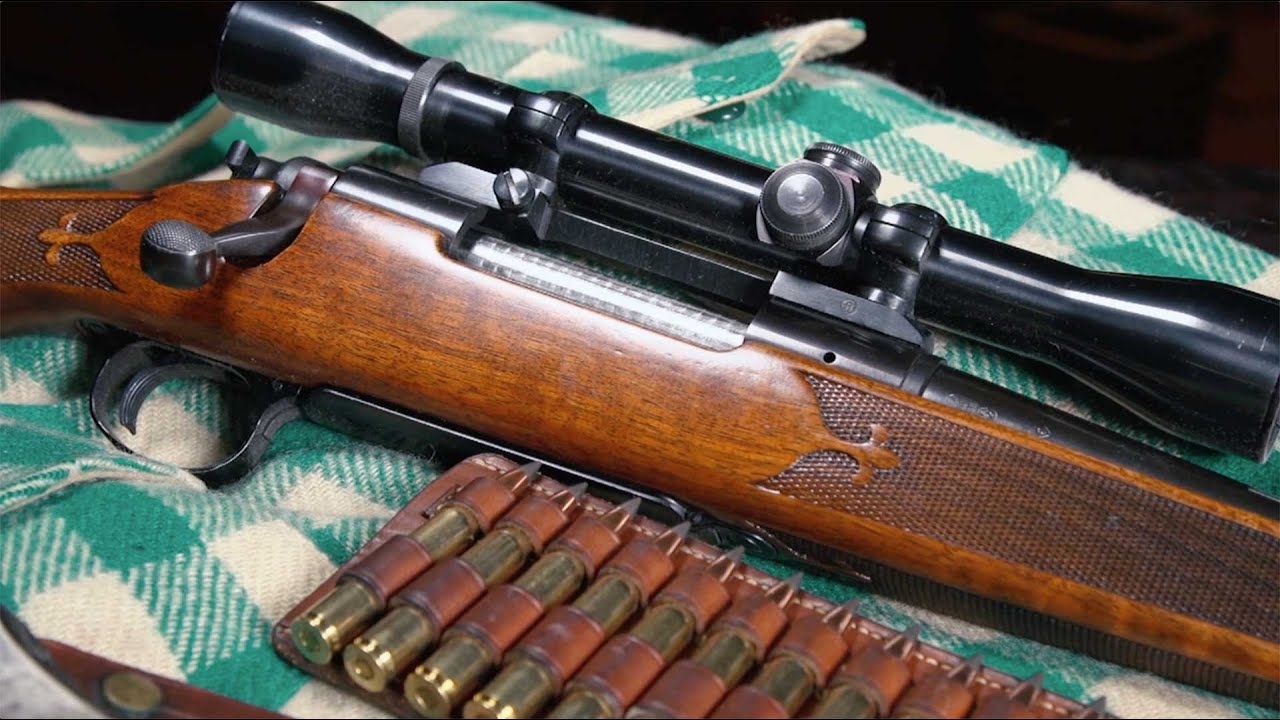
The .30-06 in a Remington 700 BDL is one of those combinations that embarrasses newer marketing just by existing. The cartridge covers a huge amount of hunting ground, the rifle has long been familiar to generations of hunters, and together they represent the kind of setup people used for real work before every season needed a new ballistic identity. It is hard to outgrow something that already handles deer, elk, black bear, and more without much excuse-making.
That is why newer “do-it-all” ideas so often feel like repackaged confidence. The .30-06 never needed to sound new. In a good older 700, it still feels steady, useful, and honest in a way many newer rifles and chamberings do not. You can call it old all day, but old stops sounding like an insult when the rifle keeps doing the same jobs newer setups are still trying to prove themselves on.
.45-70 Government in the Marlin 1895

The .45-70 in a Marlin 1895 keeps making newer thumper cartridges look like they are trying too hard. Inside sane hunting distances, it still hits with real authority, and it does it in a lever gun people can actually carry and use without pretending they are headed to a laboratory instead of the woods. There is no mystery here. It is a big, proven round in a rifle that knows exactly what kind of work it was built for.
That simplicity is part of the appeal. Plenty of newer heavy-hitting ideas promise more range, more efficiency, or cleaner ballistic numbers, but the old Marlin-and-.45-70 combination still feels more real than most of them. It is not trying to win an argument at 600 yards. It is trying to end the conversation at woods distance, and it has been doing that for a very long time.
.308 Winchester in the Winchester Model 88
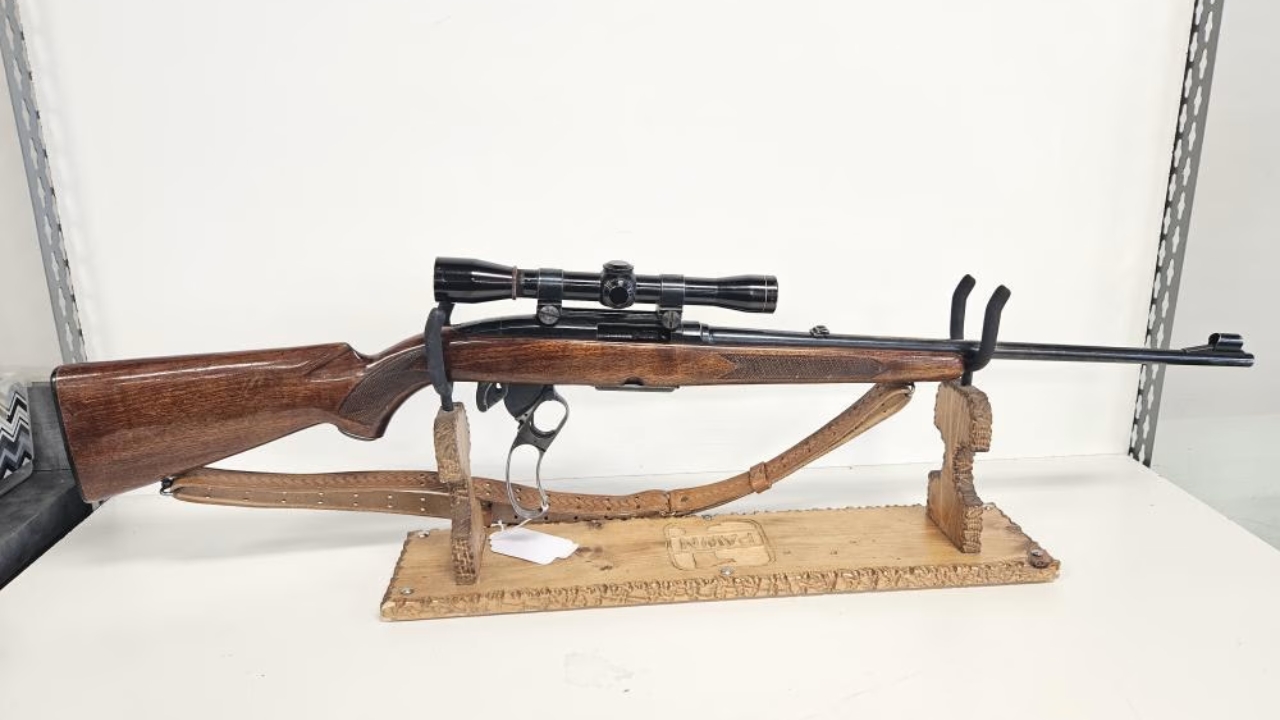
The .308 in a Winchester Model 88 is one of the best reminders that useful never really goes out of style. The cartridge has stayed relevant because it is accurate, flexible, and easy to live with, and the rifle gave hunters a slick, practical way to carry it in the field without dragging around something bulky or awkward. For a combination that once felt almost too normal to notice, it still holds up remarkably well.
That is exactly why newer hunting concepts can feel temporary beside it. The .308 already had reach, authority, and ammo availability before half the newer “modern hunter” cartridges ever existed. In the Model 88, it becomes even harder to dismiss because the whole package still feels fast, capable, and smarter than many of the guns that came later with much louder reputations and much shorter attention spans.
.270 Winchester in the Winchester Model 70

The .270 in a Model 70 keeps humiliating the idea that a hunting cartridge needs a fresh sales pitch every few seasons. It shoots flat, hits cleanly on deer-sized game and beyond, and does it with recoil most hunters can still live with. Pair that with a Model 70, and you get one of those hunting setups that stayed relevant through several generations because it never needed a gimmick to earn loyalty.
A lot of newer rounds want credit for fixing problems this old pairing never really had. Hunters still trust it because it carries well, shoots well, and keeps putting animals down in the real world where clean hits matter more than the latest cartridge family tree. The longer newer ideas come and go, the more the .270 and Model 70 combination starts looking like the thing they were all trying to outtalk.
.357 Magnum in the Ruger GP100

The .357 Magnum in a Ruger GP100 keeps making newer defensive and trail-gun conversations feel a little less impressive than they want to sound. You get a cartridge with real versatility and a revolver with real backbone, and that combination still handles a surprising range of work. Practice with .38 Special, load full-house magnums when you need them, and carry a revolver that has never pretended to be anything other than durable.
That is why it keeps looking smarter as newer ideas pile up. A lot of modern handguns ask you to buy into a trade-off chart before they start making sense. The GP100 in .357 makes sense immediately. It is not the lightest option and not the highest-capacity option, but it keeps surviving every cycle of better-on-paper replacements because shooters still trust what happens when they press the trigger.
.44 Magnum in the Smith & Wesson Model 29

The .44 Magnum in a Smith & Wesson Model 29 still has enough real-world authority to make plenty of newer power claims feel suspiciously soft. It has spent decades being reduced to image, but the truth is simpler than that. In a good revolver, it remains a legitimate field cartridge with real hunting and backcountry use. The Model 29 only strengthens that reputation because it carries the kind of classic revolver credibility newer big-bore concepts often lack.
That is why it never really goes away. Newer magnum ideas keep arriving with cleaner language and more specialized branding, but the old .44 in a Model 29 still feels like the version that already proved itself. It may not be the cheapest path to range time, but nobody who has spent real time with one comes away thinking it is just surviving on legend. It is still here because it still matters.
.35 Remington in the Marlin 336

The .35 Remington in a Marlin 336 is one of those combinations people underestimate until they spend time around hunters who actually used one. It never got the same nonstop praise as some other deer rounds, but in woods country it has stayed a deeply practical setup. It carries well, hits with more authority than many people expect, and does its work without needing to sound modern.
That quiet usefulness is exactly what makes newer ideas feel temporary around it. Plenty of cartridges come in hot, get talked up hard, and then slowly drift into niche status once the market moves on. The .35 Remington never played that game. In a 336, it just kept being a smart close-to-midrange deer rifle for people who valued results over trend language. That kind of reputation tends to outlast noise.
.22 Long Rifle in the Marlin Model 39A
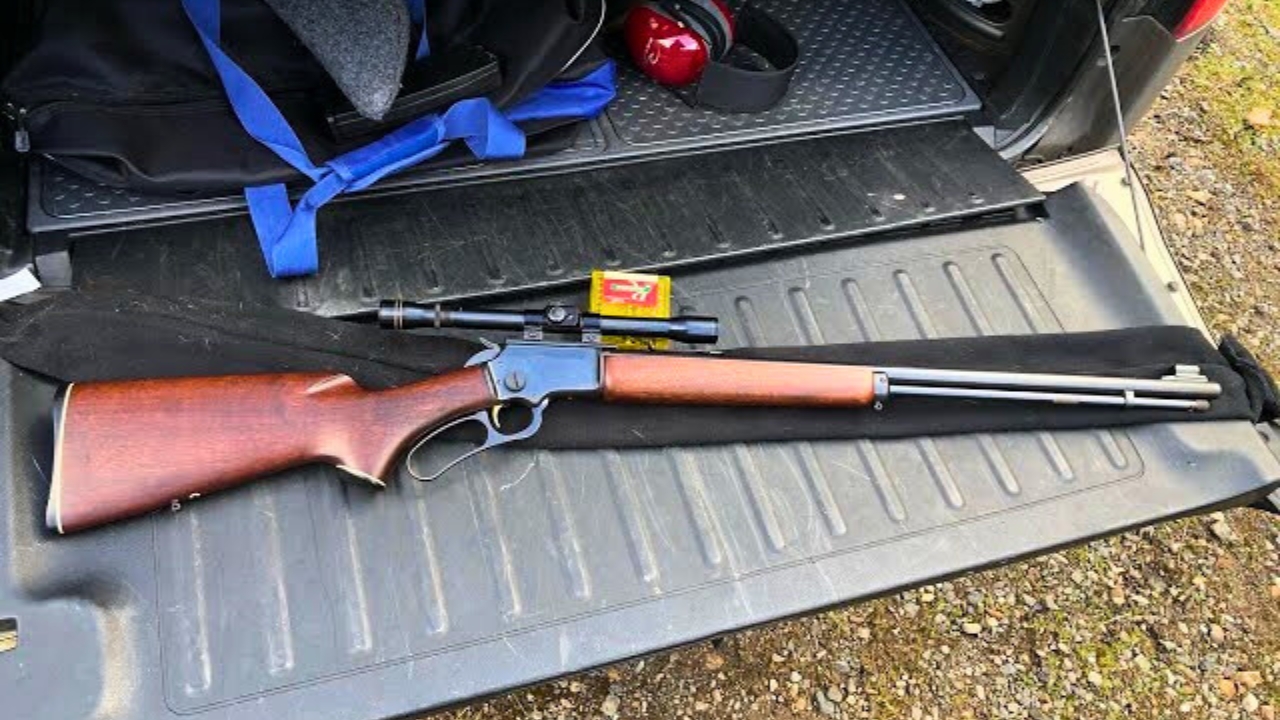
The .22 LR in a Marlin 39A keeps making newer training and utility ideas look a little overbuilt. The cartridge is still one of the best teachers in the world, and the rifle remains one of the finest ways to shoot it. The 39A has the kind of feel that reminds you older rimfires were not treated like disposable toys. It is smooth, dependable, and useful in a way that stays relevant no matter how much the rest of the market changes.
That matters because a lot of newer rimfire thinking tries to reinvent something that was already doing its job perfectly well. The old lever gun and old rimfire pairing still handles plinking, small game, and plain skill-building better than many more modern options that show up with more bulk and less charm. It is hard to make this combination look outdated when it still does so many things right.
12 gauge in the Remington 870 Wingmaster
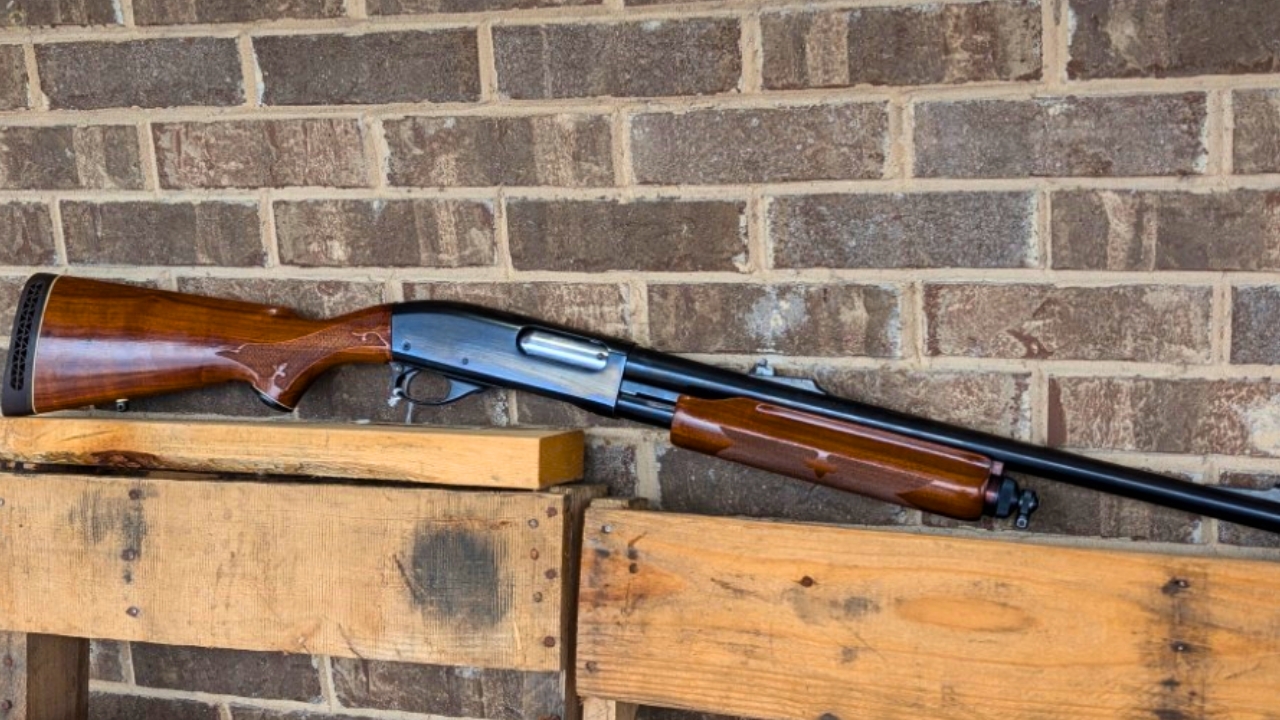
The 12 gauge in an older Remington 870 Wingmaster keeps making newer shotgun conversations feel oddly fragile. This is a platform and chambering combination that covers an absurd amount of ground without apology. Birds, deer, home defense, predators, rough weather, hard use, light loads, heavy loads, it has been handling real work for years while newer shotgun ideas often arrive attached to much narrower roles.
That is why it still holds up so well. The old Wingmaster gives the 12 gauge a smooth, durable home, and together they make a lot of specialized “better” ideas feel pretty temporary. There may be newer systems with more add-ons or more modern styling, but when one shotgun can still do this much with this little drama, the burden shifts to the new stuff to explain why it should replace it.
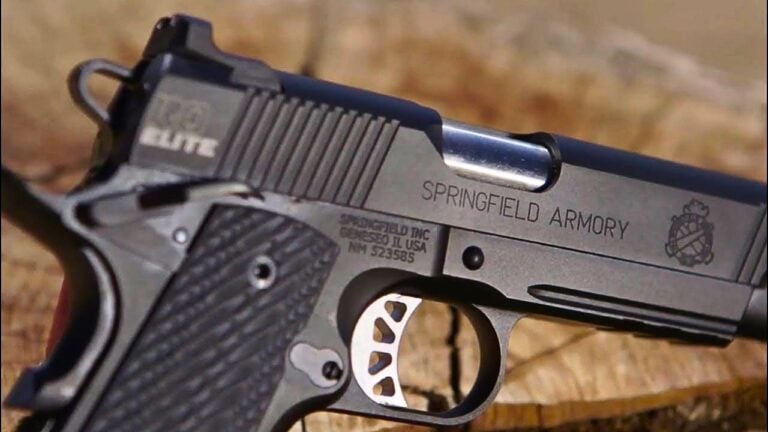
.45 ACP in the Colt Government Model
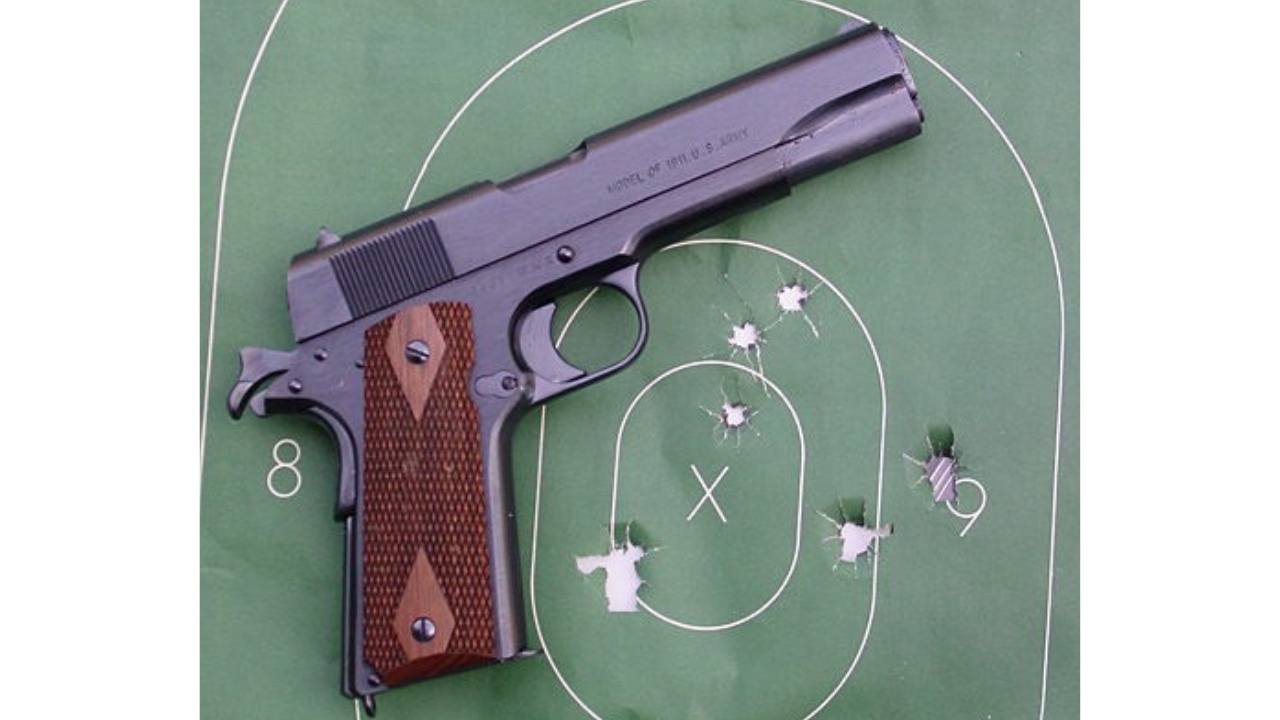
The .45 ACP in a Government Model 1911 keeps surviving because serious shooters never fully bought the idea that it needed replacing. The cartridge still works, the pistol still shoots in a way many people love, and together they create a combination that feels settled in the best possible sense. There is nothing frantic about it. It is a mature setup that still rewards good shooting and still carries real authority.
That is what makes so many newer defensive ideas feel a little temporary. They may offer more capacity or a different feel, but the old .45 and Government Model pairing still has shooter loyalty for a reason. It is not just nostalgia. It is the trigger, the balance, the history of actual use, and the fact that plenty of experienced shooters still trust it without needing anybody to pretend it was recently reinvented.
.375 H&H Magnum in the Winchester Model 70 Safari Express
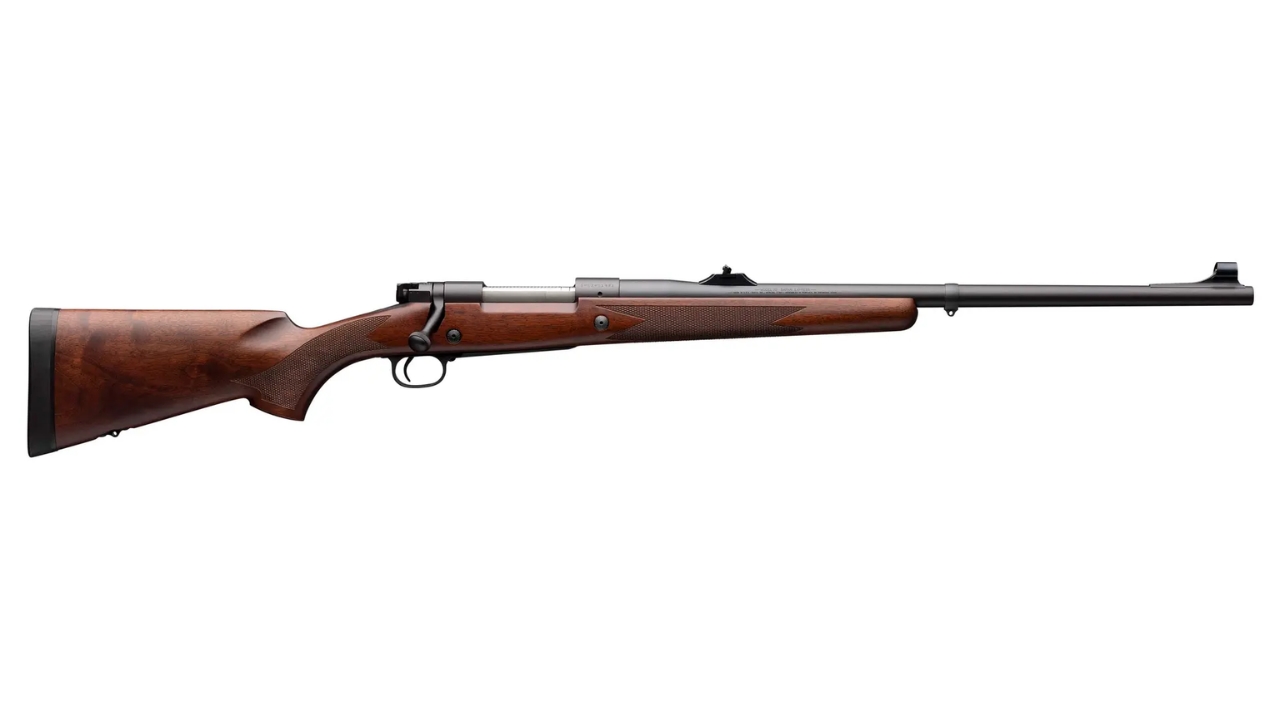
The .375 H&H in a Model 70 Safari Express is one of the clearest reminders that old does not mean passed over. The cartridge has been proving itself for generations, and the rifle gives it exactly the kind of platform it deserves. When people talk about dangerous-game rounds or all-around heavy hitters, newer ideas still end up getting measured against what the .375 H&H already did long ago.
That is why it keeps making better-on-paper claims feel smaller than advertised. The old Holland & Holland cartridge still has the trust, still has the reach for its role, and still carries the kind of steady respect newer magnums often spend years trying to earn. In a proper Model 70, it feels less like a relic and more like the answer many modern cartridges are still trying to imitate with different packaging.
.243 Winchester in the Winchester Model 70 Featherweight
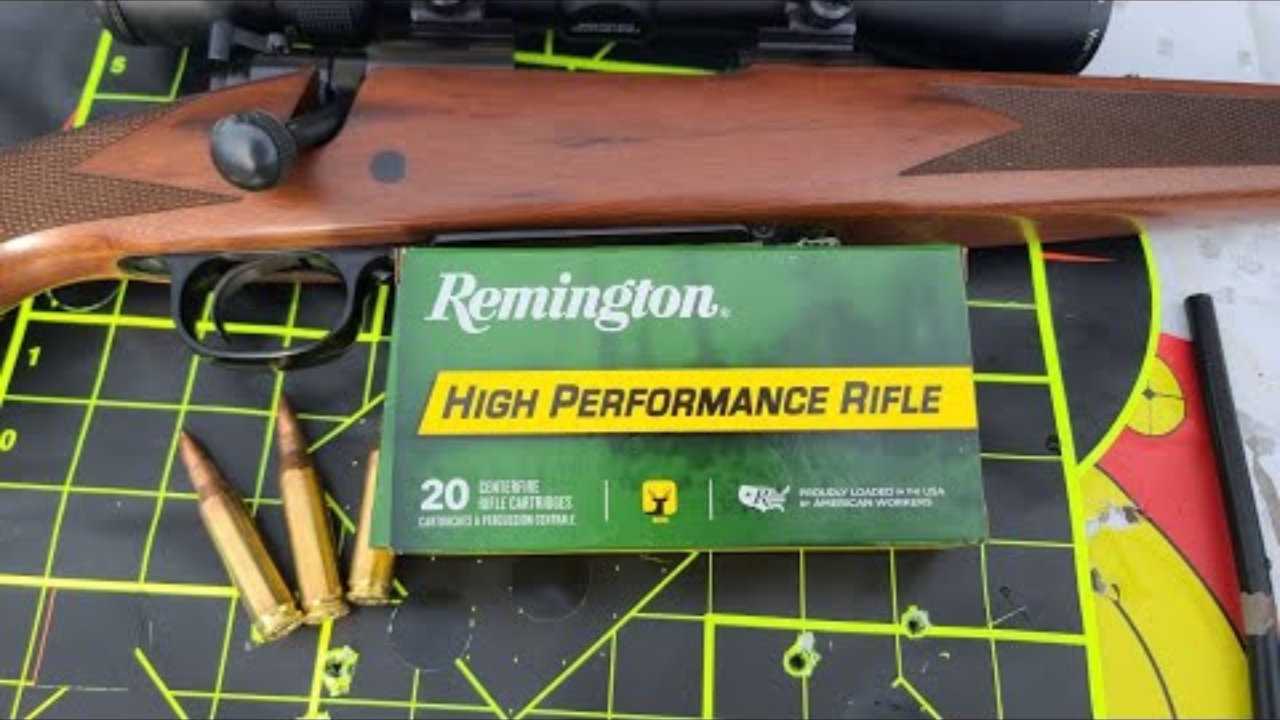
The .243 in a Model 70 Featherweight keeps proving that older hunting combinations can still feel sharper than a lot of new attempts at crossover utility. It offers light recoil, practical field accuracy, and genuine usefulness for varmints and deer-sized game when handled honestly. Put that in a Featherweight rifle, and you get a package that is easy to carry, easy to shoot, and hard to replace with something that feels meaningfully better.
That is why newer 6mm trends keep running into the same problem. On paper, some of them look more specialized or more advanced. In real life, the .243 in a classic Model 70 still gives hunters a clean, useful answer without needing extra explanation. It is the kind of setup that makes “improved” ideas feel suspiciously dependent on constant talking to maintain their edge.
.32 Winchester Special in the Winchester Model 94
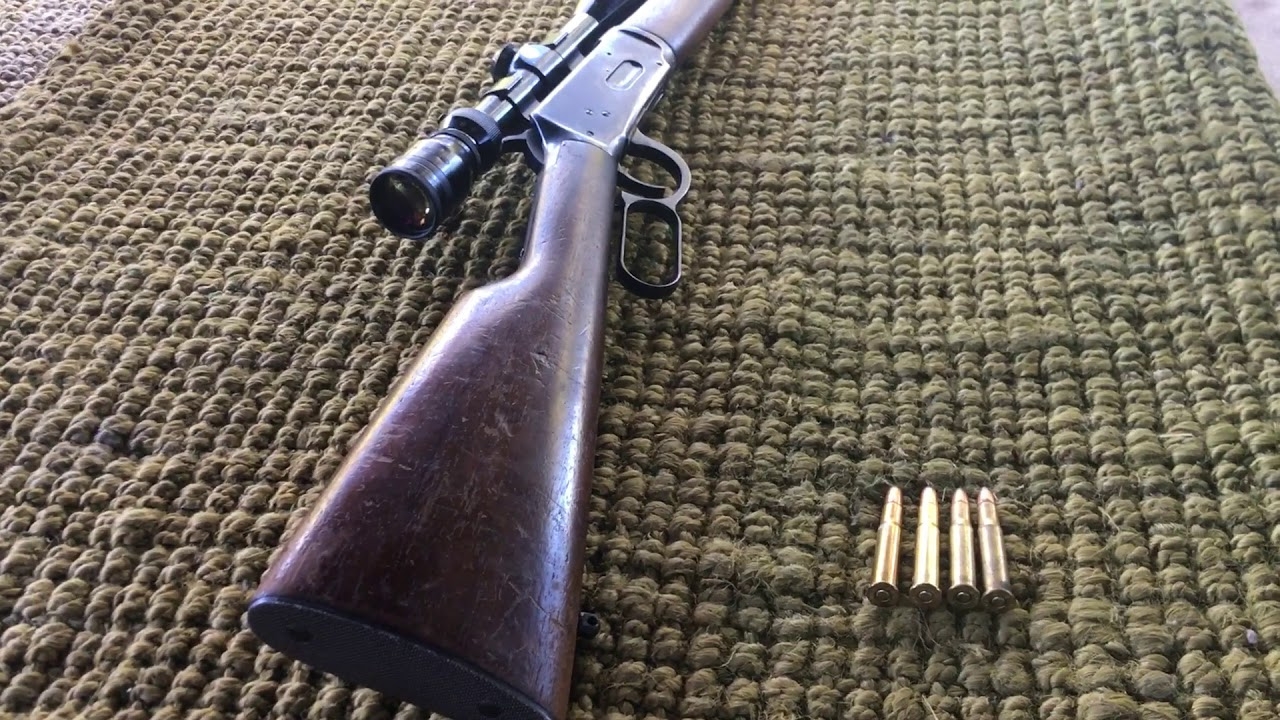
The .32 Winchester Special in a Model 94 has always lived a little quieter than some of the more famous pairings, and that quiet reputation is part of why it still feels so durable. It does not rely on hype, and it never needed huge internet-level loyalty to stay respected among the people who actually understood it. In the deer woods, it has kept making sense for a long time.
That quiet staying power matters more than people admit. Newer cartridges often need a lot of energy around them to keep feeling relevant. The old .32 Special just keeps hanging around because it still works in the rifle it belongs in. That kind of steady usefulness makes plenty of louder ideas look temporary by comparison, especially once the latest obsession starts fading and the old Winchester is still doing the same hard work.
.30-06 Springfield in the M1 Garand
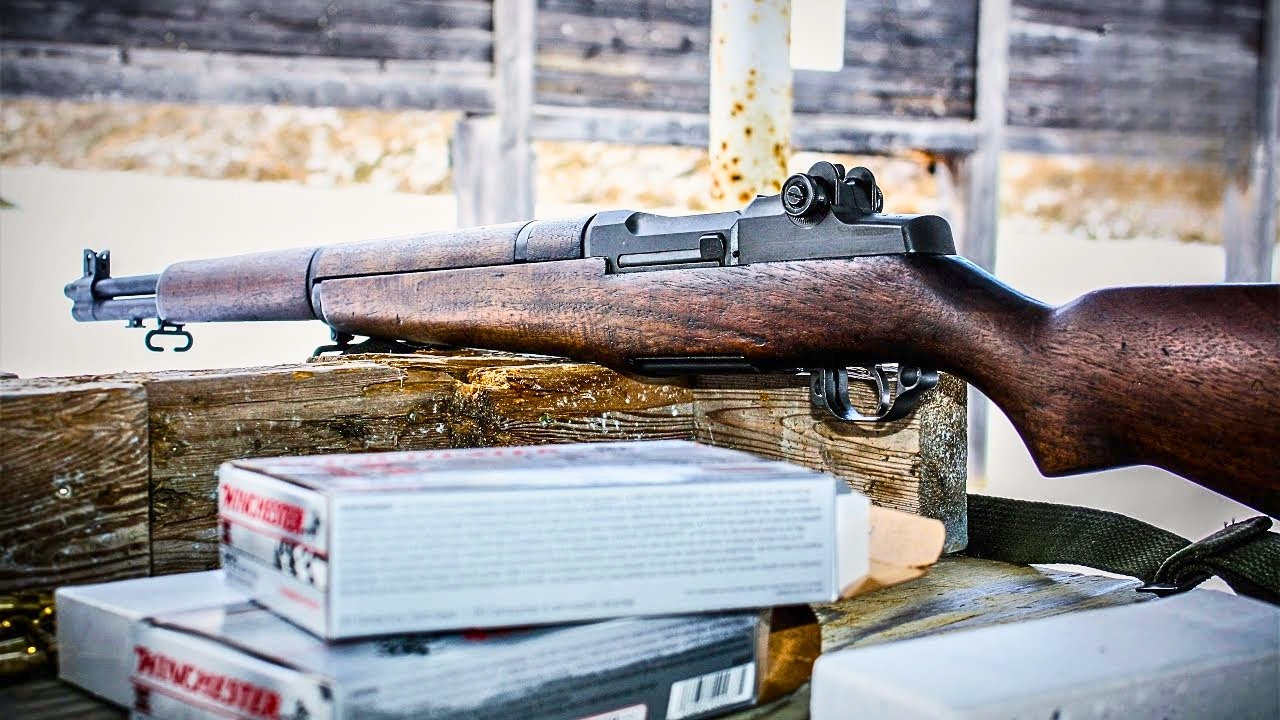
The .30-06 in the M1 Garand is one of those combinations that makes newer do-everything talk sound a little flimsy. The cartridge had power, range, and practical military and sporting legitimacy long before modern rifle marketing learned how to dress those traits up. The Garand, meanwhile, remains one of the most respected semi-auto service rifles ever built. Together they still feel serious in a way a lot of newer concepts only imitate cosmetically.
That seriousness comes from earned reputation. This is not an old combination surviving on museum value alone. It still commands respect because it proved itself where proof mattered most. A lot of better ideas come off temporary because they are still trying to build the kind of trust this pairing already has. When a rifle and caliber have that much real history behind them, trends start looking very short-lived.
7×57 Mauser in the Ruger No. 1
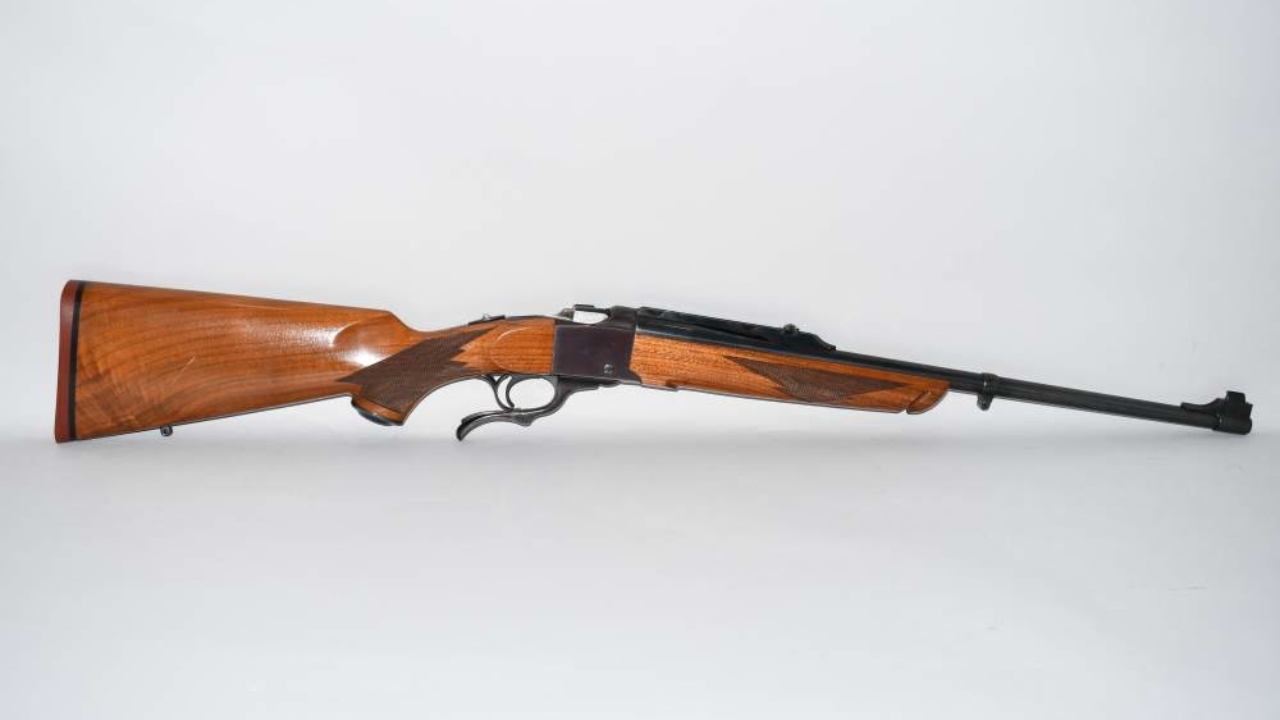
The 7×57 in a Ruger No. 1 keeps making newer hunting ideas look like they arrived late to a conversation they did not start. The cartridge has been effective for a very long time, offering sensible recoil and real hunting usefulness that still translates today. In a Ruger No. 1, it feels even more deliberate, like a pairing for people who do not need a rifle to look trendy in order to trust it.
That is the whole point. Some newer cartridges sound cleverer than this one, but very few feel more established once you get them into the field. The 7×57 has kept working because it was already a smart answer, and the No. 1 reminds you that older rifle ideas can still feel stronger and more permanent than whatever the market happens to be pushing this season.
Like The Avid Outdoorsman’s content? Subscribe to our newsletter so you never miss an article.
Here’s more from us: