Photo credit: LiliumBosniacum/Shutterstock.com
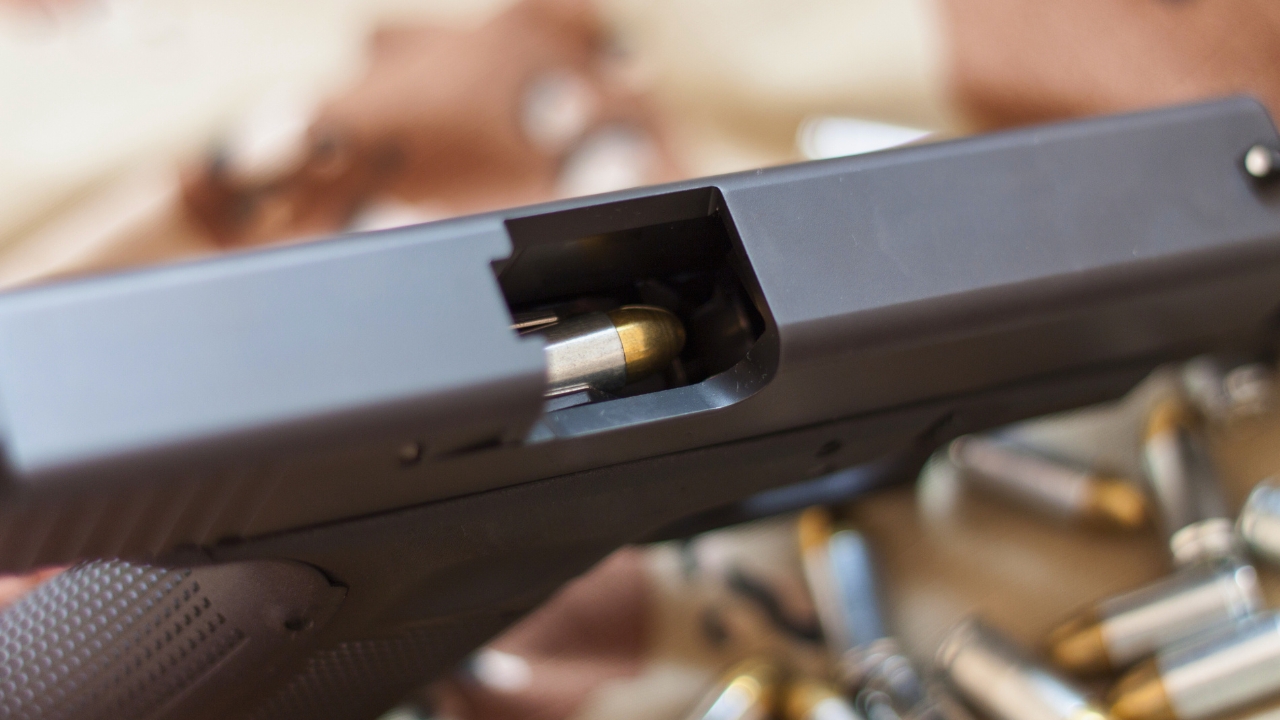
The decision to carry a concealed handgun with a round chambered remains one of the most debated topics in the gun world, and the arguments often drift into slogans that miss the operational reality. Among experienced carriers, law enforcement trainers, and defensive shooting instructors, the most common approach is to carry with a round chambered in a modern handgun equipped with internal safeties and carried in a rigid holster that fully covers the trigger guard. The rationale is not bravado. It is time and complexity. Defensive encounters tend to unfold fast, under stress, and at close range, making additional steps harder to execute reliably. At the same time, the decision carries responsibility, because chambered carry shifts more of the safety burden to holster choice, handling discipline, and consistency in routine.
Why many experienced carriers favor chambered carry
The argument for chambered carry is primarily about reducing the number of actions required to bring the gun into service under stress. Adding a rack step increases the chance of a fumble, a short-stroke, a failure to chamber, or a loss of grip during a moment when fine motor skills degrade. In defensive contexts, the hand that would rack the slide may be occupied, injured, or used to manage distance, which can make chambering a round more difficult than it appears during calm practice. This is why many experienced carriers describe chambered carry as a reliability choice rather than a speed obsession. It simplifies the draw-to-first-shot sequence and keeps the system consistent. Consistency matters because defensive performance is built on repetition and habit, and a system that requires additional actions only some of the time increases confusion and errors.
The safety case depends more on gear and routine than on the chamber status
Chambered carry becomes unsafe primarily when combined with poor holsters, careless reholstering, or inconsistent handling habits. The key safety component in modern concealed carry is the holster, particularly whether it is rigid, whether it covers the trigger guard completely, and whether it retains shape during reholstering. A soft or collapsing holster can allow clothing or other objects to enter the trigger guard, increasing discharge risk during reholster. The second major variable is how people handle the gun administratively. Many negligent discharges happen not during the draw, but during reholstering or unnecessary handling at home, in vehicles, or in bathrooms. In that sense, “one in the chamber” is not the hazard by itself. The hazard is combining a ready firearm with routine behaviors that treat it casually. Experienced carriers tend to minimize those behaviors by reducing how often the gun is handled, using a consistent holster system, and prioritizing slow, deliberate reholstering over speed.
What carriers who do not chamber typically underestimate
Carrying with an empty chamber can reduce some risks in certain setups, but it introduces operational risks that are often underestimated. The largest is the assumption that a chambering action will always be possible and always be executed correctly. In close-range encounters, the defender may not have both hands free. The defender may be grappling, pushing, holding a child, or protecting the head. Under those conditions, chambering a round becomes a specialized skill that requires practice, including one-handed methods, which many people do not train. A second underestimation is that chambering introduces time and movement that can be visible to an attacker, and it creates an additional chance of a stoppage due to improper slide manipulation. None of this means empty-chamber carry is inherently wrong. It means the “safer” choice can become less safe if it encourages people to avoid training, rely on assumptions, or carry in a way that is not aligned with realistic defensive constraints.
How experienced carriers manage the risk
Carriers who choose chambered carry tend to mitigate risk through equipment selection and strict routine rather than through debate. That includes using holsters built for the firearm and for the carry position, avoiding reholster without full attention, and keeping the trigger finger indexed until the sights are on target and a decision to fire has been made. It also includes avoiding unnecessary administrative loading and unloading, because repeated handling increases the chance of mistakes. A notable habit among experienced carriers is consistency: the same gun, same holster, same carry position, and the same rules every day. That reduces cognitive load and reduces the temptation to “adjust” the system in ways that create new risk. The practical message is that chambered carry is best understood as part of a complete system. When the system is solid and the routine is disciplined, chambered carry is a common choice among experienced carriers because it reduces operational complexity. When the system is sloppy, the chamber status is not the only problem, but it can magnify the consequences of bad habits.
Like The Avid Outdoorsman’s content? Subscribe to our newsletter so you never miss an article.
Here’s more from us: