Photo credit: AI-generated image created using ChatGPT. Illustrative only
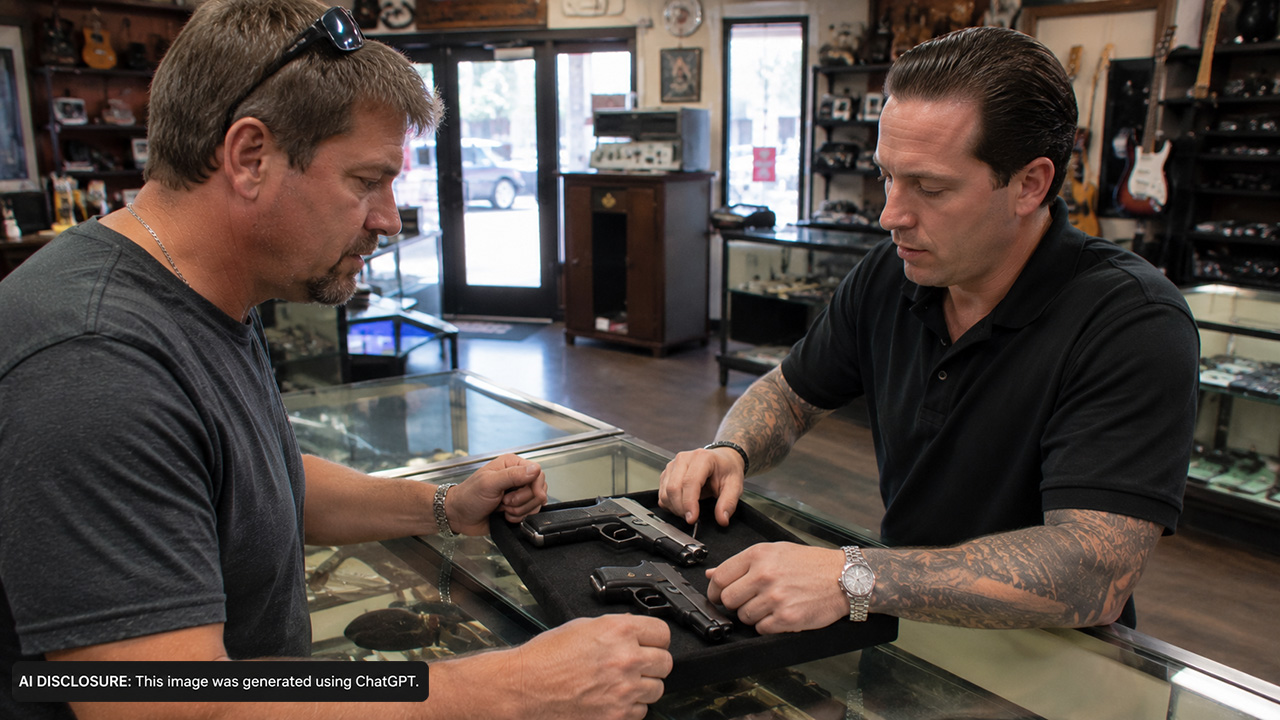
Anybody who’s ever had to lean on a pawn loan to get through a rough patch knows how it feels: you’re not “selling guns,” you’re parking them somewhere you think is safe until you can get back on your feet. That’s why this kind of story hits like a gut punch. One longtime gun owner says he walked into a pawn shop he’d used for years, thinking he was about to bring a couple firearms home, only to be told they were already gone.
A familiar shop turned into a bad surprise
In the original post, the gun owner explains he’d been shooting and collecting most of his life. When his career took a sudden downturn, he did what plenty of folks have done in a bind: he pawned “basically all” of his guns to get a loan.
What made him comfortable with the arrangement was the relationship. He says this was a shop he’d frequented for years, where employees knew him by name and he had a history of making payments and getting his property back.
The timeline that made it feel like something was off
The way he tells it, the trouble didn’t start with a single dramatic moment—it started with routine. He went in one day, made a payment, browsed around, and left like normal. About a week later, his then-fiancée stopped in and, while there, called him. He asked her to check whether he had payments due.
According to the post, the shop looked him up in their computer system and told her he was “still good,” with no problem. A week or two after that, he walked in with cash, planning to pull a couple items out of pawn “jail,” and that’s when he got blindsided.
“They’re gone”—and the explanation didn’t add up
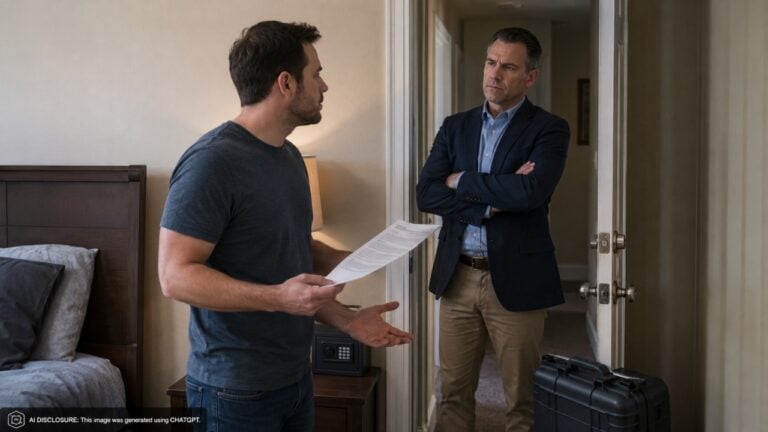
When he arrived ready to redeem some of his firearms, he says the shop told him the guns were gone and that he had “lost” them. That’s the kind of line that makes your ears ring, because people don’t just misplace a pawned firearm the way you lose a pocketknife.
He describes the employees he knew well acting nervous and strange, then offering an explanation: his name had been spelled wrong. But he pushed back hard on that point. He says his last name is only five letters, that the staff had known him for years, and that he’d recently been in multiple times making payments and checking on what he owed. In his view, the name on the pawn ticket wasn’t wrong—meaning, he believes, it had to be changed later.
What he believes happened to the firearms
The gun owner lays out his suspicion plainly. He believes the shop staff selected the guns they wanted, moved or lumped them under an altered version of his name, and left a couple less-desirable guns associated with his correctly spelled name. That would create a situation where the shop could claim the records didn’t match, while the guns themselves had already been moved out of his reach.
That’s a serious accusation, and it’s easy to understand why he’s angry. This wasn’t just dollars and cents to him. He says several of the guns had deep personal meaning: firearms passed down from his dad, a rifle he bought the day his mother died and named after her, his first gun, and a matching AK set he and his brother bought together. On top of that, he lists modern rifles and pistols he cared about—an LWRC, a BCM, and more.
The practical problem: time, paperwork, and where to start
One detail in the post matters as much as anything else: he says this happened about a year ago. He also says he wasn’t in a position to hire a lawyer at the time, and only now feels like life has calmed down enough to put real effort into fighting it.
That’s the hard part with pawn-shop disputes. The paper trail—pawn tickets, payment receipts, item descriptions, serial numbers, redemption deadlines—means everything. If you don’t have the documents in hand and the shop’s records are messy (or worse), you’re trying to prove what you brought in, when you brought it in, and what was promised.
Even in a best-case scenario, a year is a long time for records to be “lost,” inventory to be moved, and employees to come and go. But the fact that firearms are involved makes the stakes higher than a chainsaw or a guitar, both for the owner and for the shop.
What options he was asking about—and what gun owners can learn from it
The gun owner’s questions were straightforward: Can he make a police report? Can he file charges? Is there anything he can do?
Without getting into courtroom talk, the outdoorsman lesson here is simple: treat pawned guns like you’re leaving them with a stranger, even if the counter guy calls you by name. Keep hard copies of every pawn ticket and every payment receipt. Photograph the tickets. Write down serial numbers (and keep that list somewhere that won’t disappear with the guns). If the shop has an online account portal, take screenshots after every payment.
And when you check your status, do it in a way that creates a record. A phone call is easy to deny later; a dated receipt, an emailed statement, or even a photo of the shop’s printout is harder to wave away. If something feels off—like a name suddenly “misspelled” or an account that doesn’t look right—stop and get it corrected in writing right then, before you leave the counter.
Most of all, don’t let sentimentality make you complacent. The guns with family history—the ones that can’t be replaced—should be the last ones you hand over when times get tight. That doesn’t help the guy in this story, but it might keep someone else from learning the same lesson the hard way.
Pawn loans can be a lifeline, and plenty of shops handle firearms responsibly. But when a shop’s story doesn’t match your paperwork—and the people behind the counter suddenly get nervous—your best friend is documentation. In a world where a “simple misspelling” can separate you from guns that matter, the boring stuff (serial numbers, receipts, and written records) is what keeps you from being left with nothing but a bad memory.
Like The Avid Outdoorsman’s content? Subscribe to our newsletter so you never miss an article.
Here’s more from us: