Photo credit: ESPINOZA ADVENTURE/YouTube
Appendix carry works great—until it doesn’t. A lot of pistols are marketed for AIWB, but once you spend a full day wearing one, you start to feel every sharp edge, awkward bulge, and misplaced grip hump. Some guns hide well and draw fast, but they dig, pinch, or jab hard enough to make you think twice about strapping them on the next morning.
It’s not always about size. Sometimes it’s slide thickness, grip shape, or even how the trigger guard hits your body. These pistols are built with appendix carry in mind, but they make you work harder than you should to carry them comfortably.
SIG Sauer P365 XL
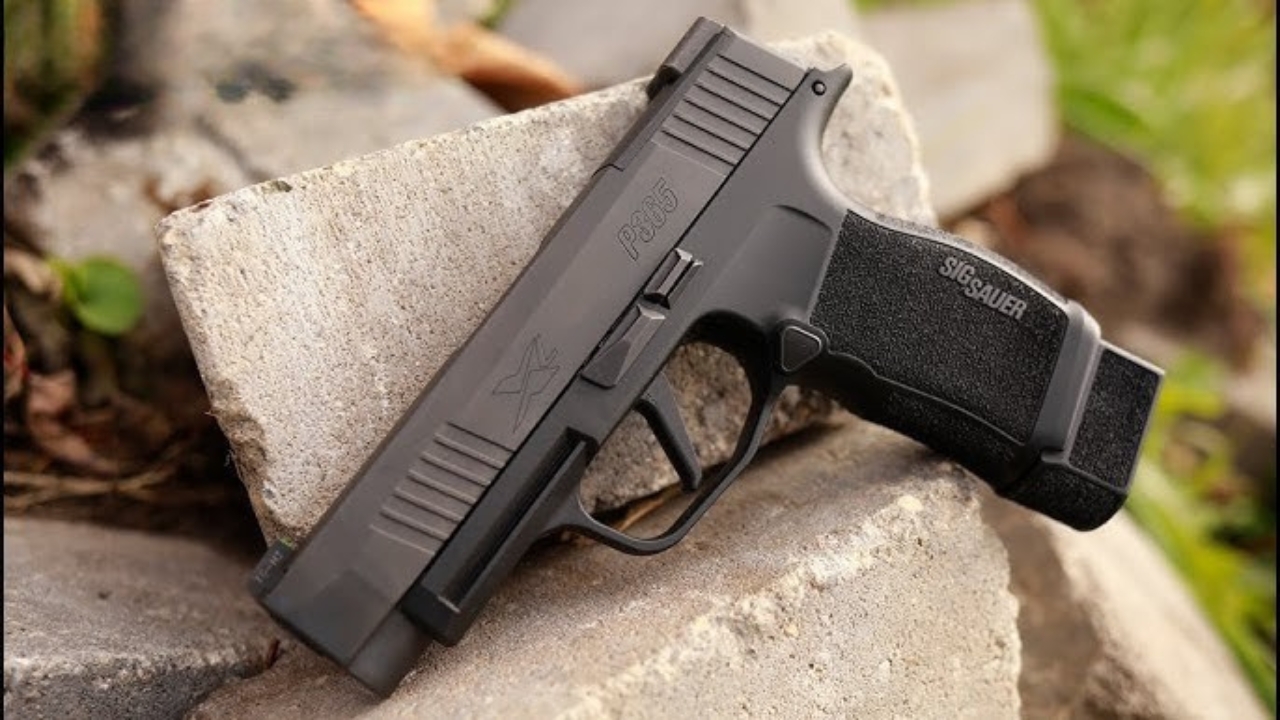
The P365 XL is praised as one of the best appendix carry pistols out there—and it is, if you’ve got the right holster and body type. But that longer slide and squared-off rear can dig into your waistband when you sit or bend.
It rides flatter than most compacts, but it’s not exactly gentle. The extended grip also adds pressure against your lower stomach or belt line. You can make it work, but without a wedge or claw to balance things out, it’ll leave a mark.
Glock 43X

The Glock 43X is slim, but the grip length makes it tough for some appendix setups. When seated, the frame can push up into your stomach and shift your waistband enough to print or jab your gut.
It’s light and reliable, which is why people keep carrying it—but the blocky grip shape doesn’t always play nice with soft tissue. You’ll need a quality AIWB holster with a wing and maybe a wedge to keep this one from wearing on you through the day.
Springfield Hellcat

The Hellcat is small enough to conceal easily, but it carries dense—and it’s not the smoothest pistol around the trigger guard or frame. The squared-off edges and short barrel mean pressure gets focused into one spot when you’re seated.
Appendix carry is possible with it, but you’ll feel the weight pushing in after a few hours. Some folks find the aggressive grip texture uncomfortable against the skin as well. It does a lot right, but comfort isn’t always one of them.
Walther PDP F-Series

The PDP F-Series was designed with female shooters in mind, but its dimensions still present challenges for appendix carry. The frame feels a little bulky up front, and the undercut around the trigger can dig in at tighter carry angles.
It handles recoil well and shoots clean, but the front-heavy balance shifts hard against your belt when seated. With the wrong holster or cant angle, you’ll start noticing hot spots and shifting after just a few hours of wear.
Glock 26
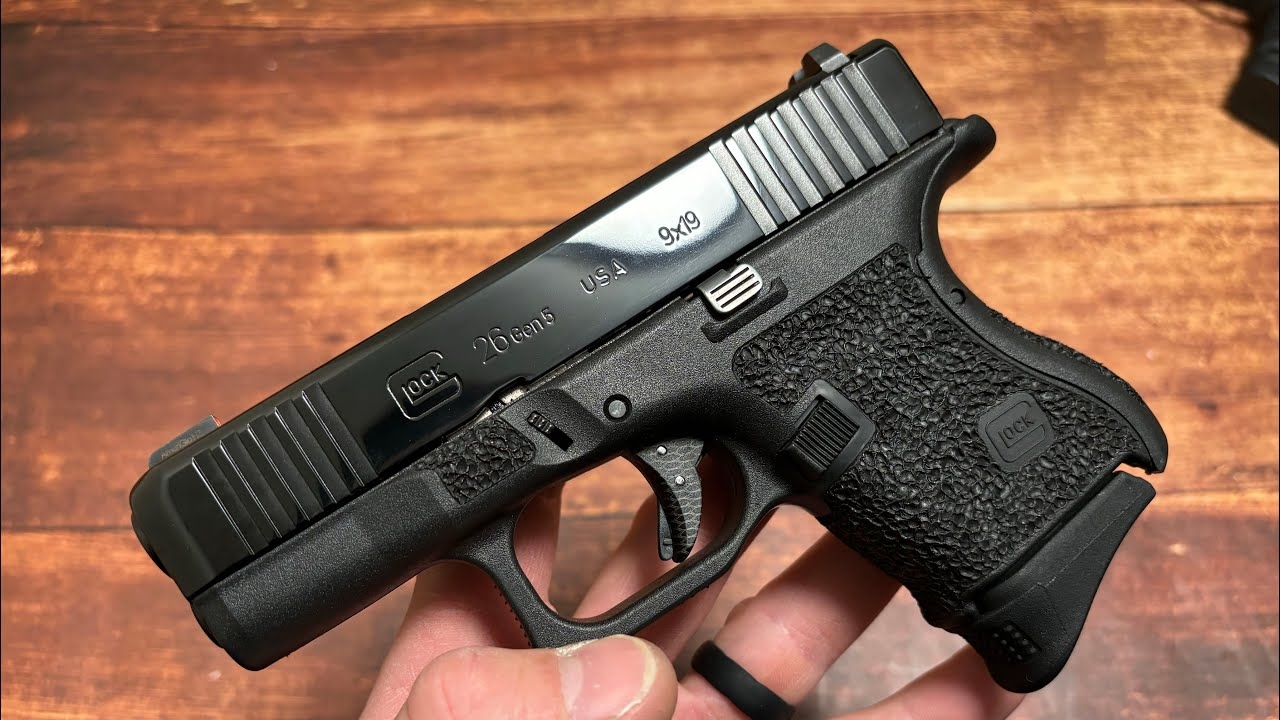
The Glock 26 is short but chunky, and that thickness doesn’t help when it’s riding appendix. The double-stack frame is wider than newer micro-compacts, and it sits heavy in one spot—especially when paired with a soft belt or basic holster.
The short grip can also cause the mag base to jab into your lower stomach if the angle isn’t dialed in. You can make it work, but it often requires more holster tuning and wardrobe adjustments than most expect.
FN 509 Compact

The FN 509 Compact has all the features you’d want for a carry gun, but its blocky build and aggressive grip texture aren’t the most forgiving. It rides tall, and the squared-off front of the slide can press hard against your pelvic crease when you sit.
It’s dependable, but carrying it appendix requires more setup than most pistols in its class. Without a well-contoured holster and solid belt support, it’s going to shift and dig every time you move.
Smith & Wesson M&P Shield Plus
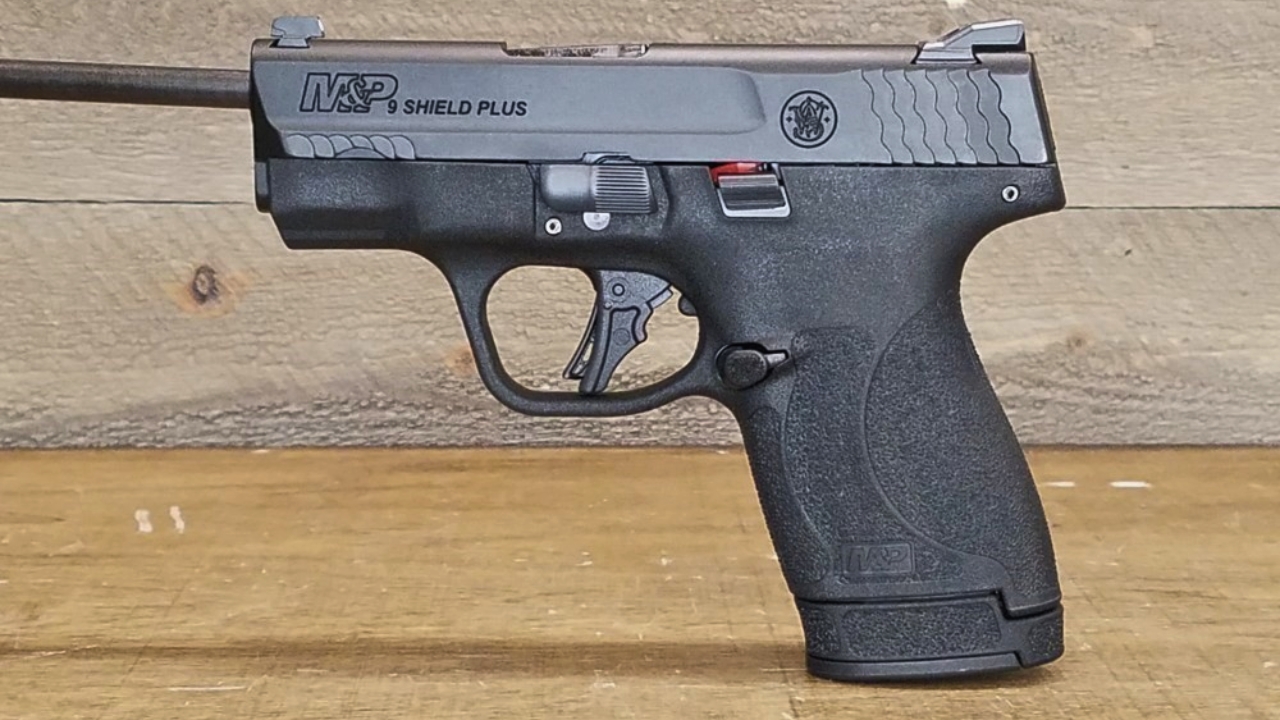
The Shield Plus is slim and accurate, but its tall rear sight and sharp grip edge have a habit of pressing into your waistline. That’s especially true for appendix carry, where even small angles make a big difference.
The flat face trigger and longer baseplate mags can also push the gun out awkwardly. For short-term carry it’s fine, but over time you may notice pressure points around the muzzle and slide. A good holster helps, but it won’t fix the shape of the gun.
CZ P-10 S
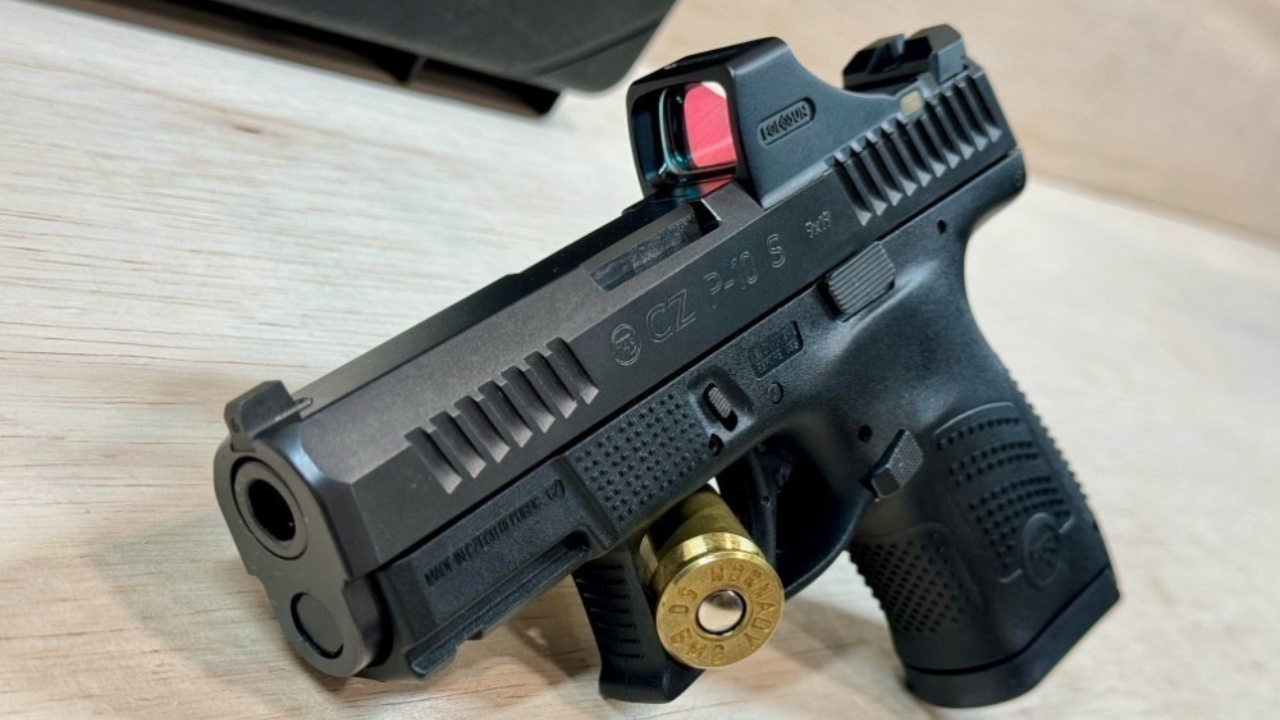
The P-10 S has great ergonomics in hand, but that doesn’t always translate to comfort against the body. It’s a bit thick, and the backstrap tends to push outward at an angle that can create tension in appendix carry.
It’s not un-carryable, but if you have a shorter torso or carry higher up on your belt, it’ll remind you it’s there—especially when sitting. You’ll want to test different cant angles and maybe add a wedge to smooth things out.
Taurus GX4

The GX4 is marketed as a budget-friendly appendix carry pistol, and it checks most boxes. But the frame geometry isn’t the softest, and the short slide can create a lot of pressure in a small spot when seated.
It also lacks some of the smoothing and contouring that helps more premium models ride easier. You’ll feel it more when sitting for long periods, especially without a holster that distributes pressure evenly. It’s small—but not exactly kind to your waistline.
Beretta APX A1 Carry
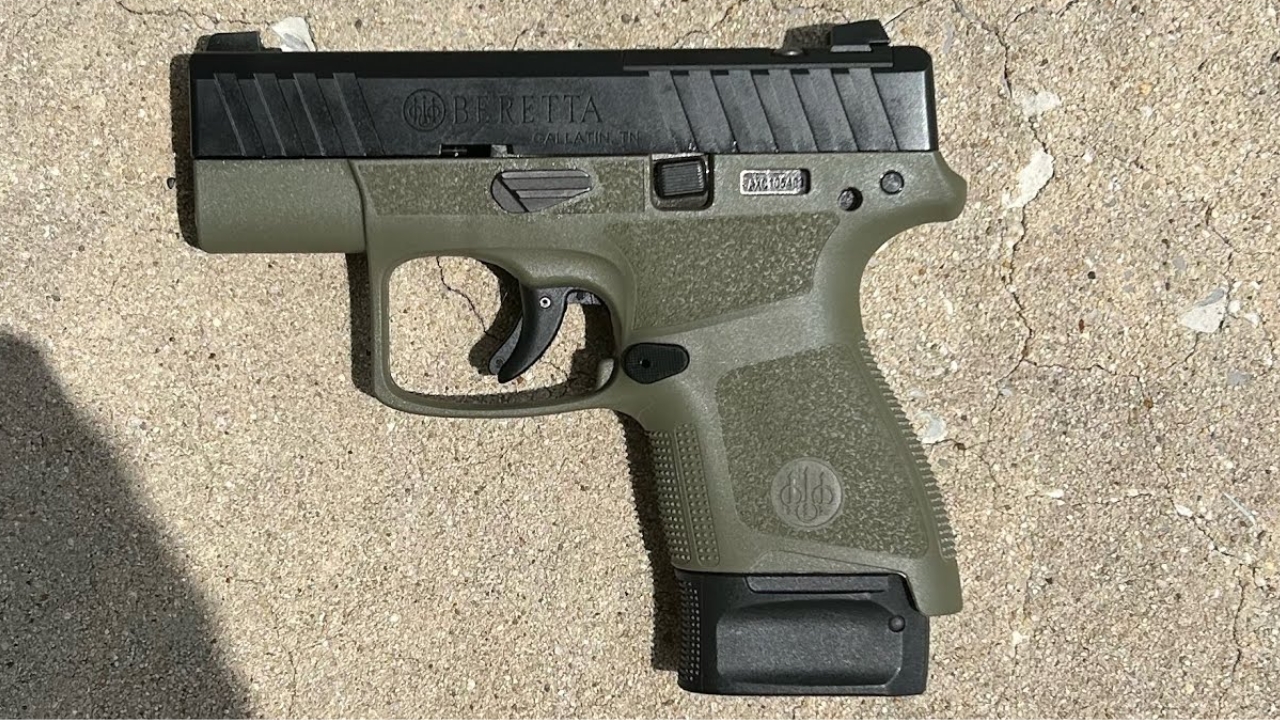
The APX A1 Carry has a clean profile and slim build, but it carries a little top-heavy. That slide mass pulls forward, which can dig into your groin area when seated—especially if your belt isn’t cinched perfectly.
The texture and grip design don’t always cooperate with AIWB either. It feels fine when standing still, but if you’re in and out of vehicles or sitting most of the day, this one’s going to let you know where it is.
*This article was developed with AI-powered tools and has been carefully reviewed by our editors.