Photo credit: New World Ordnance/YouTube
When you’re betting your life on a handgun, “it ran fine at the range once” isn’t the standard. Defensive pistols need to feed, fire, extract, and reset every single time—dirty, dry, cold, sweaty, with mixed ammo, and under stress. The problem guns below tend to fall short in predictable ways: spotty quality control, finicky mags, ammo sensitivity, weak small parts, or designs that were never meant to be serious carry options in the first place.
This isn’t about shaming anyone’s budget. It’s about being honest: there are pistols that look like a deal, feel okay in the hand, and still leave you with a bad surprise when it counts.
Jimenez JA-9
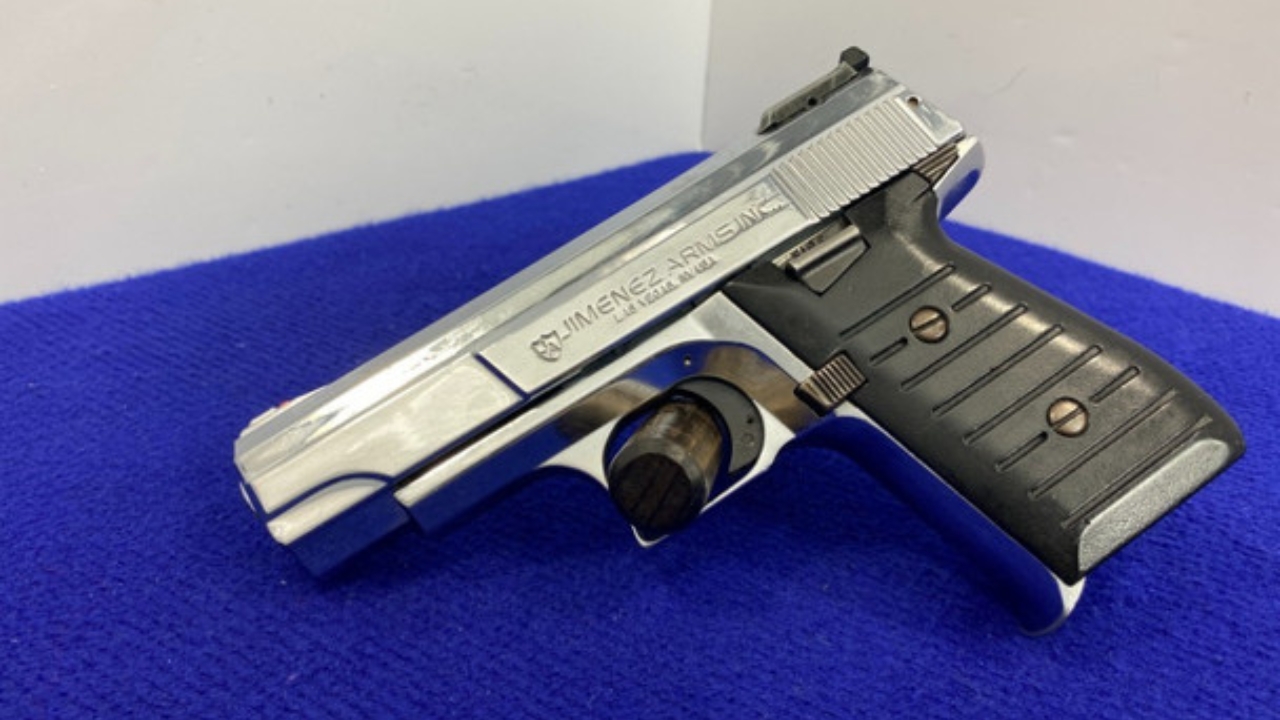
The JA-9 has a long history in the “ultra-budget” lane, and that’s exactly where the problems start. You’ll see inconsistent fit, rough internal surfaces, and small parts that don’t inspire confidence over time. A defensive pistol needs to keep running as springs settle and fouling builds.
Even when one runs okay at first, the long-term question is durability and consistency. If you’re carrying daily, you’re relying on that gun through lint, sweat, and bumps. This is one of those pistols that can turn into a “range-only” lesson fast.
Jennings J-22

The J-22 is one of the most common examples of a cheap .22 that feels like it should be handy, but tends to be picky and inconsistent. Rimfire ammo already has more misfires and variance than centerfire, and that stacks the deck against you from the start.
Add in a design that often struggles with feeding and extraction, and you’ve got a pistol that can turn a simple string of fire into constant troubleshooting. For defense, a .22 can be a last-ditch option—but it needs to run. This one too often doesn’t.
Raven MP-25
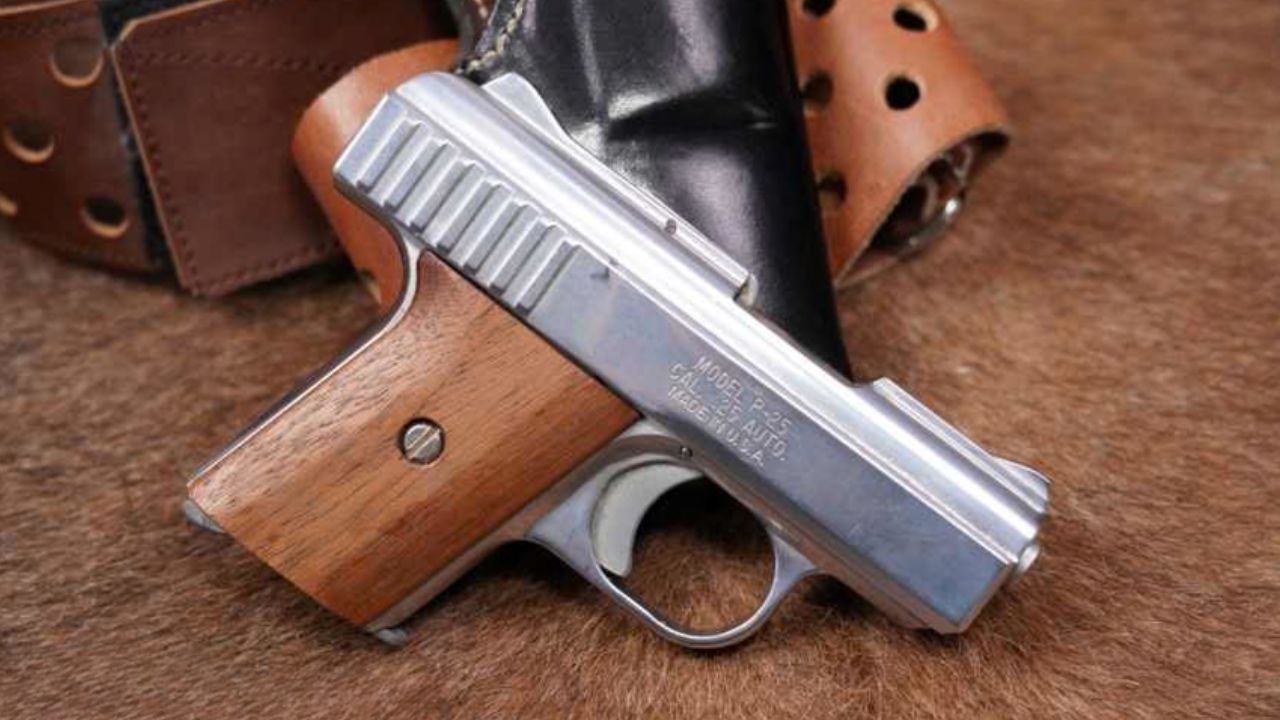
Tiny .25 ACP pistols get bought because they’re small and “better than nothing.” The MP-25 is one of the classic Saturday-night-special style guns that can be unpredictable across individual examples. Some function, some don’t, and the gap between those two can be wide.
Beyond that, you’re dealing with marginal power and usually marginal sights and triggers. Defensive carry is hard enough when you’re calm. If your pistol is also difficult to shoot well and not consistent mechanically, you’re gambling twice.
Lorcin L380

The L380 sits in that same bargain pocket-pistol category where materials, tolerances, and longevity are the weak points. A carry gun gets chambered and unchambered, bumped around, and exposed to lint and moisture. That’s where questionable build quality shows up.
You can also run into reliability issues tied to magazines and feed geometry. Even if you get one example to behave with one ammo type, defensive carry demands confidence across common loads and realistic conditions. This is not where you want your trust invested.
Bryco Arms Jennings Nine
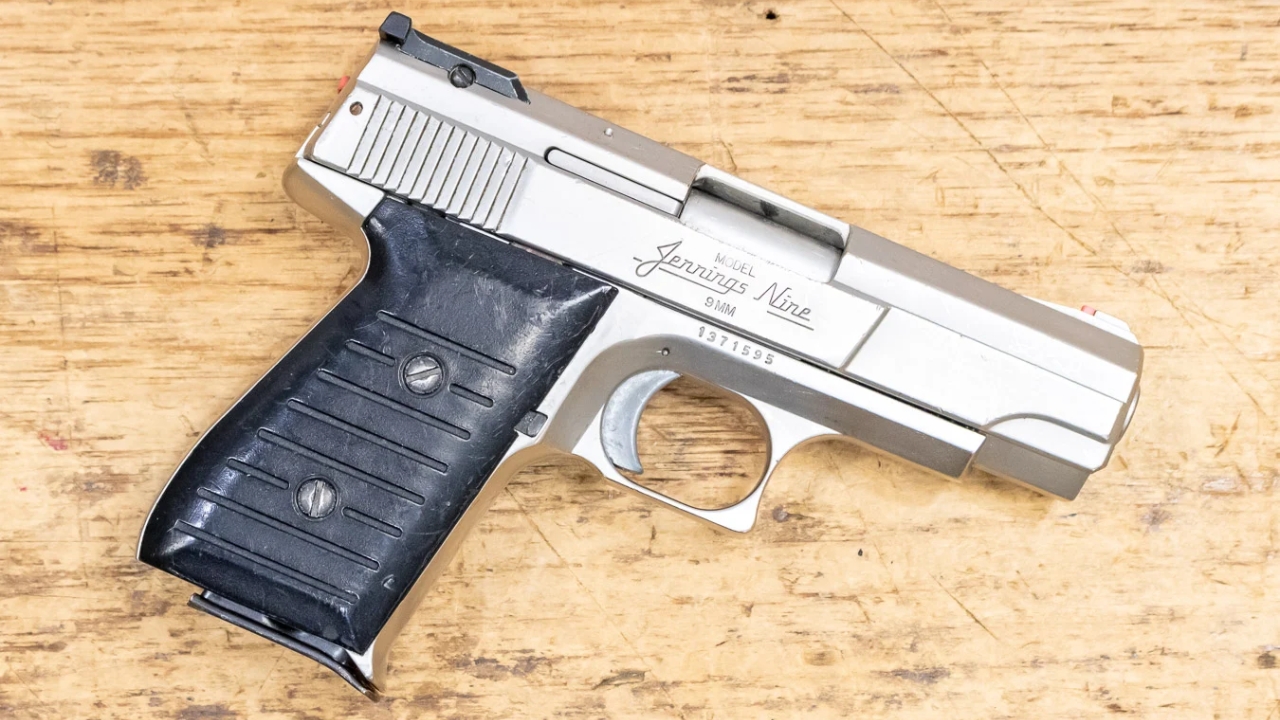
This is a pistol a lot of people recognize because it’s everywhere in the used market. The issue is consistency. You’ll see examples that limp along and examples that choke constantly, often tied to mags, springs, and rough internal finishing.
A personal-defense pistol needs clean, repeatable cycling and predictable ignition. If the gun’s personality changes depending on ammo, grip pressure, or how dirty it is, you’re not carrying protection—you’re carrying a problem you haven’t met yet.
Davis P-32
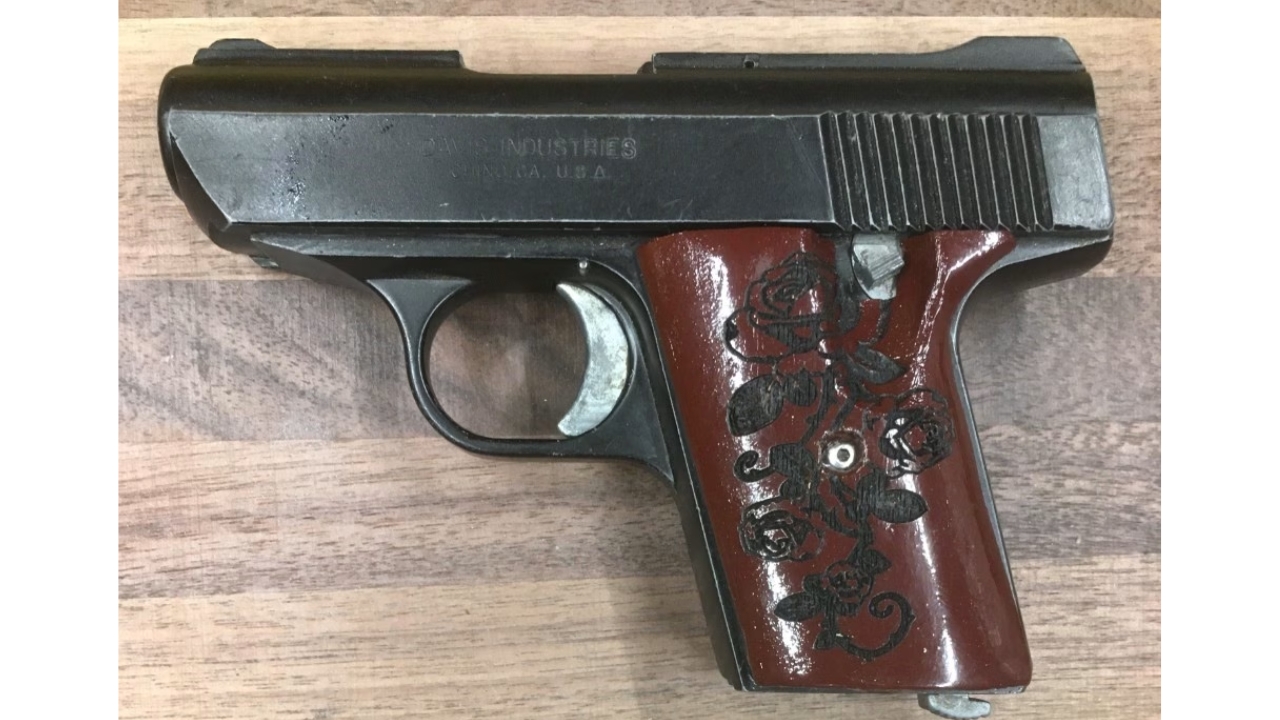
Small .32 autos can be practical when they’re built right. The Davis P-32 tends to live on the other side of that line. With many budget pocket pistols, the trouble isn’t one single failure—it’s a pile of small reliability annoyances that become a pattern.
Feeding and extraction can be hit-or-miss, and the tiny controls and sights don’t help you shoot cleanly under pressure. If the gun’s meant to be a true “always” carry piece, it should be boringly dependable. This one often isn’t.
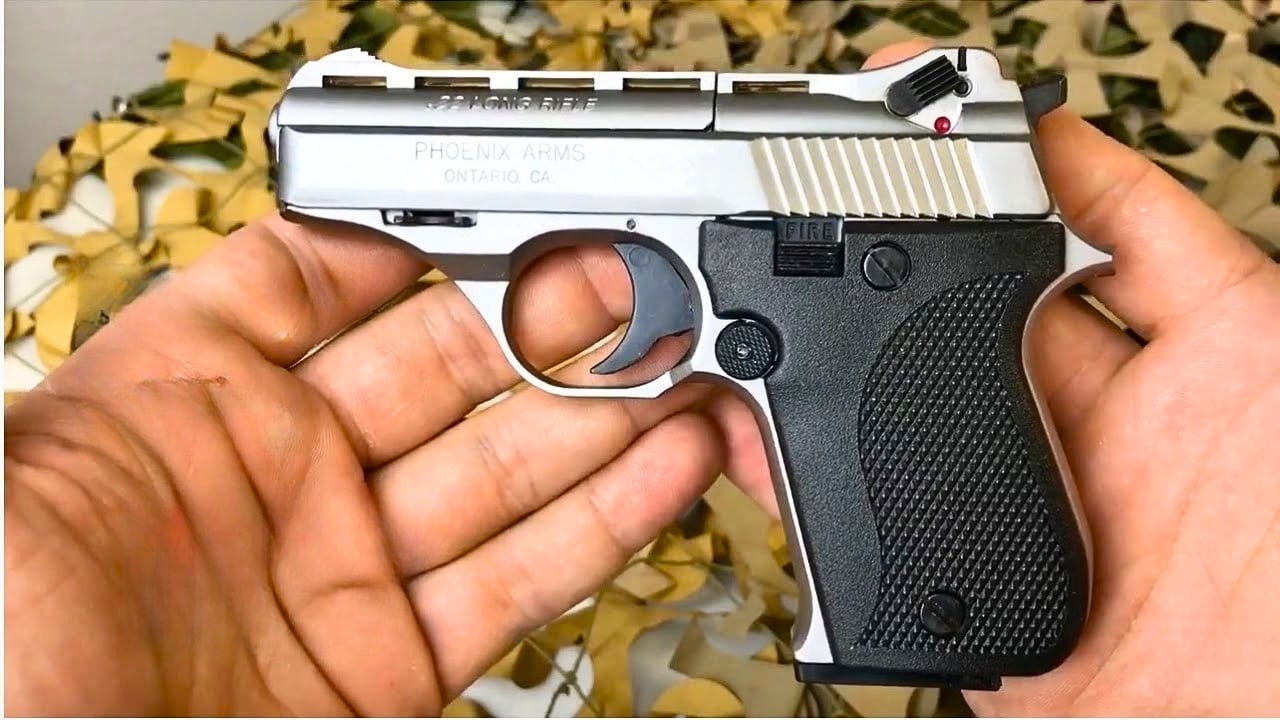
Phoenix Arms HP22A

The HP22A gets a pass as a cheap plinker. As a defensive pistol, it brings too many liabilities. It’s often ammo sensitive, and many examples need very specific maintenance and handling to avoid stoppages. That’s normal for a toy—bad for a carry gun.
On top of that, a rimfire semi-auto is already working against you in terms of ignition consistency. If you’re looking for a small defensive handgun, there are better answers in centerfire that don’t depend on perfect ammo and perfect conditions.
Kimber Solo

The Solo is the classic example of “looks premium, acts picky.” Many owners learned the hard way that it can be extremely selective with ammo, often preferring hotter defensive loads over common practice rounds. That’s not a deal-breaker by itself, but it’s a red flag for reliability testing.
If a pistol needs a narrow diet and behaves differently as it breaks in, you have to work harder to validate it. Carry guns need a wide comfort zone. When your confidence depends on one specific load and perfect magazines, you’re behind the curve.
Remington R51

The first-generation R51 rollout is still remembered for a reason. Early guns had significant reliability and quality-control complaints, and Remington’s later response only reinforced the idea that the initial product wasn’t ready.
Some shooters ended up with examples that ran after updates, but defensive carry is about stacking odds in your favor. If a model has a known track record of early problems and inconsistency between samples, it’s smart to choose something with a cleaner history.
Taurus PT-738 TCP

The TCP is small, light, and easy to carry—exactly why people bought them. The issue is that ultra-compact .380s are already on the edge mechanically, and this model has a reputation for being inconsistent depending on the specific pistol and magazine.
Some run fine. Some don’t. For defense, “some” isn’t enough. If your carry gun needs you to sort through magazines, ammo, and break-in rituals to get basic reliability, you’re better off with a compact that’s proven boring across the board.
Taurus Spectrum

The Spectrum came out swinging at the pocket .380 market, but many owners reported problems that ranged from failures to feed to general inconsistency. When a small pistol is brand new to the market and built to a tight price point, early production can be rough.
A defensive pistol shouldn’t feel like a beta test. Even if later production improved, the model’s reputation got hit hard early. If you want a tiny .380, pick something with a longer, steadier track record in the real world.
Walther PK380
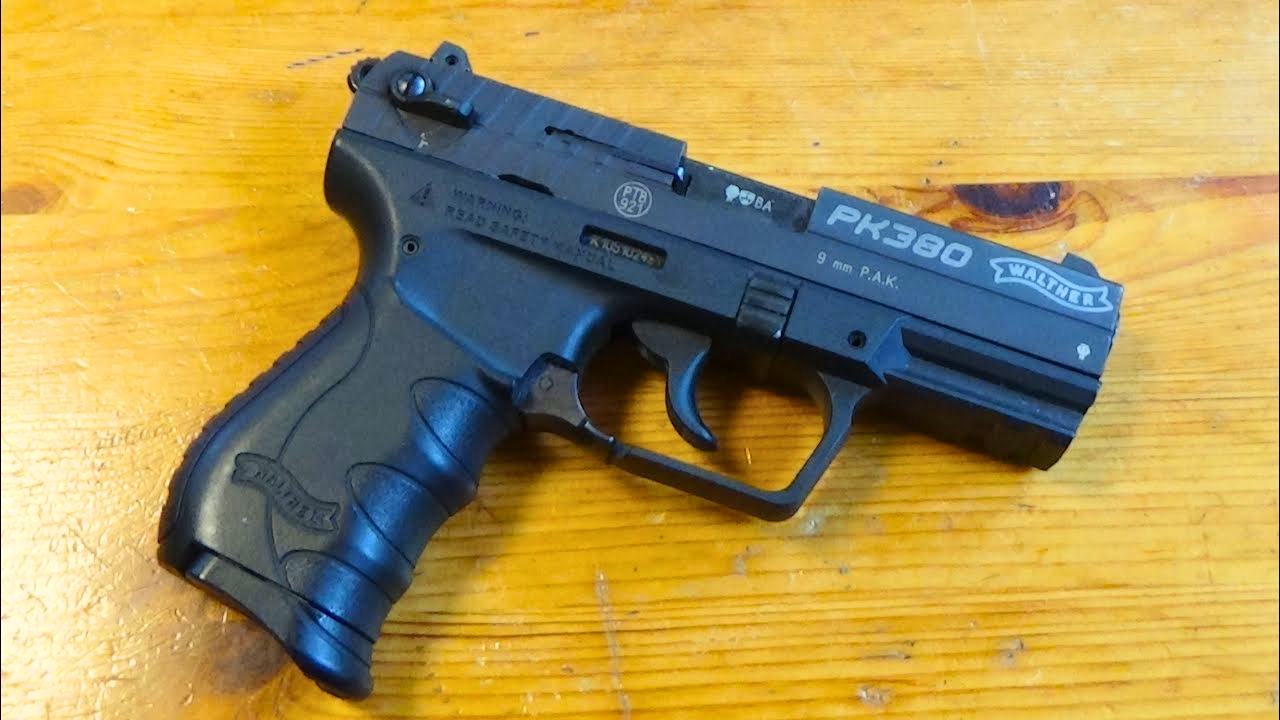
The PK380 is soft shooting and easy to rack, which is why it attracted buyers. The catch is that it hasn’t always been the most confidence-inspiring pistol for hard use, and its design can be more sensitive to maintenance and magazine condition than you’d like.
For a bedside or carry gun, you want simple, rugged, and consistent. If you’re choosing a .380, you’re already accepting less power than 9mm. That trade only makes sense when the pistol is extremely dependable. This one isn’t a top pick for that role.
SCCY CPX-1 / CPX-2

SCCY pistols are budget-friendly, and plenty of people try them for that reason. The consistent complaint is quality variation—some owners get a decent sample, others fight stoppages, broken small parts, or magazine-related gremlins.
That variation is the problem. A defensive pistol shouldn’t require luck in the sample you get. If you want an inexpensive 9mm, there are other options with stronger consistency and broader support for mags, holsters, and parts.
AMT Backup

The AMT Backup has a cult following, but it’s also known for being a little too temperamental for a modern defensive carry role. Small, stainless pocket guns can be finicky, and many Backups have heavy triggers and quirks that require careful handling.
Collectors can enjoy them for what they are. A carry pistol needs to be something you can run hard, maintain easily, and trust with common ammo. When a gun’s “personality” becomes a normal part of ownership, it’s not a great choice for defense.
RG Industries RG23 / RG24 revolvers
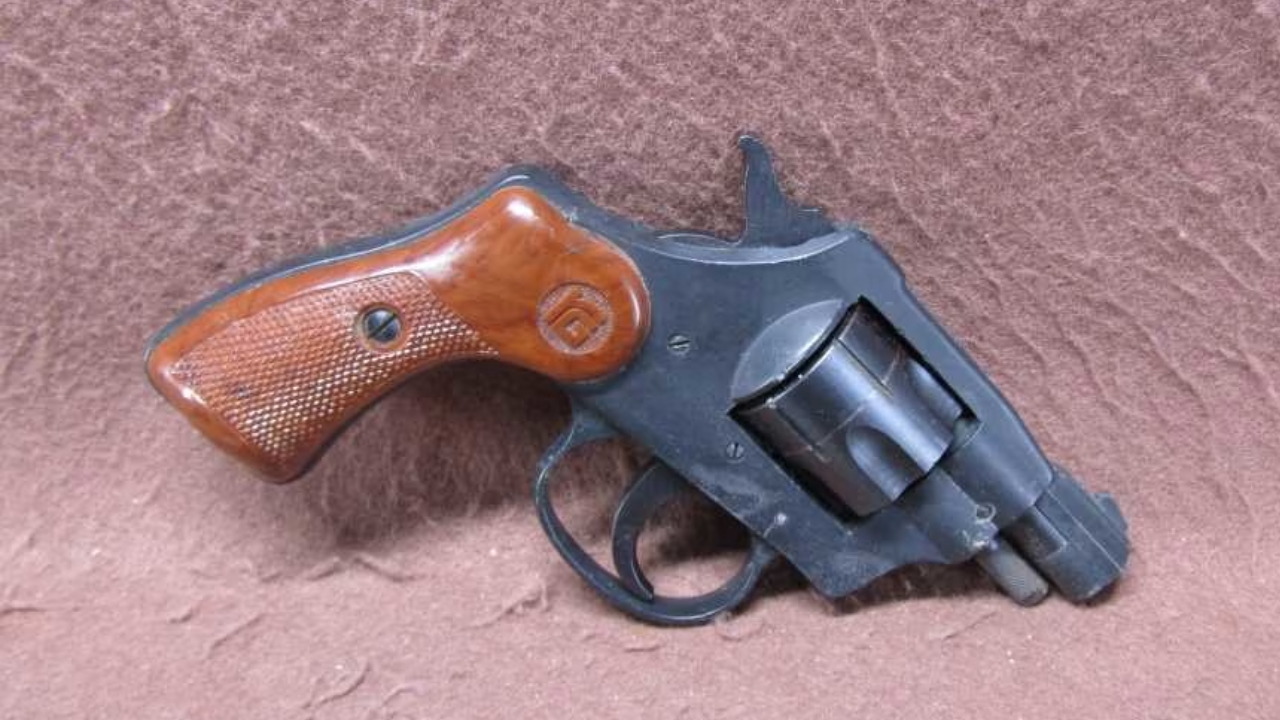
Yes, they’re revolvers—but cheap revolvers can be their own kind of problem. Many RG guns earned a reputation for poor timing, weak lockup, and questionable longevity. A revolver that goes out of time or binds up doesn’t give you the revolver reliability people expect.
A defensive revolver should have tight lockup, consistent ignition, and durable internal parts. If the gun is built to be disposable, it has no business in a role where you might need it to work after sitting loaded for a year.
Like The Avid Outdoorsman’s content? Be sure to follow us.
Here’s more from us: