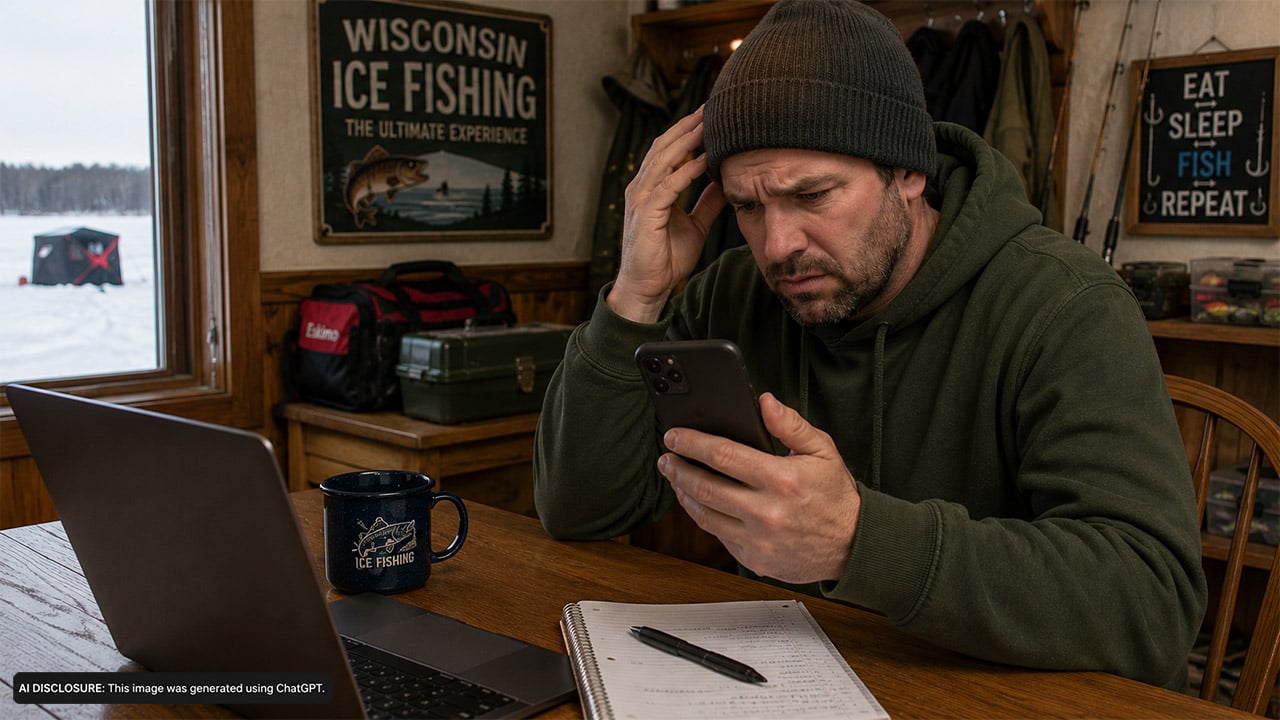
Photo credit: AI-generated image created using ChatGPT. Illustrative only
When you book a guided ice trip for a kid’s birthday, you’re not just buying time on the ice. You’re buying the plan: the meet-up spot, the gear, the coaching, and that early-morning excitement that makes winter fishing feel like a holiday.
One Wisconsin man says that plan fell apart after he paid a $100 deposit to a popular YouTuber who runs guided trips in the Milwaukee area. In the original post, he laid out a timeline that started with high expectations and ended with a shortened, crowded outing—and a full bill anyway.
A birthday gift built around a “private” guided trip
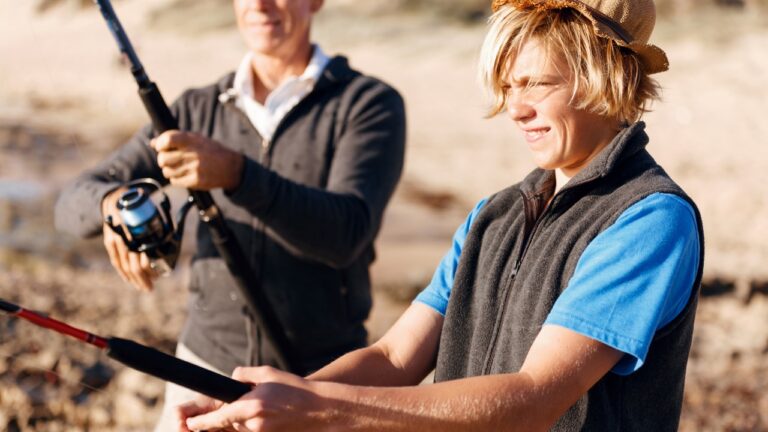
The man said he’s 46, lives in Wisconsin, and booked the trip as a birthday gift for his 17-year-old future stepson, who loves fishing and wanted to learn. He chose a guide with a strong online presence, including a website and a YouTube following, and booked what he believed was a private, six-hour guided ice-fishing trip.
To lock in the date, he said the guide requested a $100 deposit and preferred payment through Venmo or Apple Pay. The customer sent $100 via Venmo to a phone number and was told the exact meet-up details would come a few days before the trip.
Silence right up until the morning of the trip
As the date got close, the customer said he didn’t hear anything. A few days before the scheduled trip, he texted asking where to meet. He said the guide replied that he’d drop a pin in Apple Maps and to meet there at 6 a.m.
They showed up early, excited, and stood out in about 25-degree weather waiting for the guide. According to the post, nobody connected to the guide was there—just a few local fishermen—and repeated calls and texts went unanswered. If you’ve ever had a teenager actually excited to get up before daylight, you know how fast that energy can turn into frustration when the adult plan falls apart.
Wrong location, overbooking, and a guide who barely guided
Eventually, the customer said a woman—described as the guide’s wife—called from the guide’s phone. The customer’s first thought was that something serious happened. Instead, he was told the guide forgot his phone, and he was instructed to call the guide’s son.
When the customer called the son, he said he was told they were “all ready to go” and had been waiting—just not at the location the customer had pinned. The son provided a different meeting spot and another Apple Maps pin. The family drove to the new location, already feeling like they’d missed the prime early bite that makes ice fishing worth the alarm clock.
On arrival, the customer said the guide still wasn’t there, and the son was the one on the ice. He also said he didn’t believe the son was a licensed guide. The son reportedly told him the guide had gone back home to get his phone.
Then came another detail that would sour most folks: the son allegedly mentioned the guide had overbooked. The customer said there were three tents set up, and he questioned how a “private” trip turned into multiple groups stacked on top of each other.
The guide finally showed up around 9 a.m., according to the post. The customer said the guide claimed he’d be with them while his son would handle the others, but in reality the guide only spent about 20 minutes with their group. The trip ended around 12:30 p.m., which the customer described as roughly three hours of fishing, not the promised six, with only a few fishing poles and little instruction on what to do. They caught one small fish.
The money part: deposit, full payment, and no real receipt
None of that stopped the guide from demanding full payment, the customer said. The stated rate in the post was $700 for six hours plus tax. To avoid conflict, the customer paid $740 on the spot.
He also noted something that bugged him: he believed the total should have been $745.50, suggesting the sales tax math didn’t add up. He asked for a receipt and said he was told the Venmo payment counted as the receipt. He asked again.
At that point, the customer said he felt taken advantage of—and worried the guide would keep using online fame to keep selling trips that don’t match what’s advertised. He also said he found other reviews that sounded similar.
What an outdoorsman can do when a guide doesn’t deliver
The customer tossed out several options he was considering: reporting the situation to the Department of Natural Resources, going to small claims court, contacting the sheriff about fraud, and even contacting the Wisconsin Department of Revenue over the tax issue.
From a practical outdoorsman standpoint, there are a few things that matter here even before you talk about agencies. Documentation is everything. The customer said he had text messages, payment records, and even location tracking that would show where he was and when. That’s the kind of paper trail you want when the argument is, “Here’s what I paid for, here’s what I was told, and here’s what actually happened.”
The next piece is to get clear on what was promised. “Private,” “six hours,” “guided,” and “deposit” all mean something, but only if they’re spelled out in writing somewhere—on the website, in a confirmation message, or in the texts. If the offer was vague, it gives the service provider room to wiggle. If it was specific and the trip didn’t match, that’s where a consumer claim tends to have teeth.
Licensing questions are a separate track. In many places, guiding and outfitting comes with registration or licensing requirements, and there may be rules about supervision, safety equipment, and how services are marketed. The customer’s concern about the son running part of the trip—and whether that person was licensed—was one of the biggest red flags in the story.
The bigger lesson: book the guide like you’d vet a used boat
Guides can be worth their weight in gold, especially for ice season when safety and local knowledge matter. But a big social media presence doesn’t replace basic professionalism: clear meeting instructions, showing up on time, and delivering the trip that was sold.
If you’re booking a trip for a gift—especially for a kid—treat it like any other serious purchase. Ask what “private” means, get the duration in writing, ask who will actually be guiding, and understand the refund policy before you send a deposit. A deposit is normal. A trip that starts with silence, changes locations at the last second, and ends three hours early while still charging full price isn’t.
The Wisconsin man who posted about the trip ended with the question most folks would ask after a morning like that: do I have a case? Whatever the legal outcome, the on-the-ice reality is clear—when a guide doesn’t guide, the only thing that gets hooked is your wallet.
Like The Avid Outdoorsman’s content? Be sure to follow us.
Here’s more from us: