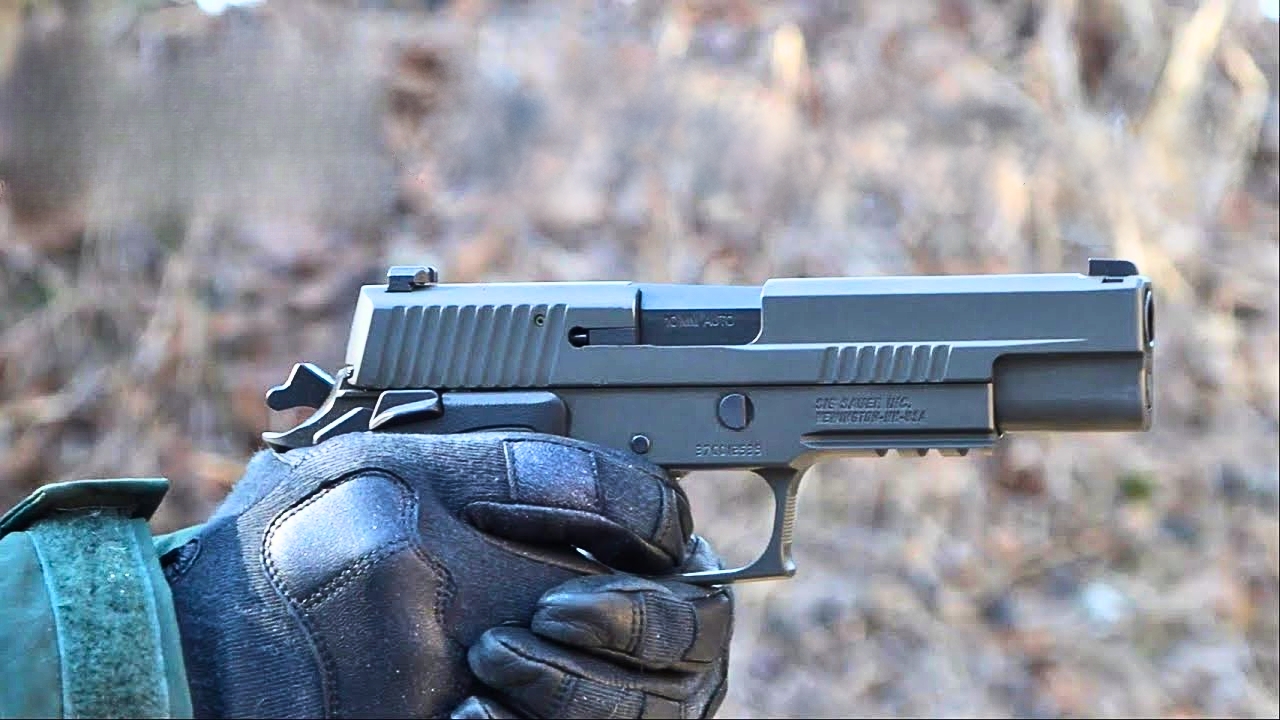
Photo credit: Justin Opinion/YouTube
Some handguns get called “old” the moment a new optic-ready, micro-compact wonder shows up. But serious work doesn’t care what’s new. It cares what runs when you’re tired, what you can shoot well under pressure, and what you can keep fed with parts, magazines, and ammo without turning your life into a scavenger hunt.
The pistols below didn’t stick around because of nostalgia. They stuck around because they earned trust the hard way—through training cycles, duty holsters, long classes, and thousands of repetitions that expose weak designs fast. You’ll still see these “older” guns getting carried, issued, and relied on because they deliver predictable performance and practical handling. If you’re picking a tool for real use, these are the kind of handguns that keep landing on the short list.
Glock 17 (Gen3/Gen4)

The Glock 17 is old by internet standards, yet it keeps showing up in serious roles because it’s predictable. The full-size frame is easy to shoot fast, the recoil impulse is manageable, and the gun tends to run across a wide range of ammo without becoming picky. When you’re training hard, consistency matters more than clever features.
It also wins on logistics. Magazines are everywhere, replacement parts are common, and most shooters can find holsters and support gear without effort. That matters when you’re setting up a duty or home-defense gun and you don’t want your entire plan depending on one hard-to-find component. The G17’s real strength is that it stays boring in the best way: it works, it’s easy to maintain, and it rewards clean fundamentals.
Glock 19 (Gen3/Gen4)

The Glock 19 has been a serious-use pistol for decades because it balances carry size and shootability better than most designs. You can conceal it easier than a full-size gun, yet it still gives you a grip and sight radius that don’t feel like a compromise when you start shooting at speed.
It also benefits from the same ecosystem as the Glock 17: magazines, parts, sights, and holsters are everywhere. That makes it practical for people who actually train, because wear items and replacements are easy to source. The G19 isn’t fancy, and it doesn’t need to be. When your standards are reliability, repeatable handling, and support gear that won’t leave you stranded, the Glock 19 keeps getting picked for serious carry and serious practice.
Glock 26 (Gen3/Gen4)

The Glock 26 looks “dated” next to modern micro-compacts, but it still earns a place because it runs like a real Glock in a smaller package. It’s thick for its size, yet that thickness helps it shoot more controllably than many ultra-thin pistols when you’re working fast strings.
The other reason it stays relevant is magazine compatibility. You can run larger Glock magazines as spares, which is practical for defensive use and training. The 26 also tends to be tolerant of different grips and imperfect technique compared to some smaller pistols that feel finicky when your hands aren’t perfect. If you want a small gun that behaves like a duty gun, the G26 still makes sense. It’s not a fashion piece, it’s a tool that keeps doing the job.
Beretta 92FS / M9

The Beretta 92FS is still chosen for serious work because it’s controllable and dependable when it’s maintained correctly. The weight and size help tame recoil, and the long sight radius makes it easier to shoot accurately at speed. You can run it hard without feeling like the gun is fighting you.
It also has a long record in military and law enforcement service, which means the design’s strengths and weak points are well understood. That matters when you want a pistol with known maintenance patterns and abundant support. The 92FS isn’t the easiest gun to conceal, and the slide-mounted controls aren’t everyone’s favorite, but it remains a very shootable, proven 9mm. If you value a soft-shooting metal gun that performs in long training days, the 92 still holds its ground.
SIG Sauer P226

The SIG P226 has been around long enough to prove itself in environments where pistols get used hard, not admired. It’s accurate, durable, and has a recoil feel that helps you track sights well during rapid fire. In a duty-size role, it gives you a steady platform that’s easy to run with good technique.
The DA/SA system also appeals to shooters who like a heavier first pull with a lighter follow-up pull once the gun is running. That takes training, but serious users tend to train anyway. The P226 has strong parts and support availability, and it holds up well when you put real round counts through it. If you want an “older” pistol that still feels like a professional tool, the P226 is one of the first names that comes up for a reason.
SIG Sauer P229

The SIG P229 is the more compact, carry-friendly sibling that still feels like a duty pistol when you shoot it. It’s heavy enough to stay stable, yet small enough to work for concealed carry with the right belt and holster. The gun’s balance and controllability make it a strong choice for people who run drills rather than talk about them.
Like the P226, it rewards familiarity with DA/SA. Once you’re comfortable with the first shot and the transition, the P229 can be extremely effective in practical shooting. It also has a long service history with agencies and plainclothes users, which says a lot about real-world confidence in the platform. If you want a compact metal gun that still gets trusted for serious use, the P229 remains a legitimate pick.
SIG Sauer P220

The P220 is “old” in the best sense: a classic .45 ACP that keeps getting carried by people who value reliability and shootability over trends. It’s known for accuracy and a smooth recoil feel for a .45, especially in the full-size configuration. For shooters who like the .45’s performance and want a proven platform, the P220 continues to deliver.
It also has a reputation for solid build quality and long-term durability. You’ll see them in nightstand roles, on the range in serious classes, and carried by people who’ve already tried the newer options and came back to what works for them. The P220 isn’t the lightest or smallest, and it won’t win the capacity race, but it can be a very dependable tool when you want a traditional .45 that runs with quality magazines and proper maintenance.
HK USP Compact
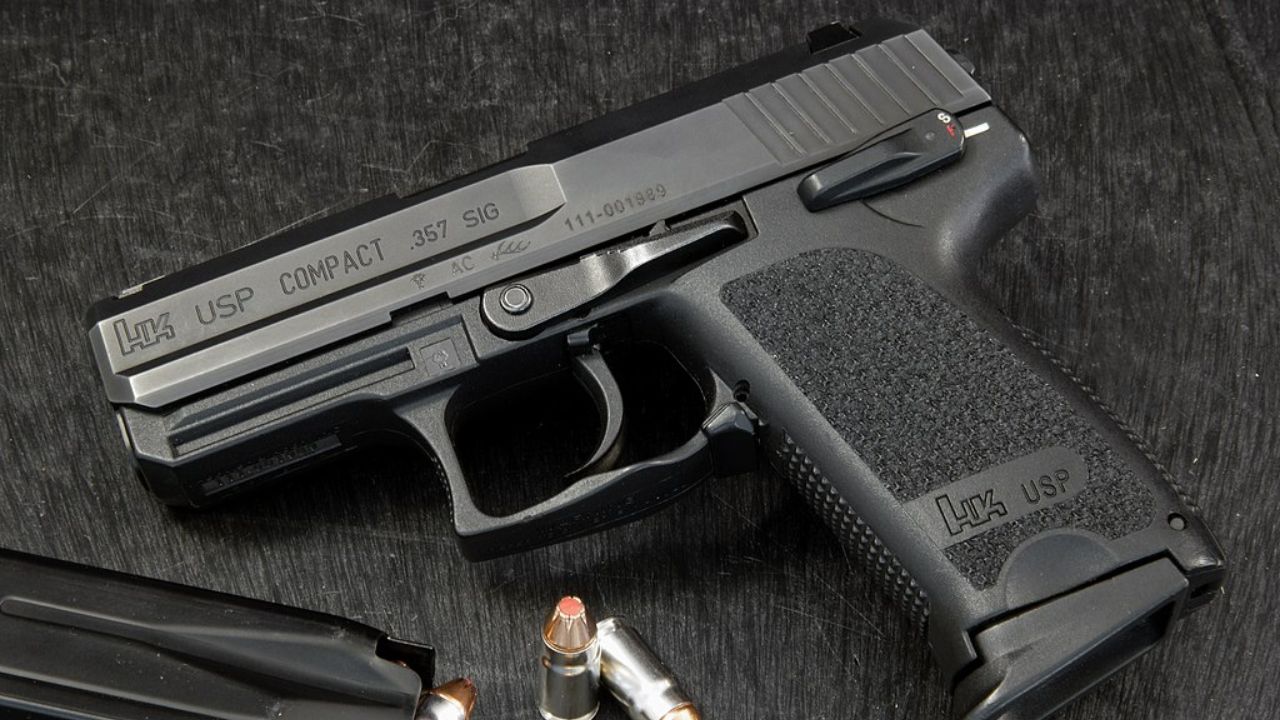
The HK USP Compact still gets selected for serious work because it’s built to handle abuse and keep going. The design has a reputation for durability, and the recoil system helps it stay controllable even when you’re shooting faster strings. It’s not the thinnest carry gun, but it carries well enough for many people with the right setup.
The USP Compact also gives you flexibility in trigger variants, which matters to shooters who want DA/SA, LEM-style, or other configurations depending on their preferences and training. HK’s controls can feel different if you’re used to striker pistols, but once you adapt, the gun runs smoothly and predictably. If you want an older compact that still feels like it was built for professional use, the USP Compact remains one of the tougher options in its class.
CZ 75B
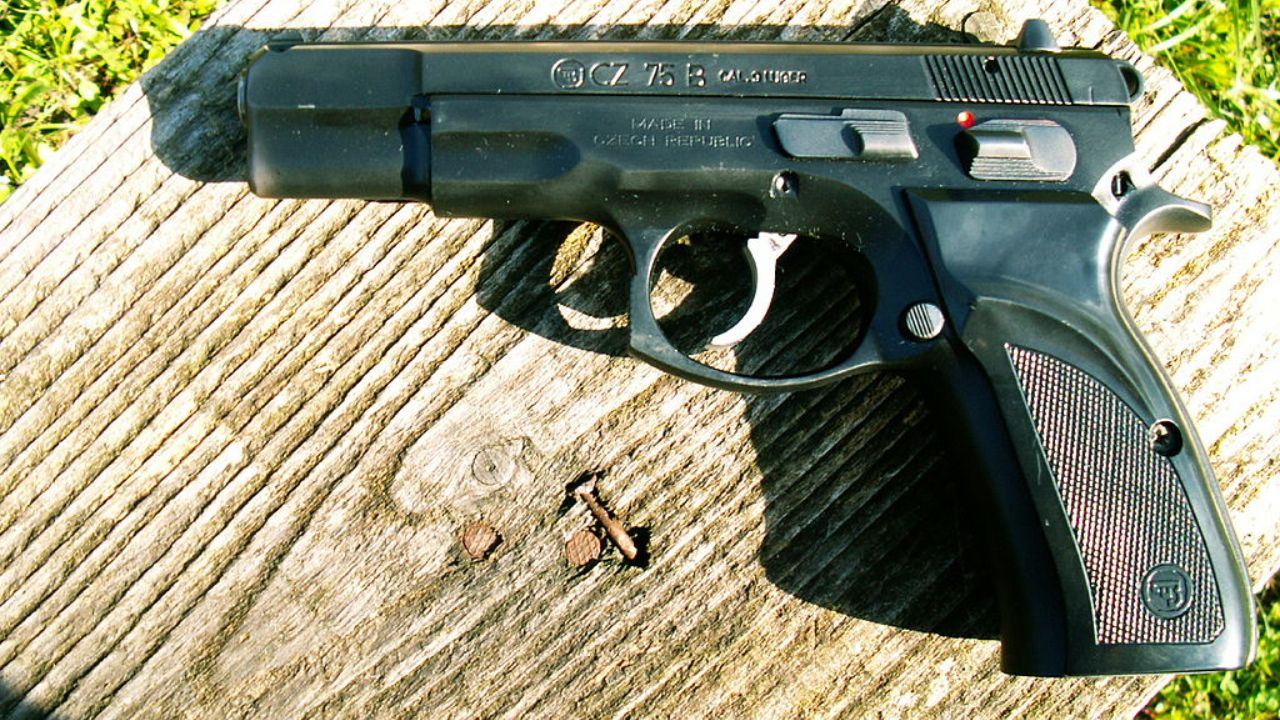
The CZ 75B is still chosen because it’s easy to shoot well. The all-steel weight, low bore axis feel, and natural pointing characteristics make it a pistol that tends to flatter good fundamentals. It soaks up recoil and tracks smoothly, which is exactly what you want when you’re shooting for speed and accuracy.
It’s also a platform with a deep history and a lot of practical support: magazines, holsters, and parts are not hard to find. Many shooters stick with the CZ 75B because it’s consistent and durable, not because it’s trendy. It isn’t an optics-first design and it isn’t tiny, but it was never meant to be. If you want an “older” handgun that still performs like a serious training and defensive pistol, the CZ 75B continues to earn respect where it counts—on the range and on the belt.
Browning Hi-Power
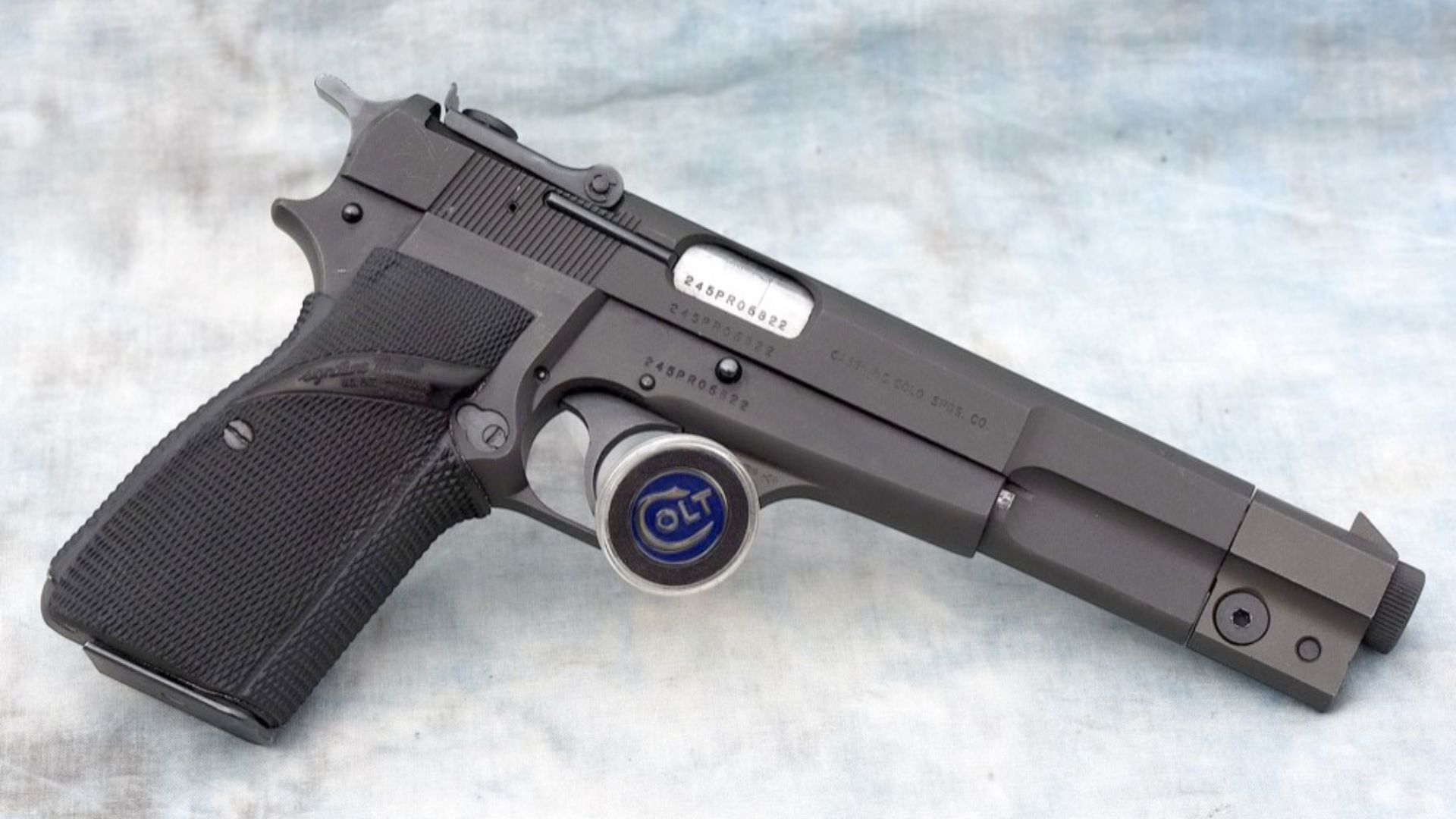
The Browning Hi-Power still gets carried and used seriously because it’s a slim, shootable 9mm with a grip that feels right to a lot of hands. It points naturally, balances well, and gives you a classic single-action trigger feel that can be very effective when you’re disciplined with training and handling.
The platform also has a long track record with military and law enforcement users around the world, and that history isn’t accidental. The tradeoffs are real: older designs may need attention to springs, magazines, and small parts, and many shooters prefer modern safety and sight setups. Still, when properly maintained and fed good magazines, a Hi-Power can remain a very capable defensive pistol. It’s “old,” sure, but it’s not outdated if you understand the platform and keep it running.
Colt Government Model 1911

A quality Colt Government Model 1911 still shows up in serious use because the platform shoots well and carries flatter than many double-stack pistols. The trigger can be excellent, and a well-fit 1911 rewards disciplined shooting with accuracy that’s hard to ignore. For some shooters, that precision and control are worth the tradeoffs.
Those tradeoffs are part of the honest conversation: magazines matter, maintenance matters, and the gun demands more attention than many modern striker pistols. Serious users who carry a 1911 tend to be the same people who actually keep track of springs, test their magazines, and practice with intent. The 1911 isn’t a casual choice. It’s a committed choice. When you commit, it can still be a very capable tool for defensive carry and hard training, even in a world full of newer designs.
Smith & Wesson Model 686

The S&W 686 remains a serious pick because a good revolver can still solve problems with a level of mechanical confidence that’s hard to fake. The 686 is strong, shoots accurately, and handles full-power .357 Magnum loads while still giving you the option to train with softer .38 Special. That flexibility is useful for real shooters.
In practical terms, the 686 shines in roles like home defense, training, and field carry where reliability and controllability matter more than concealment. Reload speed is the obvious limitation, so the users who choose it tend to practice with speedloaders and focus on clean, accurate shooting. The 686 also holds up well over time with routine maintenance. If you want an older handgun that still gets trusted when stakes are real, a 686 with good sights and a good grip setup remains a legitimate choice.
Smith & Wesson Model 19

The S&W Model 19 is a classic K-frame .357 that still gets picked by serious shooters who understand what it is. It carries well, points naturally, and has a trigger feel that makes accurate shooting easier than many modern guns. With .38 Special or sensible .357 loads, it’s a practical defensive revolver that’s easy to live with.
The key is using it intelligently. The Model 19 isn’t the same as a heavy-duty L-frame meant for a steady diet of the hottest magnums. Serious users tend to practice with .38s and carry appropriate defensive ammo that balances performance and wear. In that role, the Model 19 stays relevant because it’s quick-handling, accurate, and proven. If you want a revolver that still feels like a fighting tool without being oversized, the Model 19 continues to earn its reputation.
Ruger GP100

The Ruger GP100 is still trusted for serious use because it’s built like it expects hard shooting. It’s strong, durable, and capable of handling .357 Magnum without feeling fragile. That strength makes it a solid choice for home defense, woods carry, and training, especially if you want a revolver that won’t complain about real round counts.
It also shoots well. The weight helps with recoil control, and the gun’s balance can make follow-up shots more manageable than many lighter revolvers. The trigger can be improved with use and proper tuning, but even out of the box, it’s a workable system that rewards time behind it. The GP100’s appeal is straightforward: it keeps running, it holds up, and it delivers predictable performance. For shooters who still value a revolver as a serious tool, the GP100 remains one of the smartest “old” options available.
Ruger SP101

The Ruger SP101 is a small revolver that still gets chosen because it’s tougher than many guns in its size class. It’s built to handle real use, and it doesn’t feel fragile in the way some lightweight snubs can. If you want a compact revolver that can handle practice and carry without constant worry, the SP101 makes sense.
It’s also a practical option for people who want .357 Magnum capability in a smaller package, even if many shooters carry it with .38 +P for control. The tradeoff is weight for size, but that weight helps manage recoil and makes the gun more shootable than featherweight revolvers. For serious carry, the SP101 is the kind of “old” gun that keeps getting picked because it’s dependable and it holds up to being used, not admired.
Smith & Wesson Model 642

The S&W 642 keeps getting carried because it fits real life. It disappears in pockets, rides comfortably on the belt, and it’s always there when bigger pistols get left behind. For serious work, a gun you actually carry beats a better gun you don’t. The 642 lives in that reality.
It’s also a straightforward defensive tool when you train with it. The double-action trigger demands honest practice, and that’s a good thing. You learn to press cleanly and manage recoil without relying on a light trigger to bail you out. The limitations are obvious: low capacity and slower reloads. Serious users accept that and carry a speed strip or speedloader, or they treat the 642 as a deep-concealment option paired with a larger gun when possible. It’s old, it’s proven, and it still works.
Walther P99

The Walther P99 is an older polymer pistol that still earns respect because it was ahead of its time in ergonomics and practical handling. The grip fits a lot of hands, the gun points naturally, and the overall shooting feel is controlled and predictable. People who know the platform often keep it because it performs, not because it’s collectible.
Depending on the variant, the trigger system offers options that some serious users still prefer, especially those who like a more deliberate first shot and a clean follow-up. The P99 also has a reputation for reliability when maintained properly, and it holds up well under real range use. It doesn’t dominate the current market conversation, and that’s part of what makes it feel “old.” On the range, it doesn’t feel old at all. It feels like a pistol that was designed by people who cared about shooting.
CZ 75 SP-01
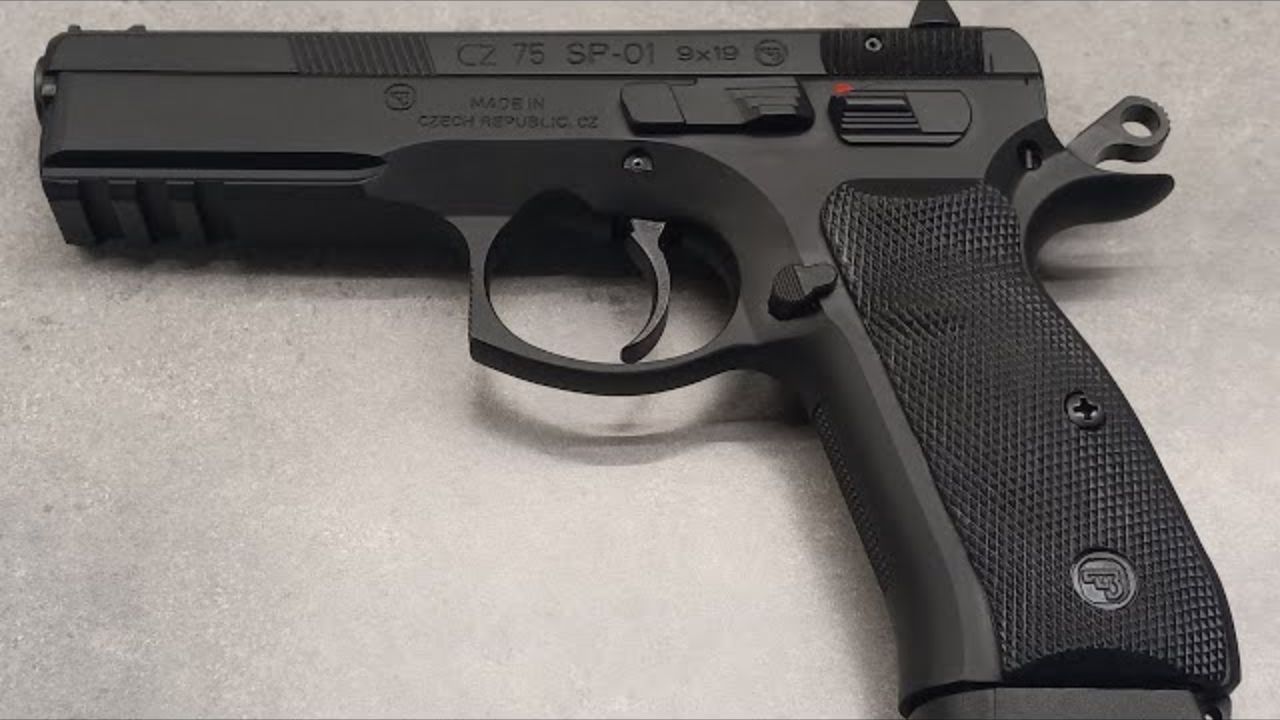
The CZ 75 SP-01 is “old” in design lineage, yet it still shows up in serious roles because it shoots extremely well. The weight, full-length dust cover, and grip geometry make it stable during fast shooting. If you want a pistol that helps you keep sights steady and hits consistent, the SP-01 delivers.
It also works for people who train. The gun holds up to high round counts, and it has a well-established support network for magazines, holsters, and parts. The DA/SA system rewards practice, and shooters who put in that work often become very confident with it. The SP-01 may not be the newest thing, but it remains a practical choice for defensive use, range training, and even duty roles where a full-size metal gun still makes sense. It’s the kind of pistol that keeps earning its spot every time you shoot it.
Smith & Wesson M&P9 (1.0)

The original M&P9 doesn’t get talked about much now that newer generations and optics-ready models dominate the shelves, but the early guns still see serious use. The ergonomics fit a lot of hands, recoil is manageable, and the pistol tends to run reliably with quality magazines and normal maintenance. Many shooters learned defensive pistol skills on the M&P platform and never felt the need to move on.
The 1.0 trigger feel was a common complaint, yet plenty of serious users ran them well anyway because the gun handled naturally and stayed consistent. With a good sight setup and proven defensive ammo, the M&P9 1.0 remains a practical carry or home-defense pistol. It’s also easy to support with parts and gear. “Old” doesn’t mean obsolete, and the early M&Ps are a good example of a pistol that still does real work when you do yours.
Like The Avid Outdoorsman’s content? Subscribe to our newsletter so you never miss an article.
Here’s more from us: