Photo credit: Lucky Gunner Ammo/YouTube
There’s a difference between a pistol that looks good at the counter and one that holds up in a soaking-wet blind or after tumbling around in the bottom of your pack. Deer camp doesn’t wait for dry days. You’ve got mist in the morning, fog on the hill, and sometimes three days of sideways rain. And in the middle of all that, you still want a sidearm that doesn’t care about the weather. Some pistols thrive in that muck. Others? They seize up, rust fast, or misbehave as soon as water hits the works. These are the ones that tend to fall apart when things turn damp.
Kimber Micro 9
The Kimber Micro 9 has great curb appeal and carries well, but it’s not built for abuse. Its tight tolerances and polished internals don’t mesh well with mud, moisture, or fine debris. Even a little bit of water can gum things up, and rust loves to form around the grip screws and slide serrations. The external extractor can be sensitive to fouling, and that slick slide doesn’t offer much grip with wet hands. It’s a range-day pistol, not one you drop in a damp hunting coat and trust to run after three days of drizzle.
Taurus PT22

The PT22 is a fun little rimfire, but it’s not something you’d want to count on in bad weather. It’s sensitive to ammunition even on a clean day, and a wet environment only makes things worse. The tip-up barrel design means you’ve got more exposed moving parts to catch water or grit. Once things get damp, failures to extract or fire become common. It’s also a blowback design with minimal sealing, so if water or grime makes its way into the chamber, it can quickly turn into a single-shot. If you bring it to deer camp, keep it dry—or expect to be clearing jams.
Remington R51
The Remington R51 came back with promise, but it didn’t take long for the flaws to surface. The design is unconventional and the tolerances are finicky, especially under field conditions. When it’s clean and dry, it might get through a mag or two. Add moisture, and it starts to show its weak points. It’s prone to failures to feed and extract when fouled, and the disassembly process isn’t something you want to deal with in a wet tent with cold fingers. If the skies open up, this pistol is more likely to be a burden than a backup.
Colt Mustang Pocketlite

This small-frame .380 looks like it could ride in your vest pocket for years, but wet conditions tell a different story. The Mustang Pocketlite is known for corrosion around the grip frame and slide if not cleaned quickly. It also has a finicky recoil system that doesn’t play well with grime or moisture. If you’re sweating through your base layers or caught in a cold drizzle, this pistol can be hard to manage. The safety is small and slick, and the short sight radius makes it hard to run confidently if you’re dealing with fogged glasses and wet hands.
KelTec P32
Lightweight and easy to carry, the KelTec P32 seems like a perfect companion for camp—until you factor in weather. This pistol doesn’t like being dirty, and even moderate exposure to moisture can lead to surface rust or internal issues. The polymer frame holds up, but the steel components—especially the slide—can corrode if not oiled often. Its blowback action also makes it less forgiving if water gets into the chamber or firing pin channel. It’ll fit anywhere, but after a few wet days in your cargo pocket, don’t be surprised if it stutters at the worst time.
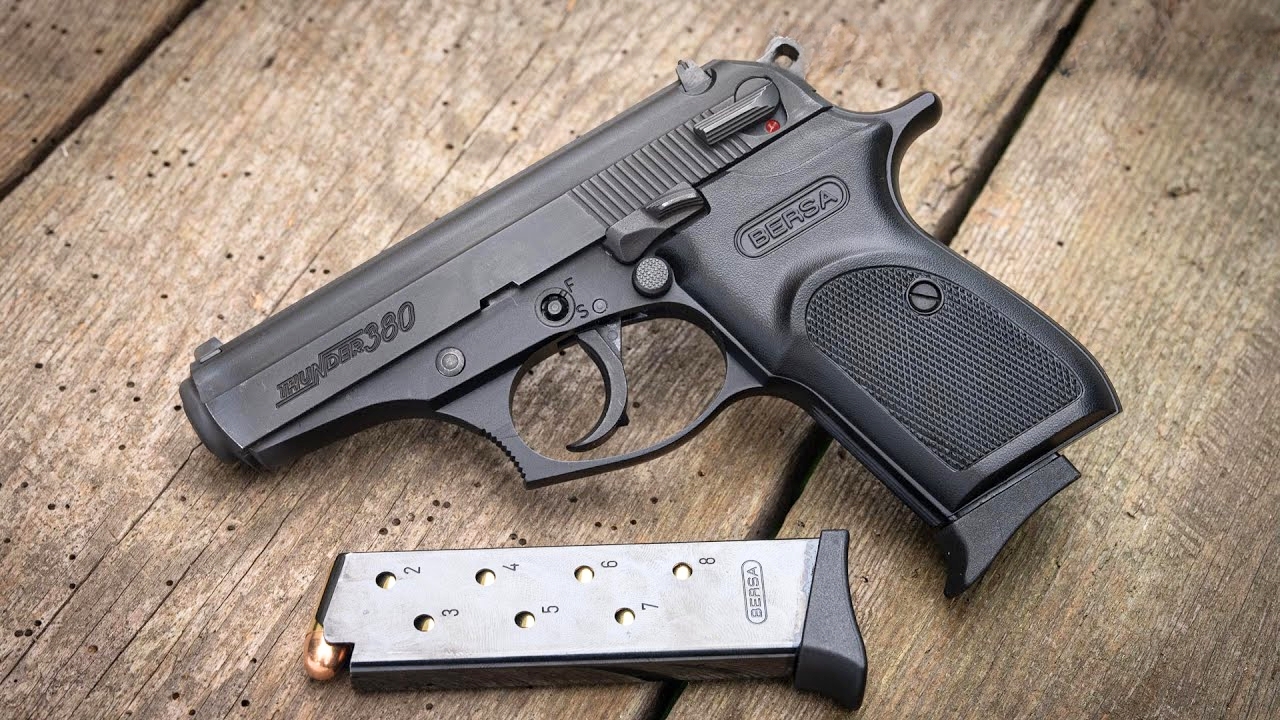
Bersa Thunder 380

The Bersa Thunder 380 gets points for ergonomics, but it’s not made for rugged conditions. Its open-slide design lets in more moisture than you’d like, and once water mixes with unburned powder or carbon, it doesn’t take long to create cycling issues. The double-action trigger is usable but gets gritty fast when fouled. Surface rust shows up quick on the controls if you’re not diligent with oil, and it doesn’t handle mud or sand well at all. As a camp gun, it’ll ride along, but you better keep it clean and covered if you expect it to run wet.
Rock Island M206
A steel-framed .38 revolver seems like it should thrive in the rain—but the M206 often doesn’t. The finish is basic and rust-prone, and the tolerances inside the cylinder and crane can start dragging if grit or moisture gets in. It’s a throwback-style gun, and the exposed parts don’t seal up like modern duty revolvers. The trigger gets rough when fouled, and light primer strikes aren’t uncommon after exposure. It’ll work in dry weather as a truck gun or budget backup, but once the tent gets soaked and your gear’s wet through, this one can become more hassle than help.
Like The Avid Outdoorsman’s content? Be sure to follow us.
Here’s more from us:
The worst deer rifles money can buy
Sidearms That Belong in the Safe — Not Your Belt
*This article was developed with AI-powered tools and has been carefully reviewed by our editors.