Photo credit: Mircea Costina/Shutterstock.com
Most wounded animals are not the caliber’s fault alone. Bad shot placement, poor bullets, rushed shooting, and hunters stretching distance all do more damage than any cartridge name on a box. Still, some calibers get pushed into jobs where they leave very little room for error.
That is where trouble starts. A cartridge may work perfectly inside its lane, then become a poor choice when hunters use it on bigger game, harder angles, longer shots, or with bullets built for the wrong purpose. These are the calibers that can wound more game than they cleanly drop when hunters trust them too much.
.223 Remington

The .223 Remington is excellent for varmints, predators, and target shooting, but it becomes risky when hunters try to turn it into a general deer cartridge. With the right controlled-expansion bullet and careful shot placement, it can kill deer where legal. That does not mean it gives much forgiveness.
The problem is that many hunters use light varmint bullets or cheap soft points and expect them to behave like big-game loads. On a perfect broadside rib shot, the result may look fine. Hit shoulder, take a quartering angle, or stretch the distance, and the .223 can leave a poor blood trail and a long recovery.
.22-250 Remington
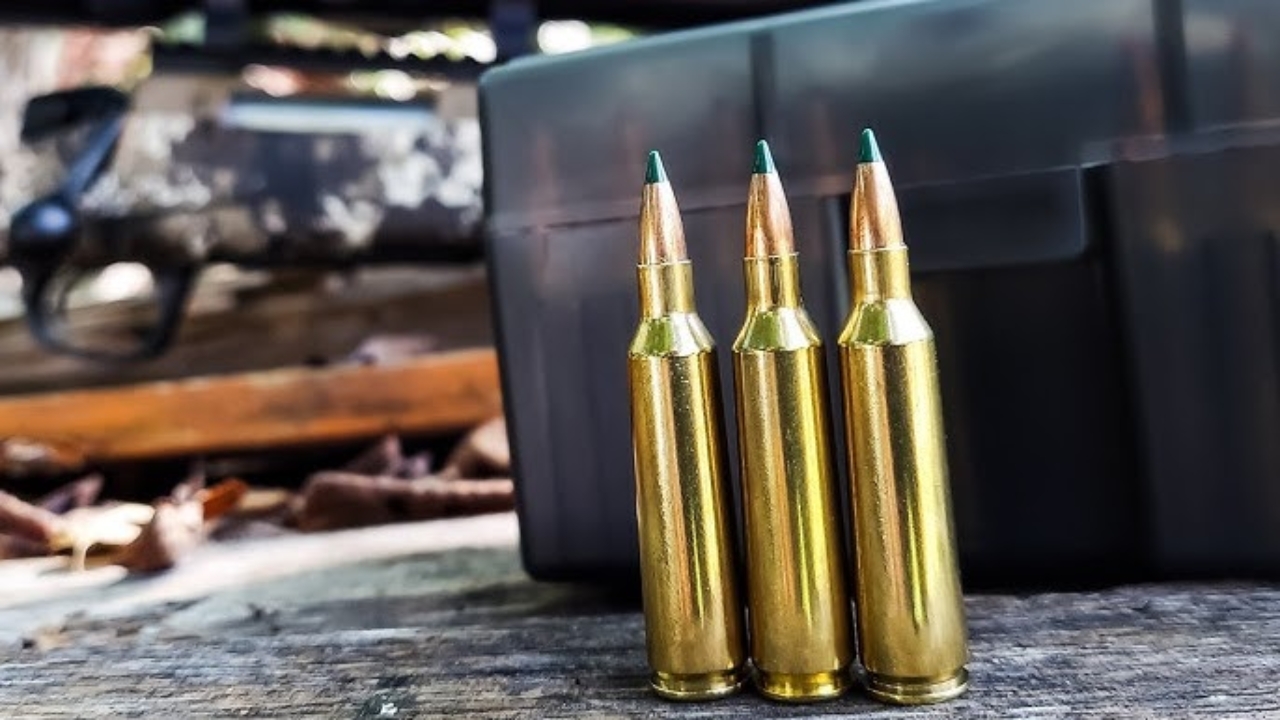
The .22-250 Remington is one of the best coyote and varmint rounds ever made. It shoots flat, hits fast, and makes small targets easier at distance. That same speed is what tempts some hunters into using it on deer and antelope.
It can work with the right bullet, but it is not a forgiving big-game round. Thin-jacketed varmint bullets can come apart too quickly, and even proper bullets do not give the same margin as larger deer cartridges. Hunters who treat the .22-250 like a flat-shooting deer rifle often learn that speed is not the same as penetration.
.220 Swift

The .220 Swift has always had a reputation for extreme speed. On varmints, that speed is exactly the point. On deer-sized game, it can become a liability if the hunter picks the wrong bullet or expects too much from a small projectile.
A skilled shooter using a proper load can make it work where legal, but that is not the same as calling it a safe recommendation. The Swift encourages confidence at distance, and distance makes tiny bullet mistakes worse. For big game, it is a cartridge that gives hunters less cushion than they think.
.204 Ruger

The .204 Ruger is a fantastic small-varmint cartridge. It is fast, mild, and accurate, which makes it easy to shoot well. But those strengths do not make it suitable for deer, hogs, or anything that needs deep penetration.
Any hunter trying to use the .204 on game larger than coyotes is asking too much from it. The bullet diameter and weight simply do not offer enough margin. It belongs on prairie dogs, foxes, bobcats, and coyotes, not in a deer stand where a wounded animal may run into thick cover.
.17 Hornet

The .17 Hornet is efficient and fun, but it is a small-game and varmint cartridge. It is not a deer cartridge, and it is not a backup plan for bigger animals just because it is centerfire. The bullets are tiny, light, and designed for small targets.
This is one of those rounds that can create bad judgment because it is accurate and pleasant to shoot. Accuracy is important, but it does not replace bullet weight or penetration. On anything larger than its intended game, the .17 Hornet is more likely to wound than cleanly anchor.
.22 Hornet

The .22 Hornet has old-school charm and real usefulness around farms, trap lines, and small-game country. It is quieter and milder than larger .22 centerfires, which makes it handy for foxes, pests, and close-range varmints. That does not make it a deer round.
The Hornet simply does not have much extra power to spare. Even if someone can place shots well, the cartridge is working at the edge on anything bigger than small predators. When hunters ask it to do too much, they are relying on perfect placement and ideal conditions. That is a bad bargain in the field.
.243 Winchester

The .243 Winchester has killed plenty of deer cleanly, and it remains one of the better low-recoil choices for careful hunters. The problem is not the cartridge in its proper role. The problem is when it gets treated like it is enough for every deer, every angle, and every larger animal.
With light varmint bullets, the .243 can be a disaster on deer. Even with good hunting bullets, it does not give the same margin on big hogs, black bear, elk, or hard quartering shots as larger cartridges. It rewards patience and shot discipline. It punishes hunters who think low recoil means no limitations.
6mm Creedmoor
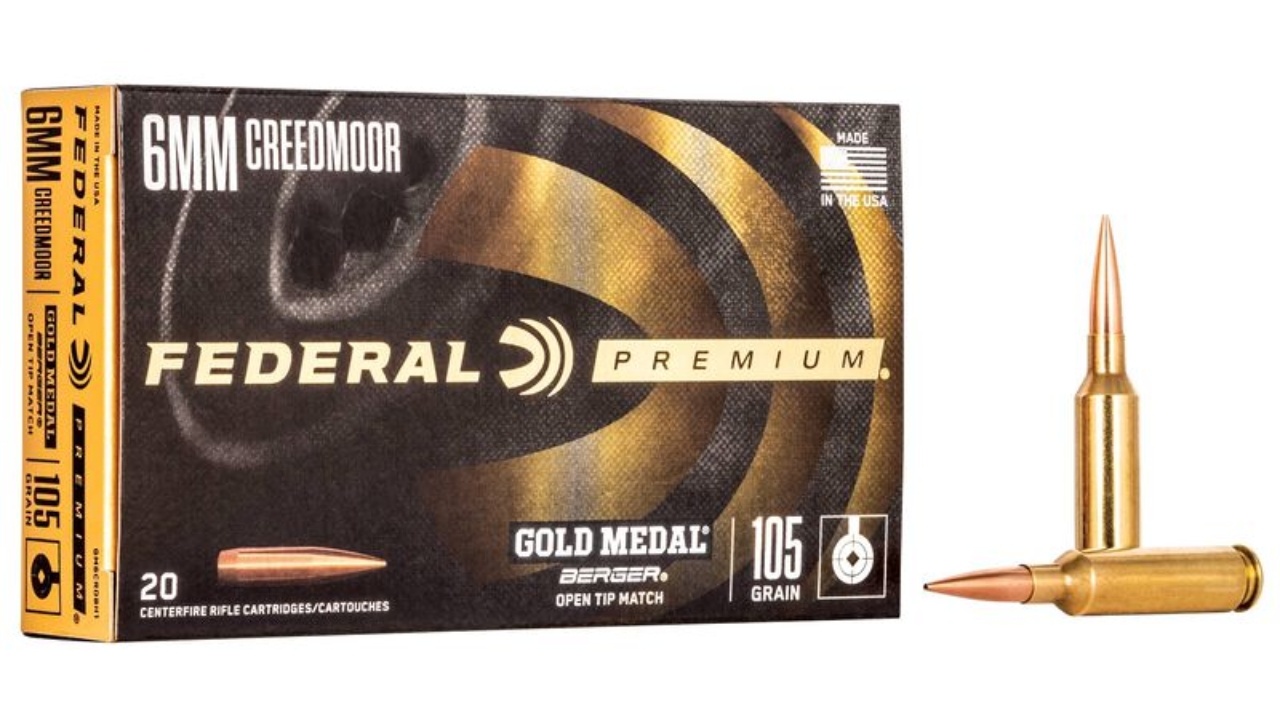
The 6mm Creedmoor is accurate, flat enough for a lot of hunting, and easy to shoot. Those qualities make it tempting for deer and antelope hunters. With the right bullet, it can absolutely work on medium game.
The risk comes when target-rifle confidence gets carried into the field. A 6mm bullet still has limits on heavy bone, steep angles, and larger animals. If a hunter uses match bullets or stretches the shot because the rifle rings steel well, wounded game becomes a real possibility. It needs hunting bullets and honest distance limits.
.240 Weatherby Magnum

The .240 Weatherby Magnum is fast and capable on deer-sized game, but it is still a small-bore cartridge. The Weatherby name and high velocity can make hunters feel like it has more authority than it really does. Speed helps trajectory. It does not automatically create deep, reliable penetration.
On antelope and smaller deer, it can shine. On big-bodied deer, hogs, or questionable angles, bullet selection becomes critical. If the hunter picks a fragile bullet or tries to use speed as a substitute for shot discipline, the .240 Weatherby can leave animals wounded instead of recovered.
.257 Roberts

The .257 Roberts is a classy, mild, effective deer cartridge when used correctly. It has a loyal following for good reason. But some hunters trust its reputation too broadly, especially with older mild factory loads or bullets not designed for tougher game.
The Roberts is best on deer and antelope with proper bullets and sensible range. It is not a cartridge to force into elk, big hogs, black bear, or poor-angle shots. When hunters respect it, it performs beautifully. When they treat it like a light-recoiling all-purpose big-game round, it can disappoint.
.25-06 Remington
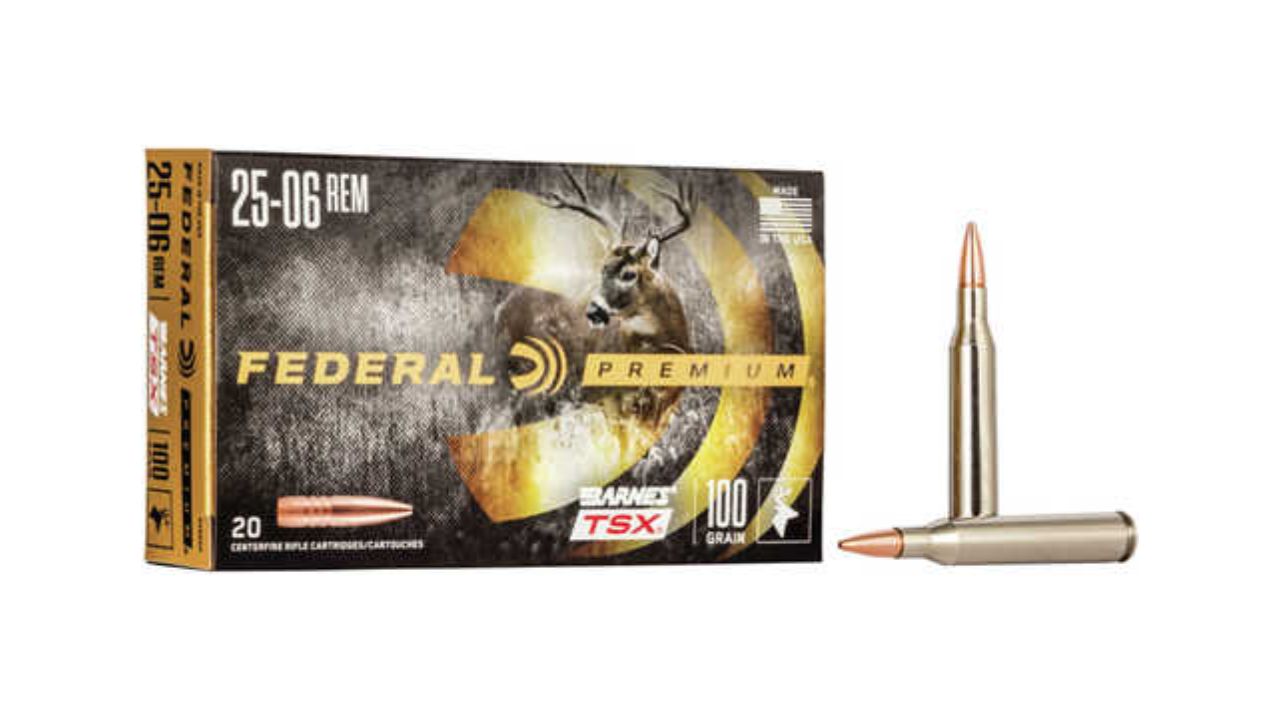
The .25-06 Remington is fast, flat, and deadly on deer and antelope. It can be one of the best open-country medium-game cartridges around. The trouble starts when hunters assume flat trajectory means it can do everything a larger cartridge can do.
With proper bullets, it is excellent on deer. With fragile bullets or poor angles, it can fail to penetrate the way hunters expect. It is also not the first choice for elk or big black bear. The .25-06 is not weak, but it works best when hunters remember it is still a quarter-bore cartridge.
.300 Blackout

The .300 Blackout has a useful role, but it is one of the easiest cartridges to misuse on game. Supersonic hunting loads can work on deer and hogs at close range. Subsonic loads, however, are a completely different story and often do not deliver the same terminal effect hunters imagine.
The problem is that the cartridge’s compact, suppressed appeal can distract from its limits. It drops fast, loses energy quickly, and depends heavily on bullet choice. Stretch it across a field or use the wrong load, and wounded deer or hogs become much more likely than clean kills.
7.62x39mm

The 7.62x39mm can kill deer and hogs at close range with proper soft-point or expanding ammunition. In a good rifle, inside reasonable distances, it is not ridiculous. The problem is that many hunters associate it with cheap bulk ammo and do not treat it like a serious hunting round.
Full metal jacket loads are a terrible hunting choice, and poor-quality soft points do not inspire much confidence either. The cartridge already has limited range compared with standard deer rounds. Bad ammo makes it worse. Used carefully, it can work. Used casually, it wounds.
.30 Carbine

The .30 Carbine is fun, historic, and handy in an M1 Carbine. That does not make it a dependable deer cartridge. It was not designed around modern big-game performance, and its power level leaves little margin compared with normal hunting rounds.
At close range with the right ammunition, it may kill small deer, but that is not a strong recommendation. The cartridge lacks the bullet weight, velocity, and penetration most hunters should want when an animal is on the line. It is one of those rounds people like emotionally more than they should trust practically.
.30-30 Winchester past its limits
The .30-30 Winchester is one of the great deer cartridges, but only when used honestly. Inside woods distances, with good bullets and good placement, it still works beautifully. The problem is when hunters stretch it too far because they remember how many deer it has taken.
A lever gun with basic sights and a traditional .30-30 load is not a long-range setup. Past sensible distances, drop and retained energy become real issues. The .30-30 does not wound because it is bad. It wounds when hunters pretend it is something it is not.
.32 Winchester Special
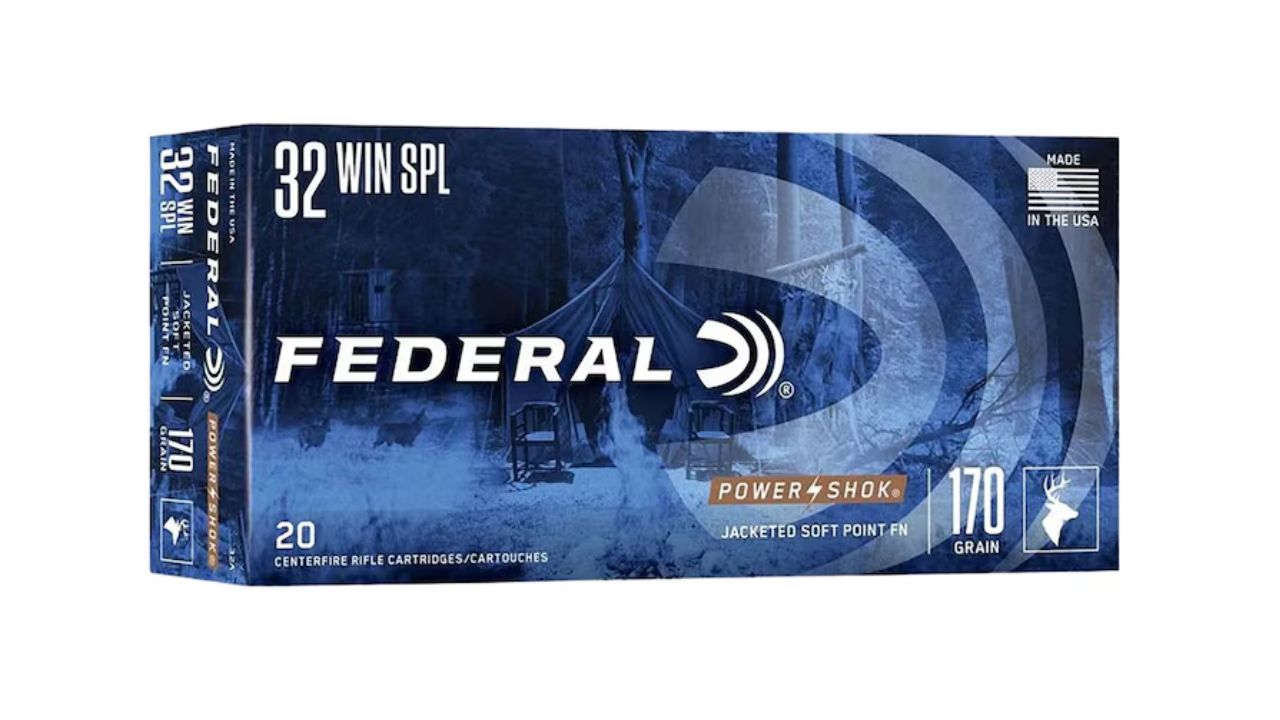
The .32 Winchester Special has taken plenty of deer, but it lives in the same general world as the .30-30 with less modern support. It works in close woods with the right load. It becomes a problem when hunters push old rifles, old ammo, and old assumptions too far.
Many rifles chambered for it have seen decades of use, and ammunition choices are limited compared with more common rounds. A hunter who knows the rifle and keeps shots close can do fine. A hunter who treats it like a modern all-around deer cartridge may end up tracking longer than expected.
.35 Remington past its range

The .35 Remington is a great woods cartridge. In thick cover, from a handy lever gun or older semi-auto, it can hit deer and black bear hard inside reasonable range. Its reputation in the timber is earned.
The letdown comes when hunters take it out of that timber role. It is not flat-shooting, and ammo availability can limit load choices. Push it too far across a field or use a rifle that has not been properly checked, and the old .35 can turn from a trusted hammer into a tracking problem.
.350 Legend at long range

The .350 Legend helped a lot of hunters in straight-wall states, especially those moving away from slug guns. It is mild, affordable, and effective on deer at practical ranges. That is its lane.
Trouble starts when hunters expect it to act like a bottleneck rifle cartridge. At stretched distances, drop increases, energy fades, and shot placement becomes more demanding. Inside its range, the .350 Legend can fill freezers. Outside its range, it can wound deer that a flatter-shooting cartridge would have handled more cleanly.
.450 Bushmaster in recoil-shy hands

The .450 Bushmaster hits hard and has real value in straight-wall deer states. It can anchor deer and hogs decisively at close to moderate ranges. But it also kicks more than many hunters expect, especially in light rifles.
That recoil can create bad shots. A hunter who flinches behind a .450 Bushmaster is more likely to wound game than a hunter who shoots a milder cartridge well. Power does not matter if the bullet goes where it should not. This cartridge works best for people who practice enough to control it.
.45-70 Government with mismatched loads

The .45-70 Government is one of the most load-sensitive hunting cartridges around. Light cowboy loads, traditional loads, hot modern loads, and heavy hard-cast loads can all behave very differently. That makes it powerful and flexible, but also easy to misunderstand.
Use too soft a load on heavy game, and penetration may disappoint. Use too heavy a load in a light rifle, and the shooter may flinch. Use the wrong bullet at the wrong distance, and the old .45-70 can fail to deliver the clean kill people expect from its reputation. It is excellent when matched correctly, but it is not foolproof.
Like The Avid Outdoorsman’s content? Subscribe to our newsletter so you never miss an article.
Here’s more from us: