Photo credit: Mt McCoy Auctions/GunBroker
A good pistol should run with whatever factory ammo you feed it, but not all of them do. Some handguns are picky to the point of being unreliable the moment you switch brands. One load might cycle perfectly, while another fails to eject, doesn’t go fully into battery, or gives you light primer strikes. It’s frustrating when a gun looks good on paper but ends up married to one specific box of ammunition.
Most of these pistols aren’t inherently flawed in design—they’re just tuned too tight, have unusual chamber dimensions, or depend heavily on one type of bullet profile. That means you don’t really know if it’ll run until you test it with multiple loads. Hunters, concealed carriers, and range shooters alike have discovered that some pistols simply don’t play nice with variety. Here are the handguns that often choke when you step outside their preferred ammo brand.
Kimber 1911s

Kimber 1911 pistols are well-finished and popular, but they have a reputation for being ammo-sensitive. Many owners report flawless function with certain factory ball ammo but frequent feeding issues when switching to hollow points or other brands. The tight tolerances Kimber is known for can make them less forgiving of slight variations in cartridge length or bullet shape.
Shooters often find they have to experiment with multiple brands before finding one the pistol will run reliably. Some stick to specific premium hollow points that feed smoothly, while others reserve their Kimber for range use with full metal jacket rounds. Break-in periods can also be longer than with other 1911s, which only adds to the frustration. While a properly tuned Kimber can be accurate and smooth, it’s one of those pistols where switching ammo brands can quickly reveal weaknesses in reliability. For shooters expecting versatility out of the box, Kimber often disappoints in this regard.
Springfield Armory 1911s
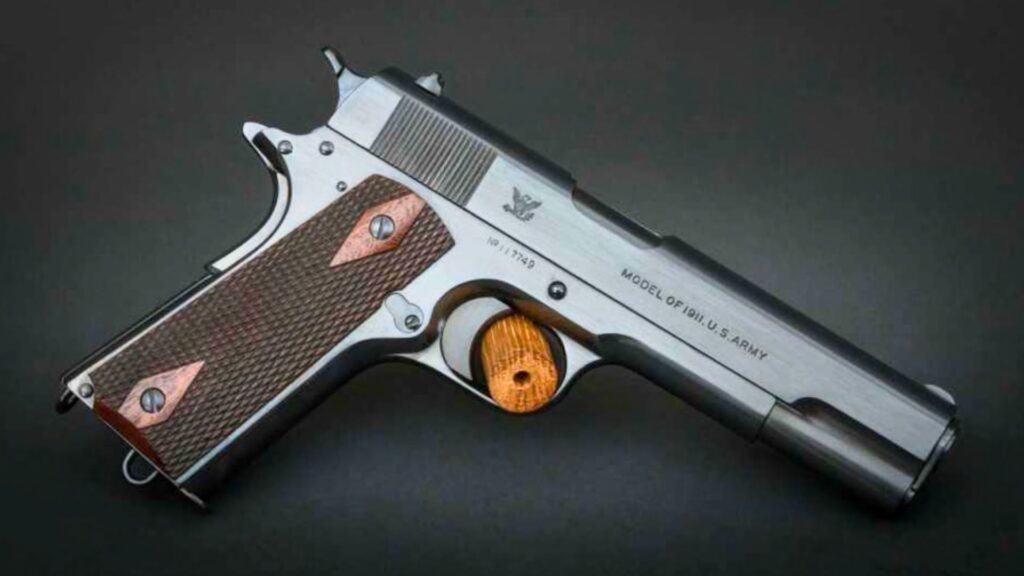
Springfield Armory 1911s share some of the same quirks as Kimber models when it comes to ammo selectivity. They tend to be reliable with standard ball ammo, but once you move to hollow points or different bullet profiles, feeding issues can arise. The design of the 1911 demands precise geometry in the feed ramp and magazine, and not all Springfield models handle variations equally well.
Hunters and concealed carriers often report that certain Springfield 1911s require extensive testing before finding a reliable defensive load. Some will run perfectly with one brand of 230-grain hollow points but choke on another with a slightly different ogive. For range use with FMJ ammo, they usually shine, but if you’re expecting a pistol that eats everything, you’ll likely be disappointed. While Springfield offers solid accuracy and value, their 1911s are known to be ammo-sensitive enough that switching brands can turn a smooth shooter into a problem child.
Sig Sauer P938
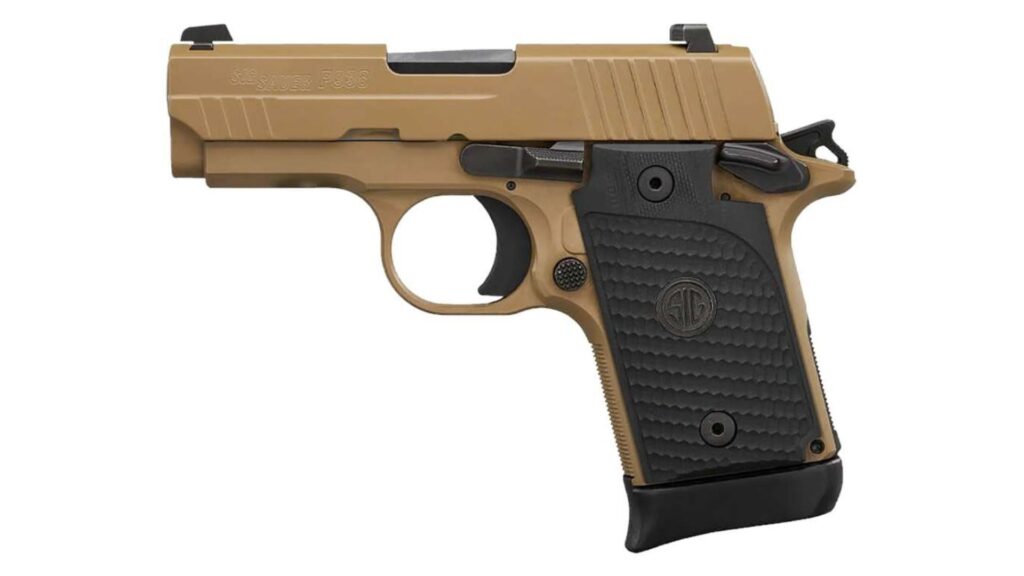
The Sig P938 is a compact 9mm designed for concealed carry, but its small size makes it sensitive to ammo changes. Many owners report flawless cycling with certain factory loads but frequent failures to feed or eject when switching brands. Lightweight pistols with short slides often rely on very specific pressure levels to function correctly, and the P938 is no exception.
Some shooters swear by running hotter defensive loads in this pistol, as weaker ammo often fails to cycle the slide completely. Others find that hollow point profiles can cause feeding problems unless they stick with a proven brand. For a carry pistol, that’s frustrating, because reliability should be non-negotiable. The P938 offers good concealability and shootability when paired with the right ammo, but it’s also one of the most brand-sensitive 9mms you’ll run into. Changing ammo can be the difference between flawless performance and constant malfunctions.
Walther P22

The Walther P22 is a popular .22 LR pistol, but like many rimfires, it’s notoriously picky with ammo. Some brands cycle flawlessly, while others cause failures to fire, stovepipes, or failures to eject. The issue comes from .22 LR ammo being inconsistent in quality and power, and the P22’s light slide doesn’t always have the margin to handle weaker loads.
Many shooters discover the P22 will only run well with hotter, higher-quality ammo like CCI Mini-Mags. Switch to cheaper bulk-pack brands, and malfunctions become common. While this isn’t unusual for rimfire pistols, the P22 seems more sensitive than most. Owners often keep a mental list of which loads their pistol will accept and avoid everything else. It’s a fun gun for plinking when you feed it what it likes, but it’s definitely one that chokes quickly when you change ammo brands. Reliability is very dependent on consistent, quality .22 LR.
Colt Defender

The Colt Defender is a compact 1911 designed for concealed carry, but its short slide and tight tolerances make it picky about ammunition. Many shooters report flawless performance with certain ball ammo but immediate feeding issues with hollow points or different brands. Short 1911s are inherently more sensitive to timing issues, and the Defender is no exception.
Changing ammo often alters how smoothly cartridges feed from the magazine into the chamber. Some hollow points hang up on the feed ramp, while lighter loads may not cycle the slide completely. Shooters who carry the Defender usually spend extra time finding the specific defensive round their pistol will tolerate. While the Defender is accurate and easy to conceal, its ammo sensitivity makes it a pistol that can’t be trusted to run every brand. If you own one, you know it’s happiest when fed the exact loads it prefers—and stubborn when it’s not.
Beretta Tomcat (.32 ACP)

The Beretta Tomcat is a small tip-up barrel pistol chambered in .32 ACP, and it’s well known for being picky about ammo. Some loads feed and fire reliably, while others cause constant jams. The small size of the pistol and the relatively weak recoil impulse of .32 ACP make it extremely dependent on ammo consistency.
Owners often report that hotter European-spec .32 ACP ammo tends to run better than lower-pressure American loads. Hollow points can also be problematic, with some brands feeding smoothly while others nose-dive into the feed ramp. The Tomcat is an appealing carry pistol for those who want a small, lightweight gun, but its ammo sensitivity is a recurring complaint. Many shooters end up testing multiple brands before finding one they can trust. Switch away from that preferred load, and the Tomcat quickly reveals how dependent it is on specific ammunition.
Kahr CW9

The Kahr CW9 is a slim, affordable 9mm pistol often chosen for concealed carry, but it has a reputation for being picky with ammo during break-in. Some shooters report flawless function after 200 rounds, while others see failures to feed or eject when switching brands. The tight fit of Kahr pistols makes them less tolerant of inconsistent ammo.
Owners often find that certain hollow points give the CW9 trouble, while ball ammo runs much better. The gun’s relatively stiff recoil spring also means underpowered loads don’t always cycle properly. Once broken in and matched with the right ammunition, the CW9 can be reliable, but it’s not a gun you can expect to run everything out of the box. If you change ammo brands without testing, malfunctions are likely. It’s a pistol that demands more attention to ammo selection than most, making it less forgiving for those who want plug-and-play reliability.
AMT Backup

The AMT Backup is a compact pistol chambered in calibers like .380 ACP and .45 ACP, but it’s one of the most ammo-sensitive pistols ever made. Its tiny design and rough machining make it choke frequently, especially when switching between ammo brands. Feeding issues, failures to eject, and even light primer strikes are all common.
Shooters often found that the Backup would run with one specific load but fail miserably with anything else. For a pistol marketed for self-defense, that’s a serious flaw. Many owners describe the Backup as a gun you can’t trust unless you’re willing to stockpile the exact ammo it likes. Switching to different brands often results in malfunctions on nearly every magazine. While it’s a piece of carry-gun history, it’s also one of the most notorious examples of a pistol that can’t handle variety. Reliability was always questionable, and ammo changes only made it worse.
Rock Island Armory 1911s

Rock Island Armory makes affordable 1911 pistols, but with that price point comes quirks—one of them being ammo sensitivity. Many owners report that their Rock Islands run well with 230-grain ball ammo but choke when fed hollow points or lighter loads. The feed ramps and chambers sometimes require polishing or tuning to handle a wider range of ammunition.
Because of this, shooters often stick to one or two brands that run reliably, avoiding experimentation. For a range gun, that can be fine, but for a defensive pistol, it’s limiting. Rock Islands have strong frames and decent accuracy, but they’re not the type of 1911 that eats everything. Switching ammo brands often reveals feeding issues that weren’t obvious before. For the price, they’re solid pistols, but they demand more care in ammo selection than higher-end 1911s. They’re a good reminder that not all pistols are tolerant of variety, and ammo changes can quickly highlight weaknesses.
Taurus PT709 Slim

The Taurus PT709 Slim was marketed as an affordable single-stack 9mm carry pistol, but many owners discovered it was highly ammo-sensitive. It often ran reliably with certain factory ball ammo but started choking when switched to hollow points or budget brands. Failures to feed and failures to eject were common complaints.
This sensitivity made it frustrating for those who wanted an inexpensive carry pistol they could trust. While some shooters reported trouble-free performance with specific loads, others found they couldn’t get through a box of mixed ammo without malfunctions. That inconsistency became the defining trait of the PT709. If you fed it what it liked, it could run fine, but switching brands often exposed its weaknesses. For a defensive pistol, that’s not ideal. Many shooters moved on to other options after learning the hard way that the PT709 wasn’t as versatile as it needed to be.
Remington R51

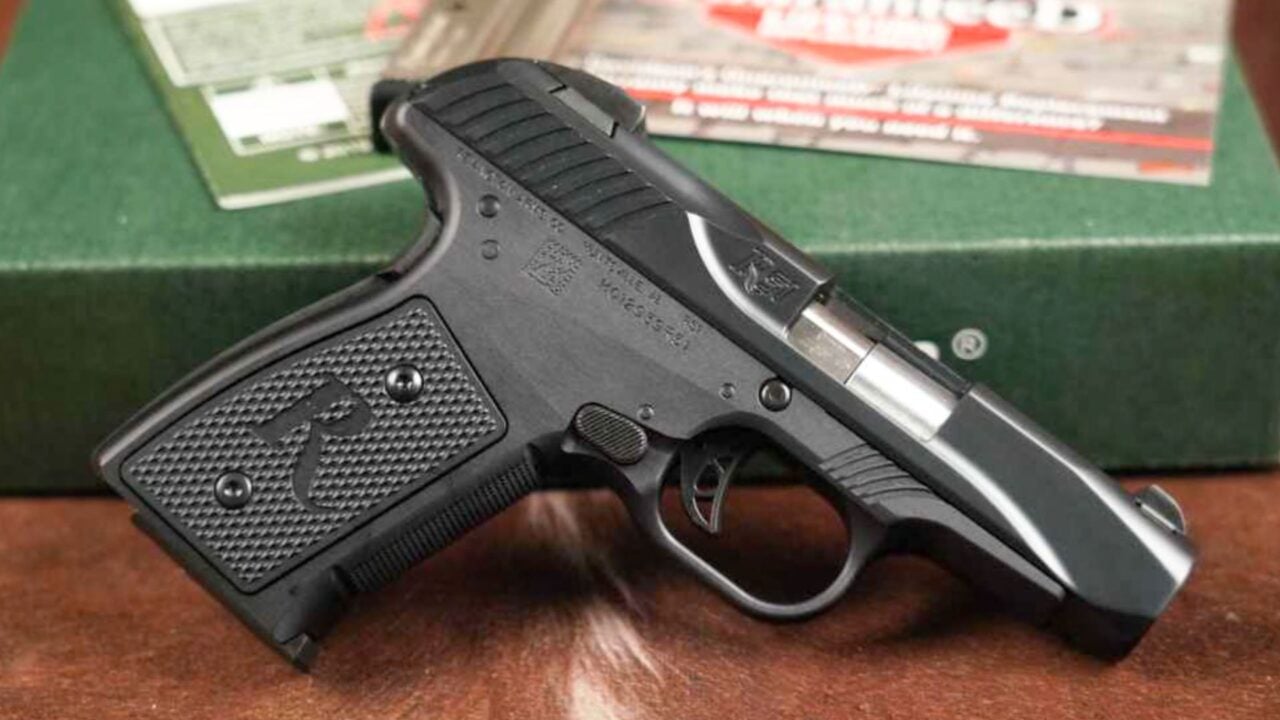
The Remington R51 reintroduction was infamous for reliability issues, many of them tied to ammo sensitivity. Some loads would run acceptably, while others caused constant malfunctions. Failures to feed, failures to eject, and out-of-battery stoppages were all reported. The unusual Pedersen action seemed to demand very specific ammunition to function properly.
Shooters who experimented with different brands often found only one or two that worked consistently. That made the R51 nearly useless as a general-purpose pistol. Changing ammo brands quickly exposed its flaws, as reliability dropped sharply outside its narrow preferences. Even after Remington attempted fixes, the pistol’s reputation was already damaged. Many owners gave up on it entirely, frustrated by how dependent it was on a single load. Among modern pistols, the R51 stands out as one of the clearest examples of a design that couldn’t handle variety. Switching ammo wasn’t just a risk—it was a guarantee of problems.
*This article was developed with AI-powered tools and has been carefully reviewed by our editors.