Photo credit: The Avid Outdoorsman
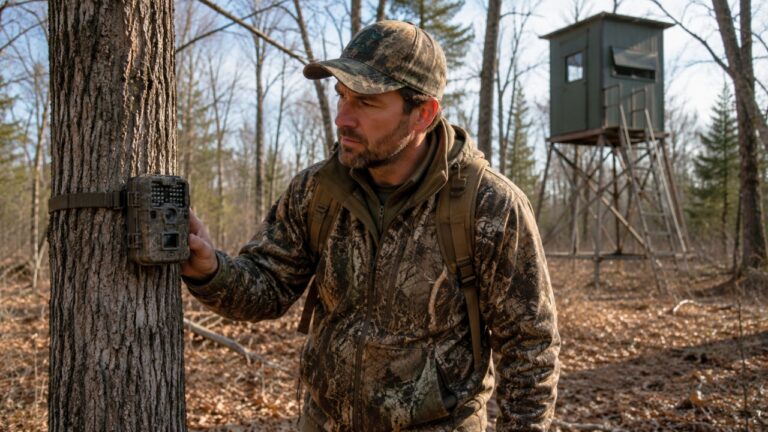
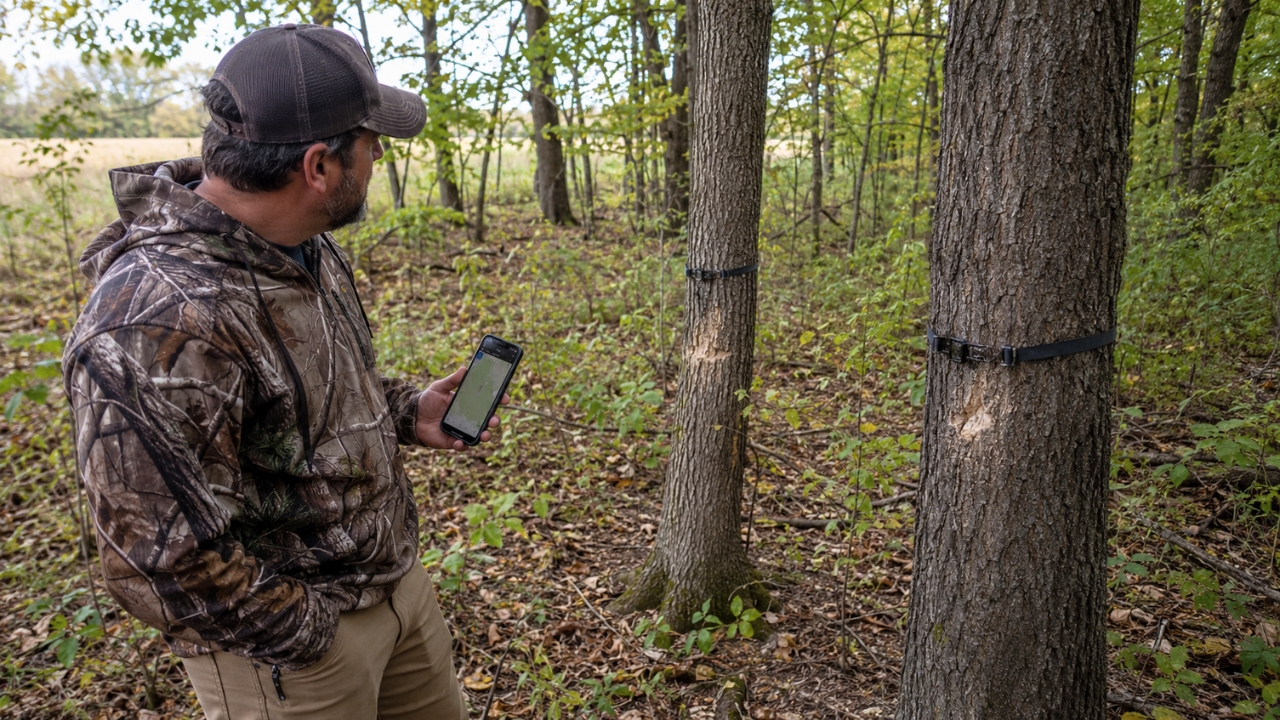
A hunter who had two trail cameras stolen from private land said he was tired of losing gear and wanted to know whether there was any real way to track a camera once someone walked off with it.
The hunter shared the problem in a post on r/Hunting titled “Trail camera Theft”. He said someone had stolen two Moultrie Mobile Edge trail cameras from private property. The loss was frustrating enough on its own, but he also wanted to figure out how to stop it from happening again.
His question was not simply about buying another lock box or cable. He asked whether there was a GPS tracking unit that could be installed in or around a trail camera so that if someone stole it, the owner could track where it went.
That question says a lot about how trail camera theft changes the way hunters think. At first, a camera is a scouting tool. It helps pattern deer, monitor activity, and watch a property when no one is there. But once thieves start showing up, the camera becomes something else too: bait, evidence, and sometimes the next thing to disappear.
The poster had already lost two cameras, so he was past the stage of hoping people would leave his gear alone. He was looking for a way to catch whoever was doing it or at least recover the cameras if it happened again.
That is a pretty common shift for landowners and hunters. One stolen camera makes you mad. Two stolen cameras make you start building a security plan.
The Cameras Were on Private Property
The private-land detail made the theft more irritating.
A camera stolen from public land is still theft, but many hunters accept that public-land gear comes with extra risk. More people are walking around. Other hunters may pass by. Hikers, mushroom hunters, shed hunters, and random wanderers may stumble across equipment. That does not make stealing acceptable, but it does increase the odds that someone will find it.
Private land is supposed to feel different. A hunter expects fewer strangers, more control, and a little more confidence that gear will still be there when he returns. When cameras disappear from private property, the problem becomes bigger than missing equipment.
It means someone was on the land who should not have been there.
That is the part that tends to bother hunters most. The cameras were the obvious loss, but the theft also raised questions. Who came in? How did they get there? Were they hunting, scouting, riding, cutting through, or checking to see what else they could take? Did they know the cameras were there because they had been watching the property?
Once those questions start, the whole place feels less secure.
A stolen trail camera is annoying. A trespasser bold enough to steal two of them is a property problem.
GPS Trackers Sound Good, But They’re Not Perfect
The poster wanted to know if GPS trackers could be hidden in or near a trail camera, and commenters had plenty to say about that idea.
Trackers sound like an obvious fix. Hide one in the camera housing, the lock box, or nearby gear, and if someone steals it, follow the signal. In theory, that gives the owner a chance to recover the camera and identify the thief.
In practice, it gets complicated.
Small consumer trackers often depend on nearby phones or networks to update location. If the camera is stolen in a remote area and hauled somewhere with poor service, the signal may not update quickly. Some devices also alert the person carrying them after a period of time, which can give a thief a chance to find and toss the tracker.
True GPS units with their own service can work better, but they cost more, require batteries, and may not fit easily inside a camera setup without being noticed. At some point, the tracker can cost nearly as much as the gear it is trying to protect.
That does not mean trackers are useless. They can be very useful if hidden well and backed by a plan. But commenters usually warn hunters not to treat them like magic. A tracker may help. It may not.
And if it does lead to a location, the next move should not be a solo visit to confront whoever has it.
Commenters Recommended Cameras Watching Cameras
As usual in trail-camera theft threads, several people leaned toward a more old-school solution: use another camera to watch the camera.
That advice comes up for a reason. If thieves are stealing trail cameras, a hidden second camera may catch them before they realize it is there. The visible camera watches the trail, feeder, scrape, gate, or field. The hidden camera watches the visible camera.
It is a simple idea, but it works because thieves usually focus on the camera they can see. They walk right up to it, pull the strap, open the lock box, or look directly at it while trying to remove it. A second camera placed higher, farther away, or from an odd angle can capture the one thing the stolen camera cannot: the person stealing it.
That approach also creates proof. A tracker might tell you where the camera ended up, but a photo or video can show who took it. If a vehicle is involved, a camera near the access route may catch a license plate or enough detail to help the sheriff or game warden.
Some hunters also use decoy cameras. A cheap or broken camera goes where it is easy to see. A working camera sits hidden nearby. If the thief steals or damages the decoy, the real camera catches the act.
It feels ridiculous to need a camera for the camera, but that is where a lot of hunters end up after enough gear disappears.
Locks Help, But They Don’t Stop Everyone
The other common advice was to use lock boxes and cable locks, though most hunters know those are not a complete fix.
A lock box can stop casual theft. Someone walking by may tug on the camera, realize it is secured, and move on. A cable lock can keep a camera from being removed quickly. A steel case can protect against a person who only has a pocketknife or bare hands.
But determined thieves can still cut cables, pry boxes, or take the whole setup if they bring tools. Locks mostly buy time and discourage easy theft. They do not make trail cameras impossible to steal.
That is why many hunters use layers. A lock box slows the thief. A hidden second camera records the thief. A tracker may help locate the gear. No-trespassing signs establish that the land is private. A report to law enforcement or the game warden creates a record.
None of those steps alone guarantees the cameras will stay safe. Together, they make the property less inviting to the kind of person looking for an easy score.
The poster’s question about GPS trackers was really part of that larger problem. He did not want another lecture about how cameras get stolen sometimes. He wanted a way to fight back without simply replacing expensive gear over and over again.
What Commenters Said
Commenters understood the frustration because stolen trail cameras are one of the most common complaints among hunters who leave gear in the woods.
Some talked through the pros and cons of GPS trackers. They liked the idea, but many warned that small trackers are not always reliable in remote areas and may alert the person carrying them. A true GPS tracker might work better, but it could be expensive and require its own power source or subscription.
Others recommended placing a second hidden camera to watch the first one. That advice came up because it gives the hunter proof, not only a possible location. A thief may take the obvious camera, but he may not notice another one mounted higher or farther back.
Several commenters also suggested lock boxes, cable locks, and careful placement. Cameras set lower and right on obvious trails are easier to spot and steal. Cameras mounted higher, angled down, or tucked away from direct traffic can be harder to find.
The safest advice was to document the thefts and avoid confronting anyone alone, even if a tracker shows where the camera went. Stolen gear is frustrating, but walking up to a thief’s door by yourself can turn a property crime into something much worse.
For the hunter, the two missing Moultrie cameras were more than a gear loss. They were proof that someone had entered private land and taken equipment that did not belong to them. The next step was no longer only buying new cameras. It was finding a way to make sure the next thief left behind more than an empty tree.