
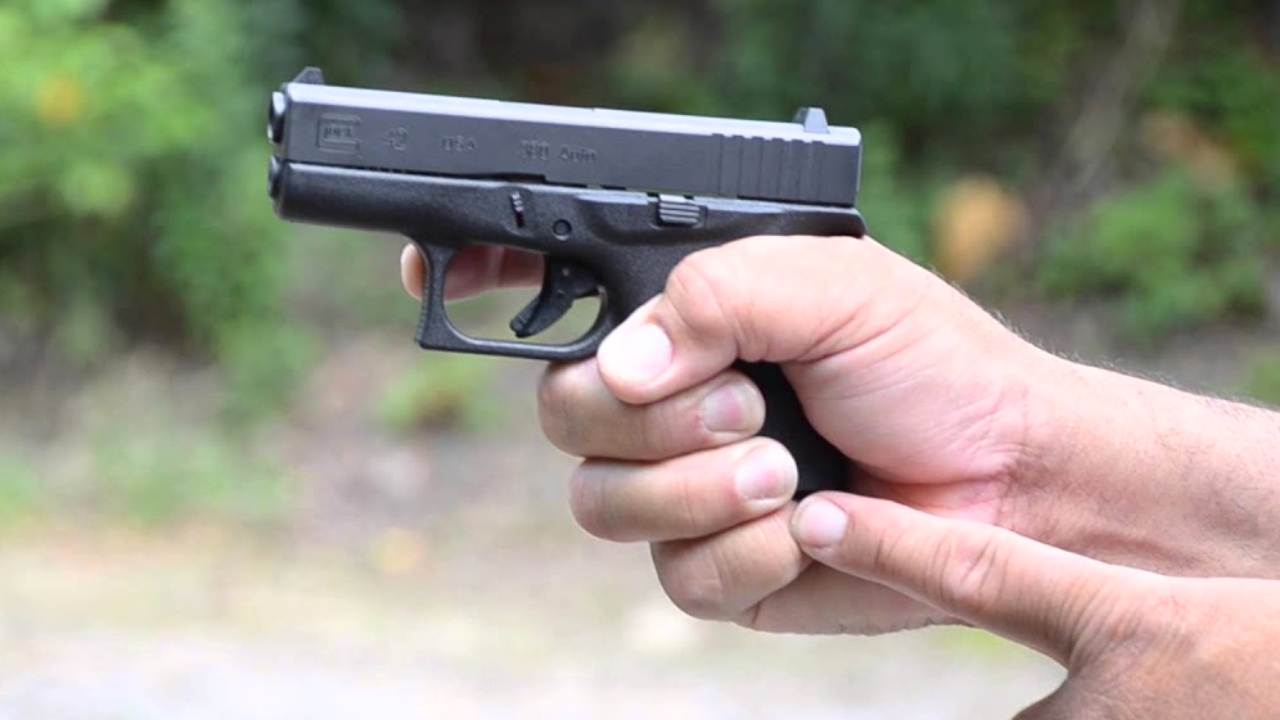
Photo credit: harley45acp/YouTube
Some pistols earn a reputation not because of real performance, but because of word-of-mouth, nostalgia, or marketing that stuck around long after shooters moved on. You see these guns in forums, on social media, and at the range, carried by people who swear they’re flawless even when the track record tells a different story. When you spend enough time training and actually putting rounds through different platforms, you start noticing which guns live up to that image and which ones fall short. The pistols here aren’t unreliable across the board, but they don’t live up to the praise they still get. If you’ve ever bought something based on hype alone and felt let down on the range, you’ll recognize the story behind each one of these.
Kimber Micro 9

The Kimber Micro 9 gets talked up as a premium pocket-size 9mm, but once you start running it in real training, the cracks show. The small controls, stiff recoil spring, and short grip make it tougher to run smoothly under pressure. You’ll notice it most when performing slide manipulations or clearing stoppages, which can become frustrating if your hands aren’t perfectly positioned. The trigger can also feel inconsistent across different samples, which affects confidence when taking quicker follow-up shots.
Another issue is ammunition sensitivity. While some Micro 9s run fine, many shooters report reliability swings depending on bullet shape, especially with certain hollow points. For a pistol marketed as a defensive tool, that inconsistency matters. It’s not a terrible gun, but the elevated reputation often overshadows the very real performance limitations.
SIG P238
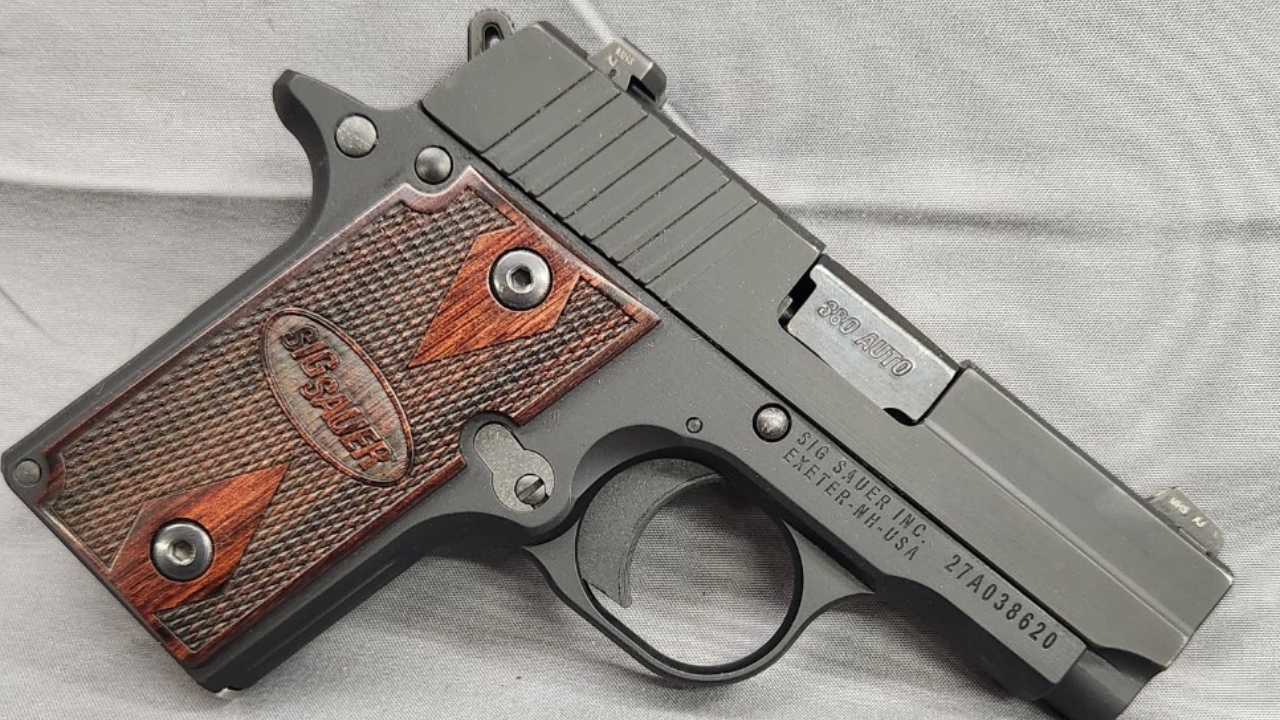
The SIG P238 has held onto a reputation as a top-tier .380, largely because it feels well-built and resembles a mini 1911. But when you actually start carrying and training with it, the limitations become obvious. The manual safety requires deliberate practice, and the single-action system demands more attention than many new carriers expect. It’s accurate, but its short sight radius makes follow-up shots tougher at any kind of pace.
The small grip also makes recoil feel sharper than you’d expect from a .380. That isn’t a deal-breaker, but it keeps the gun from performing like the ultra-easy shooter people claim it to be. Many shooters eventually move on to more controllable .380s or compact 9mms that offer better handling, more capacity, and easier manipulation. The reputation comes from its looks and feel, not its real-world ease of use.
Taurus PT92
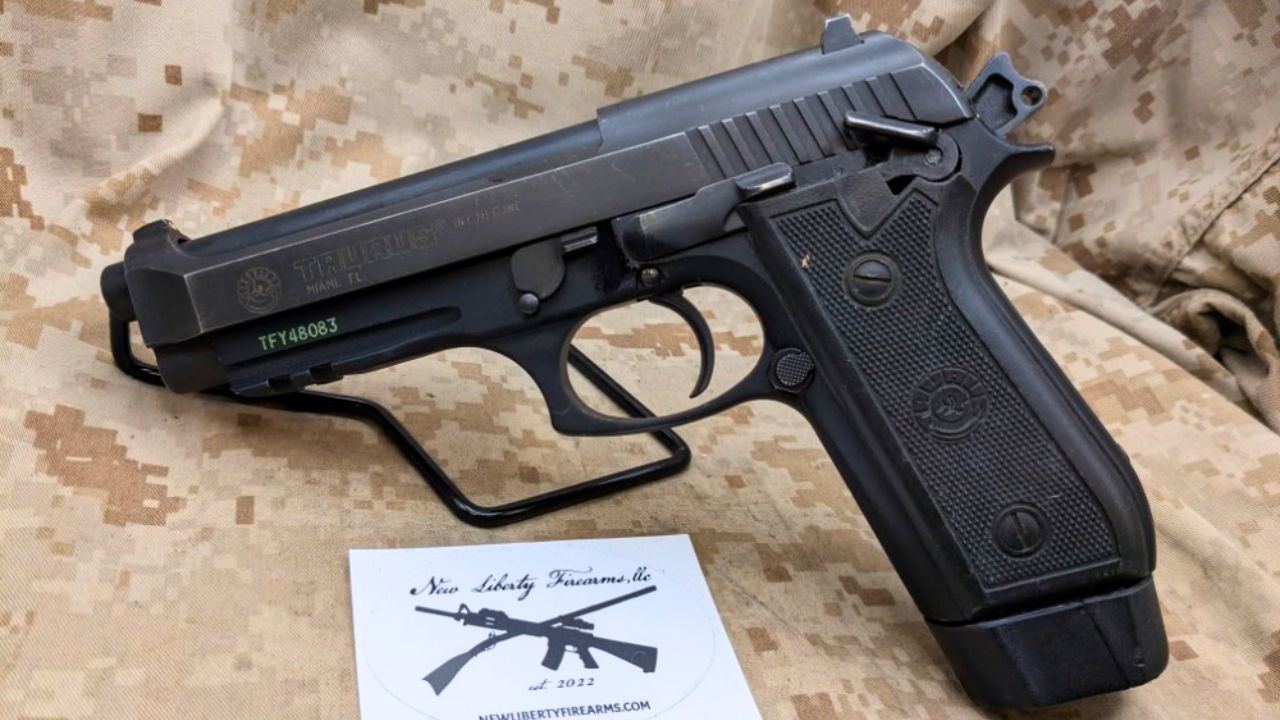
The Taurus PT92’s reputation comes mostly from being “inspired” by the Beretta 92, but the comparison doesn’t hold up under close inspection. While it can run reliably, the overall construction and finish aren’t near the level people claim. Tolerances can vary from pistol to pistol, and you’ll feel it in the slide fit and trigger quality. The DA pull often feels heavier and less predictable than shooters expect from a pistol praised for smooth operation.
Another reason it falls short is the inconsistency in magazines and small parts. Because the platform isn’t identical to the Beretta system, owners sometimes assume total compatibility and end up discovering mismatches the hard way. It’s still serviceable, but the high praise usually comes from nostalgia rather than performance that holds up under daily use or serious training.
Smith & Wesson SD9 VE

The SD9 VE gained a reputation as a budget pistol that “runs like a Glock,” but that comparison doesn’t hold water once you spend time with both. The trigger on the SD9 VE is long and heavy, making accurate, faster-paced shooting noticeably more difficult. While some shooters adjust to it, many find the learning curve steeper than they expected based on the hype.
Reliability can be steady with ball ammunition, but performance with various defensive loads isn’t always consistent. You also feel the lightweight construction more than you’d expect, and the recoil impulse can be surprisingly snappy for a mid-size 9mm. It’s affordable and functional, but the reputation often overshadows the trade-offs that show up once you push it harder.
Glock 42
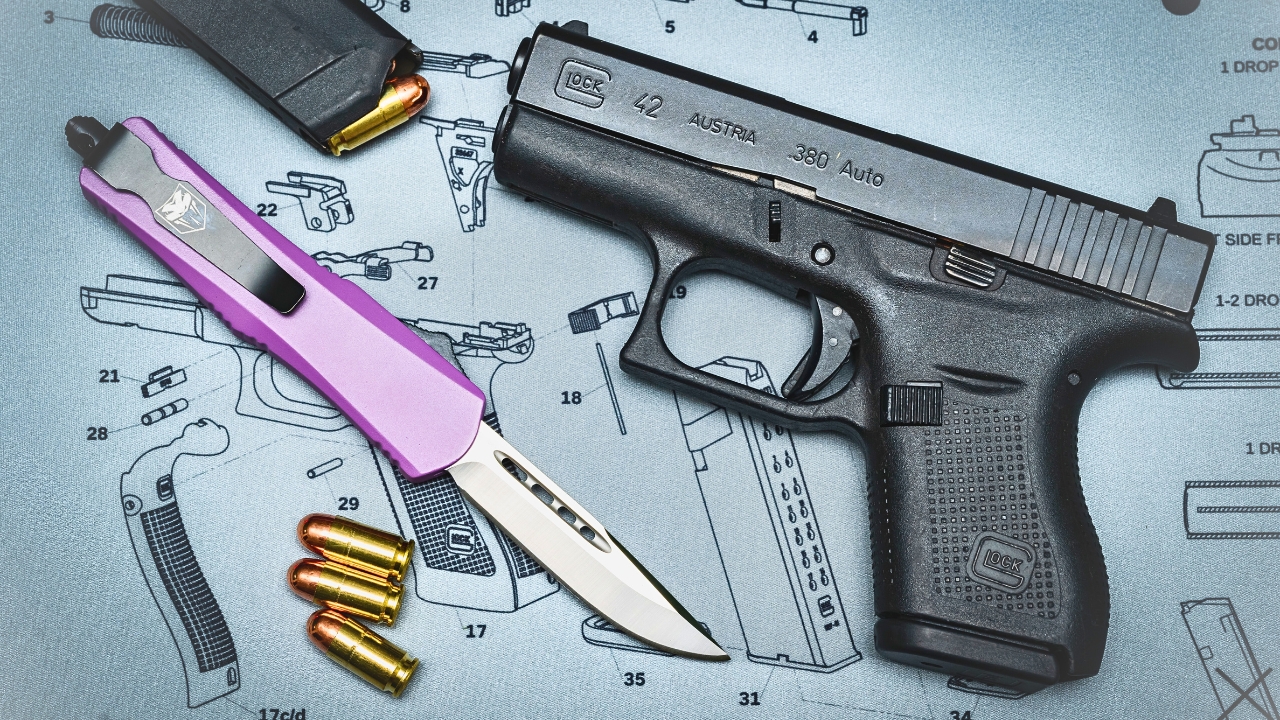
The Glock 42 remains popular because it carries incredibly well, but its reputation as a flawless .380 doesn’t entirely match real-world feedback. Early models had feeding issues with certain loads, and while updates helped, the gun still tends to show preferences for particular ammunition types. That’s not ideal for a defensive pistol that needs to work with whatever proven load you choose.
The size also affects performance. Its narrow grip and lightweight frame create a recoil impulse that surprises new shooters, making follow-up shots slower than many expect. While it’s a fine backup or ultra-concealable option, the glowing reviews often skip over the parts that require more practice to master.
Springfield XD-S 9mm
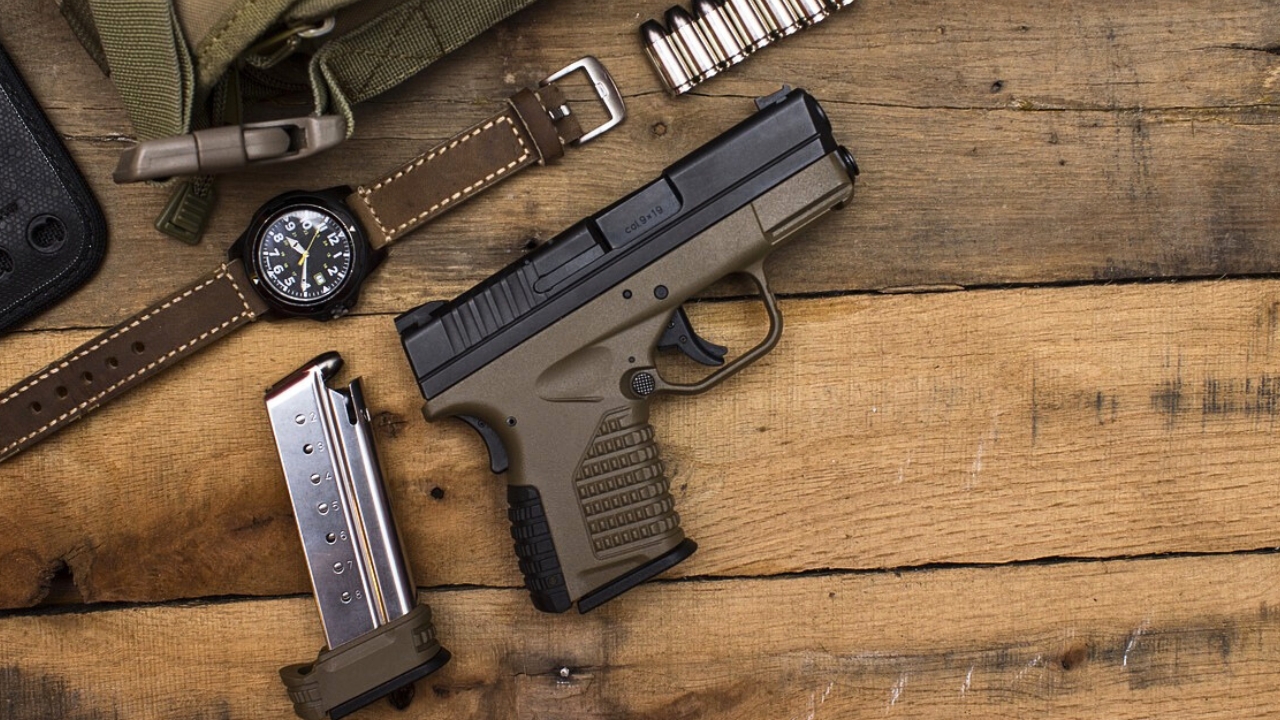
The XD-S 9mm built a reputation on being thin and easy to carry, but the shooting experience doesn’t always back that up. The narrow grip and minimal surface area make it harder to control during fast drills, especially when compared to newer compacts with better ergonomics. The trigger feels inconsistent across generations, and reset length varies enough to affect timing if you shoot regularly.
While the pistol can run reliably, the recoil impulse is sharper than expected for its size category. That becomes more noticeable when someone trains beyond casual range sessions. The reputation often comes from its original appeal as an early single-stack carry gun, but modern designs outshoot it in almost every performance category.
Beretta Nano

The Beretta Nano earned early praise for being simple and snag-free, but shooters quickly discovered its limitations. The lack of external controls makes slide manipulation more difficult, especially for those with weaker hands. The trigger has a long, heavy pull with a slow reset, which affects accuracy when pushing the pace. Even experienced shooters find it less forgiving than many modern micros.
The Nano also had a history of cycling issues with certain ammunition weights. While some examples run well, the inconsistency keeps it from being a top-tier carry option. Its lingering reputation comes from brand loyalty and early excitement, not sustained real-world performance.
Ruger LC9
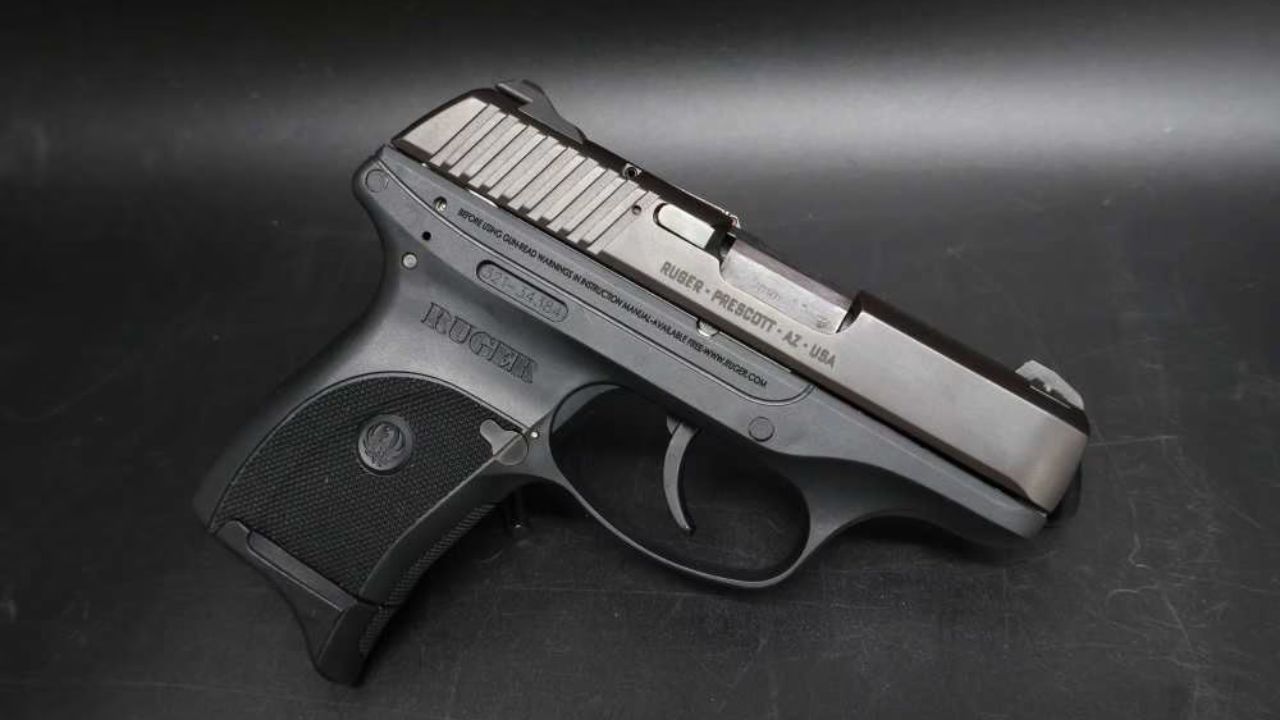
The Ruger LC9 developed a reputation as a dependable, easy-to-carry 9mm, but anyone who trains with one quickly discovers the trigger is a major obstacle. The long, revolver-like pull makes accurate shooting much harder than it needs to be. The reset is lengthy and difficult to feel, slowing down follow-up shots more than many new shooters realize.
The small grip and light frame also amplify recoil. Even though the gun is reliable, the overall shooting experience falls behind newer compacts that offer better triggers, more capacity, and improved ergonomics. The LC9’s lingering praise often comes from early adopters who valued the small size before better options existed.
Remington R51

The R51’s reputation is complicated. Some shooters insist it was misunderstood, but the broader experience says otherwise. Early models had severe reliability issues, and even the revised versions never fully shed that history. While the Pedersen action makes the pistol soft-shooting when everything works, the inconsistency between individual guns damaged its reputation permanently.
Controls, slide feel, and feeding behavior vary more than they should on a defensive firearm. Even shooters who enjoy the concept often admit it doesn’t match the glowing claims made during its rollout. The reputation comes from novelty and aesthetics more than long-term performance.
Kahr CW9

The Kahr CW9’s reputation leans heavily on the idea that it’s a refined, smooth-shooting single-stack. In practice, the long trigger makes accurate fast shooting tricky, and grip texture is mild enough that it can shift during recoil. While Kahr’s system can be reliable, many owners report a break-in period that’s longer than other pistols in the same class.
Magazine and ammunition sensitivity also show up more often than you’d expect for a pistol held in such high regard. Some shooters love them, but the praise doesn’t always line up with the reality of keeping one running flawlessly under heavier training loads.
Honor Guard HG9

The Honor Guard HG9 attracted attention early on as an affordable, well-featured compact. But as testing continued, concerns emerged about drop safety and inconsistent reliability across samples. Some guns ran well, while others struggled with feeding or showed premature wear. The reputation didn’t align with the steady, dependable performance shooters expect from a defensive pistol.
The ergonomics are decent, but the trigger and internal tolerances never lived up to the glowing reviews during release. While the company made updates, the early issues stuck, and the lasting reputation isn’t fully supported by real-world use.
SCCY CPX-2
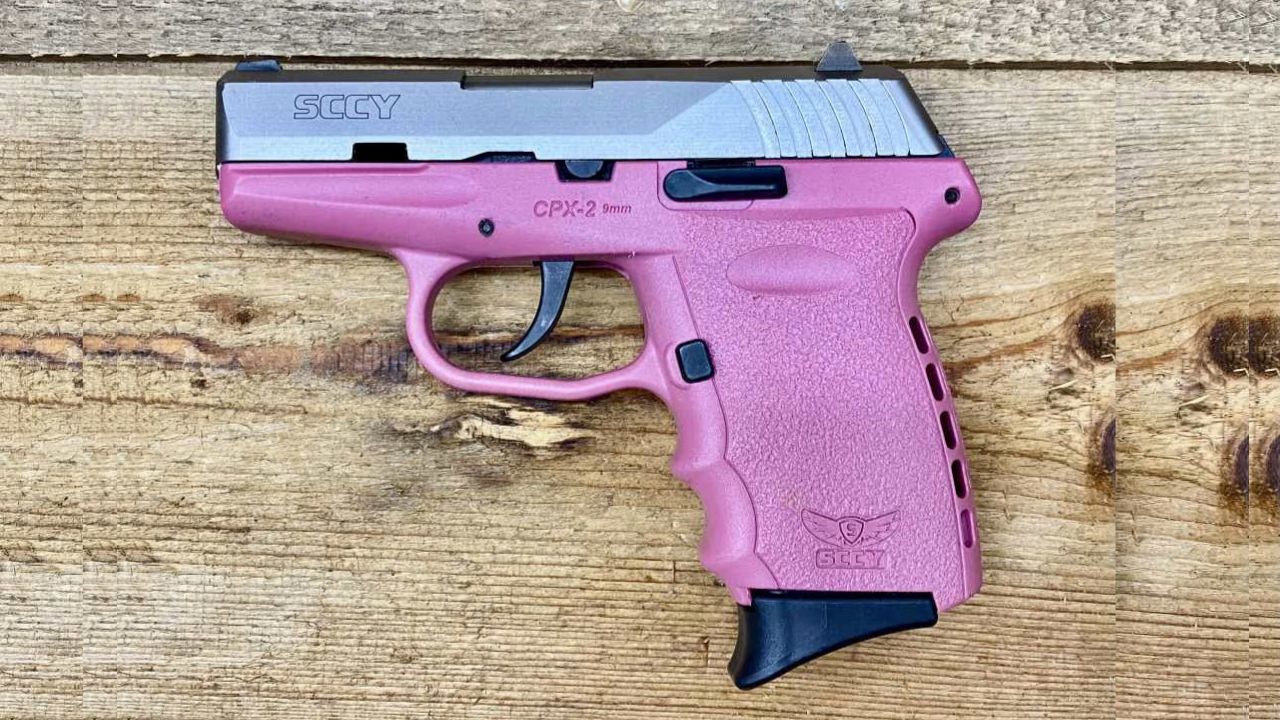
The SCCY CPX-2 built a reputation as a budget carry gun that “just works,” but many owners found the heavy, long trigger made shooting accurately under pressure difficult. The lightweight polymer frame also produces more recoil than expected, and the gun can shift in the hand if your grip isn’t locked in perfectly.
Reliability can be acceptable with basic ball ammunition, but hollow-point performance varies. While it’s a workable option for tight budgets, the strong praise often skips over the learning curve and the limitations that become obvious with regular training.
Mossberg MC1sc

The Mossberg MC1sc earned a positive reputation thanks to its clean looks and unique take-down system, but its performance doesn’t always match the excitement. The trigger feels spongy compared to competitors, and the grip angle takes time to adjust to, especially if you’re coming from a Glock or SIG platform.
The gun can run well, but the sharp recoil and narrow grip make longer practice sessions more challenging. It’s serviceable, but the reputation sometimes oversells what you actually get on the range.
Colt Mustang

The Colt Mustang is often praised for being a classic, compact carry pistol with excellent styling. But once you start training with it, the shortcomings appear quickly. The single-action system requires consistent practice, and the tiny grip makes recoil control tougher than many shooters expect. The thumb safety can also feel small and harder to operate under stress.
While it can be accurate, the overall handling falls behind more modern .380s that offer better sights, smoother triggers, and more capacity. The reputation lingers because of nostalgia, not because the platform keeps up with modern performance demands.
Walther PK380

The PK380 gets praise for soft recoil, but its overall performance doesn’t match the reputation. The slide-mounted controls feel dated, and the hammer-fired system requires more manipulation than many new carriers are prepared for. The trigger varies between examples, and the sights aren’t as intuitive as what you’ll find on newer defensive pistols.
Reliability can vary depending on ammunition, and some shooters report issues with certain hollow points. While the gun is comfortable to shoot, the praise for it often overlooks the practical limitations that show up when you push it harder in drills.
Like The Avid Outdoorsman’s content? Be sure to follow us.
Here’s more from us:
The worst deer rifles money can buy
Sidearms That Belong in the Safe — Not Your Belt
*This article was developed with AI-powered tools and has been carefully reviewed by our editors.


