Photo credit: MrBigKid/YouTube
A carry gun lives a rough life. It gets soaked with sweat, dragged against holsters, packed with lint, bumped into truck consoles, and handled when the owner is tired, sweaty, or in a hurry. A pistol that looks good in the display case can start showing its weak spots fast once it rides on a belt every day.
That does not mean every gun here is useless. Some are fine range pistols. Some have loyal owners. Some newer ones may improve over time. But regular carry demands more than a good first impression. These handguns can make owners nervous before the season is over.
Canik Mete MC9
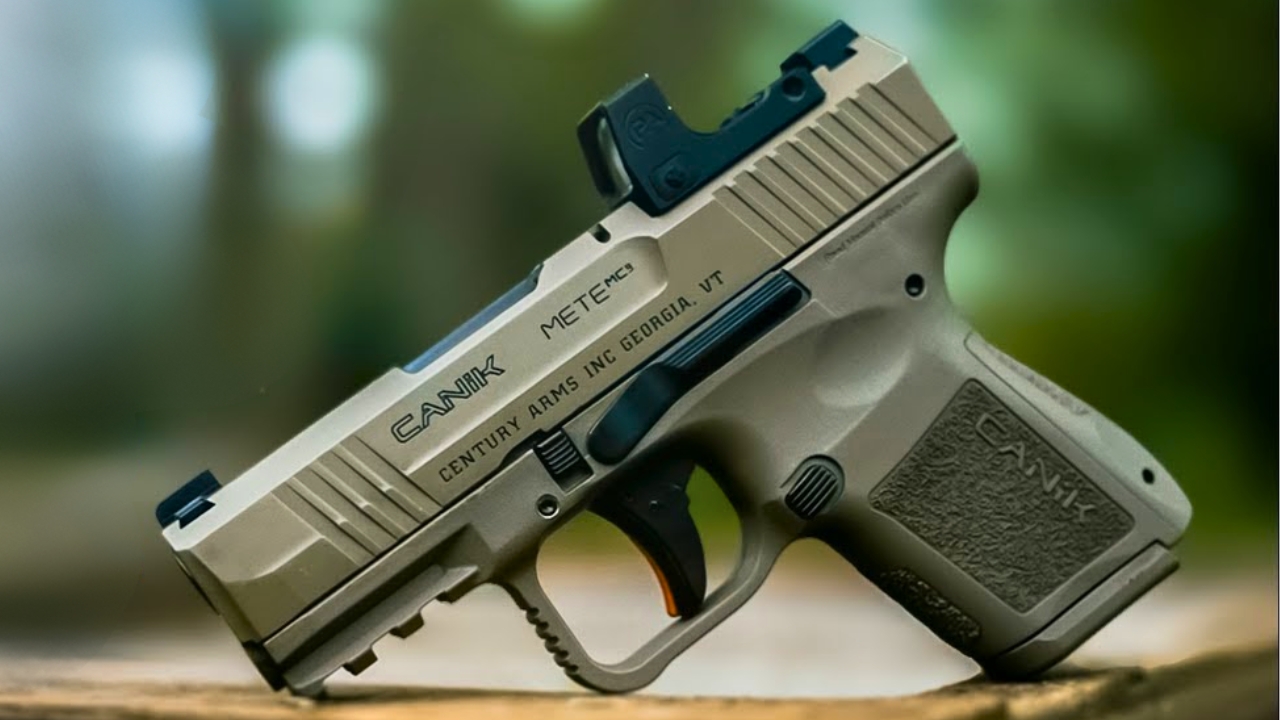
The Canik Mete MC9 looked like it should have been an easy win. Canik already had a strong reputation for giving shooters good triggers, good features, and good value. A small carry-size Canik seemed like exactly what the market wanted.
The problem is that the MC9 has picked up enough owner complaints about return-to-battery issues, feeding problems, and light primer strikes that it is hard to ignore. Some owners report flawless guns, but a carry pistol should not feel like a lottery ticket. When a gun is riding under a shirt every day, “mine might be one of the good ones” is not the kind of confidence most people want. Owner reports have included failures to fire and intermittent lock-back issues on clean, oiled examples.
Taurus GX4

The Taurus GX4 is one of the more relevant newer carry guns because it actually made Taurus competitive in the micro-compact market. It is small, affordable, easy to carry, and holds a respectable amount of 9mm for its size. On paper, that sounds like a strong budget carry choice.
The safety notice is the problem that hangs over it. Taurus warned that some GX4 pistols assembled and sold in the U.S. may discharge when dropped and told owners to unload and stop using affected pistols immediately. That does not mean every GX4 is unsafe, but it does mean any owner needs to check their serial number before trusting one. For a regular carry gun, that kind of cloud is hard to brush off.
SIG Sauer P320 XCompact

The SIG P320 XCompact is not some cheap pistol from a no-name brand. It is modern, modular, easy to shoot, and part of one of the most important handgun platforms in the country. That is exactly why the controversy around it matters so much.
The concern is not holster wear or rust. It is trust. The P320 platform has faced continued scrutiny over reported unintentional discharges, and some agencies have moved away from it or paused use because of safety concerns. Reports in 2025 noted federal and local agency worries, including concerns tied to holstered discharges and training restrictions. SIG denies manufacturing defects, and plenty of owners still trust the pistol, but for daily carry, confidence matters. If a gun makes the owner wonder, it has already lost part of the fight.
Springfield Armory 1911 DS Prodigy 4.25

The Springfield Armory Prodigy 4.25 is tempting because it gives shooters a double-stack 1911-style pistol without full custom-gun pricing. It has the look, capacity, trigger style, and optics-ready setup people want. For range use, it can be a lot of fun.
Regular carry is a different conversation. Early Prodigy guns developed a reputation for being hit-or-miss on reliability, and even discussions around newer versions still mention occasional problems while also noting that many newer examples are better. A carry gun should not need excuses, break-in prayers, or magazine experiments. If it is going under a cover garment every day, it needs to run boringly.
Kimber R7 Mako

The Kimber R7 Mako is not a junk pistol. In fact, some formal reviews reported good reliability, including one Guns & Ammo review where the pistol ran 100 percent with four tested 9mm loads. The reason it still belongs in this kind of article is not that every Mako falls apart. It is that it asks buyers to trust Kimber in a category where Kimber did not already have deep striker-fired carry credibility.
That matters when a pistol is going to be carried hard. The Mako’s enclosed-emitter design was interesting, and the pistol had real features, but the market never fully embraced it like the P365, Hellcat, Shield Plus, or Glock 43X. A gun can shoot well and still make owners nervous about long-term parts, support, holsters, magazines, and resale. For daily carry, the ecosystem matters almost as much as the gun.
Smith & Wesson M&P Shield EZ
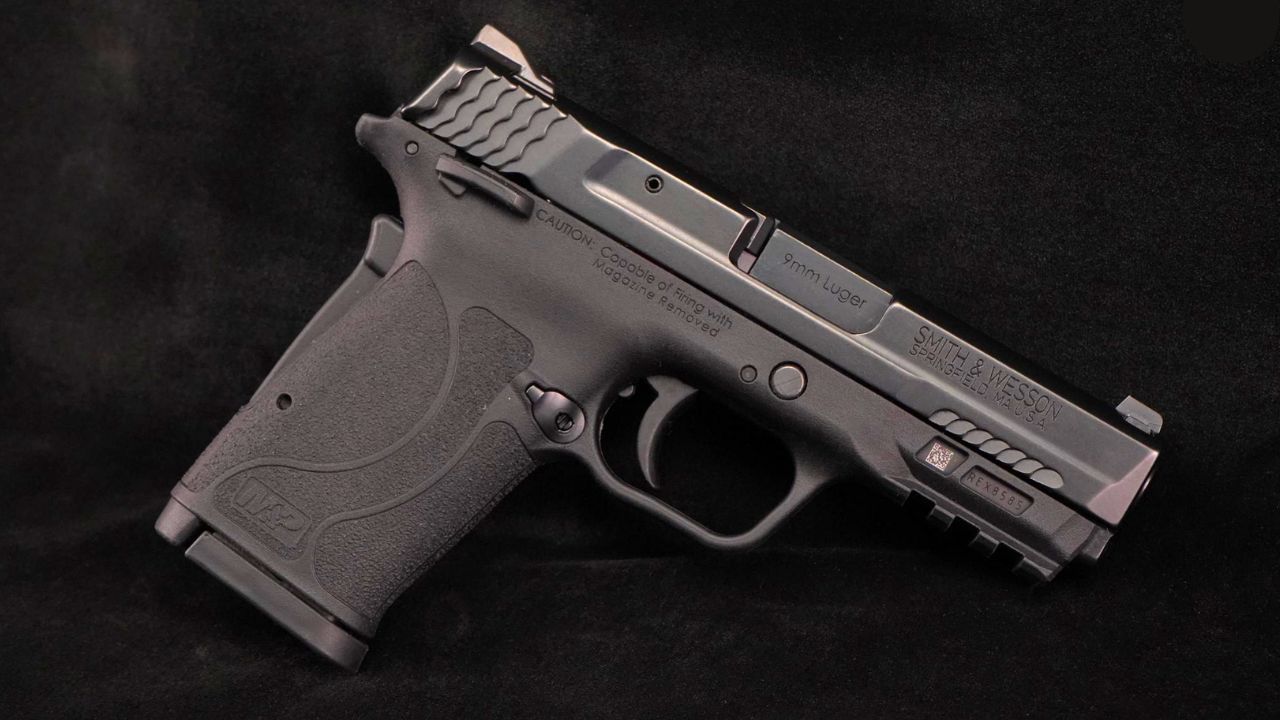
The M&P Shield EZ is popular because it solves a real problem. It is easier to rack, easier to load, and friendlier to shooters with hand-strength issues. That makes it useful for people who struggle with traditional compact pistols.
But it is not the same kind of hard-use carry gun as a standard Shield Plus or M&P Compact. Smith & Wesson issued a recall for certain Shield EZ pistols after identifying cracked hammers from a supplier, with the notice applying to certain pistols manufactured from March 1, 2020, through October 31, 2020. That recall was limited, not universal, but it is still the kind of thing that should make owners check their serial number before trusting one through a carry season.
Kimber Micro 9
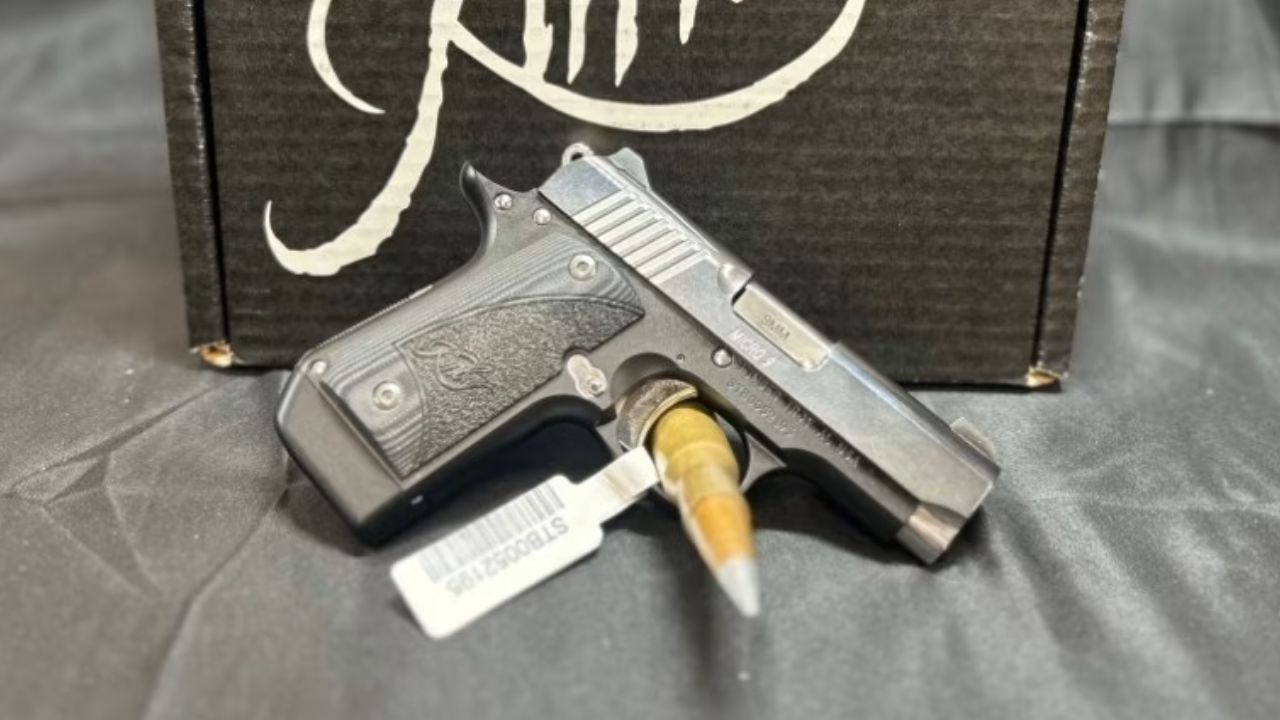
The Kimber Micro 9 sells because it looks good and carries easily. It gives buyers a tiny metal-frame pistol with 1911-ish controls, and that is a tempting package for people who dislike plain polymer guns. It feels like a classier pocket pistol.
The issue is that tiny 1911-style 9mms can be less forgiving than they look. Small grips, short slides, tight timing, and picky magazines can show up fast when the gun is carried, sweated on, and shot with defensive hollow points. Some Micro 9s run fine, but this is not the gun I would pick for someone who wants a low-maintenance daily carry pistol they barely have to think about.
Springfield Armory 911

The Springfield 911 had the same kind of appeal: small, neat, metal-framed, and easy to pocket. In .380 or 9mm, it gave shooters a mini-1911-style carry gun that looked and felt more refined than many plastic pocket pistols.
The problem is that small single-action pocket guns demand more from the owner. They need good holsters, clean carry habits, and real practice with the safety. They also do not offer the same rugged simplicity as a modern striker-fired micro-compact. For occasional carry, maybe. For a sweaty summer season on the belt or in a pocket, there are tougher choices.
Colt Mustang

The Colt Mustang has charm, and that is part of the problem. It is small, attractive, and tied to the kind of Colt nostalgia that makes people forgive things they would criticize on another gun. As a pocket .380, it had a real place.
But for regular carry today, it feels dated. Capacity is limited, sights are small, controls require practice, and the design is not as forgiving as newer carry pistols. A Mustang can be carried by someone who knows exactly what they are doing, but it is not the kind of gun that shrugs off neglect, lint, and casual maintenance like better modern options.
Walther CCP M2

The Walther CCP M2 is comfortable in the hand and soft-shooting for its size, which makes it attractive to newer shooters. Its gas-delayed system was meant to reduce recoil and make the pistol easier to manage. That sounds good for carry.
The downside is that the CCP has always felt more complicated than necessary for the role. It is not as simple as a Glock, Shield Plus, or P365, and regular carry tends to reward simple designs. Heat, cleaning needs, and the unusual operating system make it a pistol I would hesitate to recommend as a hard-use everyday carry gun.
Remington RM380
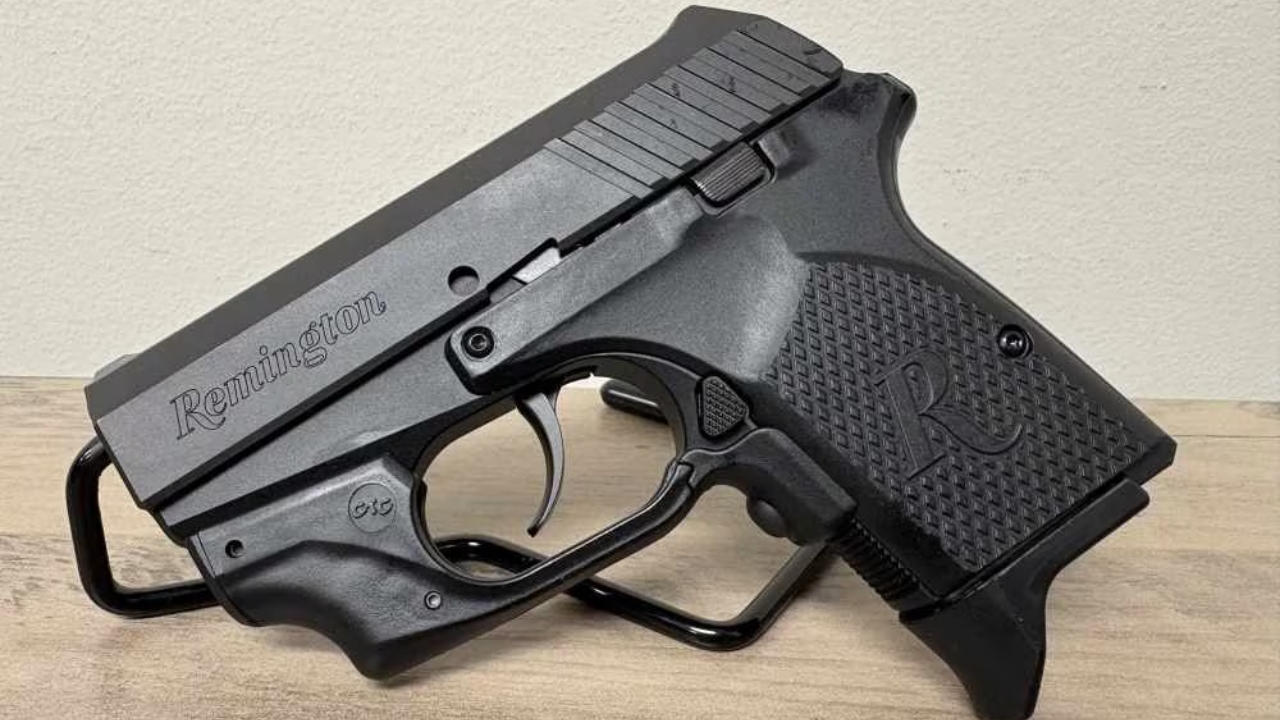
The Remington RM380 was a small metal-frame .380 that seemed like it might be a decent pocket pistol. It was compact, simple-looking, and easier to hide than many larger guns. For someone who wanted a basic pocket carry piece, it made sense at first glance.
But Remington’s handgun reputation was already shaky by the time the RM380 was around, and the pistol never became a serious long-term carry standard. Pocket pistols need strong support, reliable magazines, good parts availability, and confidence. The RM380 never built enough of that to feel like a gun worth carrying hard through a full season.
Ruger LCP II in .22 LR
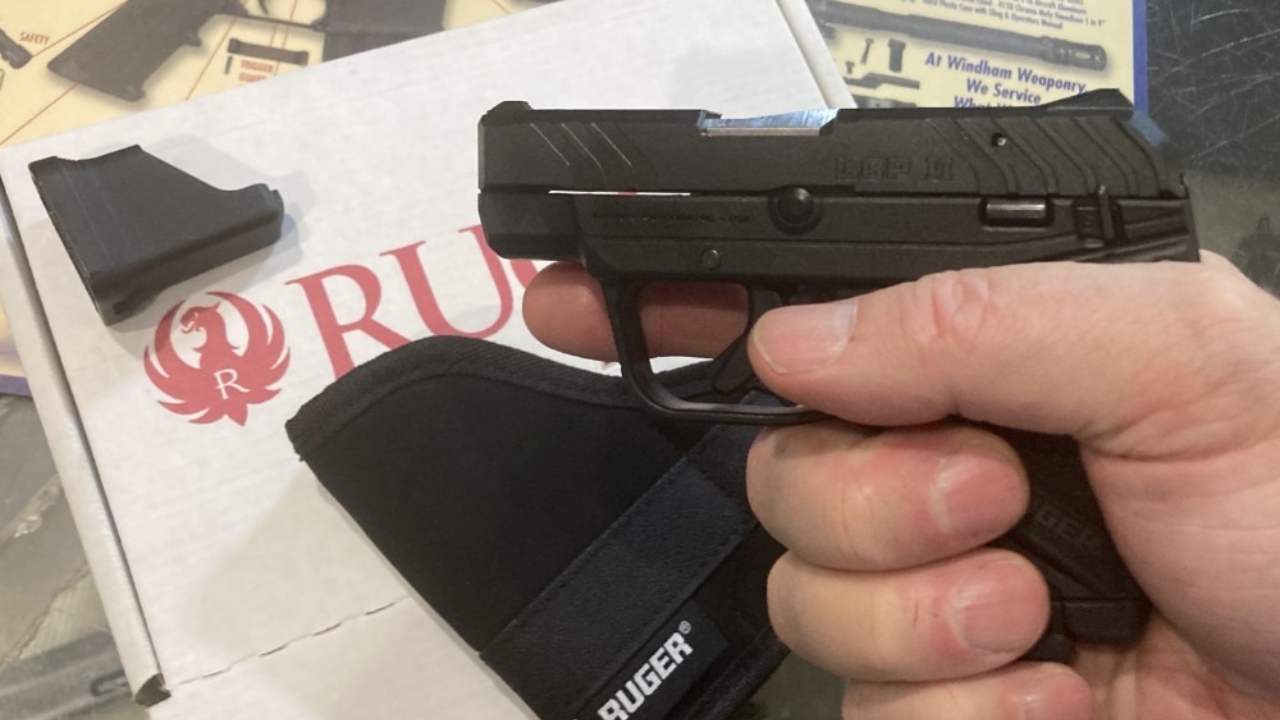
The Ruger LCP II in .22 LR is useful as a trainer or ultra-light plinker. It is small, easy to carry, and far less snappy than the .380 version. For practice and casual shooting, it makes sense.
As a regular carry gun, though, it is a weak choice unless the owner has serious recoil or hand-strength limitations. Rimfire ignition is less reassuring than centerfire ignition, and pocket carry adds lint and dirt into a small pistol that already needs to stay clean. It might be better than no gun, but it is not the kind of handgun most people should trust as a daily defensive tool.
Ruger LCP Max

The Ruger LCP Max is actually one of the better modern pocket .380s, but it still has limits. It gives shooters much better capacity than older pocket .380s and is easy to carry in situations where larger guns get left behind. That is why people buy it.
The problem is that pocket carry is brutal. Lint, sweat, weak grips, small sights, and tiny magazines all matter. The LCP Max can survive daily carry if the owner maintains it and proves it with their ammo, but it is still a tiny .380. It is not a gun to buy, load, forget, and assume will act like a duty pistol after months in a pocket.
SIG Sauer P938

The SIG P938 has always been appealing because it gives shooters a tiny 9mm with a metal frame and familiar single-action controls. It is accurate for its size and carries very easily. For the right owner, it can be a solid little pistol.
The issue is that it is not very forgiving. Small single-action 9mms need good recoil control, good maintenance, and real safety manipulation practice. Magazines, springs, and ammo choice matter more than some owners expect. For someone who trains with it, fine. For a casual daily carrier, it can become a fussy little gun that is easier to admire than trust.
Beretta APX Carry

The Beretta APX Carry had a major name behind it, but it never felt like it caught the market the way Beretta probably hoped. It was slim and compact, but the trigger, capacity, and overall feel did not stand out once guns like the P365, Hellcat, and Shield Plus became normal.
That matters for regular carry because support follows popularity. Holsters, magazines, aftermarket sights, parts, and long-term attention are all easier with guns that actually won the market. The APX Carry may work, but it feels like one of those pistols an owner eventually replaces with something easier to support and shoot.
Mossberg MC1sc

The Mossberg MC1sc was Mossberg’s serious step back into handguns, and it was not a ridiculous idea. It was slim, striker-fired, and aimed directly at concealed carry. It also had some smart features for disassembly and carry use.
But the MC1sc entered a market that moved fast. Capacity expectations changed almost overnight, and the MC1sc started feeling dated quickly next to newer micro-compacts. A carry pistol can be mechanically fine and still lose owner confidence if the ecosystem is thin and better choices are everywhere. The MC1sc never became the obvious long-term answer.
Stoeger STR-9 Compact

The Stoeger STR-9 Compact is affordable and simple, which gives it some appeal. It looks like it should be a practical budget carry pistol for someone who wants a no-frills 9mm. For range use and occasional carry, it may be fine.
The issue is that “budget but acceptable” is not always enough for everyday carry. Holster availability, aftermarket support, trigger feel, finish durability, and proven long-term reliability all matter. The STR-9 Compact does not have the same trust base as Glock, M&P, SIG, or CZ carry guns. When a gun is going to live on your belt, that matters.
SAR9 Compact

The SAR9 Compact is another gun that may shoot better than people expect but still struggles as a daily carry pick. SAR pistols have a reputation for being tough service-style guns, and some owners like them a lot. The compact version gives buyers a lower-cost option with decent capacity.
But a carry gun is not just about whether it works at the range. It needs holsters, magazines, sights, parts, and owner confidence after months of sweat and friction. The SAR9 Compact is not bad, but it is not established enough in the carry world to make me choose it over more proven options for a full season of daily use.
Bersa BP9CC
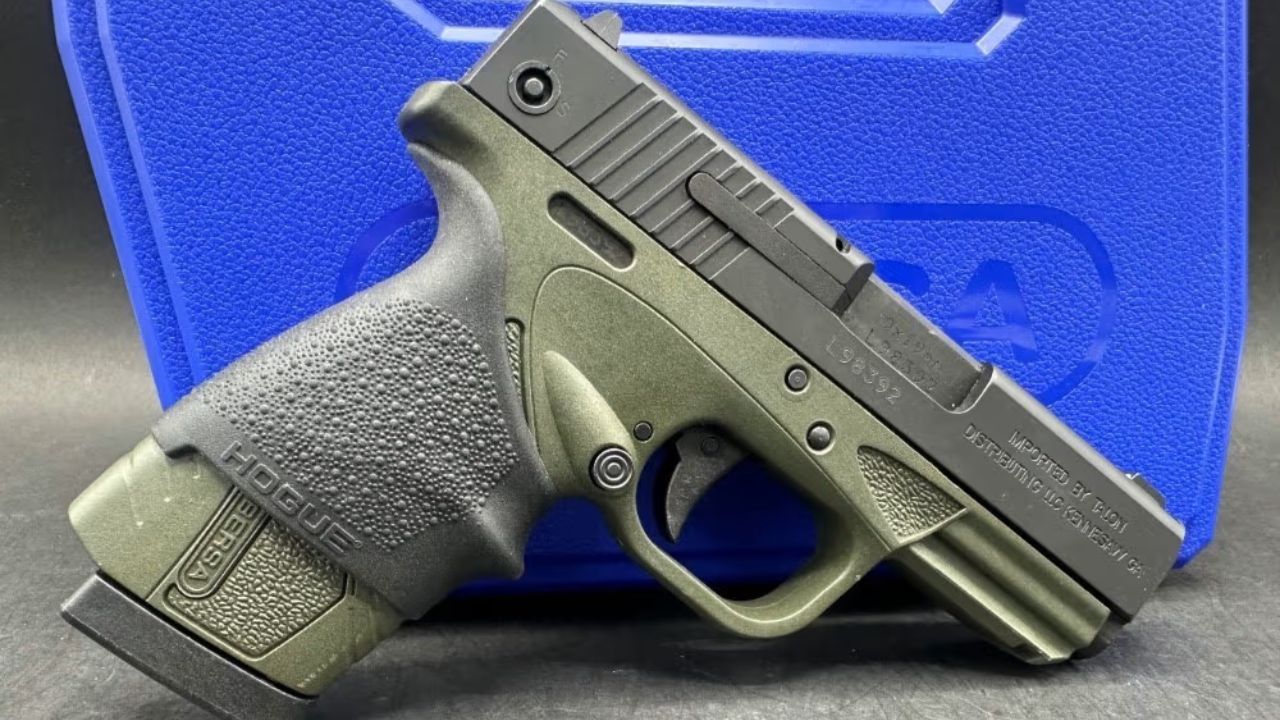
The Bersa BP9CC was once an interesting budget single-stack 9mm. It was thin, affordable, and had a light trigger that some shooters liked. Back when slim 9mms were the main carry trend, it made more sense.
Now it feels dated and less confidence-inspiring. Capacity is limited, support is not as strong as bigger names, and the pistol never built the same reputation as the Shield, Glock 43, or later Shield Plus. It may still serve some owners fine, but as a hard-use carry gun today, it feels like a compromise from a previous era.
Honor Defense Honor Guard

The Honor Guard looked like it might become another serious slim carry pistol, but it never became one of the trusted standards. It had aggressive texture, decent features, and came from a company trying to compete in the concealed-carry market.
The problem is that regular carry punishes small brands harder. If the company support, parts availability, magazines, and aftermarket dry up, the pistol becomes harder to trust long term. A gun that depends on a weak ecosystem may run today and still be a poor choice for someone who wants a carry pistol they can maintain for years.
NAA Guardian .380

The NAA Guardian .380 is built like a little metal brick, and it has its fans. It is small, solid, and easy to hide. For deep concealment, that kind of pistol always has an audience.
But daily carry is about more than hiding the gun. The Guardian is heavy for its size, low-capacity, and not especially pleasant to shoot. A gun that is uncomfortable to practice with usually gets neglected. It may survive physically, but if the owner avoids shooting it, the carry setup is not really surviving the season in any useful way.
Like The Avid Outdoorsman’s content? Subscribe to our newsletter so you never miss an article.
Here’s more from us: