
Photo credit: SPN Firearms/YouTube
Some handguns feel great in your hand, balance well at the shop counter, and maybe even look like they’re going to shoot like a dream. But then you take them to the range, and they shoot high, low, wide, or worse—every group looks like a shotgun blast. It’s frustrating when a pistol checks the fit-and-finish boxes but falls apart in practical use. Especially when it should’ve been a reliable tool. These are the guns that lull you in with comfort and confidence, only to let you down once you start pressing the trigger for real.
Springfield XD-S Mod.2 9mm
In the hand, the XD-S Mod.2 feels trim, comfortable, and easy to carry. It’s slim where it needs to be, and the grip texture does a decent job of giving you control. For concealed carry, it checks most of the boxes that draw you in at the gun store counter.
But once you start shooting it with anything approaching speed, you notice how snappy and unsettled it is. The trigger reset feels vague, and that short grip doesn’t offer much support for your off-hand. It’s not a terrible gun, but it’s harder to shoot well than it looks like it should be.
Sig Sauer P938

You pick up a P938 and it’s hard not to like it. Metal frame, 1911-style ergonomics, single-action trigger—all wrapped in a tiny 9mm package. It feels like someone shrunk a full-size favorite into something you can pocket carry. The controls feel solid and familiar.
But even though it fits the hand better than most micro pistols, it doesn’t shoot like one of the big boys. Recoil is snappy, the short sight radius doesn’t forgive sloppy alignment, and it can be pretty unforgiving for newer shooters. Add in the cost, and you’ve got a pistol that looks right but doesn’t always earn its keep.
Kimber Micro 9
The Micro 9 has that clean, all-metal build that makes you think it’s going to be a smooth shooter. It looks like a high-end mini 1911 and the first time you rack it, it feels like quality. The controls are crisp, and the finish is usually flawless out of the box.
But it has some real shootability issues. The recoil impulse is sharper than you’d expect, the triggers vary from gritty to heavy, and follow-up shots can get messy. It’s also prone to reliability issues with certain loads. You want to like it, but it’s one of those guns that doesn’t always reward trigger time.
Beretta Nano

Beretta’s first try at a striker-fired subcompact feels decent in the hand. It’s rounded, snag-free, and surprisingly ergonomic considering how smooth the profile is. At first touch, it seems like it might shoot better than its reputation lets on.
But the Nano is tough to shoot well. The trigger is heavy and long, the sights aren’t adjustable, and the slide can be difficult to manipulate under stress. It has a reputation for shooting low and left for many shooters, and even with practice, it doesn’t inspire much confidence past a few yards. It’s a frustrating mismatch of potential and performance.
Taurus Spectrum
The Spectrum doesn’t look like your typical pocket .380. It has soft, curved lines, rubbery inserts, and a grip that’s surprisingly comfortable. In your hand, it doesn’t feel like a gun that should cost as little as it does. It feels modern and accessible.
But it’s one of the most awkward shooting pistols you’ll run into. The trigger pull is long and mushy, the sights are barely usable, and accuracy is almost an afterthought. Even if it runs reliably—which isn’t always the case—it’s hard to shoot consistently. It’s a perfect example of a gun that handles better in a catalog than it does on the range.
Walther CCP M2

The CCP M2 was designed with comfort in mind, and you can feel it. The grip feels molded to your palm, the slide is easy to rack, and it seems like it was built for recoil-sensitive shooters. At first glance, it seems like it’ll be easy to control and quick to learn.
But then you start running it hard and the cracks show. The gas-delayed blowback system adds complexity without improving performance, the trigger is long and vague, and it doesn’t feel snappy—instead, it feels sluggish. It’s an odd pistol that looks ergonomic and user-friendly but doesn’t shoot with confidence.
Smith & Wesson SD9 VE
Plenty of folks have picked up the SD9 VE thinking it’s a budget-friendly alternative to a Glock. The grip angle feels familiar, and the weight gives the impression it’ll be a soft shooter. You think, “This’ll work fine for home defense or range time.”
Then you shoot it. The trigger is heavy and mushy, reset is nearly nonexistent, and groups tend to wander. It’s not totally unreliable, but it takes more work than you’d expect to shoot well. For a gun that feels like it’s going to perform better than its price tag, it rarely does.
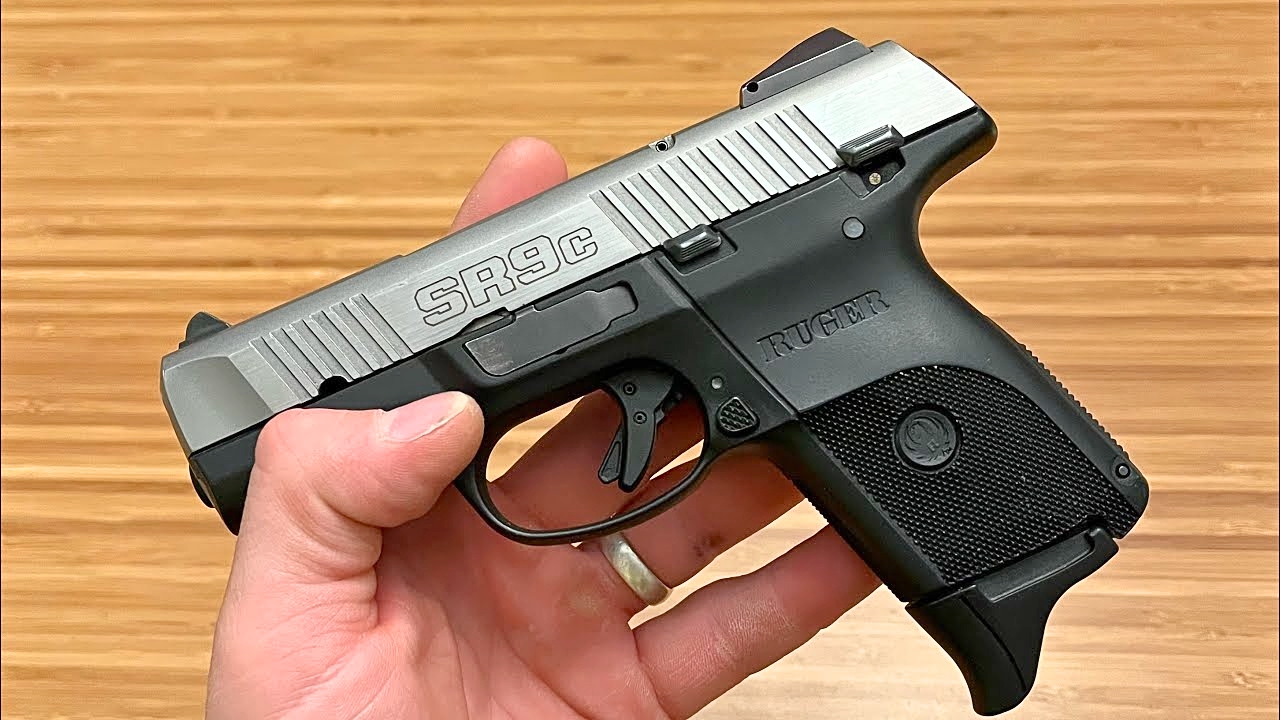
Ruger SR9c

The SR9c fits well in the hand, has decent capacity for its size, and the slide profile is nice and thin. It gives you that first impression of being a capable, well-thought-out pistol. There’s nothing offensive about how it handles at first.
But the trigger has a spongy feel that gets in the way of accuracy, and the slide bite risk is real for larger hands. While it’s better than some budget guns, the overall shooting experience can leave you feeling like you’re working harder than you should to keep shots on target. It’s a gun you want to like—but that doesn’t always return the favor.
Like The Avid Outdoorsman’s content? Be sure to follow us.
Here’s more from us:
The worst deer rifles money can buy
Sidearms That Belong in the Safe — Not Your Belt
*This article was developed with AI-powered tools and has been carefully reviewed by our editors.


