Photo credit: CW Longshot/YouTube
Some cartridges were never meant to reach out. They might be fine for plinking, pest control, or close-quarters use, but past 50 yards, they fall apart fast. You’ve probably tried a few that looked good on paper or felt decent at the bench, only to watch them fizzle once there’s a little distance involved. Whether it’s because of poor energy retention, unstable flight, or velocity that drops off a cliff, these rounds struggle once you step back. Doesn’t matter how steady you hold or how much you pay for optics—some calibers weren’t built to go far, and they show it quick. If your shots start tumbling or losing steam past the 50-yard line, there’s a good chance you’re running one of the duds on this list.
.25 ACP
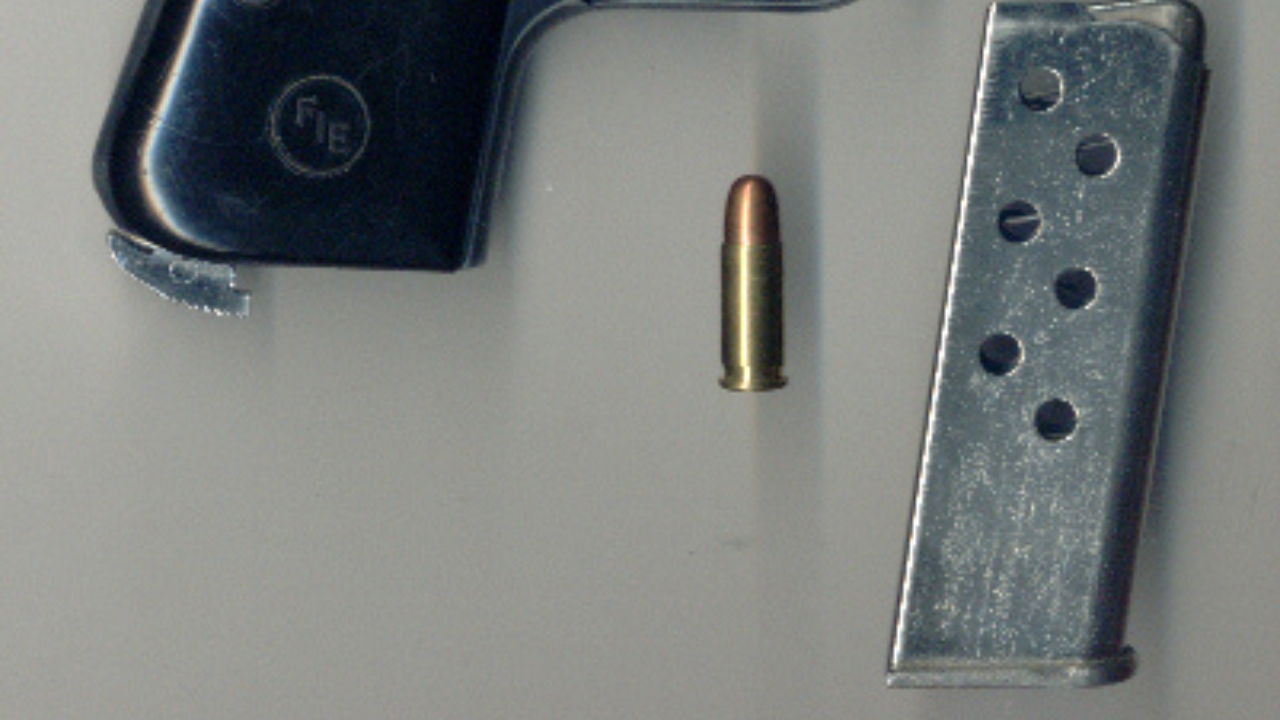
The .25 ACP has always been more bark than bite. In tiny pocket pistols, it’s known for low recoil, but also for low energy. Past 25 yards, you’re already pushing its limits, and by 50 yards, it’s barely hanging on. You’re not going to get reliable accuracy or meaningful penetration at that distance.
If you’re thinking about using a .25 for anything beyond close-up shooting, don’t. It was built for mouse guns and backup roles, not for stretch shots. Plenty of other small calibers offer better range and consistency. The .25 ACP feels outdated in nearly every role, especially once the distance stretches.
.22 Short
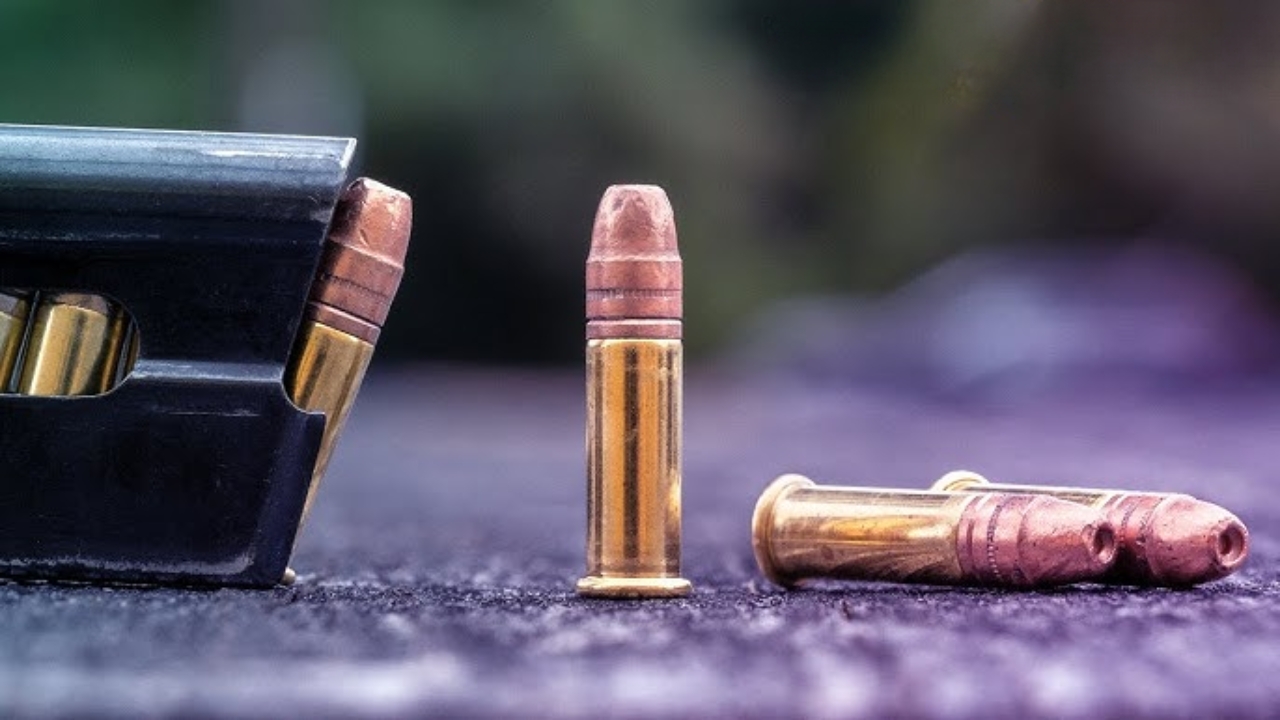
The .22 Short might be fun in old lever guns and pocket revolvers, but once you back up past 50 yards, it’s more novelty than practical. It drops fast, gets tossed around by the wind, and doesn’t carry much energy. What little punch it has at close range fades quick.
Sure, it’s quiet and soft-shooting, but that doesn’t mean it’s suited for any serious shooting. If you’ve got squirrels at 15 yards, you’re good. At 60 yards? You’ll be lucky to land a hit, let alone a clean one. This caliber belongs close in, and that’s where it stays useful.
.32 S&W

This old-school revolver round had a decent run back when distances were short and options were limited. But it doesn’t carry the speed or sectional density to stay on track past 50 yards. You’ll see tumbling, keyholing, and flyers more often than you’d like.
It’s not useless—it’s just not built for stretch. At belly-gun ranges, it still works fine. But once the target’s out past your backyard fence, accuracy and effectiveness fall apart. Compared to modern .32s or even hot .22 LR loads, the original .32 S&W has aged out of long-range usefulness.
.38 S&W
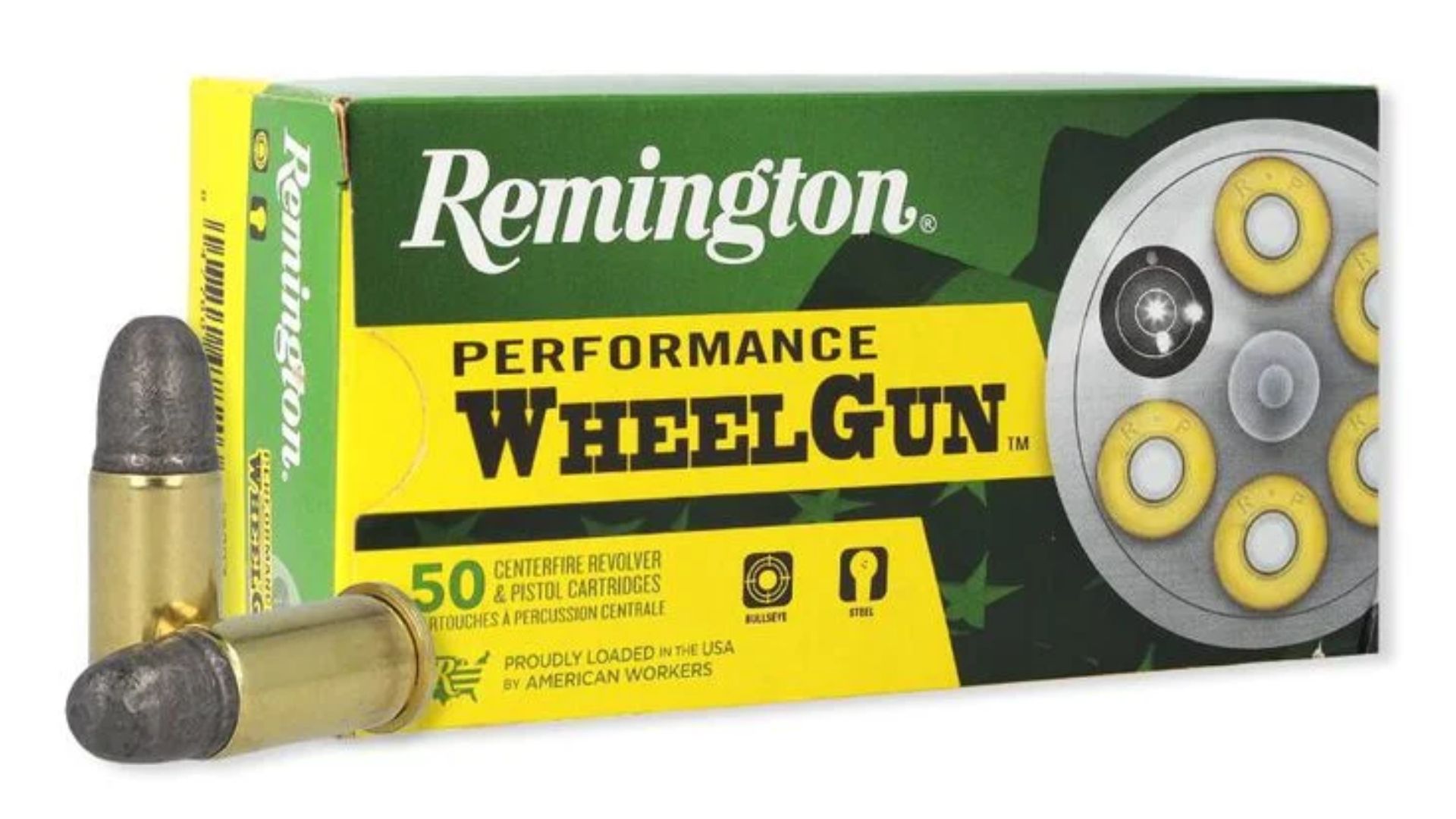
Not to be confused with .38 Special, the .38 S&W is another soft, low-pressure revolver round that starts to drift fast beyond 50 yards. Out of older top-break revolvers or short barrels, you’re not getting much velocity to begin with, and it bleeds energy fast.
If your goal is to hit a pie plate at 15 yards, it might still do the job. But start walking it out and the groups get wide and wild. For modern shooters, it’s more of a collector’s curiosity than a field-capable caliber.
.410 Slug (out of a handgun)
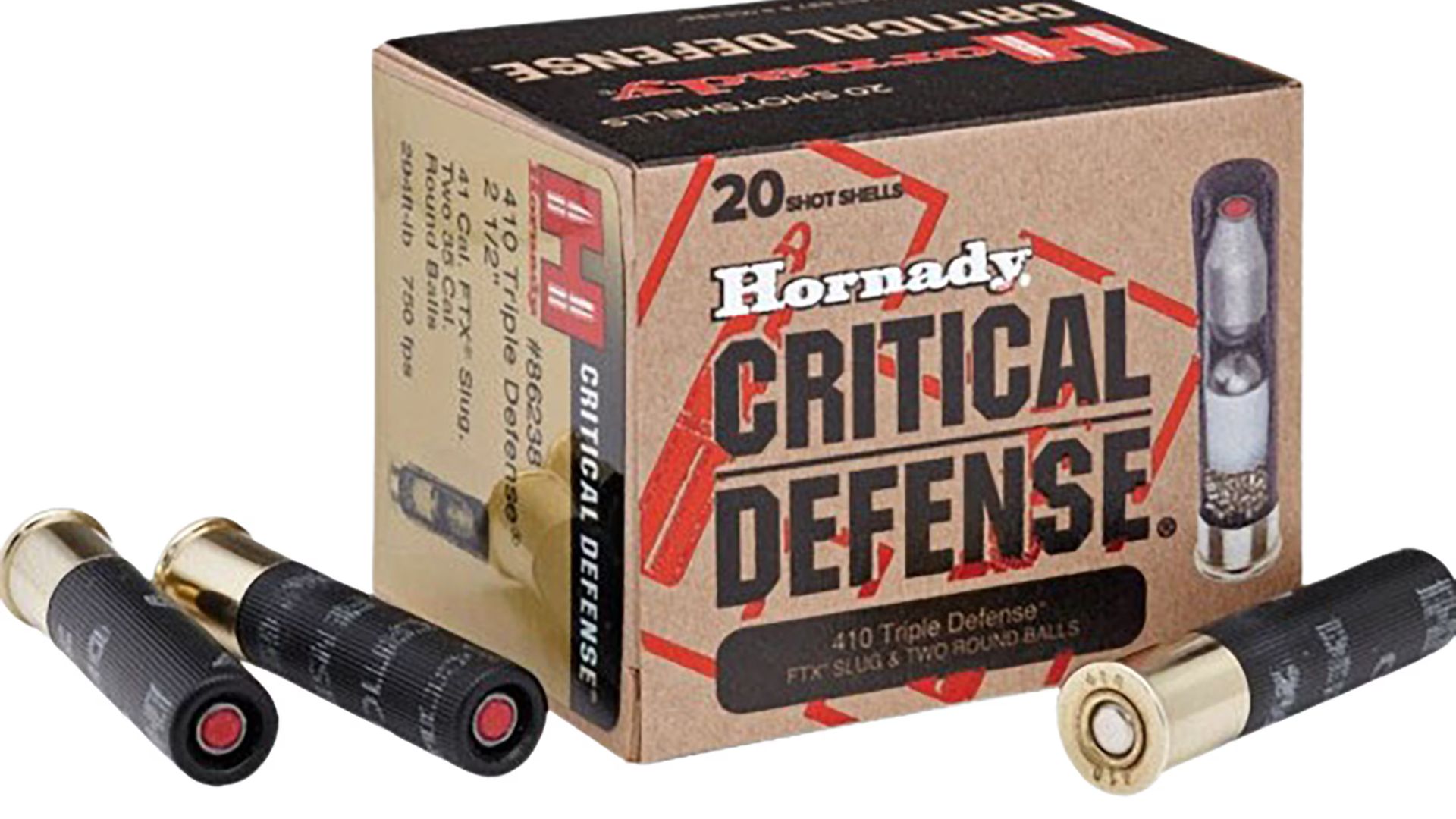
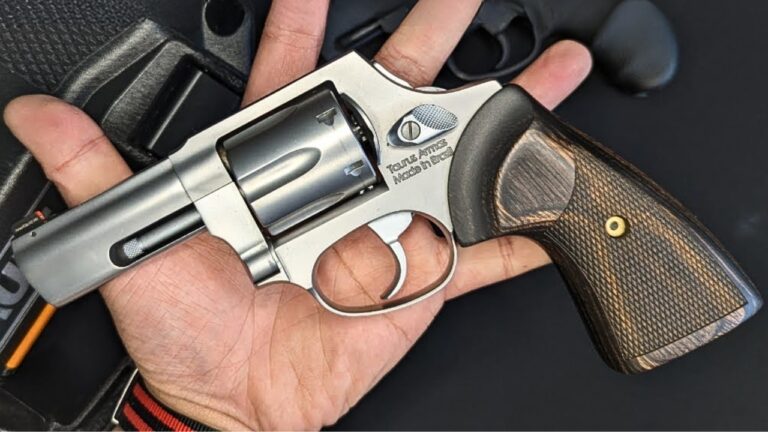
Out of a full-length shotgun, a .410 slug isn’t great, but it’s usable. Fire that same slug out of a revolver like the Taurus Judge, and you’re looking at a rainbow trajectory with unpredictable results. Past 25 yards, the accuracy falls apart fast.
Sure, the novelty is fun, and it makes for a decent snake gun. But if you’re trying to punch targets at 50+ yards, forget it. The velocity drops too quickly, the energy is lacking, and your shot placement turns into a guess.
5.7×28mm (from short barrels)

The 5.7×28mm is known for its high speed, but that velocity depends heavily on barrel length. Out of something short like the Ruger-5.7 or FN Five-seveN, you’re losing a lot of punch. Light bullets going fast don’t always stay stable once the speed bleeds off.
At closer distances, it’s zippy and flat-shooting. But once the velocity drops, the light projectiles start to drift and tumble. If you’re thinking of taking longer shots from a handgun chambered in 5.7, expect mixed results past 50 yards.
.380 ACP (in blowback pistols)
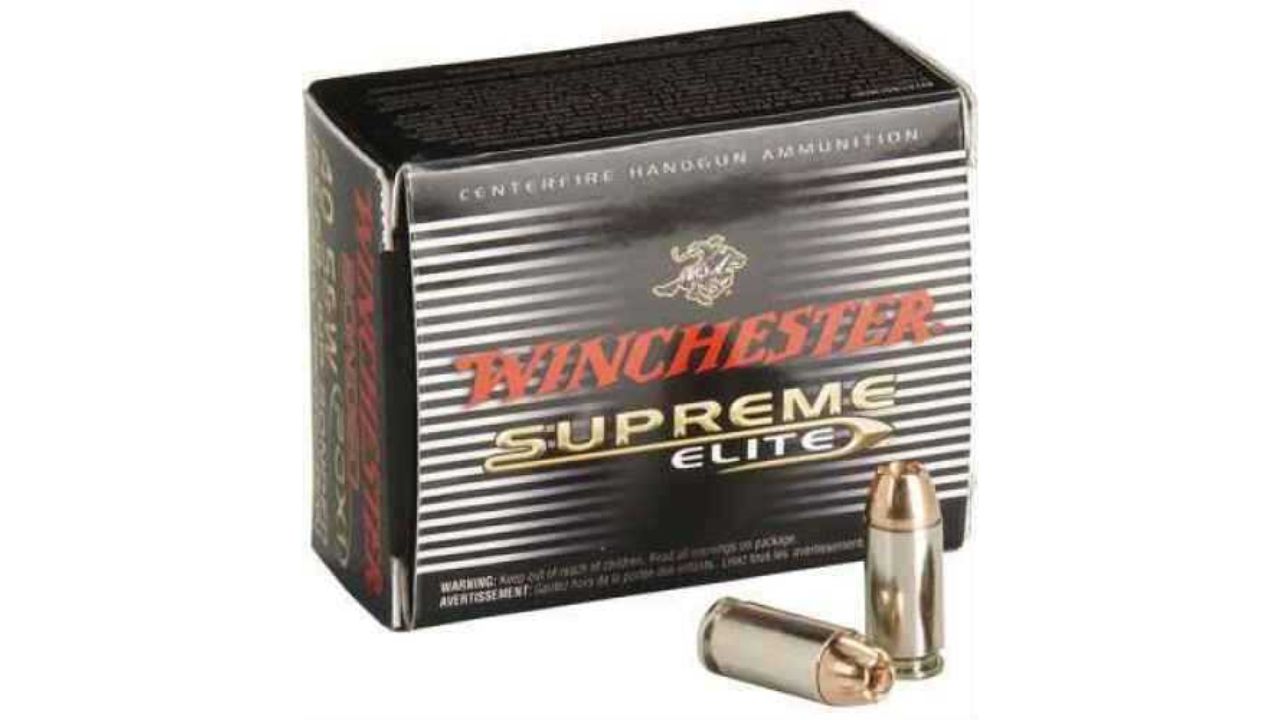
Out of compact blowback pistols, .380 ACP already struggles with snappy recoil and marginal accuracy. Once you go past 50 yards, most .380 loads lose their grip on flight stability. You’re more likely to see dropped shots and off-target hits.
It’s a close-quarters defensive round, not a precision tool. And when it’s paired with tiny sights and minimal barrel length, the flaws show quickly. A well-placed .380 round at close range is fine—but don’t count on it for mid-range consistency.
.45 Colt (cowboy loads)
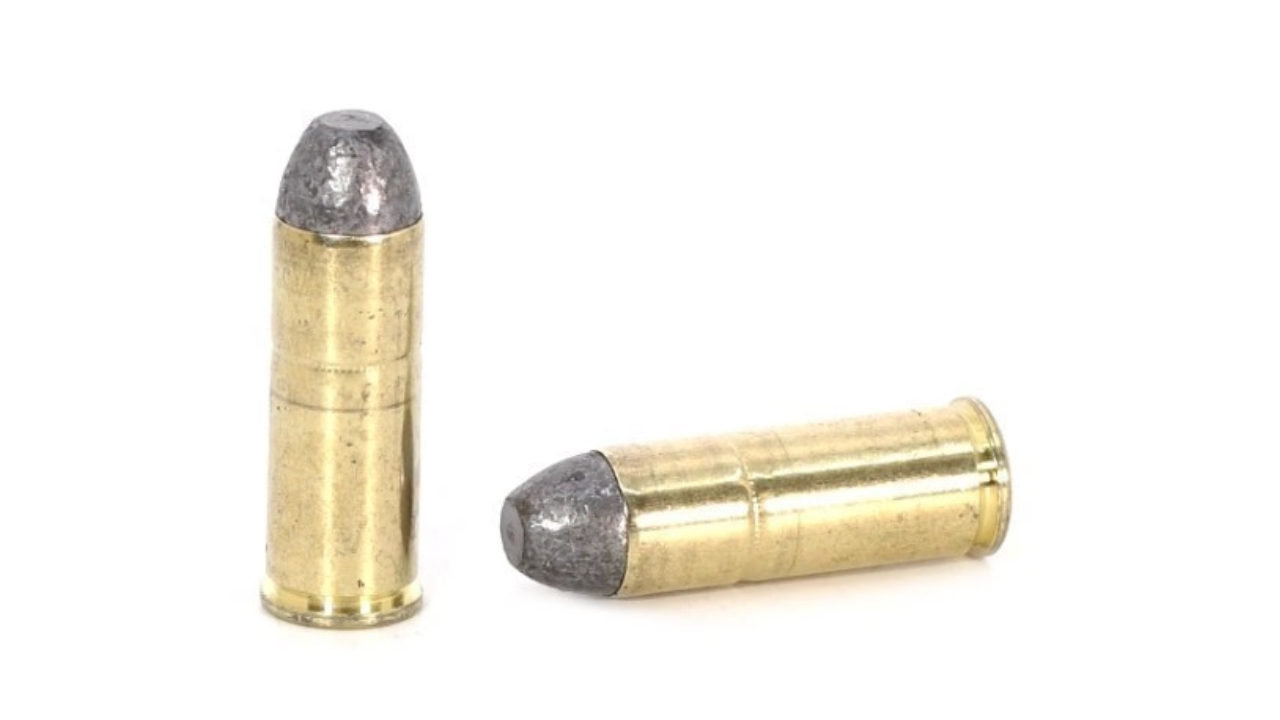
Some cowboy loads for .45 Colt are intentionally downloaded for safety in old revolvers. While they’re fun to shoot and easy on the hands, they’re not designed for long-range performance. Once you pass 50 yards, drop and drift take over.
This isn’t a knock on all .45 Colt ammo—hot loads in modern guns do better. But those soft cowboy rounds are meant for steel at 15-25 yards. Push them further and you’ll spend more time guessing than hitting.
.22 CB Cap
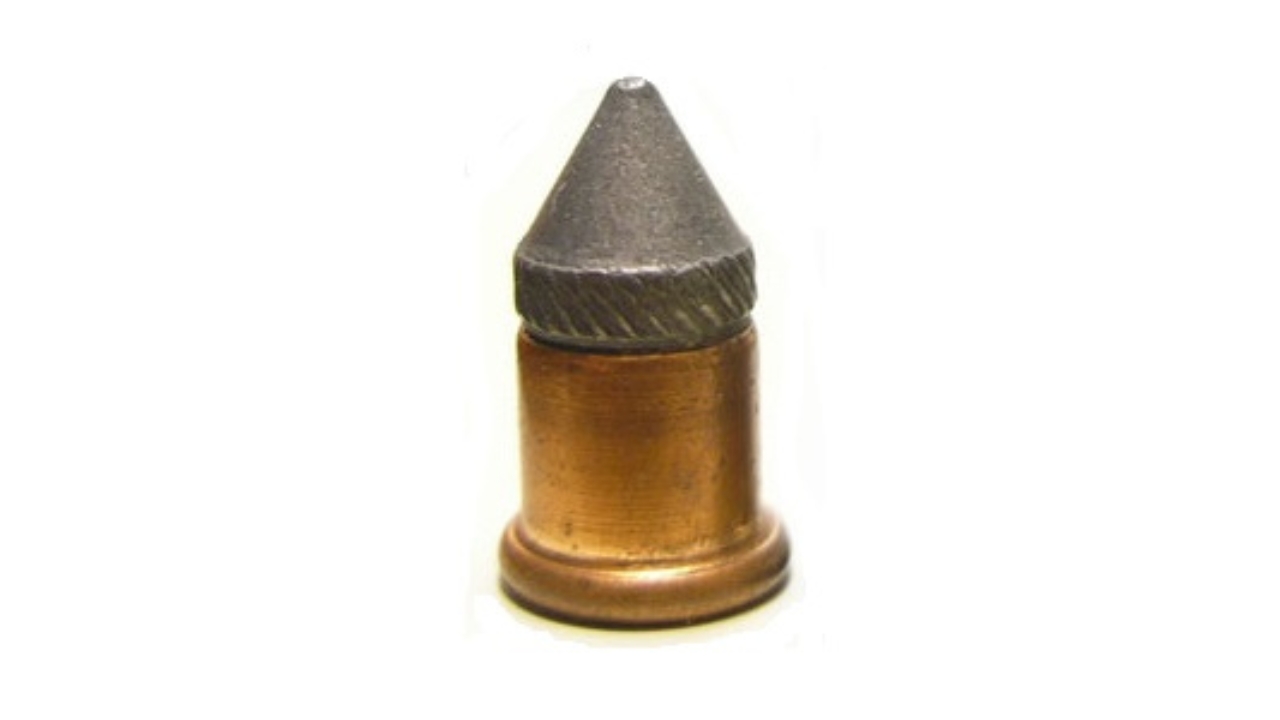
The CB Cap is one of those novelty rimfires that barely whispers when it goes off. It’s a quiet little round with almost no powder behind it—and that’s the problem. It drops like a rock and doesn’t stay consistent beyond spitting distance.
It’s fun for quiet indoor shooting or taking out pests at very close range. But stretch it out and you’ll quickly see why it never caught on as a field round. Even out of a rifle-length barrel, it’s a 25-yard cartridge at best.
.50 Beowulf

Yes, it’s a monster up close. But the .50 Beowulf starts bleeding energy fast, and by the time you hit 75 or 100 yards, it’s already lost most of its steam. That big bullet isn’t flying efficiently—it’s punching through air like a dump truck.
It has its uses, especially in brush or for close hog work. But for any kind of distance shooting, it’s like lobbing softballs. Past 50 yards, your trajectory and energy drop hard. It hits like a freight train—but only if you’re close enough to hear it coming.
.44 Russian

The .44 Russian was never meant to be a long-range round. Developed for revolvers in the black powder era, it’s low pressure and low velocity. Accuracy at close distances is decent, but once you get beyond 50 yards, things get dicey.
It was a stepping stone to the .44 Special and eventually the .44 Magnum, both of which perform better at range. The original Russian version is better left to reenactors and cowboy action shooters. Don’t expect it to carry past the barnyard.
7.62×25 Tokarev
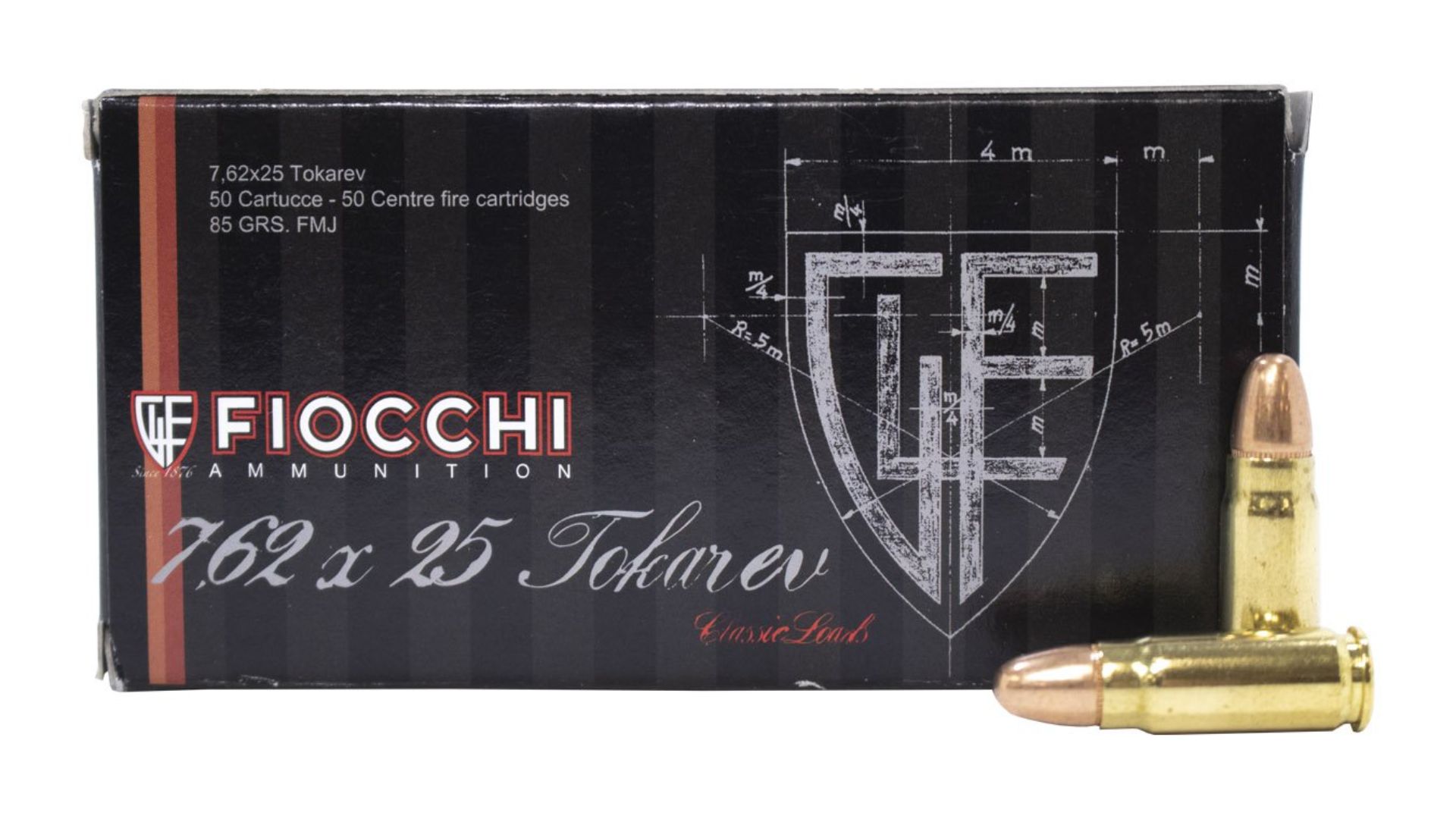
While the Tokarev round is known for speed, some surplus loads suffer from poor consistency. Combine that with lightweight projectiles and outdated powder, and you get rounds that tumble or drift badly past 50 yards.
Out of modern barrels and with good ammo, it can do better. But in real-world use, especially with milsurp pistols and aging rounds, you’ll see accuracy fall apart once the range increases. It’s a great close-range penetrator—but not always a tack driver at distance.
.41 Rimfire
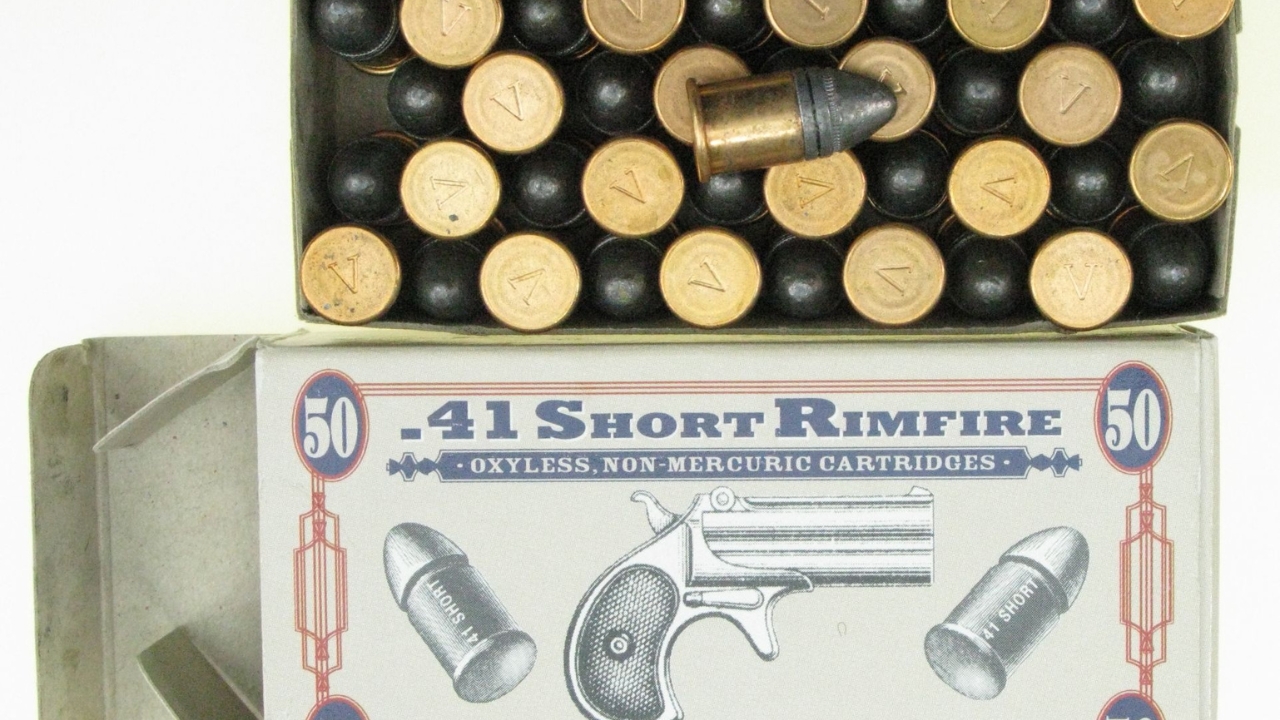
This one’s from a bygone era, and it shows. The .41 Rimfire was used in derringers and pocket pistols, and it was never built for anything beyond belly-gun range. Out past 50 yards, it’s laughably underpowered and wildly inaccurate.
It’s an interesting piece of history, but even back then, nobody expected much from it at distance. Today, it’s a novelty that serves no real practical use beyond a few feet. Fun to collect, not fun to stretch.
.38 Long Colt
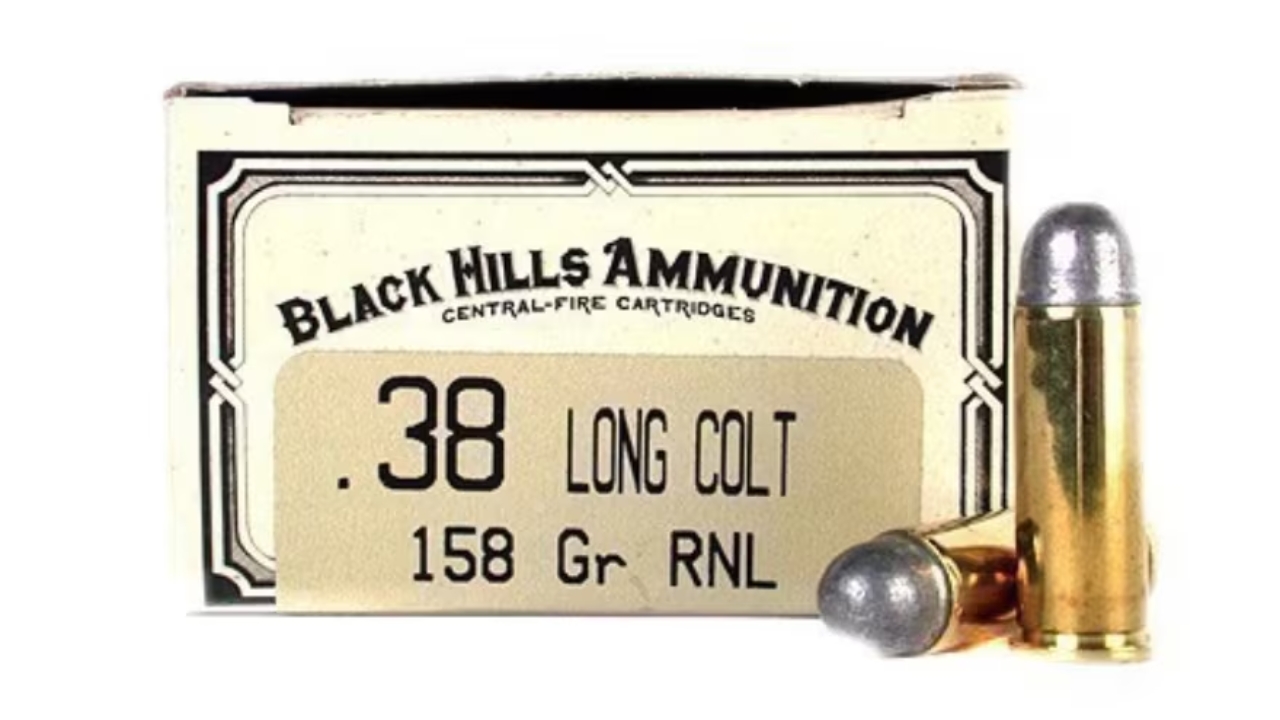
Once a service round, the .38 Long Colt was famously outclassed in the Philippines and led to the return of .45-caliber sidearms. At distance, its accuracy and energy were both lacking. Modern shooters using it in reproduction guns will see the same issues.
It doesn’t retain velocity well, and it doesn’t do much with the little it keeps. If you’re target shooting at short range, you’ll get by. But anything beyond that becomes more frustration than fun.
.32 Long
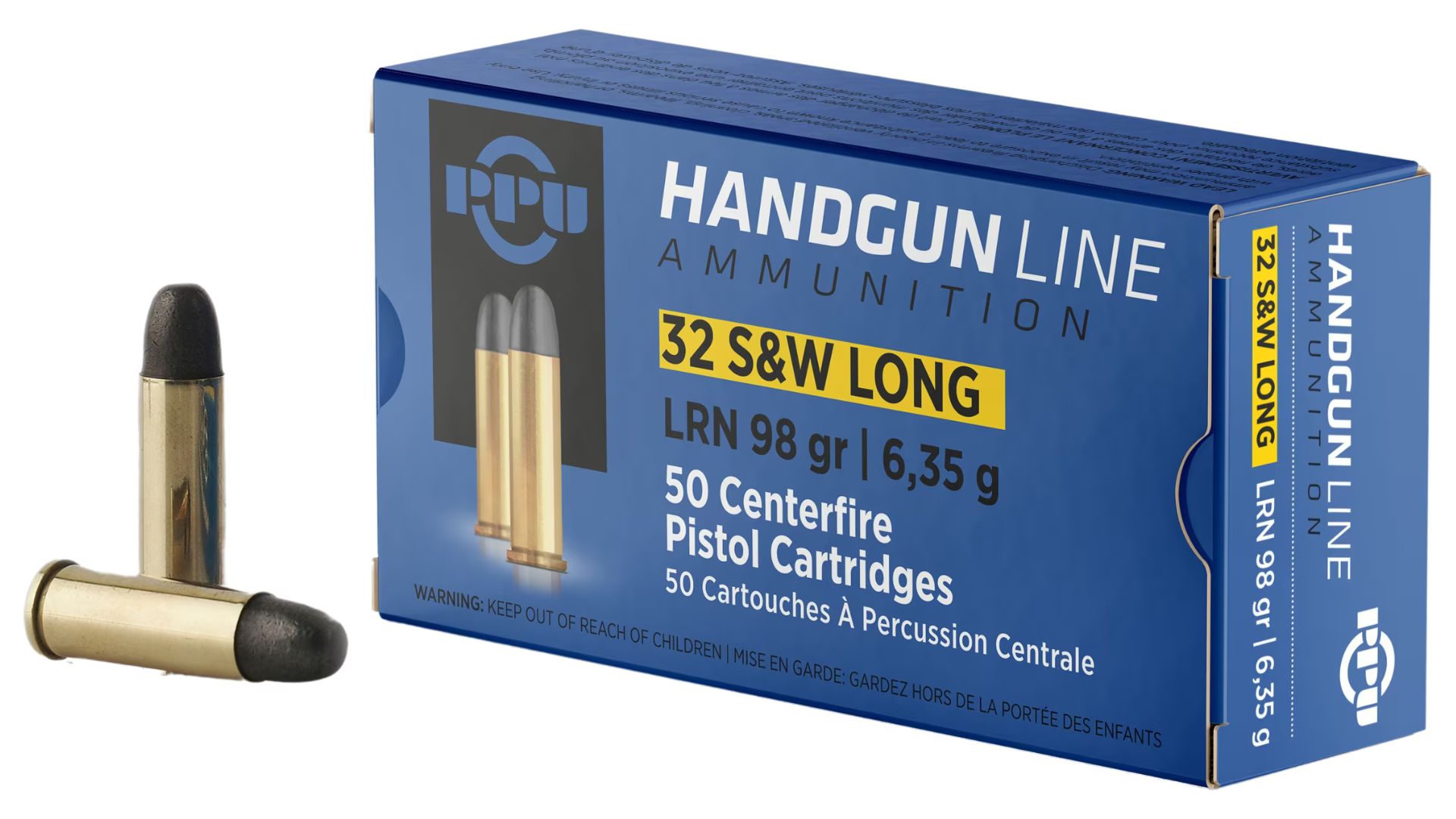
The .32 Long has always been a mild-mannered round. It shoots soft, but it also drifts quick and lacks punch. Past 50 yards, it’s hard to predict, and even harder to trust for consistent hits.
Great for target work in vintage revolvers or teaching new shooters, but not much more. You can’t expect a mild charge and light bullet to stay on course once the wind picks up or gravity takes hold. It’s a great porch plinker—nothing further.
9mm Makarov

While it served its purpose as a Soviet-era carry round, 9mm Makarov falls short when it comes to distance. It’s a step down from 9mm Luger in both speed and ballistic performance, and it shows fast.
Out to 25 yards, it’s manageable. But go beyond that and you’ll start seeing unpredictable drift, wide groups, and minimal energy. In modern terms, it’s fine for close self-defense, but not for anything where precision matters at a distance.
.380 Rimmed (a.k.a. .38 S&W Short)
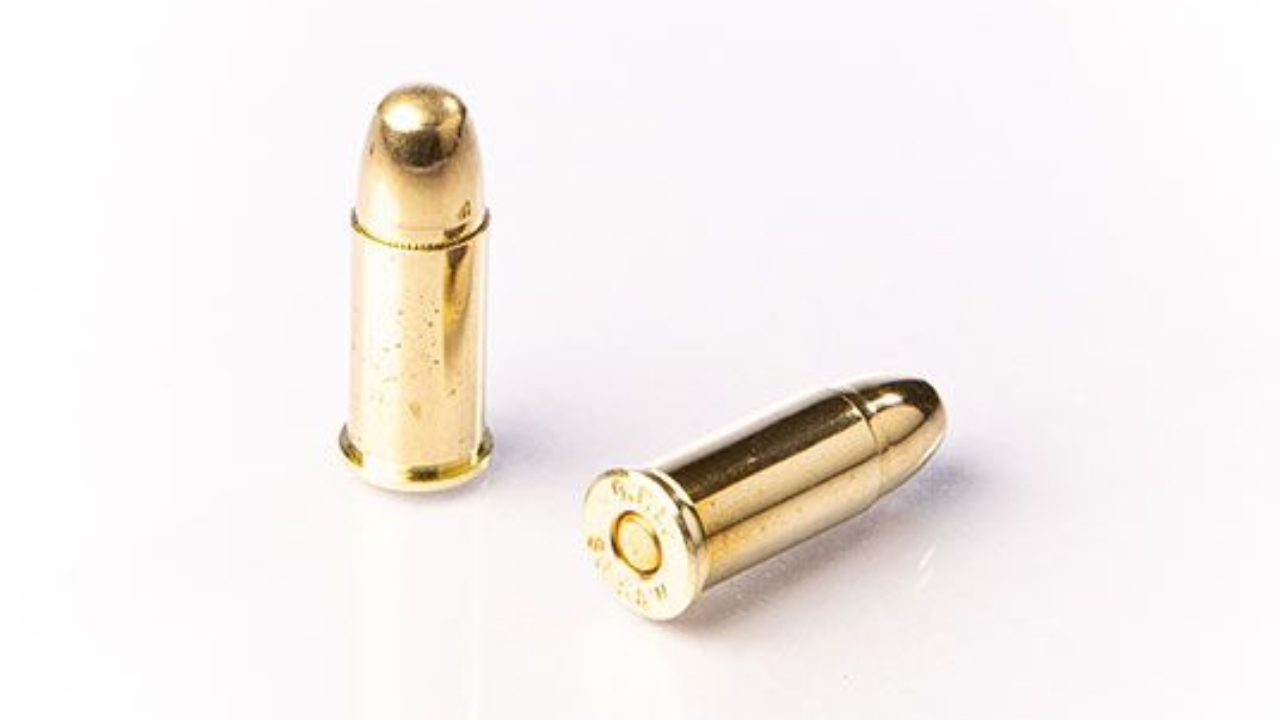
This tiny revolver round was used in old break-top British and American revolvers. It’s even milder than the .38 S&W and behaves like a rimmed .380 ACP. Beyond 30-40 yards, it drops off hard and starts to lose all semblance of accuracy.
It was never meant to reach far—it was a close-defense option in a different era. If you’re loading up one of those old top-breaks, know that it’s going to behave more like a backyard popgun than a serious shooter past 50 yards.
.45 GAP

The .45 GAP was supposed to offer .45 ACP performance in a smaller package, but it never quite measured up. It’s snappy, underpowered compared to full .45 loads, and lacks long-range consistency out of shorter barrels.
You’ll find some factory loads that shoot decently, but past 50 yards, they drop faster and drift more than .45 ACP. The caliber’s short case design limits powder capacity, and that shows once the range stretches. It works close in—but not much past that.
.17 HM2
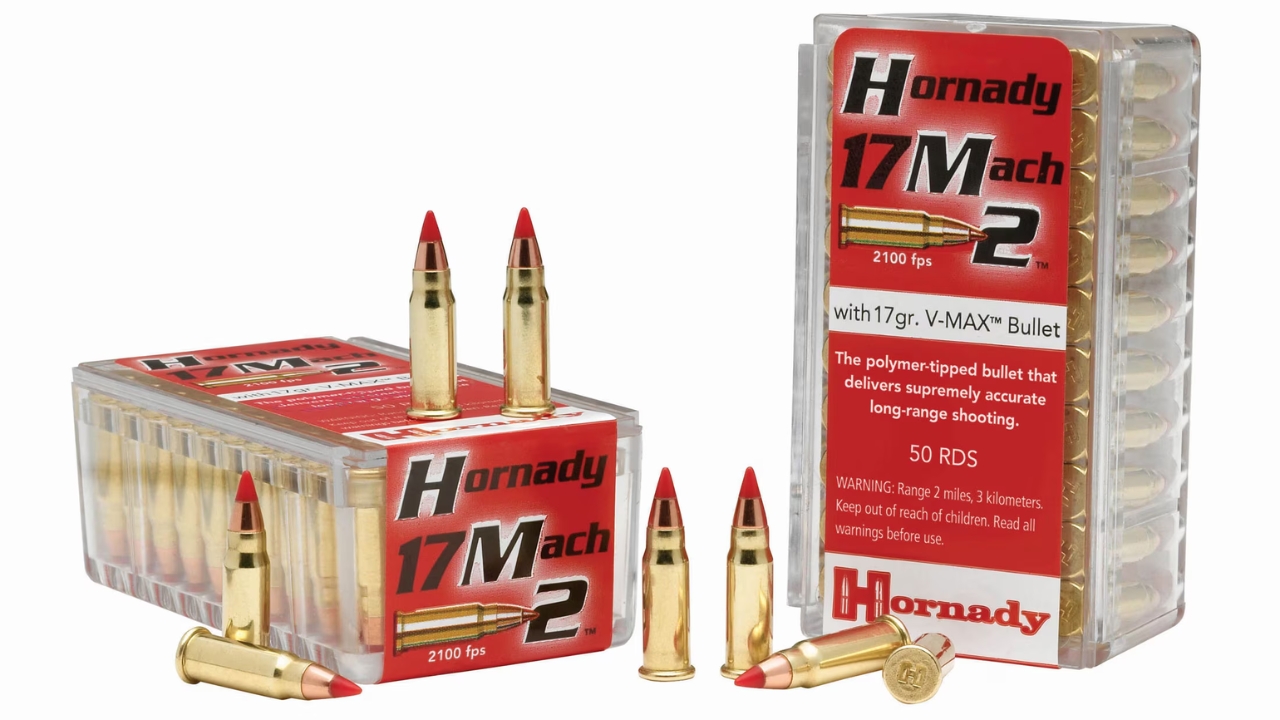
The .17 HM2 is a zippy little rimfire that’s great for small targets at modest distances—but it’s finicky. Lightweight bullets are easily blown off course, and while it starts fast, it slows down quick. Past 50 yards, wind becomes your worst enemy.
Out of the right rifle and in calm conditions, it can stretch a little. But compared to the .17 HMR, it lacks staying power. You’ll get some hits, but not the consistency you need when the conditions aren’t perfect.
Like The Avid Outdoorsman’s content? Be sure to follow us.
Here’s more from us:
The worst deer rifles money can buy
Sidearms That Belong in the Safe — Not Your Belt
*This article was developed with AI-powered tools and has been carefully reviewed by our editors.