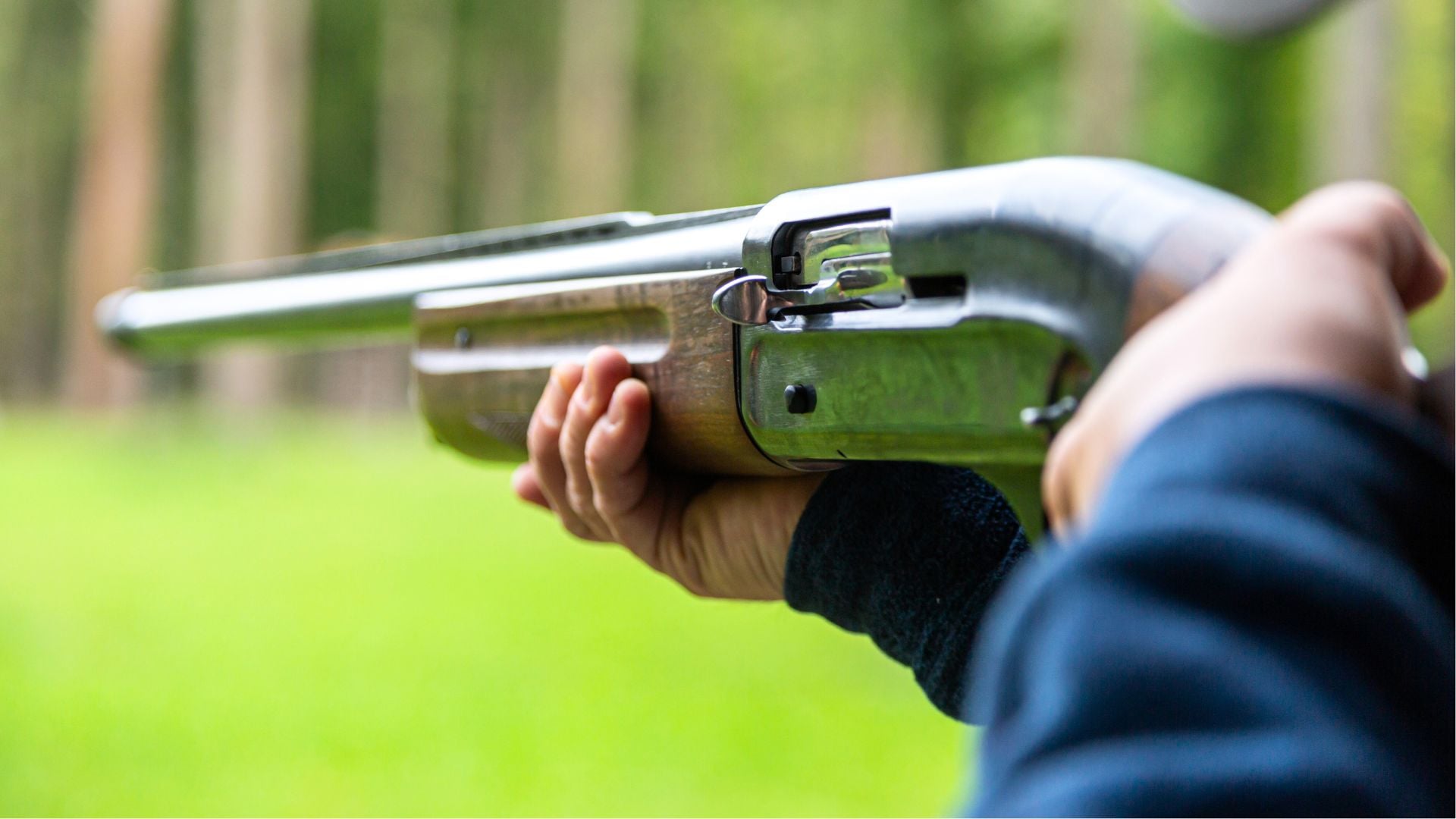
Photo credit: Tamakhin Mykhailo/Shutterstock.com
Shotgun recalls draw attention because they are less common than recalls involving certain pistols or accessories, and because a shotgun’s typical use case puts it in close proximity to people during hunting, training, and transport. Many shotguns operate with long-established designs and conservative pressures, which contributes to the perception that they are less likely to develop systemic safety problems. When a manufacturer does issue a recall, it is usually tied to a specific risk scenario that has been identified through reports, testing, or internal review, and the company is effectively saying the risk cannot be managed through routine safe handling alone. For owners, the practical question is not how rare recalls are, but what the recall notice implies about the potential consequences if the defect is ignored.
Why shotgun recalls often involve high-consequence failures
When a shotgun recall occurs, it is often rooted in a failure mode that can cause injury during normal operation or during common administrative handling such as loading and unloading. Those moments matter because shotguns are frequently handled in social contexts: at the truck, in a blind, at a range, or in a home where the gun is being prepared for a trip. Unlike a precision rifle that may be fired from a bench in controlled conditions, a shotgun is often manipulated quickly, sometimes one-handed, and sometimes while the shooter is managing dogs, gear, or other people. If a recall identifies a design or manufacturing condition that makes a shotgun susceptible to a hazardous event under these everyday conditions, the real-world risk can be disproportionate to how often the gun is fired. Shotguns also tend to be shared within families and hunting groups, which increases the chance that a recalled firearm remains in circulation even after the original buyer has moved on.
The most dangerous moment is often the “routine” moment
A recurring pattern across firearms incidents is that injuries occur during moments people do not emotionally treat as dangerous: the unload at the end of a hunt, the chamber check before a case is zipped, the quick load while others are waiting, or the casual manipulation of controls while talking. A shotgun recall frequently points at one of these routine moments, which is why it can matter more than a recall involving a niche part that only specialized users install. If a recall notice describes a risk tied to loading, unloading, chambering, or action manipulation, it implicates behavior that occurs repeatedly across the life of the gun. That does not mean the shooter has been reckless; it means the product may be unforgiving when normal human imperfection shows up. This is also where “rare” becomes irrelevant. A rare defect that expresses itself in a routine moment can still create meaningful risk across a large number of owners, and it can do so in settings where a single incident affects more than one person.
What a recall tells owners about design tolerance and quality control
A recall is not a general statement that a product line is unsafe; it is a targeted admission that something within a defined range of production did not meet the safety standard expected. For shotguns, that can involve machining tolerance, component fit, control geometry, or assembly conditions that allow an abnormal interaction between a shell and internal parts, or between the action and a control. Even when the root cause is a narrow manufacturing issue, the recall signals that the failure mode is serious enough that the manufacturer wants affected units out of service. That matters because shotguns are often treated as durable tools that can be trusted indefinitely, with maintenance limited to basic cleaning. A recall cuts against that cultural assumption by emphasizing that even conservative platforms can develop predictable risk paths if a particular component, dimension, or assembly step is wrong. In effect, the recall is the manufacturer stating that the gun’s safety margin is compromised in a way the owner cannot reliably detect through casual inspection.
How to respond without overreacting or minimizing the risk
The appropriate response to a shotgun recall is procedural. Owners should verify whether their specific shotgun is included, follow the manufacturer’s stop-use instructions if applicable, and complete the repair, upgrade, or replacement process as directed. The common failure is either minimizing it as “internet drama” or reacting with broad distrust of all similar firearms. Neither helps. A recall is precise, and the response should be precise. That means identifying the gun by serial number, retaining documentation, and ensuring the firearm is not loaned or transferred while the status is unresolved. It also means communicating within families or hunting groups, because a recalled shotgun is often not isolated to one owner’s safe. The reason a rare shotgun recall matters is that it represents a known hazard scenario that the manufacturer believes cannot be left to user behavior. When a company crosses that threshold, the owner’s job is to take the notice at face value, remove the gun from use, and close the loop through the official process.
Like The Avid Outdoorsman’s content? Subscribe to our newsletter so you never miss an article.
Here’s more from us: