Photo credit: 1957Shep/YouTube
We may earn revenue from products featured on this page through affiliate links.
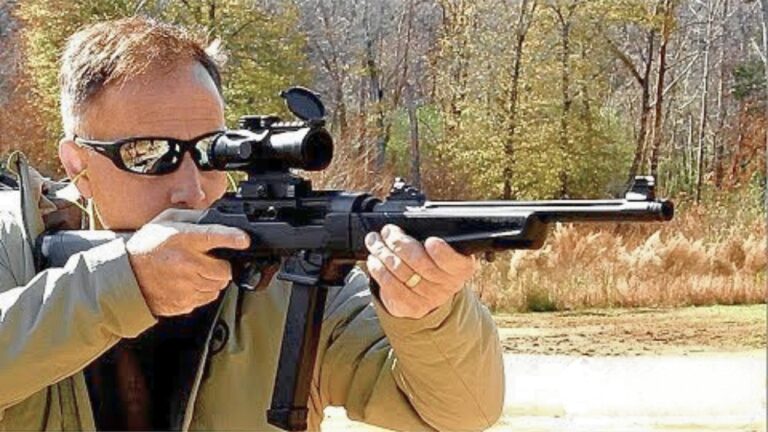
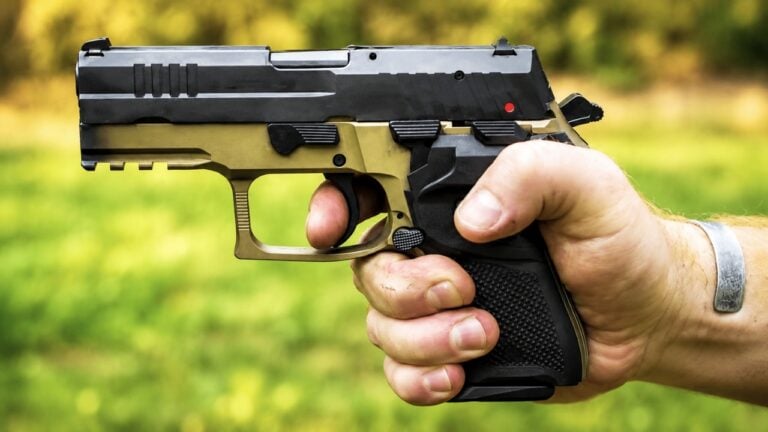
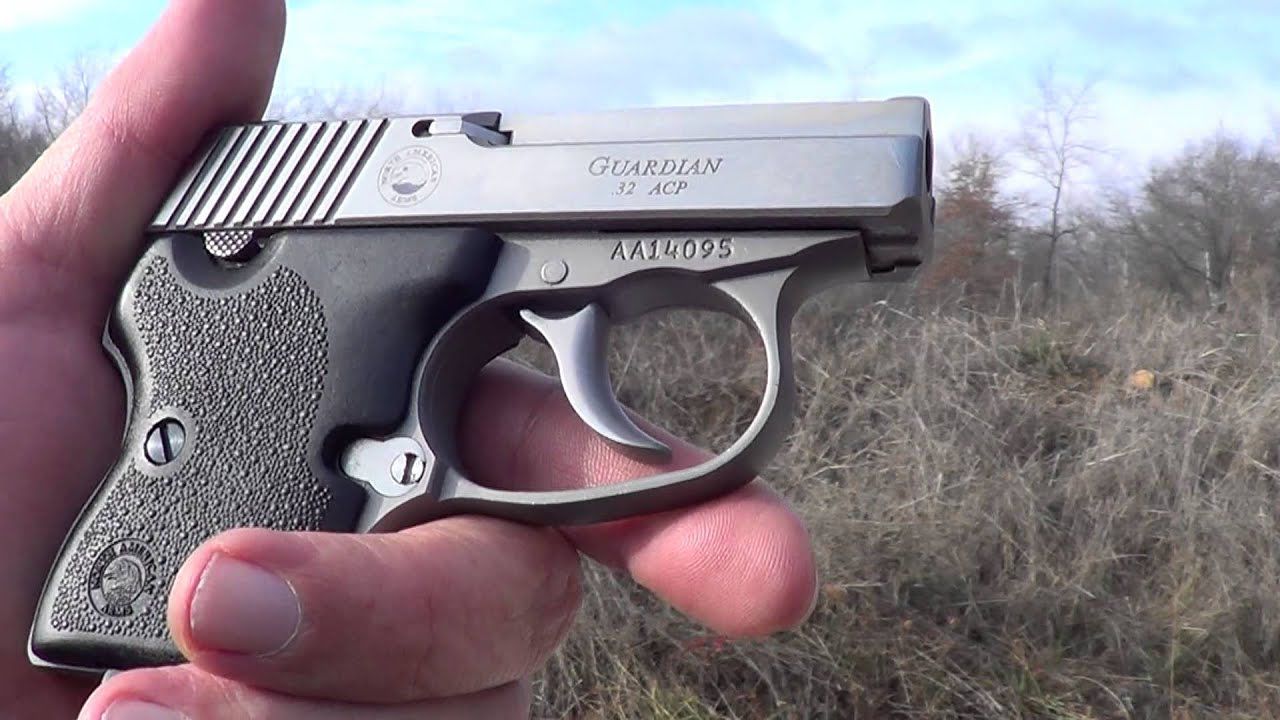
Small guns sell because they’re easy to carry, easy to hide, and they feel less intimidating in the hand at a gun counter. Then people take them to the range and get a rude surprise: the same shooter who can stack hits with a full-size pistol suddenly sprays shots with a micro-compact. That’s not because the shooter “got worse.” It’s because small guns are less forgiving in every way that matters—grip, sight radius, recoil impulse, trigger control, and how the gun behaves when your hands aren’t perfect. A small gun can absolutely be a great carry tool, but if you don’t respect what it demands, you’ll carry something that feels comforting and shoots like chaos under stress.
Small guns punish grip mistakes because there’s less gun to hold onto
The biggest reason small guns are hard to shoot well is simple: you have less surface area to control. With a full-size pistol, you get a full grip, room for both hands, and enough frame length that your support hand can lock in hard. With a tiny gun, you’re often missing a finger on the grip, your support hand has less space to clamp, and the gun has more freedom to move during recoil. That extra movement doesn’t just feel unpleasant—it moves the sights off target and makes your trigger press more likely to disturb alignment. A lot of shooters think, “I’ll just grip it harder,” but on a short grip you run out of leverage fast. The fix isn’t magic. It’s learning a high, consistent grip that doesn’t shift, using the support hand aggressively, and choosing a grip length you can actually control. Sometimes the smartest “small gun” move is sizing up slightly to a compact that still conceals but gives you a full grip, because a gun that carries a little bigger but shoots far better is often the safer carry choice.
Short sight radius makes small errors look huge on target
Sight radius is one of those boring concepts that becomes painfully obvious the minute you shoot a small gun at speed. The shorter the distance between front and rear sights, the more a tiny alignment error becomes a big miss downrange. With a longer slide, you can be slightly imperfect and still land hits. With a short gun, that same imperfection turns into a shot outside the scoring zone. That’s why new shooters often feel like their small gun is “inaccurate,” when it’s actually revealing their inconsistency. Add stress and movement and the problem gets worse. This is also where optics-ready micro-compacts have helped some shooters, because a dot can remove part of the “short sight radius” penalty by giving you one aiming reference. The downside is dots demand presentation practice, and small guns already demand more practice, so you’re adding one more skill requirement. The fix is building fundamentals: consistent presentation, consistent front sight focus (or dot acquisition), and enough reps that the gun comes up aligned instead of requiring last-second correction.
Recoil feels sharper and faster, which disrupts timing and confidence
Small guns don’t necessarily produce more recoil energy than bigger guns in the same caliber, but they often feel worse because of how that recoil is delivered. Less mass means faster acceleration, sharper snap, and more muzzle rise. The gun returns to target less predictably, and that makes follow-up shots harder. It also messes with confidence. When a gun feels violent, people flinch, they anticipate, and they start slapping the trigger because they want the shot “over with.” That’s how groups open up and hits drift low-left for right-handed shooters. The fix is realistic practice and smart ammo selection. Some shooters benefit from slightly heavier-for-caliber loads that feel smoother, and many benefit from a slightly larger gun that still conceals well. The goal isn’t to prove you can handle a tiny gun. The goal is to be able to place fast, accurate hits when you’re not calm and comfortable. If the recoil impulse makes you dread practice, you’ll practice less, and that’s how small guns become false confidence.
Triggers feel heavier because the gun moves more during the press
Micro-compact triggers aren’t always heavier on paper, but they often feel heavier in practice because the gun is moving more under your hands. A clean trigger press requires the rest of the gun to stay stable. On small guns, stability is harder, so the trigger press becomes a more obvious disturbance. That’s why people “throw” shots more with tiny guns even when they think they’re pressing smoothly. The fix is not chasing trigger jobs right away. The fix is learning a press that doesn’t add lateral pressure, building grip stability, and practicing with a focus on clean breaks. Dry fire matters here more than people want to admit. If you can’t hold the sights steady during a slow press in dry fire, you’re not going to magically do it when the gun is recoiling and your heart rate is up. Small guns punish sloppy trigger control, and they don’t hide it.
Reliability is more sensitive in small guns, especially with cheap mags and weak grip
Another surprise for new carriers is that small guns can be less forgiving of weak grip and marginal ammo. Many micro-compacts run on tight timing. If you limp-wrist them, you can induce malfunctions that never happen in a heavier pistol. If your magazines are worn or cheap, feeding issues show up faster. If your defensive ammo has a sharp bullet profile, some guns won’t like it. Full-size pistols often power through marginal conditions. Small guns sometimes don’t. That’s why “my gun runs fine” isn’t a claim until you’ve proven it with your actual carry mags and carry ammo. The fix is testing and discipline: run several boxes through the gun, test the exact defensive load you plan to carry, and don’t treat one flawless range trip as a lifetime guarantee. If the small gun is going to be your daily carry, it needs to be boringly reliable, not “usually fine.”
Small guns demand better support gear because carry comfort can hide performance problems
Small guns are easy to carry badly. People throw them in cheap holsters or pocket-carry setups that don’t cover the trigger well, then act like the gun is “safer” because it’s small. Small doesn’t equal safe. A quality holster and belt still matter because they keep the gun stable, keep the trigger protected, and make the draw consistent. If you’re going to carry, you want your setup to be predictable under stress. A solid, proven option many carriers use is a rigid IWB setup like the CrossBreed MiniTuck, which is designed to stabilize the gun and keep it in the same place all day. The point isn’t brand worship. It’s consistency. If your gun shifts, your draw becomes sloppy, and sloppy drawwork with a small gun is a fast path to mistakes.
The real takeaway: small guns aren’t beginner guns, they’re commitment guns
A small pistol can be the right carry choice, but it’s not automatically the easiest choice. It requires more practice to shoot well, more discipline to keep reliable, and more honesty about your own skill. The people who carry small guns effectively tend to be the ones who train enough to overcome the penalties: short grip, short sight radius, sharp recoil, and tighter timing. If you’re new, it may be smarter to learn on a slightly larger compact that you can shoot well and still conceal, then move smaller later if you truly need to. Small guns aren’t bad. They’re just less forgiving. If you respect that and train accordingly, they can be excellent tools. If you ignore it, they become a comforting object that you can’t hit with when it matters.
Like The Avid Outdoorsman’s content? Subscribe to our newsletter so you never miss an article.
Here’s more from us: