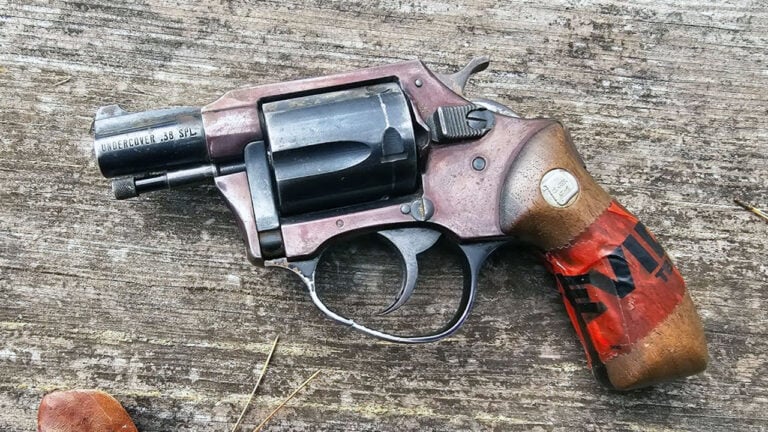
Photo credit: The Average Joe Armory/Youtube
Spend enough time at gun counters, estate sales, and online classifieds and you start to notice a pattern. Certain guns are priced like they’re obvious gems, and the seller will talk like you’re crazy for even blinking at the tag. Then you look closer and realize you’re not being offered “a classic,” you’re being offered a very specific version of a gun, from a very specific era, with very specific quirks. Some are still good guns. Some are landmines. And a few are both, depending on what you actually plan to do with them.
Here are 20 that tend to bring “I know what I’ve got” prices right up until you know exactly what you’re looking at.
1. Winchester Model 70 “pre-’64” (and the many not-pre-’64s)
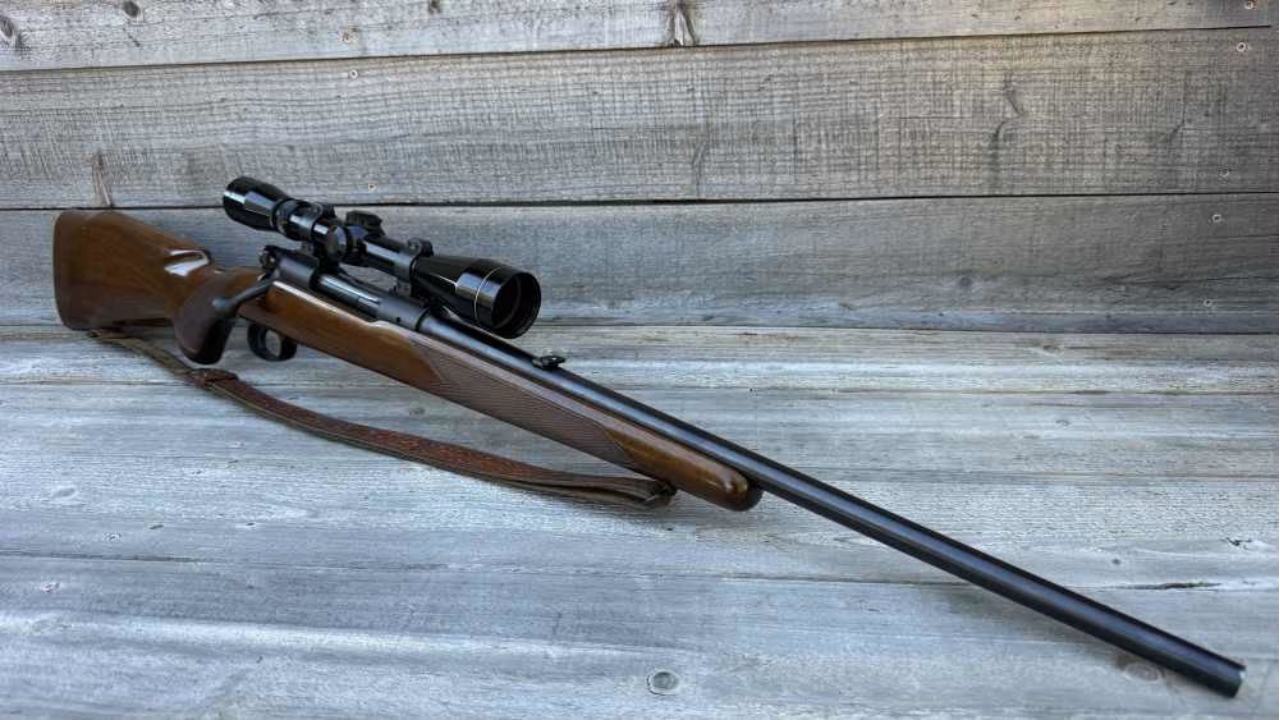
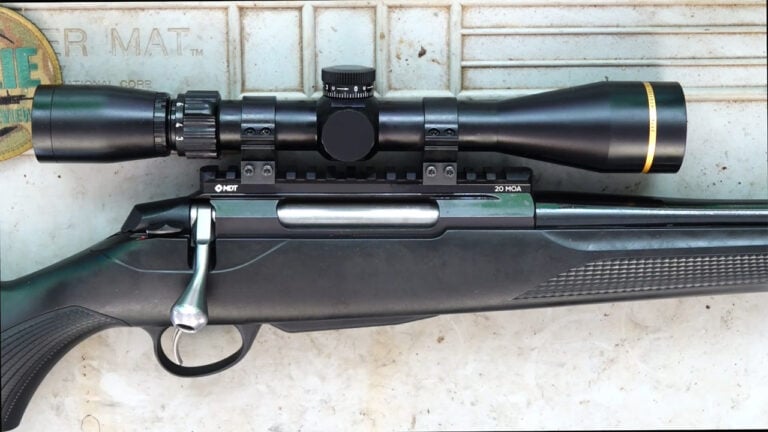
The words “pre-’64” can add a couple hundred dollars in a hurry, and sometimes more, because those rifles earned their reputation the honest way. Better machining, controlled-round feed, and a feel that just screams old-school quality. The problem is that the label gets tossed around loosely, and plenty of perfectly fine post-’64 rifles get priced like they’re museum pieces.
If you’re shopping one, you need to know what changes happened and when. Push-feed vs controlled-round feed matters to some hunters, and to collectors it matters a lot. Drilled-and-tapped holes, aftermarket stocks, recoil pads, and rebluing can all kill collector value even if the rifle still shoots great. I’m not telling you not to buy a Model 70. I’m telling you to buy the right Model 70 for the money.
2. Colt Python (modern production vs old rollmark magic)
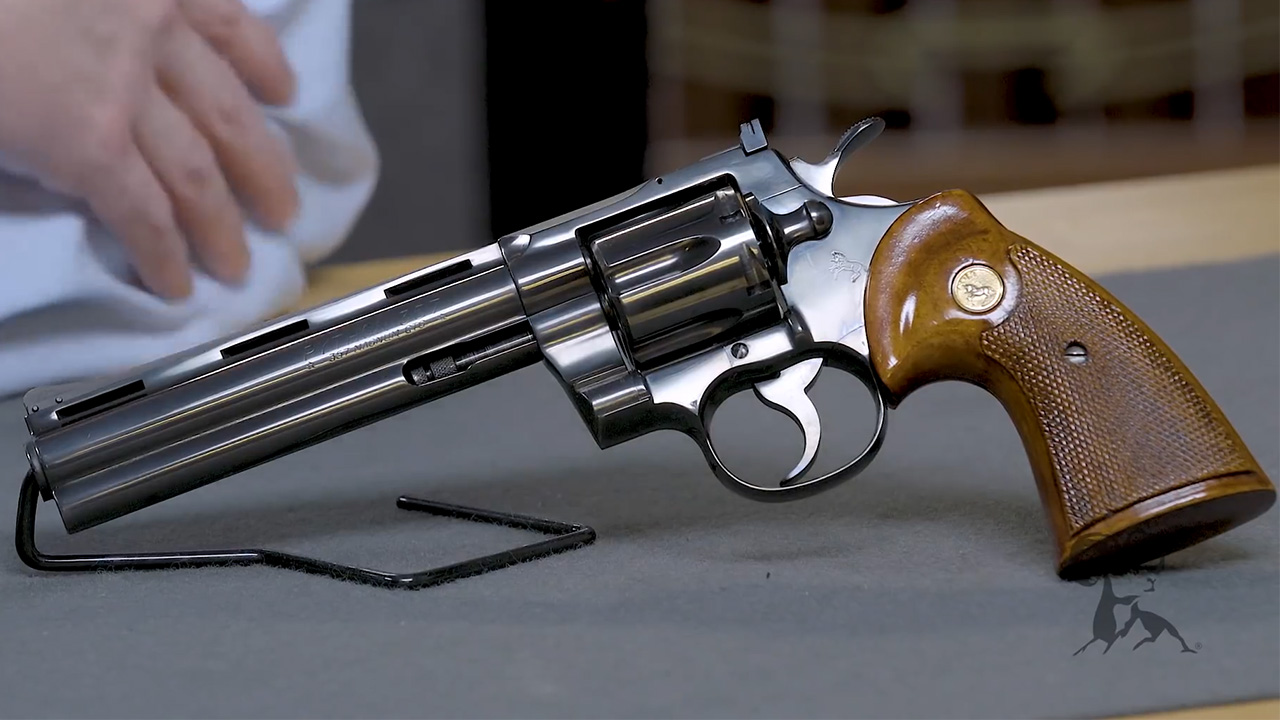
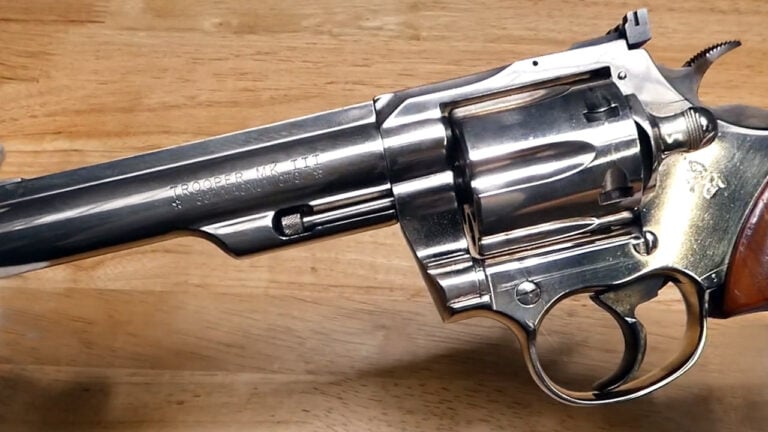
Pythons bring big money, and sellers know it. The tricky part is that not every Python is the same “Python” people picture when they think silky old Colt action and deep bluing you can fall into. The newer ones are strong, accurate revolvers, and they’re a solid buy for a shooter. They just shouldn’t always be priced like a pristine vintage collectible.
On the used market, you’ll see folks trying to get old-gun money for new-gun production, and you’ll also see beat vintage guns priced like safe queens. Timing issues, heavy use, amateur trigger work, and worn lockup can turn a dream revolver into a headache. A real Python is still a real Python, but the details decide whether it’s a trophy or a project.
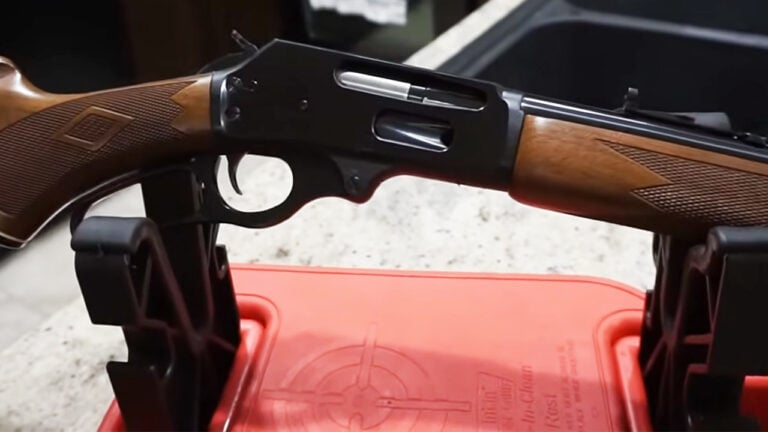
3. Marlin 336 “JM” stamped (and the rough ones hiding under nostalgia)
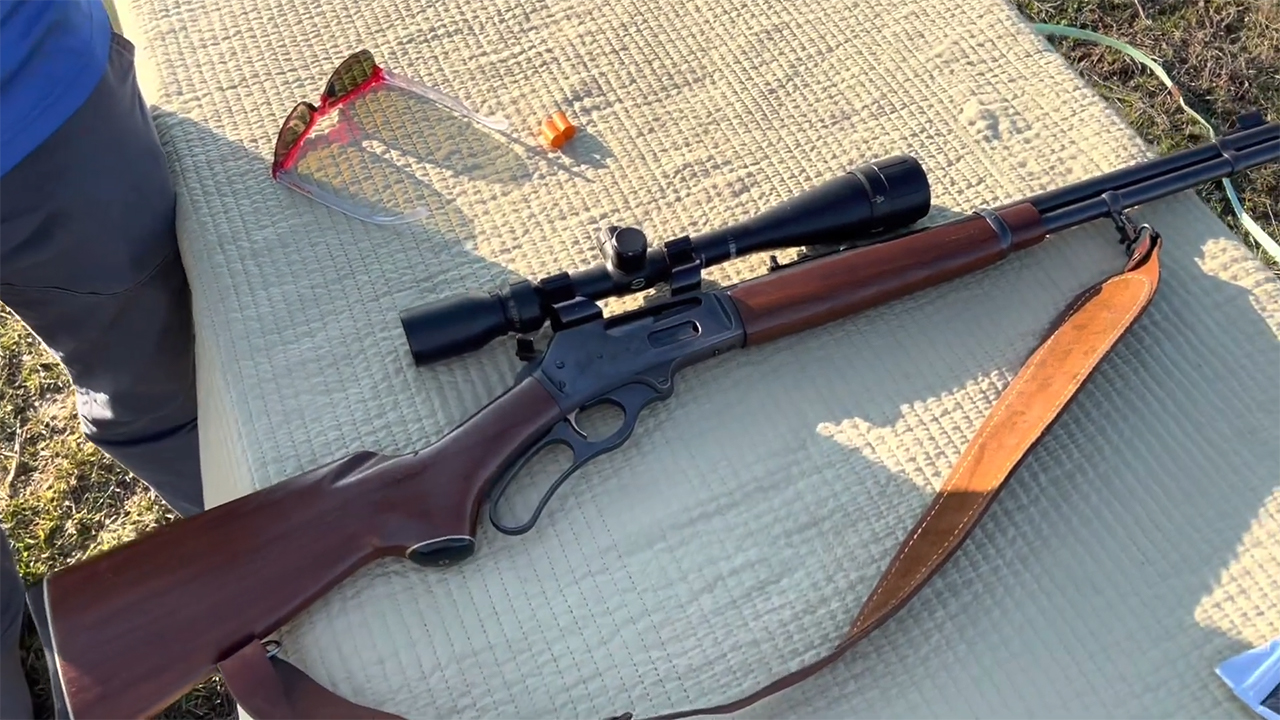
The “JM” stamp on older Marlin lever guns has become a price lever all by itself. Some of those rifles are absolute keepers: smooth actions, good wood-to-metal fit, and they’ll stack .30-30 groups tighter than they have any right to. But the stamp doesn’t guarantee the specific rifle in your hands is a sweetheart.
Look at the crown, check the bore, and cycle the action like you mean it. A lot of these have lived behind truck seats, sat in damp closets, or wore a cheap scope mount that got reefed down too hard. Also, not everybody needs a collectible lever gun to hunt whitetails at 80 yards. If you’re paying “JM money,” the rifle should earn it with condition, not just a couple letters on the barrel.
4. Remington 700 (older rifles vs the “just slap it in a chassis” assumption)
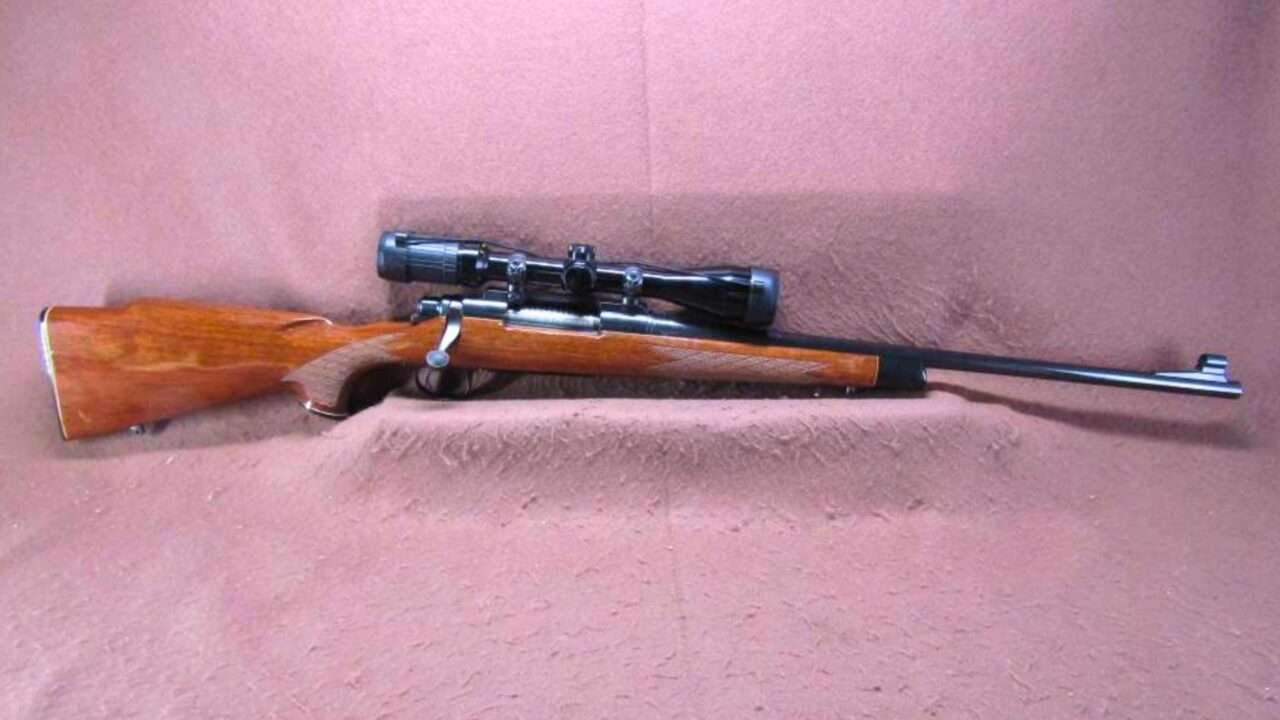
Everybody “knows” the Remington 700. That reputation makes sellers confident, especially when they throw in words like “sniper rifle” or “tactical” because it wears a big scope and a bipod. Here’s the deal: some 700s are great foundations, and some are just okay hunting rifles that got dressed up for photos.
On older used guns, wear and maintenance matter more than internet legend. Sloppy bolt feel, extraction issues, rust under the stock line, and sketchy trigger work are all real-world problems you can inherit. If it’s already been “upgraded,” you need to know who did the work and whether it was done right. A 700 can be worth the money, but the market acts like they’re all equal. They are not.
5. Ruger Mini-14 (older thin-barrel models at “AR money”)

Minis are handy, they carry well, and they have a certain ranch-rifle charm. I get it. What I don’t get is paying modern AR-15 prices for an older Mini-14 that strings shots when it warms up. Plenty of sellers price them like they’re rare fighting carbines instead of what they usually are: practical little rifles with some accuracy limitations.
Newer Mini-14s are better than the older ones in the accuracy department, and that’s where knowing the series matters. Magazine quality is another thing—factory mags are great, bargain mags can be pure frustration. If you want a Mini because you like Minis, fine. Just don’t pay a premium for one of the versions that’s famous for being “minute of coyote at 100” on a good day.
6. Springfield Armory M1A (when the romance doesn’t match the reality)
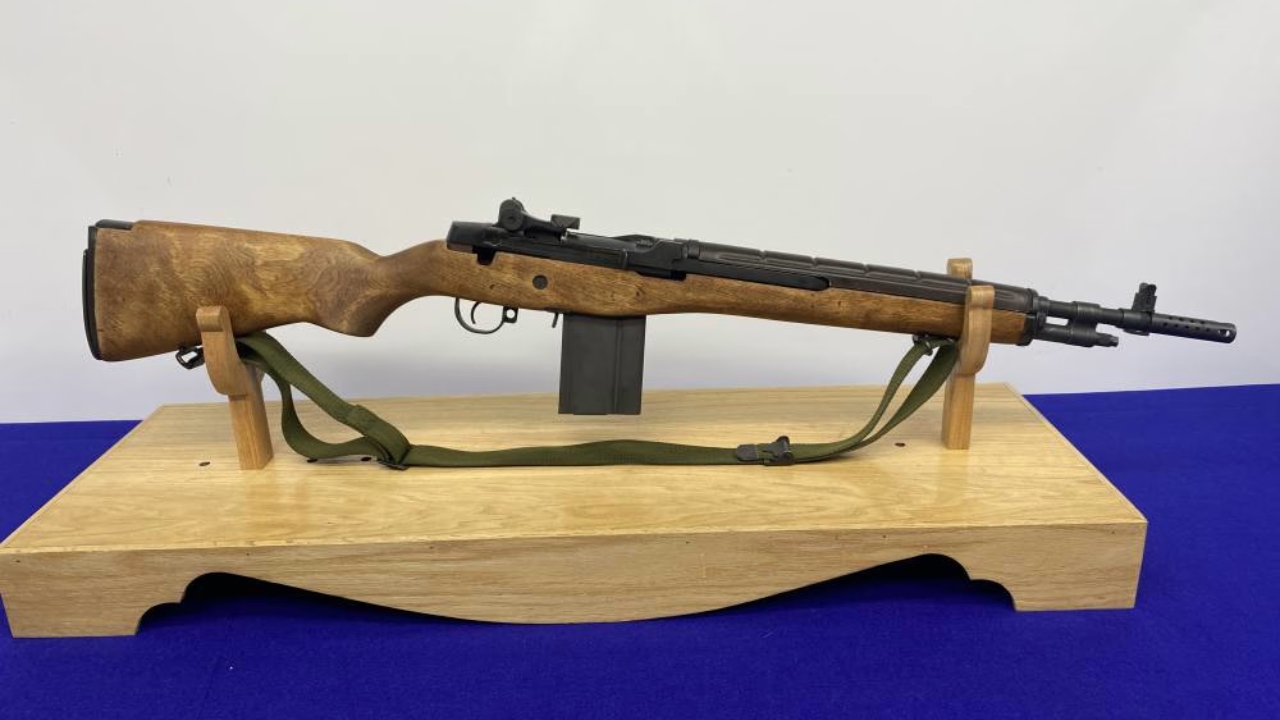
An M1A on the rack makes a lot of folks pause. It’s got history in its bones, and it feels like a “real rifle.” That’s also why sellers price them like they’re automatically precision machines. Then you haul it to the range, and you find out quickly that “battle rifle cool” and “easy, repeatable accuracy” aren’t the same thing.
They can shoot well, but they’re not plug-and-play like modern AR platforms. Mounting optics can be fussy. Magazines are an investment. Weight is real if you’re carrying it all day in the hills. If you’re buying one, buy it because you want that style of rifle and you’re okay learning it. Paying top dollar because you assume it’ll outshoot everything else is where folks get burned.
7. Mosin-Nagant 91/30 (priced like a collectible, shot like a fence post)
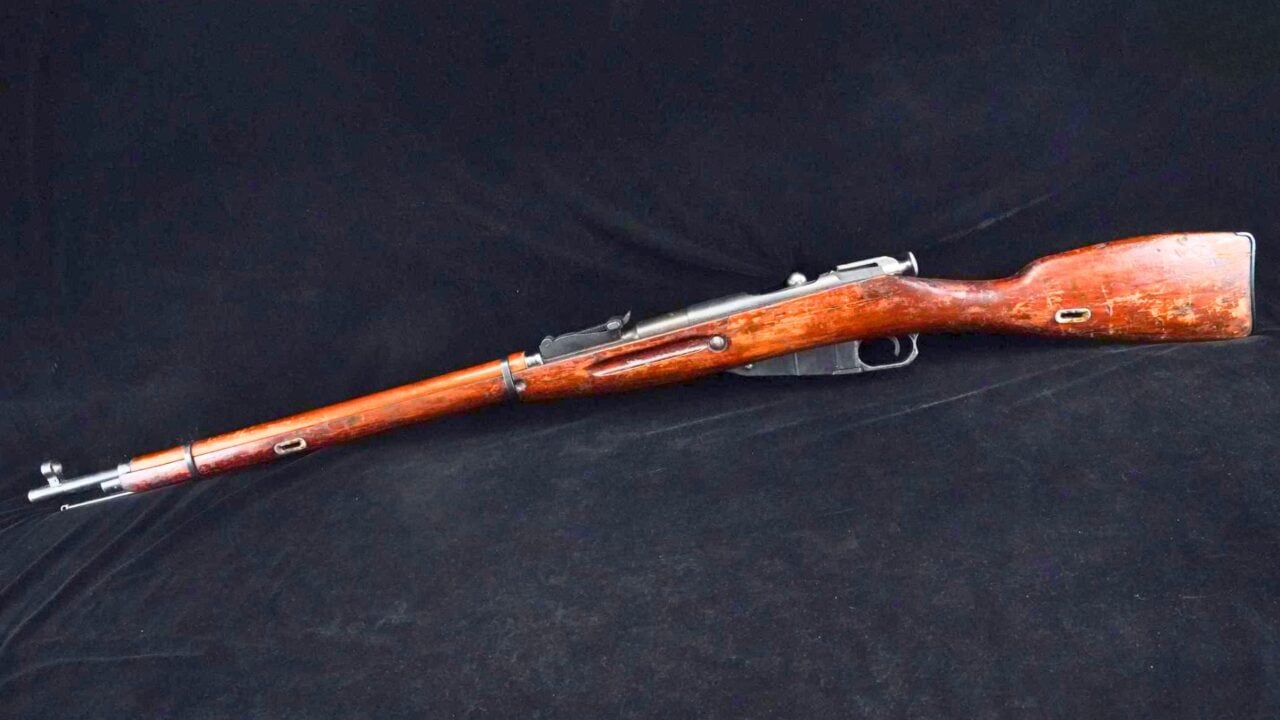
There was a time these were cheap enough to not think about. Those days are gone, and now you’ll see 91/30s wearing a price tag like they’re finely made hunting rifles. Most aren’t. They’re rugged surplus rifles that can be fun, but they’re also long, heavy, and often rough in the bore.
Some shoot surprisingly well. Many don’t. Triggers can feel like dragging a stump through gravel, and the recoil with some ammo is not friendly. Add in sticky bolt lift from lacquered surplus rounds, and the “cheap fun” factor gets old fast. If you find a clean one with matching numbers and a strong bore, that’s different. But a random crate-grade rifle isn’t automatically worth premium money just because the market got nostalgic.
8. Smith & Wesson Model 29 (because “Dirty Harry” isn’t a use case)
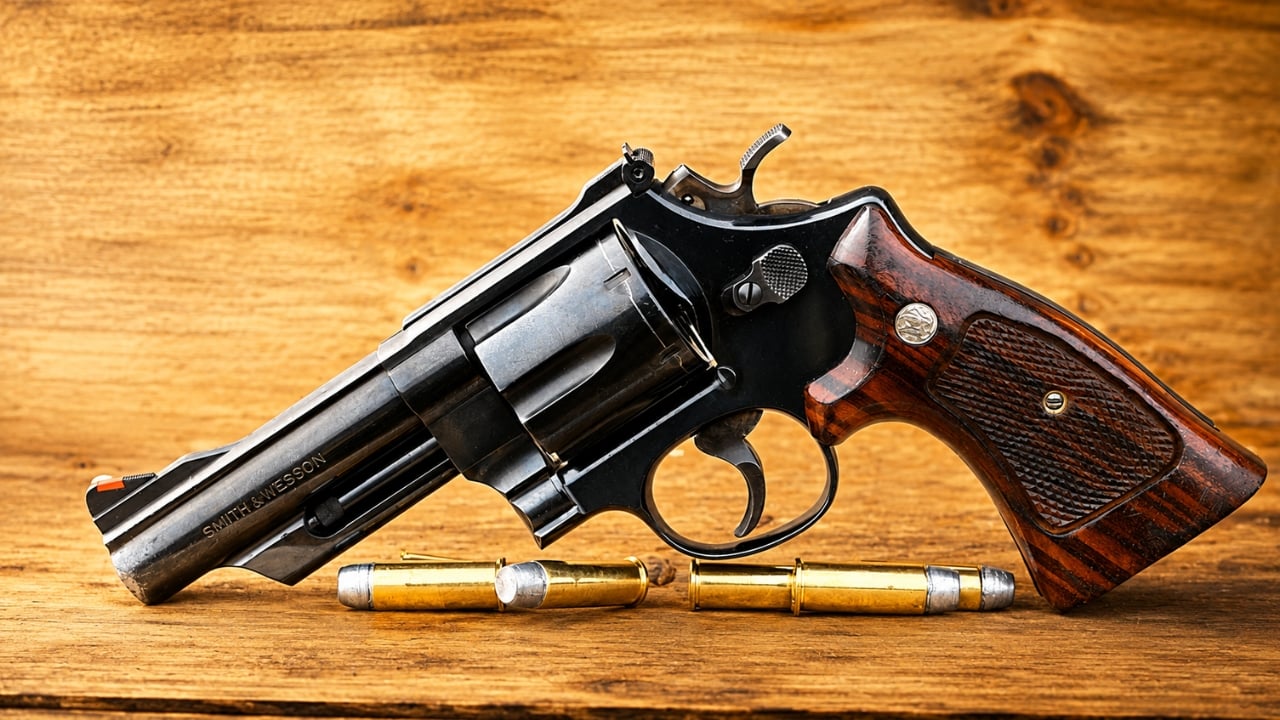
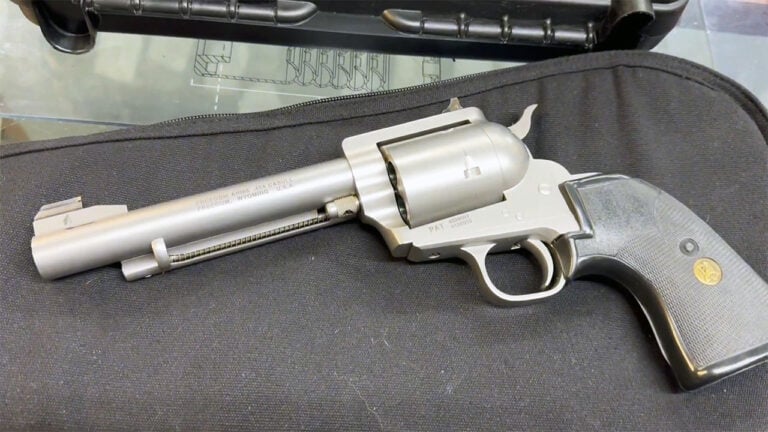
The Model 29 has been a bucket-list revolver for decades, and sellers price it like every buyer is building a shrine. It’s a great revolver, but owning one is different than loving the idea of one. Full-house .44 Mag loads are work, not play, and a lot of these guns get fired just enough to prove a point and then live in the safe.
Condition is everything on these. Endshake, timing, and forcing cone wear matter if it’s seen a steady diet of hot loads. A pristine 29 is worth real money, but a worn shooter isn’t a retirement plan. If you want one for hunting, it can do the job, but you need to be honest about practice. The gun is famous. Your wrists are not.
9. Glock 19 Gen 3 (the “classic” that’s sometimes just old)
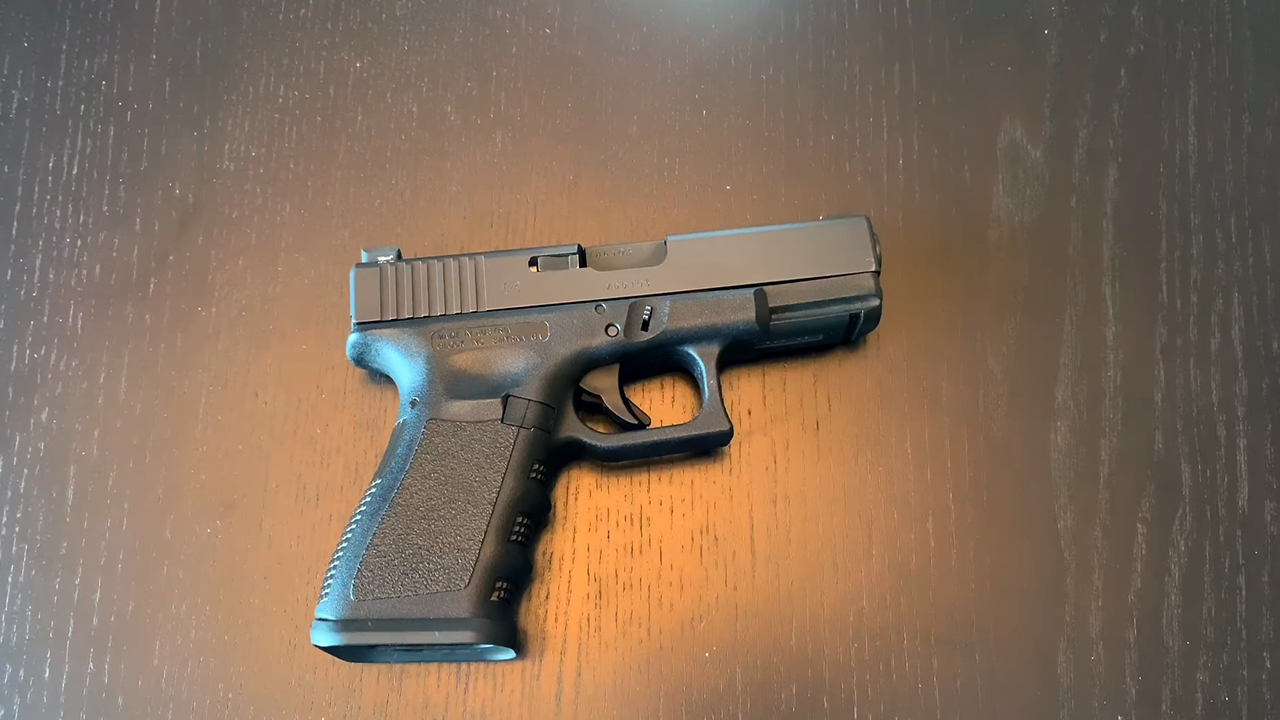
Gen 3 Glock 19s are everywhere and they run. That’s why it’s funny when a used one gets priced like it’s special simply because it’s a Gen 3. In some states with roster rules, I understand inflated prices. In a normal market, though, “it’s a Glock” only goes so far when it’s got unknown round count and shiny worn rails.
What makes a used Glock worth strong money is condition, mags, and a clean history, not hype. Aftermarket parts can be a plus or a red flag depending on who installed them. Night sights that are dead and a trigger that feels like it was “improved” on a kitchen table should move the price down, not up. A Glock 19 is a smart buy. Overpaying for a basic one is just buying someone else’s confidence.
10. SIG Sauer P365 (early guns and the “tiny 9mm solves everything” myth)
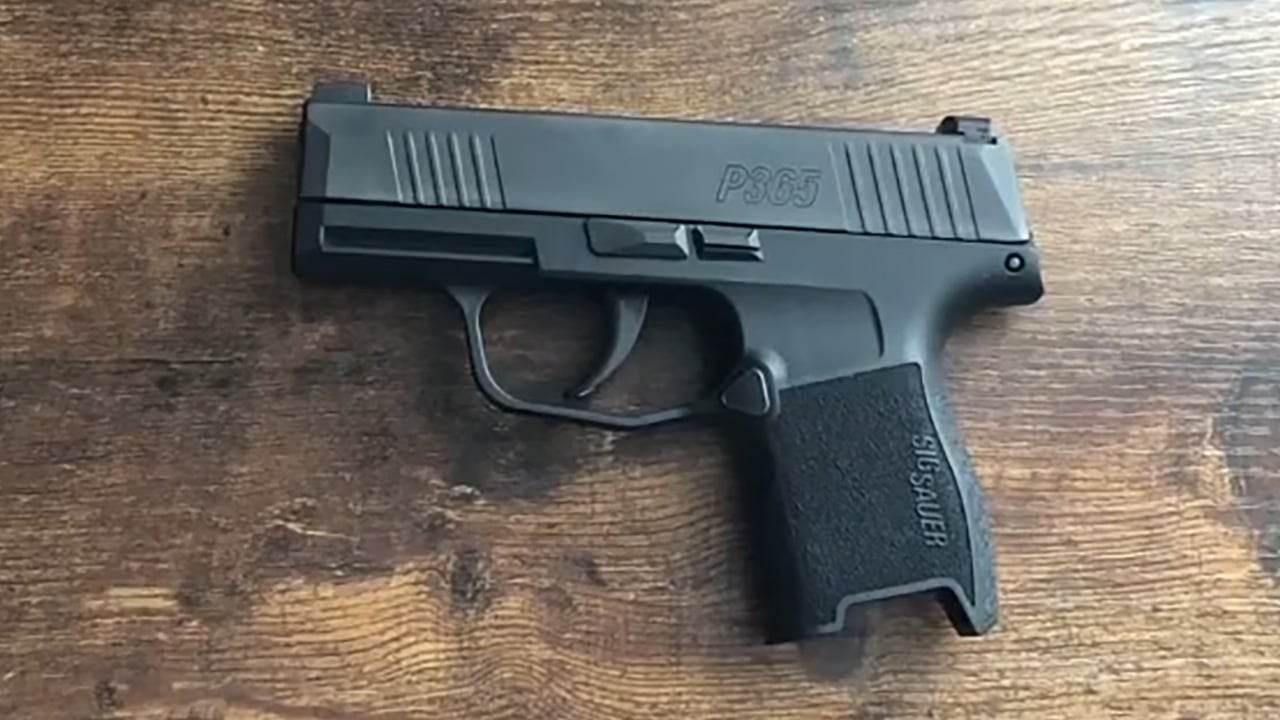
The P365 changed the concealed carry world, no doubt. It also created a weird used-market attitude where any P365 is treated like it’s automatically worth near-new money forever. The reality is that early-production examples and heavily carried guns can have their own issues, and micro-compacts live a harder life than folks admit.
Lint, sweat, and pocket carry can beat on small parts. Springs matter. Tiny guns are also less forgiving to shoot well, especially when you’re pushing speed. If you’re buying used, make sure you’re not paying “like new” pricing for a pistol that’s been carried daily for years with only occasional maintenance. The design is good. The individual sample still needs to be good.
Free for gun owners: If something happened to you tomorrow, would your family know where the guns are, who has the safe combination, or what to do first? Our free Gun Owner’s Family Checklist walks them through it. It takes about 15 minutes to fill out. Get your free copy here.
11. Kimber Custom II (pretty 1911 pricing, mixed-bag experiences)
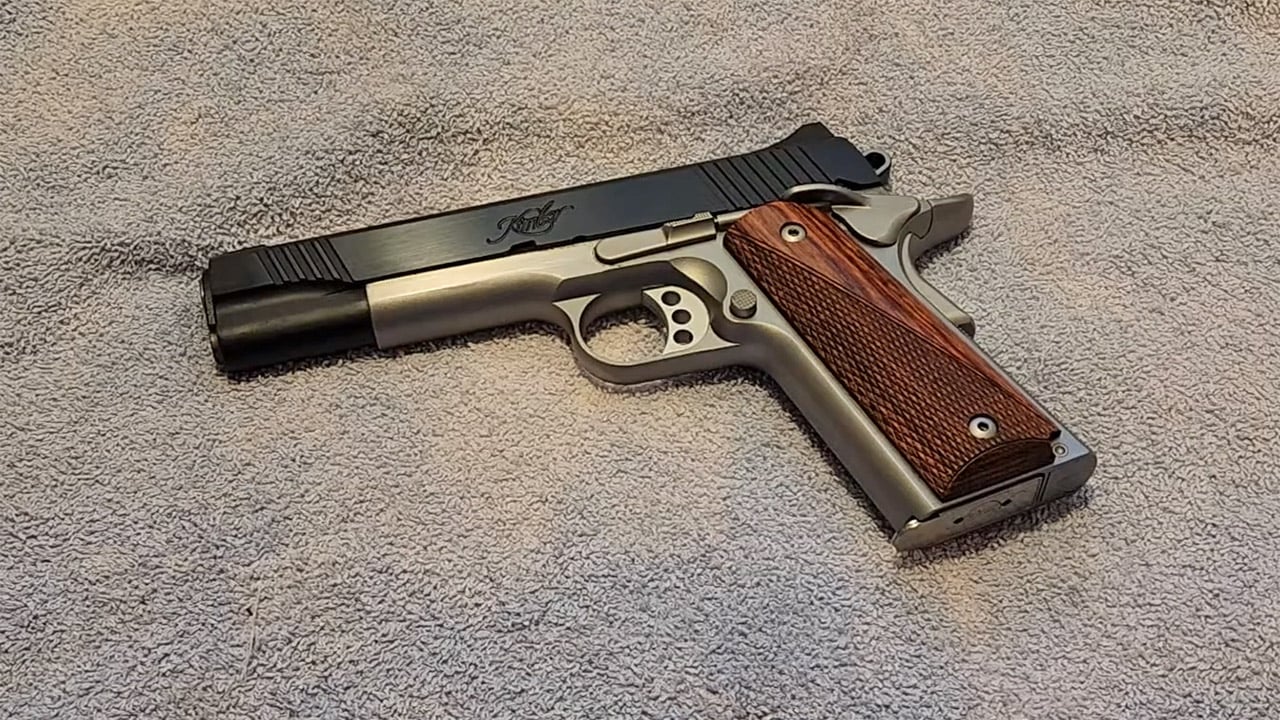
Kimber 1911s look the part. They feel good in the hand, the finish is usually sharp, and sellers lean hard on that when it’s time to set a price. The trouble is that 1911s can be picky, and Kimber’s reputation is all over the map depending on the exact gun, magazine choice, and ammo.
Plenty run great. Plenty also get traded off after the “break-in period” turns into a long-term relationship with malfunctions. If you’re buying one, you want to see it run or at least see honest wear patterns that make sense. A lightly fired safe queen might be fine, or it might be a gun someone gave up on early. Paying a premium just because it’s shiny is how you wind up with a very expensive range interruption.
12. Rock Island Armory GI Standard FS (when “just as good” isn’t)
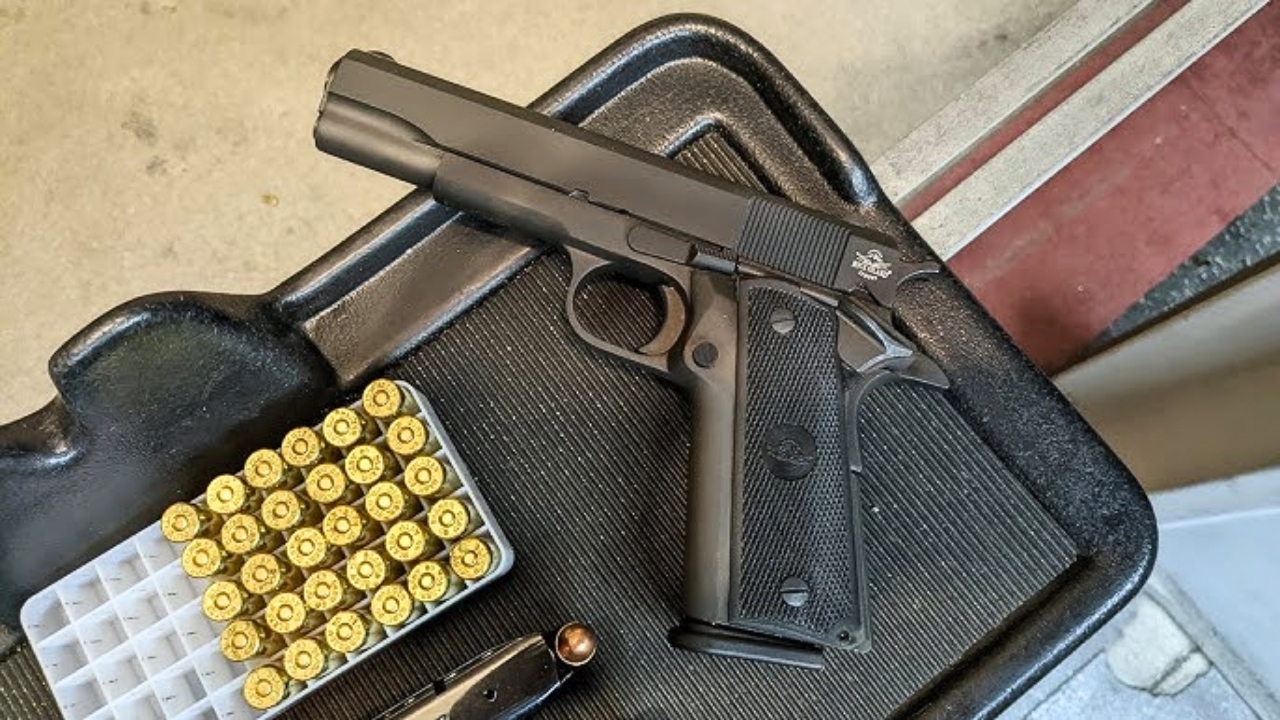
RIA makes affordable 1911s that can be solid working guns. The problem starts when a seller prices a basic GI model like it’s competing with higher-end 1911s simply because demand is high or because they’ve added cheap accessories. A plain RIA is supposed to be a value play, not a collector piece.
These guns can be accurate enough and reliable enough, but they’re also built to a price point. Sights are often basic, triggers vary, and fit can be utilitarian. If you want a project 1911 or a range beater, they make sense. If the price is creeping into Springfield, Colt, or used Dan Wesson territory, that’s where you slow down. There is nothing fancy about it, and that is kind of the point—until someone tries to sell it like it’s fancy.
13. Taurus Judge (cool factor priced higher than real usefulness)
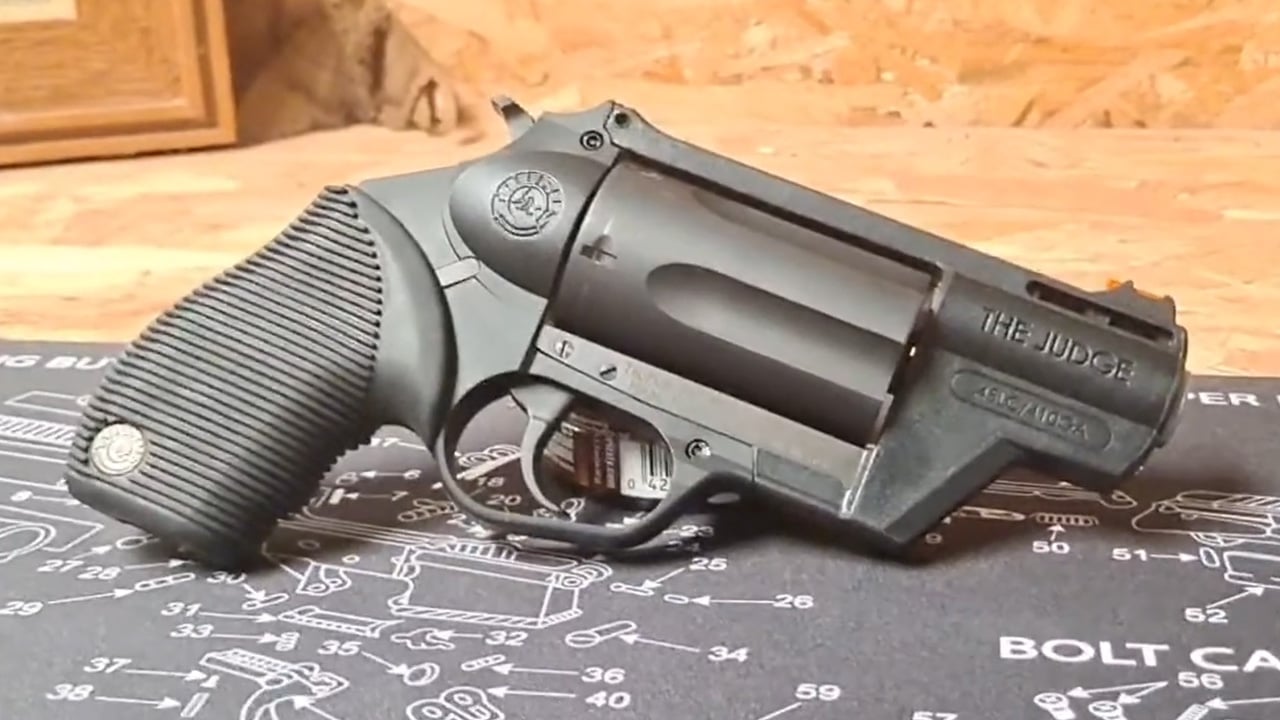
The Judge sells itself in a gun shop. It looks like a problem solver, it’s different, and it has a built-in story. Sellers love that, because it keeps the price strong even when the buyer hasn’t thought through what it’s actually good at. .410 shotshell performance out of a short revolver barrel is not the same thing as a shotgun.
Can it be useful for snakes at very close range? Sure. Is it a do-it-all defensive hammer like the marketing makes it sound? Not really. Recoil and blast are real, patterns can be unimpressive, and the bulk makes it a pain to carry. If you want one because you want one, fine. Paying top dollar because you think it replaces a shotgun, a revolver, and a talisman all at once is where reality shows up.
14. Remington 870 Express (rusty “closet guns” sold like Wingmasters)

The 870 is a legend, and older Wingmasters earned it. The Express line, especially in certain eras, is where sellers try to ride the legend a little too hard. I’ve handled plenty of used Express guns with rough chambers, spotty finish, and that telltale orange freckling from sitting in a damp corner after turkey season.
An 870 can still be a great shotgun, but condition and generation matter. A smooth, older 870 that cycles like it’s on ball bearings is a joy. A rough Express with a sticky extraction habit is not. If you’re paying “classic 870” money, you should be getting a gun that feels like a classic, not a gun you have to polish and troubleshoot before it’s trustworthy. That one hurts because the fix is often “start with a better 870.”
15. Mossberg 500 (the used ones with mystery parts and loose furniture)

Mossberg 500s are honest shotguns, and they’ve probably filled more freezers than most of the internet’s tactical favorites. Because they’re common, sellers sometimes assume any 500 is worth a strong price, even when it’s been “modded” with bargain accessories and lived a hard life. A sloppy forend and wobbling stock aren’t features.
On the plus side, parts are everywhere and the design is forgiving. On the minus side, people treat them like Legos and then sell the results as “upgraded.” If you’re buying one for a deer camp gun or home defense, you want smooth cycling, a decent barrel, and a clean safety. A used 500 can be a great buy. A used 500 with a box of mismatched bits attached to it is often just somebody else’s unfinished idea.
16. Henry Golden Boy .22 (pretty doesn’t always mean practical)
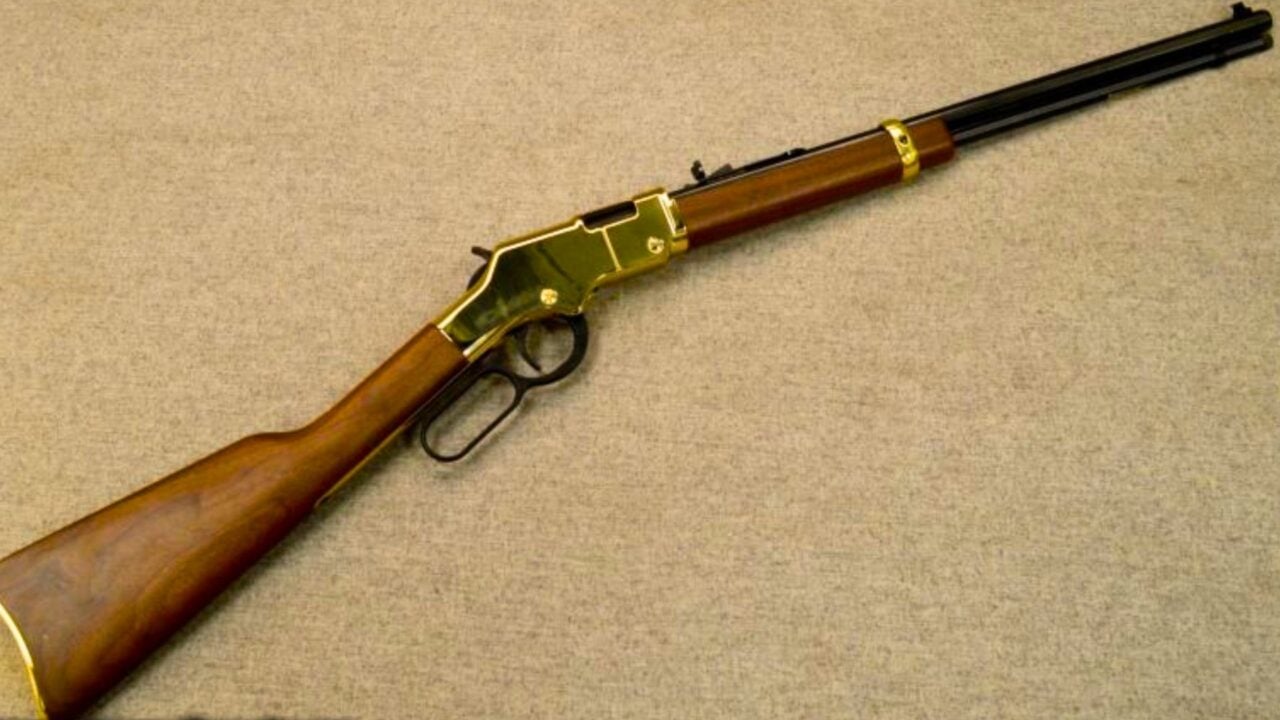
The Golden Boy is the gun that gets picked up, shouldered, and admired. Sellers know that, and the pricing often reflects it. It’s a nice lever-action .22 and it’s fun to shoot, but you need to separate “heirloom vibes” from what it actually is: a rimfire plinker with a brasslite receiver cover and a lot of shine.
If you want a field .22 that rides in a truck, bangs around in a scabbard, and gets used hard, the Golden Boy isn’t always the best match. That bright finish shows every little mark, and you’ll baby it whether you mean to or not. Accuracy is generally fine, but the value proposition gets weird when the price jumps and you realize a plain Ruger 10/22 or a CZ bolt gun may serve you better. It’s a feel-good gun. Just don’t confuse that with “must pay any price.”
17. Ruger 10/22 (custom builds sold like boutique rifles)
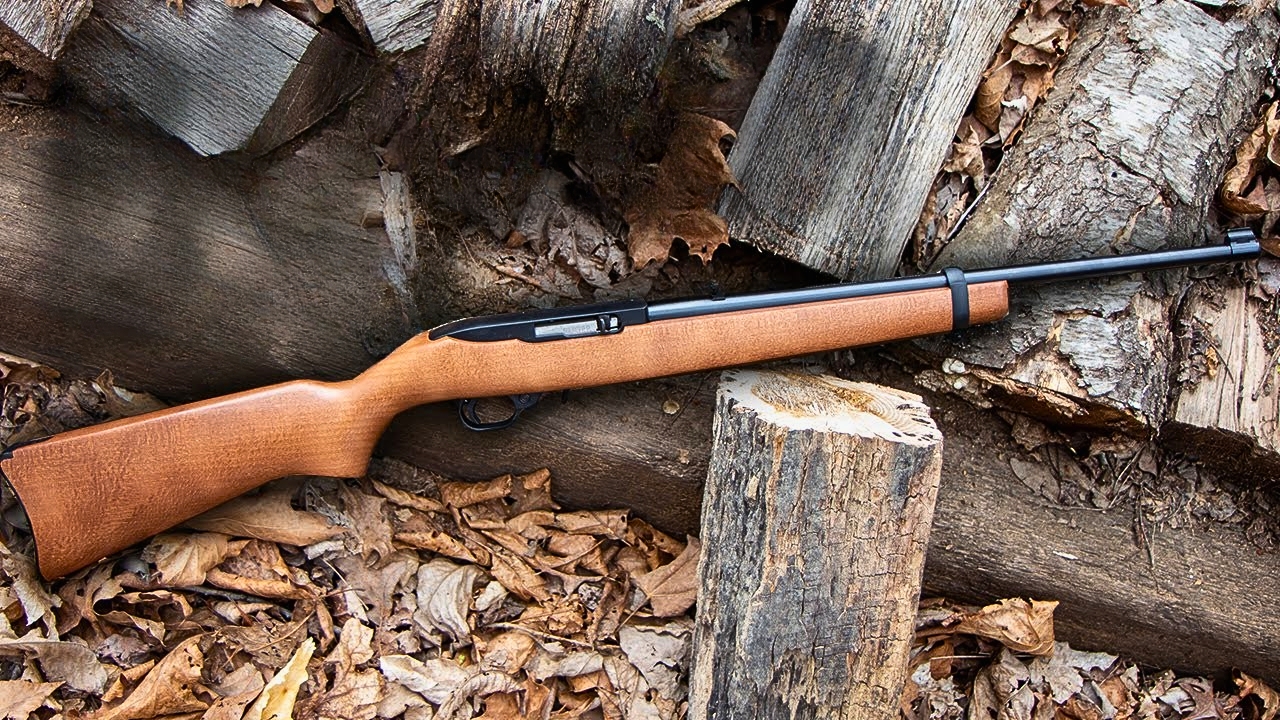
A bone-stock 10/22 is one of the smartest guns ever made. Then the aftermarket happened. I’ve seen homebuilt 10/22s priced like the builder should get paid for his labor, his taste in parts, and his YouTube education. Sometimes the parts are quality. Sometimes it’s a pile of random upgrades that don’t work together as nicely as the seller claims.
If it’s built with reputable components and it shoots, great. But “I put $900 into it” does not mean it’s worth $900 to the next guy. Tolerance stacking can create feeding problems, and cheap triggers can feel good right up until they don’t reset right. Ask what mags it likes, what ammo it runs, and whether the original parts come with it. A 10/22 is supposed to be easy. A finicky, overpriced “custom” is the opposite of the point.
18. Savage Axis (priced too close to a Savage 110)
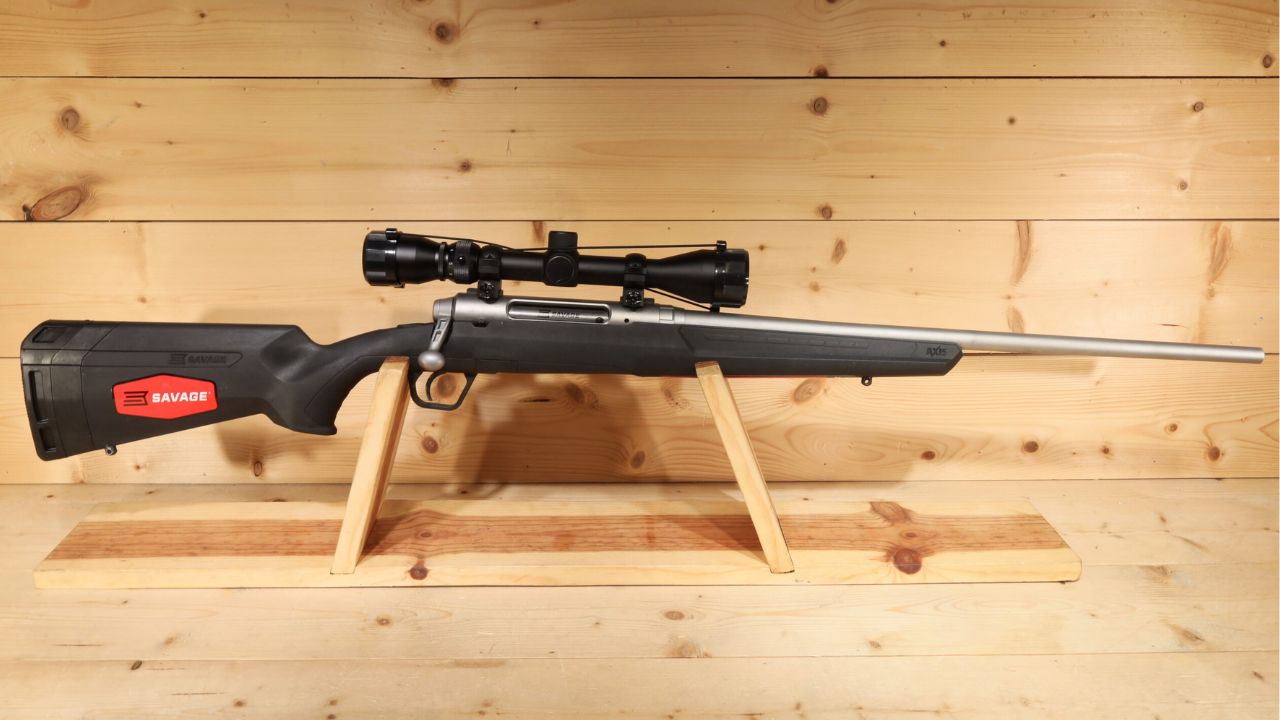
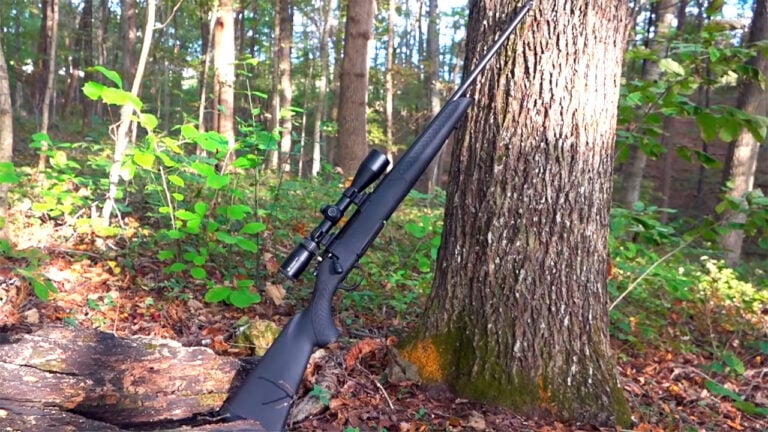
The Axis is one of those rifles that exists to get a hunter into the woods with a scoped rifle for not much money. When sellers price a used Axis within spitting distance of a used Savage 110 or Ruger American, it stops making sense. The Axis can shoot, no question, but the whole package is built to a budget.
Stocks are flexy, magazines and bottom metal can feel cheap, and the overall feel is more “tool” than “classic.” Nothing wrong with a tool, as long as you’re paying tool money. The mistake is paying almost-upgrade money for the entry model because the seller threw on a bargain scope and calls it “ready to hunt.” Ask me how I know: the scope is usually the weakest link, and then you’re replacing half the setup anyway.
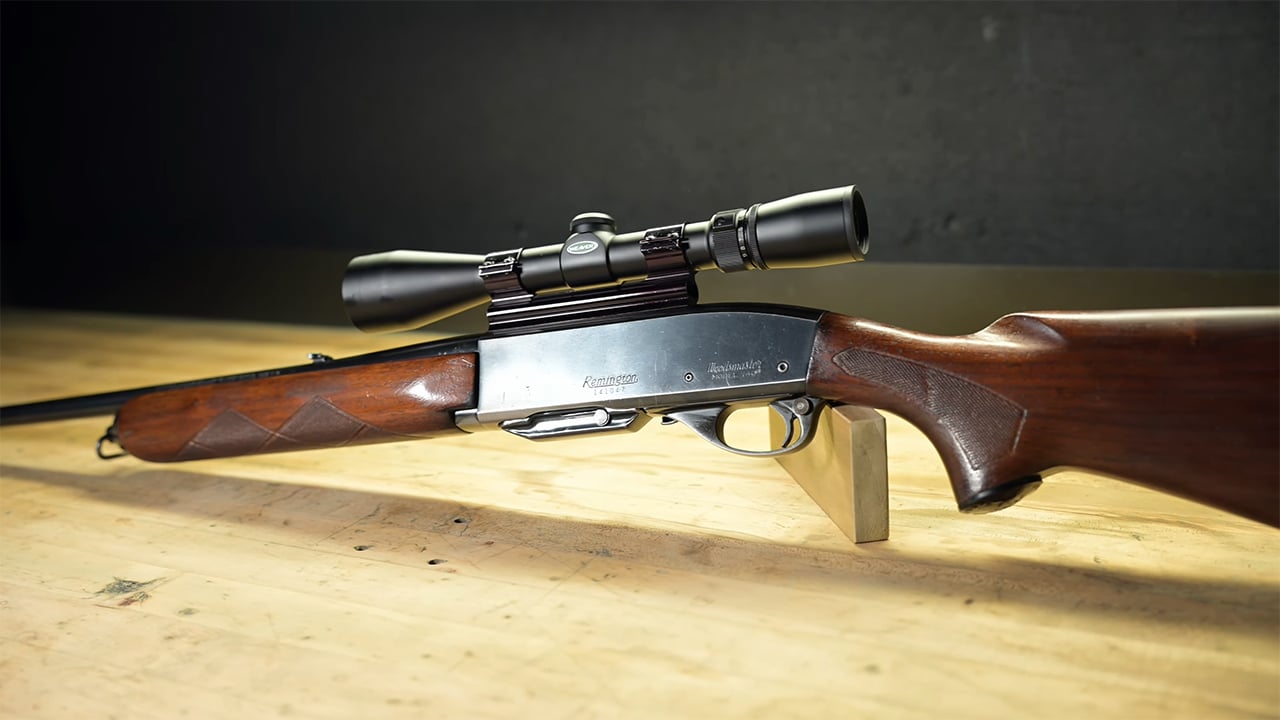
19. Remington Model 742/7400 (the deer rifle that becomes a jam story)
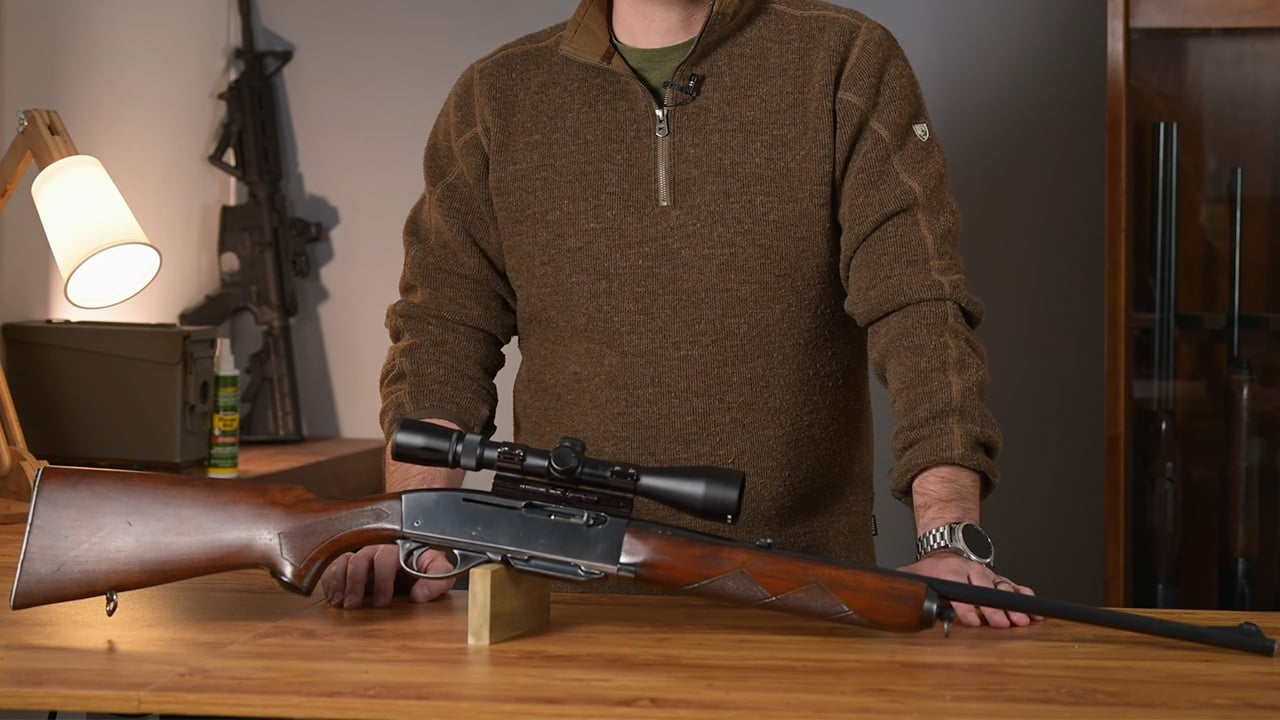
In a lot of deer camps, there’s a Remington 742 or 7400 with stories attached to it. When they run, they’re fast-handling woods rifles that feel right. Sellers also know they have a following, so you’ll see some priced like they’re safe bets. The catch is that these rifles have known wear points, and neglect shows up at the worst time.
Dirty chambers, worn action parts, and magazine issues can turn them into single-shot surprises. Parts availability and competent service can be a factor depending on where you live. If you find one that’s been cared for and you understand what it is, it can be a neat hunting rifle. If you’re buying it as your one-and-only deer gun because the price tag says “classic Remington,” you’re gambling on a design that doesn’t love being ignored.
20. Browning A5 (old “Sweet Sixteen” hype and the recoil reality)

The old Auto-5 has style for days, and certain variants bring serious money. Sellers often price any A5 like it’s automatically one of the “special” ones, especially if it’s a 16 gauge. The humpback profile and the history are real, but so is the reality of older recoil-operated guns: setup matters, parts matter, and recoil can be sharp compared to modern gas guns.
Friction rings set wrong, worn springs, or a gun that’s been “lightly modified” can cause cycling problems or beat the gun up. If you’re buying it for upland use, the weight and balance might be perfect for you, or it might feel like you’re carrying a fence post by noon. A good A5 is a treasure. A random A5 priced like a treasure is just a fast way to spend money on nostalgia.
None of these guns are automatic “don’t buy” choices. The point is that a confident seller and a hot market can make anything sound like a sure thing. Slow down, handle the gun like you actually intend to use it, and ask the boring questions about condition, parts, and purpose. The best deals usually aren’t the ones that come with a speech. They’re the ones where the gun quietly proves what it is the moment you work the action and look it over.
Like The Avid Outdoorsman’s content? Subscribe to our newsletter so you never miss an article.
Here’s more from us: